


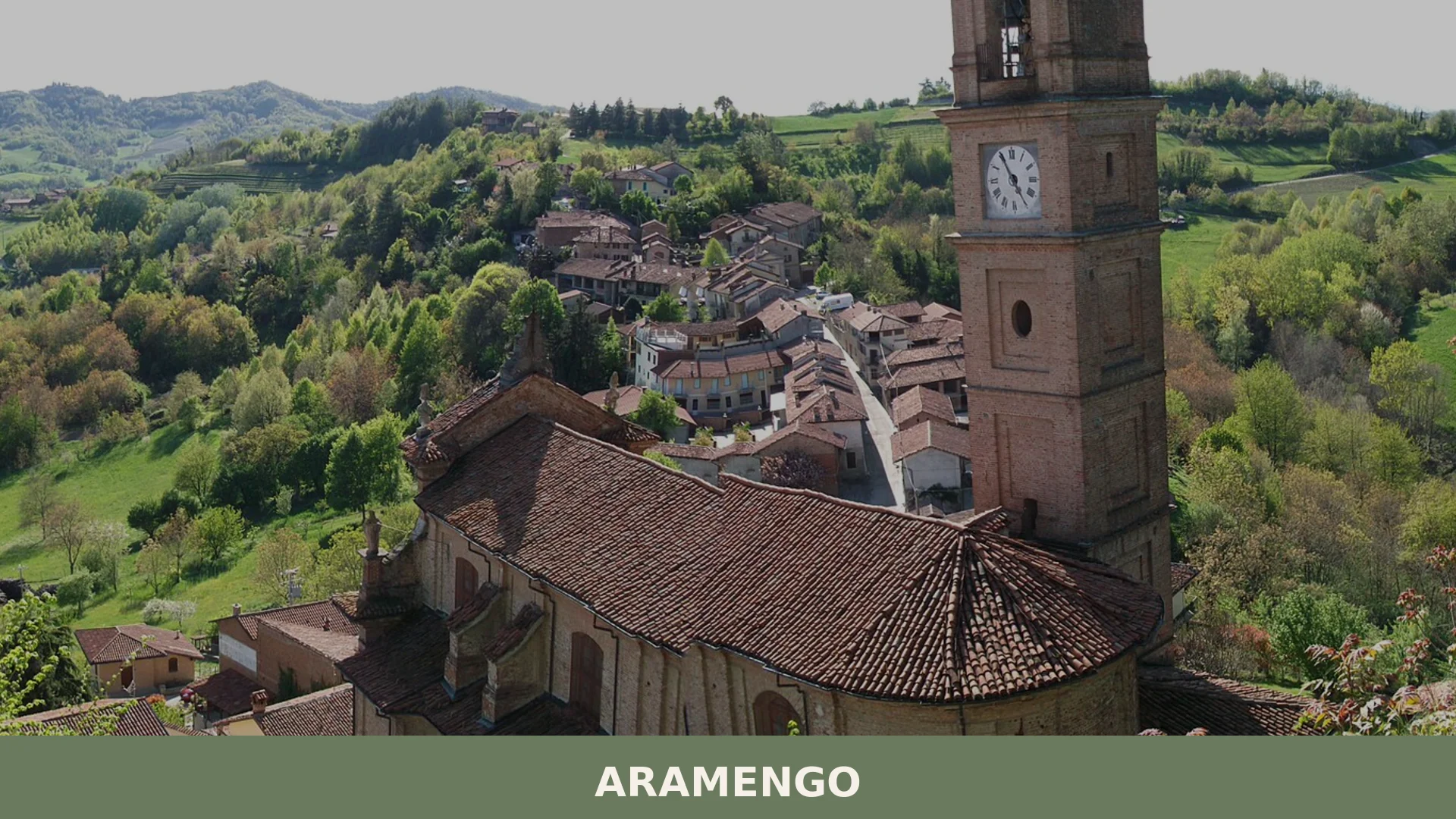
Aramengo
 Hills
Hills
Aramengo is a small comune in the province of Asti, set among the inland hills of the northern Monferrato at 364 metres, with centuries of feudal history, notable religious architecture, and a living
Discover Aramengo
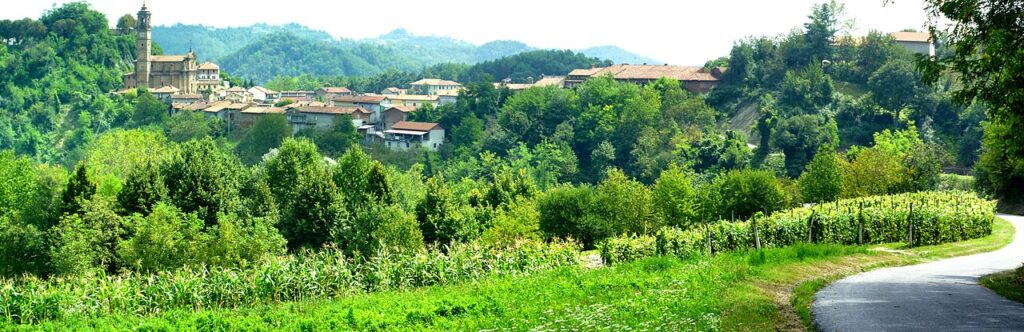
Aramengo is a comune of 581 inhabitants in the province of Asti, Piemonte, occupying 11.41 square kilometres of inland hills in the northern Monferrato, at an elevation of 357 metres above sea level. Its territory stretches along the ridge between the valleys of the torrents Versa and Stura to the east and the rio Meinia to the west, close to the former state road between Chivasso and Asti and near the border with the province of Turin. The hamlets of Masio, Marmorito, and Gonengo are scattered across slopes that range between 300 and 357 metres, giving the commune a gently varied profile typical of this part of Piedmont.
Aramengo village in Piedmont rewards visitors with a layered history written in stone and vine: a Romanesque chapel, a late-Baroque parish church adorned with paintings by Guglielmo Caccia known as il Moncalvo, quiet roads suited to unhurried exploration, and a productive agricultural tradition that includes Barbera, Freisa, and Cortese wines, local salumi, honey, and the prized white truffle. The Cammino di San Michele, a long-distance route of 1,532 kilometres, passes through the area, connecting Aramengo to a broader network of pilgrimage and walking itineraries across northern Italy.
History of Aramengo village in Piedmont: feudal lords and centuries of change
Aramengo’s history is shaped above all by the long dominance of the Radicati family, feudal lords of a wide territory encompassing numerous neighbouring communes, whose authority over the area endured across several centuries before passing through a succession of noble houses and sovereign powers.
The higher sovereignty over Aramengo was held initially by the marchesi del Monferrato, around 1429, and later transferred to the duchi di Savoia. While this upper tier of authority changed hands, the Radicati progressively shared or ceded portions of their feudal rights to other noble families: the Curtet di Grosso, the Biglione di Pogliano, the Borda di Piobesi, and eventually the Balbiano di Aramengo, whose descendants retain ownership of several properties in the commune to this day.
Churches, Chapels and a Giant Bench: Aramengo’s Built Heritage
Aramengo has four religious buildings of note — the parish church of Sant’Antonio Abate, the Romanesque church of San Giorgio in the locality of Masio, the church of the Madonna della Neve in Marmorito, and the sanctuary of Santa Maria in Gonengo — along with a contemporary landmark, the Giant Bench known as “Bonardina”.
Parish Church of Sant’Antonio Abate
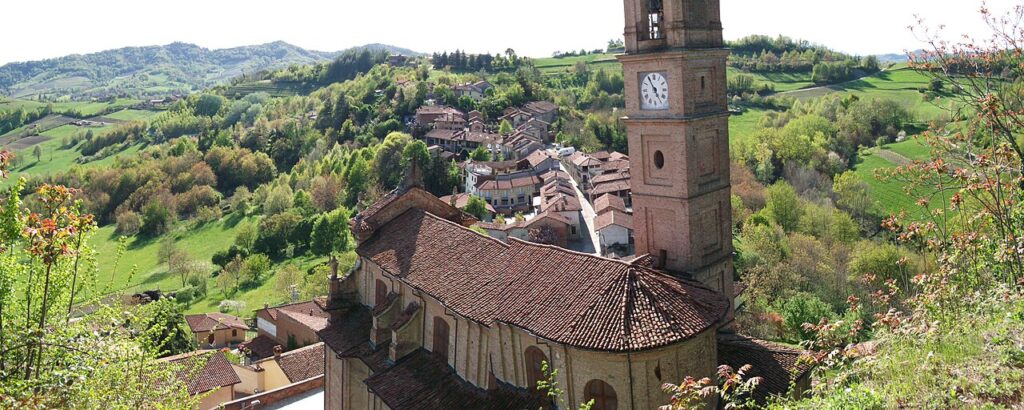
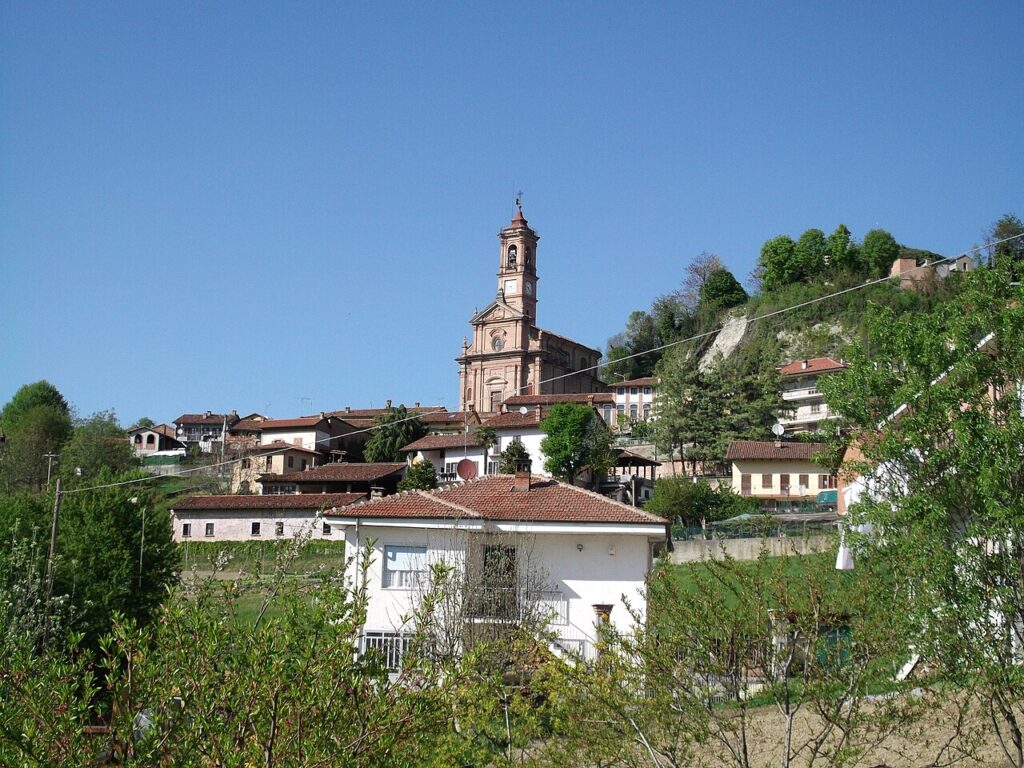
Built between 1770 and 1791 in a late Baroque style, the church of Sant’Antonio Abate stands alongside a large campanile. The interior follows a Neoclassical character and contains an elaborate altar, finely carved woodwork concentrated in the apsidal area and the sacristy, and a group of paintings by Guglielmo Caccia, known as il Moncalvo.
Church of San Giorgio
This small rural church in the locality of Masio dates to the late thirteenth century and is Romanesque in origin. Its most accomplished feature is the apsidal section. The building has been recently restored and is part of the “Rete del Romanico” excursion project, which organises visits with the support of volunteers during summer openings.
Church of the Madonna della Neve
Erected in 1839 in Marmorito, this church served as a parish church until 1986.
Sanctuary of Santa Maria
The sanctuary of Santa Maria is located in the Gonengo area of the municipal territory.
Giant Bench “Bonardina”
In Marmorito stands the Giant Bench called “Bonardina”, number 90 in the international “Big Bench Community Project” initiative.
Aramengo and Its Territory: Flavours from the Monferrato Hills
Aramengo sits within a productive corner of the Monferrato where bovine farming, hazelnut groves, beekeeping and truffle hunting all contribute to a table of recognisable local character — most notably the prized white truffle, a product of acknowledged reputation in this part of the Asti province. Local vineyards yield Barbera, Freisa and Cortese grapes, and the surrounding territory falls within several prestigious denominations including Barbera d’Asti DOCG, Barbera del Monferrato DOCG and Asti DOCG, wines that reflect the rolling landscape the village overlooks.
The broader provincial and regional food picture adds further depth. Certified products associated with the area include Robiola di Roccaverano DOP, Nocciola Piemonte IGP and Grana Padano DOP. Salumi — cured meats drawing on the local tradition of pig and cattle farming — are a consistent presence on the tables of the Monferrato, and the area’s miele (honey) rounds out a pantry grounded in agricultural continuity rather than novelty.
Planning your visit and getting there
Aramengo can be reached easily from the lower Val Pellice and the Turin area. The practical distances and journey times below are kept concise on purpose, so the access information stays clear and consistent.
| Departure | Distance | Time |
|---|---|---|
| Asti | approx. 25 km | approx. 30 min |
| Chivasso | approx. 20 km | approx. 25 min |
| Turin (city centre) | approx. 45 km | approx. 50 min |
These practical reference points are enough to plan the journey without overloading the text with unstable logistics. Once on site, the village is best understood slowly, on foot and in relation to the surrounding landscape.
Frequently asked questions about Aramengo
What is the best time to visit Aramengo?
July is ideal, especially around July 26th when the Feast of Sant'Anna, the village's patron saint, is celebrated. Summer offers pleasant weather for exploring the Monferrato hills on foot or by bike. Autumn provides cooler temperatures and grape harvest season, while spring brings wildflowers and fresh growth. Winter can be damp in this inland hill region, so prepare accordingly.
How do I reach Aramengo from Turin or Asti?
Aramengo lies in northern Monferrato, near the former state road connecting Chivasso and Asti, close to the Turin province border. By car from Asti, travel north toward Chivasso; the village is accessible via local roads. The nearest major train stations are Asti and Chivasso. Check local bus services (AST Piemonte) for connections to smaller communes in this rural area.
What outdoor activities are available around Aramengo?
The Cammino di San Michele, a 1,532-kilometre pilgrimage route, passes through the area, offering long-distance walking opportunities. The gently rolling Monferrato landscape is ideal for hiking and cycling. The terrain ranges between 300–400 metres elevation across scattered hamlets. Explore quiet country roads connecting Masio, Marmorito, and Gonengo for unhurried walks through vineyard-covered slopes.
What local products and wines should I try in Aramengo?
Aramengo produces acclaimed Barbera, Freisa, and Cortese wines from its hillside vineyards. Beyond wine, seek out local salumi (cured meats), honey, and white truffles—prized specialties of the Monferrato region. Many small producers operate in the area; ask locally for farm visits or tastings that showcase authentic Piedmontese flavours.
How long should I plan to spend in Aramengo?
A half-day visit suits exploring the parish church, Romanesque chapel, and village core. A full day allows leisurely walks through hamlets and surrounding countryside. To fully experience local wine and food culture, consider an overnight stay in an agriturismo or rural accommodation, extending your visit to two days for a deeper rural Piedmont experience.
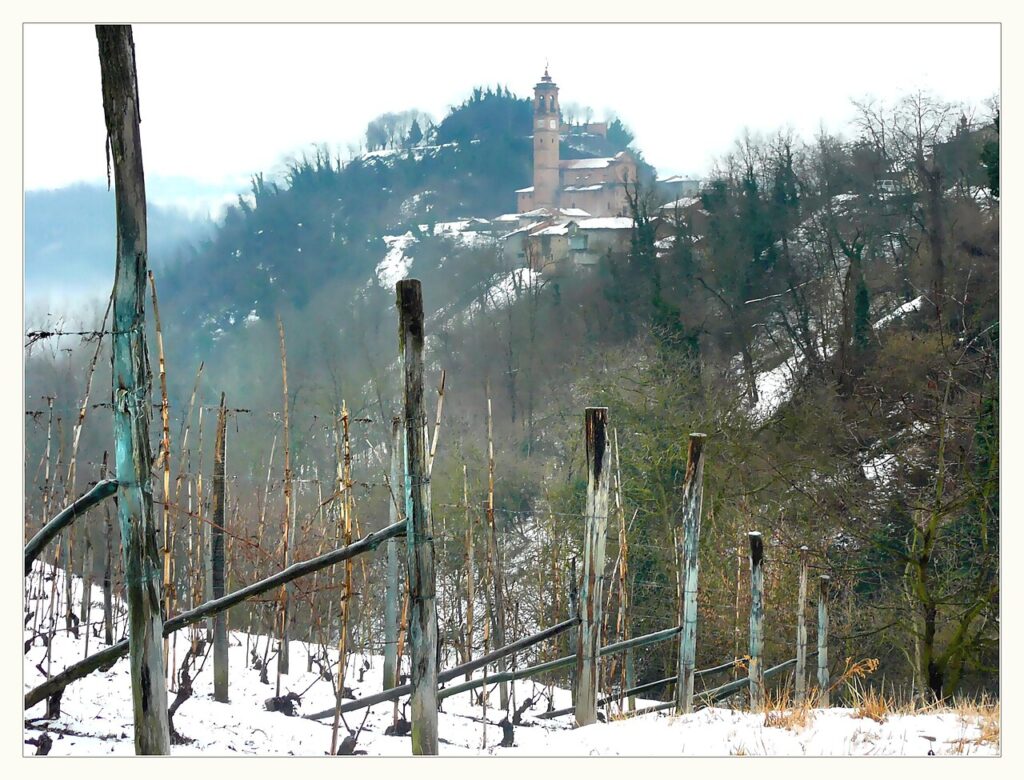
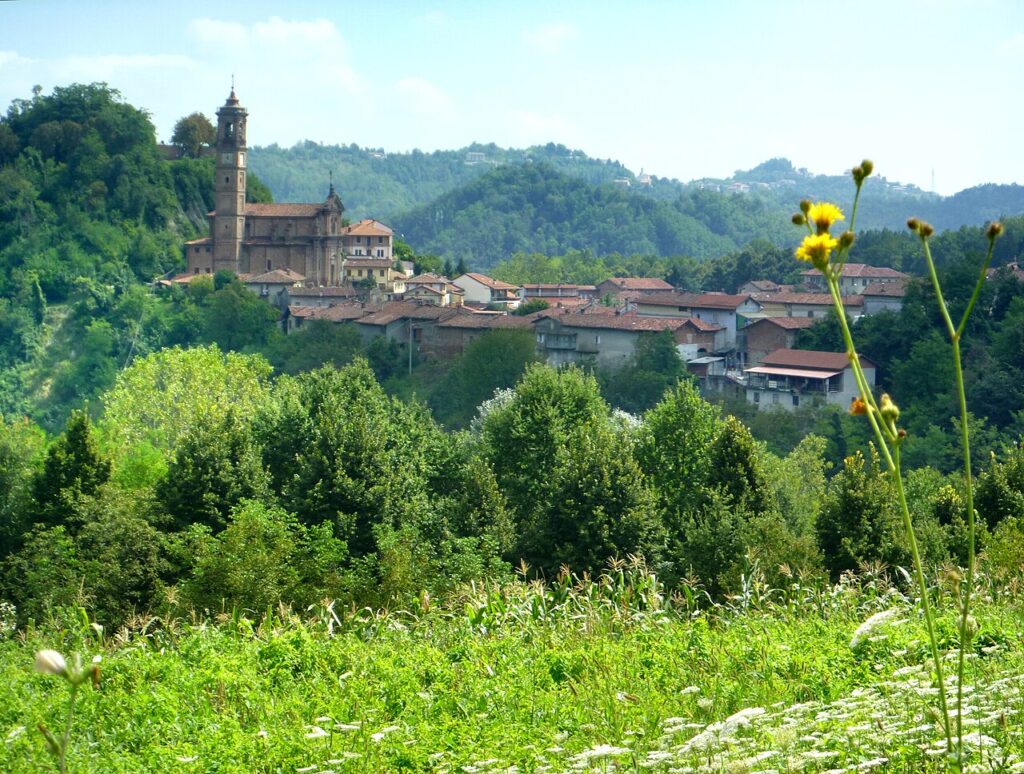
📷 Photo Gallery — Aramengo
In Piedmont More villages to discover

Brandizzo
 Plains
A plains settlement shaped by centuries of feudal rule and 20th-century industry. Discover baroque architecture, carnival traditions, and the Po river landscape.
Rondissone
Plains
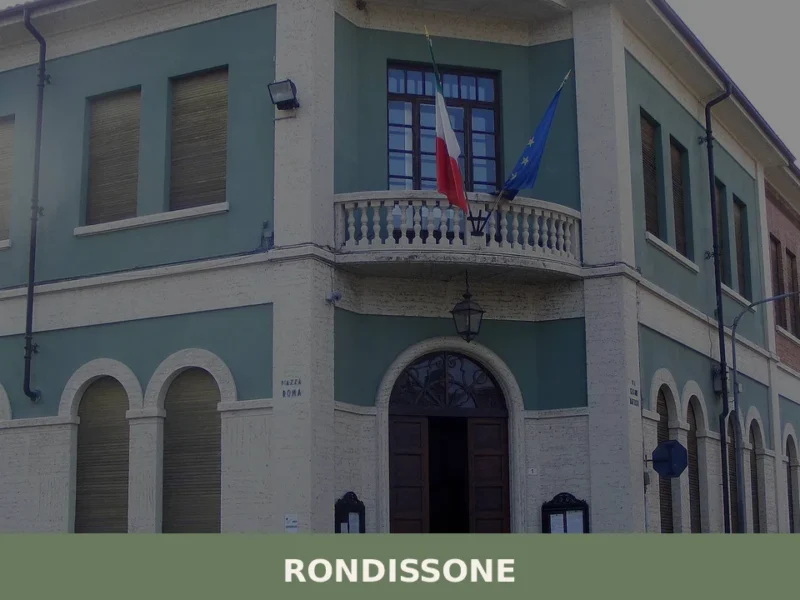
Discover what to see in Rondissone, a Po plain comune near Turin inside the Parco Fluviale del Po torinese. History, food, travel tips and more.

San Benedetto Belbo
Hills
145 residents, one literary trail, one medieval monastery legacy. San Benedetto Belbo rewards slow travellers with Fenoglio's landscape and Langa hilltop views.
Agliè
Hills
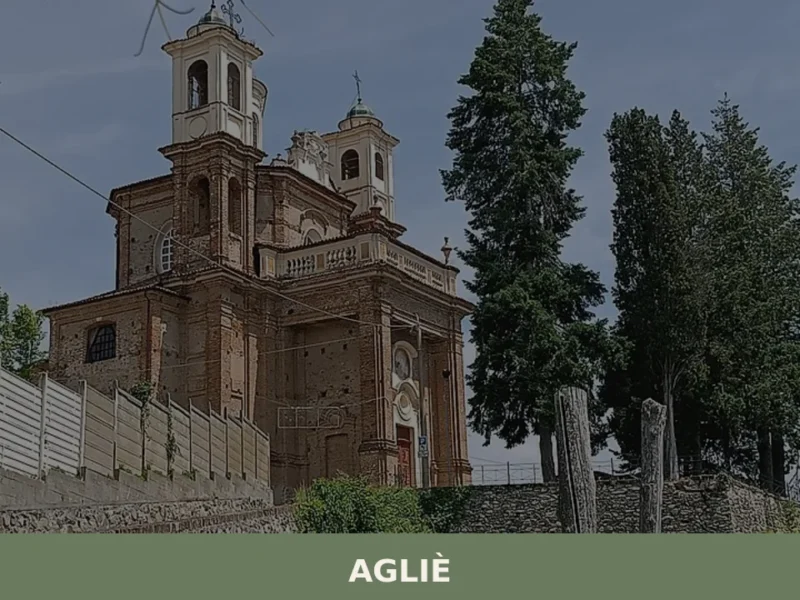
In 1646, Count Filippo San Martino d’Agliè — diplomat, poet, choreographer at the court of Christine of France — danced in the great hall of the castle that bears his name, directing baroque festivities destined to reshape Savoyard court ceremony. That castle still dominates the village’s skyline today with its eighteenth-century façade stretching over one […]
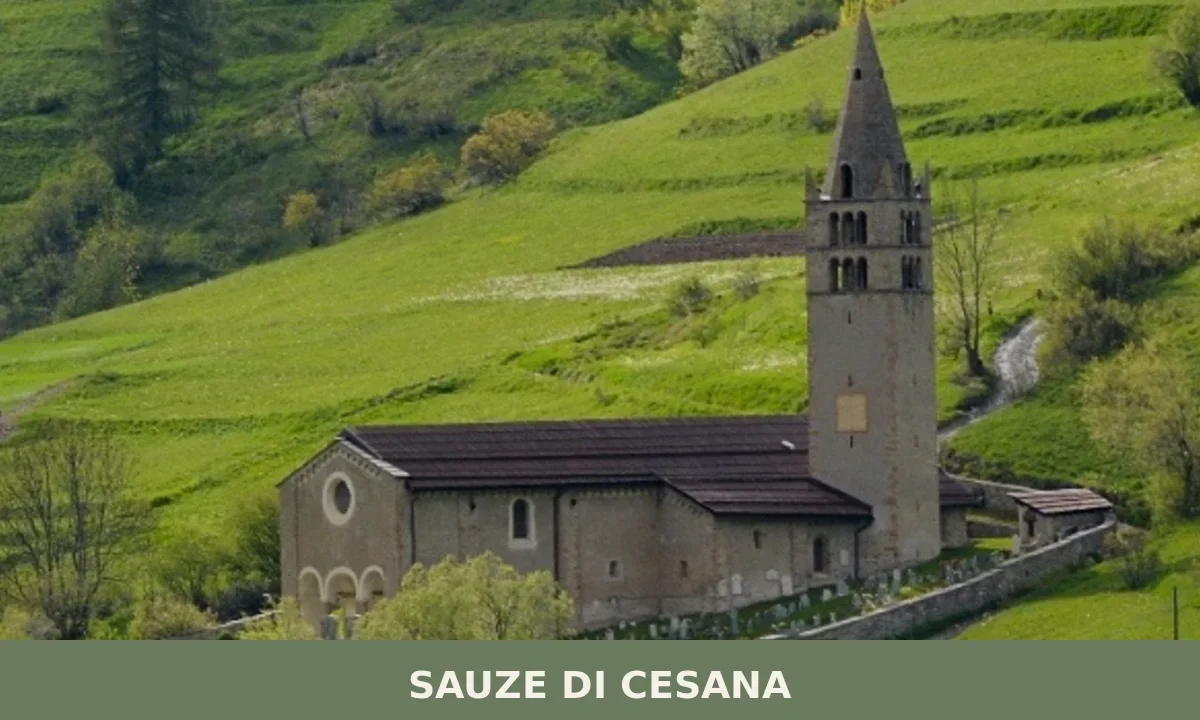
Sauze di Cesana
 Mountain
Population 226. A high-altitude mountain village in Val di Susa where stone architecture and a century of territorial struggle have shaped identity more than monuments.
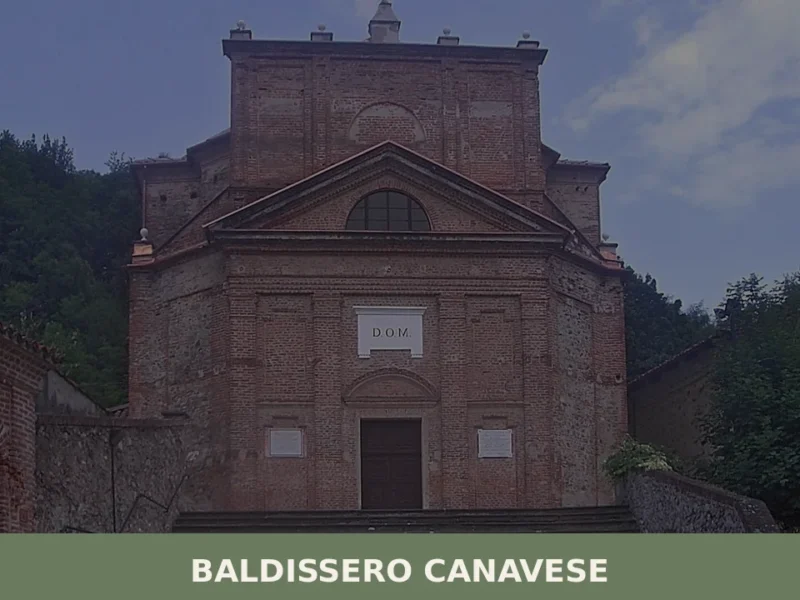
Baldissero Canavese
Hills
Baldissero Canavese has a population of 515 and stands at 392 metres on the hillside of the Canavese area, in the north-eastern corner of the Province of Turin, a short distance from the Piedmontese regional capital. The village is part of the Canavese settlement system, one of the historically densest areas in the region for […]
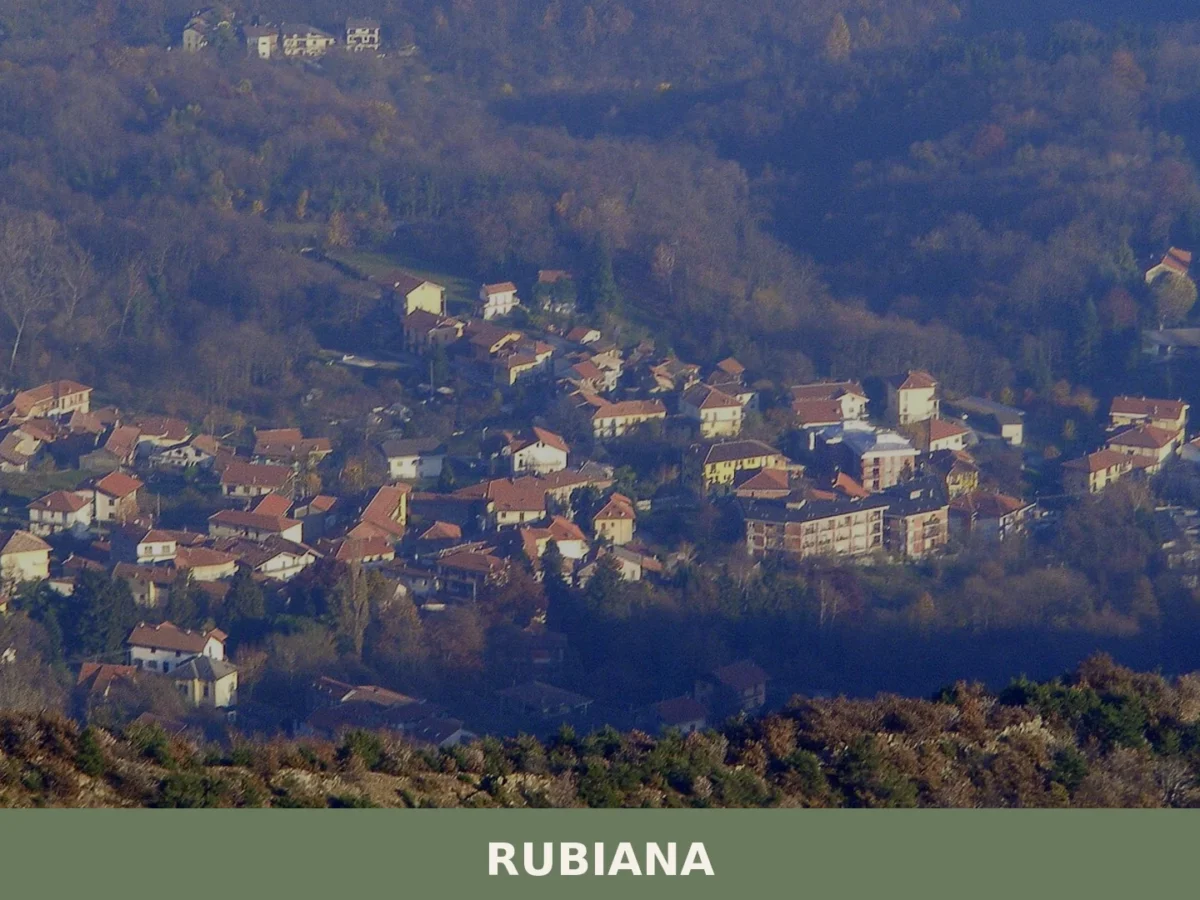
Rubiana
Mountain
Population 2,516. Rubiana sits in a mountain amphitheatre at 640m altitude, with documented origins in a 1029 charter and a landscape shaped by Celtic settlement and 18th-century pilgrimage.
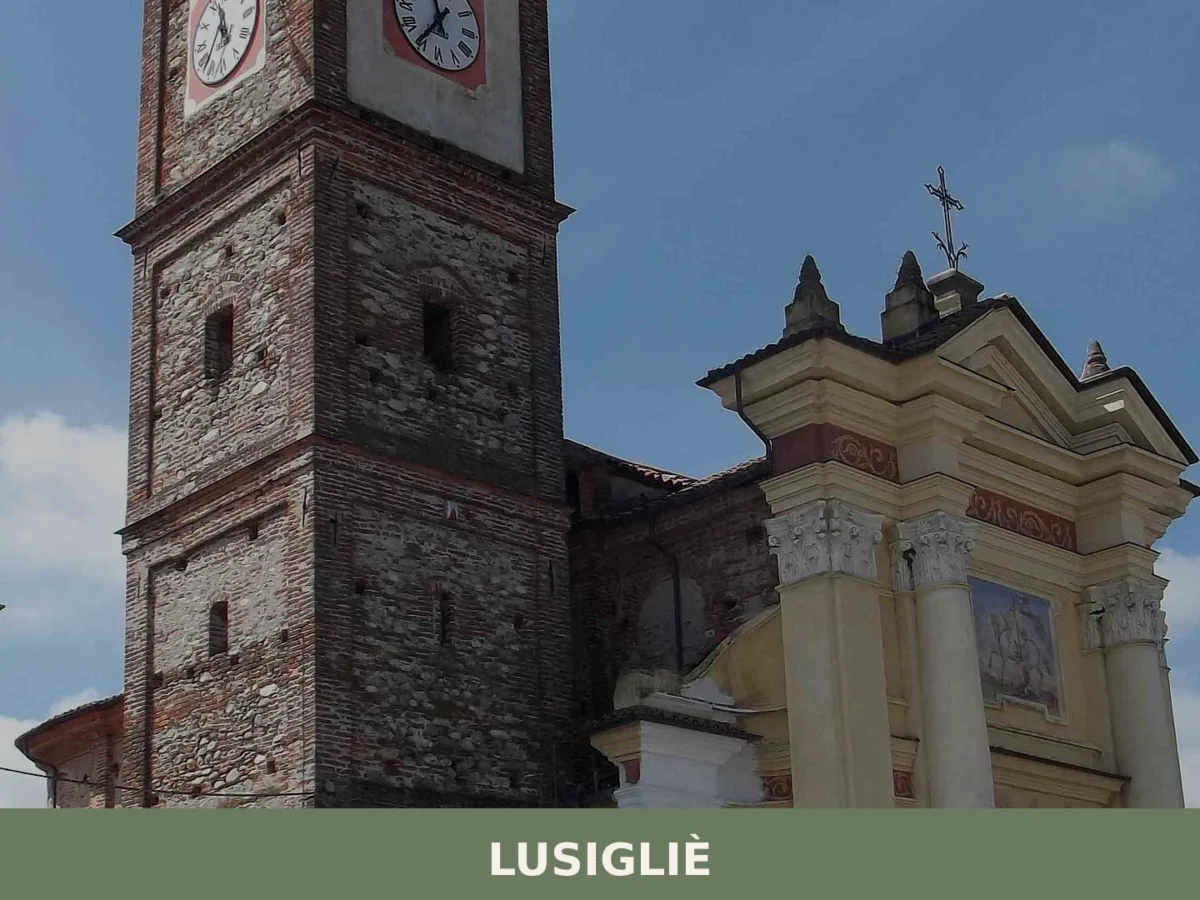
Lusigliè
Plains
554 residents, a medieval parish and two millennia of layered history make Lusigliè a compelling stop in the Alto Canavese, 30 km north of Turin.
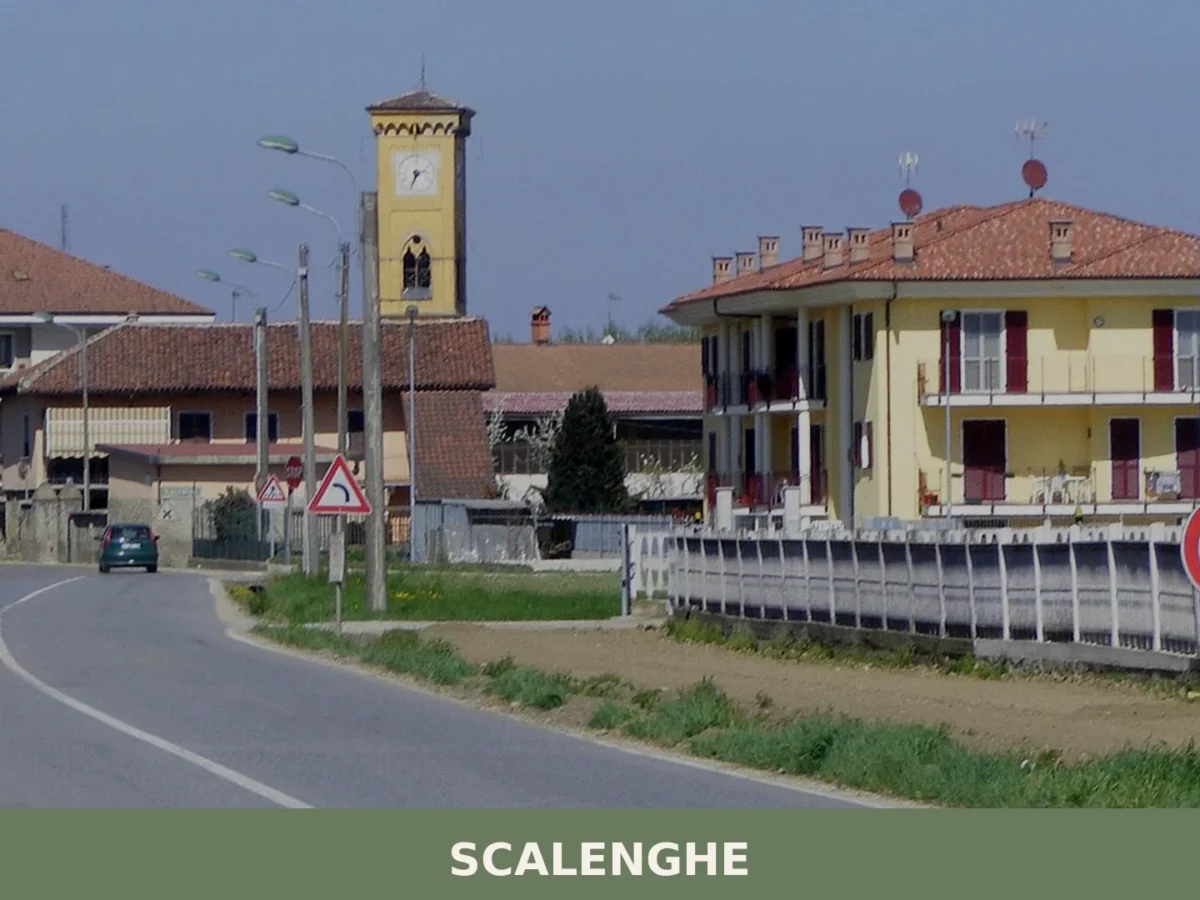
Scalenghe
Hills
A comune of 3,195 residents where centuries-old churches meet a landscape shaped by cattle and grain. Medieval roots and modern farming define this territorial landmark.
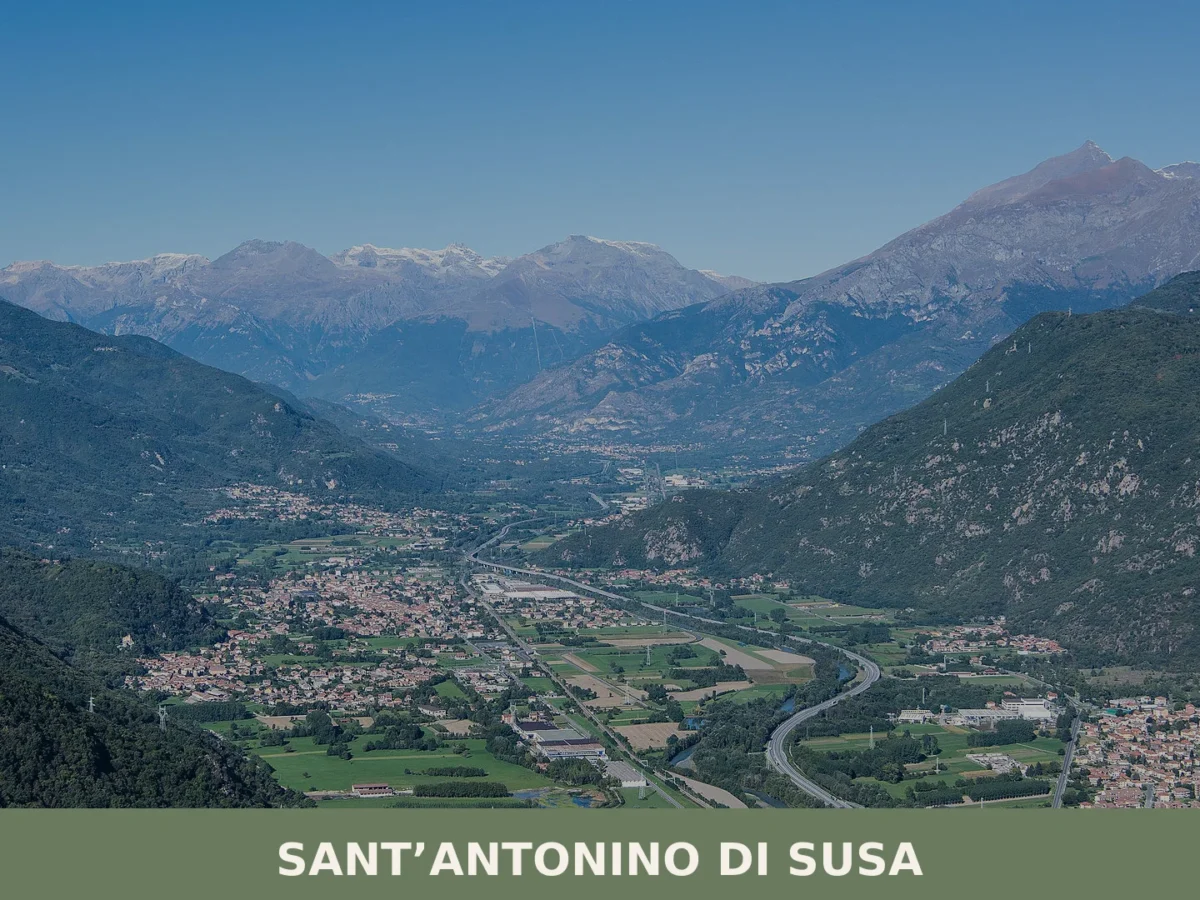
Sant’Antonino di Susa
Mountain
Sant'Antonino di Susa (population 4,074) occupies the right bank of the Dora Riparia at 380 metres. Medieval churches, partisan memory and the echoes of early industrial labour define this Piedmontese comune.




🏡 Know Aramengo better than we do?
If you’re a local or have been there, your knowledge matters: add what’s missing or fix a detail on this page.