


 Mountain
What to see in Arcidosso, Italy: explore a medieval castle built around 1000 AD, 3 surviving city gates, and local Monte Amiata cuisine. Discover top attractions now.
Discover Arcidosso
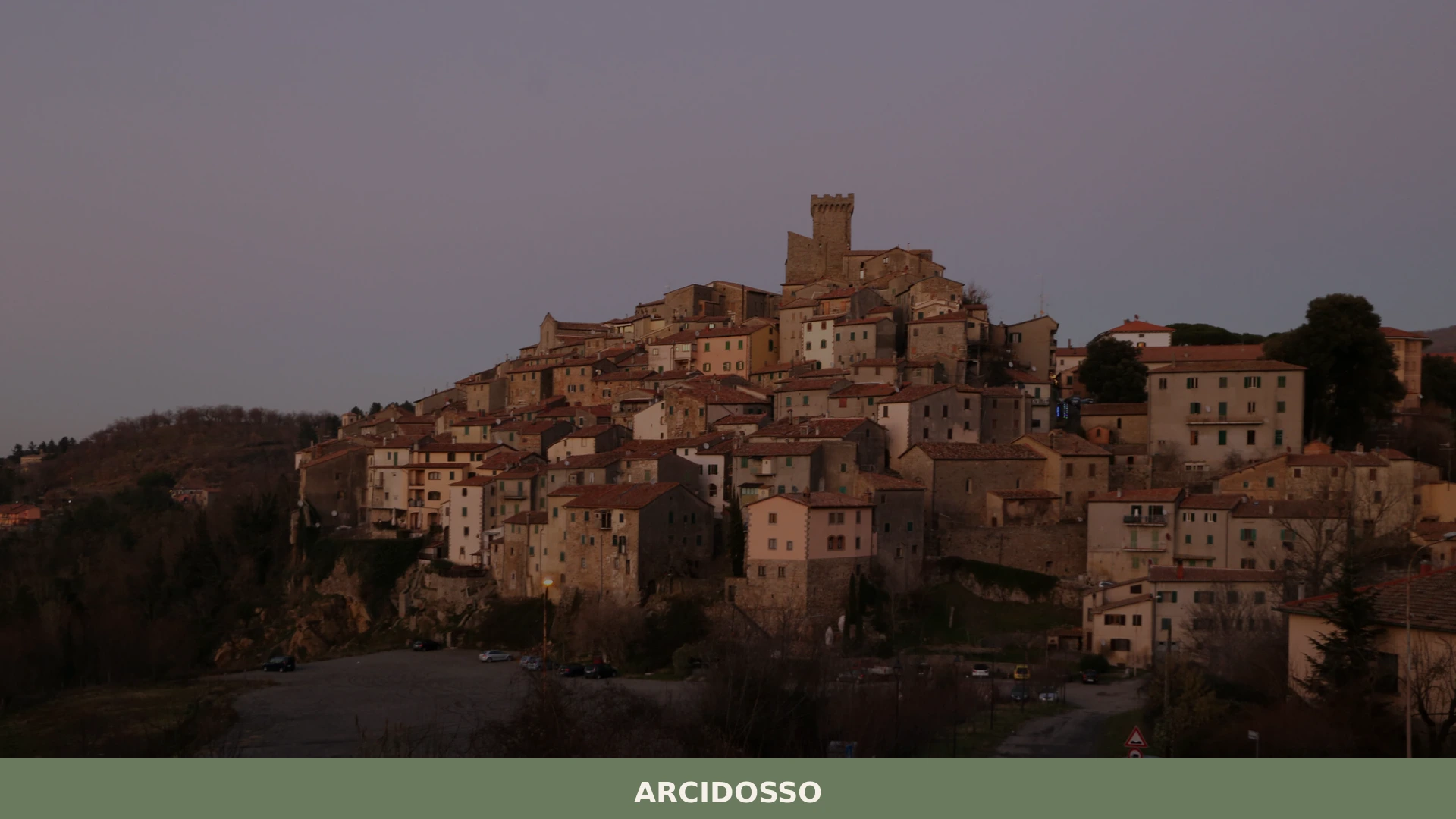
A tower rises above the roofline of the Aldobrandeschi fortress, its summit crowned by a row of blind arches resting on stone shelves. Below it, the historic centre of Arcidosso stretches along a narrow plateau in a shape that narrows upward like a pyramid, its medieval walls still pierced by gates that recorded six hundred years of arrivals and departures.
Three of those gates survive; two of them are original masonry from the Middle Ages, untouched by later rebuilding.
Knowing what to see in Arcidosso means understanding a place that sat at the centre of Monte Amiata politics for centuries.
The municipality lies about 100 km (62 mi) south of Florence and about 35 km (22 mi) northeast of Grosseto, in the Province of Grosseto, Toscana, Italy. Visitors to Arcidosso find a restored Aldobrandeschi castle now open for cultural events, several medieval churches containing frescoes and icons, a layered historic centre with documented roots to the year 860, and direct access to the wider Monte Amiata landscape.
Storia di Arcidosso
The earliest written record placing a settlement at this site dates to 860, when the territory is documented as belonging to the badia of San Salvatore, one of the major Benedictine abbeys of central Italy.
The construction of the first nucleus of the castle is traced to around the year 1000. From that point forward the fortification defined the shape of the town: buildings accumulated along the ridge below it, constrained by the plateau’s geometry and by the walls that enclosed them.
Between the 12th and 14th centuries the castle served as a stronghold of the Aldobrandeschi, a powerful Tuscan noble family whose influence spread across the Maremma and Amiata zones.
In 1331, the Sienese military commander Guidoriccio da Fogliano besieged Arcidosso for four months, deploying an army of 4,000 soldiers and 400 horsemen before the town surrendered.
The siege underlines how strategically valuable the position was: controlling Arcidosso meant controlling movement across the southern Amiata territory. After the fall of the Republic of Siena in 1556, the town passed under the Grand Duchy of Tuscany, and Cosimo I de’ Medici established multiple administrative offices here, reinforcing its role as a regional seat.
The Leopoldina Reformation of 1786 brought sweeping administrative reorganisation to the Grand Duchy, and Arcidosso responded with notable demographic growth: the population quadrupled over roughly the following hundred years.
That expansion confirmed Arcidosso as the primary political and administrative centre of the Monte Amiata area.
The town produced several figures of note, including the physician and patriot Apollonio Apolloni, the lawyer, journalist and politician Telemaco Ferrini, the preacher Davide Lazzeretti, and the politician Isidoro Maggi. The Porta dell’Orologio, built in 1851 to replace the older Porta di Mezzo, is a visible reminder of how the town continued to reshape its own boundaries well into the modern period.
What to see in Arcidosso, Toscana: top attractions
Aldobrandeschi Castle
The castle’s core masonry dates to around the year 1000, and its silhouette still dominates the upper part of the historic centre. The north side of the complex is defined by a tower that rises above the highest roofline of the compound, its top finished with a series of blind arches set on projecting stone shelves — a detail that reads clearly from across the valley.
From the 12th to the 14th century the structure served as a military bulwark for the Aldobrandeschi against Sienese expansion into the Amiata territory.
Following recent restoration works, the fortress is now used as a space for cultural activities and exhibitions. Climbing to the top of the tower delivers a direct panorama of Monte Amiata and the surrounding plateau — the practical reason to visit before anything else in town.
Historic Centre and Medieval Gates
The historic centre develops along the plateau below the castle in a form that narrows progressively toward the summit, giving the settlement its characteristic elongated profile. Of the original medieval circuit of walls, three gates remain standing. Two are original medieval structures: the Porta di Castello, which connects the lower town to the fortified upper area, and the Porta Talassese, oriented toward the coast. The third, the Porta dell’Orologio, was built in 1851 to replace the earlier Porta di Mezzo.
Walking the sequence from the lowest gate to the castle entrance covers the full vertical range of the historic centre and makes the town’s layered development immediately legible.
Church of the Madonna dell’Incoronata
This church carries a specific documented function in local history: it was the destination of pilgrimages made to pray for the end of the plague, a practice that embedded it into the collective memory of the Monte Amiata communities.
The interior preserves medieval frescoes, paintings and devotional icons that have remained in the building across multiple centuries. The building stands within the medieval fabric of Arcidosso alongside two other surviving churches — San Niccolò and San Leonardo — and together they represent the principal concentrations of medieval figurative art in the municipality. San Niccolò is the patron church of Arcidosso. Allow time to enter each one: the frescoes are in varying states of preservation and the differences between them are themselves historically informative.
Church of San Niccolò
Dedicated to San Niccolò, the patron saint of Arcidosso, this church holds a position of particular civic importance within the town’s religious calendar and architectural record.
Like the other medieval churches of the municipality, it contains frescoes, paintings and icons that span several centuries of local devotional practice. The building sits within the dense medieval street pattern of the historic centre, where the proximity of religious and civic structures reflects how Arcidosso organised its public life during the period of its greatest political significance. Visiting San Niccolò alongside the Madonna dell’Incoronata and San Leonardo gives a comparative picture of how sacred architecture developed in the Monte Amiata context from the medieval period onward.
The Frazioni and the San Lorenzo Legend
The municipality of Arcidosso includes seven frazioni — smaller villages administratively attached to the main centre — among them Bagnoli, Montelaterone, Le Macchie, Salaiola, San Lorenzo, Stribugliano and Zancona.
San Lorenzo, which lies between Arcidosso and the neighbouring town of Castel del Piano, is associated in local tradition with Merlin, the enchanter of the Arthurian cycle, said to have lived in a cave in the area.
The tradition is documented in local legend rather than historical record, but it points to the deep cultural layering of the Amiata territory, where medieval literary culture and local place memory have intersected over many generations. Reaching some of the frazioni requires a short drive from the main centre, and the routes between them cross open Monte Amiata terrain that adds geographical context to the visit.
Local food and typical products of Arcidosso
The food culture of the Monte Amiata zone, within which Arcidosso sits as a historical centre, reflects the agricultural and woodland economy that has characterised the area for centuries. The territory spans elevations from the valley floors to the higher slopes of Monte Amiata, producing conditions suited to chestnut cultivation, grazing, cereal farming and foraging. These material conditions shaped a cuisine built around preserved meats, legumes, hand-worked pasta, and seasonal produce from the forests.
The proximity to the Maremma coastal zone, about 35 km (22 mi) to the southwest, has also allowed a cross-influence with the pastoral and maritime traditions of that region.
Among the preparations most directly tied to this territory, acquacotta — a bread-thickened vegetable soup with egg, historically made by the butteri, the mounted herdsmen of the Maremma — appears regularly on local tables and connects Arcidosso to a wider Grosseto provincial tradition.
Pappardelle al cinghiale, wide flat pasta served with wild boar ragù, reflects the woodland hunting economy of the Amiata slopes, where boar remain plentiful. Tortelli maremmani, pasta parcels filled with ricotta and spinach and dressed with meat sauce, represent the hand-pasta tradition common across the Grosseto province. Cured meats based on local pork — including finocchiona (fennel-seeded salame) and various air-dried cuts — are produced in the area and sold in local butchers and markets.
Chestnuts from Monte Amiata, consumed roasted, dried into flour, or cooked in wine as ballotte, are a seasonal product with a documented presence in the local diet stretching back through medieval records.
No certified DOP or IGP products specific to Arcidosso alone are documented in the available sources. The broader Monte Amiata chestnut — Marrone del Monte Amiata IGP — is the most closely associated certified product, with production municipalities spanning the Amiata zone across both the Grosseto and Siena provinces.
Visitors should look for it in autumn markets and in the form of farina di castagne (chestnut flour) used in local desserts such as castagnaccio, a flat baked preparation made with chestnut flour, rosemary, pine nuts and olive oil.
Autumn is the most concentrated season for food-related activity in the Monte Amiata area, when chestnut harvests drive local festivals and market stalls stock seasonal produce.
Shops in Arcidosso and the surrounding frazioni stock cured meats, local olive oil, dried legumes and preserved mushrooms. Visitors who read Italian will find it easier to navigate smaller producers; carrying cash remains practical in the smaller village shops and alimentari (grocery stores) of the municipality.
Festivals, events and traditions of Arcidosso
The patron saint of Arcidosso is San Niccolò, and the town’s main religious festival is organised around his calendar date. The church dedicated to him within the historic centre serves as the focal point for the celebrations, which follow the pattern of a festa patronale — a patron saint’s festival — common across Tuscan municipalities: a formal religious procession through the town’s streets, a Mass, and public gatherings in the spaces around the main civic and religious buildings.
The medieval layout of Arcidosso, with its sequence of gates and the castle at the summit, gives processions a defined spatial logic that has remained consistent with the town’s physical structure over many decades.
The Monte Amiata zone, of which Arcidosso is the historically dominant administrative centre, has a documented tradition of autumn festivals tied to the chestnut harvest, consistent with the wider Tuscan sagra calendar.
These events bring together food stalls, local music and communal meals focused on seasonal products. The specific scheduling of events in any given year is best confirmed through the municipality’s official communications or local tourism contacts, as dates are subject to variation.
When to visit Arcidosso, Italy and how to get there
The best time to visit Arcidosso depends on what kind of experience you are looking for. Spring, from April to June, brings mild temperatures across the Monte Amiata zone and makes walking the historic centre and its steep medieval streets comfortable without summer heat.
Autumn, from September through November, is the most active season for local food culture, with chestnut harvests driving market activity across the Amiata municipalities.
Summer draws more visitors to southern Toscana generally, and the higher elevation of Arcidosso — approximately 680 m (2,231 ft) above sea level — makes it noticeably cooler than the Maremma coastal plain, which can be useful context when comparing it with lower-lying destinations. Winter visits are possible but some smaller services and restaurants operate reduced hours between January and March.
Arcidosso sits about 100 km (62 mi) south of Florence, making it reachable as a long day trip from that city, though an overnight stay in the Amiata zone makes the journey more practical. From Rome, the distance is approximately 200 km (124 mi) by road, a roughly two-and-a-half-hour drive. By car, the most direct route from the north follows the A1 motorway (Autostrada del Sole) to the Chiusi-Chianciano Terme exit, from which provincial roads lead west toward Monte Amiata and Arcidosso, a further distance of approximately 60 km (37 mi).
From the south, the exit at Orvieto or the SS2 Cassia route via Grosseto are practical alternatives.
The nearest train station with regular connections is Grosseto, approximately 35 km (22 mi) to the southwest; from Grosseto, onward travel requires a car or local bus service. Connections can be checked through Trenitalia. The nearest major airport is Florence Airport (Amerigo Vespucci), approximately 110 km (68 mi) to the north; Rome Fiumicino is approximately 220 km (137 mi) to the southeast. International visitors should note that English is not widely spoken in smaller shops and local bars in the municipality, and carrying euro cash is practical for purchases in the frazioni and at market stalls.
For those combining Arcidosso with a wider tour of northern Toscana, the journey to Fosdinovo, a fortified village in the Lunigiana zone also defined by its medieval castle and its position above a strategic valley, shows how differently the same general period of Tuscan fortification history expressed itself across the region’s varied terrain.
Where to stay near Arcidosso
The Monte Amiata area around Arcidosso supports a range of accommodation options typical of rural Toscana.
Agriturismo properties — farm-based accommodation that combines lodging with direct access to agricultural land — are the most common format in the municipality and surrounding frazioni.
These tend to offer rooms or self-contained apartments, often with meals based on local produce. Small village hotels and bed-and-breakfast operations also operate within the historic centre and in the nearby towns of Castel del Piano and Santa Fiora. For specific current availability and verified property names, the official municipal website and regional tourism portals for the Province of Grosseto are the most reliable sources.
Visitors planning to explore what to see in Arcidosso over more than one day will find that basing themselves in the Amiata zone, rather than commuting from Grosseto or Florence, gives better access to the frazioni, the surrounding countryside, and the seasonal food markets that define the autumn calendar.
Those travelling through the broader Toscana region might also consider extending their itinerary to include Castelfiorentino, a municipality in the Valdelsa corridor that offers a contrasting example of medieval Tuscan civic architecture and documented frescoed heritage, or the village of Barberino di Mugello, north of Florence, which shares Arcidosso’s experience of sustained Medici administrative influence following the consolidation of the Grand Duchy of Tuscany after 1556.
Frequently asked questions about Arcidosso
What is the best time to visit Arcidosso?
The best time to visit Arcidosso depends on your interests. Autumn (September-November) is ideal for food enthusiasts, as it coincides with the chestnut harvest, driving local festivals and market activities focused on seasonal produce. The village's patron feast, San Nicola di Bari, falls on December 6th. For those seeking cooler temperatures and outdoor activities like exploring the Monte Amiata landscape, late spring and summer offer pleasant mountain climate, perfect for hiking and enjoying panoramic views from the Aldobrandeschi Castle tower.
What to see in Arcidosso? Main monuments and landmarks
Arcidosso offers several key attractions. The Aldobrandeschi Castle, dating back to around 1000, now hosts cultural events and exhibitions; climbing its tower provides a stunning panorama of Monte Amiata. Explore the historic centre with its medieval walls and original gates like Porta di Castello and Porta Talassese. Don't miss the medieval churches of Madonna dell'Incoronata, San Niccolò (the patron church), and San Leonardo, all preserving ancient frescoes, paintings, and devotional icons. Consider a short drive to the frazione of San Lorenzo, associated with the legend of Merlin.
What are the main natural or scenic attractions of Arcidosso?
Arcidosso's primary natural and scenic attraction is its direct access to the Monte Amiata landscape. Situated at 679 meters altitude, the village offers breathtaking views of the surrounding plateau and the wider mountain area. The panoramic vista from the top of the Aldobrandeschi Castle tower is a must-see, providing an excellent overview of the Amiata territory. Exploring the routes connecting Arcidosso to its frazioni also allows visitors to traverse open Monte Amiata terrain, appreciating the region's diverse geography.
Where to take the best photos in Arcidosso?
For captivating photos, capture the iconic silhouette of the Aldobrandeschi Castle and the historic centre from across the valley, particularly where its tower with blind arches is clearly visible against the sky. The elongated, pyramid-like shape of the historic core, with its medieval walls, offers unique compositional opportunities. Inside the village, climb to the top of the castle tower for unparalleled panoramic shots of Monte Amiata and the surrounding Tuscan landscape. The medieval gates and the narrow, layered streets of the old town also provide atmospheric backdrops.
What can you do in Arcidosso? Activities and experiences
In Arcidosso, visitors can climb the Aldobrandeschi Castle tower for spectacular panoramic views of Monte Amiata. Explore the historic centre by walking through its medieval gates and along its layered streets, tracing centuries of development. Discover the rich artistic heritage within the medieval churches of Madonna dell'Incoronata, San Niccolò, and San Leonardo, home to ancient frescoes. Take a scenic drive to the nearby frazioni, like San Lorenzo, famed for its Merlin legend. In autumn, immerse yourself in local food festivals celebrating the chestnut harvest.
Who is Arcidosso suitable for? Families, couples, hikers, solo travelers?
Arcidosso is ideal for a diverse range of visitors. History buffs and art lovers will appreciate its medieval castle, ancient churches with frescoes, and layered historic centre. Nature enthusiasts and hikers will find direct access to the Monte Amiata landscape, perfect for scenic walks and enjoying mountain air. Foodies should plan a visit in autumn for local chestnut festivals and traditional cuisine. Couples and solo travelers seeking a tranquil, authentic Tuscan village experience will enjoy its charm, while families can explore the castle and local legends like that of Merlin in San Lorenzo.
What to eat in Arcidosso? Local products and specialties
Arcidosso's cuisine reflects the Monte Amiata and Maremma traditions. Must-try dishes include acquacotta, a hearty bread-thickened vegetable soup, and pappardelle al cinghiale, wide pasta with wild boar ragù. Savor tortelli maremmani, pasta filled with ricotta and spinach, often served with meat sauce. Local cured meats like finocchiona (fennel-seeded salame) are widely available. The region is famous for its chestnuts; look for Marrone del Monte Amiata IGP in autumn markets, or taste castagnaccio, a dessert made with chestnut flour, rosemary, pine nuts, and olive oil.
📷 Photo Gallery — Arcidosso
Nearby Villages near Arcidosso
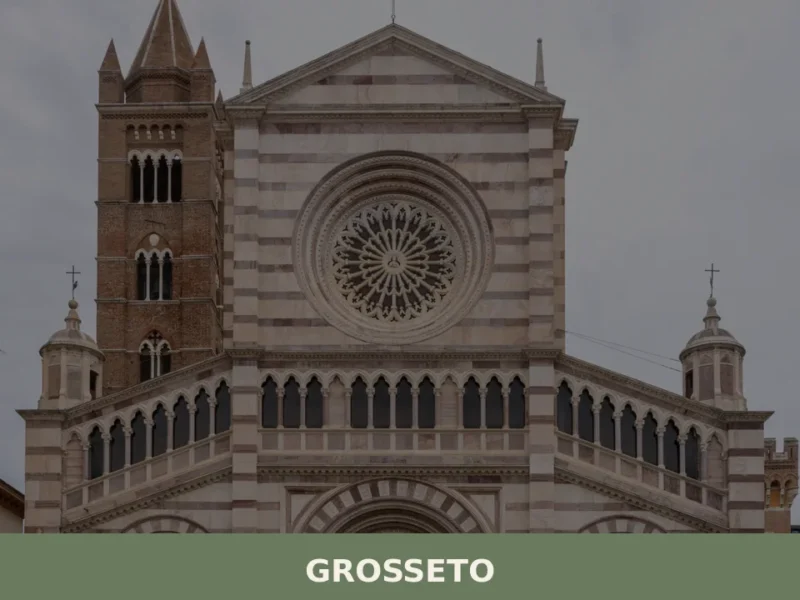
In Tuscany More villages to discover
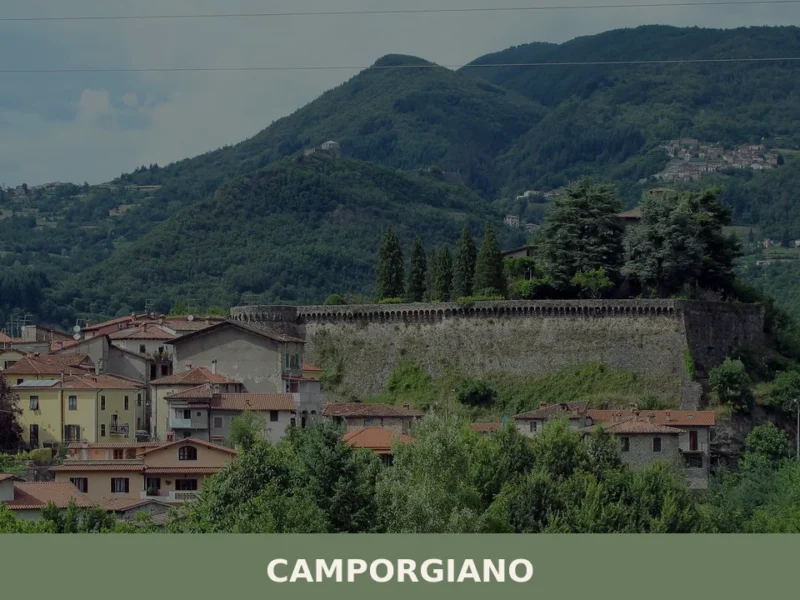
Camporgiano
 Hills
Hills
Camporgiano is a mountain comune in the Garfagnana, Lucca province, standing at 486 metres with 1,988 residents and a medieval skyline dominated by the Rocca Estense.
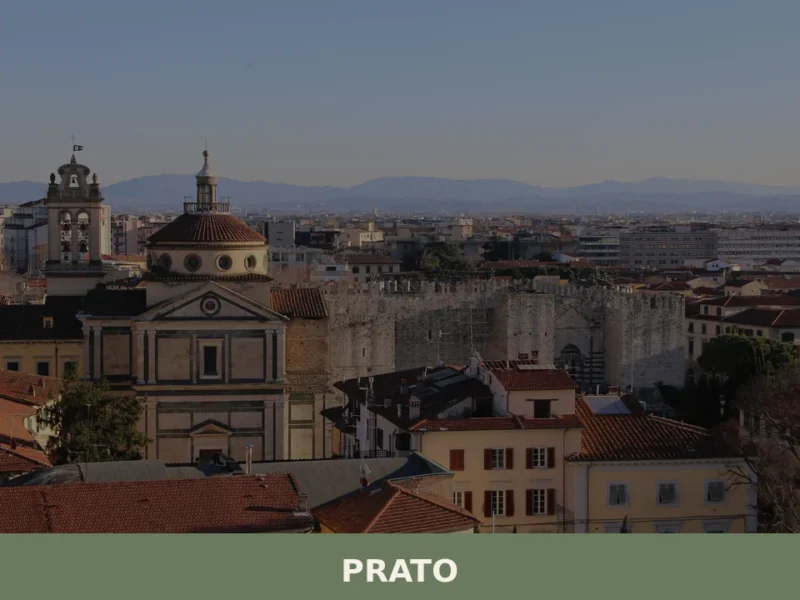
Prato
 Plains
With nearly 187,000 inhabitants, Prato is the second most populous city in Tuscany and one of the largest urban centres in central Italy. Located on the plain between the Bisenzio river and the first foothills of the Apennines, the city has built a distinct identity over the centuries, defined by its textile industry, medieval art, […]
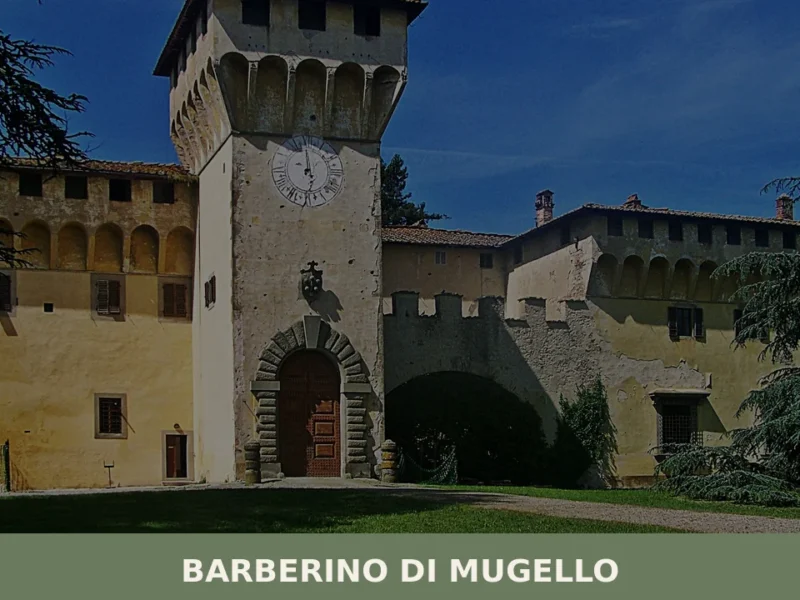
Barberino di Mugello
Hills
Barberino di Mugello is a Florentine hill town of around 10,939 residents in the Mugello valley, where Apennine landscapes, ancient pilgrimage routes and medieval parish churches reward travellers hea
Campi Bisenzio
Plains
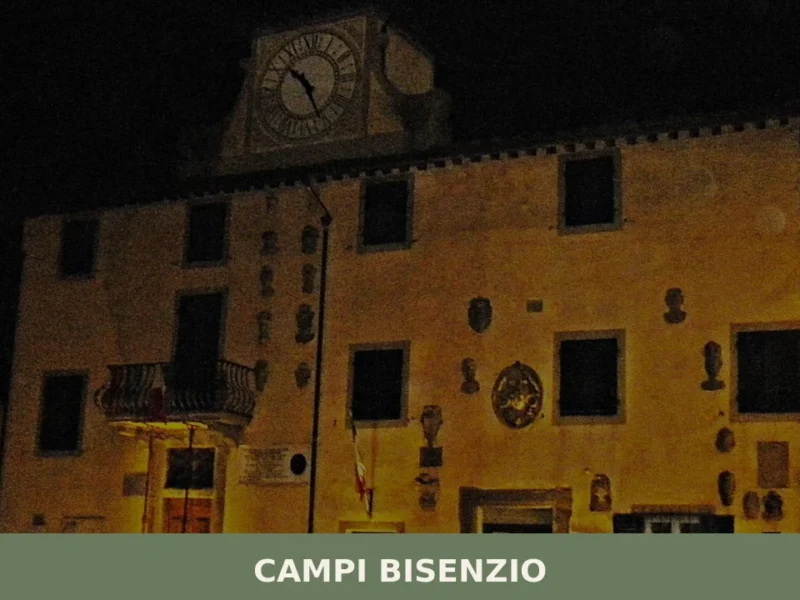
Campi Bisenzio is a Tuscan town of around 47,539 residents on the Florence–Prato plain, where medieval fortifications, ancient churches and a surprising literary heritage give this flat, open landscap

Marciana
 Sea
Sea
2,058 residents, one medieval fortress and a national park at your doorstep. Marciana rewards those who climb above Elba's coastline into its stone-built historic borough.
Calenzano
Plains
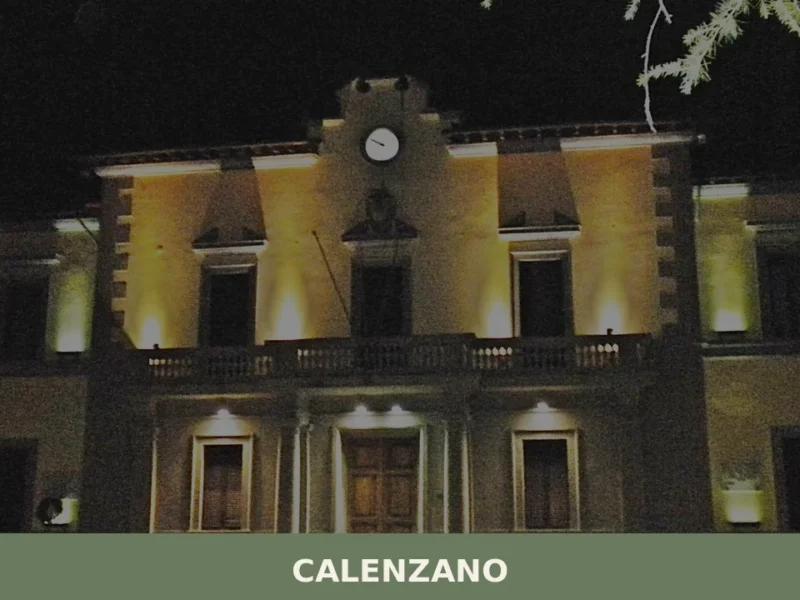
Calenzano, a historic village in Tuscany, offers ancient castles, unique museums, and delicious flavors.
Mulazzo
Hills
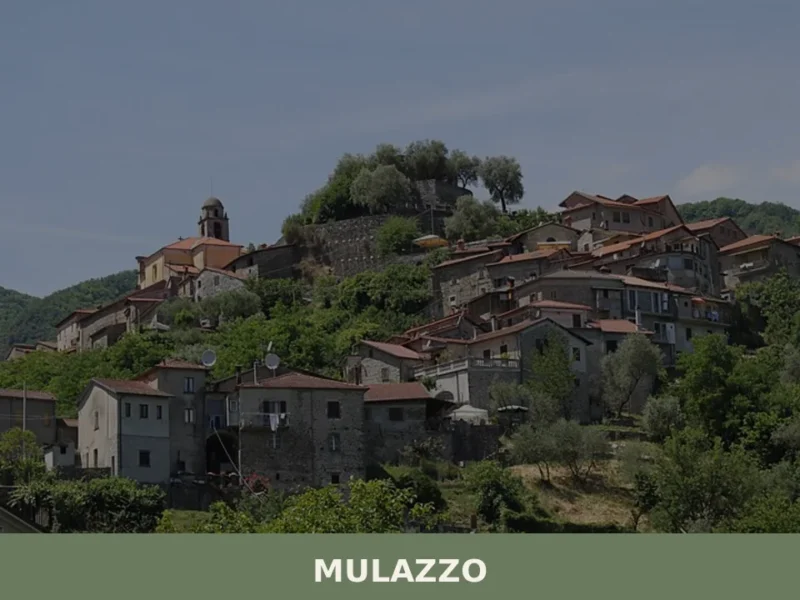
In 1306, a notary from the village of Mulazzo signed the deed granting hospitality to Dante Alighieri, exiled from Florence and welcomed by Marquis Franceschino Malaspina. That document — known as the Peace of Castelnuovo — ties Mulazzo to Dante’s biography in a direct and documented way. Anyone wondering what to see in Mulazzo today […]
Cerreto Guidi
Plains
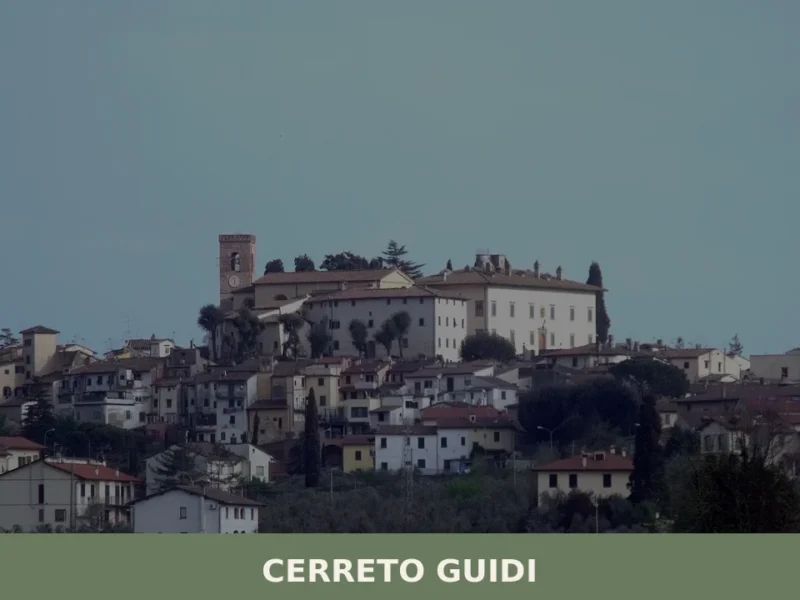
A low plain spreads west of Florence, and at 30 kilometres (19 mi) from the city the land rises just enough — to 123 metres (404 feet) above sea level — for a cluster of terracotta rooftops to stand out against the Tuscan sky. The municipality borders Empoli, Fucecchio, Vinci, and Lamporecchio, placing it at […]
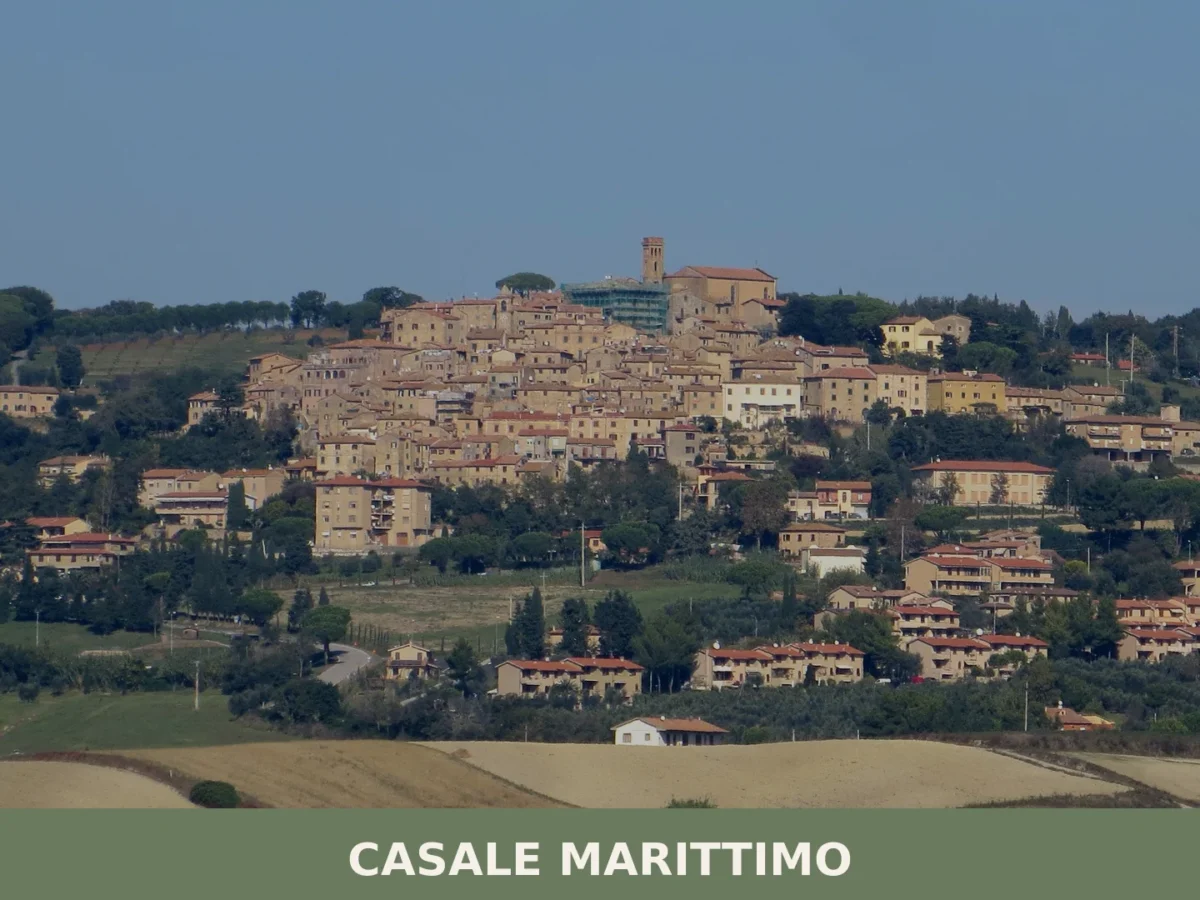
Casale Marittimo
Hills
Home to around 1,073 residents, Casale Marittimo offers Etruscan archaeology, medieval architecture and the flavours of the Pisan Maremma in a compact hilltop setting.
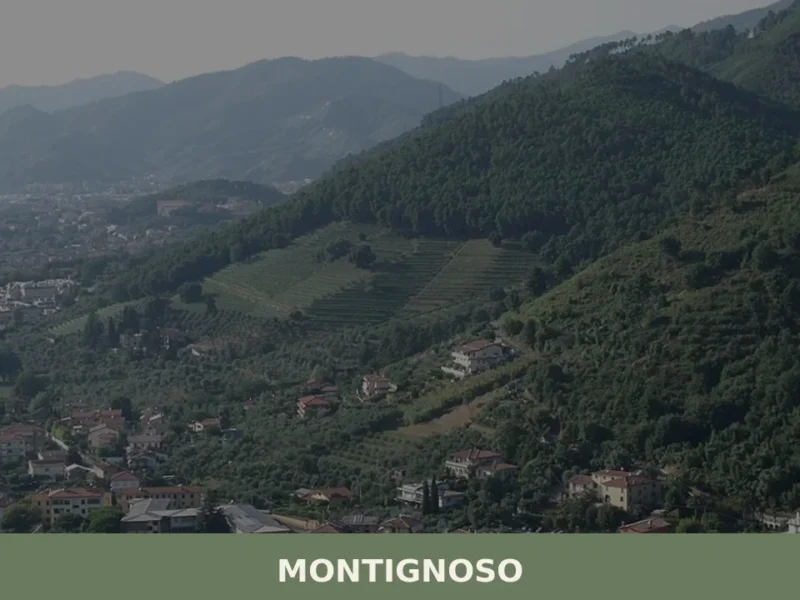
Montignoso
Sea
Montignoso is a coastal Tuscan municipality of around 10,000 people in the province of Massa-Carrara, known for its Lombard-era Castello Aghinolfi, its Gothic Line documentation centre, and its positi

🏡 Know Arcidosso better than we do?
If you’re a local or have been there, your knowledge matters: add what’s missing or fix a detail on this page.