


Castelletto Molina
 Hills
Hills
137 residents, one patron saint and a golden civic banner: Castelletto Molina rewards slow travellers with genuine Monferrato countryside and Piedmontese village life.
Castelletto Molina: Identity, History and Landscape in the Asti Hills
A yellow gonfalon hangs in the municipal hall. Outside, vines run in measured rows across clay-and-limestone slopes, and the light in late afternoon turns the pale walls of the old village core a deep ochre. At 227 metres above sea level, the air carries the faint mineral scent of Monferrato soil, and the silence between one house and the next is the kind that makes a conversation carry half a kilometre.
Castelletto Molina village in Piedmont draws visitors for two reasons above all: the frank, unhurried pace of a community that counts fewer than 140 residents, and its position inside a stretch of the Asti province where the Monferrato hills roll into each other without interruption. The village belongs to a corridor of small Piedmontese settlements where agriculture, civic tradition and local festivity still set the rhythm of the year.
The Name, the Symbol and the Long Arc of Local Identity
The Piedmontese dialect calls the village Castlèt Molèina, a form that preserves two distinct layers of meaning. The first element, castlèt, points toward a fortified structure or a small stronghold — the kind of defensive presence that recurred across the Monferrato throughout the medieval period, when control of hilltop positions mattered to every competing local power. The second element, Molèina, most likely refers to a mill or a milling function, suggesting that water and its practical uses shaped the site’s earliest economy as much as any military logic.
For centuries the village remained one of dozens of small comuni scattered across the Asti hinterland, each with its own administrative identity, its own church calendar, and its own slow relationship with the land. The modern municipality formalised its civic symbols relatively recently: the heraldic coat of arms and the yellow gonfalon were granted by Presidential Decree on 1 March 2000, a date that gives the village’s official visual identity a precise and documented origin. The choice of yellow for the banner — a colour associated in Piedmontese heraldry with both nobility and agricultural wealth — reflects the broader chromatic tradition of the province.
The patron saint of Castelletto Molina is San Bartolomeo, one of the twelve apostles, whose feast provides the village with its most important religious and community gathering of the year. Across the Asti province, dedications to San Bartolomeo are not rare, but each village carries the celebration differently: in a place of this size, the patronal feast functions as a social event of genuine weight, drawing back former residents, gathering families across generations and marking the agricultural calendar with a moment of collective pause.
The Village Space: Stone, Slope and Civic Presence
The Municipal Building and the Gonfalon
The seat of the municipality is the institutional centre of village life in Castelletto Molina. It is here that the yellow gonfalon — the civic banner granted in 2000 — has its formal home, representing the community in official ceremonies and local gatherings. For a village of 137 people, the municipal building carries a disproportionate symbolic weight: it is the place where administrative continuity meets the lived memory of the residents, and where the succession of local governments recorded over the decades remains accessible as a document of collective history.
The Parish Church of San Bartolomeo
The parish church dedicated to the village’s patron saint stands as the primary religious structure within the municipality. Its calendar organises the year for the community, with the feast of San Bartolomeo representing the peak moment of collective religious and social life. The building serves not only as a place of worship but as a spatial anchor for the village: its presence on the local skyline and its role in communal gatherings make it the most consistently used public space in Castelletto Molina across every season.
The Agricultural Landscape of the Village Territory
The land surrounding Castelletto Molina is the village’s most immediately visible feature. At 227 metres, the territory sits within the Monferrato hill system where viticulture and mixed farming have shaped the appearance of slopes for generations. Rows of vines alternate with patches of woodland and cultivated fields. Visitors who walk the rural paths between village and countryside move through a working agricultural landscape rather than a curated one — the fields are active, the farmhouses occupied, and the seasonal changes in colour and texture are driven by the actual production cycle of the land.
The Village Core and Its Scale
With a resident population below 140, the built fabric of Castelletto Molina is compact. The historical centre groups stone and rendered buildings along a small number of lanes, with the relationship between private domestic space and the few public areas — a square, a church forecourt, a road junction — being immediately legible. This scale makes the village physically readable within a short visit: there is no large peripheral expansion to navigate, and the boundary between the village and the open countryside is crossed in a matter of minutes on foot.
Flavours Rooted in Monferrato Soil
The agricultural character of Castelletto Molina’s territory places the village firmly within the food culture of the Asti Monferrato. The hills of this province produce some of Piedmont’s most recognised wines, and viticulture is the dominant agricultural activity across the broader landscape. While the village itself does not have documented gastronomic specialities specific to its name, the surrounding territory makes it a natural base for encountering the wines and seasonal products of the Asti province at close range.
Local food culture in villages of this scale tends to express itself through domestic cooking and the rhythms of the agricultural year rather than through restaurants or formal food events. Visitors with an interest in Piedmontese wine and table culture will find the wider Asti context — accessible from the village without a long journey — provides ample material. The province of Asti remains one of the key reference points for anyone exploring the food and wine geography of this part of northern Italy.
Arriving, Moving Around and Planning Your Stay
Castelletto Molina sits in the Asti province, within comfortable reach of several larger centres. The village is connected to the broader road network of the Monferrato, and visitors arriving by car will find the approach through the hills straightforward once they are within the province. The scale of the village means there is no need for extended navigation once you arrive: the entire built area is accessible on foot within a short time.
The most practical base for a visit to Castelletto Molina is the city of Asti, which offers a full range of accommodation, transport connections and services. From Asti, the village is reachable by car along provincial roads through the Monferrato. Visitors interested in combining the visit with other small Piedmontese comuni can use the village as one stop within a broader Piedmont itinerary.
Spring and early autumn are the seasons that suit the village best. In spring, the vines are in new leaf and the air is mild; in autumn, the harvest season brings activity to the surrounding fields and a particular quality of light to the Monferrato slopes. Summer visits are possible, though the heat in July and August can make the midday hours slow. Winter offers a quieter experience, with the landscape stripped back and the village going about its daily life without any tourist overlay.
| Departure | Approximate Distance | Approximate Time by Car |
|---|---|---|
| Asti | Around 20 km | 25–35 minutes |
| Alessandria | — | 40–50 minutes |
| Turin | Around 80 km | 60–75 minutes |
If you arrive by car, parking within or immediately beside the village centre is straightforward given its size. Visitors looking to explore the wider province can use Castelletto Molina as one stop within a broader Monferrato itinerary, combining it with nearby comuni in the Alessandria area or looping back through the Asti hills over the course of a day. The official municipal website at comune.castelletto-molina.at.it provides current administrative information and contact details for the local authority.
Frequently asked questions about Castelletto Molina
How do you get to Castelletto Molina by car?
Castelletto Molina is easily reached by car. The nearest motorway exits are Asti Est or Asti Ovest on the A21 motorway (Turin–Piacenza). From the provincial capital Asti, about 20 km away, you follow secondary roads through the rolling hills of the Monferrato. A car is the most practical way to get here, given the small size of the village and the rural nature of the surrounding area.
When is the feast of the patron saint San Bartolomeo held in Castelletto Molina?
The patron saint of Castelletto Molina is San Bartolomeo, whose feast day falls on 24 August. As in most Piedmontese villages, the patron saint's festival is the most cherished community event of the year, featuring religious celebrations and local gatherings. If you are planning a visit around this time, it is advisable to check the latest programme with the Municipality of Castelletto Molina.
How long does it take to visit Castelletto Molina?
Castelletto Molina is a very compact village, with just over 130 inhabitants and a historic centre that can be walked in its entirety in just a few minutes. A visit to the centre can be comfortably completed in a morning. To fully appreciate the surrounding area, it is worth setting aside half a day to explore the nearby hills of the Asti Monferrato, ideal for walks through vineyards and the typical agricultural landscapes of the region.
Is Castelletto Molina a good destination for a day trip from Turin or Alessandria?
Yes, its location in the Asti Monferrato makes Castelletto Molina an easy day-trip destination from both Turin (approximately 70–80 km away) and Alessandria (approximately 40 km away). A visit to the village pairs well with stops at other towns in the province of Asti or at wineries and farm estates in the area, which is rich in the typical wine productions of the Monferrato.
In Piedmont More villages to discover
Parella
Hills
Scopri Parella borgo Piemonte: un affascinante villaggio storico tra castelli, natura e tradizioni antiche. Visita uno dei gioielli nascosti del Canavese!
Monteu da Po
Hills
Scopri Monteu da Po, affascinante borgo piemontese sulle rive del Po. Storia, natura e tradizioni in un angolo autentico del Piemonte da non perdere.
Borgofranco d’Ivrea
Hills
Discover what to see in Borgofranco d'Ivrea: medieval street grid, Serra d'Ivrea moraine, Canavese food and practical travel tips for this Piedmont village.
Caselette
Hills
At the foot of Monte Musinè, where the plain of Turin gives way to the first folds of the Val di Susa, a mass of rock the size of a house sits in open ground. The Pietra Alta, one of the largest glacial erratics in the whole of Piedmont, was deposited here by glacial movement […]
Cantalupa
Hills
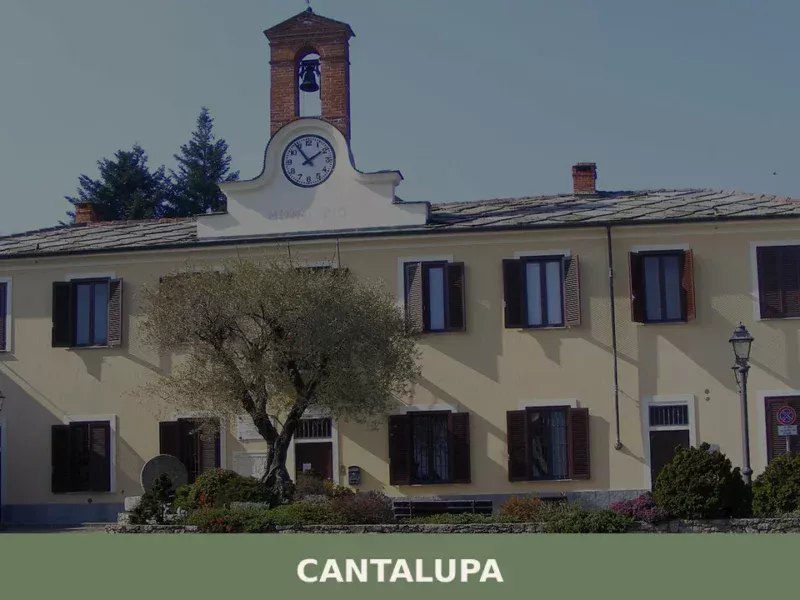
Scopri Cantalupa borgo Piemonte: storia, tradizioni e attrazioni di uno dei gioielli nascosti delle colline piemontesi. Visita questo angolo autentico d'Italia!

Porte
Hills
Discover what to see in Porte, a 1,108-inhabitant comune in the Metropolitan City of Turin with Occitan heritage, foothill walks, and Piedmontese food culture.
Vercelli
 Plains
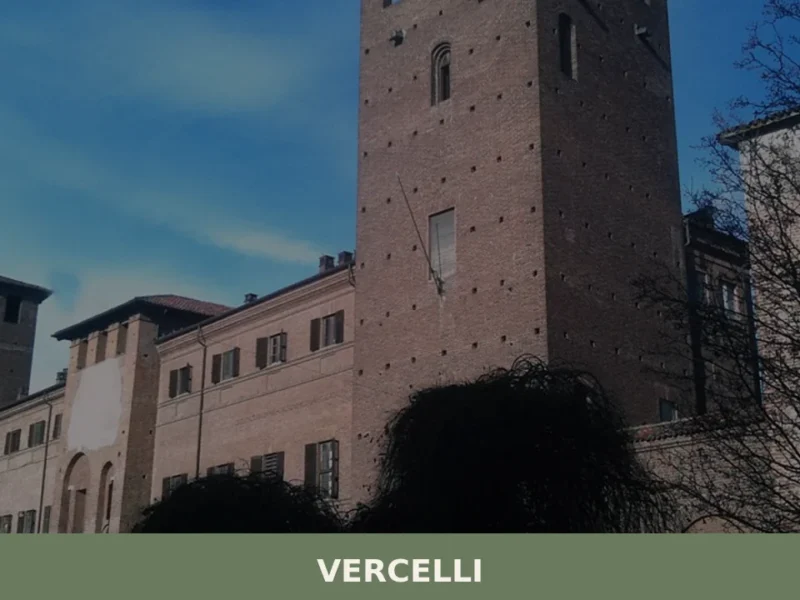
What to see in Vercelli: rice capital at 130 m in Piedmont. Basilica di Sant'Andrea, Museo Borgogna, panissa and flooded paddies. Plan your visit now.
Arignano
Hills
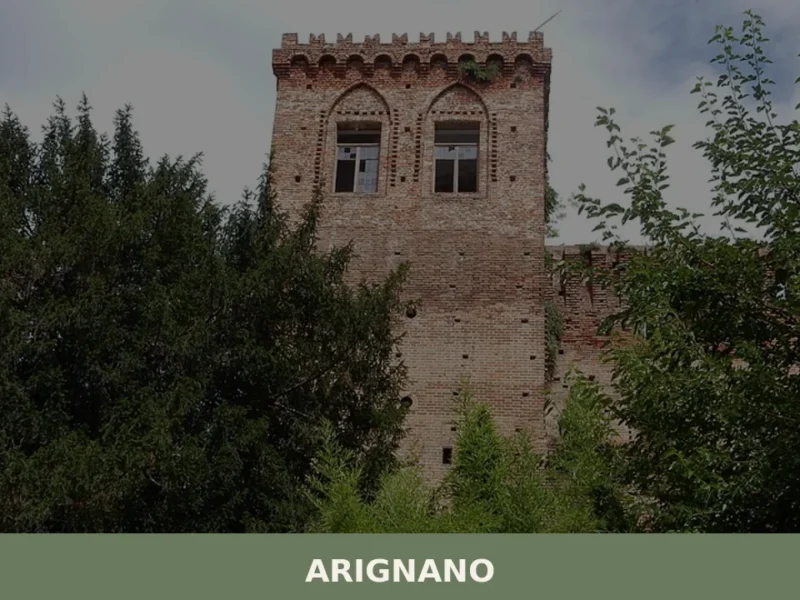
What to see in Arignano in Piedmont: castle, church, hill trails, traditional cuisine, and practical information for visiting the village at 321 m a.s.l.
Banchette
Hills
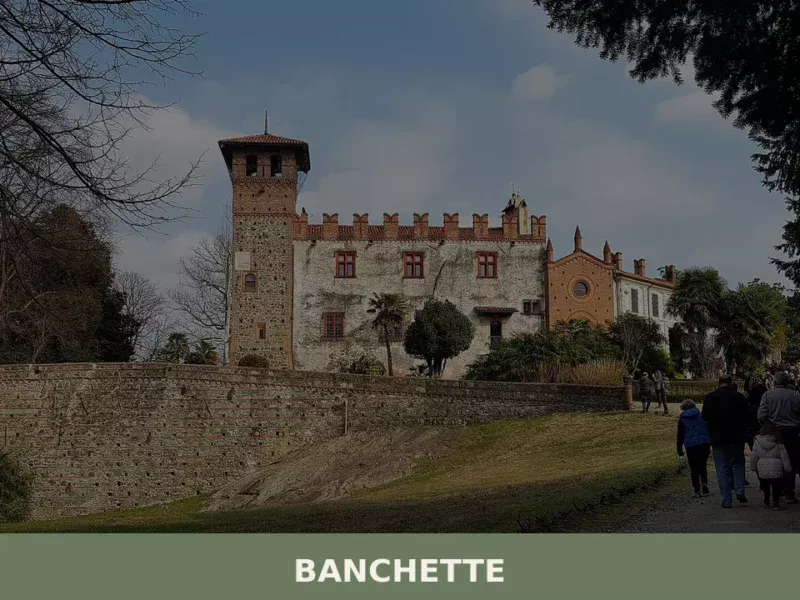
Banchette is a municipality of 3,087 inhabitants in the province of Turin, situated at 266 metres above sea level on the Canavese plain, a few kilometres from Ivrea. Those wondering what to see in Banchette will find a settlement whose modern identity owes more to industry than to the Middle Ages: the area underwent significant […]
Osasco
Plains
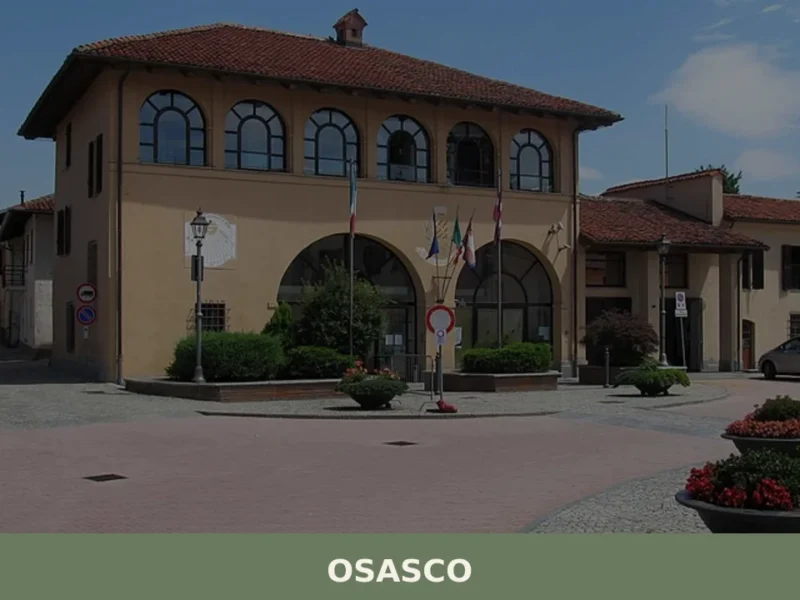
Osasco is a comune of 1,161 inhabitants in the Metropolitan City of Turin, sitting in the Piemonte region of northwestern Italy. Known in the local Piedmontese language as Osasch, the village occupies a modest position in the hills and plains south of Turin, one of dozens of small agricultural and residential communes that form the […]


🏡 Know Castelletto Molina better than we do?
If you’re a local or have been there, your knowledge matters: add what’s missing or fix a detail on this page.