


Porte
 Hills
Hills
Discover what to see in Porte, a 1,108-inhabitant comune in the Metropolitan City of Turin with Occitan heritage, foothill walks, and Piedmontese food culture.
Discover Porte
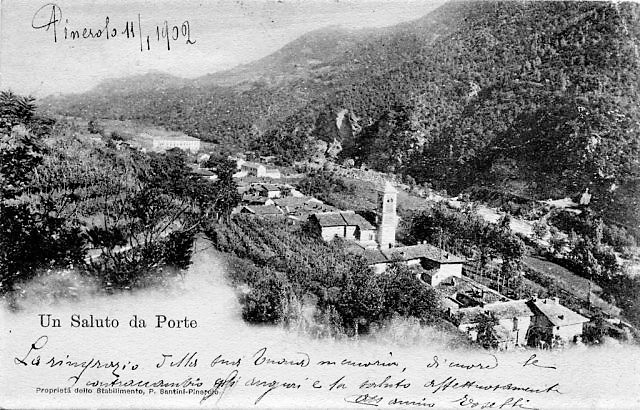
Porte is a comune of 1,108 inhabitants in the Metropolitan City of Turin, sitting in the Piemonte region of northwestern Italy. Known in Piedmontese dialect as Pòrte and in Occitan as Las Pòrtas, the village carries a dual linguistic identity that reflects centuries of cultural overlap between the Alpine valleys and the Piedmontese plain. For visitors asking what to see in Porte, that layered identity — Romance language heritage meeting the rhythms of a small Turinese comune — is itself a point of entry into understanding the place.
History of Porte
The name of the village is directly tied to the concept of a gateway or passage — porta in Latin, pòrtas in Occitan — suggesting that the settlement occupied a strategically significant position controlling access along a valley route in the foothills south of Turin. Place names of this type in the western Piedmontese territory are consistently associated with medieval control points, where tolls were levied or military passage was managed. The Occitan form of the name, still actively used in the local area, places Porte within the broader linguistic geography of the Occitan-speaking Alpine communities that extend from Provence into the Cuneo and Turin provinces.
The territory around Porte fell within the sphere of influence of the House of Savoy, whose gradual consolidation of Piedmontese lands from the medieval period onward determined the administrative and political fate of dozens of small communes in the metropolitan Turin area. As with neighboring settlements in this part of the pre-Alpine zone, Porte’s history is bound up with the feudal reorganization of the region under Savoyard rule, the parceling of land among local noble families, and the slow economic integration of mountain and valley communities into the broader trade networks centered on Turin. The village’s position in what is now the Metropolitan City of Turin places it within an administrative unit that was formalized in 2015, replacing the former Province of Turin.
The persistence of the Occitan language as a recognized minority language in villages like Porte is itself a documented historical fact of political significance. Italy’s Law 482 of 1999 granted formal protection to twelve linguistic minorities, including Occitan speakers in Piedmont. Communities in the Turin metropolitan area where Occitan names remain in daily use represent one of the northernmost extensions of this language family. In Porte, the dual denomination — Italian and Occitan — used in official contexts reflects a living administrative recognition of this history, not merely a folkloric gesture.
What to see in Porte: 5 must-visit attractions
The Parish Church
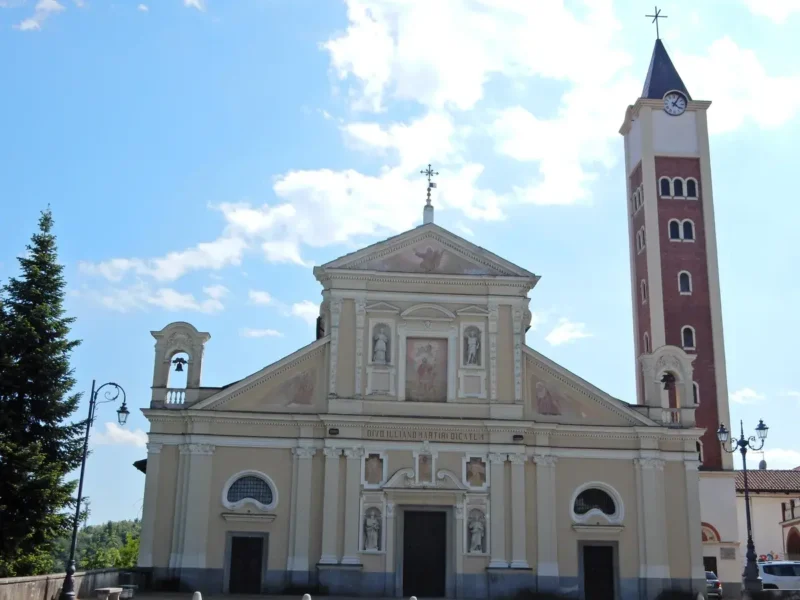
The parish church is the most architecturally prominent building at the center of the village, as is typical of Piedmontese comuni of this size and period. Built in the local tradition of plain Baroque ecclesiastical architecture common to the Turin foothills, it serves as the main point of communal gathering and contains interior furnishings accumulated across several centuries of continuous use.
The Historic Village Core
The compact nucleus of Porte retains the characteristic morphology of a Piedmontese rural settlement — stone-built houses arranged along narrow lanes, with external staircases, arched portals, and walled courtyards. Walking through the older streets, the building materials — local stone and brick — are consistent with construction practices documented throughout the Turin metropolitan foothills from the medieval period onward.
The Surrounding Agricultural Landscape
The agricultural land surrounding Porte reflects the mixed economy of the Piedmontese pre-Alpine zone: a combination of small arable plots, hay meadows, and wooded slopes. This landscape has been shaped by centuries of smallholder farming and remains largely intact, offering a readable record of how the territory was organized before mechanized agriculture altered land use patterns across the region.
The Valley Routes and Footpaths
The position of Porte along historic valley routes — reflected in its very name — means that a network of tracks and footpaths connects the village to neighboring settlements. These routes, used for centuries for trade, pastoral movement, and communication, now serve hikers and cyclists exploring the lower Alpine foothills of the Metropolitan City of Turin. The Metropolitan City of Turin maintains information on waymarked paths in this zone.
The Linguistic and Cultural Heritage
The Occitan designation Las Pòrtas is not incidental — it signals that Porte sits within a documented zone of Occitan-speaking communities recognized under Italian national law. The Atlas of Italian Languages and Cultures records these Alpine Occitan communities as one of the most geographically coherent minority language areas in northern Italy, and Porte forms part of that documented territory.
Local food and typical products
The food culture of Porte belongs to the broader tradition of Piedmontese cucina povera — the cooking of rural communities that relied on what the land and the barnyard produced. Expect dishes built around polenta, braised meats, and locally grown vegetables rather than elaborate preparations. The area falls within the broader Piedmontese territory where toma cheeses — several of which carry DOP certification — are produced from cow’s milk in mountain dairies. The Toma Piemontese DOP and Raschera DOP are the most widely recognized of these, though production in this specific sub-zone tends toward smaller-scale, less commercialized forms.
For eating in and around Porte, the most practical approach is to look for agriturismi in the surrounding communes, which in this part of the Turin metropolitan area typically serve set menus based on seasonal produce — roasted meats, homemade pasta, local cheeses and preserves. The village itself, at 1,108 inhabitants, has limited dedicated restaurant infrastructure, so visitors planning a meal are advised to book ahead or use Pinerolo, the nearest significant town, as a base for dining options. The official tourism board for Turin and its province maintains an updated directory of accommodation and dining in the wider metropolitan area.
Best time to visit Porte
The most practical window for visiting Porte and the surrounding pre-Alpine territory runs from late April through October. Spring brings consistent daytime temperatures and the reopening of footpaths that may be muddy or snow-affected through winter. Summer months — June through August — are warm but rarely as oppressive as the Po Plain to the east, and the altitude of the foothills provides reliable afternoon breezes. Autumn, from September into early November, is particularly good for those interested in the agricultural landscape: harvests are underway, agriturismo kitchens are at their most active, and the woodland colors on the slopes above the valley floor are at their most distinct.
Winter visits are possible but require realistic expectations. The village functions as a year-round community rather than a ski destination, so facilities oriented toward winter tourism are limited. Snow can affect roads between November and March, and walkers should check path conditions before setting out. Local religious and civic festivals follow the calendar of the Catholic liturgical year combined with the rhythms of the agricultural cycle, with summer months generally offering the highest concentration of events at both village and valley level.
How to get to Porte
Porte is located in the Metropolitan City of Turin in Piemonte, accessible by road from Turin city center in approximately 50–60 minutes, depending on traffic. The most direct route runs southwest from Turin toward Pinerolo, which is the nearest substantial town and the main service hub for this zone of the Turin foothills.
- By car: From Turin, take the A55 motorway toward Pinerolo, then follow provincial roads southwest toward Porte. The journey from Turin city center is approximately 45–55 km.
- By train: The Torino–Pinerolo railway line connects Turin Porta Nuova station with Pinerolo in approximately 40–50 minutes. From Pinerolo, local bus services connect to smaller comuni including Porte, though service frequency is limited — check timetables in advance.
- By air: Turin Airport (Torino Caselle), located north of the city, is the nearest international airport. From the airport to Porte, allow approximately 1 hour 15 minutes by car, passing through Turin or skirting the city via ring road.
- From Milan: Milan is approximately 150 km to the east via the A4 motorway to Turin, then the A55 south toward Pinerolo — total journey time around 2 hours by car.
Where to stay in Porte
Porte, as a village of just over 1,100 inhabitants, does not support a large independent accommodation sector. Visitors have two realistic options: staying within the village itself if local agriturismo or holiday rental accommodation is available at the time of visit, or using the nearby town of Pinerolo as a base. Pinerolo offers a broader range of hotels, B&Bs, and guesthouses and is connected to Porte by road in under 15 minutes. For those prioritizing rural immersion over convenience, agriturismo properties in the broader valley territory between Turin and the Alpine foothills can offer farmhouse rooms, often including half-board arrangements based on local produce.
Booking ahead is essential outside of peak summer months, as rural accommodation in this zone operates on small capacity and may close during winter periods. Holiday rental platforms list private apartments and houses in villages of this size, which can be a practical solution for stays of two or more nights. For an accurate and current picture of available accommodation, the official Turin tourism board maintains a searchable database covering the metropolitan territory, including smaller comuni like Porte.
More villages to discover in Piemonte
The Metropolitan City of Turin encompasses a wide range of village typologies, from industrial-era settlements on the plain to medieval hill communes with long documentary histories. Baldissero Torinese, positioned on the hill belt east of Turin, offers a contrasting perspective on the Piedmontese rural landscape — its elevated position gives clear views over the Po Plain, and its built fabric reflects the influence of aristocratic villas and the proximity to the Turinese capital. To the south, Castagnole Piemonte represents the flat agricultural plain between Turin and Saluzzo, where rice cultivation and small-scale viticulture have historically coexisted.
For those drawn to the more remote Alpine fringe of the province, Brosso, in the Canavese territory northeast of Turin, provides a counterpoint to the southwestern foothills where Porte sits — its mining history and high-altitude position make it a distinctly different reading of what rural Piedmont can mean. And for those who want to understand the metropolitan context that gives shape to all these smaller places, Torino itself rewards serious attention: its Baroque urban planning, its royal residences now listed as UNESCO World Heritage Sites, and its role as the first capital of unified Italy all feed directly into the historical narrative of every village within its metropolitan orbit.
Frequently asked questions about Porte
What is the best time to visit Porte?
Late spring through early autumn (May–September) offers the most pleasant weather for exploring Porte's hillside landscapes and outdoor routes. The patron saint feast of San Michele Arcangelo (September 29) draws local celebrations. Summer provides warm conditions ideal for hiking and cycling in the Turin foothills, while autumn showcases the Piedmont region's landscape colors. Winter can bring rain to the 436-meter elevation, making spring and fall the optimal seasons for visitors.
How do I reach Porte from Turin?
Porte is located in the Metropolitan City of Turin, approximately 30–40 kilometers south of the city center in the Piedmont foothills. By car, follow directions toward the Turin province's southern communes; the journey typically takes 45–60 minutes depending on traffic and starting point. Public transport options include regional buses serving the Turin metropolitan area. Check ARRIVA or GTT schedules for current bus routes connecting Turin to Porte and neighboring villages.
What linguistic heritage does Porte preserve?
Porte maintains a distinctive dual linguistic identity: the Piedmontese dialect form 'Pòrte' and the Occitan form 'Las Pòrtas' both remain actively used locally. This reflects centuries of cultural contact between Alpine valleys and the Piedmontese plain. The Occitan language connection places Porte within a broader community of Occitan-speaking Alpine settlements extending from Provence into Cuneo and Turin provinces, making it a living repository of Romance language heritage in northwestern Italy.
How long should I plan to spend in Porte?
A half-day visit suffices to explore Porte's village core and appreciate its historical and linguistic character. For a more immersive experience combining village exploration with walking in the surrounding Turin foothills, plan a full day. Staying overnight allows time to sample local Piedmontese cuisine, visit nearby communes in the region, and experience the rhythm of rural Turinese life. Consider Porte as a base for exploring the wider Piemonte hill country.
📷 Photo Gallery — Porte
In Piedmont More villages to discover

San Benedetto Belbo
Hills
145 residents, one literary trail, one medieval monastery legacy. San Benedetto Belbo rewards slow travellers with Fenoglio's landscape and Langa hilltop views.

Ostana
 Mountain
87 residents, three languages and one of the most dramatic alpine backdrops in Piedmont. Ostana rewards visitors who travel slowly and look closely.
Barbania
Hills
What to see in Barbania: 5 attractions in this Piedmontese village, from the parish church to the castle. Discover the complete guide to plan your visit.

Acceglio
Mountain
Discover what to see in Acceglio, a 170-resident mountain village at the head of Valle Maira in Cuneo, Piemonte — trails, churches, alpine pastures and local food.

Perosa Canavese
 Plains
Discover what to see in Perosa Canavese, a 495-inhabitant village in the Canavese area of Piemonte. History, food, travel tips and how to get there.
Brosso
Mountain
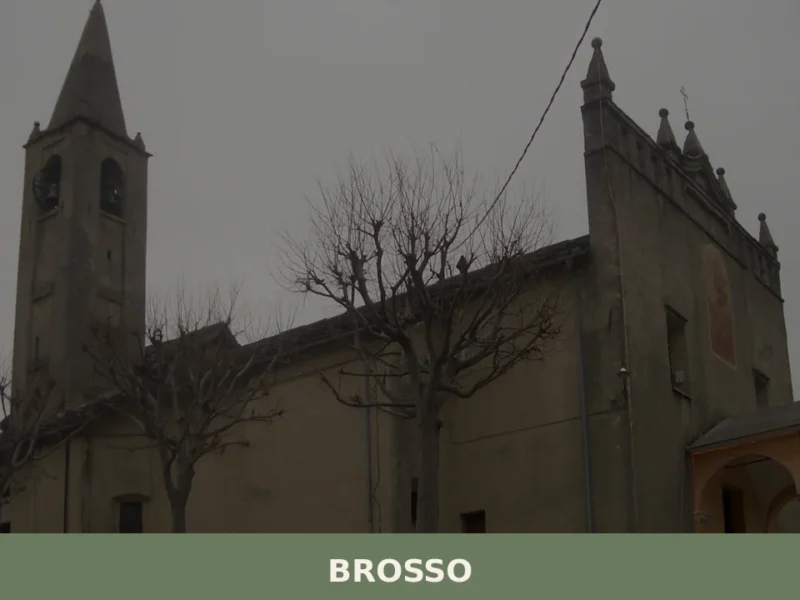
Brosso has a population of 391 and sits at 797 metres above sea level in the Valli del Canavese, in the province of Turin, on the south-eastern slopes of the Serra di Ivrea. The area was historically defined by mining activity — particularly iron and copper extraction — a practice that left lasting physical marks […]
Arona
 Lake
Plains
Lake
Plains
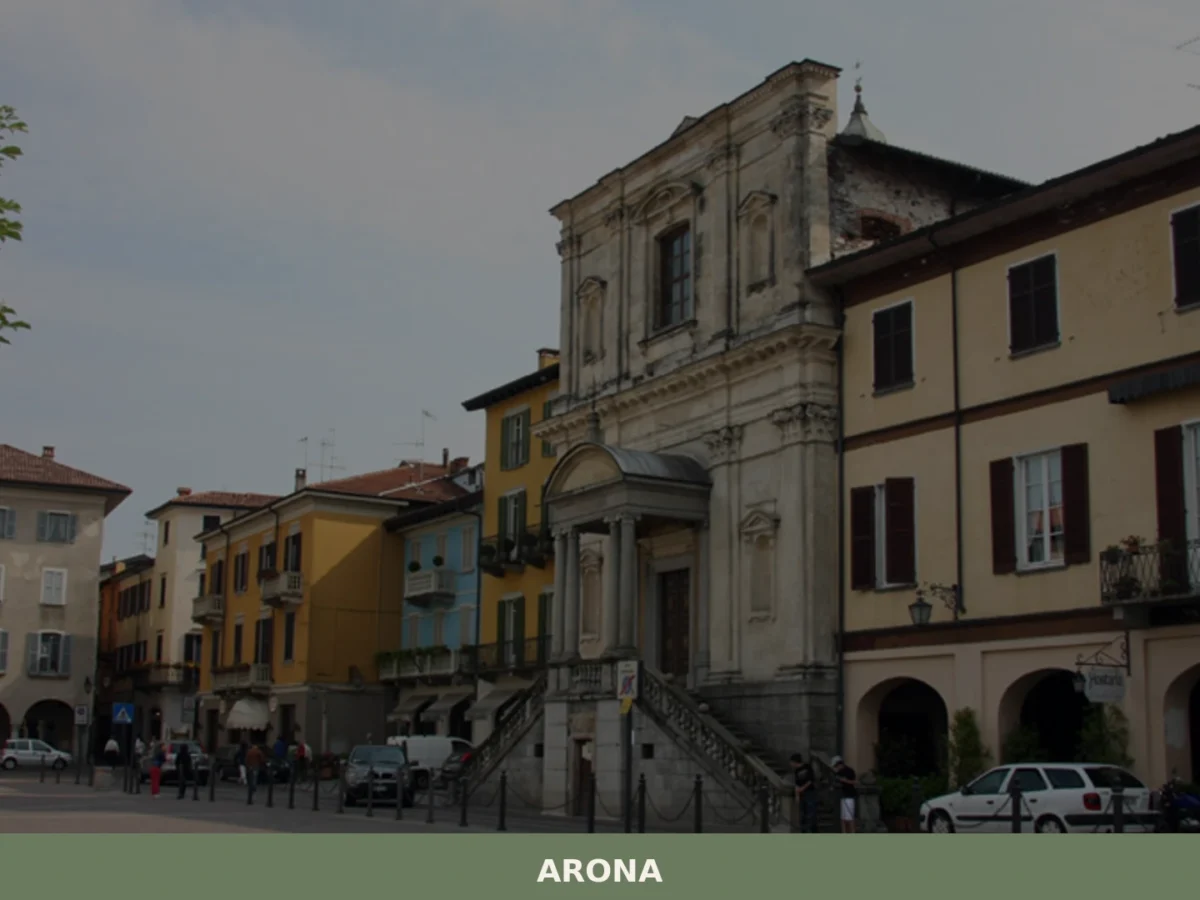
what to see in arona, Italy: Discover Arona, a town of 13,694 inhabitants in Piemonte, home to a notable railway station. Explore this region's travel tips.
Agliè
Hills
In 1646, Count Filippo San Martino d’Agliè — diplomat, poet, choreographer at the court of Christine of France — danced in the great hall of the castle that bears his name, directing baroque festivities destined to reshape Savoyard court ceremony. That castle still dominates the village’s skyline today with its eighteenth-century façade stretching over one […]
Albiano d’Ivrea
Hills
what to see ad Albiano d’Ivrea: con 1.628 abitanti, esplora la Chiesa Parrocchiale e i resti del ricetto medievale. Pianifica il tuo viaggio ora!
Barone Canavese
Hills
Barone Canavese has 554 inhabitants and sits at 325 metres above sea level, on the hills of eastern Canavese in the province of Turin. Those wondering what to see in Barone Canavese will find a small municipality set within a well-defined hill landscape, notable for its historic religious buildings and a road network connecting the […]


🏡 Know Porte better than we do?
If you’re a local or have been there, your knowledge matters: add what’s missing or fix a detail on this page.