


Borgofranco d’Ivrea
 Hills
Hills
Discover what to see in Borgofranco d’Ivrea: medieval street grid, Serra d’Ivrea moraine, Canavese food and practical travel tips for this Piedmont village.
Discover Borgofranco d’Ivrea
Founded as a free borough — a borgo franco — in 1247 by the commune of Ivrea, Borgofranco d’Ivrea carries its origin directly in its name. The settlement was established to attract settlers with grants of freedom and reduced taxes, a common medieval urbanisation strategy in the Po Plain and its Alpine fringes. Today the comune, known in Piedmontese as Borghfranch and in the local Walser dialect as Bürg, counts roughly 3,400 inhabitants and sits within the Metropolitan City of Turin, positioned along the lower Aosta Valley corridor where the Dora Baltea river opens toward the Canavese plain. Knowing this founding logic is the first key to understanding what to see in Borgofranco d’Ivrea.
History of Borgofranco d’Ivrea
The name itself is a founding document. When the commune of Ivrea established this settlement in 1247, the designation borgo franco — free borough — was a legal and economic instrument. Settlers who agreed to build and inhabit the new town received exemptions from the usual feudal obligations: reduced tolls, protection from arbitrary taxation, and a defined civic status. This was not charity but strategic planning. Ivrea needed to consolidate its control over the Dora Baltea corridor and populate a buffer zone between its walls and the Alpine passes leading toward the Aosta Valley. The regular street grid that can still be read in the older core of the village is a physical trace of that 13th-century act of planned urbanisation.
Throughout the late medieval period, the Canavese region — the broader territory in which Borgofranco sits — passed through the hands of competing powers. The Counts of Savoy progressively consolidated their grip over Canavese during the 14th and 15th centuries, absorbing towns and boroughs that had previously maintained varying degrees of communal autonomy. Borgofranco followed this trajectory, becoming integrated into the Savoyard state and, by the early modern period, functioning as one of the modest but economically active centres along the road and river route connecting Turin to the Alpine passes. The presence of the Dora Baltea made water-powered milling and small-scale textile processing viable local industries.
In the 19th century, the arrival of railway infrastructure transformed the logistics of the entire lower Aosta Valley, shifting some commercial weight away from older road-based stopping points. The administrative reorganisation that followed Italian unification in 1861 confirmed Borgofranco d’Ivrea as an independent municipality within the Province of Turin, a status it retains today within the Metropolitan City of Turin. The Walser-origin dialect name Bürg points to a deeper linguistic stratigraphy in the area, reflecting the historical presence of German-speaking Alpine communities whose influence extended down into the Canavese valleys.
What to see in Borgofranco d’Ivrea: 5 must-visit attractions
The Medieval Street Grid of the Borgo Franco
The orthogonal layout of Borgofranco’s historic centre is the most direct physical evidence of the 1247 founding plan. Unlike organically grown villages, the streets here follow a deliberate grid, with a central axis flanked by parallel lanes — a pattern imposed by the founding commune of Ivrea to allocate building plots systematically to incoming settlers.
The Parish Church
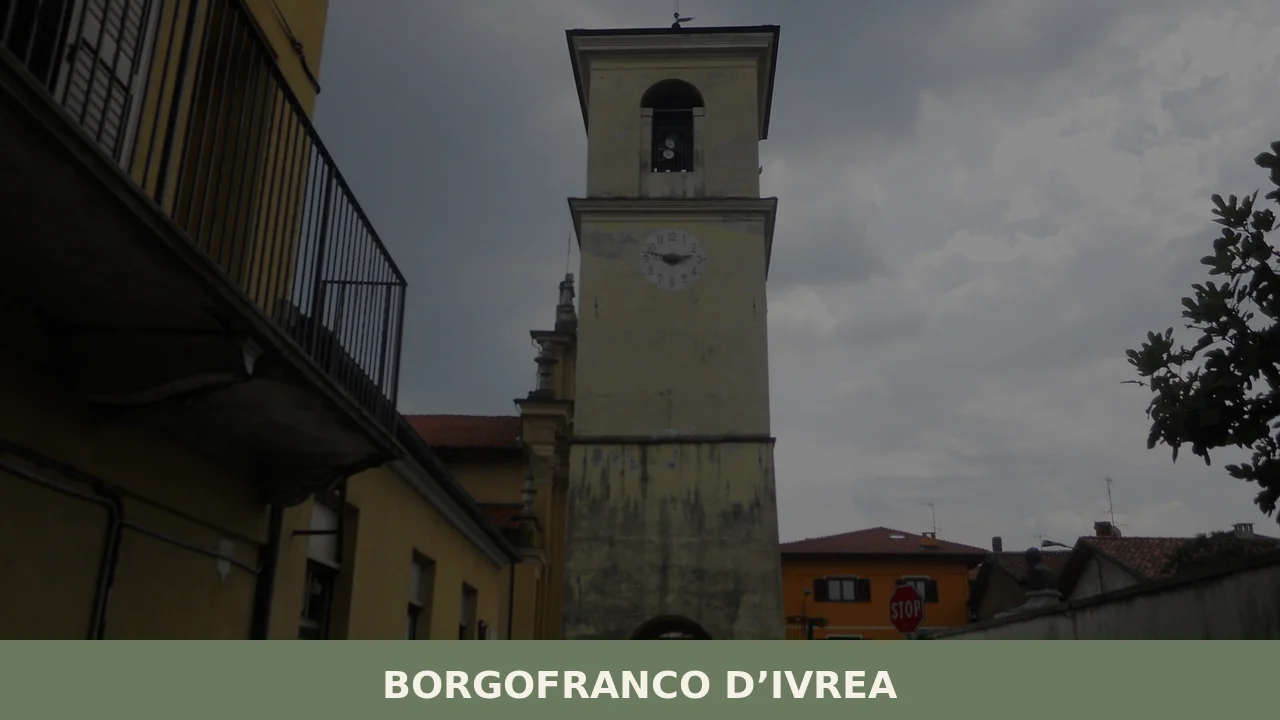
The main parish church anchors the historic centre and, like most sacred buildings in Canavese, accumulated structural changes from the Romanesque through the Baroque periods. Its bell tower, typical of the Piedmontese campanile tradition, uses locally quarried stone and provides the vertical marker visible from the surrounding agricultural plain.
The Dora Baltea Riverbank
The Dora Baltea river, which has defined the territory’s economy and communications since Roman times, runs close to the village. Its banks offer direct access to the river’s characteristic braided gravels and the moraine hills of the Serra d’Ivrea — the largest glacial moraine in Europe — visible on the opposite shore.
The Serra d’Ivrea Moraine Ridge
The Serra d’Ivrea, a glacial moraine ridge stretching roughly 25 kilometres and recognised as the largest lateral moraine in Europe, forms the dramatic eastern wall of the landscape visible from Borgofranco. Formed during the last glacial maximum, it rises abruptly from the plain and is the defining geographical feature of the entire Canavese visual horizon.
The Canavese Rural Landscape and Risaie
The agricultural plain surrounding Borgofranco forms part of the broader Canavese lowland, where rice paddies, maize fields and occasional vineyard plots succeed one another. The geometry of irrigation channels — some with roots in medieval land reclamation — structures the countryside in a way that is particular to this segment of the Po basin, distinct from the Vercelli and Novara rice districts further east.
Local food and typical products
The Canavese table draws from both the Alpine valleys above and the agricultural plain below, producing a cuisine of calculated substance rather than delicacy. Tuma — a fresh, unsalted cow’s milk cheese produced in the valleys of Canavese — appears as an ingredient in fricia, a fried cheese preparation traditional to the area. Polenta, made from locally grown maize and served with braised meats or fontina-based sauces, is the carbohydrate anchor of cold-season cooking. The Canavese is also one of the zones of production for salame d’la duja, a soft pork salami preserved under lard in terracotta vessels, a curing technique that predates refrigeration and survives as a regional speciality. For visitors exploring the area’s food culture, the Turin Metropolitan tourism board maintains updated listings of local producers and agri-food events across the Canavese.
Wine production in the immediate territory around Borgofranco is limited, but the Canavese DOC zone covers the broader area, producing light reds from Erbaluce and Nebbiolo-based blends. The Erbaluce di Caluso DOCG, produced in the hills between Ivrea and the plain, is the most prestigious white wine of the entire Canavese and can be found in local restaurants and at producers within easy driving distance. Dining options in and around Borgofranco tend toward family-run osterie and trattorie where the menu follows the season and the day’s availability rather than a fixed printed card — a practical reflection of how agricultural communities have always eaten.
Best time to visit Borgofranco d’Ivrea
The climate of the lower Canavese is continental with Alpine influence: winters are cold and occasionally foggy along the plain, summers are warm and humid with afternoon thunderstorms typical of the pre-Alpine belt. The most comfortable visiting periods are late spring — April through June — when the snow line has retreated up the valley walls and the landscape holds its maximum green, and early autumn — September through October — when harvests are underway, the air is clear and the moraine hills of the Serra d’Ivrea show their woodland colours. The nearby city of Ivrea, four kilometres to the north, holds its Storico Carnevale in the weeks before Lent, one of the most documented carnival events in Piedmont and a regional draw that significantly increases traffic across the entire Canavese in February or March depending on the liturgical calendar.
Visitors arriving outside the carnival window will find the area considerably quieter. The Dora Baltea riverbank and the Serra d’Ivrea ridge are accessible year-round for walking and cycling, and several itineraries connect Borgofranco to the network of Canavese trails mapped by the Parco Naturale della Dora Baltea Canavesano. Winter visits require tolerance for fog and limited daylight but offer the compensation of near-empty roads and the particular flatness of the light across the frozen paddies.
How to get to Borgofranco d’Ivrea
Borgofranco d’Ivrea sits approximately 50 kilometres north of Turin, making it a practical day excursion from the regional capital as well as a viable base for exploring the Canavese and the lower Aosta Valley. The main road connections are straightforward:
- By car: The A5 motorway (Turin–Aosta) serves the area; the nearest exit is Ivrea, approximately 4 kilometres from Borgofranco. From Turin, the drive takes roughly 45 to 55 minutes depending on traffic.
- By train: The Turin–Aosta railway line stops at Ivrea, which is the principal interchange station for the area. From Ivrea, Borgofranco is reachable by local bus or by taxi. Turin Porta Nuova to Ivrea takes approximately 50 to 60 minutes.
- By air: Turin Airport (Caselle, TRN) is the closest international airport, approximately 50 kilometres from Borgofranco. Car hire at the airport provides the most direct connection. Milan Malpensa is approximately 110 kilometres away and is an alternative for travellers arriving on international long-haul flights.
For current rail timetables and regional bus connections from Ivrea, the official municipality website provides links to local transport resources and civic information.
Where to stay in Borgofranco d’Ivrea
Accommodation directly within Borgofranco d’Ivrea is limited in scale, reflecting the size of the comune. The most practical options are B&Bs and small guesthouses in the village and its immediate surroundings, supplemented by agriturismo properties on the agricultural land between the Dora Baltea and the Serra d’Ivrea ridge. These rural accommodation options tend to offer direct access to the landscape and, in many cases, meals prepared from the farm’s own production — a practical rather than promotional observation about how agriturismo functions across rural Piedmont.
Visitors seeking a broader range of hotels, including multi-star options, will find Ivrea, four kilometres to the north, a more complete base. Ivrea itself is a city of historic and architectural significance — it was inscribed on the UNESCO World Heritage List in 2018 for its 20th-century industrial town planning associated with the Olivetti company — and staying there while making day excursions to Borgofranco and the surrounding Canavese villages is a logical approach. Booking accommodation in the Ivrea–Borgofranco area at least several weeks in advance is advisable for the carnival period, when demand across the entire Canavese spikes sharply.
More villages to discover in Piemonte
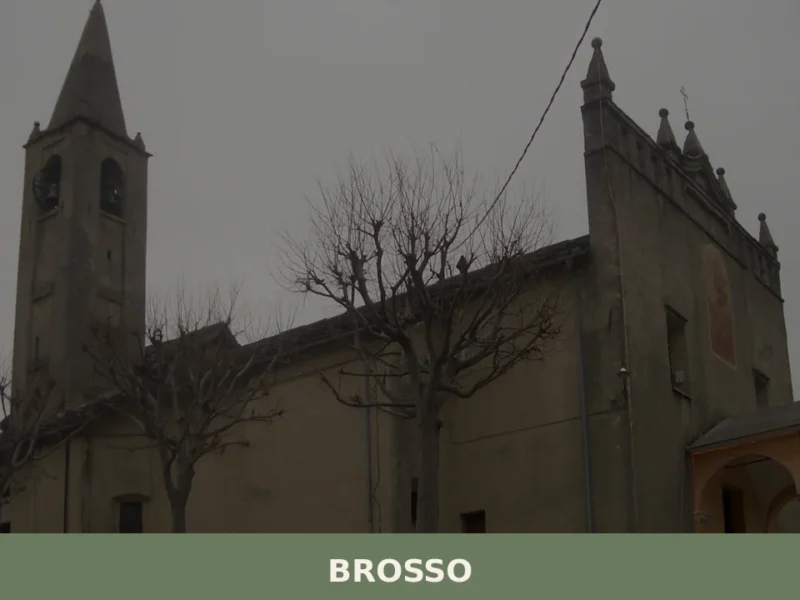
The Canavese and the broader Metropolitan City of Turin contain a range of settlements that reward exploration beyond the better-known urban centres. Brosso, positioned in the valleys above the Canavese plain, represents the mountain-facing dimension of the same territory — a community whose history is bound to mining and pastoral land use rather than the river-plain agriculture of Borgofranco. Foglizzo, on the Canavese plain itself, offers another reading of the low-country villages of this part of Turin’s metropolitan area, with its own particular relationship to the rice-and-maize agriculture of the Po basin fringe.
Moving into the wider Piedmontese context, Campiglione Fenile in the province of Turin’s southern reaches shows how differently the same regional culture expresses itself across the varied geography of Piedmont — from the Alpine foothills to the agricultural lowlands. And for those interested in the urban counterpart to rural Canavese, the medieval and Renaissance heritage of Novara in eastern Piedmont provides a compelling contrast, its cathedral and domed Basilica of San Gaudenzio marking a distinctly different chapter in the region’s long architectural and civic history.
Frequently asked questions about Borgofranco d’Ivrea
What is the best time to visit Borgofranco d'Ivrea?
The ideal times to visit Borgofranco d'Ivrea are late spring (April-June) for lush green landscapes and mild weather, or early autumn (September-October) for clear air, harvest activities, and the vibrant colours of the Serra d'Ivrea woodlands. Don't miss the local Festa Patronale dedicated to San Maurizio martire on September 22nd, offering a glimpse into local traditions. While quieter, the nearby Storico Carnevale di Ivrea in February/March brings significant regional traffic and a lively atmosphere worth considering if you're exploring the wider Canavese.
What to see in Borgofranco d'Ivrea? Main monuments and landmarks
Explore the village's unique Medieval Street Grid, a visible trace of its 1247 planned foundation, offering insight into its 'free borough' origins. Visit the main Parish Church, a blend of Romanesque and Baroque styles, featuring a characteristic Piedmontese bell tower built with local stone. Beyond the village, the Dora Baltea riverbank provides scenic access to the river, while the imposing Serra d'Ivrea Moraine Ridge, Europe's largest, dominates the eastern landscape and is a defining natural landmark visible from many points.
What are the main natural or scenic attractions of Borgofranco d'Ivrea?
Borgofranco d'Ivrea is nestled amidst significant natural beauty. The Dora Baltea riverbank offers tranquil walks and views of its characteristic braided gravels and the moraine hills. Dominating the eastern horizon is the Serra d'Ivrea, Europe's largest glacial moraine, ideal for scenic contemplation and accessible year-round for walking and cycling. The surrounding Canavese Rural Landscape features picturesque rice paddies, maize fields, and vineyards, structured by historic irrigation channels. Visitors can also explore various itineraries connecting to the wider network of Canavese trails mapped by local parks.
Where to take the best photos in Borgofranco d'Ivrea?
For memorable photos, capture the unique orthogonal layout of the Medieval Street Grid in the historic centre. The Parish Church's bell tower, visible against the backdrop of the agricultural plain, offers a classic Piedmontese vista. Head to the Dora Baltea riverbank for shots of the river's braided gravels and the majestic Serra d'Ivrea moraine ridge rising dramatically in the distance. The geometric patterns of the Canavese's rice paddies and maize fields also provide striking photographic subjects, especially during spring or autumn, reflecting the region's agricultural character.
Are there museums, churches or historic buildings to visit in Borgofranco d'Ivrea?
Yes, the main historical building to visit within Borgofranco d'Ivrea is its Parish Church. This sacred structure showcases architectural elements spanning from Romanesque to Baroque periods, with its distinctive bell tower crafted from local stone. While specific museum facilities are not mentioned for the village itself, the historic Medieval Street Grid offers an open-air architectural experience, reflecting the town's 13th-century planned urbanisation. These sites are generally accessible during daylight hours, but it's advisable to check for specific church opening times locally.
What can you do in Borgofranco d'Ivrea? Activities and experiences
Borgofranco d'Ivrea offers a range of activities focused on its natural and gastronomic heritage. Visitors can enjoy walking and cycling along the Dora Baltea riverbank or on the Serra d'Ivrea ridge, with various itineraries connecting to the broader network of Canavese trails. Engage with the local food culture by dining at family-run osterie, savoring regional specialties like Tuma cheese and Salame d'la duja, and sampling wines from the Canavese DOC zone, including the prestigious Erbaluce di Caluso DOCG, available at local restaurants and producers.
Who is Borgofranco d'Ivrea suitable for? Families, couples, hikers, solo travelers?
Borgofranco d'Ivrea is ideal for travelers seeking an authentic Piedmontese experience away from bustling tourist hubs. It appeals to hikers and cyclists, with accessible trails along the Dora Baltea and Serra d'Ivrea. Food enthusiasts will appreciate the traditional osterie and local products. It's suitable for couples looking for a tranquil escape, families interested in rural landscapes, and solo travelers exploring the Canavese and lower Aosta Valley from a practical base. Its quiet charm and natural beauty make it perfect for those valuing nature and local culture.
What to eat in Borgofranco d'Ivrea? Local products and specialties
The cuisine of Borgofranco d'Ivrea and the wider Canavese region offers robust and authentic flavors. Must-try specialties include Tuma, a fresh cow's milk cheese often featured in fricia (a fried cheese dish). Polenta, made from local maize, is a staple, frequently served with rich braised meats or fontina-based sauces. Don't miss Salame d'la duja, a unique soft pork salami traditionally preserved under lard. Pair your meal with local wines such as the prestigious Erbaluce di Caluso DOCG white wine or a Canavese DOC red, available at local osterie and producers.
Nearby Villages near Borgofranco d’Ivrea
In Piedmont More villages to discover

Rivara
Hills
A comune of 2,456 inhabitants north of Turin, Rivara preserves two castle complexes and Villa Ogliani, birthplace of the Scuola di Rivara artistic movement.
Alpette
 Mountain
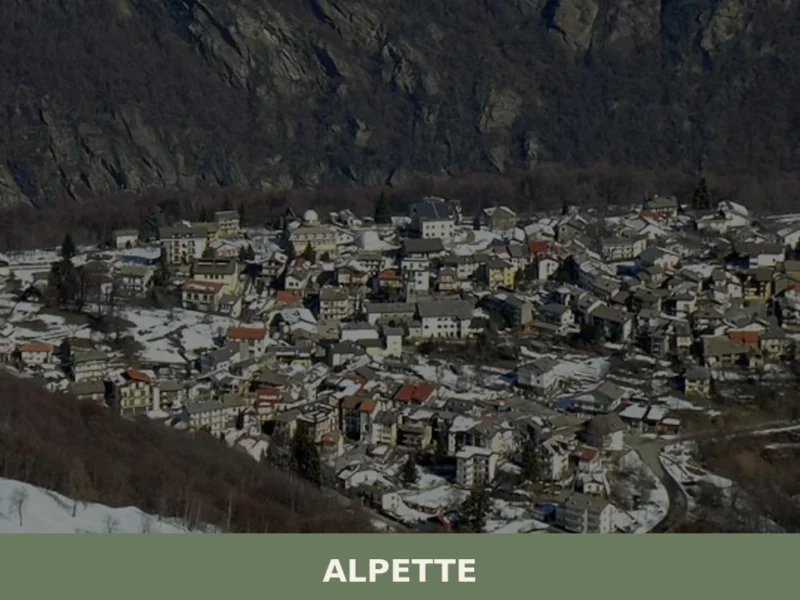
At 957 metres above sea level, on the eastern slope of Gran Paradiso, Alpette has 251 inhabitants spread between the central settlement and a handful of hamlets scattered along the pastures that climb towards Cima Quinzeina. Those looking into what to see in Alpette will find a village built almost entirely from local stone and […]
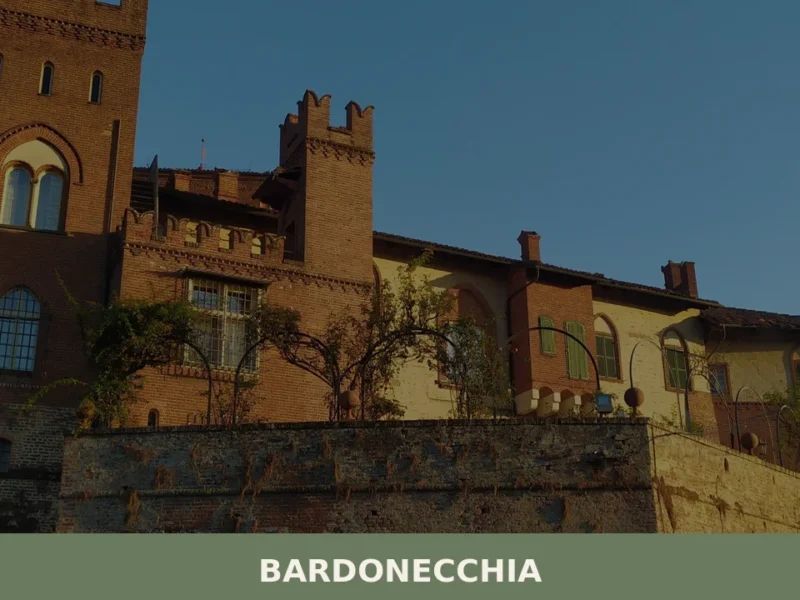
Bardonecchia
Mountain
Bardonecchia is the westernmost municipality in Piedmont and one of the historic Alpine crossing points into France, via the Colle della Scala and the Fréjus pass. Located in the upper Val di Susa at an altitude of over 1,300 metres, the town can be reached from Turin in around an hour and a half by […]

Porte
Hills
Discover what to see in Porte, a 1,108-inhabitant comune in the Metropolitan City of Turin with Occitan heritage, foothill walks, and Piedmontese food culture.

Beinasco
 Plains
Beinasco traces its roots to a Roman frontier post. Discover how this small town survived plague, warfare and transformation to anchor modern metropolitan Turin.
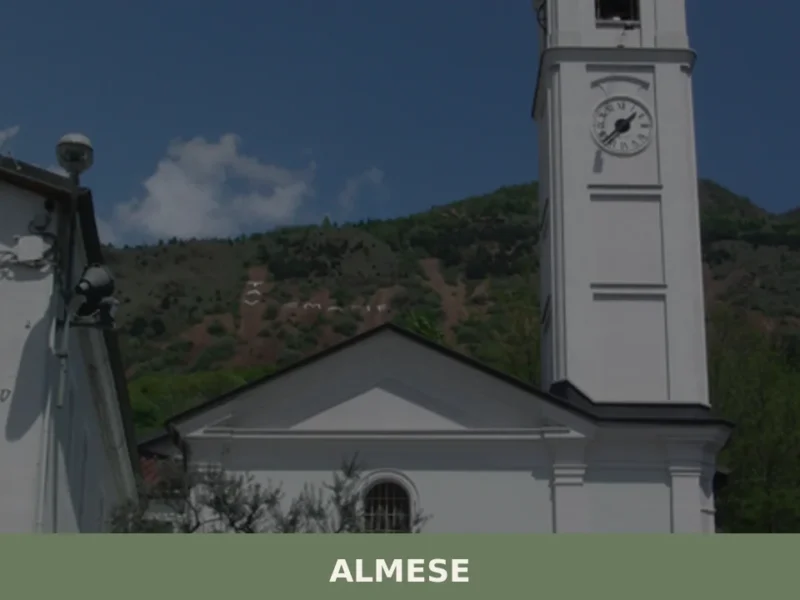
Almese
Hills
In 1029, a document from the Abbey of Novalesa recorded the name Almese for the first time, linked to a series of land holdings in the lower Val di Susa. That place name — probably derived from a Celtic or pre-Latin word connected to alpine pastures — appears in a territory that already served as […]
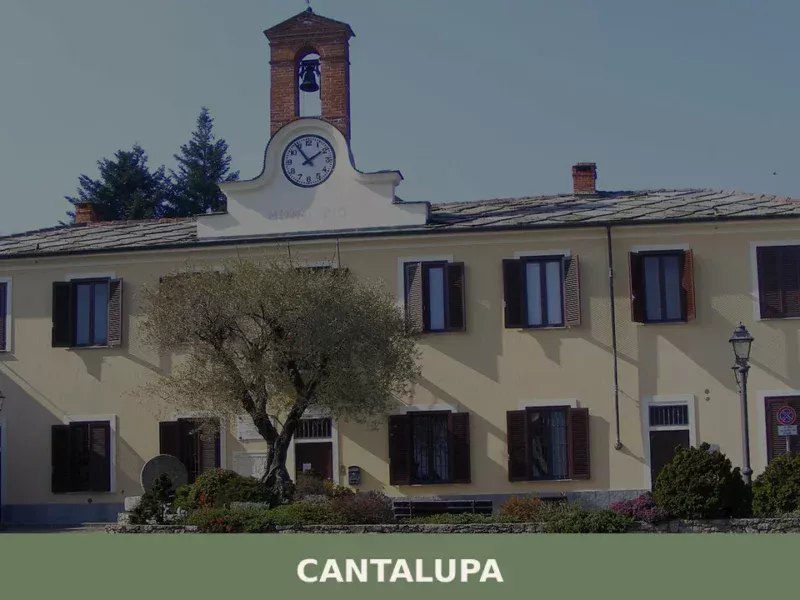
Cantalupa
Hills
Scopri Cantalupa borgo Piemonte: storia, tradizioni e attrazioni di uno dei gioielli nascosti delle colline piemontesi. Visita questo angolo autentico d'Italia!
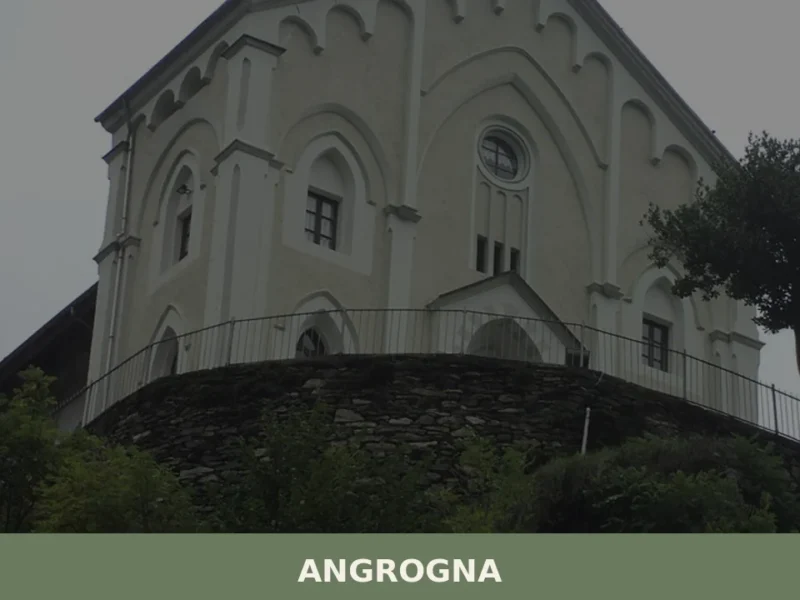
Angrogna
Mountain
What to see in Angrogna: Chanforan, the Ghieisa d'la Tana, Waldensian trails, historic hamlets and mountain cuisine. A complete guide to the village.
Bobbio Pellice
Mountain
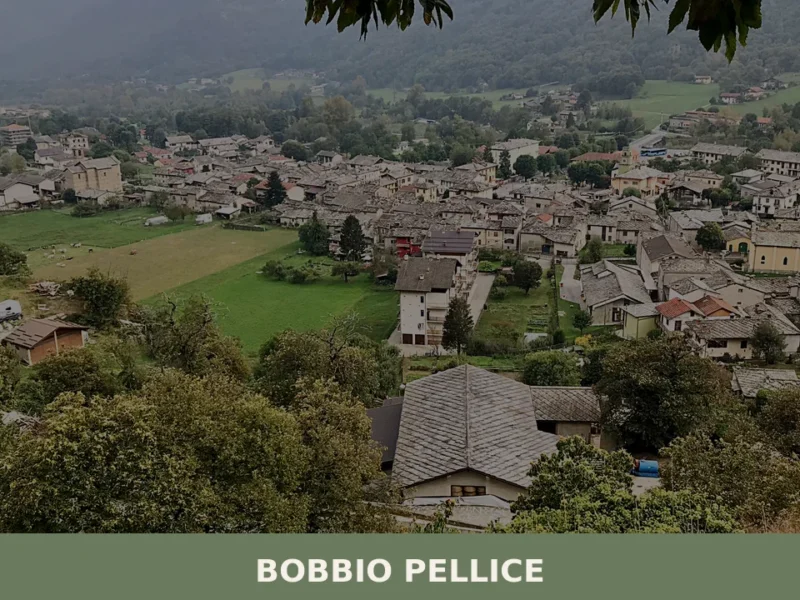
Bobbio Pellice has 536 inhabitants and lies in the Val Pellice, one of the Occitan and Waldensian valleys of southern Piedmont, in the Province of Turin. It is the highest municipality in the valley and the starting point for trails leading to the Colle Giulian and the Colle delle Traversette. Anyone looking to understand what […]
Barone Canavese
Hills
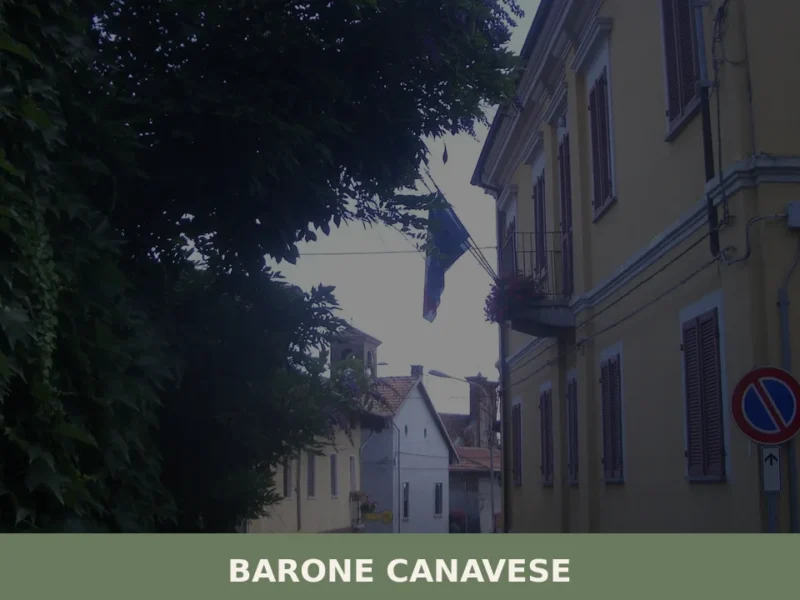
Barone Canavese has 554 inhabitants and sits at 325 metres above sea level, on the hills of eastern Canavese in the province of Turin. Those wondering what to see in Barone Canavese will find a small municipality set within a well-defined hill landscape, notable for its historic religious buildings and a road network connecting the […]
🏡 Know Borgofranco d’Ivrea better than we do?
If you’re a local or have been there, your knowledge matters: add what’s missing or fix a detail on this page.