


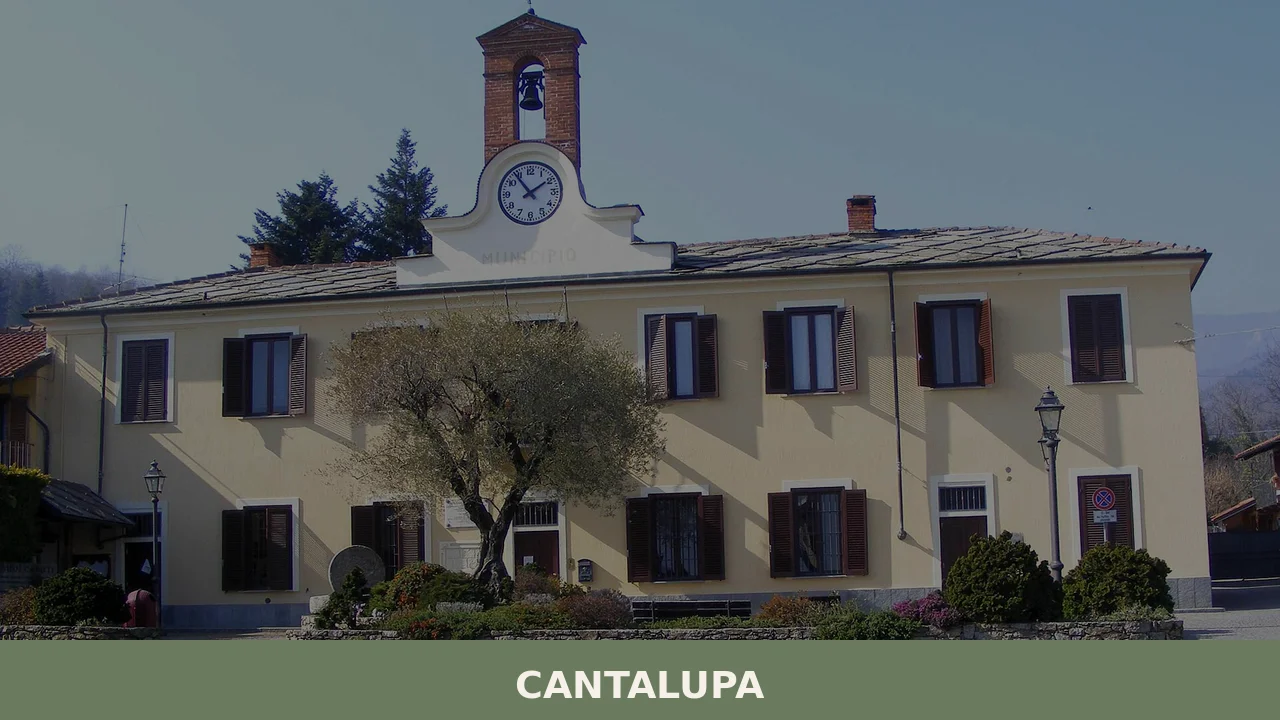
Cantalupa
 Hills
Hills
Scopri Cantalupa borgo Piemonte: storia, tradizioni e attrazioni di uno dei gioielli nascosti delle colline piemontesi. Visita questo angolo autentico d’Italia!
Discover Cantalupa
The slopes of Monte Freidour catch the morning light from the west, casting long shadows over the plain that stretches toward Turin. At the foot of that mountain, where the land levels and the last hillside pastures give way to cultivated fields, the municipality of Cantalupa occupies a position that is neither upland retreat nor lowland town, but something more specific: a threshold between the Pinerolese hills and the broader Po valley floor, in the Metropolitan City of Turin.
For those researching what to see in Cantalupa, the answer begins with that geographic position — 30 km (18.6 mi) southwest of Turin, bordered by Cumiana, Frossasco, and Roletto.
Visitors to Cantalupa find a municipality where the dominant visual reference is always Monte Freidour to the west, and where the surrounding countryside rewards those who arrive on foot or by bicycle as much as those who drive. The Cantalupa highlights include the landscape around Monte Freidour itself, the network of rural paths connecting the comune to its neighbours, and the local Piedmontese food culture rooted in the wider Pinerolese agricultural tradition.
History of Cantalupa
The name Cantalupa derives from the Latin roots cantus and lupus, a compound that has been interpreted as a reference to wolf calls or to the acoustic character of the terrain where wolves were once present. Place names of this type are documented across the Alpine foothills of northern Italy, where large predators remained part of the landscape through the medieval period. The name itself signals a settlement that predates modern administrative organisation, rooted in the direct observation of the local environment by the earliest permanent inhabitants of the area.
The municipality sits within the historical territory of the Pinerolese, a sub-region of Piedmont that passed through the control of the House of Savoy during the consolidation of what would eventually become the Kingdom of Sardinia and, later, unified Italy.
Communities along the piedmont corridor southwest of Turin — including those now bordering Cantalupa — were shaped by the agricultural and ecclesiastical structures typical of Savoy-administered territories: parish organisation around a central church, communal land management, and the slow emergence of smallholder farming through the early modern period. The village of Almese, situated further north in the same metropolitan area of Turin, shares a comparable pattern of Savoy-period rural development, with parish records and communal land registers dating to similar periods.
Through the nineteenth century, the unification of Italy brought administrative reorganisation to Piedmontese municipalities. Cantalupa was formally constituted as a comune — the basic unit of Italian local government — within the province of Turin, a designation it retains today under the Metropolitan City of Turin. The twentieth century brought the pressures of industrialisation felt across the entire Pinerolese corridor, with younger generations moving toward Turin and the larger manufacturing centres while the agricultural base of smaller municipalities contracted.
What remains today is a community that has maintained its rural character while functioning within the commuter catchment of Turin.
What to See in Cantalupa, Piemonte: Top Attractions
Monte Freidour and the surrounding hillside landscape
Monte Freidour rises directly above the municipal territory of Cantalupa, forming the defining visual and physical feature of the commune. The mountain belongs to the chain of pre-Alpine reliefs that mark the boundary between the Po plain and the higher Cottian Alps further west. Hikers ascending from the Cantalupa side gain elevation progressively through pasture and mixed woodland, with open views eastward across the plain toward Turin. The terrain is uneven and the paths vary in gradient, making appropriate footwear essential. Autumn, when the woodland canopy changes colour and visibility across the plain is at its clearest, is a practical time for this route.
The rural road network between Cantalupa, Cumiana, and Frossasco
Cantalupa borders Cumiana to the south and Frossasco to the north, and the minor roads connecting these three municipalities pass through a sequence of cultivated fields, farmsteads, and hedgerow corridors typical of the Pinerolese agricultural plain. Cycling these routes gives a direct reading of how land use in the area divides between cereal cultivation, hay production, and smallholder vegetable plots. Distances between the three municipal centres are short — under 10 km (6.2 mi) for each leg — making a circular route on flat to gently rolling terrain accessible to most riders.
Early summer, before the heat peaks, provides the most comfortable conditions.
The parish church of Cantalupa
The parish church stands as the architectural focal point of the village centre, following the pattern common to Savoy-administered Piedmontese communes where ecclesiastical building preceded and organised civic space. The structure reflects the regional building tradition of the Pinerolese, using local stone and a restrained facade typical of rural Piedmontese sacred architecture from the early modern period. Inside, the nave proportions and the lateral chapels follow a layout that would be recognisable across dozens of similar communities between Turin and Pinerolo. Visiting during the morning, when natural light enters from the east-facing windows, gives the clearest view of the interior surfaces.
The agricultural plain at the foot of Monte Freidour
Standing at the base of Monte Freidour and looking east, the Po plain extends with almost no interruption for more than 30 km (18.6 mi) toward Turin. This vantage point — accessible on foot from the village centre within twenty minutes — makes the topographic relationship between the mountain and the plain immediately legible. The plain itself is under intensive agricultural use, with field boundaries, irrigation channels, and farmstead clusters distributed at regular intervals. Winter mornings, when low fog fills the valley floor while the mountain slopes remain clear, produce a visual contrast between the mist-covered plain and the visible ridgeline that is particular to this part of Piedmont.
The Roletto border zone and the Pinerolese corridor
Cantalupa’s third boundary municipality is Roletto, which lies to the northwest and marks the transition point between the immediate foothills and the broader Pinerolese corridor leading toward Pinerolo, roughly 8 km (5 mi) to the southwest.
Walking or cycling toward Roletto from Cantalupa provides a ground-level view of how the terrain shifts from the flatter communal lands near the village to the more varied relief of the lower hillside. The corridor between Cantalupa and Pinerolo has served as an agricultural and commercial route since at least the medieval period, and traces of that functional history appear in the alignment of roads, the placement of farmsteads, and the distribution of small roadside chapels.
Local Food and Typical Products of Cantalupa
Cantalupa sits within the Pinerolese, a sub-region of Piedmont with a food culture built on the same foundations as the broader Torinese and Cuneese culinary tradition: dairy farming, winter root vegetables, freshwater fish from the hill streams, and the slow-cooked meat preparations that characterise cold-season cooking across the entire Alpine piedmont zone.
The proximity of the municipality to both the mountain pastures of Monte Freidour and the productive agricultural plain to the east means that the local table historically drew from two distinct supply chains simultaneously — upland dairy and downland grain. The food culture of Cuneo, the provincial capital further south along the same Alpine foothills, shares many of these foundations, particularly in the preparation of aged cheeses and the use of slow-braised beef.
The Piedmontese kitchen around Pinerolo and its surrounding communes relies on a core set of preparations that have changed little in their basic structure over generations. Bagna Cauda is the defining communal dish of the region: a hot dipping sauce of garlic and anchovies, cooked slowly in olive oil or butter, served in a terracotta vessel kept warm at the table with a small flame, and used to dip raw or boiled vegetables — cardoons, peppers, cabbage, and turnips among them.
The garlic is typically blanched multiple times to reduce its sharpness before being broken down into the oil. Tajarin, the local egg pasta cut into very fine strands, is served with butter and sage, with meat ragù, or — during the autumn season — with fresh truffle shaved directly onto the plate. Both preparations appear on tables across the Pinerolese without modification for tourist expectations.
The certified dairy tradition of the broader area includes Toma Piemontese DOP, a semi-cooked pressed cheese produced from whole or partially skimmed cow’s milk across a wide zone of Piedmont that encompasses the Pinerolese. The cheese is aged for a minimum of 60 days in its standard form and for longer periods in the more intensely flavoured versions, developing a compact paste and a rind that ranges from pale straw to deeper amber depending on maturation time. Its production zone covers multiple provinces, including Turin, meaning that farms and dairies operating in the Cantalupa area fall within the designated territory.
The flavour is clean, milky, and slightly acidic in younger wheels, becoming more mineral and persistent with age.
Local markets in the Pinerolese operate on weekly cycles, with Pinerolo — the nearest significant market town — holding a regular weekly market where producers from surrounding communes, including those in the Cantalupa area, bring seasonal vegetables, dairy, and preserved meats. Autumn and early winter are the most productive seasons for local produce, coinciding with the truffle season in the broader Piedmontese territory and with the harvest of late-season vegetables used in traditional preparations.
Festivals, Events and Traditions of Cantalupa
Like the majority of Piedmontese comuni of comparable size, Cantalupa organises its public calendar around the feast day of its patron saint, which brings the resident community together for a religious procession through the village, a Mass in the parish church, and a subsequent civic gathering. These events follow the liturgical calendar and typically include outdoor music, communal meals, and in some years, fireworks in the evening. The precise date of the patron saint feast corresponds to the saint’s day in the Roman Catholic calendar, and its observance reinforces the parish as the central social institution of the village, a role it has held continuously through the administrative changes of the past two centuries.
The agricultural calendar of the Pinerolese also structures informal seasonal traditions across communes in the area, including Cantalupa.
The grape harvest in September and the chestnut gathering in October mark practical moments in the rural year that retain a social dimension, with families and neighbours working collectively in ways that persist alongside mechanised farming. The sagra, a traditional local food festival organised around a seasonal or typical product, appears in various forms across the Pinerolese during the autumn months, and communities in the Cantalupa area participate in or attend events of this kind in neighbouring municipalities during the September-to-November window.
When to Visit Cantalupa, Italy and How to Get There
The most practical periods for visiting Cantalupa correspond to late spring (May to June) and early autumn (September to October). In late spring, the hillside paths around Monte Freidour are clear of winter debris and the fields are at maximum cultivation, giving the agricultural plain its most defined visual character. Autumn brings the double advantage of cooler temperatures and the regional food season — truffle, chestnut, and aged cheese — active across the entire Pinerolese.
Summer visits are feasible but July and August bring heat to the plain that makes midday activity uncomfortable. Winter visits suit those primarily interested in the interior of the parish church or the fog-and-mountain landscape from the base of Monte Freidour, but road conditions on the hillside tracks can be poor after rainfall.
Reaching Cantalupa from Turin takes approximately 30 to 40 minutes by car. The most direct route follows the A55 motorway southwest from Turin toward Pinerolo, exiting at Pinerolo and continuing approximately 8 km (5 mi) northeast toward the Cantalupa municipal territory. If you arrive by car from the direction of Turin, the approach through Frossasco or from the Roletto side gives a cleaner view of the Monte Freidour ridgeline before the village itself comes into view. The nearest railway connection is at Pinerolo, served by regional trains on the Turin–Pinerolo line operated by Trenitalia; from Pinerolo, a local bus or taxi covers the remaining distance to Cantalupa.
Turin’s main airport, Turin Airport (Torino Caselle), is approximately 55 km (34.2 mi) from Cantalupa, with a combined transfer of around one hour using train and local connection via Turin Porta Nuova or directly by car via the ring road. From Milan, Cantalupa is approximately 160 km (99.4 mi), making it a realistic destination for a day trip or an overnight stop within a broader Piedmont itinerary. International visitors should carry euro cash for smaller purchases in village shops and at farm stalls, as card payment infrastructure is limited outside the larger market centres.
Visitors extending their time in the area can combine Cantalupa with a stop at Biella, the Piedmontese textile city north of Turin, or travel further into the Po plain to Vercelli, where the flat rice-growing landscape offers a complete contrast to the hillside terrain around Monte Freidour. Both destinations are within a two-hour drive and represent distinct aspects of the Piedmontese territory that complement a visit to the Pinerolese.
Nearby Villages near Cantalupa
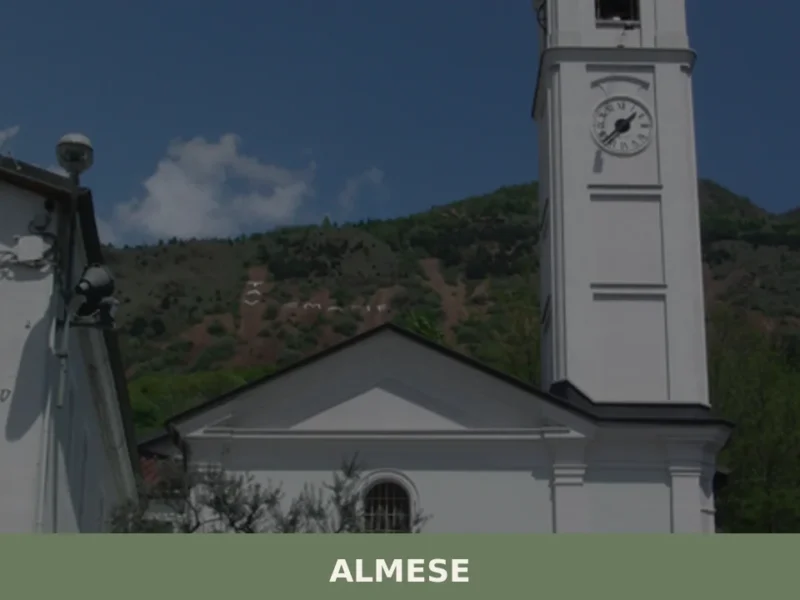
In Piedmont More villages to discover
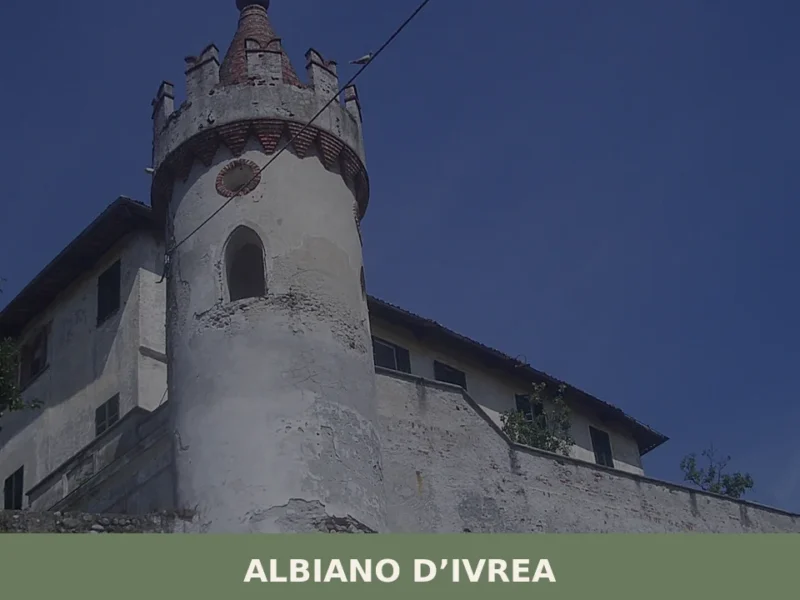
Albiano d’Ivrea
Hills
what to see ad Albiano d’Ivrea: con 1.628 abitanti, esplora la Chiesa Parrocchiale e i resti del ricetto medievale. Pianifica il tuo viaggio ora!
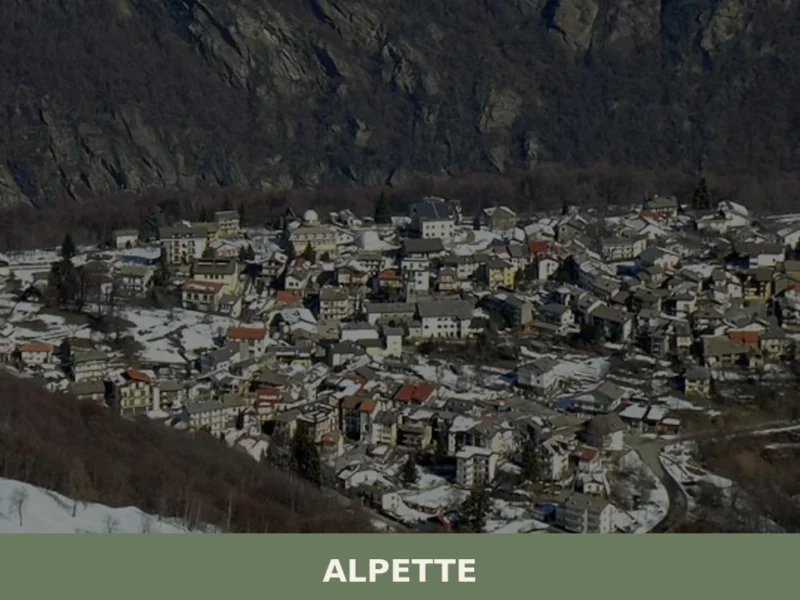
Alpette
 Mountain
At 957 metres above sea level, on the eastern slope of Gran Paradiso, Alpette has 251 inhabitants spread between the central settlement and a handful of hamlets scattered along the pastures that climb towards Cima Quinzeina. Those looking into what to see in Alpette will find a village built almost entirely from local stone and […]
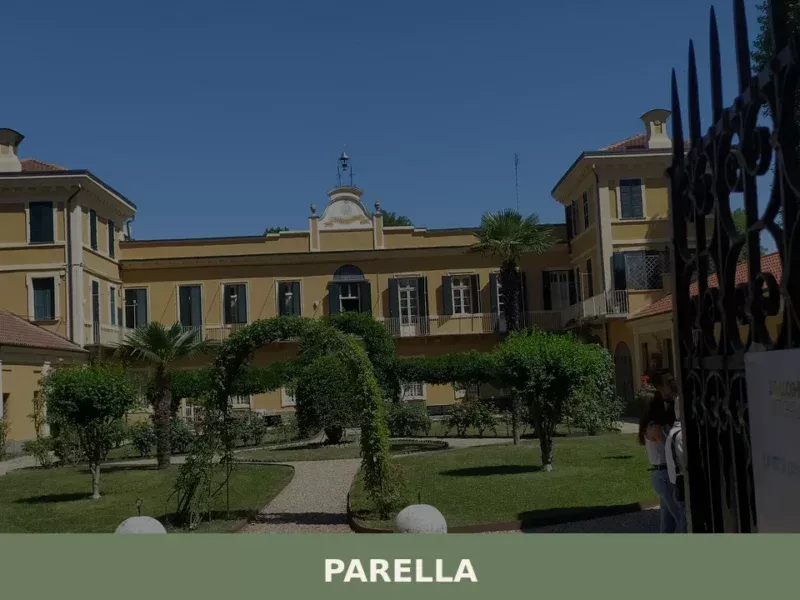
Parella
Hills
Scopri Parella borgo Piemonte: un affascinante villaggio storico tra castelli, natura e tradizioni antiche. Visita uno dei gioielli nascosti del Canavese!
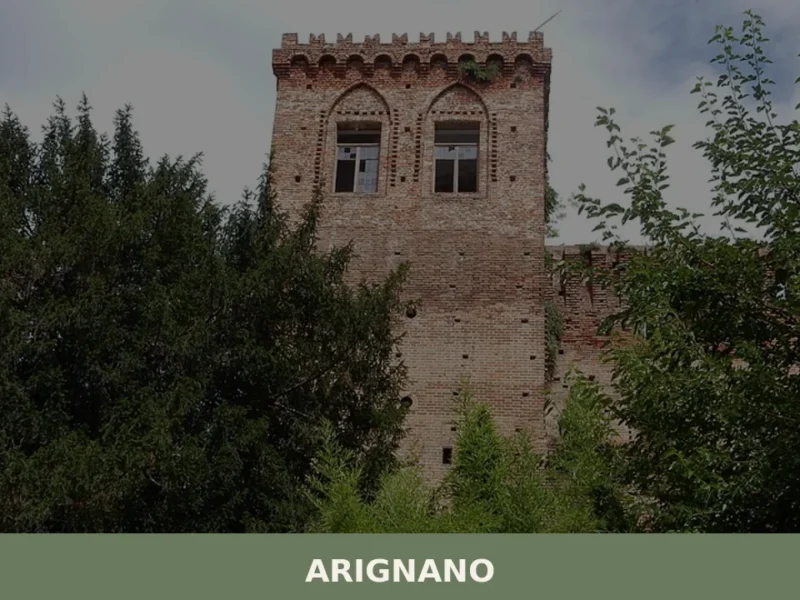
Arignano
Hills
What to see in Arignano in Piedmont: castle, church, hill trails, traditional cuisine, and practical information for visiting the village at 321 m a.s.l.
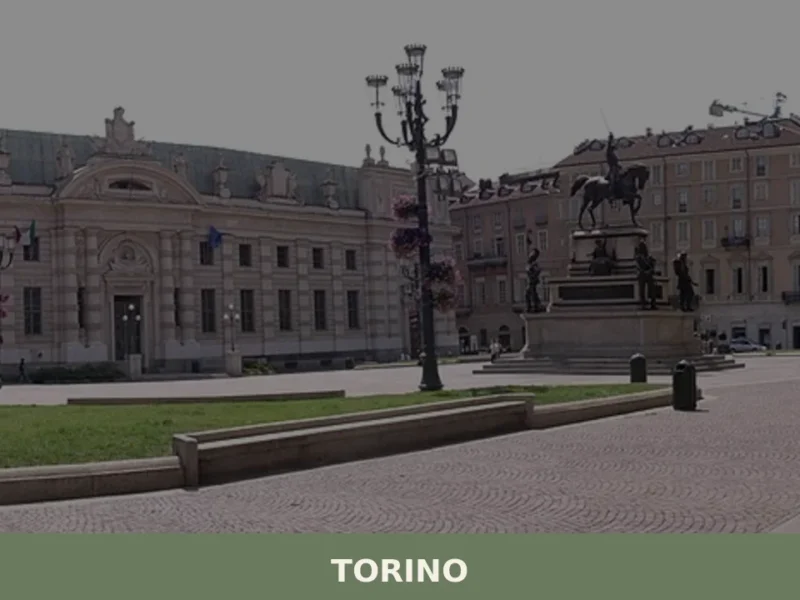
Torino
Hills
What to see in Torino: the city at 239m altitude with 841,600 residents. Explore 5 key attractions and Piedmontese cuisine. Read the full guide now.
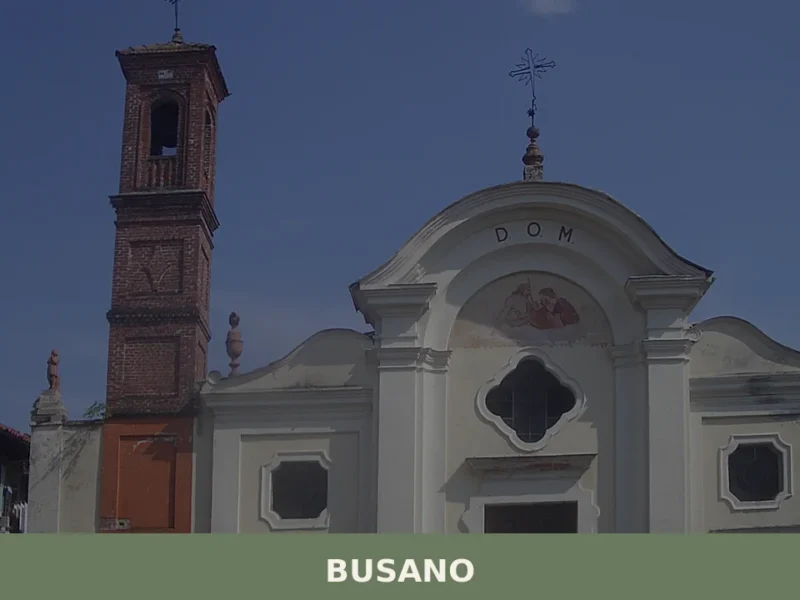
Busano
 Plains
What to see in Busano, Piemonte, Italy: 30 km from Turin, explore the Canavese landscape, local cuisine, and festivals. Discover how to get there and when to visit.
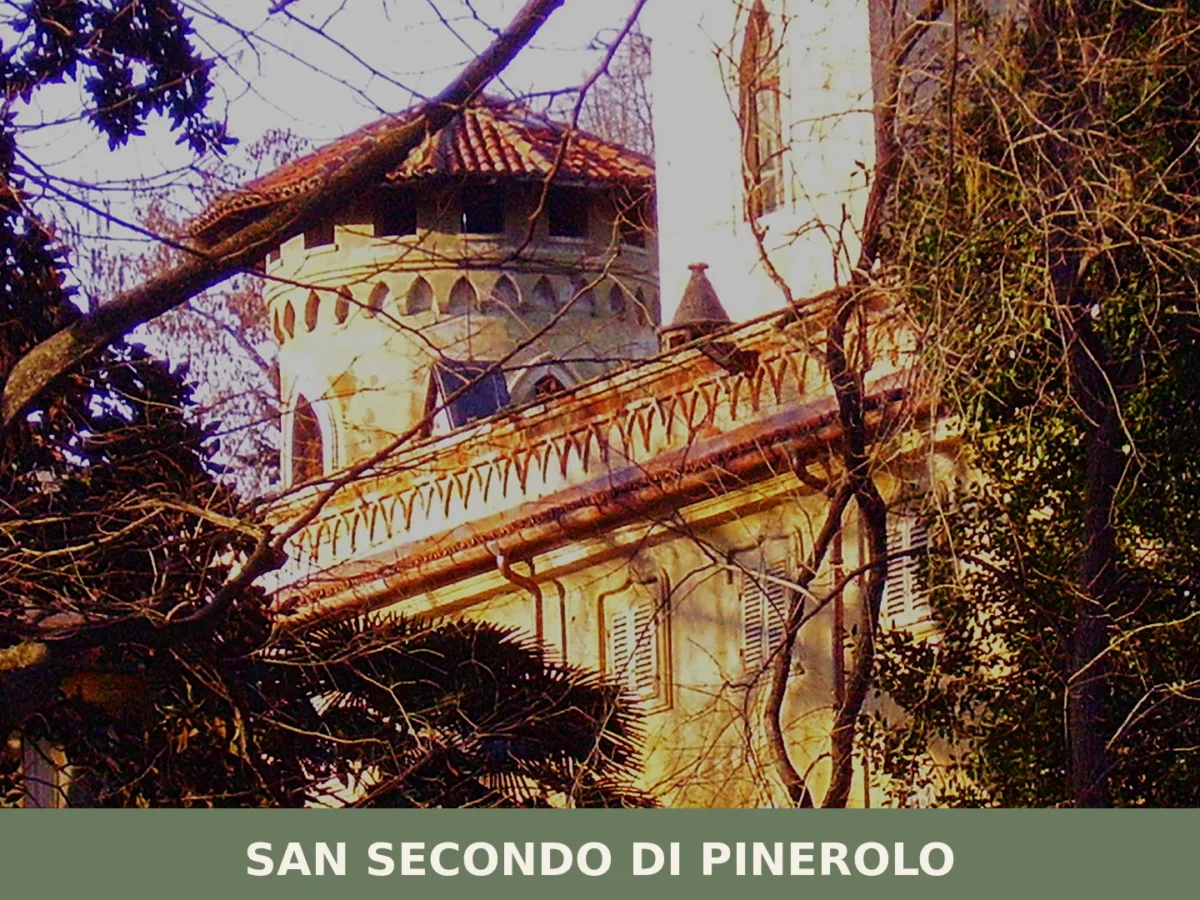
San Secondo di Pinerolo
Hills
Population 3,643. A small Piedmont comune where 18th-century terracotta crafts shaped the landscape and baroque architecture anchors memory.

Borgomasino
Plains
Discover what to see in Borgomasino, a 776-inhabitant Canavese village near Turin: history, local food, best time to visit and practical travel tips.
Prali
Mountain
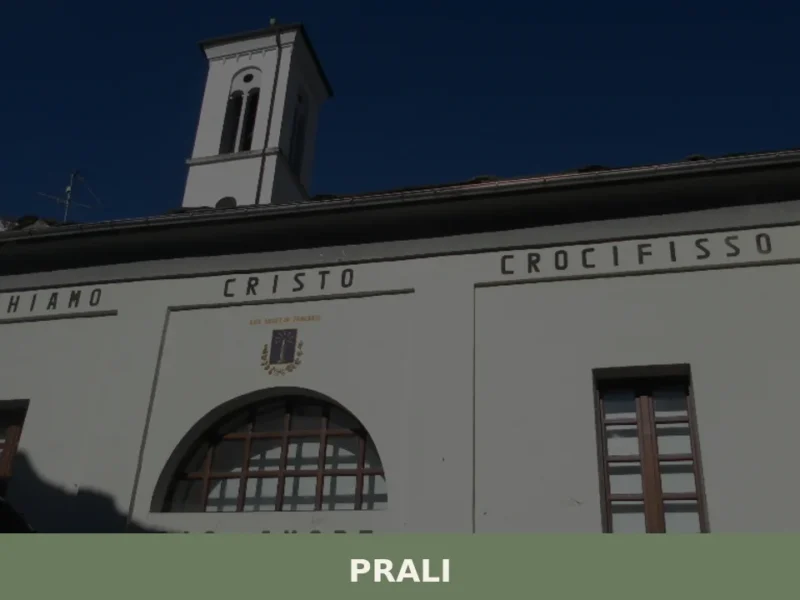
Prali sits at roughly 1,400 metres above sea level in the Germanasca Valley, one of the Waldensian Valleys of the Piedmontese Alps, about 72 kilometres south-west of Turin. With a registered population of 252 inhabitants, it is one of the smaller comuni in the Metropolitan City of Turin — and until 1937 it was officially […]
Brosso
Mountain
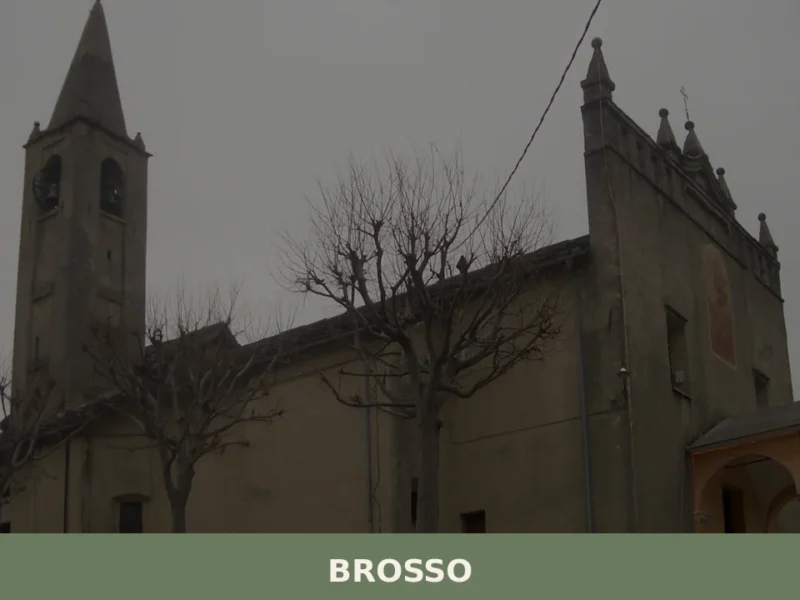
Brosso has a population of 391 and sits at 797 metres above sea level in the Valli del Canavese, in the province of Turin, on the south-eastern slopes of the Serra di Ivrea. The area was historically defined by mining activity — particularly iron and copper extraction — a practice that left lasting physical marks […]

🏡 Know Cantalupa better than we do?
If you’re a local or have been there, your knowledge matters: add what’s missing or fix a detail on this page.