


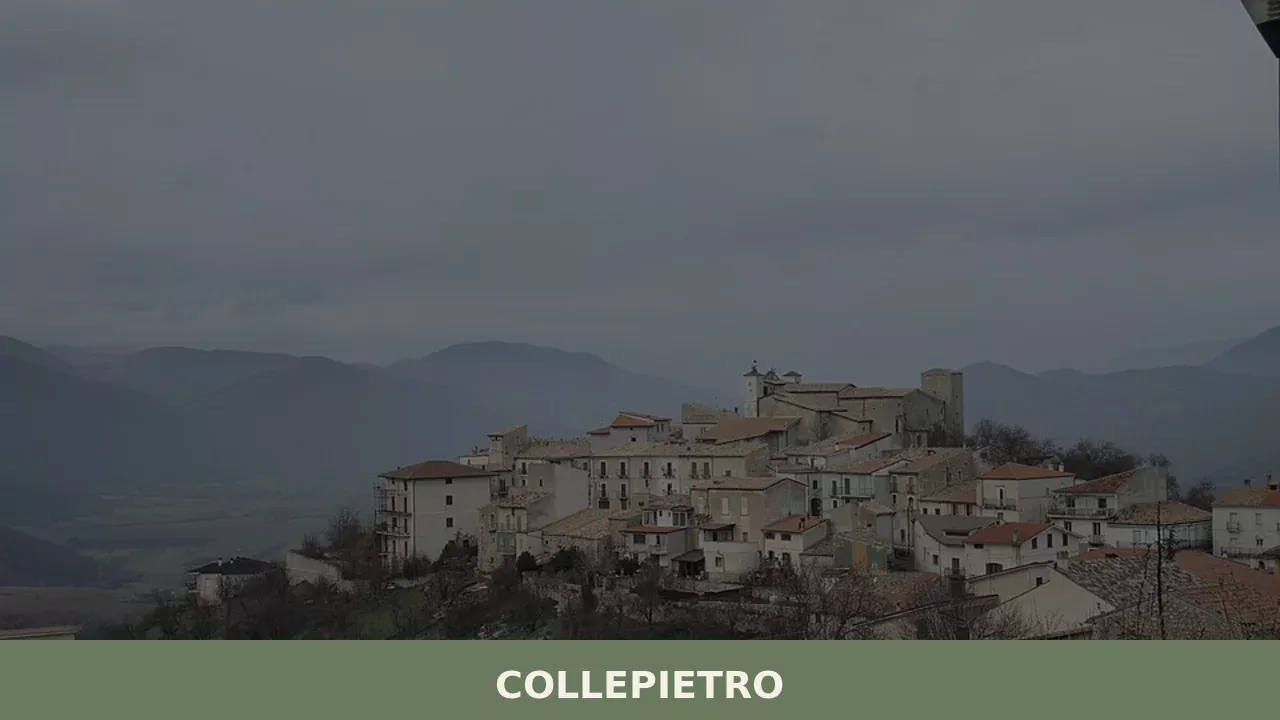
Collepietro
 Mountain
Collepietro has 226 inhabitants and sits at 849 metres above sea level on the eastern slope of the Gran Sasso, in the province of L’Aquila. The municipal territory extends along a ridge overlooking the Piana di Navelli, an area known for saffron cultivation. Those wondering what to see in Collepietro will find a compact settlement […]
Discover Collepietro
Collepietro has 226 inhabitants and sits at 849 metres above sea level on the eastern slope of the Gran Sasso, in the province of L’Aquila. The municipal territory extends along a ridge overlooking the Piana di Navelli, an area known for saffron cultivation. Those wondering what to see in Collepietro will find a compact settlement built from local limestone, with an urban layout that preserves the defensive logic of the fortified villages of inland Abruzzo. The parish church is dedicated to Saint John the Baptist, patron saint of the village, celebrated on 24 June.
History and origins of Collepietro
The place name Collepietro — documented in the Latin forms Collis Petri — indicates a settlement established on a hilltop and linked, in all likelihood, to a landholding or a dedication associated with Saint Peter. Historically, the village falls within the area of influence of the Barony of Carapelle, a feudal system that for centuries governed the southern slopes of the Gran Sasso. Like many centres in the area, Collepietro followed the fortunes of the Kingdom of Naples, passing through various feudal families until the abolition of feudalism in 1806.
The building fabric of the old town bears the marks of successive reconstructions following the earthquakes that have repeatedly struck the L’Aquila area of Abruzzo, particularly those of 1703 and 2009. Carved stone portals, connecting arches between buildings and external staircases document a constructive layering spanning from the 14th to the 18th century. Its position along the Piana di Navelli placed Collepietro within a network of trade linked to transhumance and the saffron commerce — products that defined the economy of this area until the 20th century.
Post-war depopulation drastically reduced the population — from around 800 residents in the 1950s to the current 226 — turning Collepietro into one of the least densely populated municipalities in the province of L’Aquila.
What to see in Collepietro: churches, architecture and landscape
1. Church of San Giovanni Battista
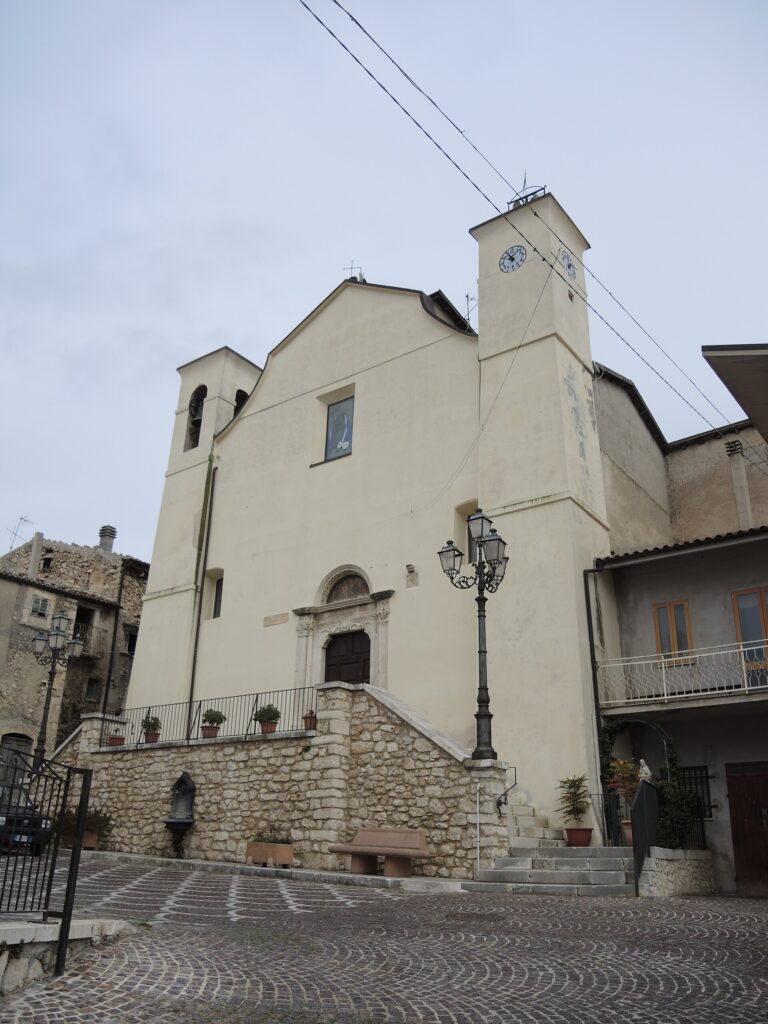
The parish church stands in the central core of the village and is dedicated to the patron saint. The interior retains a single-nave layout with side altars reworked after the seismic damage of the 18th century. The limestone façade features a portal with a lunette displaying locally crafted decorative elements. The patronal feast on 24 June is the main communal gathering of the year.
2. Old town and stone architecture
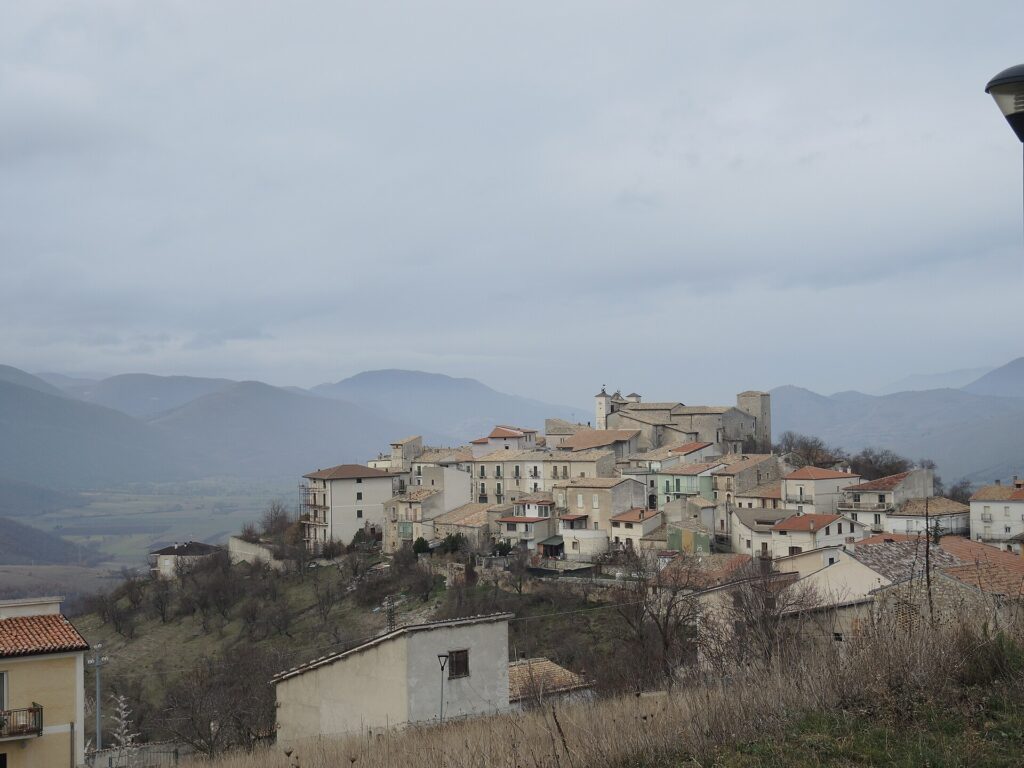
The historic core of Collepietro stretches along the ridge in a spindle-shaped layout, following the model of Abruzzo’s strada-villages. The buildings are constructed from white and grey limestone, with mortar joints. Portals dating from the 15th to the 17th century can be observed, along with passageway arches connecting opposing building blocks and profferli — the covered external staircases that provide access to the upper floors.
3. View over the Piana di Navelli
From the eastern edge of the settlement, a sweeping view opens across the Piana di Navelli, a karst plateau at around 700 metres elevation where L’Aquila DOP saffron is cultivated. In autumn, between October and November, the fields turn violet with the blooms of Crocus sativus. In the background, the profile of Monte Sirente closes the horizon to the south-west.
4. Church of the Madonna delle Grazie
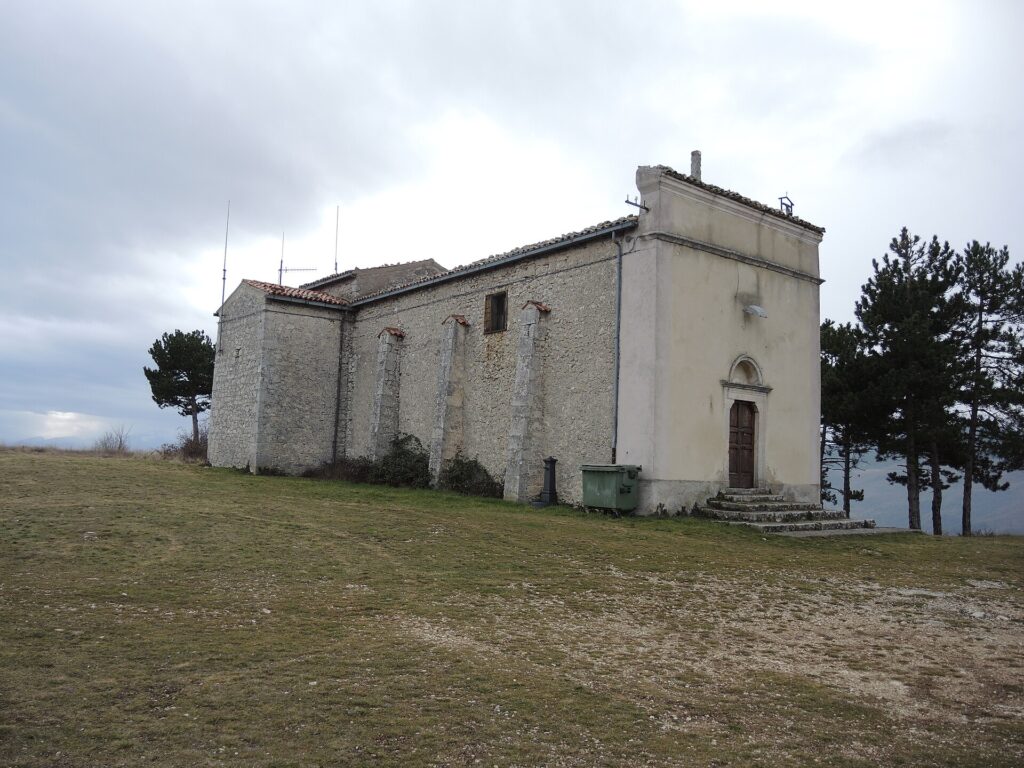
A small church positioned on the outskirts of the settlement, with a simple structure and a gabled façade. The building is linked to the Marian devotion widespread in the rural centres of the L’Aquila basin. It is one of the minor religious buildings dotting the municipal territory, serving the needs of a community spread between the urban nucleus and the surrounding countryside.
5. Trails towards the Gran Sasso
From the territory of Collepietro, hiking trails climb the southern slope of the Gran Sasso massif. The routes pass through beech forests and high-altitude grasslands, connecting to the trail network of the Gran Sasso and Monti della Laga National Park. The starting altitude of 849 metres allows hikers to reach the summit areas without extreme elevation gains, making the zone accessible to walkers of intermediate fitness.
Food and local produce
The cuisine of Collepietro belongs to the gastronomic tradition of inland mountain Abruzzo. Dishes are based on pulses — lentils, chickpeas, grass peas — grains such as farro, and sheep meat. Sagne e fagioli, hand-cut irregular pasta served in a thick borlotti bean broth, is a preparation found throughout the Piana di Navelli. Lamb arrosticini, cooked on narrow braziers called furnacelle, feature at local festivals and trattorias across the area. L’Aquila DOP saffron, grown in the surrounding fields, is used in risottos, desserts and liqueurs.
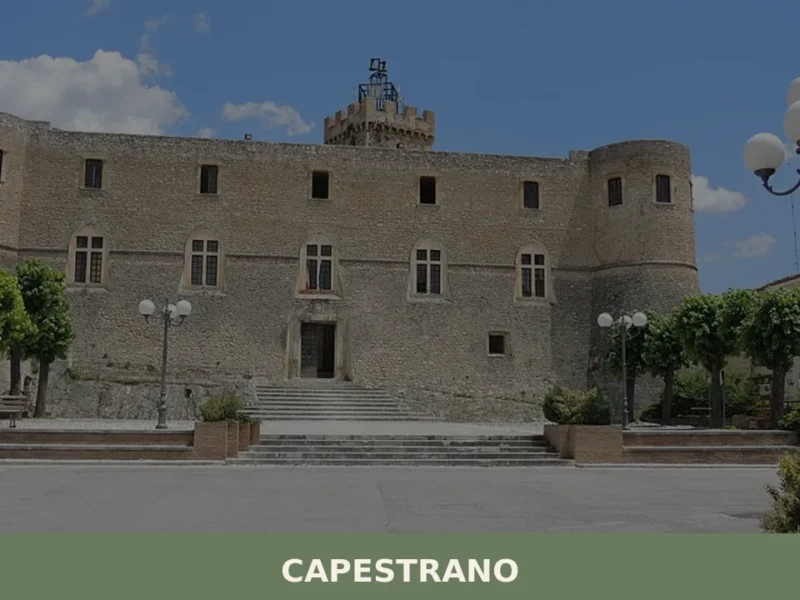
Local dairy production includes pecorino cheeses at various stages of ageing, made from flocks grazing on the Gran Sasso meadows. The territory also produces extra virgin olive oil — though in limited quantities compared to the coastal hill areas — and mountain honey, particularly wildflower and sainfoin varieties. To purchase these products, visitors need to contact local producers directly or visit the weekly markets of nearby towns such as Navelli and Capestrano.
When to visit Collepietro: the best time of year
The feast of Saint John the Baptist on 24 June is the moment when the village comes alive with religious and civic celebrations: it is the most tangible occasion to observe the community in its collective dimension. The period between October and November coincides with the saffron harvest on the plain below, an operation carried out by hand in the early morning hours and still involving several local families in the area.
Summer — from June to September — offers favourable conditions for hikes towards the Gran Sasso, with daytime temperatures rarely exceeding 30 degrees thanks to the altitude. Winter brings frequent snowfall and night-time temperatures below zero; access to the village generally remains open, but mountain trails become passable only with proper equipment. Spring, between April and May, is the season of high-altitude meadow blooming — the most spectacular display can be observed at Campo Imperatore, reachable in approximately forty minutes by car.
How to get to Collepietro
Collepietro is reached from the A25 Roma-Pescara motorway, Bussi/Popoli exit, continuing along state road 17 towards L’Aquila and then turning onto the provincial road that crosses the Piana di Navelli. The distance from Rome is approximately 130 kilometres (one hour and forty minutes’ drive), from Pescara approximately 75 kilometres (one hour and ten minutes). L’Aquila is about 30 kilometres to the north-west.
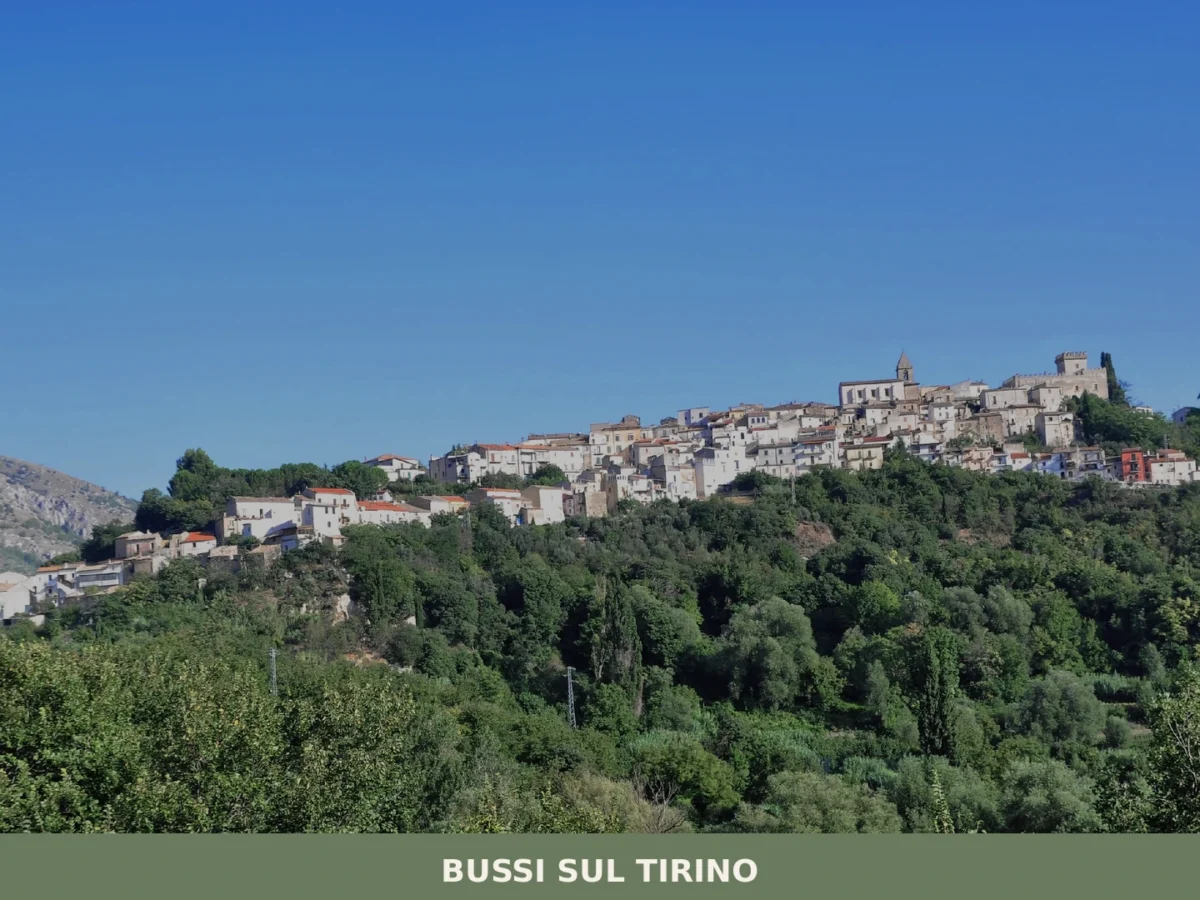
The nearest railway station is Bussi sul Tirino, on the Roma-Sulmona-Pescara line, from which it is necessary to continue by private vehicle for approximately 20 kilometres. The reference airport is Abruzzo Airport in Pescara (approximately 80 kilometres away); alternatively, Rome Fiumicino Airport is approximately 170 kilometres distant. Local public transport is limited to a few daily services operated by TUA Abruzzo: having a car is recommended for exploring the area.
What to see in Collepietro and in nearby Abruzzo villages
Collepietro’s position in the foothills of the Gran Sasso makes it possible to put together an itinerary linking several villages of inland Abruzzo, each with distinct characteristics. To the south, in the Peligna Valley, Bugnara offers an example of a village developed around a baronial castle, with an urban structure following the profile of a rocky spur above the Sagittario river. The distance from Collepietro is approximately 40 kilometres, covered in less than an hour via state road 17 and the Subequana Valley.
Those wishing to combine mountains and coast by heading towards the Adriatic can reach Giulianova, a town in the province of Teramo that pairs an upper medieval nucleus — established by Giuliantonio Acquaviva in the 15th century — with a lower section developed along the shoreline. The route from Collepietro to Giulianova covers approximately 100 kilometres via the A25 motorway and then the A14: just under an hour and a half of driving, a journey that crosses the whole of Abruzzo from the Apennine ridge to the coast.
Frequently asked questions about Collepietro
What is the best time to visit Collepietro?
The best time to visit Collepietro depends on your interests. For cultural immersion, plan your trip around June 24th for the Feast of San Giovanni Battista, the patron saint, when the village comes alive with religious and civic celebrations. If you're a nature lover and hiker, the summer months from June to September offer ideal conditions for exploring the Gran Sasso trails, with pleasant temperatures. Autumn, specifically October and November, provides a unique opportunity to witness the L'Aquila DOP saffron harvest in the Piana di Navelli, a truly authentic local experience. Spring, between April and May, is perfect for observing the high-altitude meadow blooming, particularly at Campo Imperatore, a short drive away.
What to see in Collepietro? Main monuments and landmarks
In Collepietro, visitors can explore the charming historic core, characterized by its compact stone architecture. Key sights include the Parish Church of San Giovanni Battista, the village's central religious building, featuring a distinctive limestone façade with a portal and lunette. Wander through the old town to admire the 15th- to 17th-century stone portals, connecting arches between buildings, and traditional 'profferli' (external staircases). Don't miss the panoramic view over the Piana di Navelli from the eastern edge of the settlement, offering breathtaking vistas of the saffron fields and Monte Sirente in the distance. The smaller Church of the Madonna delle Grazie, on the outskirts, also offers a glimpse into local Marian devotion.
What are the main natural or scenic attractions of Collepietro?
Collepietro offers direct access to the natural beauty of the Abruzzo Apennines. The primary natural attraction is the sweeping view over the Piana di Navelli, a karst plateau famous for L'Aquila DOP saffron cultivation. From the village's eastern edge, you can admire this landscape, which turns a vibrant violet during the saffron bloom in autumn (October-November). Furthermore, Collepietro serves as a starting point for hiking trails that ascend the southern slope of the Gran Sasso massif. These routes traverse beech forests and high-altitude grasslands, connecting to the extensive network of the Gran Sasso and Monti della Laga National Park, suitable for walkers of intermediate fitness.
Where to take the best photos in Collepietro?
For captivating photographs in Collepietro, head to the eastern edge of the village to capture the expansive panoramic view over the Piana di Navelli, especially during the saffron harvest in October and November when the fields bloom in vibrant violet. The historic centre itself offers picturesque photo opportunities with its unique stone architecture, including the intricate 15th- to 17th-century portals, the connecting arches between buildings, and the distinctive 'profferli' (covered external staircases). These elements provide a glimpse into the village's rich history and traditional Abruzzese charm.
Are there museums, churches or historic buildings to visit in Collepietro?
Collepietro does not host museums, but it offers significant religious and historic architecture. Visitors can explore the Parish Church of San Giovanni Battista, located in the village center, which features a single-nave interior and a distinctive limestone façade. Additionally, the small Church of the Madonna delle Grazie, situated on the outskirts, reflects local Marian devotion. The entire historic core of Collepietro functions as an open-air architectural display, with its well-preserved stone buildings, 15th- to 17th-century carved portals, connecting arches, and 'profferli' (covered external staircases), showcasing centuries of constructive layering.
What can you do in Collepietro? Activities and experiences
Collepietro offers a range of authentic Abruzzese experiences. Hiking enthusiasts can explore the trails leading towards the Gran Sasso, suitable for intermediate fitness levels, and connect with the Gran Sasso and Monti della Laga National Park. Immerse yourself in local culture by participating in the Feast of San Giovanni Battista on June 24th, a vibrant communal celebration. For a unique agricultural insight, visit between October and November to observe the traditional, hand-picked saffron harvest in the Piana di Navelli. Food lovers can savor the mountain cuisine, including 'sagne e fagioli' and lamb 'arrosticini', and seek out local producers for L'Aquila DOP saffron, pecorino cheeses, and mountain honey.
Who is Collepietro suitable for? Families, couples, hikers, solo travelers?
Collepietro is ideally suited for travelers seeking tranquility, authentic cultural experiences, and a deep connection with nature. It's perfect for hikers and nature lovers eager to explore the Gran Sasso trails and the scenic Piana di Navelli. Couples looking for a quiet, romantic getaway in a historic setting will appreciate its charm. Solo travelers can find peace and opportunities for reflection amidst the mountain landscape. Those interested in traditional Italian village life, local gastronomy, and unique cultural events like the saffron harvest or patron saint's feast will also find Collepietro particularly appealing. It's less suited for those seeking bustling nightlife or extensive tourist infrastructure.
What to eat in Collepietro? Local products and specialties
The cuisine of Collepietro reflects the rich gastronomic tradition of inland mountain Abruzzo. Specialties include hearty dishes based on pulses like lentils, chickpeas, and grass peas, as well as grains such as farro. Don't miss 'sagne e fagioli,' a hand-cut pasta with borlotti bean broth, and the renowned lamb 'arrosticini,' grilled on traditional 'furnacelle.' The area is famous for L'Aquila DOP saffron, used in risottos, desserts, and liqueurs. Local dairy production yields excellent pecorino cheeses, while mountain honey (wildflower and sainfoin varieties) and limited quantities of extra virgin olive oil are also produced. To purchase these local products, it's best to contact producers directly or visit weekly markets in nearby towns like Navelli and Capestrano.
📷 Photo Gallery — Collepietro
Nearby Villages near Collepietro
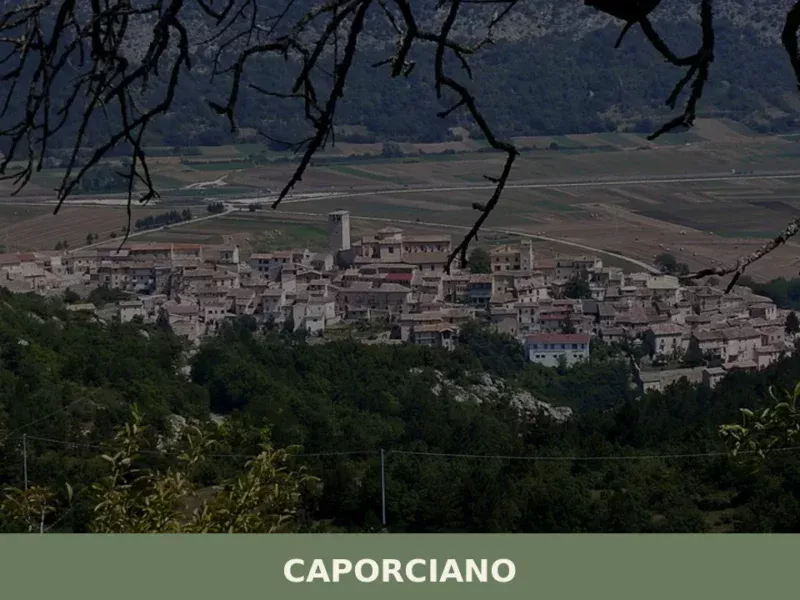
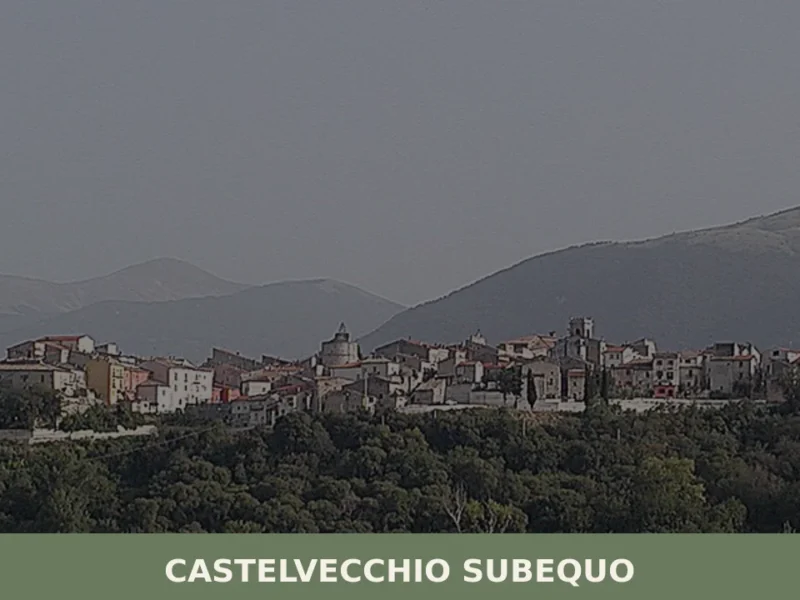
In Abruzzo More villages to discover
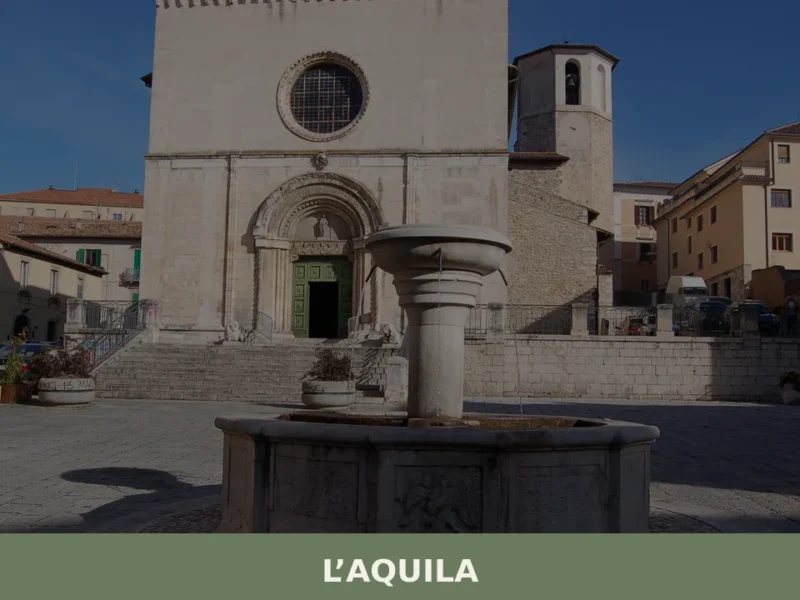
L’Aquila
 Lake
Mountain
Lake
Mountain
what to see all'Aquila: 5 attractions storiche, prodotti PAT e consigli pratici per visitare la città abruzzese a 714 m s.l.m. Pianifica il tuo itinerario.
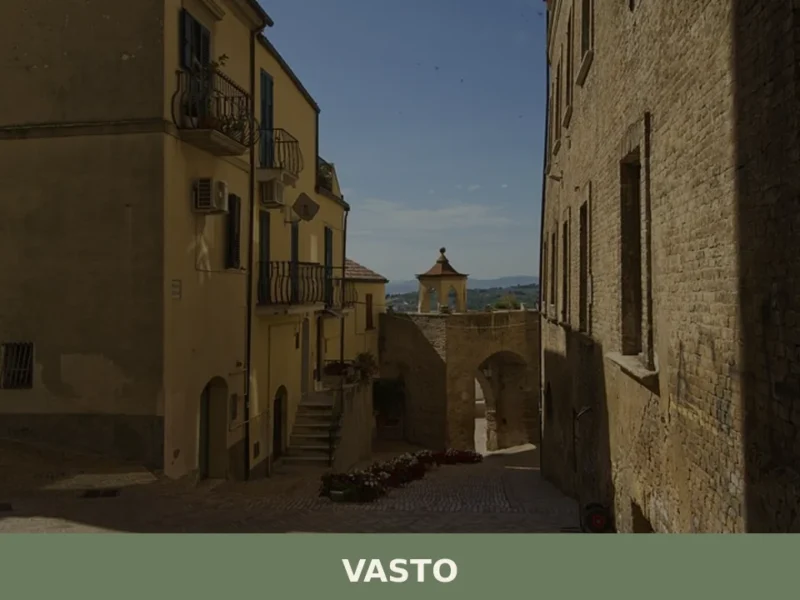
Vasto
 Sea
Sea
With 40,692 inhabitants, Vasto stands on the Abruzzo Adriatic coast, a town that from its promontory at 144 meters above sea level observes a stretch of sea that was a crossroads of cultures and trades. For those wondering what to see in vasto, the answer unfolds among Roman vestiges, Renaissance architecture, and views of the […]
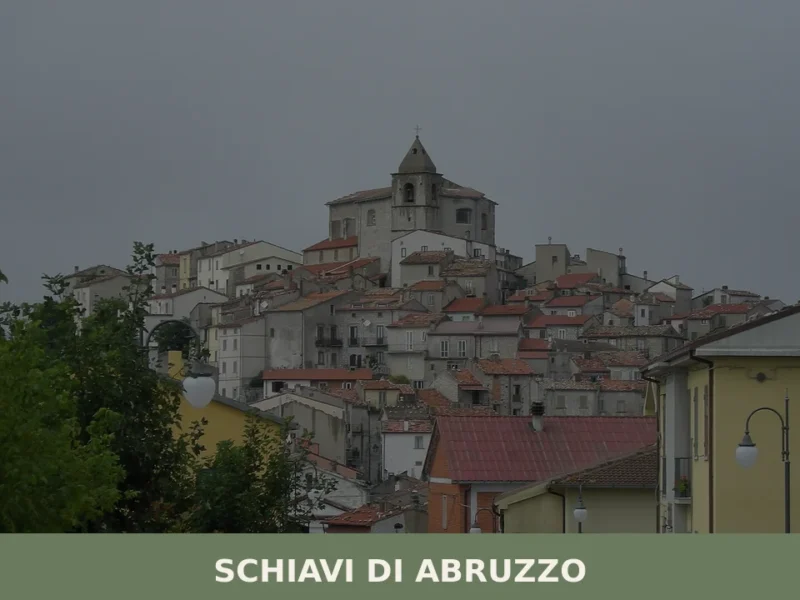
Schiavi di Abruzzo
Mountain
What to see in Schiavi di Abruzzo, Italy: Italic temples from 3 BC, a hilltop at 1,170 m, and a local dialect. Discover the complete travel guide for Abruzzo.
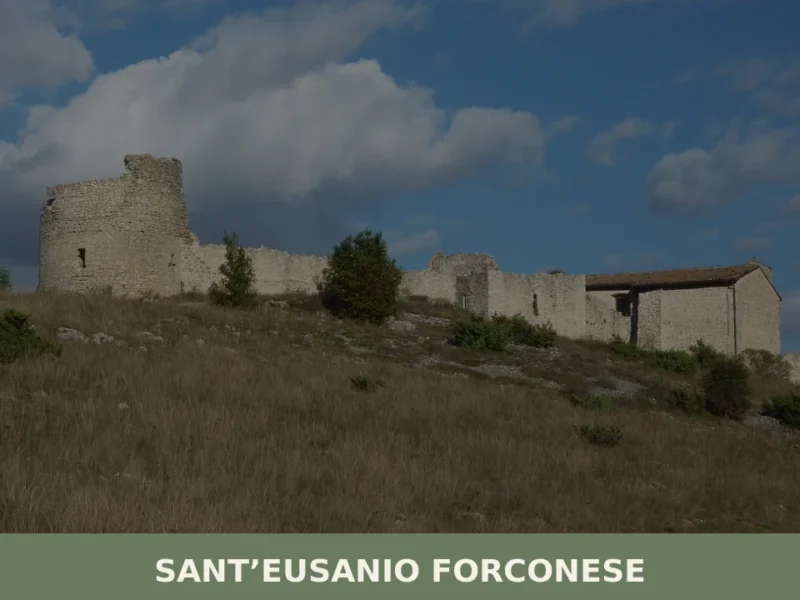
Sant’Eusanio Forconese
Mountain
What to see in Sant’Eusanio Forconese? Explore 5 main attractions of this Abruzzo village, from the Castle to panoramic views. Plan your visit with our guide!
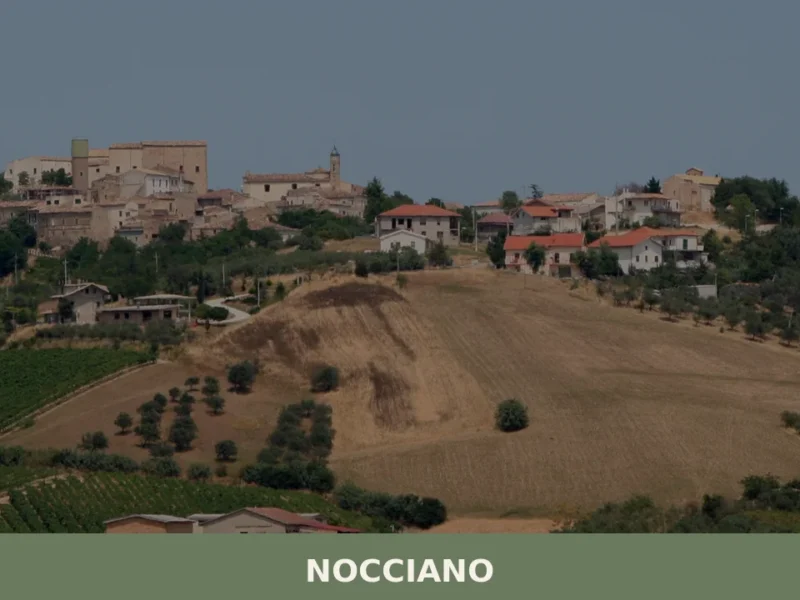
Nocciano
 Hills
Hills
What to see in Nocciano? Discover the 5 must-see attractions of this historic village in Abruzzo, from the Castle to the old town. Plan your visit!
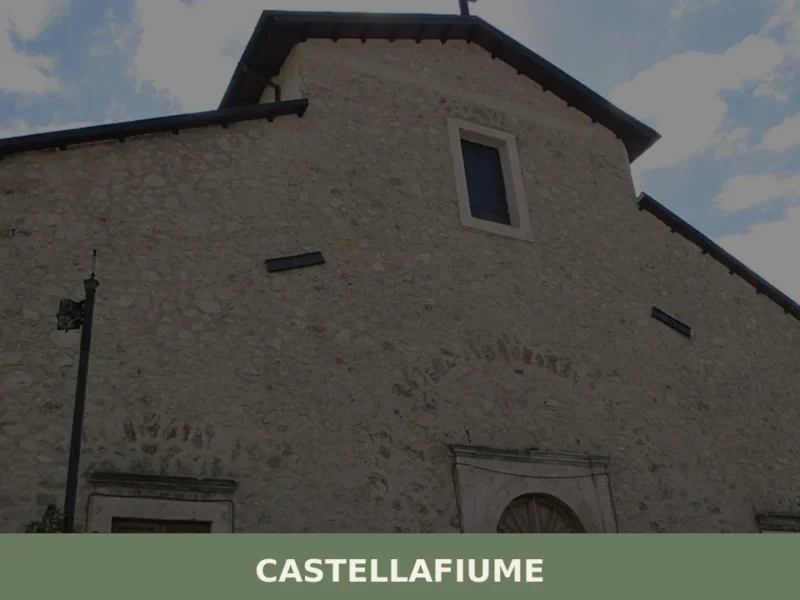
Castellafiume
Mountain
Documented since the 11th century as *Castrum Fluminis*, Castellafiume stands at 840 meters above sea level, in the heart of the L’Aquila Marsica region. This settlement, whose toponym evokes its connection to the Liri River which has its sources here, currently has 1,032 inhabitants. Its history is interwoven with events related to territorial control and […]
Castelvecchio Calvisio
Mountain
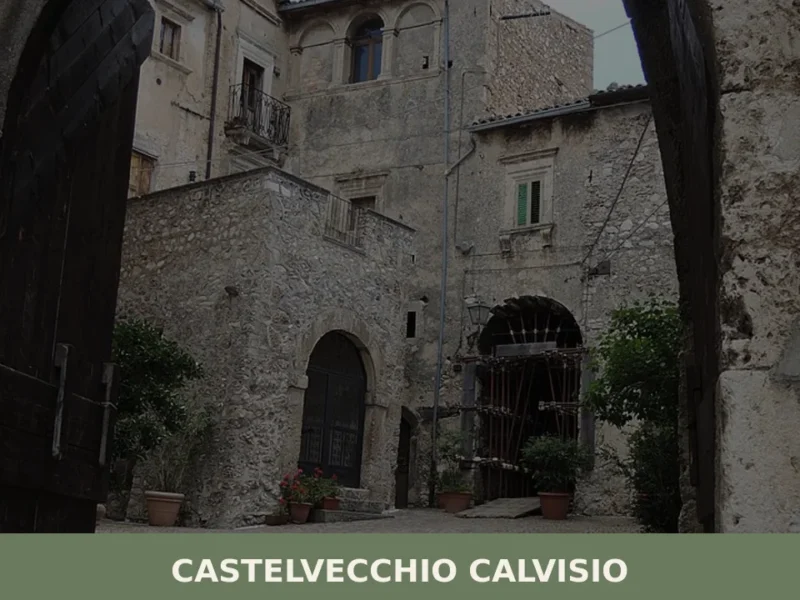
At 1045 meters above sea level, in the L’Aquila hinterland, stands Castelvecchio Calvisio, a village that retains the structure of an ancient *castrum* medieval. With a population of 118 inhabitants, the historic center develops on a rocky ridge, overlooking the basin below. Its elevated position and stone architecture offer an insight into Abruzzo’s fortifications. For […]
Colledimacine
Mountain
One hundred and eighty-eight residents in the 2001 census, now down to 158: Colledimacine contracts with the regularity of a slow heartbeat, yet it holds on along the eastern ridge of the Majella massif, at 770 metres above sea level, in the province of Chieti. Anyone wondering what to see in Colledimacine should be prepared […]
Teramo
Hills
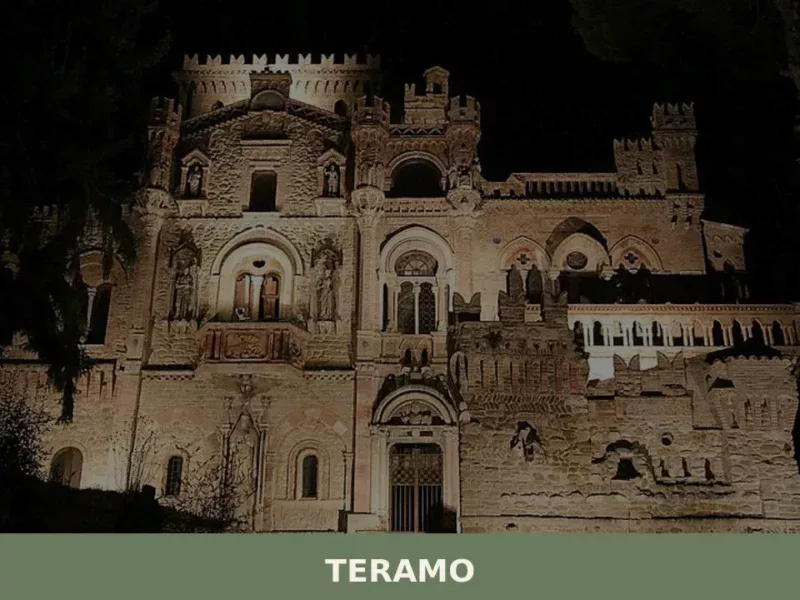
What to see in Teramo, Abruzzo, Italy: discover a Roman theatre from 30 BC, a 1158 cathedral, the Interamnia World Cup and 54,377-strong city. Complete guide.
Pescasseroli
Mountain
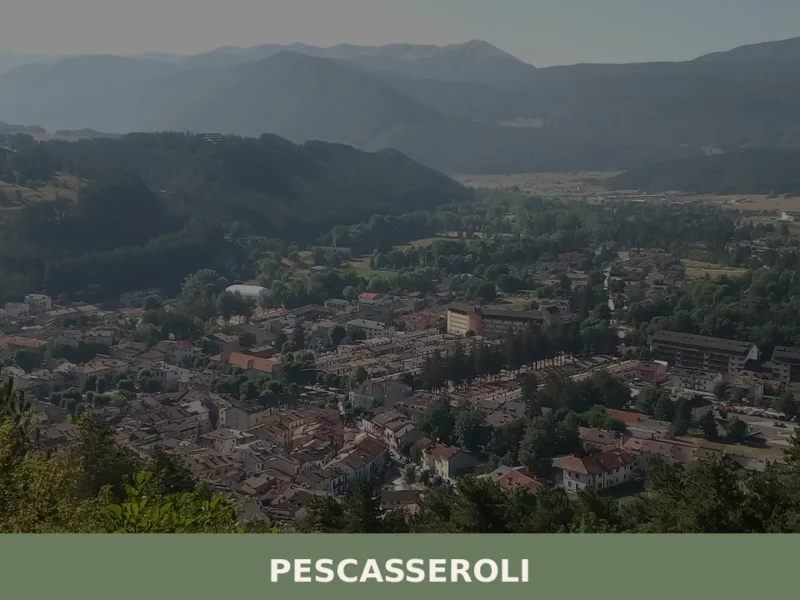
What to see in Pescasseroli: from the Abruzzo National Park to Croce's birthplace, UNESCO beech forests, mountain cuisine and practical information for visiting the village.





🏡 Know Collepietro better than we do?
If you’re a local or have been there, your knowledge matters: add what’s missing or fix a detail on this page.