


Sant’Eusanio Forconese
 Mountain
What to see in Sant’Eusanio Forconese? Explore 5 main attractions of this Abruzzo village, from the Castle to panoramic views. Plan your visit with our guide!
Discover Sant’Eusanio Forconese
The village of Sant’Eusanio Forconese, with its 410 inhabitants, stands in the lower Aterno Valley, about 13 kilometers from the Abruzzese capital, L’Aquila.
Its strategic position, once a crossroads of ancient routes, has shaped a settlement that still preserves traces of a past rooted in the Roman era.
The stones of its buildings tell centuries of history, amidst destructions and reconstructions, which have forged the identity of this small center.
For those wondering what to see in Sant’Eusanio Forconese, the village offers an itinerary that ranges from religious and civil architecture, custodians of significant memories.
Its main attractions include the church dedicated to the patron saint, the vestiges of the ancient Roman city of Forcona, and the remains of the medieval castle, elements that offer concrete insights into understanding the evolution of the territory.
Those who visit Sant’Eusanio Forconese find an urban fabric that invites them to walk its alleys, discovering architectural details and glimpses that bear witness to the historical stratification of the place.
History and origins of Sant’Eusanio Forconese
The origins of Sant’Eusanio Forconese are closely linked to the ancient Roman city of Forcona, or Furcona, a significant settlement for the Peligni people, located in the Aterno Valley. This city, which dominated the plain below, was a crucial center from pre-Roman times, later developing under the influence of Rome. Its importance is attested by archaeological findings and mentions in historical sources, although its precise location and extent have been the subject of in-depth studies over the centuries.
The city of Forcona experienced a decline, probably due to seismic events or barbarian invasions, which led to its gradual abandonment.
It was on these ruins, or in their immediate vicinity, that the current village developed, taking the name Sant’Eusanio in honor of the Christian martyr Saint Eusanio, a bishop and martyr of the 3rd century, whose cult is deeply rooted in local tradition.
The appellation “Forconese” was added to keep alive the memory of the ancient Roman city, emphasizing an indissoluble link with the territory’s past, a destiny shared with other Abruzzese centers like Pacentro, which also preserves strong historical roots.
During the Middle Ages, Sant’Eusanio Forconese became a fief controlled by several powerful noble families, including the Counts of Celano, the Piccolomini, and later, the Barberini. This succession of dominations left its mark on the architecture and organization of the village, with the construction of fortifications and palaces. A crucial event in its history was the earthquake of 1703, which caused extensive damage and required a vast reconstruction effort, shaping the current appearance of many buildings.
The 2009 earthquake, which severely affected L’Aquila, also had repercussions on the village, initiating a new cycle of restorations and consolidations to preserve its historical and architectural heritage.
What to see in Sant’Eusanio Forconese: main attractions
Church of Saint Eusanio Bishop and Martyr
The Church of Saint Eusanio Bishop and Martyr represents the spiritual heart of the village and its most significant religious building.
The current structure is the result of reconstructions and alterations, particularly after the devastating earthquake of 1703, which profoundly altered its original appearance. The facade features sober yet elegant architectural elements, often in local stone, with an entrance portal leading into the interiors. The bell tower, often a sail or a tower type, stands as a visual landmark, marking the rhythms of community life and offering a contrast to the surrounding architecture.
The church’s interiors, despite undergoing Baroque modifications in the 18th century, maintain a solemnity that invites reflection.
Here, one can observe decorated altars, canvases, and sculptures that bear witness to the local devotion to the patron saint, Saint Eusanio. The nave leads to the high altar, often surmounted by a valuable ciborium or an icon of the saint.
The church is not only a place of worship but also an archive of art and history, where every detail, from the flooring to the pictorial decorations, tells a fragment of the village’s past.
A visit allows one to understand the central role that faith has played in the community of Sant’Eusanio Forconese.
The church is open for religious services and, occasionally, for organized guided tours, especially during festivities. It is advisable to check opening hours with the local parish or the website of the Municipality of Sant’Eusanio Forconese to ensure access. Its central location, a short walk from the main square, makes it easily accessible for all those who wish to explore what to see in Sant’Eusanio Forconese.
Church of Santa Maria Assunta
The Church of Santa Maria Assunta is another important place of worship in Sant’Eusanio Forconese, whose origins may predate those of the patronal church, with possible Romanesque elements still visible in its structure.
Its exterior architecture, often characterized by a simplicity that reflects medieval Abruzzese building techniques, stands out for the use of local stone, with squared blocks that give robustness to the whole. The entrance portal, though not sumptuous, may feature sculpted details or frames that recall older styles.
Over the centuries, the church has undergone several transformations, but it still retains a charm linked to its history.
Inside, the Church of Santa Maria Assunta offers a secluded atmosphere, where attention focuses on the essential elements of worship.
Here one can admire frescoes, deteriorated by time but still legible, which narrate biblical episodes or lives of saints, bearing witness to the art and spirituality of past eras. The altar, though perhaps not as imposing as that of the main church, is often enriched with minor artworks or wooden sculptures. The layout of the naves and the structure of the vaults reflect the architectural techniques used for its construction, offering an example of sacred architecture from the L’Aquila territory.
The church is a point of interest for those wishing to delve deeper into the religious and artistic history of the village, providing a complement to visiting the other existing architectures.
Its preservation, despite the earthquakes that have affected the area, is a sign of the resilience of the local cultural heritage.
For those looking for what to see in Sant’Eusanio Forconese, the Church of Santa Maria Assunta represents a stop that allows one to grasp the complexity and richness of the local traditions, an aspect also found in neighboring villages like Civita d’Antino.
Convent of San Domenico
The Convent of San Domenico, whose origins date back to the 13th century, is a monastic complex of great historical and architectural interest in Sant’Eusanio Forconese.
Founded by the Dominican friars, it has undergone numerous alterations and expansions over the centuries, adapting to the needs of the times and the damage caused by seismic events.
Its structure is articulated around a central cloister, a typical element of mendicant orders, which serves as a hub for the monastic cells, the refectory, and other common areas.
The outer walls, in local stone, show signs of different construction phases, with portions that retain their medieval appearance and others that reflect later interventions, dating back to the 17th and 18th centuries.
The cloister, with its arches and stone columns, offers an atmosphere of serenity and contemplation. At its center, there is often a well or a small garden, elements that contributed to daily life quo
The church annexed to the convent, despite having undergone modifications over time, still presents an imprint that mixes different styles, from the original Gothic to Baroque additions. Inside, one can find traces of frescoes and altars that narrate the history of the order and the devotion of benefactors. The convent played an important role in the cultural and spiritual life of the area, serving as a center of study and prayer for centuries.
Today, the Convent of San Domenico, partly restored, can be visited to appreciate its architecture and history.
Its size and complexity make it one of the highlights for those exploring what to see in Sant’Eusanio Forconese. It is advisable to inquire with local authorities or the tourist office to learn about access procedures and possible visiting hours, as some parts may be used for different purposes or be undergoing restoration.
Remains of ancient Forcona
The archaeological area of the remains of ancient Forcona, located near Sant’Eusanio Forconese, represents the most tangible evidence of the territory’s Roman origins.
Although it is not a site with imposing and perfectly preserved structures like other more famous archaeological centers, Forcona’s importance lies in its historical role as a center for the Peligni and, subsequently, as a Roman municipium.
Excavations and research have brought to light fragments of walls, foundations of public and private buildings, and ceramic artifacts that allow for the reconstruction of daily life and the urban organization of the ancient city.
The presence of necropolises nearby has also revealed aspects related to funerary rites and beliefs of the era.
The surface of the plain, where Forcona once stood, is largely cultivated today, but the signs of ancient human presence are still perceptible, especially to an experienced eye. Traces of Roman roads, fragments of tiles and bricks can be identified, and sometimes portions of wall foundations emerge.
These elements, despite their fragmentary nature, offer a unique opportunity to imagine the grandeur of the city that preceded the medieval village.
Its destruction, presumably following the earthquake of 346 AD or barbarian invasions, marked the end of an era and the beginning of a new phase for human settlement in the area.
A visit to this area is not a stroll among monumental ruins, but an exploration that requires imagination and knowledge of the historical context.
It is an ideal place for enthusiasts of archaeology and Roman history, who can appreciate the value of every single fragment. It is recommended to consult local guides or specific publications for a better understanding of the site and to identify points of greater interest. This search for origins is a fundamental part of what to see in Sant’Eusanio Forconese, connecting the village’s present to a millennia-old past.
Sant’Eusanio Forconese Castle
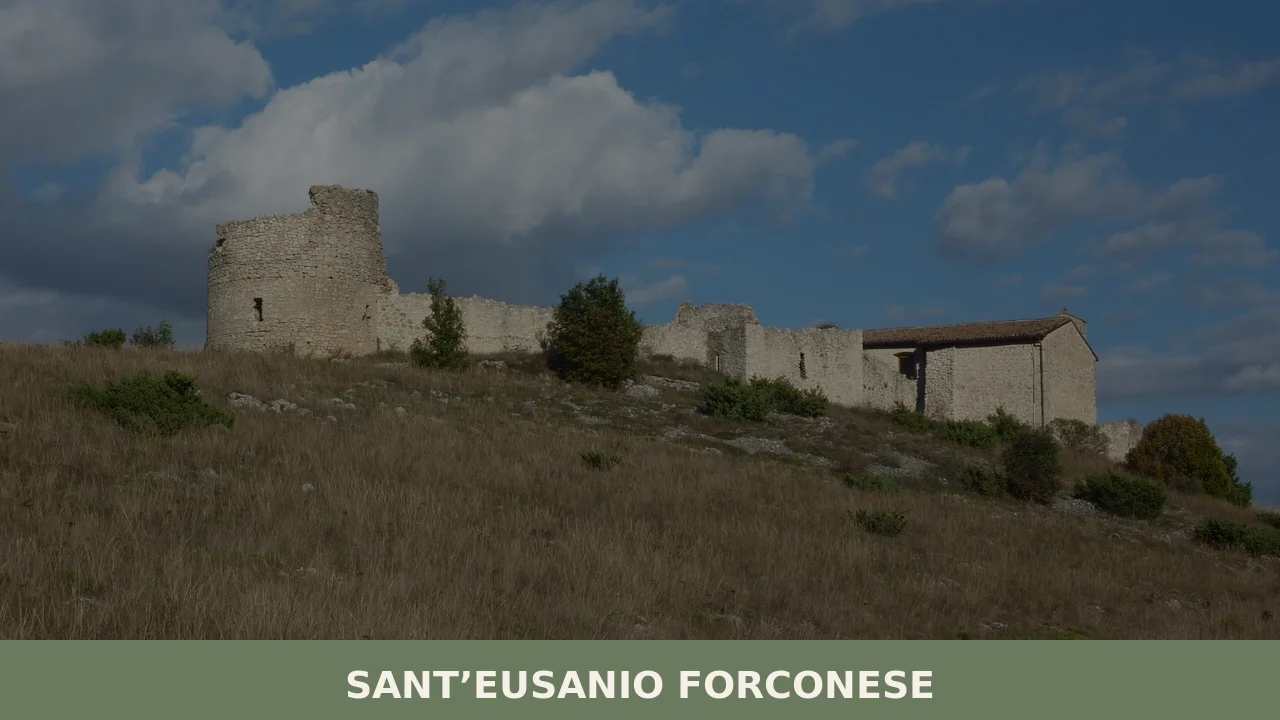
The Sant’Eusanio Forconese Castle, or what remains of it, is an element that evokes the medieval period of the village and its need for defense in an era of conflicts and uncertainties.
The vestiges of the castle are generally found in the highest and most strategic part of the inhabited area, a position that guaranteed a wide view over the Aterno Valley and the communication routes. It is not an imposing and well-preserved fortress, but rather wall remains, perhaps a watchtower or portions of defensive walls that testify to the site’s ancient defensive function.
The stones that compose it, often rough and sturdy, are the same ones used for the surrounding houses, highlighting a constructive continuity with the rest of the village.
The existence of a fortified structure is consistent with the feudal history of Sant’Eusanio Forconese, which saw the succession of various noble families, each of whom would have had an interest in maintaining control and protection of their domain.
The castle, or tower, served not only as a defensive bulwark against possible attacks but also as a symbol of seigniorial power over the territory.
The passage of time, earthquakes, and abandonment have contributed to its degradation, but the remaining fragments still allow one to perceive the strategic importance this place held. Its ruins, though modest, are a historical landmark for the community.
Those who decide to climb up to the castle remains can enjoy a panoramic view of the village and the surrounding valley, an opportunity to appreciate the urban layout of Sant’Eusanio Forconese and the beauty of the Abruzzese landscape.
The ascent can be made through narrow and sometimes steep alleys, characteristic of medieval villages.
This exploration of the ancient defenses is a way to complete the experience of what to see in Sant’Eusanio Forconese, offering an elevated perspective on the history and geography of the place.
Typical Cuisine and Products of Sant’Eusanio Forconese
The cuisine of Sant’Eusanio Forconese, while not boasting specific certified products from the municipality in the database, fully integrates into the rich Abruzzese gastronomic tradition, characterized by robust flavors and genuine ingredients, often linked to pastoralism and mountain agriculture. Its location in the Aterno Valley has historically favored the development of dishes that highlight local resources, from sheep and pork meats to legumes, from cereals to cheeses.
Culinary influences stem from a peasant history, where the simplicity of preparations combines with the quality of raw materials, creating substantial dishes with a strong taste.
Among the typical dishes of the region, which can also be found on the tables of Sant’Eusanio Forconese, first courses based on homemade pasta stand out.
An example is sagne a pezze, a type of eggless pasta, seasoned with meat or vegetable sauces.
Pecora alla cottora is another Abruzzese specialty that reflects the pastoral tradition, prepared with sheep meat slow-cooked in a copper pot. Legume-based dishes are also common, such as chickpea or bean soups, often enriched with wild aromatic herbs. Pork is widely used, both fresh and in the form of cured meats, which are a fundamental component of the local diet.
As for products, the area is renowned for the production of Pecorino cheeses, made from the milk of flocks grazing on the surrounding mountains. These cheeses, with different aging periods, vary from more delicate to more intense and spicy flavors, ideal to accompany a good glass of Montepulciano d’Abruzzo wine.
Extra virgin olive oil, while not a prevalent production in the immediate vicinity, is an essential and high-quality condiment, coming from the Abruzzese hills.
Artisan bakeries produce rustic breads, often wood-fired, which splendidly accompany every meal.
These products, despite not having specific certifications for the municipality, represent the authenticity of the local flavors.
To taste and purchase local products, one can refer to the small grocery stores in the village or the farms in the Aterno Valley. Throughout the year, farmers’ markets in nearby towns offer the opportunity to find fresh vegetables, cheeses, and cured meats directly from producers. Despite the absence of festivals specifically dedicated to the products of Sant’Eusanio Forconese in the available sources, participation in gastronomic events in the Amiternina Mountain Community can offer an excellent opportunity to discover the culinary delights of the area.
Festivals, Events, and Traditions of Sant’Eusanio Forconese
The calendar of Sant’Eusanio Forconese is marked by events rooted in religious and popular tradition, keeping the cultural identity of the village alive.
The most heartfelt and participated festival is dedicated to the patron saint, Saint Eusanio Bishop and Martyr, celebrated annually on May 15th. This observance is a moment of great gathering for the community, which unites around liturgical celebrations and civil events.
The day is characterized by a solemn procession carrying the statue of the saint through the streets of the village, accompanied by the musical band and the faithful, many of whom wear traditional attire or carry votive banners.
In addition to religious aspects, the patron saint’s festival often includes moments of civil entertainment, with musical concerts, folkloric performances, and stalls animating the squares.
In the evening, the celebrations culminate with fireworks displays that light up the sky above Sant’Eusanio Forconese, creating an evocative and festive atmosphere.
These events, while not of national resonance, are fundamental for social cohesion and for the transmission of traditions to new generations. Participation in these celebrations allows visitors to experience an authentic experience, immersing themselves in local culture and sharing festive moments with the community. Other smaller events may be organized during the summer, often related to minor religious observances or cultural initiatives promoted by local associations.
When to visit Sant’Eusanio Forconese and how to get there
The best period to visit Sant’Eusanio Forconese extends from spring to autumn, particularly in the months of May, June, and September.
Spring offers mild temperatures and lush nature, ideal for walks and excursions in the Aterno Valley. May is particularly significant thanks to the celebration of the patron saint festival of Saint Eusanio Bishop and Martyr, a unique opportunity to experience local traditions.
Summer, while warmer, is pleasant thanks to the altitude and the possibility of finding refreshment on cool evenings, with outdoor events and manifestations in the surrounding villages. September, with its mild climate and autumn colors, is ideal for those seeking tranquility and evocative landscapes.
To reach Sant’Eusanio Forconese, the most convenient means is by car.
The village is easily accessible from the A24 motorway (Rome-Teramo), with the L’Aquila Ovest exit as the reference interchange. From here, proceed on the SS 17 for about 13 kilometers south, following signs for the municipality. For those who prefer the train, the nearest railway station is L’Aquila, connected with several Italian cities.
From the station, it is possible to continue with a local bus service or taxi.
The nearest airport is Abruzzo Airport in Pescara (www.abruzzoairport.com), about 100 kilometers away, from which you can rent a car or use bus connections to L’Aquila. It is always advisable to check public transport timetables on the Trenitalia website or local operators’ websites.
Those arriving by car from Rome will take approximately 1 hour and 30 minutes, covering about 110 kilometers. From Pescara, the journey is about 1 hour and 15 minutes for 100 kilometers. The village, although small, offers parking possibilities near the historic center, allowing visitors to explore its attractions on foot. Advance trip planning is always recommended, especially during high season or for special events.
| Starting point | Distance | Estimated time |
|---|---|---|
| L’Aquila | 13 km | 20 minutes |
| Rome | 110 km | 1 hour and 30 minutes |
| Pescara | 100 km | 1 hour and 15 minutes |
Frequently asked questions about Sant’Eusanio Forconese
What is the best time to visit Sant’Eusanio Forconese?
The ideal time to visit Sant’Eusanio Forconese is from late spring to early autumn (May to September). During these months, the mountain climate at 591 meters altitude offers pleasant temperatures, perfect for exploring the village and enjoying the surrounding nature. A highlight is the patronal feast of Sant'Eusanio on July 9th, a significant event rooted in local tradition, offering a unique opportunity to experience the community's spiritual and cultural life. Visitors can enjoy walking through historical alleys and discovering architectural gems without the harshness of winter or intense summer heat.
What to see in Sant’Eusanio Forconese? Main monuments and landmarks
Sant’Eusanio Forconese offers a rich historical itinerary. Key attractions include the Church of Saint Eusanio Bishop and Martyr, the spiritual heart of the village, and the Church of Santa Maria Assunta, both showcasing centuries of sacred art and architecture. The Convent of San Domenico, a 13th-century monastic complex with its serene cloister, is also a must-see. For a journey into the past, explore the archaeological remains of ancient Forcona, testifying to the village's Roman origins. For current opening hours and access details for the churches and convent, it's advisable to check with the local parish, municipality website, or tourist office.
What can you do in Sant’Eusanio Forconese? Activities and experiences
In Sant’Eusanio Forconese, visitors can immerse themselves in history by walking through its characteristic alleys, discovering architectural details and glimpses that reveal the village's rich historical stratification. The mountainous setting of the Aterno Valley also invites leisurely walks and enjoying the tranquility of nature. A particularly engaging experience is participating in the annual patronal feast of Sant'Eusanio on July 9th, which offers a deep dive into local traditions and community spirit through religious celebrations and cultural events, providing a unique cultural insight.
Who is Sant’Eusanio Forconese suitable for? Families, couples, hikers, solo travelers?
Sant’Eusanio Forconese is ideal for history and culture enthusiasts, offering a journey from Roman origins to medieval times through its churches and archaeological sites. Its tranquil atmosphere appeals to couples seeking a romantic and peaceful getaway, as well as solo travelers looking for reflection and authentic experiences. Given its mountain theme and altitude, it's also suitable for hikers and nature lovers interested in exploring the lower Aterno Valley. Families can enjoy discovering the village's history and participating in local traditions, especially during the patronal feast.
📷 Photo Gallery — Sant’Eusanio Forconese
Getting there
Via del Municipio, 67020 Sant'Eusanio Forconese (AQ)
Nearby Villages near Sant’Eusanio Forconese
In Abruzzo More villages to discover

Casalincontrada
 Hills
Hills
What to see in Casalincontrada, Abruzzo, Italy: 3 historic monuments, a 14th-century city gate and Baroque church. Discover the best of this Chieti village.
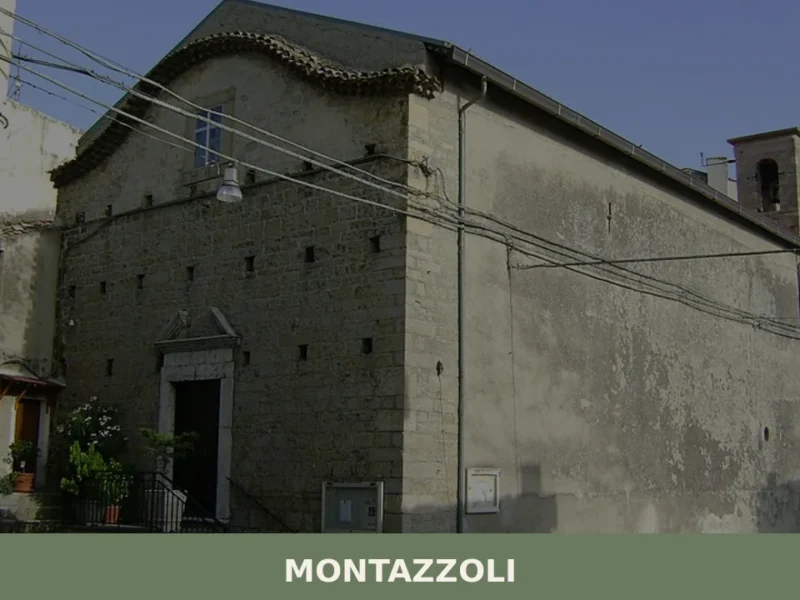
Montazzoli
Mountain
From the heights of the Chieti area, at 850 meters above sea level, the panorama of Montazzoli unfolds, an Abruzzese village with 836 inhabitants in the province of Chieti. Its stone houses cluster around an ancient fortress, bearing witness to centuries of history and mountain life. In this article History and origins of Montazzoli What […]
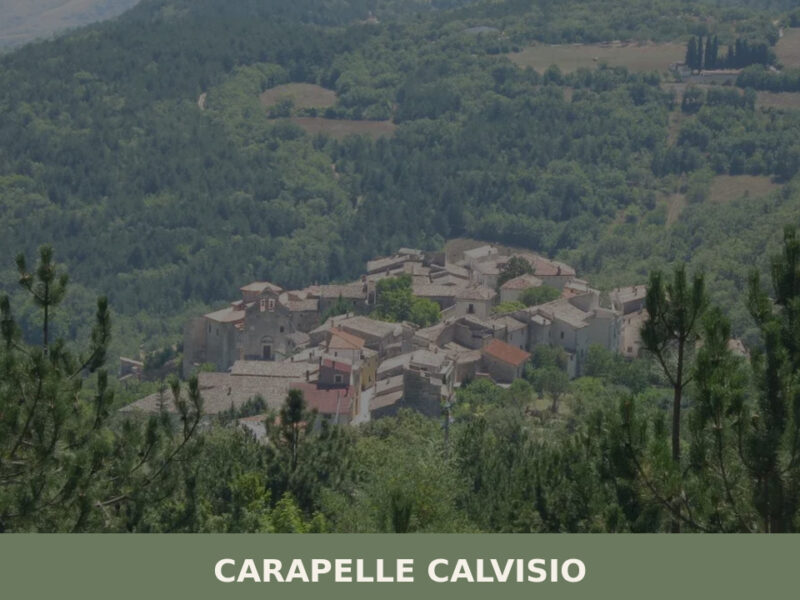
Carapelle Calvisio
Mountain
What to see in Carapelle Calvisio, Italy? Explore this village at 910 m (2,986 ft) altitude, visit Rocca Calascio, and discover its unique population status. Read our guide!
Castiglione a Casauria
Hills
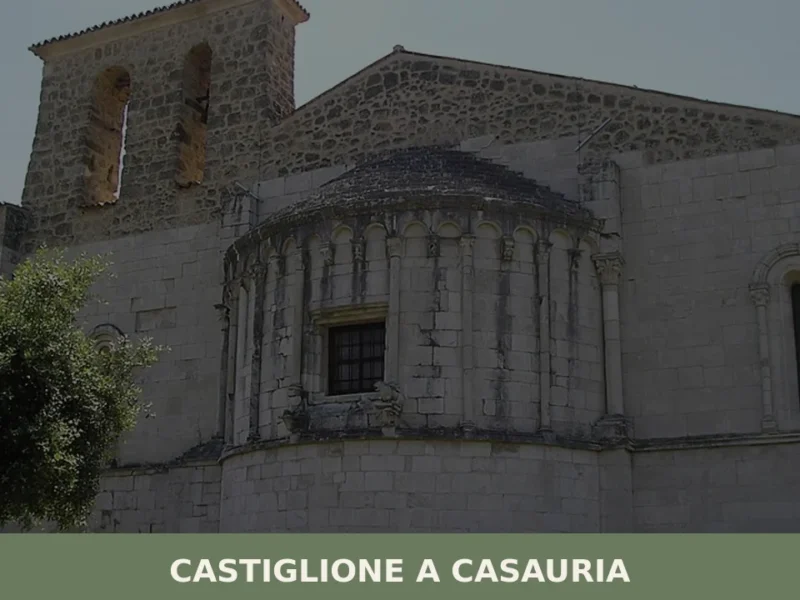
The Abbey of San Clemente a Casauria, founded in 871 by Emperor Louis II, stands just a few hundred metres from the town centre and ranks among the most important Romanesque monuments in central Italy. It is this monastic presence that defines the identity of Castiglione a Casauria, a village of 701 inhabitants in the […]
Rocca di Botte
Mountain
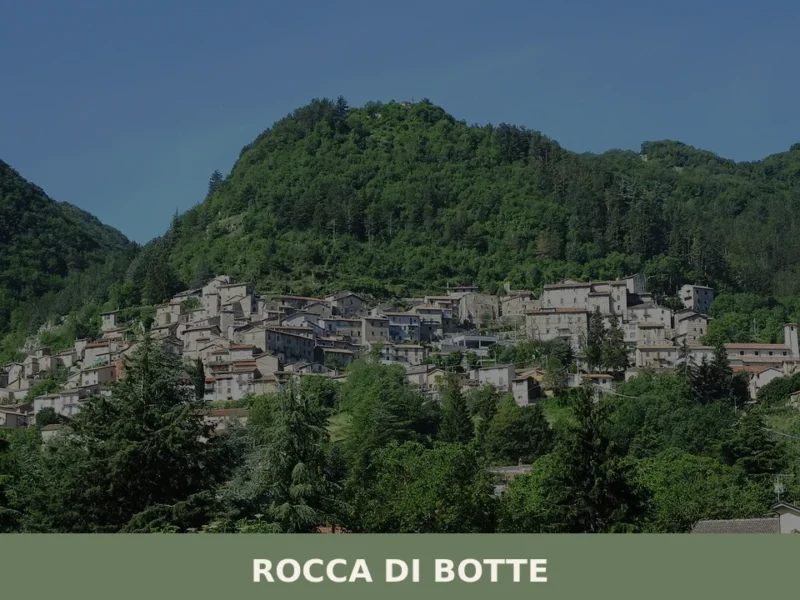
What to see in Rocca di Botte, Abruzzo, Italy: explore 5 top attractions, medieval history dating to the 12th century, and local food traditions. Discover it now.
Pietranico
Hills
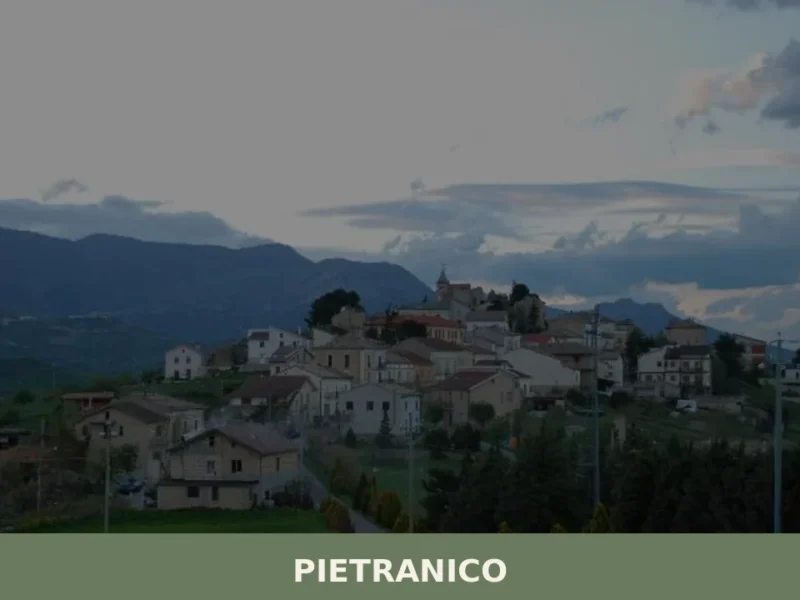
What to see in Pietranico, Abruzzo, Italy: 506 inhabitants, a medieval castle site, and wind-swept hilltop views. Discover top attractions and how to get there.
Tufillo
Hills
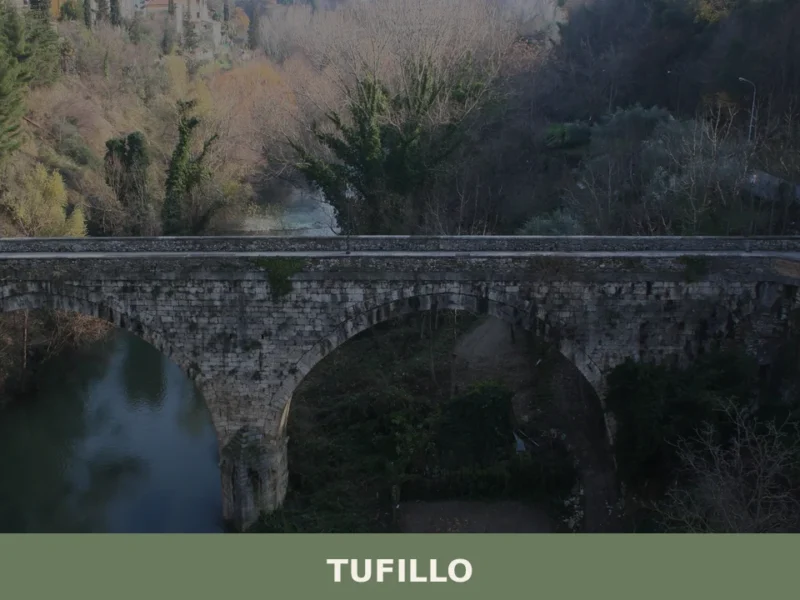
What to see in Tufillo, Abruzzo, Italy: a village of 456 inhabitants in the Province of Chieti. Discover top attractions, local food, and how to get there.
Campotosto
 Lake
Mountain
Lake
Mountain
At 1,420 metres beside one of Europe's largest artificial lakes, Campotosto offers wild Apennine landscapes, cured mortadella, and trails into the Gran Sasso National Park.
Canzano
Hills
Canzano has 1,786 inhabitants and stands at 448 metres above sea level on a hill in the province of Teramo, along the foothill belt separating the Vomano valley from the first Apennine ridges. Anyone wondering what to see in Canzano will find an urban core where the fortified medieval layout coexists with a precise and […]
Pretoro
Hills
What to see in Pretoro, Abruzzo, Italy: explore a 13th-century sanctuary, a 16th-century Pietà, and Majella National Park. Population 985. Discover it now.




🏡 Know Sant’Eusanio Forconese better than we do?
If you’re a local or have been there, your knowledge matters: add what’s missing or fix a detail on this page.