


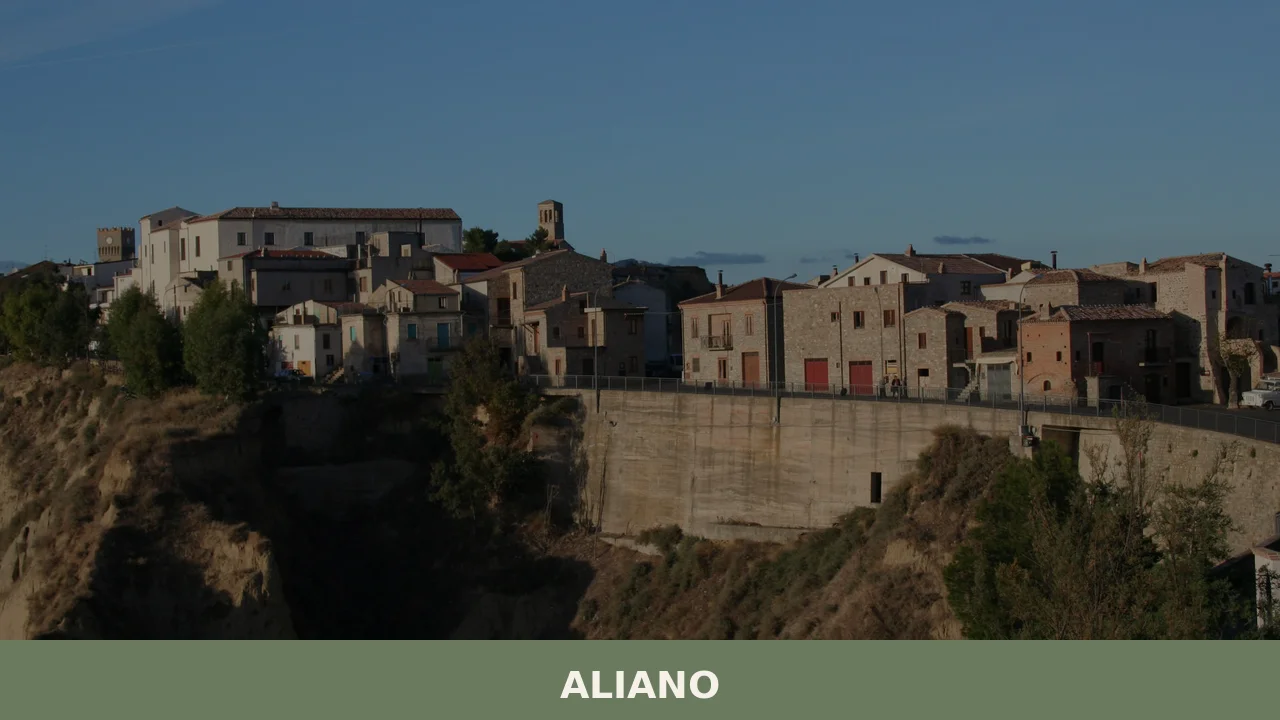
Aliano
 Hills
Hills
Discover what to see in Aliano, Basilicata: Carlo Levi’s exile house, the dramatic calanchi landscape, local olive oil culture and practical travel tips.
Discover Aliano
Carlo Levi arrived in Aliano in 1935, exiled there by the Fascist government to this remote village in the province of Matera, Basilicata. A painter and writer from Turin, he documented his confinement in a book that would eventually make this village of roughly 800 inhabitants known well beyond southern Italy. For travellers asking what to see in Aliano today, the answer is inseparable from that literary history — and from the dramatic eroded clay landscape that surrounds the village on every side.
History of Aliano
The village appears in historical records under the name Aliano long before Carlo Levi’s arrival, and its name may derive from the Latin Aelianus, suggesting Roman-era settlement in this part of the Agri river valley. The territory of the modern municipality sits within what was historically a heavily contested zone of the Basilicata interior, passing through Norman, Swabian and Angevin control during the medieval period as the Kingdom of Naples extended and reorganised its southern territories. The area around Aliano was subject to the feudal system that dominated Lucanian society until the Bourbon reforms of the eighteenth century and, more decisively, until the unification of Italy in 1861.
The post-unification period brought deep structural poverty to the Mezzogiorno, and Aliano — like dozens of similar villages in the Matera province — became a destination for political confinement under the Fascist regime. Between 1935 and 1936, Carlo Levi was assigned to Aliano as a political exile. He referred to the village as Gagliano in his memoir, a phonetic rendering of the local dialect name Gagliànë. His book Cristo si è fermato a Eboli, published in 1945, gave Aliano a literary identity that has outlasted most of the political and administrative changes of the twentieth century. Levi’s own decision to be buried in Aliano upon his death in 1975 sealed that connection permanently.
Aliano is today affiliated with the Associazione Nazionale Città dell’Olio, the national network of Italian municipalities recognised for their olive oil production and oil culture. This affiliation reflects a pre-industrial agricultural economy centred on olives, grain and livestock that characterised the village for centuries. The surrounding territory is defined geologically by calanchi — badlands formations produced by rain erosion on clay soils — a landscape that both isolated communities like Aliano and gave the area a distinctive visual identity that has attracted geologists, photographers and filmmakers alongside literary tourists.
What to see in Aliano: 5 must-visit attractions
The Carlo Levi Museum (Casa Museo di Carlo Levi)
Housed in the building where Levi was confined during his 1935–36 exile, this museum preserves the physical context of the memoir that made Aliano famous. Exhibits include original documents, personal objects and reproductions of Levi’s paintings. The rooms retain the proportions and layout of a modest southern Italian civic residence of the 1930s.
The Tomb of Carlo Levi
Levi requested burial in Aliano and died in Rome in January 1975. His grave is located in the village cemetery, which occupies a promontory overlooking the calanchi landscape he described in his writing. The site offers one of the most direct views of the eroded clay formations that define this corner of Basilicata.
The Calanchi of Aliano
The badlands surrounding the village are a geological formation produced by millennia of rain erosion on grey-blue clay soils. The calanchi extend across several kilometres and take on sharp, blade-like ridges and conical spires. The area is part of a broader landscape of similar formations found across the Matera province, and local walking routes cross sections of this terrain.
The Parish Church of Sant’Antonio
The parish church dedicated to Sant’Antonio stands at the centre of the village and represents the principal example of local religious architecture. Its interior contains devotional works consistent with the rural ecclesiastical tradition of the Basilicata interior. The church was a reference point in the social and ceremonial life of the community that Levi described in his memoir.
The Village Belvedere
A public viewing point at the edge of the village provides a direct panorama over the calanchi and the broader Agri valley. From here the relationship between the densely built hilltop settlement and the deeply furrowed clay landscape below it is immediately legible — a physical contrast that explains much about why these communities developed as self-contained hilltop clusters.
Local food and typical products
Aliano’s membership of the Associazione Nazionale Città dell’Olio reflects the centrality of olive cultivation to the village economy. The area produces extra virgin olive oil from varieties traditional to the Basilicata interior, and local producers maintain small-scale operations consistent with the agricultural patterns of the territory. Alongside oil, the food culture of this part of the Matera province is built around legumes — particularly cicerchie and fave — dried pasta formats, lamb and pork preparations, and preserved vegetables that reflect the practical requirements of a historically isolated upland community.
Visitors looking to eat in the area will find the offer modest by the standards of larger centres. Small local restaurants and agriturismi in the surrounding countryside serve dishes that follow seasonal availability and local production. The Basilicata regional tourism board maintains updated listings of accommodation and dining in the province, which is useful given that the offer in small villages like Aliano can change from season to season. Seeking out producers who sell directly — particularly oil — is a practical and reliable approach.
Best time to visit Aliano
The calanchi landscape changes appearance considerably with the seasons. Spring, from late March through May, is the period when the clay formations contrast most sharply with patches of vegetation on the surrounding hillsides, and walking conditions are generally reasonable before summer heat sets in. Autumn — September through November — offers similar conditions and coincides with the olive harvest, when local producers are active. Summer temperatures in this part of Basilicata regularly exceed 35°C, and the clay terrain becomes dry and harsh; visiting in July and August is possible but requires early starts and adequate water for any walking. Winter brings occasional snow and mud that can make the calanchi routes impractical.
The village calendar includes local religious festivals tied to Sant’Antonio and other devotional observances typical of Basilicata’s interior communities. The literary connection to Carlo Levi also generates occasional cultural events, particularly around anniversaries. Checking the official municipality of Aliano website before travel is advisable for current event schedules, as programming in small villages is often confirmed close to the date.
How to get to Aliano
Aliano sits in the interior of Basilicata, in the province of Matera, and is not served by a railway line. The nearest significant rail connections are at Potenza, the regional capital, and at Metaponto on the Ionian coast. From either point, reaching Aliano requires a car or, less conveniently, local bus connections that are infrequent. The road network in this part of Basilicata is composed largely of provincial roads; drive times are longer than the distances suggest.
- From Matera: approximately 80 km by road, around 1 hour 30 minutes via the SP103 and provincial roads through the Agri valley.
- From Potenza: approximately 90 km, around 1 hour 30 to 2 hours depending on the route taken.
- From the A2 Autostrada del Mediterraneo: exit at Padula-Buonabitacolo or Atena Lucana for approaches from the west; from the east, the SS598 Val d’Agri connects to the interior road network.
- Nearest airports: Bari Karol Wojtyła Airport (approximately 150 km) and Naples Capodichino (approximately 200 km) are the most practical international entry points. Both require onward travel by car.
- Nearest railway station: Metaponto (Ionian coast) or Potenza Centrale, both requiring a car rental or taxi for the final leg to Aliano.
A hire car is, in practical terms, the only reliable way to explore Aliano and the surrounding calanchi territory. The regional natural park network of Basilicata provides additional route information for the broader area.
Where to stay in Aliano
Aliano is a small village of around 800 residents, and the accommodation offer reflects that scale. The village itself has limited formal hotel infrastructure; travellers will find small guesthouses, rooms let by local families and occasional agriturismi in the surrounding countryside. Staying in the village centre, within walking distance of the Carlo Levi museum and the belvedere, is the most coherent choice for visitors whose primary reason for coming is the literary and landscape heritage. Agriturismo options in the wider municipal territory offer a closer experience of the olive and agricultural landscape that defines the area.
For a broader range of accommodation — particularly if travelling as a group or for an extended stay — the towns of Stigliano or Sant’Arcangelo in the Agri valley offer more options and are within practical driving distance of Aliano’s main points of interest. Booking in advance is advisable for spring and early autumn, when the combination of reasonable weather and the calanchi landscape draws more visitors than at other times of year.
More villages to discover in Basilicata
The province of Matera and the wider Basilicata region contain a number of villages that share Aliano’s character as small, historically rooted communities in a demanding but visually powerful landscape. Castronuovo di Sant’Andrea, in the upper Sinni valley, offers a different angle on the Norman and medieval history of the Basilicata interior, while Albano di Lucania, set in the hills north of Potenza, represents the upland agricultural traditions of the western part of the region.
Further south, towards the border with Calabria, Chiaromonte sits on a ridge above the Sinni river with a well-preserved historic centre and connections to the Pollino massif. To the west, Castelgrande in the province of Potenza preserves traces of its medieval fortification in a landscape shaped by the Apennine foothills. Taken together, these villages form a loose circuit through some of the least-visited but most geologically and historically distinct territory in southern Italy.
Frequently asked questions about Aliano
What is the best time to visit Aliano?
The best times to visit Aliano are spring (late March to May) and autumn (September to November). Spring offers a striking contrast between the calanchi and green hillsides, with pleasant temperatures for walking. Autumn provides similar conditions and coincides with the olive harvest. While summer (July-August) can be very hot, requiring early starts for outdoor activities, June 21st marks the feast day of San Luigi Gonzaga, the village patron, offering a local cultural experience. Winter can bring snow and mud, making calanchi routes less accessible.
What are the historical origins of Aliano?
Aliano's history dates back to Roman times, with its name possibly deriving from the Latin 'Aelianus.' The territory was historically a contested area in Basilicata, passing through Norman, Swabian, and Angevin control during the medieval period. It remained under a feudal system until the 19th century and later became known as a place of political confinement, most famously for Carlo Levi in 1935, whose memoir 'Cristo si è fermato a Eboli' brought the village international recognition.
What to see in Aliano? Main monuments and landmarks
Aliano is deeply connected to Carlo Levi and its unique landscape. Must-see attractions include the Casa Museo di Carlo Levi, housed in the building where he was confined, featuring original documents and objects. Visitors can also pay respects at the Tomb of Carlo Levi in the village cemetery, which offers direct views of the dramatic calanchi badlands. The Calanchi of Aliano themselves are a major draw, with walking routes exploring these eroded clay formations. The Parish Church of Sant'Antonio stands as a central example of local religious architecture, and the Village Belvedere provides a panoramic public viewpoint over the calanchi and Agri valley.
What are the main natural or scenic attractions of Aliano?
The primary natural attraction in Aliano is the spectacular Calanchi, a unique badlands landscape formed by millennia of rain erosion on clay soils. These sharp, blade-like ridges and conical spires offer distinctive visual appeal and can be explored via local walking routes. Additionally, the Village Belvedere provides a superb public viewing point for a panoramic vista of the calanchi and the broader Agri valley, showcasing the dramatic contrast between the hilltop village and its deeply furrowed surroundings.
Where to take the best photos in Aliano?
For the most striking photographs in Aliano, head to the Village Belvedere, a public viewing point offering a direct panorama of the dramatic calanchi landscape and the Agri valley. The cemetery, particularly near the Tomb of Carlo Levi, also provides exceptional views of the eroded clay formations. Additionally, exploring the walking routes within the Calanchi themselves offers unique opportunities to capture the intricate geological formations and the distinctive visual identity of this part of Basilicata.
Are there museums, churches or historic buildings to visit in Aliano?
Yes, visitors to Aliano can explore the Casa Museo di Carlo Levi, located in the very building where the writer was confined. This museum offers insights into his exile through original documents, personal objects, and reproductions of his paintings. The Parish Church of Sant'Antonio, situated at the heart of the village, is also open to visitors and showcases the principal example of local religious architecture, containing devotional works typical of Basilicata's interior communities.
What can you do in Aliano? Activities and experiences
In Aliano, key activities revolve around its unique landscape and cultural heritage. You can explore the dramatic Calanchi badlands through local walking routes, offering a close-up experience of this geological marvel. Immerse yourself in the local food culture by seeking out small restaurants or agriturismi for traditional dishes, and consider visiting local producers for Aliano's renowned extra virgin olive oil. The village also hosts occasional cultural events linked to Carlo Levi and traditional religious festivals, providing a glimpse into local life.
Who is Aliano suitable for? Families, couples, hikers, solo travelers?
Aliano is particularly suitable for literary tourists drawn by the legacy of Carlo Levi and his book 'Cristo si è fermato a Eboli.' Its dramatic calanchi landscape makes it ideal for hikers, photographers, and nature enthusiasts seeking unique geological formations. Solo travelers and couples looking for an authentic, off-the-beaten-path experience in a historically isolated Lucanian village will appreciate its quiet charm and profound cultural context. While not specifically geared for young children, families interested in history and gentle walks will find it engaging.
What to eat in Aliano? Local products and specialties
Aliano, an affiliated 'Città dell'Olio,' is renowned for its high-quality extra virgin olive oil, produced from traditional Basilicata interior varieties. The local cuisine also features hearty legumes, particularly 'cicerchie' (chickling vetch) and 'fave' (broad beans). Visitors can savour traditional dried pasta formats, various lamb and pork preparations, and a range of preserved vegetables, all reflecting the culinary heritage of this historically isolated upland community. Small local restaurants and agriturismi offer seasonal dishes showcasing these authentic flavors.
Nearby Villages near Aliano


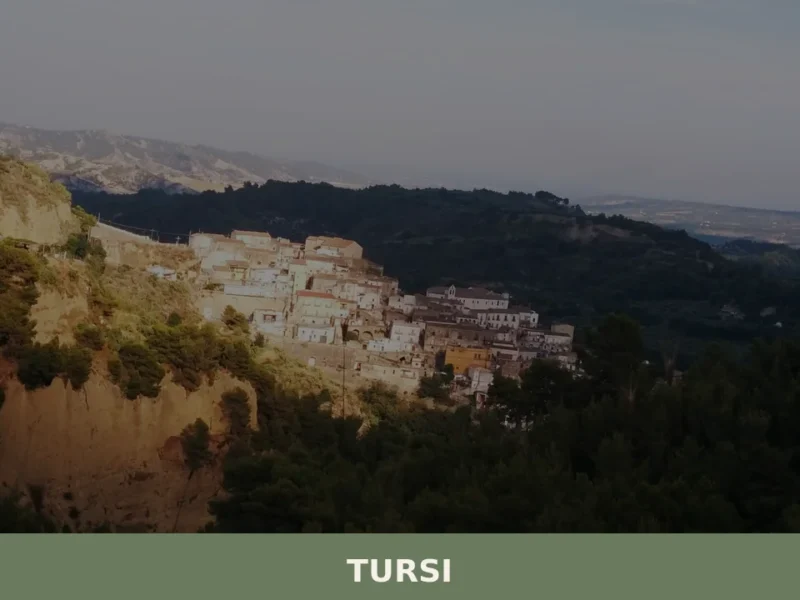
In Basilicata More villages to discover
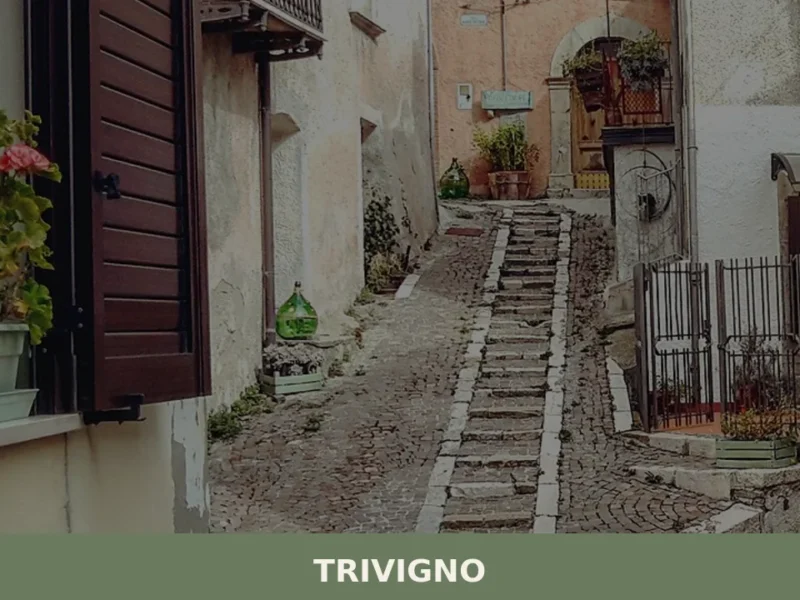
Trivigno
 Mountain
Trivigno has a current population of 570 and occupies a ridge at 725 metres above sea level in the middle Basento valley, in the province of Potenza. Its territory extends across fields of durum wheat and Turkey oak woods covering the eastern slopes up to the borders with neighbouring municipalities. Those looking for what to […]

Craco
Mountain
What to see in Craco, Italy: explore the abandoned town at 400 m (1,312 ft), its medieval tower, film locations, and Basilicata's landscape. Discover it all here.
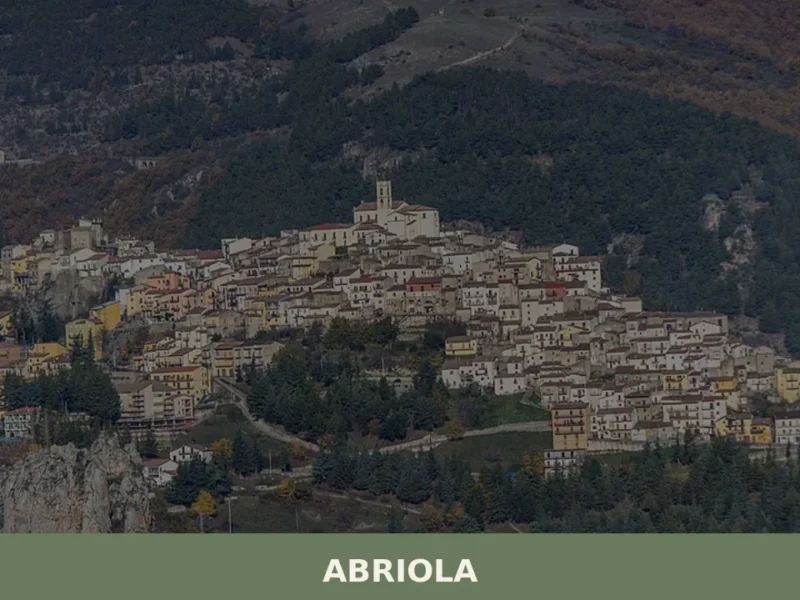
Abriola
Mountain
Discover what to see in Abriola, a mountain village in Basilicata at 957m. Sanctuary, historic centre, local food, trails, and practical travel tips.
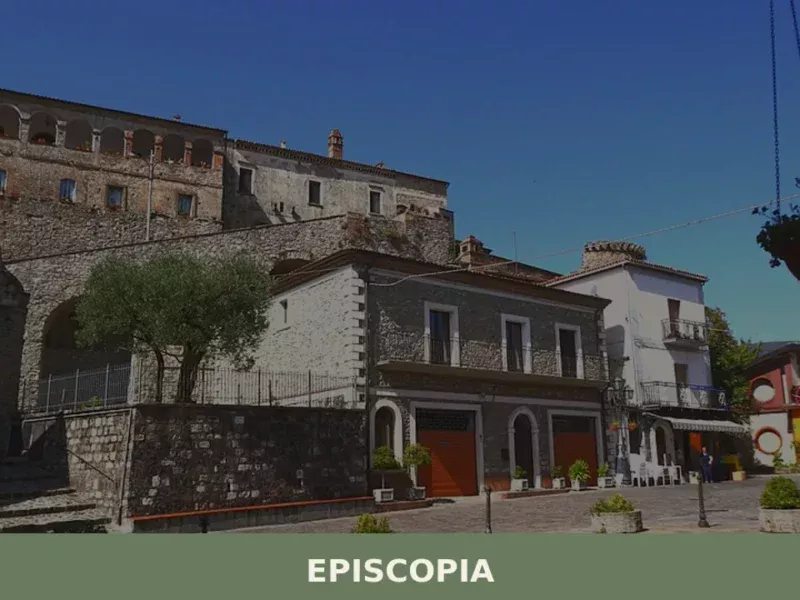
Episcopia
Hills
Episcopia, in Basilicata, stands at 530 meters above sea level, an altitude that influences its climate and its relationship with the surrounding landscape. Its name, of Greek origin, means “episcopal see,” suggesting an ecclesiastical importance established since the Byzantine era, a fact that traces its initial historical identity. For those wondering what to see in […]
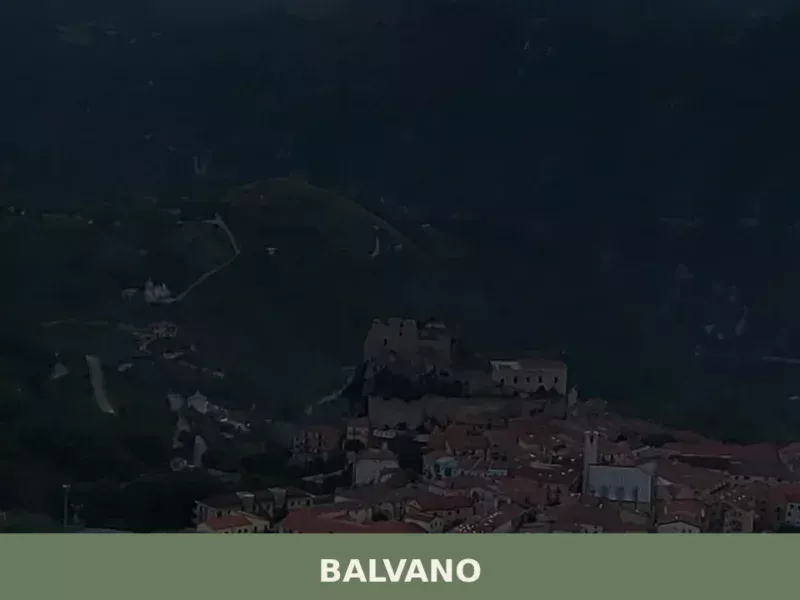
Balvano
Hills
Balvano, a municipality in the province of Potenza, rises 425 meters above sea level, fitting into the hilly landscape of Basilicata. This altitude is not just a number, but the coordinate of a natural observatory from which the Platano valley can be viewed. With a population of 1,722 inhabitants, the village maintains the size of […]
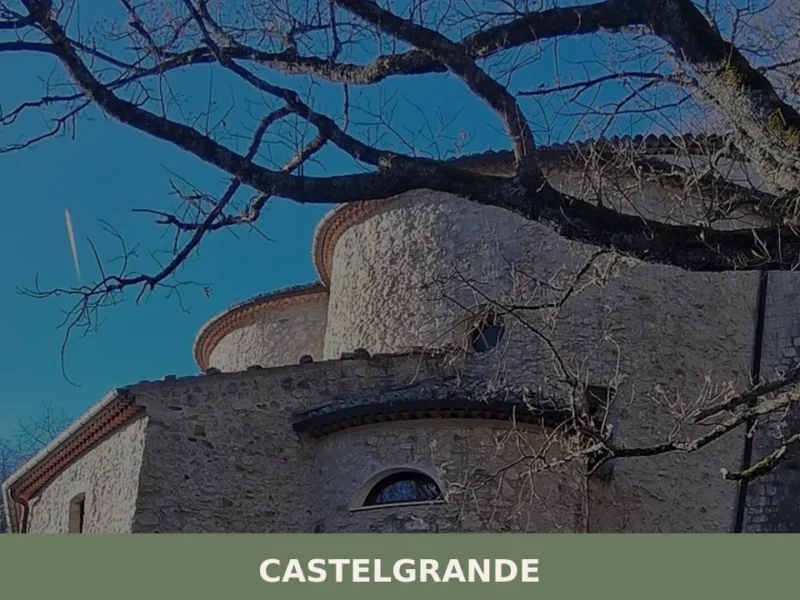
Castelgrande
Mountain
Discover what to see in Castelgrande, a mountain village in Basilicata. From the Mother Church to the historic center, a journey through history and nature. Includes practical tips for your visit.
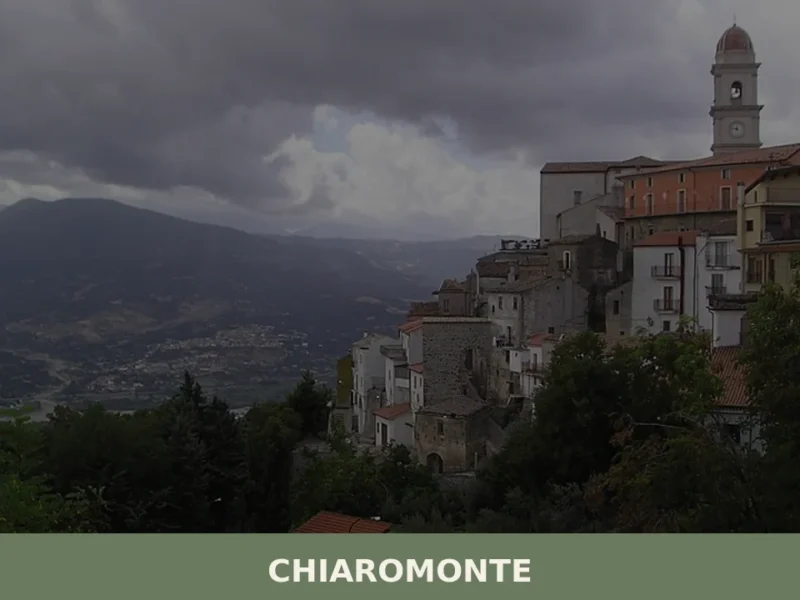
Chiaromonte
Mountain
what to see in chiaromonte, Italy: Discover its 794m altitude and delve into its history, from ancient roots to the case study of Montegrano. Explore Basilicata.
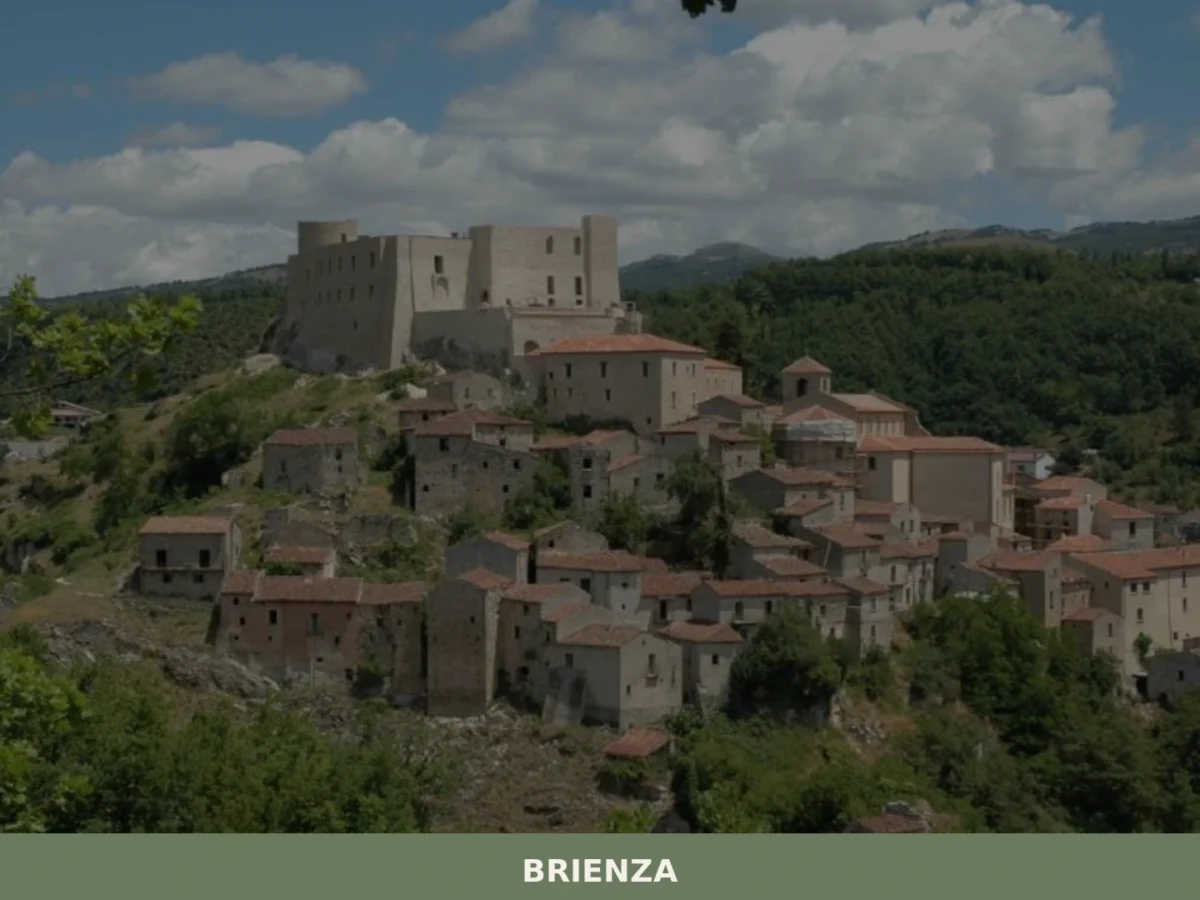
Brienza
Mountain
What to see in Brienza? Explore 5 historic points of interest in this Basilicata village. Discover Caracciolo Castle and ancient churches. Plan your visit!
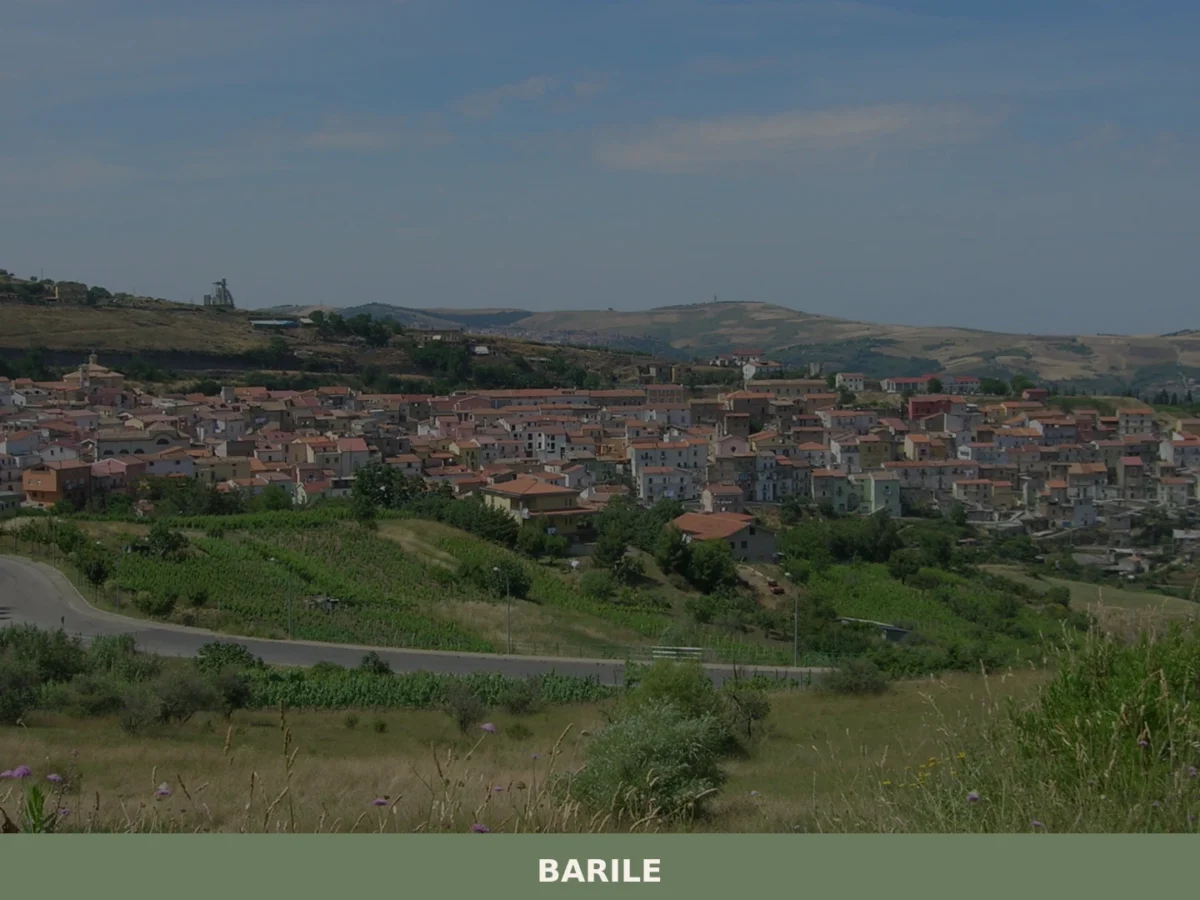
Barile
Mountain
What to see in Barile? Discover 5 must-see attractions in this Basilicata village. The complete guide to visiting Barile awaits you. Plan your trip!
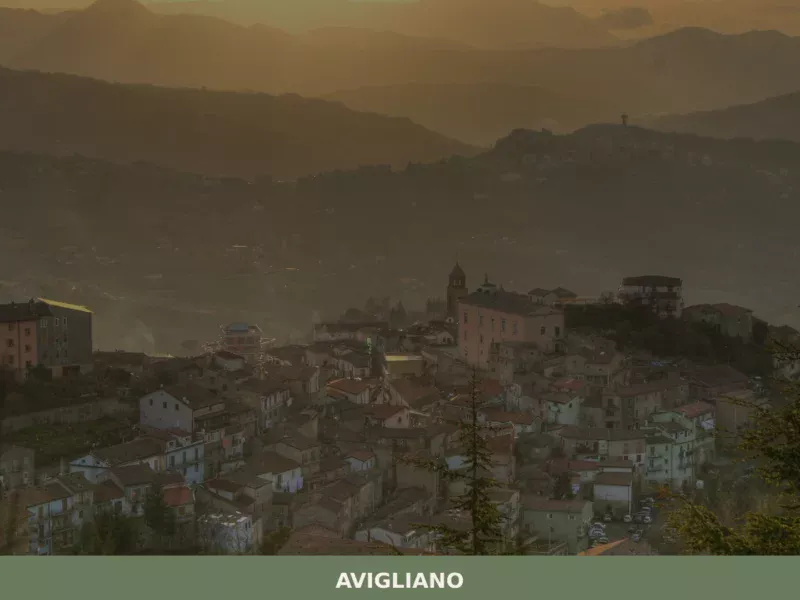
Avigliano
Mountain
Discover what to see in Avigliano, a recognised cittu00e0 in Basilicata's Potenza province. History, attractions, food, and travel tips for this Apennine town.




🏡 Know Aliano better than we do?
If you’re a local or have been there, your knowledge matters: add what’s missing or fix a detail on this page.