


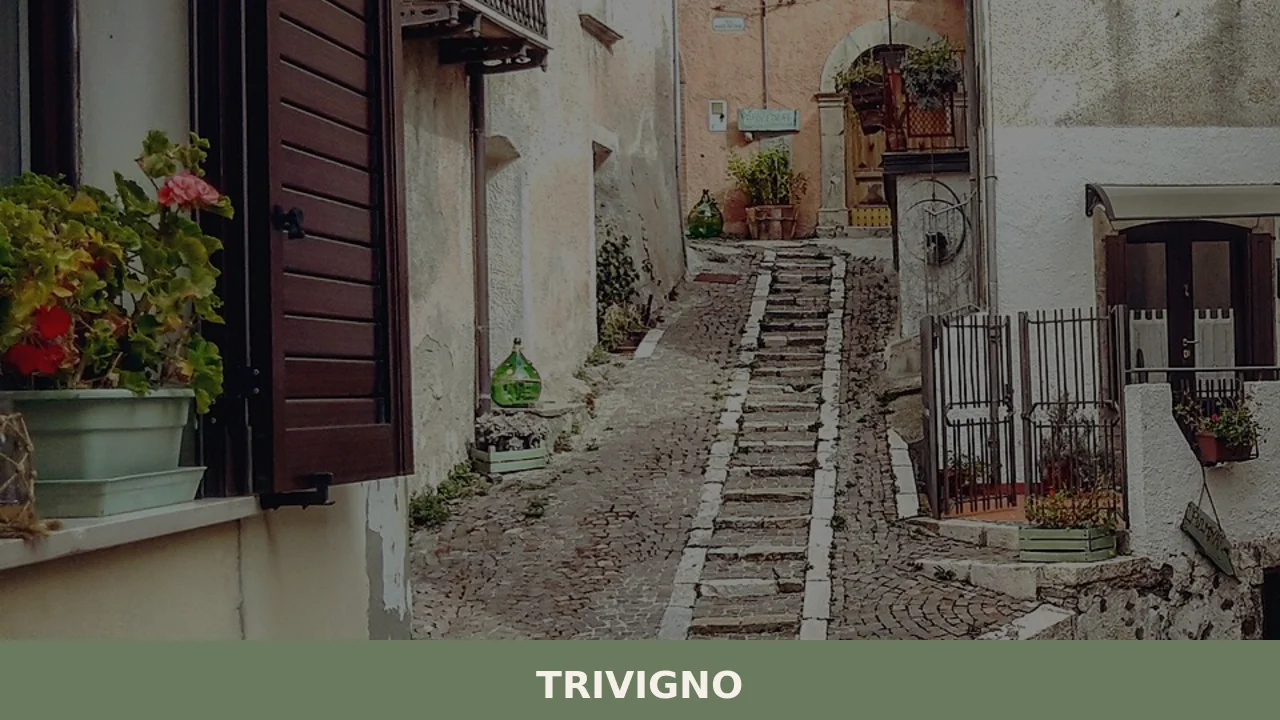
Trivigno
 Mountain
Trivigno has a current population of 570 and occupies a ridge at 725 metres above sea level in the middle Basento valley, in the province of Potenza. Its territory extends across fields of durum wheat and Turkey oak woods covering the eastern slopes up to the borders with neighbouring municipalities. Those looking for what to […]
Discover Trivigno
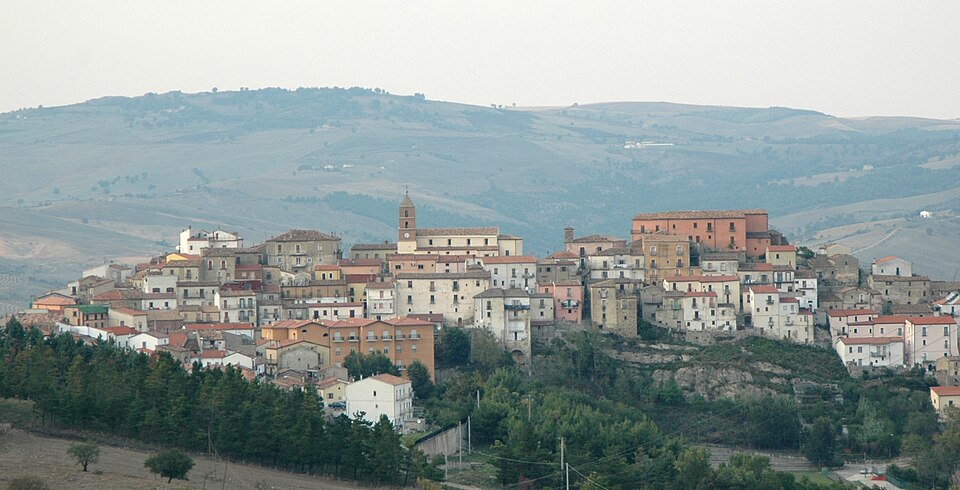
Trivigno has a current population of 570 and occupies a ridge at 725 metres above sea level in the middle Basento valley, in the province of Potenza. Its territory extends across fields of durum wheat and Turkey oak woods covering the eastern slopes up to the borders with neighbouring municipalities. Those looking for what to see in Trivigno will find a village built from local sandstone, a mother church dedicated to the patron saint Peter, and an agricultural landscape that has preserved the land ownership structure predating the post-war agrarian reform. The village is reached via the provincial road that climbs from the Basento valley floor, and the first thing that strikes you is the compactness of the urban layout: a few parallel streets, no significant modern expansion.
History and origins of Trivigno
The place name Trivigno most likely derives from the Latin Trivinium, a term indicating a junction of three roads — a reference to the position of the settlement in relation to the routes connecting the Basento valley with the inland areas of Lucania. The earliest documented mention of the village dates to the Norman period, when the territory fell within the feudal system organised around the castles of the middle valley. Like many centres in inland Basilicata, Trivigno passed through several feudal families between the 12th and 18th centuries, following the fortunes of the Kingdom of Naples.
In the Catasto Onciario of 1753, Trivigno was recorded as a centre with a predominantly cereal-based economy, its population engaged in wheat cultivation and sheep farming. The town suffered significant damage during the earthquake of 1857 — the so-called “Great Earthquake of Basilicata” studied by Irish seismologist Robert Mallet — which struck the entire Basento valley severely. The post-earthquake reconstruction reshaped part of the building layout in the old town. During the post-unification brigandage, the countryside around Trivigno was crossed by bands active in the area, as documented in the prefectural archives of Potenza.
In the 20th century, the village experienced steady emigration — from around 2,000 residents at the first unified census to the current 570 — which reshaped the demographic structure without, however, erasing the social organisation tied to the agricultural cycle. The feast of Saint Peter, on 29 June, remains the main occasion for collective gathering and draws emigrants and their descendants back every year.
What to see in Trivigno: 5 main attractions
1. Mother Church of San Pietro Apostolo
The central religious building of the village, dedicated to the patron saint and partly rebuilt after the 1857 earthquake. The interior preserves a carved stone high altar and several wooden statues of southern Italian craftsmanship dating to between the 17th and 18th centuries. The sober façade is in local sandstone with an arched portal. The patronal feast on 29 June includes a procession that passes through the entire village centre.
2. Old town and rural architecture
Trivigno’s urban layout retains the compact structure typical of Lucanian ridge villages: two-storey stone houses with stables on the ground floor and living quarters above. Several façades still display squared-stone portals with carved dates, some going back to the 18th century. The small noble palazzi along the main street stand out for their wrought-iron balconies and carved frames around the windows.
3. Turkey oak woods on the eastern slope
The municipal territory includes extensive woodland formations dominated by the Turkey oak (Quercus cerris), a species widespread in the Lucanian Apennines between 600 and 1,000 metres of altitude. These woods, accessible via unmarked trails regularly used by locals, are home to wildlife including wild boar, fox, common buzzard, and green woodpecker. In autumn, the undergrowth yields porcini mushrooms and cardoncelli mushrooms.
4. Historic public fountains
As in many inland Basilicata centres that lacked an aqueduct until the 20th century, Trivigno preserves several public stone fountains that served as water supply points. These structures, distributed along the access roads to the village and in the surrounding countryside, are built with sandstone ashlars and feature watering troughs for livestock, documenting the agro-pastoral economy of the area.
5. View over the Basento valley
From the upper part of the village, near the mother church, the view opens out over the Basento valley towards the south-east and, on clear days, reaches the peaks of the Lucanian Apennines towards the Volturino massif. This vantage point allows you to read the geomorphology of the landscape: the clay badlands on exposed slopes, the agricultural terraces, and the course of the Basento along the valley floor.
Food and local products
The cuisine of Trivigno belongs to the peasant tradition of the middle Basento valley, built on cereals, pulses, pork, and sheep and goat meat. The most representative dish is handmade pasta — in particular cavatelli and strascinati (a local variant of elongated orecchiette, dragged across a wooden board with three fingers) — dressed with mutton ragù or turnip tops. Peperoni cruschi from Senise IGP, dried and fried in extra virgin olive oil, appear as a condiment and side dish in numerous preparations. Lucanica (horseshoe-shaped sausage, cured or fresh) is made in private homes during the traditional winter pig slaughter. Among pulses, Sarconi IGP beans, grown in the nearby Val d’Agri but widely available in provincial markets, feature in soups with pork rind and mixed pasta.
Local cheeses include Canestrato di Moliterno IGP, aged in fondaci — natural cellars — and Pecorino di Filiano DOP, made with milk from Gentile di Puglia and Comisana sheep breeds raised on the Apennine pastures of the province of Potenza. Bread, baked in wood-fired ovens still found in some old town houses, is the naturally leavened type made with durum wheat semolina, in the tradition of Matera IGP bread widespread throughout the region. For sweets, calzoncelli — fried half-moon pastries filled with chestnut cream or chickpea and chocolate filling — are prepared during feast days. Aglianico del Vulture DOC, produced in the northern part of the province, is the most common red wine on local tables, while among garden products the Peperone di Senise IGP deserves mention, used also in powdered form as a spice. The municipal website lists the dates of any local food festivals linked to the agricultural calendar.
When to visit Trivigno: the best time
The patronal feast of Saint Peter, on 29 June, is the most intense moment in the village’s public life: a religious procession, music, and a communal dinner in the streets of the centre. The period between May and October offers the most favourable weather conditions for exploring the surrounding area on foot, with temperatures at 725 metres that remain moderate even in midsummer — rarely exceeding 30 °C. Autumn, from September to November, is the season for mushroom foraging in the Turkey oak woods and for the grape harvest in the province’s vineyards.
Winter brings occasional snowfall and temperatures that drop below zero on January and February nights. Those travelling in this period will find the village in its most everyday dimension, without public events but with the opportunity to observe activities related to pork processing and cured meat production. Spring, from March to May, is the time of flowering meadows and the resumption of farmwork: the landscape changes colour rapidly, from the brown of ploughed fields to the green of growing crops.
How to reach Trivigno
By car, Trivigno is reached from the E847 Basentana (Potenza-Metaponto dual carriageway), exiting at the Trivigno-Albano di Lucania junction and continuing for about 8 km on the provincial road that climbs to the village. From Potenza, the distance is approximately 30 km (35–40 minutes’ drive). From Matera, the journey is around 80 km via the Basentana. From Naples, take the A3 Salerno-Reggio Calabria motorway to the Sicignano degli Alburni exit, then the E847 towards Potenza-Metaponto: total travel time is approximately 2 hours and 30 minutes.
The nearest railway station is Trivigno-Albano on the Potenza-Metaponto line operated by Ferrovie dello Stato, located on the Basento valley floor about 8 km from the village centre. Getting between the station and the village requires your own transport or a local shuttle service. The nearest airport is Bari-Karol Wojtyła, approximately 150 km away (1 hour and 45 minutes by car); alternatively, Naples-Capodichino airport is about 200 km away.
Other villages to discover in Basilicata
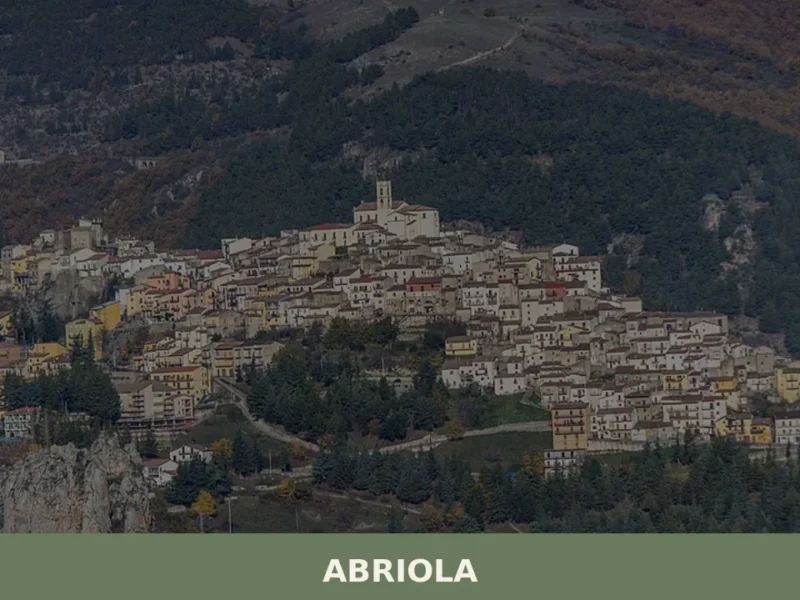
South-west of Trivigno, heading uphill towards the Lucanian Apennine peaks, you reach Abriola, a mountain municipality situated above 950 metres on the northern slopes of Monte Pierfaone. The territory of Abriola, covered in beech and fir forests, presents a landscape markedly different from the cultivated fields of the middle Basento valley: here the mountains take over, with trails crossing dense woodland and reaching altitudes above 1,400 metres.
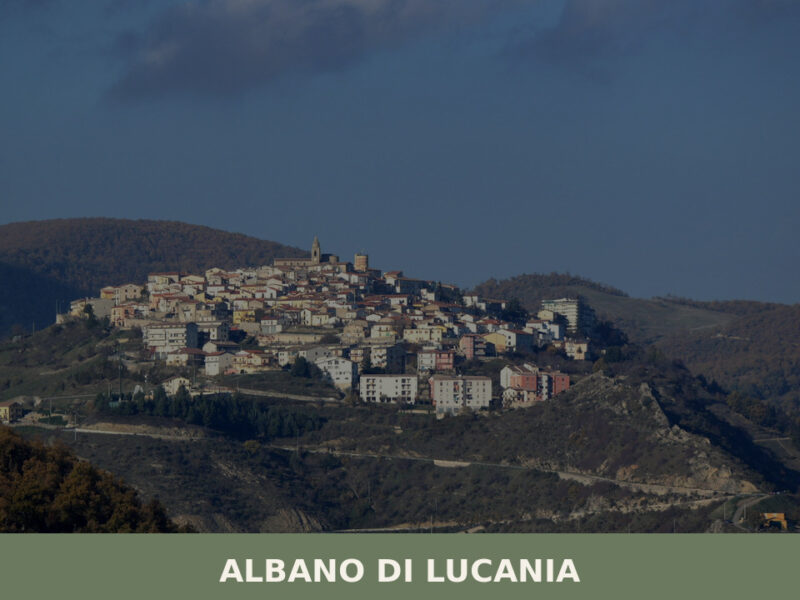
In the opposite direction, towards the east, lies Albano di Lucania, reachable in about 15 minutes by car from the Basentana. Albano shares with Trivigno its position on the ridge separating the Basento valley from the Bradano trough, but has a more extensive old town and a slightly higher elevation. The two villages, linked by the same road corridor, allow you to traverse in just a few kilometres a geological cross-section ranging from the Pliocene clays of the badlands to the compact sandstones of the summit ridges.
Frequently asked questions about Trivigno
What is the best time to visit Trivigno?
The ideal window is May to October, when temperatures at 725 metres stay moderate — rarely above 30 °C even in July and August. The highlight of the calendar is the Feast of Saint Peter on 29 June, with a religious procession through the village centre, music, and a communal street dinner: the single best moment to experience local life. Autumn (September–November) is prime season for mushroom foraging in the Turkey oak woods and for following the grape harvest across the province. Winter visits are quieter but offer an authentic glimpse of pig-slaughtering and cured-meat traditions.
What are the historical origins of Trivigno?
The place name most likely derives from the Latin Trivinium, indicating a three-road junction, reflecting the village's strategic position linking the Basento valley with the Lucanian interior. The earliest documentation dates to the Norman period, when the territory was organised around feudal castles of the middle valley. The Catasto Onciario of 1753 records Trivigno as a cereal and sheep-farming community. The catastrophic 1857 earthquake — studied by Irish seismologist Robert Mallet — damaged the settlement significantly, and post-earthquake reconstruction partially reshaped the old town's layout.
What to see in Trivigno? Main monuments and landmarks
The Mother Church of San Pietro Apostolo is the essential stop: rebuilt after the 1857 earthquake, it preserves a carved stone high altar and 17th–18th-century wooden statues; the sandstone façade features an arched portal. The old town itself rewards a slow walk — look for 18th-century squared-stone doorways with carved dates and wrought-iron balconies on the small noble palazzi along the main street. Historic stone public fountains with livestock troughs, distributed along the village access roads, document the area's agro-pastoral past. No admission charge for the streets; church opening hours follow local parish schedule.
What are the main natural or scenic attractions of Trivigno?
The eastern slopes of the municipal territory are covered by extensive Turkey oak (Quercus cerris) woodland, accessible via unmarked local trails between roughly 600 and 1,000 metres altitude. Wildlife includes wild boar, fox, common buzzard, and green woodpecker; in autumn the undergrowth yields porcini and cardoncelli mushrooms. From the upper village, near the mother church, a panoramic viewpoint looks south-east over the Basento valley, revealing clay badlands, agricultural terraces, and — on clear days — the peaks of the Lucanian Apennines towards the Volturino massif.
Where to take the best photos in Trivigno?
The most rewarding viewpoint is the upper part of the village near the Mother Church of San Pietro Apostolo, where the ridge drops sharply towards the Basento valley. The south-east-facing panorama captures the river's course on the valley floor, the clay badland morphology on exposed slopes, and on clear days the Lucanian Apennine peaks. Within the old town, the carved-stone portals and wrought-iron balconies along the main street offer close-up architectural detail typical of Lucanian ridge villages. Early morning and late afternoon light work best for both landscape and village shots.
Are there museums, churches or historic buildings to visit in Trivigno?
The principal building open to visitors is the Mother Church of San Pietro Apostolo, the village's main religious monument, which houses a carved stone high altar and a collection of southern Italian wooden statuary from the 17th and 18th centuries. The sandstone old town contains several small noble palazzi with wrought-iron balconies and carved window frames, viewable from the street. Historic public stone fountains with livestock watering troughs are distributed along the approach roads and represent the main civic heritage structures outside the church. Confirm current church opening times locally or via the parish.
What can you do in Trivigno? Activities and experiences
Walking the Turkey oak woods on the eastern slope is the main outdoor activity, particularly rewarding in autumn for mushroom foraging (porcini and cardoncelli). The Feast of Saint Peter on 29 June offers the fullest cultural experience: procession, music, and communal dining in the streets. Food and wine tourism connects naturally to the surrounding province — Aglianico del Vulture DOC wineries, Canestrato di Moliterno IGP and Pecorino di Filiano DOP producers, and the winter pig-slaughtering tradition are all accessible in the area. The village also serves as a base for day trips to Abriola and Albano di Lucania.
Who is Trivigno suitable for? Families, couples, hikers, solo travellers?
Trivigno suits travellers who prioritise authenticity over tourist infrastructure. Hikers and nature lovers will appreciate the Turkey oak woods, the mushroom-foraging season, and the panoramic ridge position at 725 metres. Food and wine enthusiasts find genuine Lucanian peasant cuisine and proximity to DOP and IGP producers across the province. Couples and slow-travel solo visitors drawn to undiscovered inland southern Italy will value the intact old town and the unhurried pace. Families with older children can enjoy the June patronal feast and the woodland trails. Those seeking resorts, beaches, or organised tourist services should look elsewhere.
What to eat in Trivigno? Local products and specialties
The table is anchored in Lucanian peasant tradition. Handmade pasta — cavatelli and strascinati — is served with mutton ragù or turnip tops. Peperoni Cruschi di Senise IGP, dried and fried in olive oil, appear across numerous dishes. Lucanica sausage is still made domestically during winter pig slaughter. Local cheeses include Canestrato di Moliterno IGP (cave-aged) and Pecorino di Filiano DOP. Soups combine Sarconi IGP beans with pork rind and mixed pasta. Calzoncelli — fried pastries filled with chestnut cream or chickpea and chocolate — are the traditional feast-day sweet. Aglianico del Vulture DOC is the standard red wine.
📷 Photo Gallery — Trivigno
Nearby Villages near Trivigno
In Basilicata More villages to discover

Forenza
Mountain
Discover Forenza, a hilltop village in Potenza province at 800m, with historic churches, Apennine panoramas, and authentic Lucanian cuisine.
Castelmezzano
Mountain
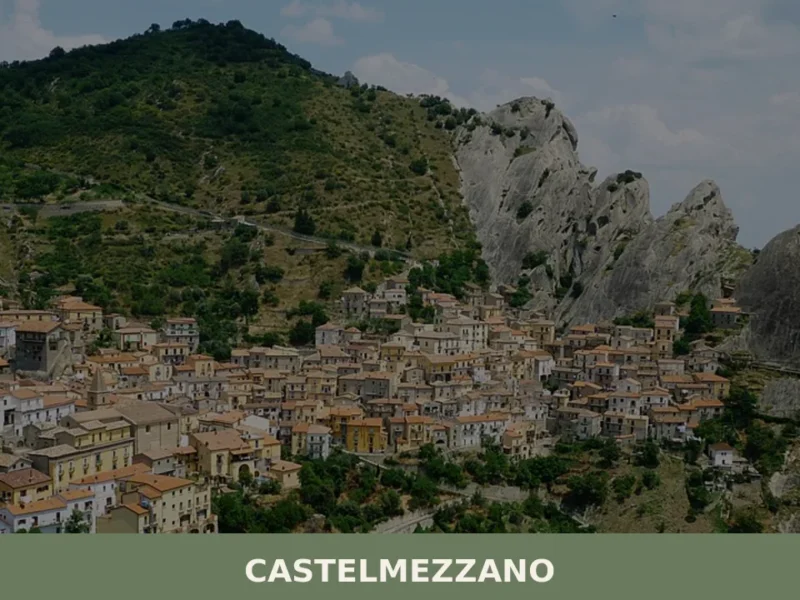
what to see in castelmezzano, Italy: Discover its 710 inhabitants, ancient castle ruins, and thrilling Angel Flight. Explore Basilicata's stunning Dolomites.

Craco
Mountain
What to see in Craco, Italy: explore the abandoned town at 400 m (1,312 ft), its medieval tower, film locations, and Basilicata's landscape. Discover it all here.
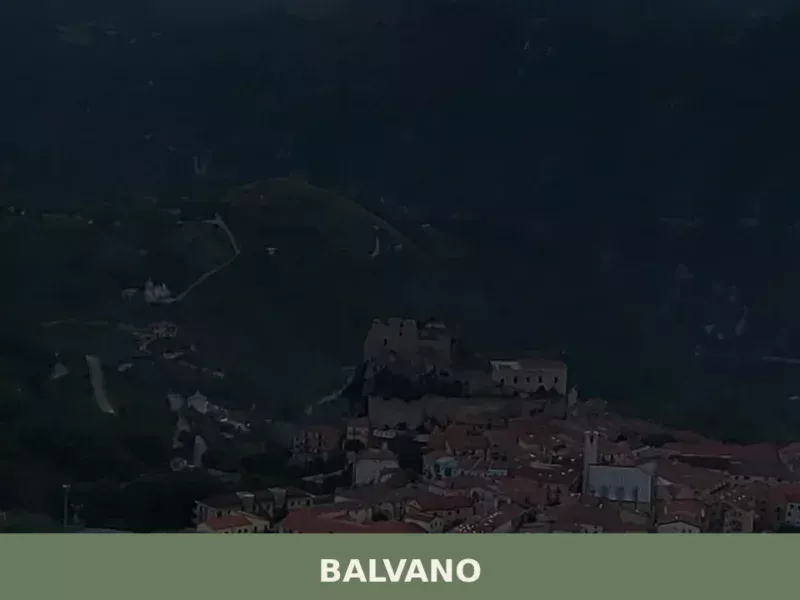
Balvano
 Hills
Hills
Balvano, a municipality in the province of Potenza, rises 425 meters above sea level, fitting into the hilly landscape of Basilicata. This altitude is not just a number, but the coordinate of a natural observatory from which the Platano valley can be viewed. With a population of 1,722 inhabitants, the village maintains the size of […]

Francavilla in Sinni
Mountain
What to see in Francavilla in Sinni, Basilicata, Italy: explore a town founded in 1426, the Sinni river valley, and local food traditions. Discover it all here.
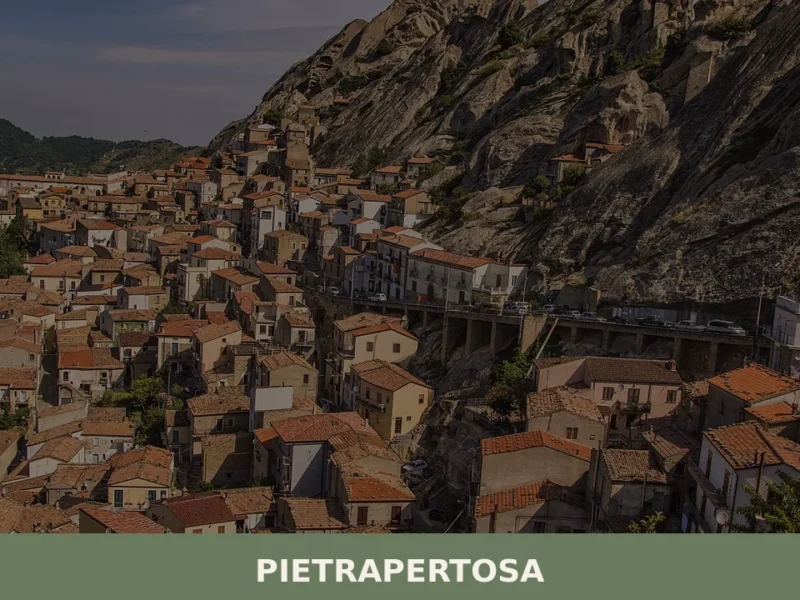
Pietrapertosa
 Sea
Sea
What to see in Pietrapertosa, Basilicata, Italy: from the Volo dell'Angelo zip line to Dolomiti Lucane rock formations. Discover top things to do. Read the guide.
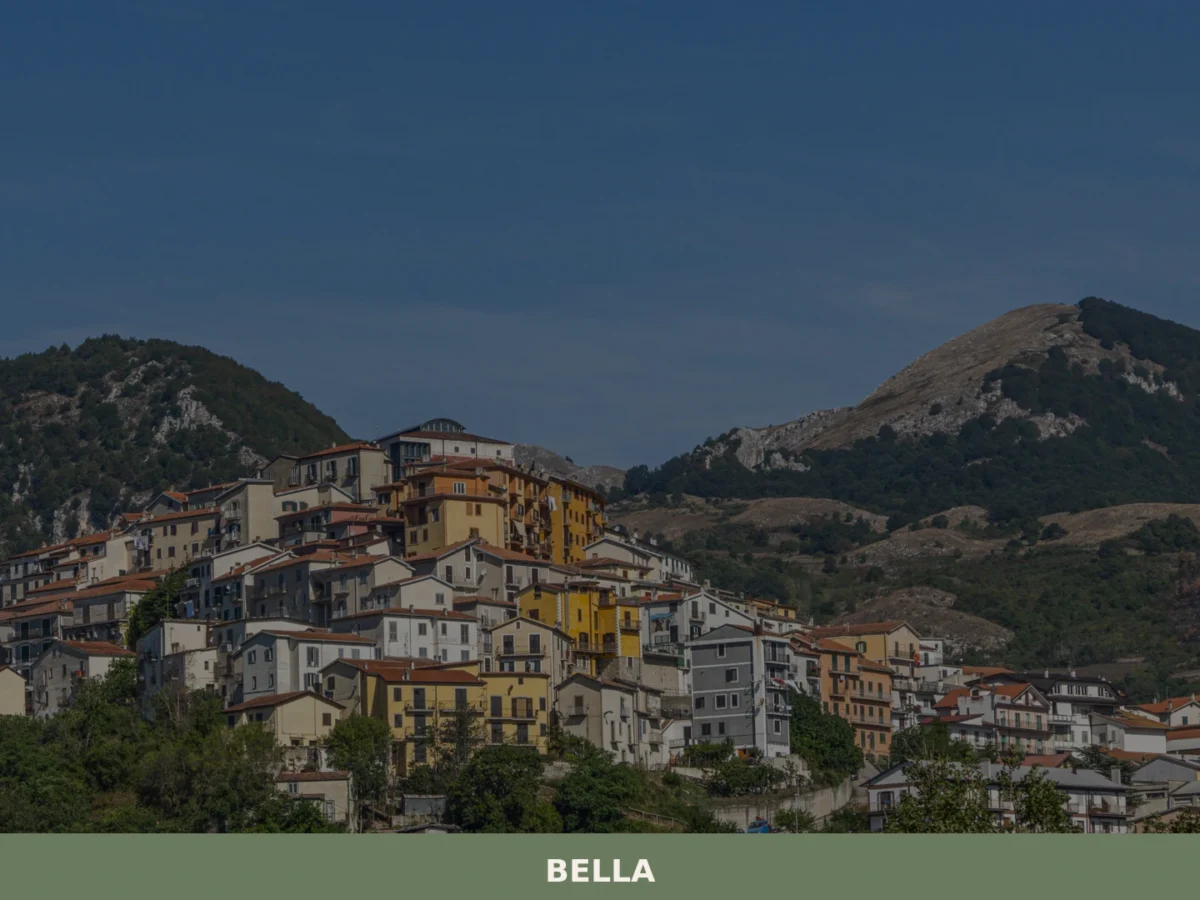
Bella
Mountain
What to see in Bella, the Lucanian village of 4,516 inhabitants? Discover its must-see places and history. Plan your visit!
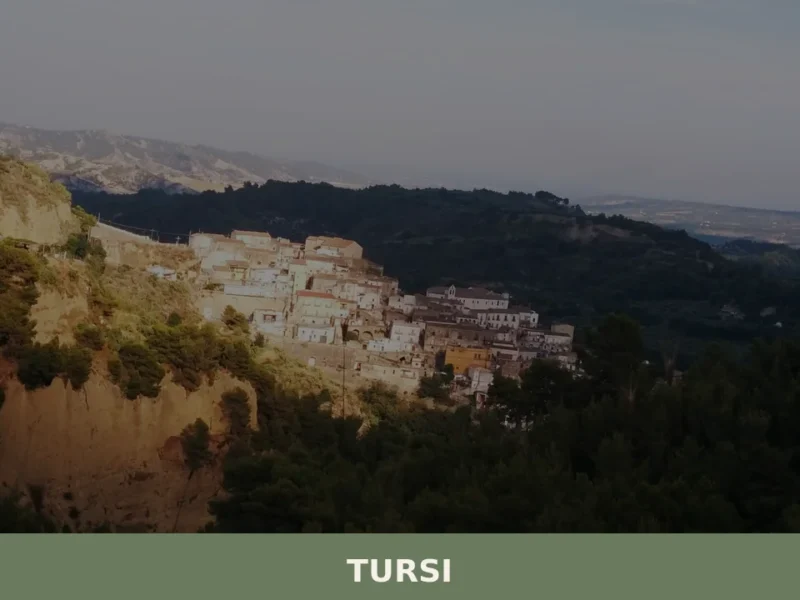
Tursi
 Plains
The ochre-yellow clay slopes that surround Tursi do not stay still. Every significant rainfall shifts the marly sediment, exposing new gullies in the Cenozoic rock and deepening the three chasms — the Palmara ditch to the north, the St. Francis ditch to the east, and the Cathedral ditch to the west — that have protected […]
Banzi
Hills
In 1956, during archaeological excavations in the area of ancient Bantia, the “Bantine Table” was discovered, a bronze tablet inscribed in the Oscan language, providing direct evidence of the legislation of this Italic community from the 4th-3rd century BC. For those wondering what to see in banzi today, the village, located at 571 meters above […]
Matera
Hills
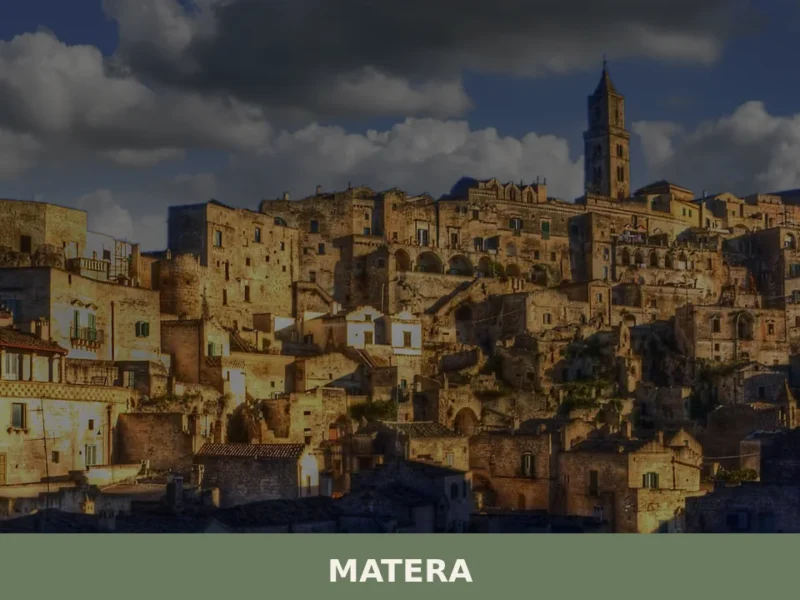
What to see in Matera, Italy: explore the UNESCO Sassi cave districts, a 52 m cathedral, and rupestrian churches. City of 60,009 in Basilicata. Discover how to get there.





🏡 Know Trivigno better than we do?
If you’re a local or have been there, your knowledge matters: add what’s missing or fix a detail on this page.