



What to see in Bard, Valle d’Aosta, Italy: explore the Fort, medieval streets and local food. Bard sits at 400 m. Discover top attractions and how to get there.
Discover Bard
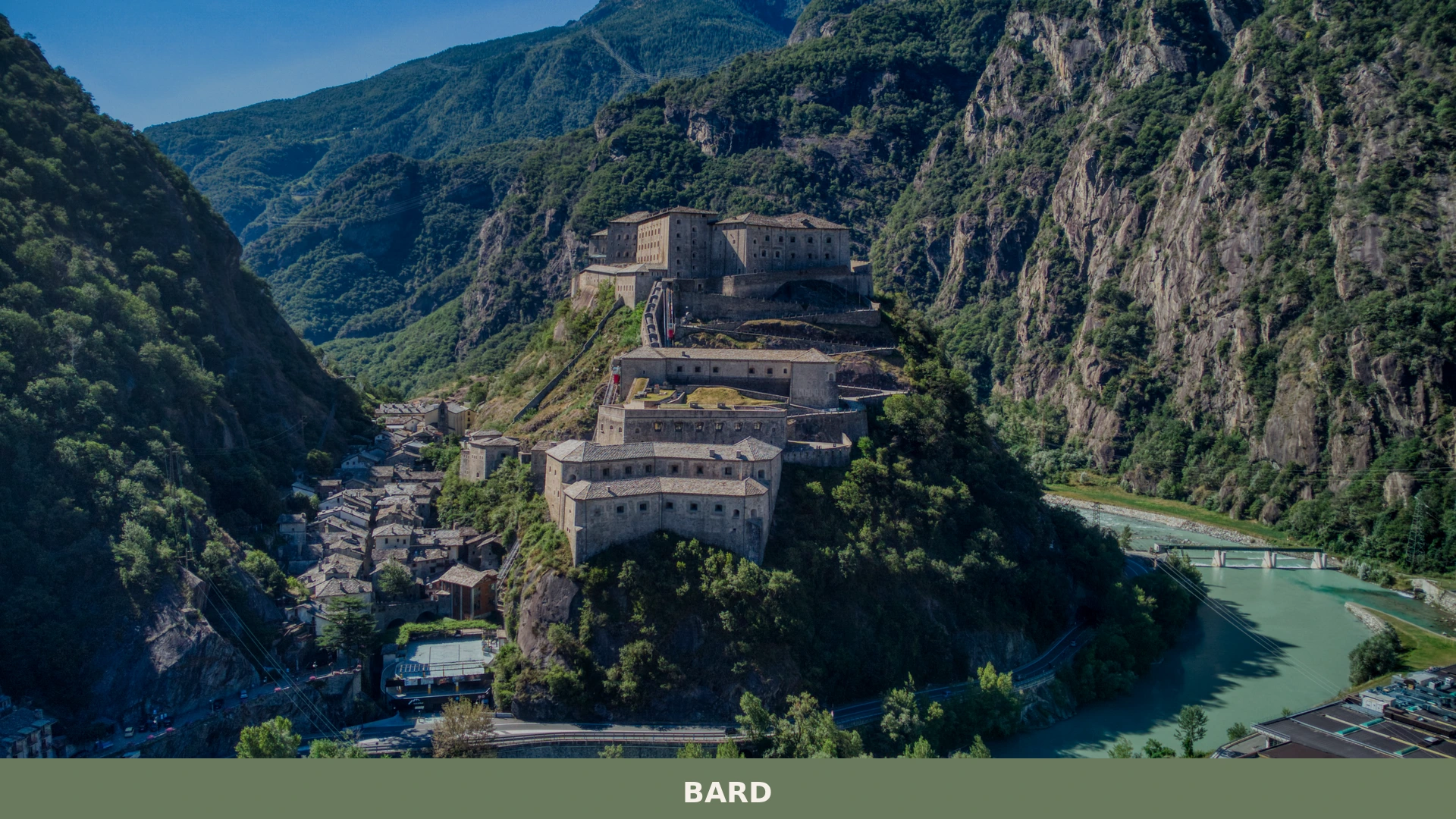
The rock that Bard’s fort stands on rises abruptly from the valley floor, forcing the Dora Baltea river to squeeze through a gap less than 100 m (328 ft) wide. Stone walls in layered courses of local gneiss climb the outcrop in tiers, each level corresponding to a phase of construction spanning several centuries.
The lowest sections of the fortification touch the river plain directly; the highest battlements clear the rooftops of the village below by more than 80 m (262 ft), catching the first light each morning well before it reaches the narrow lane that runs between the houses.
Deciding what to see in Bard is straightforward once you understand the scale of what sits above the village: the Fort of Bard alone contains three separate museum spaces and a network of internal galleries.
Located in the lower Aosta Valley, Bard, Valle d’Aosta, Italy receives visitors year-round, but the volume of things to do concentrates along a compact circuit linking the fort, the medieval village core, and the banks of the Dora Baltea river. The population recorded for the municipality is under 200 residents, making the fort and its institutions the dominant reason for every visit.
History of Bard
The name Bard itself carries a linguistic history that predates the medieval fortification.
The root traces to a Proto-Celtic noun reconstructed as bardos, meaning poet-singer or praise-maker, which spread through Gaulish, Middle Irish, Middle Welsh, and Middle Breton before entering Latin as bardus. The same stem appears in Latin compound words including barditus, a song used to rouse soldiers before battle, a connotation that fits the military character the site would eventually acquire.
Whether the toponym descends directly from this Celtic root or arrived through a separate channel remains a matter of philological debate, but the geographic position of Bard — commanding the single viable passage through the lower valley — made it a strategic point long before written records confirm a settlement there.
By the early medieval period, the rock of Bard carried a fortified structure that controlled traffic between the Po Plain and the high Alpine passes.
The strategic logic was simple: anyone moving between what is now Piedmont and the passes leading toward Switzerland and France had to pass through the Bard narrows. This gave successive rulers — Savoy counts among them — a decisive chokehold over trade, military movement, and taxation.
The original medieval structure was demolished by order of Napoleon Bonaparte in 1800 after French forces, advancing into Italy, found the fort held by a small Austrian garrison that delayed their passage for weeks. That episode, documented in French campaign records, confirmed the tactical importance of the position.ition even as it ended the first phase of the fortification’s history.
Reconstruction began under the Kingdom of Sardinia in 1830 and continued through the 1830s and 1840s, producing the three-part complex visible today: the Opera Carlo Alberto, the Opera Vittorio Emanuele, and the Opera Moreta.
The rebuilt fort was never used in active combat and passed through various administrative roles, including use as a state prison, before the regional government of Valle d’Aosta began a conversion programme in the early 21st century.
That programme transformed the fort into a cultural institution housing permanent museum collections and rotating exhibition spaces, completing a trajectory from medieval garrison to regional cultural infrastructure in just under two centuries.
The village that developed in the shadow of the rock, sheltering under the fortification’s western face, retains a street plan and building stock consistent with late medieval and early modern construction, with several facades showing the characteristic local use of gneiss and slate.
What to see in Bard, Valle d’Aosta: top attractions
Fort of Bard
The fort divides into three distinct operative structures, each accessible by a system of panoramic lifts built into the rock face, which rise approximately 80 m (262 ft) from the village level to the upper battlements. Construction of the current complex began in 1830 under the Kingdom of Sardinia and took nearly two decades to complete.
Standing on the upper platform, visitors look down the full length of the Dora Baltea valley toward Piedmont to the south and up toward Aosta, approximately 27 km (16.8 mi) to the north. The Fort of Bard now houses the Alps Museum, a children’s museum, and a space dedicated to photography exhibitions; the internal tunnel system connecting the three opera structures remains largely intact and open to visitors.
Opera Carlo Alberto and the Alps Museum
The Alps Museum occupies the Opera Carlo Alberto, the central and largest of the three fortification blocks, and organises its permanent collection around the geology, ecology, and human history of the Alpine arc.
Display cases present rock specimens, glaciological data, and ethnographic objects drawn from communities across the western Alps, giving a material basis to processes — glacial retreat, transhumance routes, trade — that shaped this valley over millennia. The building itself dates to the 1830s phase of reconstruction, and the thickness of its walls, typically over 1.5 m (4.9 ft) of dressed gneiss, keeps internal temperatures noticeably lower than outside even in July and August, a practical consideration for summer visitors.
The Medieval Village Core
Below the fort’s western face, the village of Bard preserves a sequence of narrow lanes and stone-fronted buildings that follow the contours of the rock base.
Several buildings retain external staircases in local gneiss, and at least one façade on the main lane shows the corbelled brackets of an overhanging upper floor, a construction technique common in the Valle d’Aosta from the 14th century onward. The village has fewer than 200 permanent residents, so the lanes are quiet outside the summer and autumn peak seasons.
Walking the full circuit from the lower village gate to the fort’s entrance lifts takes between 10 and 15 minutes on foot, all uphill, with total elevation gain of roughly 50 m (164 ft).
Dora Baltea Riverbank
At the base of the rock, the Dora Baltea runs fast and clear, channelled between the fort’s eastern retaining wall and the opposite valley slope. The river at this point is approximately 20–25 m (65–82 ft) wide, compressed by the same narrows that gave the site its military value. A path along the right bank allows visitors to view the full eastern face of the fortification from below, which reveals the relationship between the natural rock and the masonry courses built directly onto it — a detail invisible from inside the fort. Spring snowmelt between April and June raises the river level significantly, altering both the sound and the colour of the water from the grey-green of summer to an opaque glacial white.
Photography Museum at the Fort
One of the exhibition spaces within the fort complex is dedicated specifically to photography, hosting rotating shows that have featured work by internationally recognised photographers alongside thematic surveys of Alpine visual culture.
The space uses the vaulted brick interiors of the 19th-century military rooms as gallery walls, and the combination of low natural light filtered through narrow apertures and controlled artificial lighting suits photographic prints well.
Access is included in the general fort ticket, and the exhibition programme rotates several times per year, meaning repeat visitors across different seasons encounter substantially different content. Checking the fort’s official programme before arrival is practical, particularly for those travelling specifically for a current exhibition.
Local food and typical products of Bard
The food traditions of the lower Aosta Valley reflect an Alpine economy built around dairy cattle, mountain pasture, and preservation. Bard sits at the point where the valley narrows most sharply, and historically the village functioned as a transit point rather than a primary agricultural centre.
The food culture draws from the broader Valle d’Aosta tradition, in which altitude determines ingredient availability: below 1,000 m (3,281 ft), as in Bard at roughly 400 m (1,312 ft), fruit trees, vines, and garden vegetables appear alongside the cheeses and cured meats typical of the higher zones.
Among the dishes a visitor encounters in the restaurants and osterie (traditional eating houses) of the lower valley, polenta concia stands out for its technique: coarse-ground corn polenta is layered while hot with Fontina DOP, the region’s protected-designation semi-soft cheese made from whole raw milk of Valdostana cattle, and melted butter, producing a dense, pulling mass that firms as it cools.
Carbonade valdostana is a slow-braised beef preparation using red wine and spices, derived from the practice of preserving meat through salting before cooking; the result is a dark, concentrated braise served over polenta. Seuppa de cogne, a layered bread-and-cheese soup gratinéed in the oven, represents a type of dish built from stored winter provisions — stale rye bread, Fontina, and beef broth — that sustained valley communities through months of limited fresh produce.
Two certified products from the wider Valle d’Aosta context appear regularly in shops and markets accessible from Bard.
Fontina DOP — produced exclusively within the Valle d’Aosta region — is aged for a minimum of 80 days and carries a protected designation of origin certification that restricts production to Valdostana breed milk from a defined territory. The closest significant production zone to Bard includes the municipalities along the central valley floor and the side valleys above Aosta.
Lard d’Arnad DOP, produced specifically in the municipality of Arnad, located approximately 8 km (5 mi) south of Bard along the Dora Baltea, is cured fatback prepared in wooden containers called doil with salt, rosemary, sage, bay, and mountain spices.
Its DOP status requires that all stages of production take place in Arnad.
Local food markets and seasonal fairs in the lower valley tend to concentrate in autumn, between September and November, when producers bring cheeses aged through summer pasture and newly cured products to valley-floor markets. The town of Pont-Saint-Martin, approximately 10 km (6.2 mi) south of Bard, holds a regular weekly market where valley food products including Fontina and Lard d’Arnad are available. For visitors staying in the fort area, several small shops in the village stock vacuum-packed portions of both DOP products suitable for transport.
Festivals, events and traditions of Bard
The fort complex at Bard hosts a programme of cultural events across the year, the scale of which varies by season.
Summer months, particularly July and August, see outdoor evening events in the fort’s open courtyard spaces, taking advantage of the long Alpine daylight and the natural acoustic properties of the stone enclosure. The photography exhibition programme, which rotates throughout the year, generates opening events and related public programming.
Given the small resident population of the village — fewer than 200 people — community-scale events in Bard itself are limited, and the majority of cultural programming is organised by the fort’s institutional management rather than emerging from local civic tradition.
The broader lower Aosta Valley calendar includes the Foire de Saint-Ours, a traditional crafts fair held annually in Aosta on 30 and 31 January, which draws artisans from across the region producing carved wood objects, woven textiles, and wrought ironwork in documented craft lines going back several centuries.
While the fair itself takes place in Aosta, approximately 27 km (16.8 mi) north of Bard, it represents the most significant traditional cultural event in the regional calendar and is easily combined with a visit to Bard on the same day trip. Local churches in the valley observe the feast days of their patron saints with evening processions and bell-ringing, though specific dates for Bard’s parish are best confirmed directly with the local municipality before travel.
When to visit Bard, Italy and how to get there
The best time to visit Bard depends on what you prioritise.
Late spring — specifically May and June — combines lower visitor numbers with the full green of the valley walls, clear mountain light, and the Dora Baltea running at its most dynamic from snowmelt. Summer, from mid-July through August, brings the largest crowds to the fort and the warmest temperatures; the stone interiors of the fort remain cooler than outside, but the external walkways and the village lanes become congested on weekends.
Autumn, from late September through October, offers the most consistent weather for walking, with deciduous trees on the valley slopes turning colour and the fort’s cultural programme still active. Winter access is possible — the fort remains open — but some exhibition spaces have reduced hours between January and March, so checking the official programme before travel in those months is advisable.
Bard sits directly on the A5 motorway corridor connecting Turin with the Mont Blanc tunnel.
If you arrive by car, take the Pont-Saint-Martin exit from the A5, which places you approximately 10 km (6.2 mi) south of Bard on the SS26 state road. The drive from Turin to Bard covers roughly 85 km (52.8 mi) and takes around 55 minutes under normal traffic conditions, making Bard a practical day trip from Turin. From Milan, the distance is approximately 145 km (90.1 mi), with a travel time of around 1 hour 40 minutes by car.
Bard has a railway station on the Trenitalia Turin–Aosta regional line, with services running throughout the day; travel time from Turin Porta Nuova station is approximately 1 hour 10 minutes. The nearest commercial airport is Turin Airport (Caselle), located around 90 km (55.9 mi) from Bard, reachable in roughly 1 hour by road.
International visitors should note that smaller shops and cafés in Bard and the surrounding villages may have limited English-speaking staff; carrying some euro cash is practical, as card payment terminals are not universal in the smaller village establishments.
Visitors combining Bard with a broader lower valley itinerary might consider the village of Antey-Saint-André, located higher in the Valtournenche side valley to the north-west, which offers a contrasting experience of high-altitude pasture landscape and differs significantly in terrain and altitude from the narrow valley floor at Bard. Those driving the A5 corridor can also stop at Allein, a small commune on the slopes above the central valley, before continuing south toward Turin.
Where to stay near Bard
Accommodation in Bard itself is limited by the small size of the village, but the lower Aosta Valley offers several options within 10–15 km (6.2–9.3 mi) by road.
Pont-Saint-Martin and Donnas, both south of Bard along the SS26, have hotel and bed-and-breakfast options documented on regional tourism portals.
For visitors preferring to base themselves closer to Aosta and travel south to Bard as a day excursion, the valley floor between Aosta and Bard has a range of agriturismo properties — farmhouses offering accommodation alongside locally produced food — particularly active between May and October. Booking in advance is strongly recommended for July and August weekends, when fort visitor numbers peak and nearby accommodation fills quickly.
Frequently asked questions about Bard
What is the best time to visit Bard?
Bard is open year-round, but late spring (May–June) and autumn (September–October) offer mild temperatures, fewer crowds, and excellent light for photographing the fort. Summer (July–August) is peak season, when the fort's museums and the village lanes are busiest; the thick gneiss walls of the Opera Carlo Alberto keep interiors cool even in August. The feast day of the patron saint Santa Maria Assunta falls on 15 August, coinciding with the summer peak. Winter visits are quieter and allow an unobstructed view of the fort's stone faces without foliage.
What are the historical origins of Bard?
Bard's name likely derives from a Proto-Celtic root bardos, meaning poet-singer, though the toponym's exact etymology remains debated. The rock commanding the Dora Baltea narrows was fortified by the early medieval period, controlling the sole viable passage between the Po Plain and the Alpine passes. The original structure was demolished by Napoleon in 1800 after a small Austrian garrison delayed his advance for weeks. Reconstruction under the Kingdom of Sardinia began in 1830, producing the three-part fort — Opera Carlo Alberto, Opera Vittorio Emanuele, and Opera Moreta — visible today.
What to see in Bard? Main monuments and landmarks
The Fort of Bard is the primary attraction, comprising three connected military structures accessible via panoramic lifts rising 80 m from village level. Inside: the Alps Museum (geology, ecology, Alpine human history) in the Opera Carlo Alberto, a children's museum, and a dedicated photography exhibition space. Tickets cover all three venues; the exhibition programme rotates several times yearly, so checking the fort's official website before visiting is advisable. The medieval village core below the fort features narrow gneiss-paved lanes, corbelled facades, and external stone staircases dating from the 14th century onward.
What are the main natural or scenic attractions of Bard?
The Dora Baltea riverbank at the base of the fort rock offers a path along the right bank with direct views of the fort's eastern face, revealing how masonry courses were built directly onto the natural gneiss outcrop. The narrows compress the river to roughly 20–25 m wide at this point. Between April and June, snowmelt turns the water from summer grey-green to an opaque glacial white, significantly changing the visual character of the site. The valley corridor opens southward toward Piedmont, giving clear long views from the fort's upper battlements.
Where to take the best photos in Bard?
The upper battlements of the Fort of Bard, reached by the panoramic lifts, provide the highest vantage point: from here the full Dora Baltea valley is visible in both directions, with Aosta approximately 27 km to the north and the Po Plain opening to the south. The right-bank path along the Dora Baltea below the fort offers the best angle on the eastern face, showing the junction between natural rock and dressed stonework. Morning light reaches the fort's upper levels well before it enters the narrow village lane below, making early arrivals worthwhile for photography.
Are there museums, churches or historic buildings to visit in Bard?
The Fort of Bard houses three distinct museum spaces: the Alps Museum in the Opera Carlo Alberto, a children's museum, and a photography gallery in the vaulted 19th-century military rooms, all included in a single fort ticket. The fort's internal tunnel network connecting the three opera structures is also open to visitors. The medieval village below preserves stone-fronted buildings with external gneiss staircases and corbelled upper floors. The municipal patron is Santa Maria Assunta, whose feast is celebrated on 15 August; a church dedicated to her serves the village community.
What can you do in Bard? Activities and experiences
Visiting the Fort of Bard's three museum spaces — the Alps Museum, children's museum, and photography gallery — is the core activity. The internal tunnel system and panoramic lifts are themselves worth experiencing. Walking the full circuit from the lower village gate to the fort entrance lifts takes 10–15 minutes uphill with roughly 50 m of elevation gain. The Dora Baltea right-bank path offers a riverside walk with views of the fort's eastern face. The photography exhibition space rotates several times yearly, making repeat visits worthwhile for those interested in Alpine visual culture and contemporary photography.
Who is Bard suitable for? Families, couples, hikers, solo travelers?
Bard suits a broad range of visitors. Families benefit from the dedicated children's museum inside the fort and the panoramic lifts, which make the upper levels accessible without steep climbing. Couples and cultural travellers find the Alps Museum, rotating photography exhibitions, and the medieval village core rewarding. Photography enthusiasts have multiple documented vantage points and a specialist gallery. The compact circuit — fort, village, riverbank — is manageable in a half-day, making Bard ideal as a focused day trip or a stop along a longer Valle d'Aosta itinerary. The quiet off-season suits solo travellers seeking an uncrowded historic site.
What to eat in Bard? Local products and specialties
The restaurants and osterie of the lower Aosta Valley around Bard serve core Valdostana dishes: polenta concia, made with coarse-ground corn polenta layered with Fontina DOP and melted butter; carbonade valdostana, a slow-braised salted beef in red wine served over polenta; and seuppa de cogne, a gratinéed layered soup of rye bread, Fontina, and beef broth. Fontina DOP — produced exclusively in Valle d'Aosta, aged at least 80 days from raw Valdostana cattle milk — is the signature regional cheese and appears in most local preparations. Lard d'Arnad DOP, produced a few kilometres down the valley, is also available locally.
📷 Photo Gallery — Bard
Getting there
Piazza Camillo Benso Conte di Cavour, 11020 Bard (AO)
Nearby Villages near Bard
In Aosta Valley More villages to discover
La Thuile
 Mountain
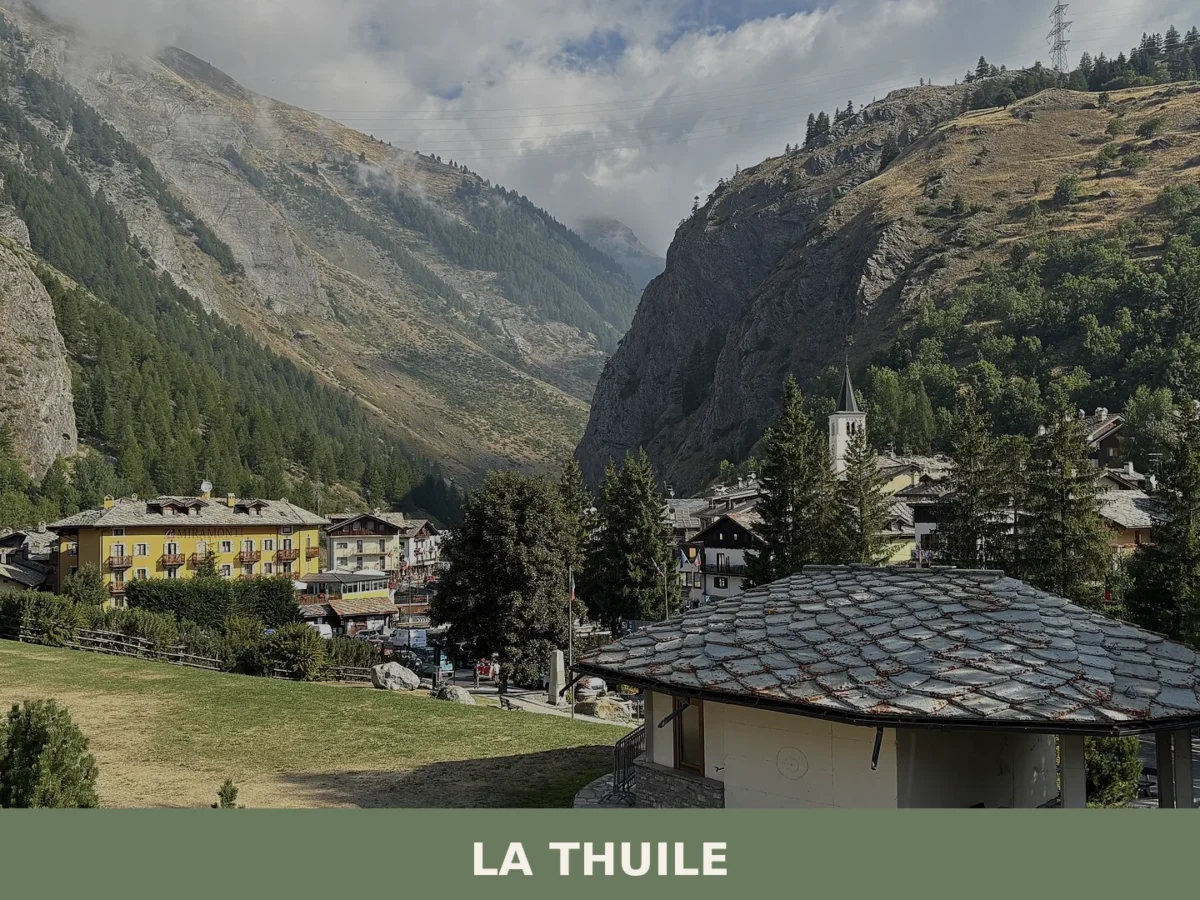
La Thuile is an Alpine municipality at 1,455 metres in the Aosta Valley, a historic mountain crossing between Italy and France with 774 residents and over 126 square kilometres of high-altitude landsc
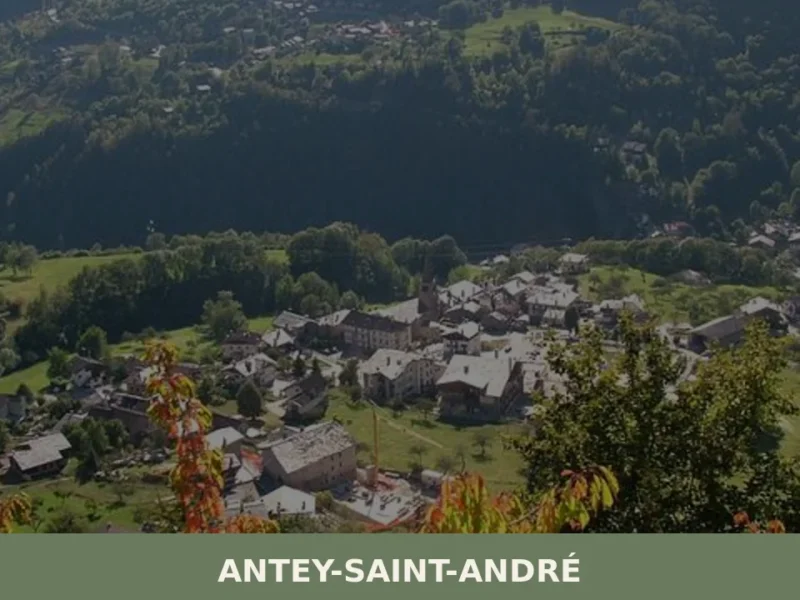
Antey-Saint-André
Mountain
Discover what to see in Antey-Saint-Andru00e9: Alpine hamlets, local food, hiking trails and practical travel tips for this Valtournenche village in Valle d'Aosta.
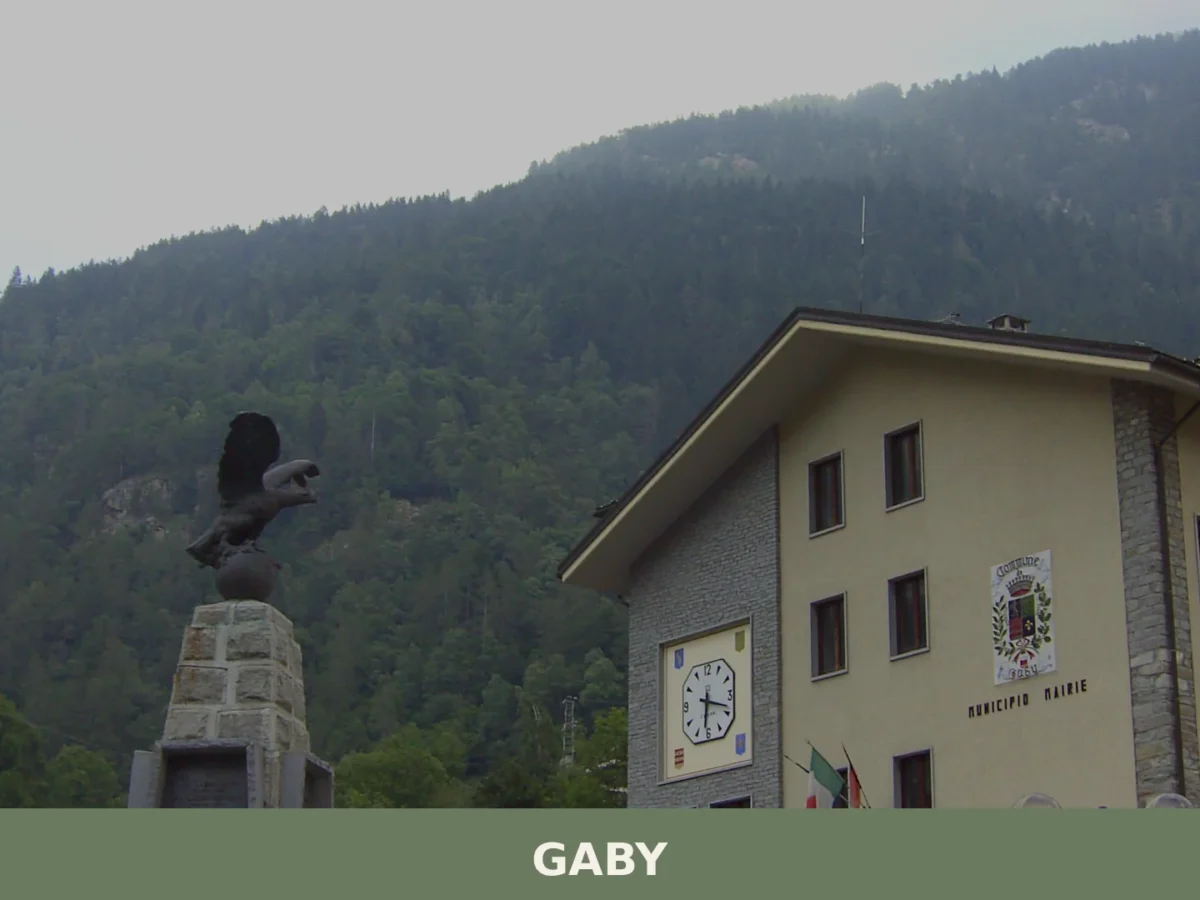
Gaby
Mountain
Gaby is a small mountain commune in the Valle d'Aosta, set at 1,050 metres in the Lys valley between Issime and Gressoney-Saint-Jean, where Walser heritage, francoprovençal culture and alpine scenery
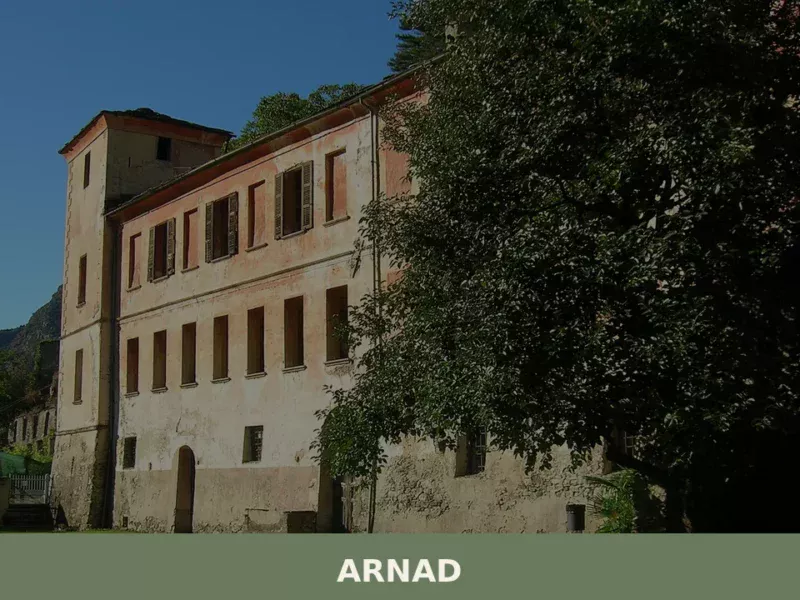
Arnad
Mountain
Discover what to see in Arnad: medieval Château Vallaise, Lard d'Arnad DOP, historic irrigation channels and terraced vineyards in Italy's Aosta Valley.
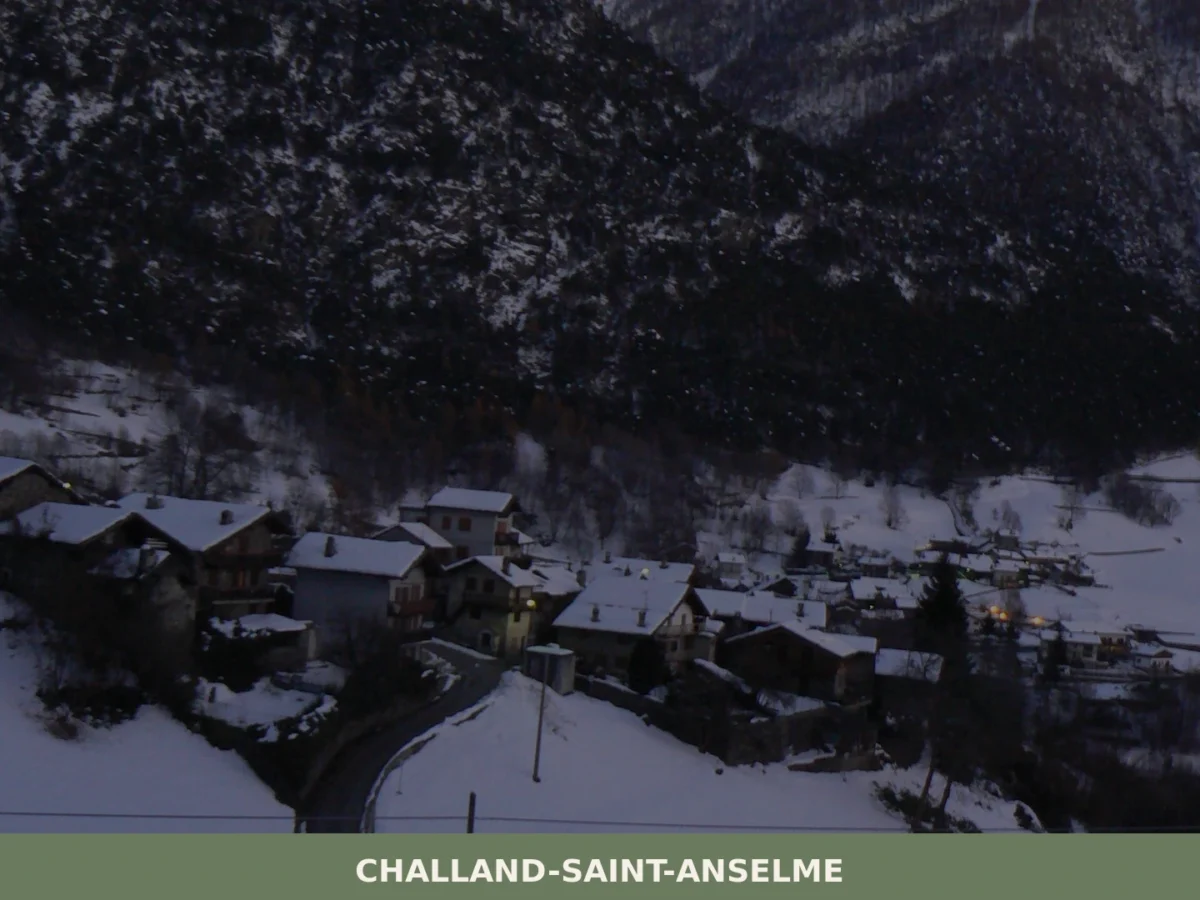
Challand-Saint-Anselme
Mountain
What to see in Challand-Saint-Anselme, Italy? Discover its 1036 m (3,399 ft) altitude, ancient mills, and the Church of Saint-Anselme. Explore this mountain village.
Gignod
Mountain
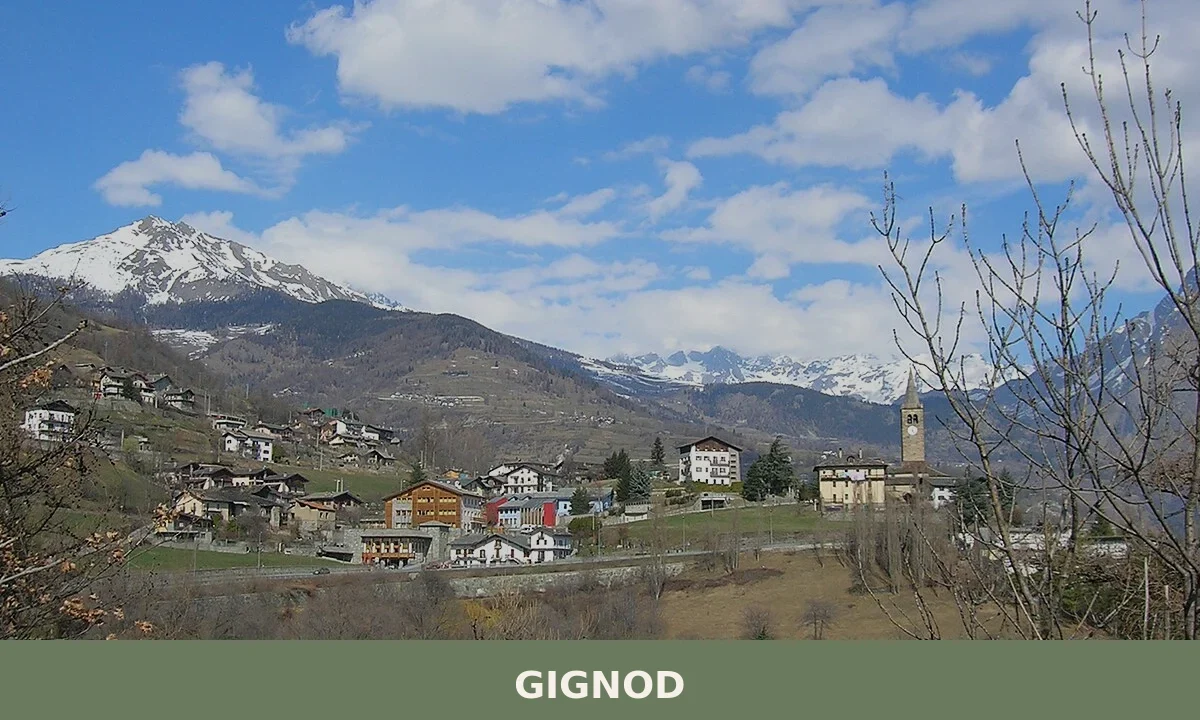
Gignod is a mountain comune in the Aosta Valley, lying at 944 metres between the Valpelline and the Valle del Gran San Bernardo, with a history stretching from prehistoric settlement to a living calen
Gressan
Mountain
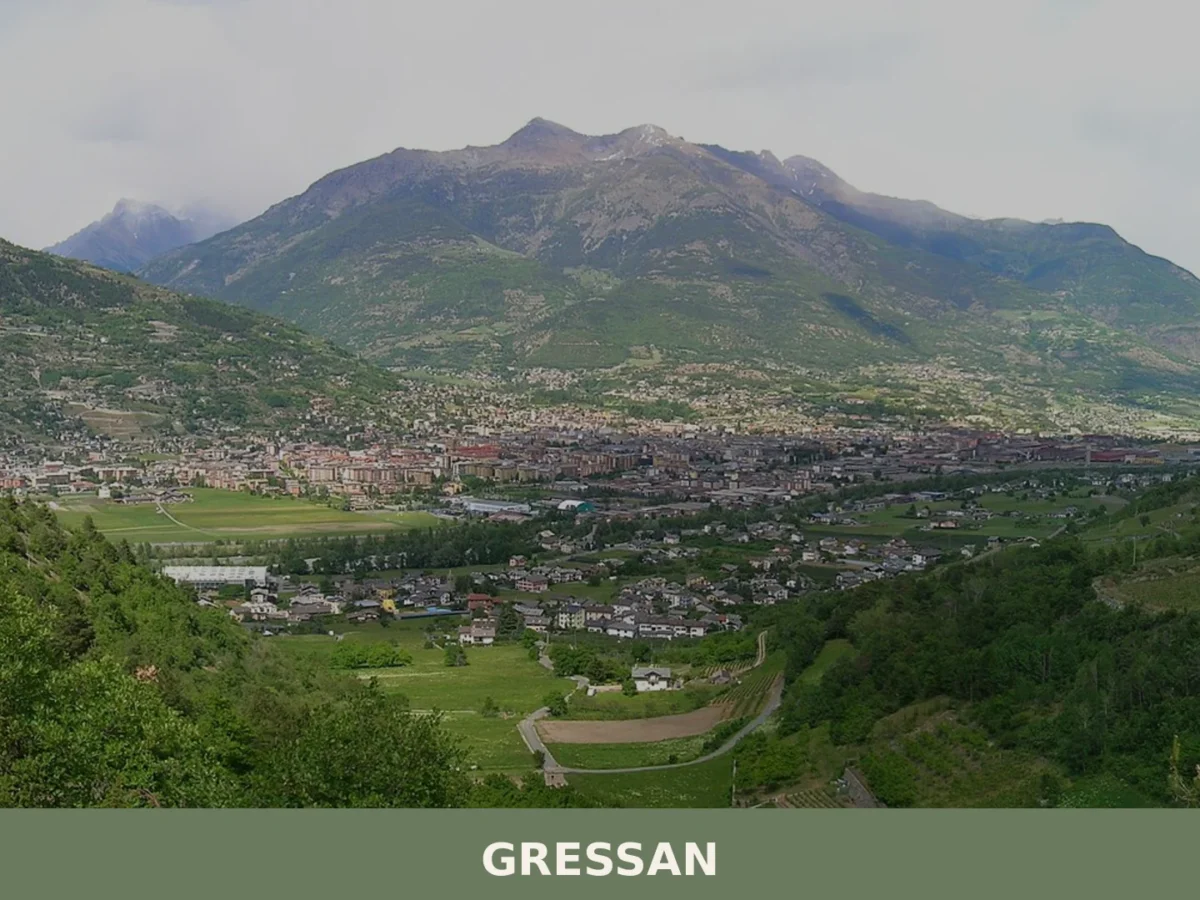
Gressan is a mountain commune of around 3,300 inhabitants in the Valle d'Aosta, rich in medieval heritage, natural landscapes and alpine traditions.
Brissogne
Mountain
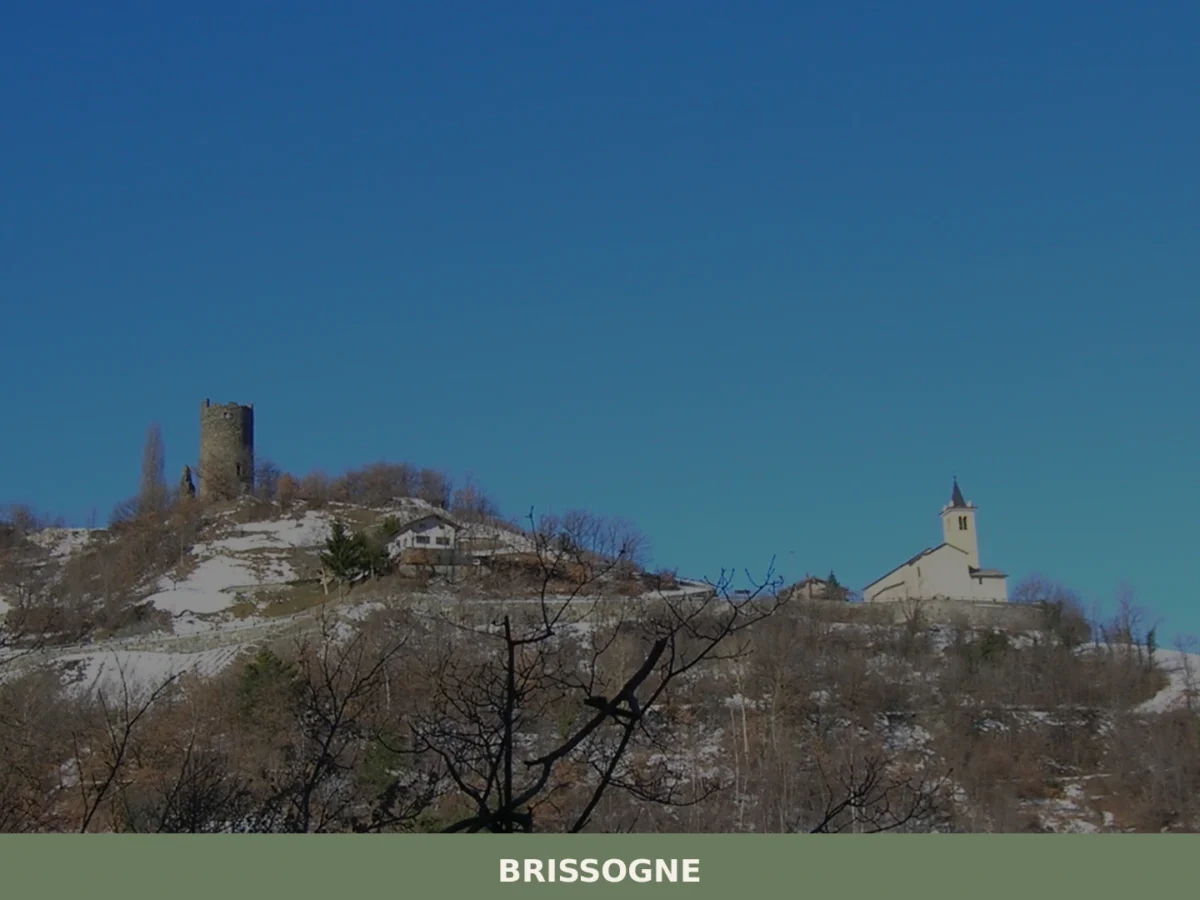
What to see in Brissogne? Discover the 5 unmissable attractions of this village in Aosta Valley. From the church to the castle, plan your visit here!
Ayas
Mountain
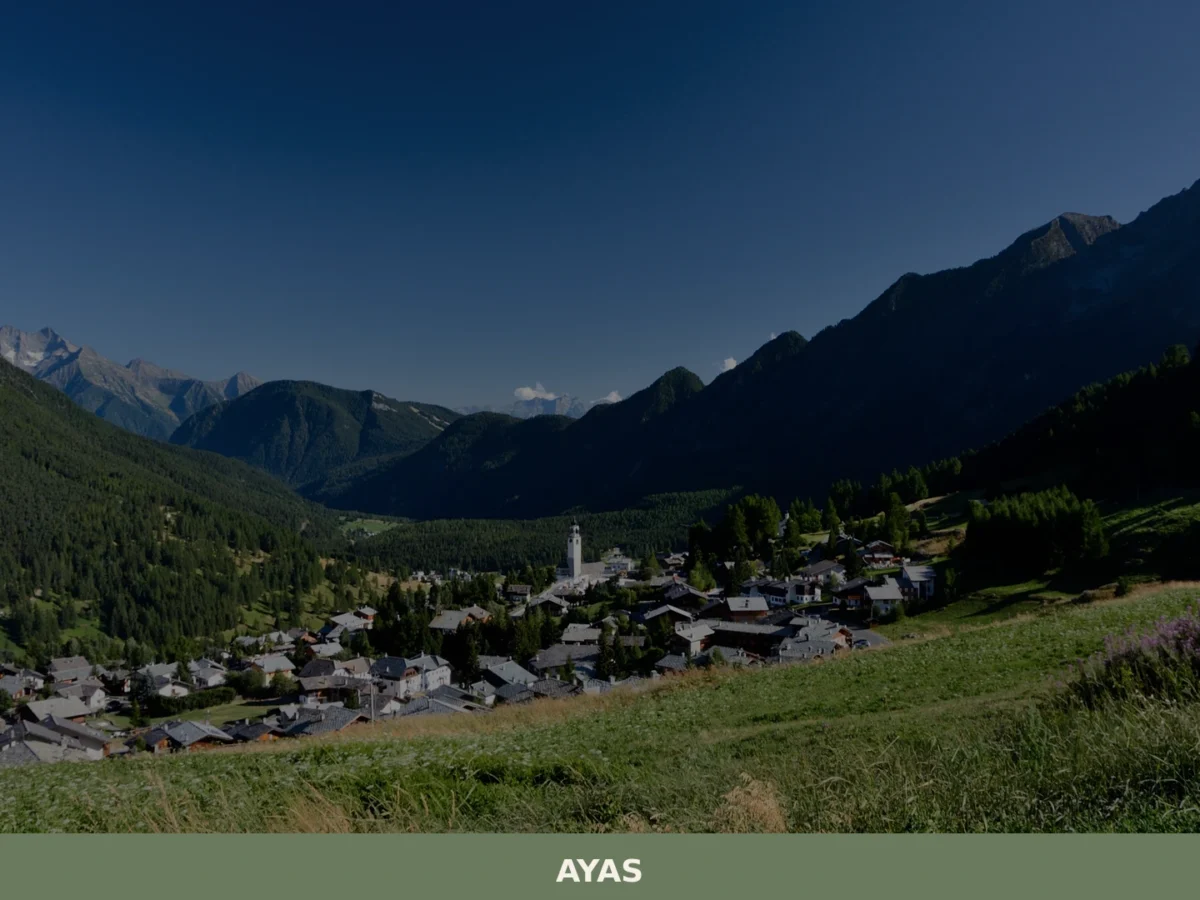
What to see in Ayas, Valle d'Aosta, Italy: explore alpine villages at 1,600 m, medieval chapels and local cuisine. Discover top attractions and how to get there.
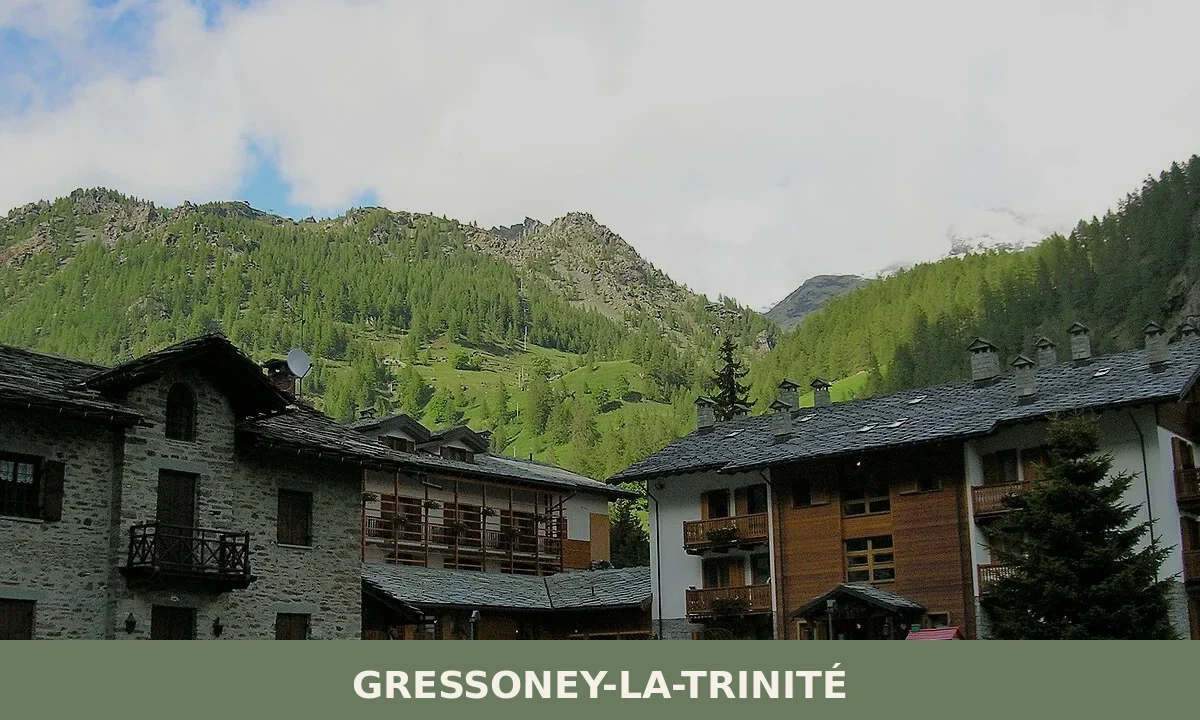
Gressoney-La-Trinité
Mountain
Gressoney-La-Trinité is a 322-inhabitant Walser commune at 1,629 metres in the Valle del Lys, Valle d'Aosta, set against the glaciers and high peaks of the Monte Rosa massif.
🏡 Know Bard better than we do?
If you’re a local or have been there, your knowledge matters: add what’s missing or fix a detail on this page.