


What to see in Casoli, Abruzzo, Italy: explore Castello Masciantonio, Lake Casoli 4 mi away, and a medieval town listed among Italy’s most beautiful villages. Discover it now.
Discover Casoli
History of Casoli
The Aventino River curves along the base of the Majella mountain, and above its valley the rooftops of Casoli rise in a compact mass of stone against the hillside. A Norman tower marks the skyline from several kilometres out. The name itself appears in written records as early as 878 AD, in a manuscript now held at the Abbey of Monte Cassino, making Casoli one of the more precisely documented medieval settlements in the Province of Chieti.
What to see in Casoli, Abruzzo: top attractions
Deciding what to see in Casoli is made easier by the town’s relatively compact layout and its clear roster of verified sites.
With a recorded population of 5,901 and a municipal area of 66 square kilometres (25 sq mi), Casoli, Abruzzo, Italy, is listed among I Borghi più belli d’Italia, the national register of Italy’s most beautiful villages. Visitors to Casoli find a Norman castle that houses a museum, a Baroque church with fourteenth-century origins, and access to a lake just 6 km (3.7 mi) from the town centre.
History of Casoli
Before the medieval walls, there was Cluviae. The site now occupied by Casoli was the ancient settlement of the Caraceni, a Samnite tribe, and the territory was most probably conquered by the Lombards in the sixth century AD. That layering of pre-Roman, Roman, and Lombard presence left a foundation on which successive powers would continue to build. The name Càsule, still used in the local Abruzzese dialect, echoes the Latin roots of the settlement, and its first written appearance comes in the Memoriatorium abbatis Berthari, a document dated 878 AD and conserved in the Abbey of Monte Cassino.
By the fourteenth century, Casoli had passed into the hands of the Orsini family, one of the most powerful aristocratic dynasties of central Italy.
The Orsini fortified the existing Norman castle, reinforcing its defensive structures and adapting it to the standards of medieval military architecture. The Church of Santa Maria Maggiore also dates from this period: originally an Orsini family chapel, it was converted into a full parish church during the seventeenth century. These two monuments remain the physical backbone of what to see in Casoli today, and both carry the direct imprint of Orsini patronage on their structure and layout. Visitors exploring the wider Abruzzo region might also note that Civitella Alfedena, further south in the Sangro valley, preserves a similarly layered medieval and post-medieval history.
The nineteenth century brought Casoli a different kind of distinction. The Mayor at the time, Pasquale Masciantonio, offered rooms in the castle to the poet Gabriele d’Annunzio, who stayed there and left a concrete physical trace: a ditirambo, or dithyramb, written directly onto the wall of the room he occupied. The castle subsequently took the name Castello Masciantonio in recognition of the mayor’s stewardship. During the Second World War, the town was declared a città libera, a free city for displaced persons, which spared it from the severe bombing that devastated other settlements in the Chieti province during the Italian Campaign of 1943 and 1944.
What to see in Casoli, Abruzzo: top attractions
Castello Masciantonio
The castle’s stone tower rises over the town’s highest point and remains structurally consistent with its Norman origins in the eleventh century.
Inside, the building functions as a museum, and its rooms document both the military history of the fortification and its later aristocratic use under the Orsini family in the 1300s. The most closely examined room is the one where Gabriele d’Annunzio stayed during the nineteenth century: the dithyramb he wrote directly on the wall survives intact, making it a verifiable literary artefact embedded in the architecture. The castle also served as a ducal palace at various points in its history, which explains why its internal layout combines defensive structures with more elaborate residential spaces. If you visit in the morning, the light from the eastern windows falls across the inscribed wall at an angle that makes the handwritten text clearly legible without artificial lighting.
Church of Santa Maria Maggiore
The rectangular floor plan of Santa Maria Maggiore follows a layout established when the building served as a private Orsini chapel in the fourteenth century. The transition to a public church happened in the seventeenth century, and the Baroque remodelling carried out at that time introduced the side porch and the decorative elements in the stampella style characteristic of southern Abruzzo.
The interior volume is modest but proportionally consistent, and the exterior porch provides a covered vantage point over the surrounding streets. For those arriving in Casoli specifically to document ecclesiastical architecture, the layering of Gothic foundation and Baroque surface treatment here offers a compressed case study that would take considerably more travel time to reconstruct across separate sites elsewhere in the province.
Lake Casoli (Lago Sant’Angelo)
Approximately 6 km (3.7 mi) from the town centre, Lake Casoli — also documented as Lago Sant’Angelo — sits in a valley formed by the course of the Aventino River. The lake is the closest body of standing water to the town and functions as the principal outdoor destination for day visitors. The surrounding terrain follows the gradual slope characteristic of the Majella foothills, and the water level is fed by the river system that also defines the western boundary of Casoli’s municipal area. For what to see in Casoli beyond the historic centre, the lake provides a concrete reason to extend a visit into the afternoon. Access is by road and does not require specialist equipment or physical preparation beyond standard walking shoes.
The Frazioni and Rural Landscape
Casoli’s administrative territory encompasses nearly forty frazioni — outlying hamlets — including Caprafico, Guarenna Vecchia, Guarenna Nuova, Collelungo, and Collemarco, among others.
These smaller settlements sit at varying elevations across the 66 sq km (25 sq mi) of municipal land and reflect the dispersed rural settlement patterns typical of the Majella foothills. Driving between the frazioni reveals dry-stone field boundaries, terraced hillside plots, and occasional farmhouses dating from the nineteenth century. The road network connecting Caprafico and the Guarenna hamlets passes through terrain that borders the Aventino valley, giving elevated views eastward toward the Adriatic coastal plain. These rural roads are passable by standard car but narrow in sections, so allow extra time if travelling between frazioni in low visibility.
The Aventino Valley and Majella Foothills
The Aventino River, a tributary of the Sangro, defines the physical setting of Casoli with a precision that is apparent from the town’s upper streets. From the area near the castle, the valley floor is visible at a measurable drop below the town’s foothill position, with the Majella massif forming the western backdrop. The Majella’s highest point, Monte Amaro, reaches 2,793 m (9,163 ft), though the terrain immediately surrounding Casoli sits at considerably lower elevations consistent with the foothills zone.
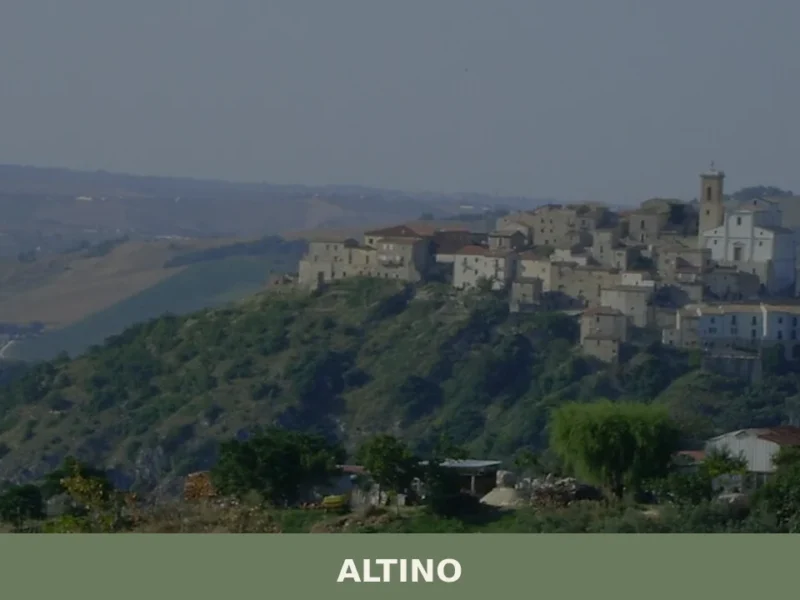
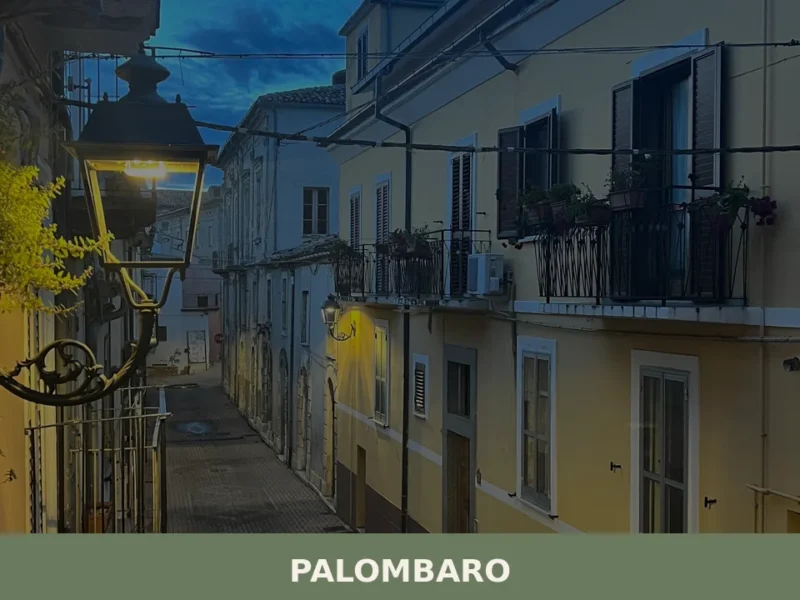
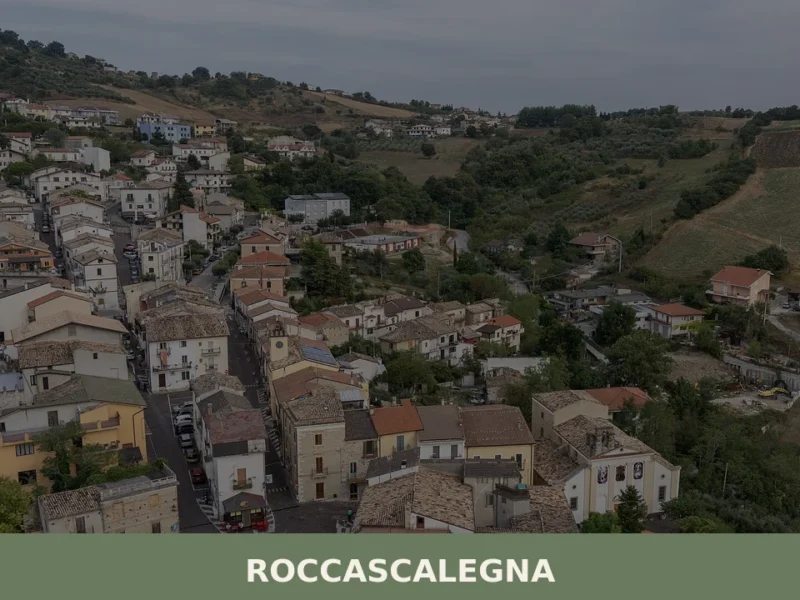
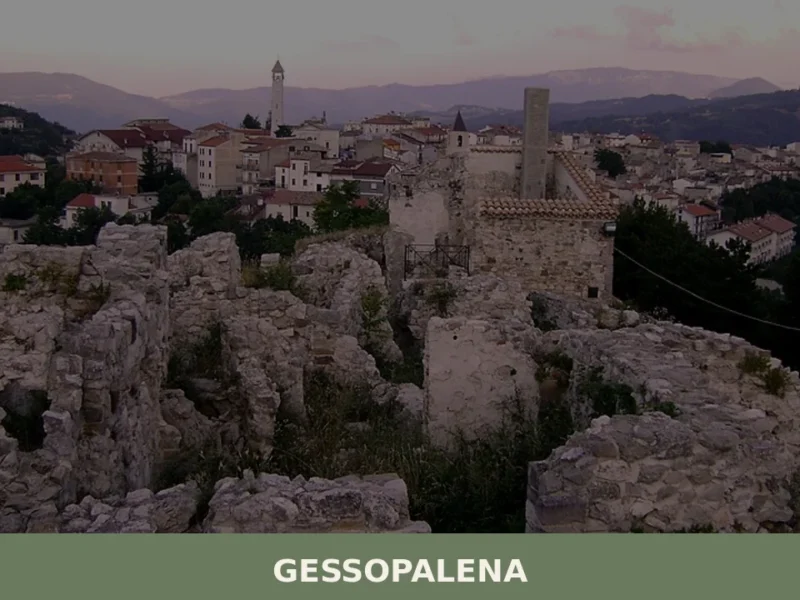
The town borders seven other municipalities — Altino, Civitella Messer Raimondo, Gessopalena, Guardiagrele, Palombaro, Roccascalegna, and Sant’Eusanio del Sangro — and the roads connecting these communities pass through a varied landscape of river terraces and limestone ridges. The village of Filetto, also in the Chieti province, shares this same broad geographic corridor and is worth including in a multi-day itinerary through the area.
Local food and typical products of Casoli
The food culture of the Chieti province, within which Casoli sits, draws on a pastoral and agricultural economy that has defined this part of Abruzzo for centuries. The terrain around Casoli — river valleys, hillside terracing, and pasture land rising toward the Majella — historically supported sheep farming, cereal cultivation, and kitchen-garden production. These conditions shaped a cooking tradition built on preserved meats, legumes, and handmade pasta formats that require long preparation times and minimal imported ingredients. The influence of the Lombards in the sixth century, and later of Norman and Orsini administration, introduced external food practices that gradually merged with local technique over successive generations.
Among the dishes historically associated with this zone of Abruzzo, pasta alla chitarra holds the most documented position.
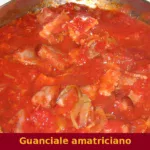
The pasta takes its name from the chitarra, a wooden frame strung with metal wires across which a sheet of egg dough is pressed to produce square-section spaghetti. It is typically served with a slow-cooked lamb ragù seasoned with saffron and black pepper, or with a tomato sauce built around local pork sausage. Pallotte cace e ove — spherical fritters made from aged sheep’s cheese, eggs, and breadcrumbs, fried in olive oil and finished in tomato sauce — represents another preparation with direct links to the pastoral economy of the Majella foothills. These dishes use no expensive imported components; the technique is the primary investment.
Sheep’s milk cheese production remains active across the municipalities bordering Casoli. Pecorino, a firm aged sheep’s cheese, is produced in various forms throughout the Province of Chieti, with ageing periods that alter the texture from semi-soft at thirty days to hard and granular at ninety days or more. Local producers in the Aventino valley area apply a rubbing technique using olive oil and chilli during the ageing process, which produces a rind with a distinctly orange-red surface and a mildly spiced flavour in the outer layers of the paste.
This is not an industrially standardised product in the immediate Casoli area; it is sourced through local markets and farm-direct sales rather than large-scale retail.
The autumn months bring the most concentrated food activity to the Chieti inland zone, with local markets offering freshly harvested walnuts, chestnuts from the Majella slopes, and pressed olive oil from the coastal and sub-coastal groves. If your visit falls between October and November, the town’s weekly market is the most direct route to purchasing these seasonal products, and cash payment is standard at smaller stalls.
Festivals, events and traditions of Casoli
The sources available for Casoli do not specify the exact calendar date of the patron saint’s festival or the precise liturgical sequence of its main religious events. What the historical record does confirm is the town’s documented literary and cultural significance during the nineteenth century, when its castle served as a residence for Gabriele d’Annunzio, one of the major Italian writers of that era.
This connection suggests a civic culture that valued cultural events alongside religious tradition, though the specific annual programme is not documented in the sources consulted for this guide.
The town’s designation as a città libera during the Second World War — a status that protected displaced civilians — is commemorated as part of local historical memory, and this wartime history forms part of the civic identity that informs public events in the town. For visitors seeking documented seasonal events, the autumn harvest period across the Chieti inland zone generates informal market activity and local food fairs in neighbouring municipalities, making late September through November a productive time to travel the area even when specific festival dates are not confirmed in advance.
When to visit Casoli, Italy and how to get there
The best time to visit Casoli falls between late April and early June, and again from mid-September through October. In spring, the Aventino valley is fully green and temperatures in the foothills remain moderate — typically between 14°C and 22°C (57°F and 72°F) — without the heat that settles over inland Abruzzo in July and August. The autumn window offers harvested-field landscapes, reliable road conditions, and the seasonal food products described above. Summer is viable but July temperatures can reach 32°C (90°F) in the valley, which makes extended walking in the historic centre uncomfortable in the early afternoon. Winter is cold and occasionally snowy at this elevation, but the castle and church remain accessible on clear days.
Reaching Casoli by car from Rome takes approximately two hours and fifteen minutes via the A25 motorway (the Rome–Pescara autostrada), exiting at Lanciano and continuing west on the SS84 for roughly 15 km (9.3 mi).
From Pescara, the regional capital and the location of Abruzzo Airport, the drive is approximately 56 km (35 mi) and takes around fifty minutes under normal traffic. Abruzzo Airport handles flights from several European cities, making it the most practical entry point for international visitors. The nearest train station is in Lanciano, 24 km (15 mi) to the east; from there, onward travel to Casoli requires a local bus or taxi, as no direct rail connection serves the town. Those arriving by Trenitalia should plan the Lanciano connection in advance and confirm local bus schedules, which operate on reduced frequency outside school term periods. International visitors should carry euros in cash, as smaller shops and local services in Casoli may not accept card payments, and English is not widely spoken outside the main tourist facilities.
Casoli also works well as a day trip from Pescara or from the Adriatic coast, where the nearest beaches at Fossacesia Marina and Lido di Casalbordino are 30 km (19 mi) to the east. Combining a morning visit to what to see in Casoli with an afternoon on the coast is a practical itinerary that keeps total driving under 60 km (37 mi).
Travellers exploring the broader region might consider extending northward toward Santo Stefano di Sessanio, another member of I Borghi più belli d’Italia further into the Abruzzo interior, or stopping at Aielli, a small hill village in the province of L’Aquila that has become known for its outdoor murals and is reachable within roughly ninety minutes from Casoli by car.
Frequently asked questions about Casoli
What is the best time to visit Casoli?
Spring (April–June) and early autumn (September–October) offer the most pleasant conditions for visiting Casoli. Temperatures are mild, the Aventino valley is green, and the hillside roads to the frazioni are at their most accessible. The feast of the patron saint, Santa Reparata di Cesarea di Palestina, falls on 8 October and provides a concrete local event around which to time a visit. Summer is warm but manageable given the town's elevation of 378 metres. Winter can bring cold and occasional fog in the Majella foothills.
What are the historical origins of Casoli?
Casoli stands on the site of ancient Cluviae, a settlement of the Caraceni, a Samnite tribe. The territory was most probably conquered by the Lombards in the sixth century AD. The town's name appears in written records as early as 878 AD in the Memoriatorium abbatis Berthari, a document conserved at the Abbey of Monte Cassino. By the fourteenth century the town had passed to the Orsini family, one of central Italy's most powerful dynasties, who fortified the Norman castle and founded what became the Church of Santa Maria Maggiore.
What to see in Casoli? Main monuments and landmarks
The principal site is Castello Masciantonio, a Norman tower and castle on the town's highest point that now functions as a museum covering the fortification's military history and Orsini-era use. Its most noted feature is a dithyramb written directly on a wall by Gabriele d'Annunzio during his nineteenth-century stay. The Church of Santa Maria Maggiore, with fourteenth-century Orsini origins and a Baroque remodelling, is the second key monument. Lake Casoli (Lago Sant'Angelo), approximately 6 km from the centre, completes the main roster of documented sites.
What are the main natural or scenic attractions of Casoli?
Lake Casoli, also documented as Lago Sant'Angelo, sits approximately 6 km from the town centre in a valley shaped by the Aventino River. The lake is the primary outdoor destination for day visitors and is accessible by standard road without specialist equipment. The broader setting includes the Majella foothills to the west, with Monte Amaro reaching 2,793 metres. The roads connecting Casoli's nearly forty frazioni — including Caprafico and the Guarenna hamlets — pass through terraced hillsides and river-terrace landscapes with eastward views toward the Adriatic coastal plain.
Where to take the best photos in Casoli?
The area around Castello Masciantonio on the town's highest point offers an elevated view over the Aventino valley and the Majella massif to the west. From the upper streets near the castle, the valley floor is visible at a measurable drop below, with the mountain backdrop clearly defined on clear days. The exterior porch of Santa Maria Maggiore provides a covered vantage point over the surrounding medieval streetscape. The road between Caprafico and the Guarenna hamlets offers elevated eastward views toward the Adriatic coastal plain.
Are there museums, churches or historic buildings to visit in Casoli?
Castello Masciantonio operates as a museum inside its Norman and medieval structure, with rooms dedicated to the castle's military history, its Orsini-era aristocratic use, and the room containing d'Annunzio's handwritten dithyramb on the wall. The Church of Santa Maria Maggiore is a fourteenth-century foundation, remodelled in the Baroque period with a side porch in the stampella style characteristic of southern Abruzzo. Specific opening hours and admission prices for the castle museum are not confirmed in currently available sources; visiting the local Pro Loco is recommended for up-to-date access information.
What can you do in Casoli? Activities and experiences
Visitors can tour Castello Masciantonio and its museum, visit the Church of Santa Maria Maggiore, and make the 6 km day-trip to Lake Casoli for outdoor relaxation along the Aventino valley. Driving or walking between the town's nearly forty frazioni reveals dry-stone field boundaries, terraced hillside plots, and elevated valley views. The feast of Santa Reparata on 8 October adds a local traditional event to the calendar. Casoli is also listed among I Borghi più belli d'Italia, situating it within a broader circuit of Abruzzo's most documented historic villages.
Who is Casoli suitable for? Families, couples, hikers, solo travelers?
Casoli suits a range of visitors. Couples and cultural travellers will find a compact historic centre with two well-documented monuments and a literary connection through d'Annunzio. Families benefit from the easy road access to Lake Casoli, which requires no specialist preparation. Those interested in rural Abruzzo landscapes can explore the frazioni roads and Aventino valley terrain by car. Solo travellers researching medieval and Baroque architecture will find the layering of Norman, Orsini, and Baroque elements in a single, walkable hilltop town an efficient use of time compared to visiting dispersed sites across the province.
What to eat in Casoli? Local products and specialties
The food culture around Casoli reflects the pastoral and agricultural economy of the Chieti province and Majella foothills. Pasta alla chitarra — square-section egg pasta pressed through a wire-strung wooden frame — is the most documented regional format, served with slow-cooked lamb ragù with saffron and black pepper, or with pork-sausage tomato sauce. Pallotte cace e ove, fried fritters of aged sheep's cheese, eggs, and breadcrumbs finished in tomato sauce, are a direct product of the local pastoral economy. Aged pecorino, produced across the Aventino valley municipalities with olive oil and chilli rubbed into the rind during ageing, is the principal local cheese.
Nearby Villages near Casoli
In Abruzzo More villages to discover
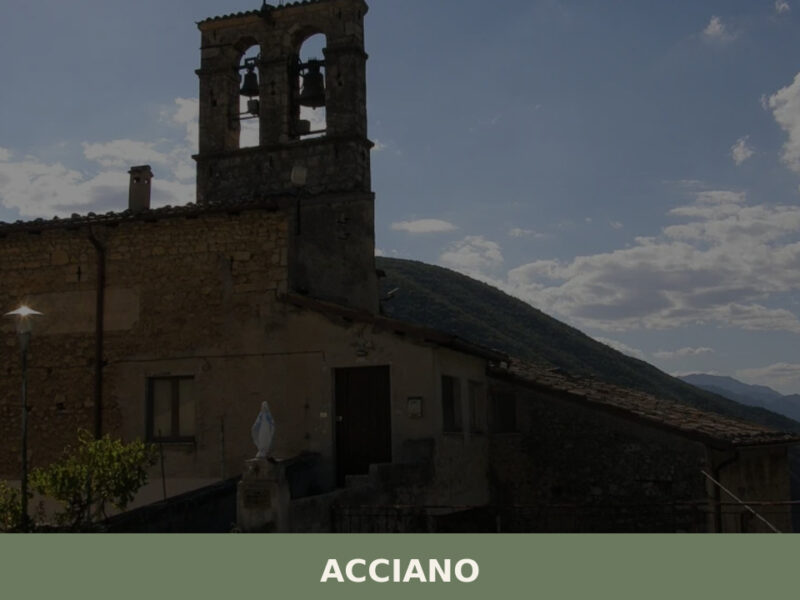
Acciano
 Mountain
Morning light falls across stone walls the colour of dried wheat, and the only sound is water — a fountain somewhere below the main road, feeding a trough that has served this valley for centuries. Acciano sits in the Aterno Valley south of L’Aquila, a commune of just 339 inhabitants spread across a handful of […]
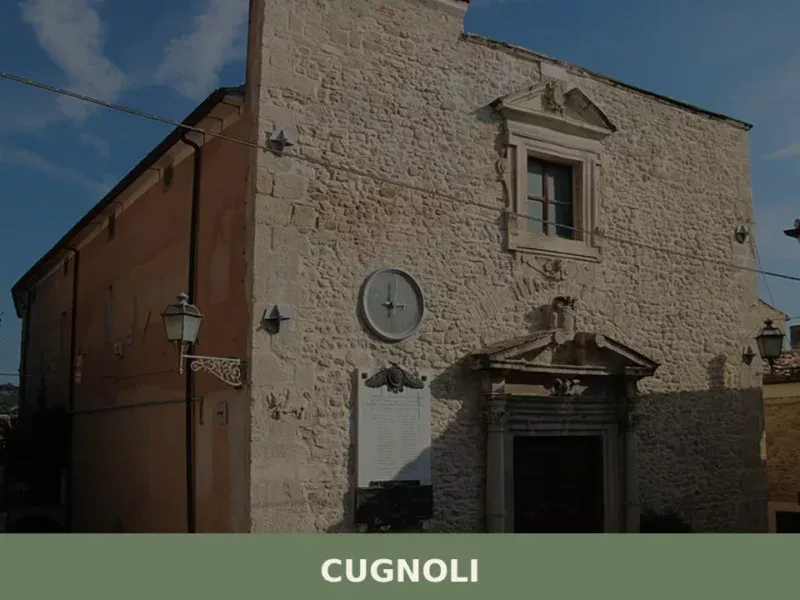
Cugnoli
 Hills
Hills
At 331 meters above sea level, in the heart of the province of Pescara, lies Cugnoli, a settlement of 1,336 residents known for its hilly location. The village, whose history dates back to Roman times, as suggested by the etymology of its name (probably from Cunula, meaning small cradle or basin), offers a direct experience […]
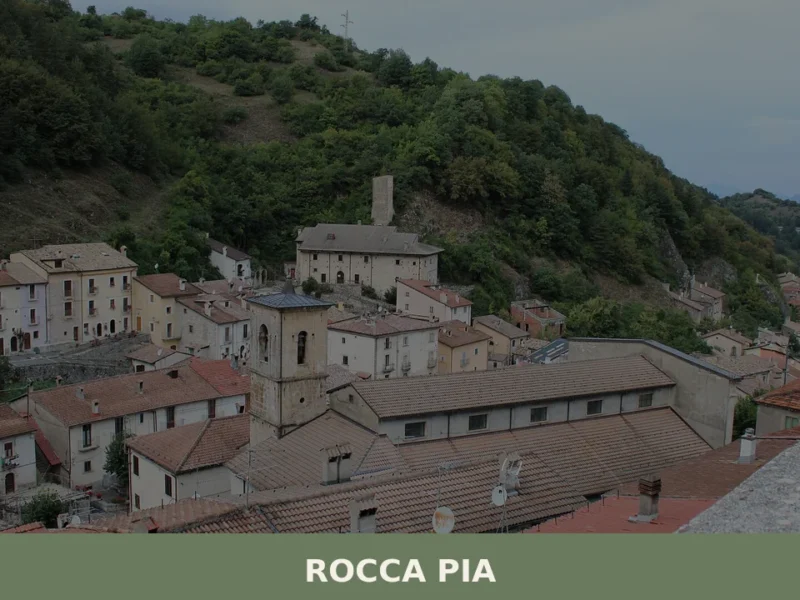
Rocca Pia
Mountain
what to see in rocca pia, Italy: Explore this Abruzzo comune near L'Aquila. Discover its territory extending to the Cinquemiglia Plain. Read our guide.
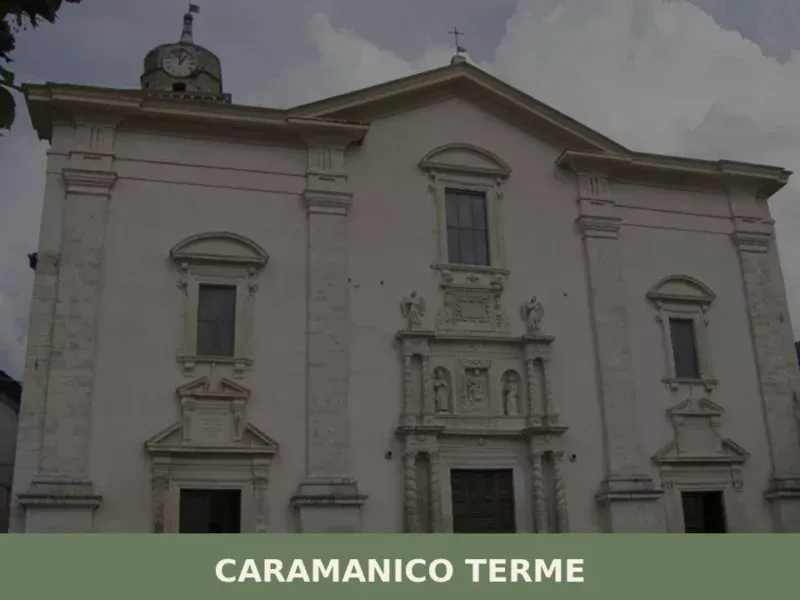
Caramanico Terme
Mountain
The sulphurous waters of Caramanico have been documented since the 16th century, when the earliest medical treatises recorded their therapeutic properties. Today the village has 1,779 inhabitants and sits at 600 metres above sea level in the Orfento valley, a canyon carved into the eastern side of the Majella massif, in the province of Pescara. […]
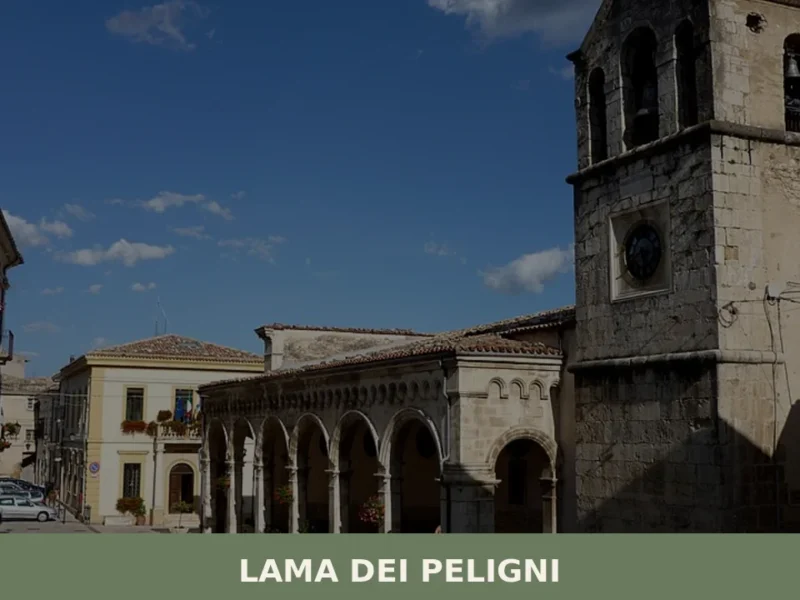
Lama dei Peligni
Mountain
What to see in Lama dei Peligni: village at 669 m, Grotta del Cavallone, Majella National Park trails and arrosticini PAT. Plan your visit with this complete guide.
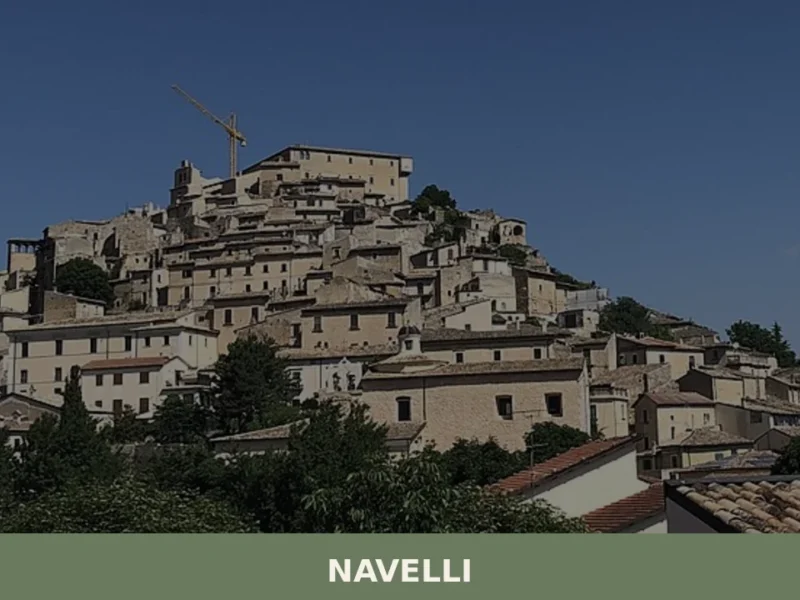
Navelli
Mountain
Navelli has a current population of 537 and occupies a plateau at 760 metres above sea level on the homonymous highland, in the province of L’Aquila. Saffron cultivation in this area has been documented since at least the 13th century, when the spice became a trade commodity destined for the markets of Milan, Venice and […]
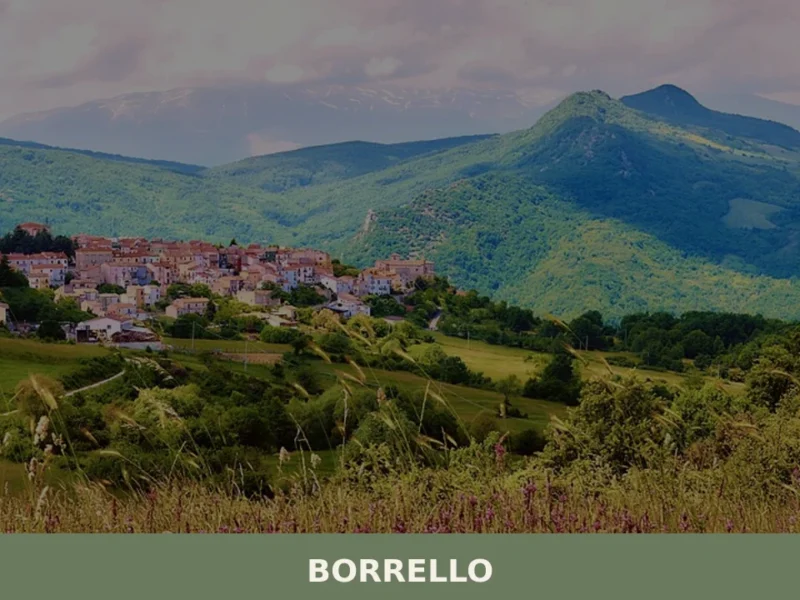
Borrello
Mountain
At 804 metres above sea level, on the eastern slope of the Majella massif, 338 inhabitants watch over a settlement that in the eighteenth century counted more than two thousand residents. Anyone looking into what to see in Borrello will find a territory shaped more by geology than by human hands: the Cascate del Verde, […]

Castel Frentano
Hills
What to see in Castel Frentano, Italy: 5 top attractions, bocconotto dessert, 14th-century walls & WWII history. Discover this Chieti province village in Abruzzo.
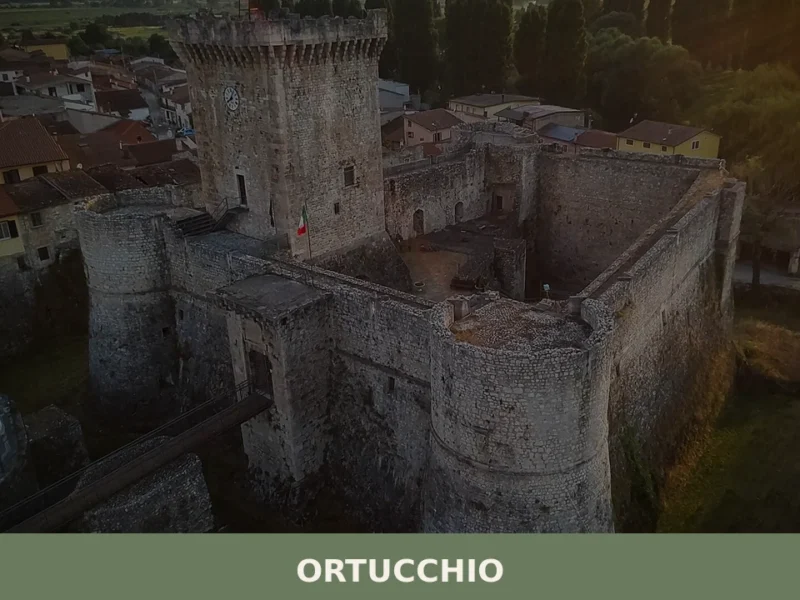
Ortucchio
Mountain
Ortucchio, a distinctive village in Abruzzo, Italy, is situated at an elevation of 675 meters on the southeastern side of the Fucino plain, an area historically shaped by a vast lake.
Farindola
Mountain
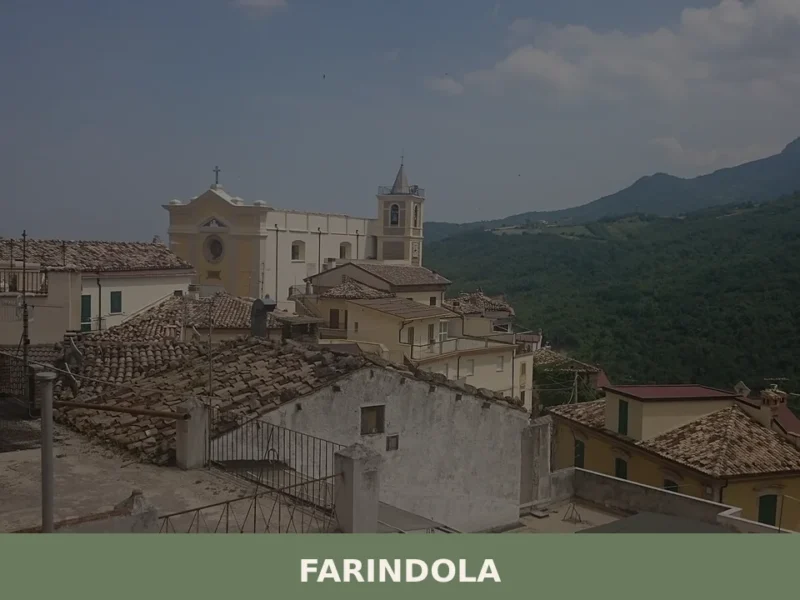
Farindola is a mountain village in the province of Pescara, perched at 540 metres on the south-eastern flanks of the Gran Sasso within the boundaries of one of Italy's great national parks.

🏡 Know Casoli better than we do?
If you’re a local or have been there, your knowledge matters: add what’s missing or fix a detail on this page.