


Langhirano
 Mountain
Population 10,916. Langhirano sits at 265 metres altitude on the slopes of Monte Milano, gateway to the Val Parma and epicentre of prosciutto production.
Langhirano: Where Parma Ham and Medieval History Meet
Stone houses cling to a gentle slope where the torrent Parma flows through a valley, the October light catching the terracotta roof tiles that rise in tiers toward Monte Milano. This is the threshold of the Apennines in Emilia-Romagna—a place where the plain surrenders to the foothills and the rhythm of the land changes entirely.
Langhirano, a comune of 10 982 inhabitants in the province of Parma, sits at 265 metres altitude and has claimed its identity through two pillars: medieval feudalism and the craft of curing ham. For centuries it was a minor outpost on the road to the mountains; today it is known for Parma ham production, celebrated in an annual festival and museum dedicated to the art, and for its role as a gateway to the Val Parma and its scattered Romanesque churches.
Names, Roots and Medieval Dominion
The origin of the name Langhirano remains uncertain. The prevailing theory derives it from the Latin Langaranus—from langaria, meaning a long, narrow strip of land—referring to the settlement’s position alongside the torrent Parma. Medieval documents suggest an alternative etymology linked to Lagorano, possibly connected to Longobard military stations (lagar) that once guarded this crucial route through the Apennine passes.
The first written evidence of the settlement dates to 1038, when a priest named Rimperto appeared in a land-sale deed. Originally a minor hamlet subject to the fortress of Castrignano and later to the nearby Mattaleto, Langhirano grew gradually in importance during the late medieval period. Its location at the mouth of the valley made it a natural site for a weekly market and a defensive outpost. In the 13th century, a fortified palazzo del capitano di giustizia was built in the centre, reflecting the need of local communal or signorial powers to administer this strategic crossroads.
Control of the territory shifted repeatedly among the region’s feudal powers. From 1376 onwards, the Rossi family held sway, rebuilding the fortress of Mattaleto; the Terzi seized it briefly after 1405; then Galeazzo da Correggio captured it for the Este lords of Ferrara in 1409. The Rossi recovered their hold after 1410, retaining dominion until 1482, when conflict forced them to yield rights to the bishop of Parma. Later, papal authority and the Pallavicini marquises of Busseto administered the territory, until 1660, when Duke Ranuccio II Farnese invested Antonio Garimberti with the title of count. The Garimberti family held these rights until Napoleonic reforms abolished feudal privileges in 1805, enabling Langhirano to become the seat of a modern municipality.
On 28 September 1911, a clash between protesters opposing military mobilization for the Libyan war and carabinieri resulted in four deaths and seven wounded—an episode that marked the village’s modern political awakening.
During the Second World War, between 1941 and 1943, Langhirano served as a location for the forced internment of fourteen foreign Jewish refugees, mostly from Sarajevo. When German occupation arrived, most managed to flee and hide; four members of the Israel family were captured on 3 December 1943 while attempting to cross the Italian border into Switzerland near Lanzo d’Intelvi. In 2020, memorial stones (stolpersteine
Sacred Architecture Across the Territory
Church of the Annunciation of Mary
The parish church at the heart of Langhirano rose originally as a Renaissance oratory between 1578 and 1579, dependent on the larger church of San Michele at nearby Mattaleto. It was later enlarged and elevated to independent parish status. The interior, rebuilt and restored several times—most recently after earthquake damage in 2008—preserves 18th-century frescoes on its barrel vault and liturgical furnishings of the same era. The single nave is flanked by two side chapels on each side.
Oratory of the Assumption
A small baroque chapel constructed in 1689, the Oratory of the Assumption features a simplified baroque style. Its monumental entrance portal is enriched with paired Ionic pilasters, scrolls and a broken semicircular pediment, while the symmetrical façade is enriched with decorative elements.
Church of San Michele at Mattaleto
First mentioned in written records in 1230, the Romanesque church at Mattaleto was wholly reconstructed in baroque style between 1715 and 1723 under architect Francesco Boetti’s direction, preserving only the original bell tower, which was heightened between 1814 and 1819. For two centuries this was the parish church for a large territory including Langhirano itself, until the Annunciation Church assumed that role. Severely damaged in the 2008 earthquake, it underwent structural reinforcement and full restoration between 2009 and 2011. Inside, barrel-vaulted ceilings decorated with 18th-century frescoes and stucco enclose paintings and furnishings from the 18th and 19th centuries.
Church of San Lorenzo at Torrechiara
San Lorenzo was destroyed and rebuilt multiple times across the centuries, shifting in architectural style over time. The 2008 earthquake damaged it again, but structural repairs were completed by 2013. The church retains a single nave with flanking chapels and houses artworks spanning centuries.
The Culture of Parma Ham
Langhirano stands at the heart of the Parma ham production zone, where the microclimate of the Apennine slopes—cool mountain winds and controlled humidity—creates the precise conditions for curing pork legs into the protected designation product known worldwide. The annual Festival of Parma Ham draws visitors and producers to celebrate the craft, while a dedicated museum documents the techniques, history and cultural significance of the curing process.
Planning Your Visit
Langhirano is accessible year-round, though spring and early autumn offer the most pleasant climate for walking the slopes and visiting the scattered churches. The village sits inland in the foothills, so there is no bathing season, but the cooler months from October through April are ideal for exploring the Val Parma and its Romanesque sacred sites without summer heat. The official website of the comune provides practical information on events, accommodation and local services.
| Departure City | Distance | Estimated Time |
|---|---|---|
| Parma (city centre) | Approximately 30 km | 35–45 minutes by car |
| Bologna | Approximately 80–85 km | Under 1 hour 15 minutes by car |
| Modena | Approximately 75–80 km | 1 hour 15 minutes by car |
The village is best explored on foot once you arrive. Park near the parish church and walk upslope to see the palazzo and medieval street layout. For visits to the Annunciation Church and the oratory, a short walk covers both. If you plan to visit the scattered hamlets and churches at Mattaleto, Arola and Torrechiara—all within the broader municipality—plan for half a day, driving between them, as they lie several kilometres apart along country roads.
Nearby villages in Parma province worth a day trip include Tizzano Val Parma, further up the valley, and Parma city itself, where the history of the region unfolds in museums, palaces and the celebrated cathedral. The Apennine foothills stretch southward toward villages such as Bardi and Albareto, each with their own feudal histories and mountain architecture.
Frequently asked questions about Langhirano
What is the best time to visit Langhirano?
October offers exceptional conditions, with light catching the terracotta rooftops beautifully. The annual Parma ham festival celebrates the village's culinary heritage during autumn. Spring and early summer provide pleasant mountain weather for exploring Val Parma's Romanesque churches and outdoor trails. Winter can be cold at 265 metres altitude, but the Apennine foothills rarely experience heavy snow.
How do I reach Langhirano by car or train?
Langhirano sits in Parma province, Emilia-Romagna. The nearest major city is Parma (approximately 30 km away). Parma railway station connects to national networks; from there, local buses or car rental reach Langhirano via regional roads leading toward the Apennine foothills. The A1 motorway serves the broader region, with Parma exits providing access to mountain routes.
What outdoor activities are available in the area?
The village serves as a gateway to Val Parma, offering hiking and cycling routes through Apennine foothills. Scattered Romanesque churches throughout the valley reward walking exploration. The torrent Parma creates scenic paths alongside the settlement. CAI-marked trails connect to broader mountain networks. The terrain transitions from plain to foothills, providing varied difficulty levels for outdoor enthusiasts.
What is Langhirano famous for besides history?
Langhirano is renowned across Europe for Parma ham (Prosciutto di Parma) production—a centuries-old craft deeply woven into local identity. A dedicated museum explores the art and tradition of ham curing. An annual festival celebrates this culinary heritage, attracting food enthusiasts and professionals. The village's microclimate and mountain location proved ideal for developing this protected designation of origin product.
How long should I plan to spend in Langhirano?
A half-day visit suffices for the village centre and Parma ham museum. A full day allows exploration of surrounding Val Parma, its Romanesque churches, and easier hiking trails. Multi-day stays enable deeper immersion in mountain scenery, gastronomic experiences, and documented outdoor routes. The village functions as a base for Apennine exploration rather than a single-attraction destination.
📷 Photo Gallery — Langhirano


In Emilia-Romagna More villages to discover
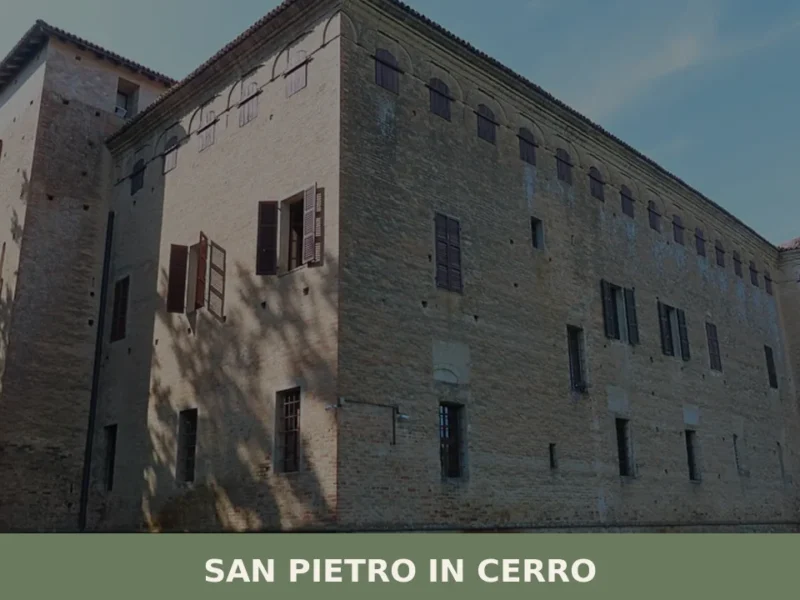
San Pietro in Cerro
 Plains
With its 769 inhabitants and an elevation of just 44 metres above sea level, San Pietro in Cerro is one of the smallest municipalities in the province of Piacenza, spread across the alluvial plain between the Arda torrent and the Po river. The fifteenth-century castle of the Barattieri counts, still standing today with its square-plan […]
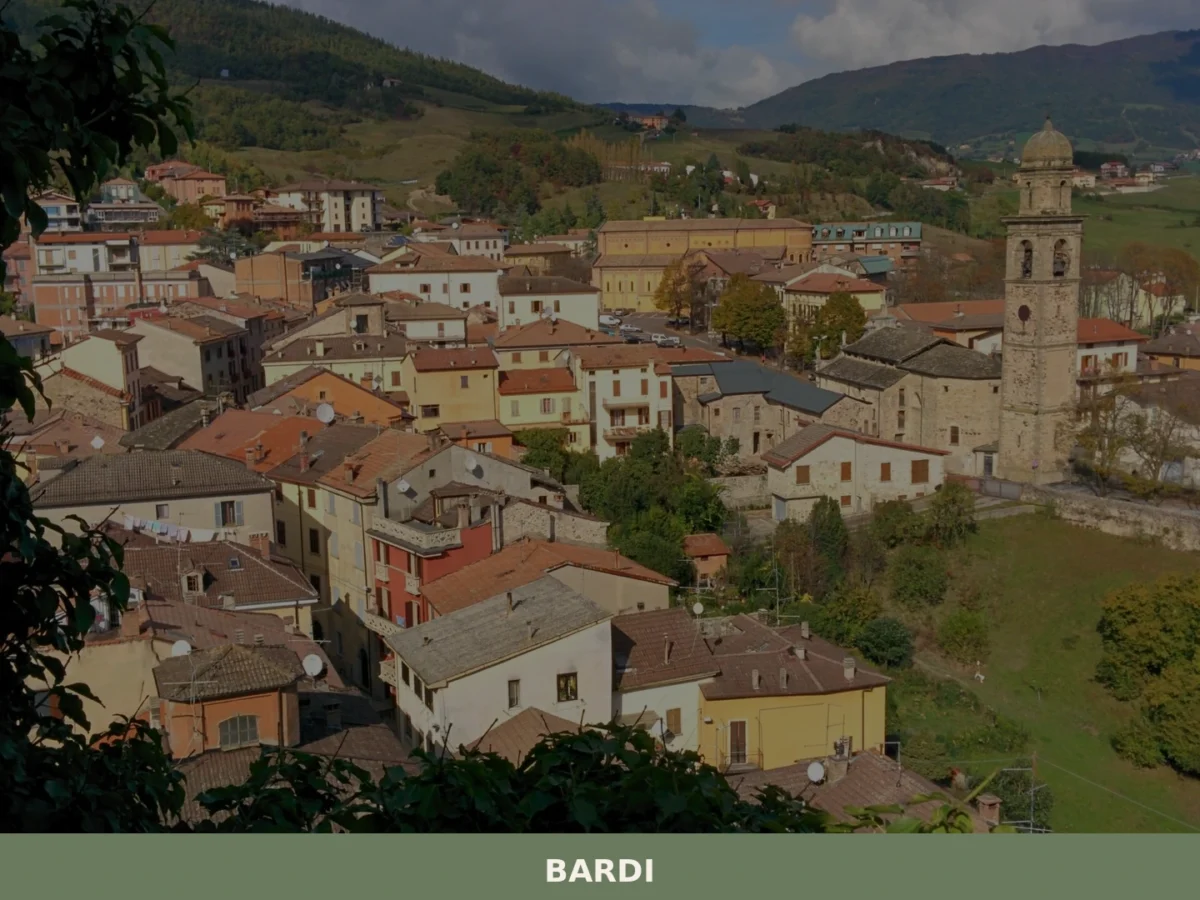
Bardi
Mountain
What to see in Bardi, Italy: Explore the Landi Castle and its 13th-century Oratory at 625 m altitude. Discover this mountain village in Emilia-Romagna.
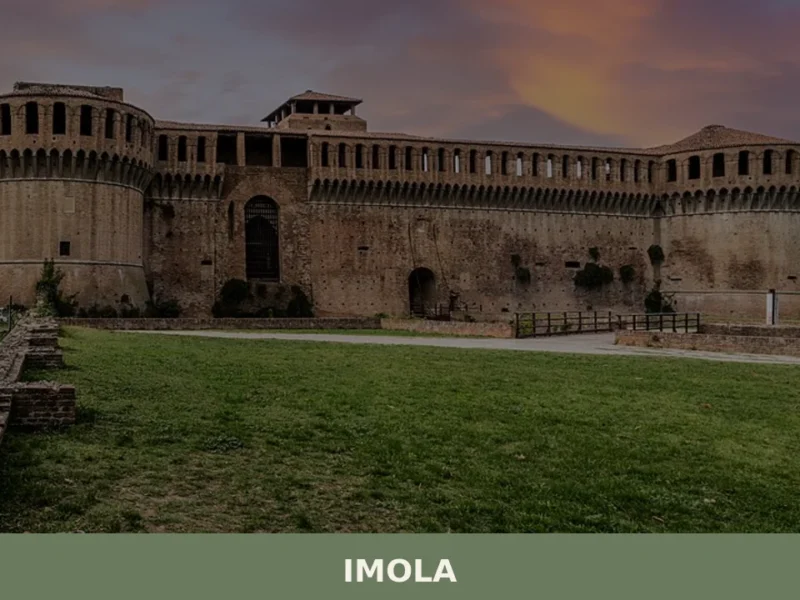
Imola
Plains
In 1953, on the track of the Autodromo Enzo e Dino Ferrari, Formula One cars raced in the Italian Grand Prix, placing Imola firmly in international motorsport history. But this city of 69,121 inhabitants, spread out at 47 metres above sea level along the banks of the River Santerno, had already existed for two thousand […]
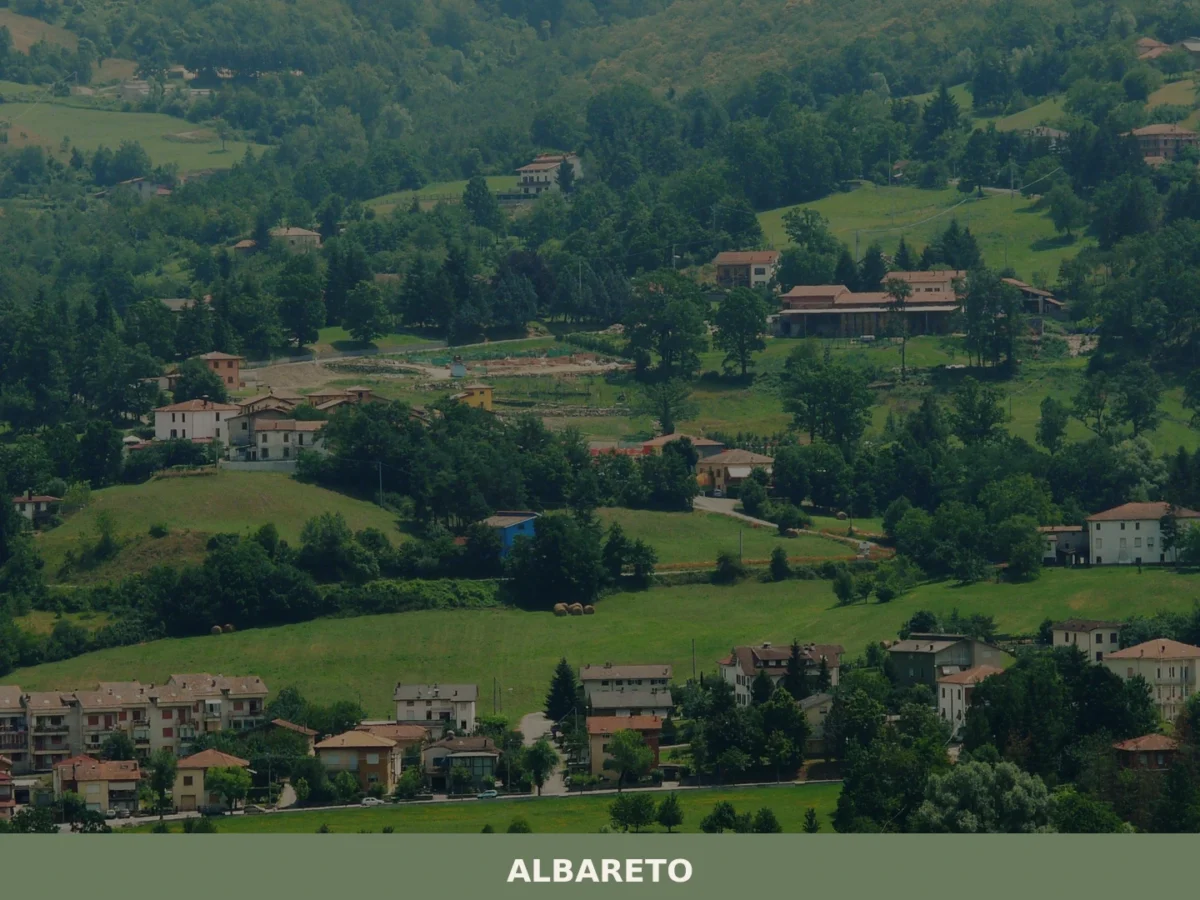
Albareto
 Hills
Hills
What to see in Albareto? Explore 5 must-see attractions and the most charming spots in this Emilia-Romagna village. Plan your visit!
Casalfiumanese
Plains
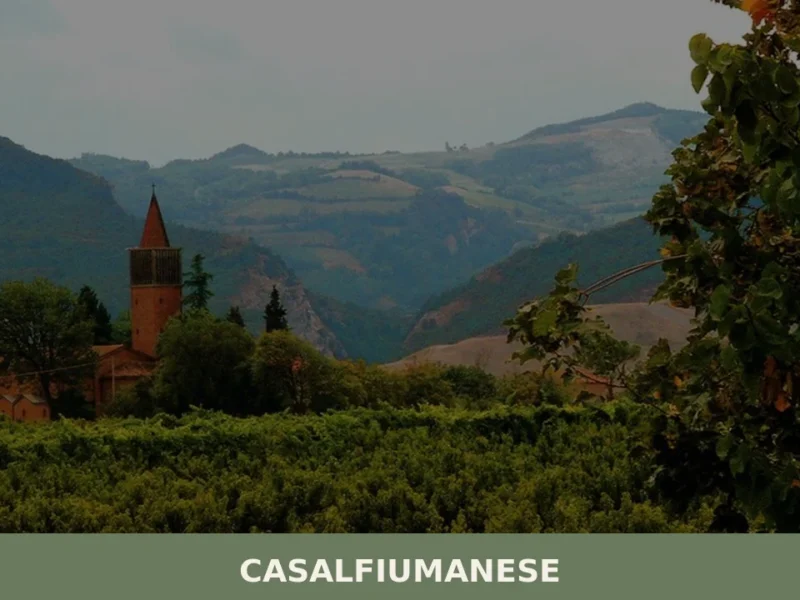
About twenty kilometres from Imola, along the valley of the Sillaro stream, the municipal territory of Casalfiumanese stretches between the lower plain and the first hills of the Bolognese Apennines, covering an elevation range from 50 to nearly 500 metres above sea level. The main town, sitting at 125 metres above sea level, has approximately […]
Castel Guelfo di Bologna
Plains
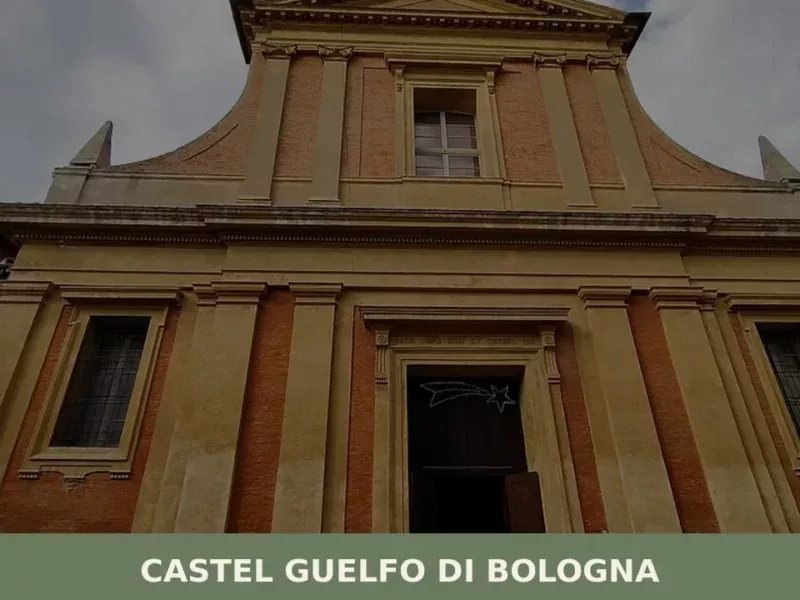
In 1388, the Council of the Six Hundred in Bologna ordered the construction of a fortress on the plain southeast of the city, along the road leading towards Romagna. That military outpost, built to defend the borders of the contado from the ambitions of the Visconti, took its name from the Guelph faction that governed […]
Alto Reno Terme
Mountain
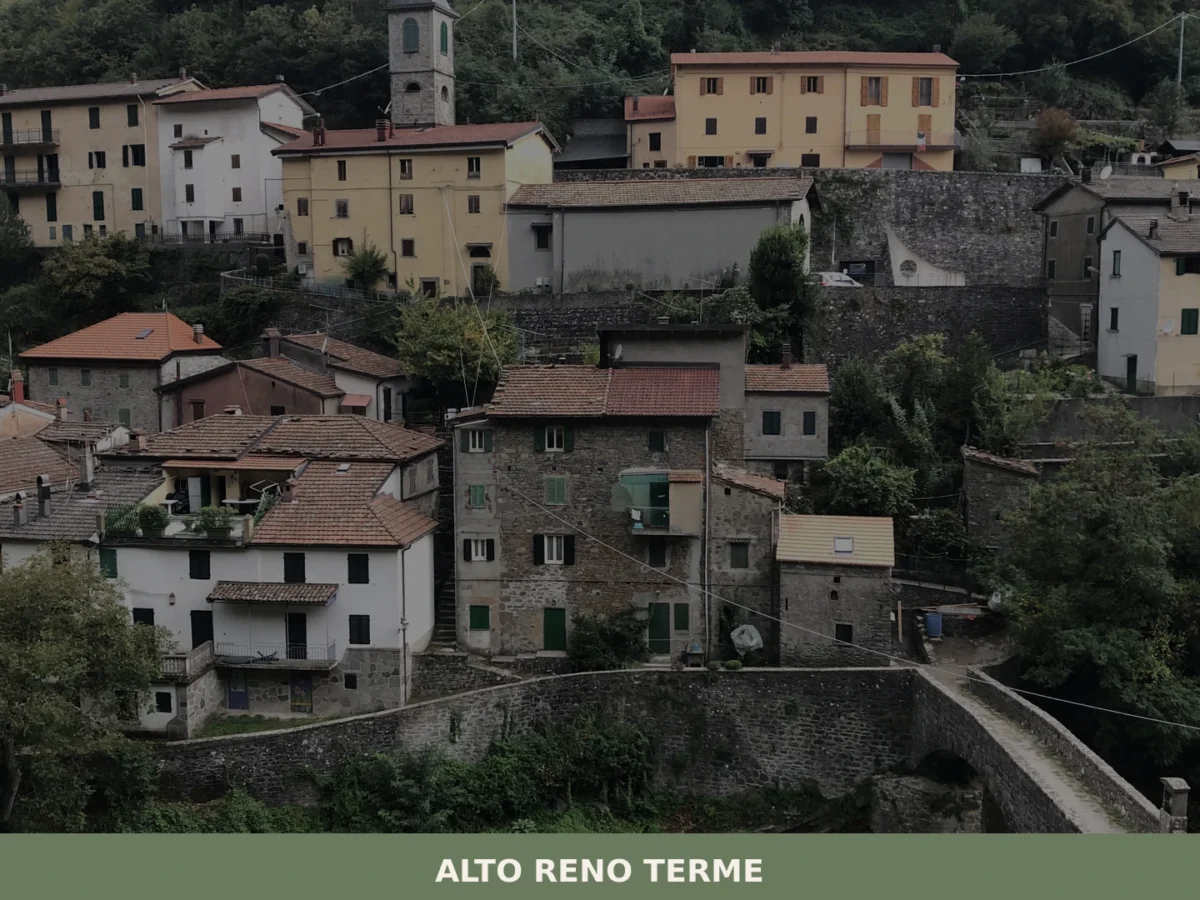
What to see in Alto Reno Terme: 5 unmissable attractions, from thermal baths and historic villages to Apennine nature. Discover the complete guide to plan your visit.
Piozzano
Hills
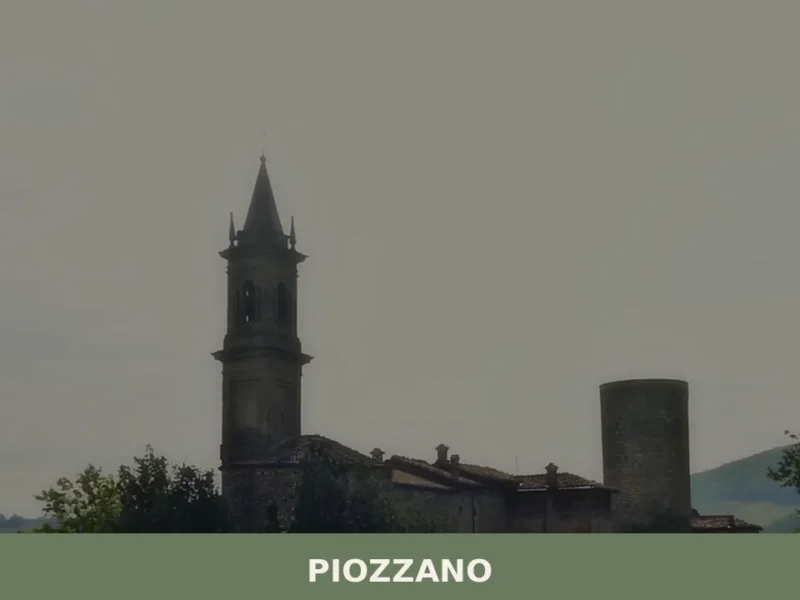
What to see in Piozzano, Italy: Explore this village of 578 inhabitants, 222 m a.s.l., near Piacenza. Discover its history and local specialties.
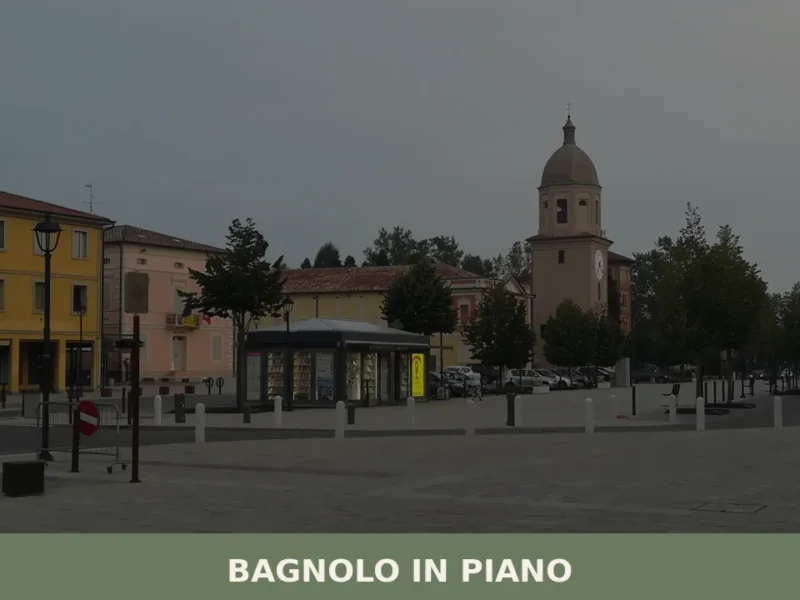
Bagnolo in Piano
Plains
What to see in Bagnolo in Piano, Emilia-Romagna, Italy: explore the medieval Torrazzo tower, the Pieve Rossa church, and local Po Valley cuisine. Discover now.
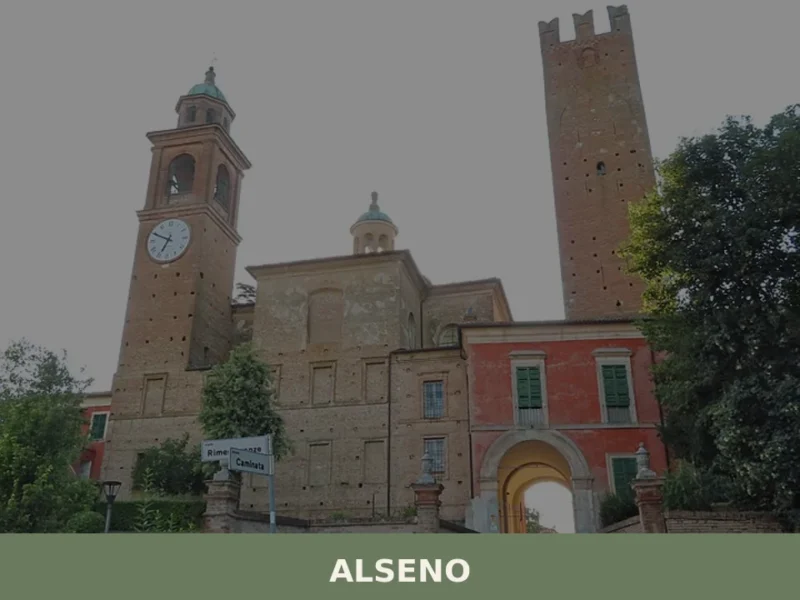
Alseno
Plains
Alseno sits at 79 metres above sea level in the province of Piacenza, on the plain crossed by the Ongina stream, a tributary of the Po. In this article History and Origins of Alseno What to See in Alseno: Main Attractions Local Food and Products of Alseno Festivals, Events and Traditions of Alseno When to […]
🏡 Know Langhirano better than we do?
If you’re a local or have been there, your knowledge matters: add what’s missing or fix a detail on this page.