


Orvieto
 Hills
Hills
Orvieto stands on a dramatic tufa mesa above the Paglia Valley, home to a great Gothic cathedral and over 3,000 years of layered history. A essential destination in southern Umbria.
Orvieto Umbria: History, Monuments, Food and Travel Tips
A city rising abruptly from the valley floor on a sheer cliff of volcanic tufa, Orvieto presents itself not gradually but all at once — a skyline of towers, a cathedral facade blazing with gold mosaic, and below it all, a labyrinth of Etruscan tunnels carved into the living rock. The plateau stretches roughly 85 hectares above the confluence of the Paglia and Chiani rivers, and every angle of approach makes clear that this place was built to be seen, defended, and remembered.
Orvieto Umbria rewards visitors with two experiences that few Italian cities can match at the same scale: one of the most complete Gothic cathedrals in existence, and a subterranean city of ancient wells, caves, and passages that runs for kilometers beneath the streets. At 325 meters above sea level, in the province of Terni at the southwestern edge of Umbria, this city of around 19,000 inhabitants sits where the Umbrian landscape meets the volcanic territory of northern Lazio.
History and Origins of Orvieto Umbria
Human presence on the tufa plateau reaches back to the Bronze Age, with ceramic fragments dating to the fifteenth and fourteenth centuries before the common era found at the base of the cliff. By the middle of the tenth century BCE, however, something more significant was taking shape: a structured urban community, estimated at several thousand inhabitants, that archaeologists associate with the Villanovan cultural phase. This was the nucleus of what would become one of the twelve city-states of ancient Etruria, identified by scholars as Velzna, known to the Romans as Volsinii. The city controlled a famous sanctuary, Fanum Voltumnae, which drew people from across Etruria each year for religious rites, games, and assemblies. Between the eighth and fourth centuries BCE, Volsinii grew into a significant commercial and artistic center, its strategic position on the mesa giving it a natural defensive advantage that shaped its entire political character.
The city’s Etruscan chapter ended violently in 264 BCE, when internal class conflict between the old aristocracy and newly empowered popular factions led the nobility to appeal to Rome. Rather than simply pacifying the city, the Romans destroyed it entirely, deporting the surviving population to a new settlement on the shores of Lake Bolsena — Volsinii Novi, the modern town of Bolsena. Ancient literary sources record that Roman forces carried off more than two thousand statues from the Etruscan sanctuaries. The plateau was not abandoned forever, though. Over the following centuries a new settlement, recorded in early medieval documents as Ourbibentos and later Urbs Vetus — Old City, the direct etymological source of the name Orvieto — grew back on the same rock.
Medieval Orvieto became a place of real political consequence. The city declared itself a free commune, receiving formal recognition from Pope Adrian IV in 1157. Through the twelfth and thirteenth centuries, its territory expanded considerably following military successes against Siena, Viterbo, Perugia, and Todi, at one point extending from the Val di Chiana to the Tyrrhenian coast near Orbetello. By the thirteenth and fourteenth centuries the population had grown to roughly thirty thousand, and the city attracted repeated stays by the papal court. On 11 August 1264, Pope Urban IV issued the bull instituting the feast of Corpus et Sanguis Domini — Corpus Christi — from Orvieto, with the liturgical office composed by Thomas Aquinas, who was then teaching at the city’s Studium. The same period witnessed the installation, in 1351, of what sources describe as the first mechanical clock with automata in Italy, the so-called Maurizio, on a tower at the corner of Via del Duomo — a device that still functions today. Internal feuding between the Guelph Monaldeschi family and the Ghibelline Filippeschi, followed by further factional conflict, gradually eroded the commune’s independence until Cardinal Egidio Albornoz brought the city under direct Church control in 1354. Orvieto remained part of the Papal States until 1860, when Piedmontese forces entered the city in September of that year and a plebiscite held in November confirmed its incorporation into the unified Kingdom of Italy.
In June 1944, as Allied forces advanced northward after the liberation of Rome, British units of the 78th Infantry Division entered Orvieto on 14 June, ending months of German occupation during which the local airfields had served as military installations for the Wehrmacht.
What to See in Orvieto: Top Attractions
Orvieto Cathedral (Duomo di Orvieto)
The cathedral dominates the central piazza with a facade covered in elaborate relief carvings, bronze doors, and gold mosaic surfaces that catch the afternoon sun with considerable force. Construction began in the late thirteenth century following the miracle of Bolsena — a eucharistic event that contributed directly to the institution of Corpus Christi — and continued across several centuries, producing a building that combines Romanesque solidity in its striped marble nave with Gothic ambition in its facade. Inside, the Chapel of San Brizio contains a celebrated cycle of frescoes depicting scenes of the Last Judgment and the end of days, among the most significant fresco cycles of the Italian Renaissance. The cathedral is a short walk from Piazza Cahen along Via del Duomo. Dress modestly for entry.
Orvieto Underground (Orvieto Sotterranea)
Beneath the street level of the city, more than 1,200 caves, tunnels, wells, and chambers have been carved into the tufa over roughly three millennia. Etruscan well-shafts descend to considerable depths, designed with a double-helix structure to allow donkeys to descend on one spiral ramp and ascend on the other without passing each other. Medieval olive presses, dovecotes, and storage chambers were later cut into the same rock. Guided tours of the most accessible sections depart regularly from near the cathedral and last approximately one hour. The temperature underground remains around 14 degrees Celsius year-round, so bring a light layer regardless of the season above ground.
Pozzo di San Patrizio (St. Patrick’s Well)
Commissioned in the sixteenth century when Pope Clement VII took refuge in Orvieto following the Sack of Rome in 1527, this well was designed to guarantee the city’s water supply under siege conditions. The engineering solution is elegant: two separate helical staircases wind down 53 meters, one for the descent of mule-drawn water carriers and one for the ascent, so that traffic never crosses. Natural light filters in through a series of windows cut into the central shaft. The well sits near Piazza Cahen, adjacent to the funicular station, and can be visited independently. The descent involves over 240 steps in each direction, so comfortable footwear matters.
Etruscan Necropolis of Crocifisso del Tufo
At the base of the tufa cliff, accessible by road from the lower town, the necropolis of Crocifisso del Tufo preserves a grid-plan cemetery of Etruscan chamber tombs dating primarily to the sixth and fifth centuries BCE. The tombs are arranged in streets, each chamber built from tufa blocks and marked with the name of the family buried within — an unusually transparent record of Etruscan social structure. Walking through the site offers a direct sense of the scale and organization of the ancient city above. Many of the grave goods recovered here are now displayed in the city’s archaeological museum. The site is generally open during daylight hours; check current admission conditions on arrival.
Palazzo dei Papi and the National Archaeological Museum
The medieval papal palace standing beside the cathedral houses the National Archaeological Museum of Orvieto, whose collections document the city’s Etruscan and Roman phases with considerable depth. Among the holdings are ceramics, votive objects, and architectural fragments recovered from the Fanum Voltumnae sanctuary area, as well as grave goods from the surrounding necropoli. The building itself reflects the period when Orvieto served as a regular residence for the papal court, with the large hall on the upper floor retaining its medieval proportions. The museum provides essential context for understanding what visitors see at surface level and underground. It sits directly on Piazza del Duomo, making a combined visit with the cathedral straightforward.
Food and Local Products of Orvieto Umbria
The territory around Orvieto produces one of Umbria’s most recognized white wines, Orvieto Classico DOC, grown on volcanic soils that extend from the tufa plateau into the surrounding hills. The wine has a long documented history — it was already being traded across central Italy during the medieval period — and ranges from dry to late-harvest sweet versions depending on the producer and the vintage. Local enoteche and wine bars along Via del Duomo and Corso Cavour stock the full range, and several producers in the surrounding countryside offer cellar visits by appointment. The volcanic soil gives the wine a mineral quality that distinguishes it from Umbrian whites grown on other terrain.
Beyond wine, the food culture of Orvieto draws heavily on the ingredients of the Umbrian interior. Umbricelli, thick hand-rolled pasta without egg, appear on most trattoria menus, typically dressed with wild boar ragù, truffle-based sauces, or simply garlic, oil, and local chili. Black truffles from the Umbrian hills feature prominently in autumn menus, appearing in pasta sauces, on bruschetta, and layered into more elaborate preparations. Pork and cured meats — prosciutto, salame, and capocollo — produced across the broader Terni province make a regular appearance on antipasto boards. The volcanic soils also support good olive cultivation; local extra-virgin oil, pressed from Moraiolo and Frantoio varieties, has a peppery finish characteristic of central Italian oils.
For visitors interested in food shopping, the covered market near Piazza del Popolo operates on weekday mornings and sells local produce, cheese, and cured meats directly from regional suppliers. Several ceramic workshops in the centro storico also sell the distinctive Orvieto pottery tradition, featuring a palette of deep yellow, green, and blue on white ground — a craft documented here since the medieval period. If you plan to take wine home, remember that Orvieto Classico in its sweet muffa nobile version, made from botrytis-affected grapes, is a relatively rare find outside the immediate area and worth seeking out before you leave. Neighboring areas worth combining with a food-focused visit include the wine country around Acquasparta and the hilltop village of Monte Castello di Vibio, both within reasonable driving distance.
When to Visit Orvieto and How to Get There
The city works well across most of the year, but late spring (May and early June) and autumn (September through November) offer the most comfortable conditions for exploring on foot. Summer brings heat to the valley below while the plateau stays somewhat cooler, but July and August also bring crowds that make the cathedral and underground tours feel congested. The feast of Corpus Domini, celebrated each year with a historical procession in period costume through the centro storico, draws visitors from across the region in late May or June depending on the liturgical calendar. The wine harvest in September and October coincides with cooler temperatures and a particularly active local food scene.
Orvieto sits directly on the main Rome–Florence rail line, making it one of the most accessible hilltop cities in central Italy for travelers without a car. From Rome Termini, high-speed services reach Orvieto station in around 75 minutes; from Florence, the journey takes approximately 2 hours. The funicular connects the lower station to Piazza Cahen at the top of the cliff, running at frequent intervals throughout the day. If you arrive by car, the A1 Autostrada del Sole has a dedicated Orvieto exit; parking areas are located at the base of the cliff near the funicular station, as private vehicles are restricted in much of the centro storico. From Terni, the provincial capital, the drive takes about 50 minutes via the SS448. Visitors combining Orvieto with smaller Umbrian villages might also consider Paciano or Fratta Todina as overnight stops along a wider Umbrian itinerary.
| Departure | Distance | Time |
|---|---|---|
| Rome (by train) | approx. 120 km | 75 min |
| Florence (by train) | approx. 180 km | 2 h |
| Terni (by car) | approx. 55 km | 50 min |
| Perugia (by car) | approx. 85 km | 1 h 10 min |
| Siena (by car) | approx. 120 km | 1 h 30 min |
Frequently asked questions about Orvieto
Come si arriva a Orvieto in treno o in auto?
In treno, Orvieto si trova sulla linea ferroviaria Roma–Firenze: dalla stazione in basso, una funicolare collega il centro storico in cima alla rupe in pochi minuti. In auto, si esce al casello Orvieto dell'Autostrada del Sole (A1), a pochi chilometri dal centro. Da Roma si percorrono circa 120 km, da Firenze circa 160 km. Il parcheggio principale è ai piedi della rupe, nei pressi della stazione della funicolare.
Quando si festeggia il Santo Patrono di Orvieto?
Il patrono di Orvieto è San Giuseppe, la cui festa liturgica ricorre il 19 marzo. In questa occasione la città organizza celebrazioni religiose e manifestazioni locali. La primavera è anche un ottimo momento per visitare Orvieto grazie alle temperature miti e alla fioritura del paesaggio umbro circostante, rendendola una delle stagioni più piacevoli per esplorare il centro storico e i dintorni.
Quanto tempo serve per visitare Orvieto?
Per una visita completa si consiglia un minimo di una giornata intera. Il Duomo e il Museo dell'Opera del Duomo richiedono almeno due ore; la visita alla Città Underground (i tunnel etruschi) aggiunge un'altra ora circa. Aggiungendo Pozzo di San Patrizio, il quartiere medievale e i belvedere sulla rupe, una seconda mezza giornata consente di apprezzare la città senza fretta.
Ci sono percorsi escursionistici o in bicicletta nei dintorni di Orvieto?
Il territorio intorno a Orvieto offre percorsi cicloturistici lungo la Valle del Paglia e sentieri collinari che attraversano vigneti e oliveti della denominazione Orvieto DOC. La Via Francigena del Sud transita nella zona, offrendo tratti a piedi ben segnalati. Il CAI locale gestisce sentieri sul comprensorio della rupe e verso i laghi vulcanici vicini, tra cui il Lago di Corbara, raggiungibile in circa 15 km dal centro.
Quali sono le principali curiosità storiche su Orvieto non legate al Duomo?
Il Pozzo di San Patrizio, scavato per volere di Papa Clemente VII tra il 1527 e il 1537 su progetto di Antonio da Sangallo il Giovane, è profondo 53 metri e dotato di due scale elicoidali sovrapposte che non si incrociano mai, permettendo agli asini di scendere e salire contemporaneamente senza ostacoli. Fu concepito per garantire l'approvvigionamento idrico della città in caso di assedio, dopo la fuga del papa da Roma durante il Sacco.
📷 Photo Gallery — Orvieto


In Umbria More villages to discover
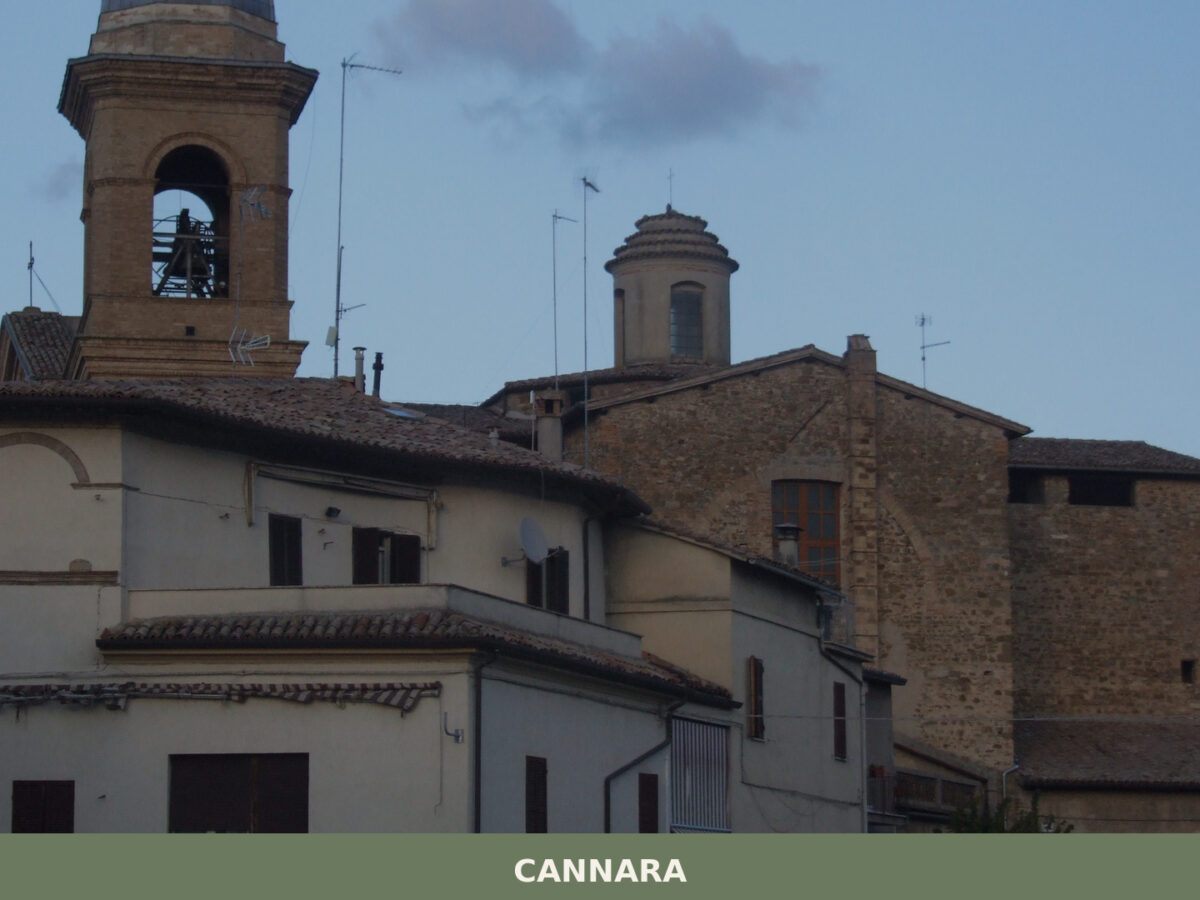
Cannara
 Plains
What to see in Cannara, Umbria, Italy: Roman ruins, medieval churches, and the Festa della Cipolla. Population 4,341. Discover top attractions and how to get there.
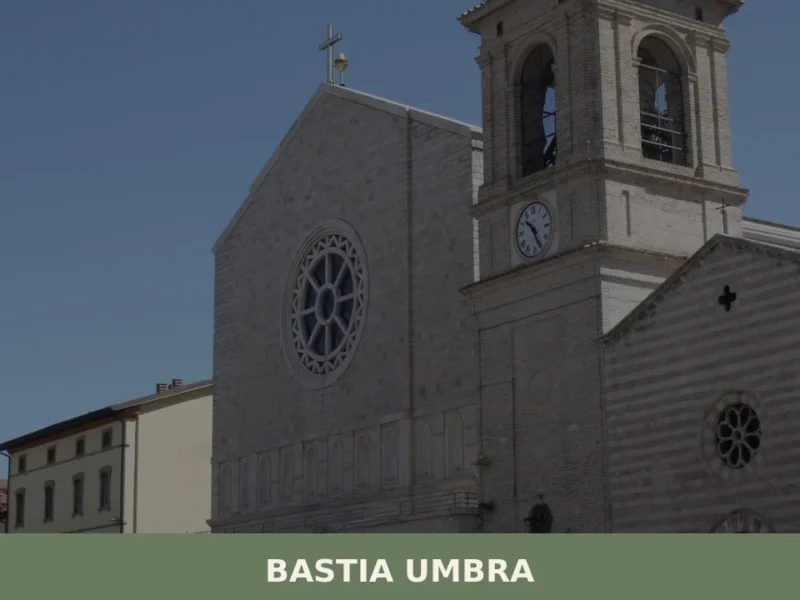
Bastia Umbra
Hills
What to see in Bastia Umbra, Italy: 5 top attractions, local food, and how to get there. Explore a plains town 13 km from Perugia with 21,965 inhabitants.
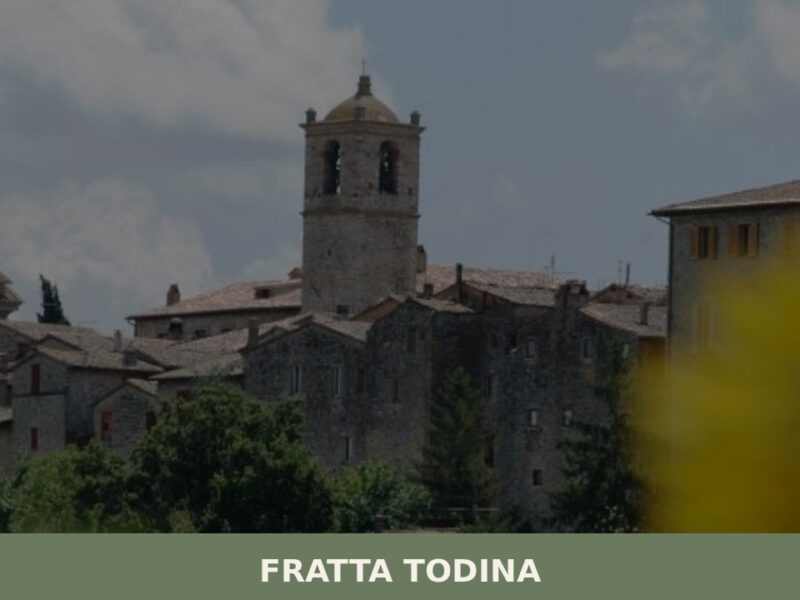
Fratta Todina
Hills
Morning light falls across a line of stone façades, turning the tufa walls the colour of raw honey. A church bell marks the hour from somewhere above the rooftops, its sound carrying across the Tiber valley below. Fratta Todina sits on a low hill in the province of Perugia, home to just 1,817 residents — […]
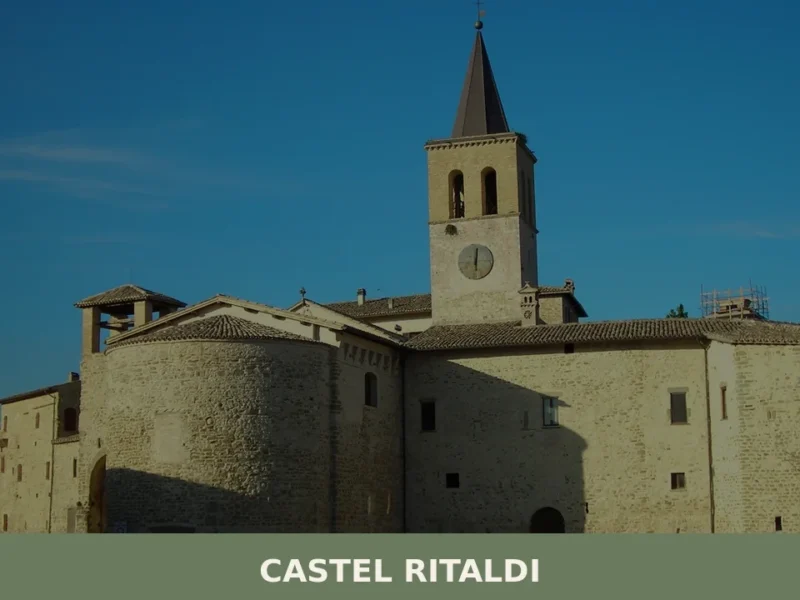
Castel Ritaldi
Hills
What to see in Castel Ritaldi, Italy: 5 top attractions, local food, and travel tips for this Umbrian village at 297 m. Discover frescoes, medieval churches & more.
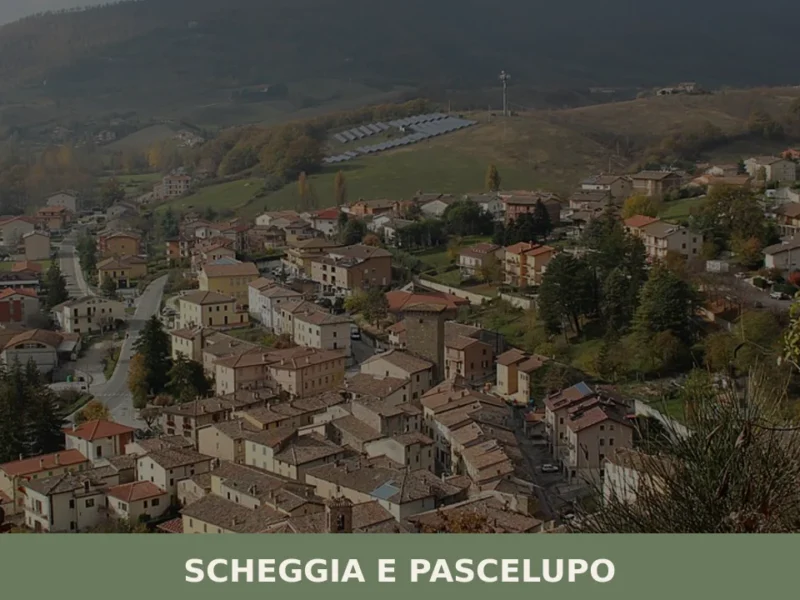
Scheggia e Pascelupo
Hills
Scheggia e Pascelupo sits at 580 metres above sea level along the ancient Via Flaminia, the Roman consular road that connected Rome to Rimini from 220 BC. The municipality, formed by merging two distinct settlements in 1879, counts 1,232 inhabitants across a territory of deep gorges and limestone ridges in the province of Perugia. For […]
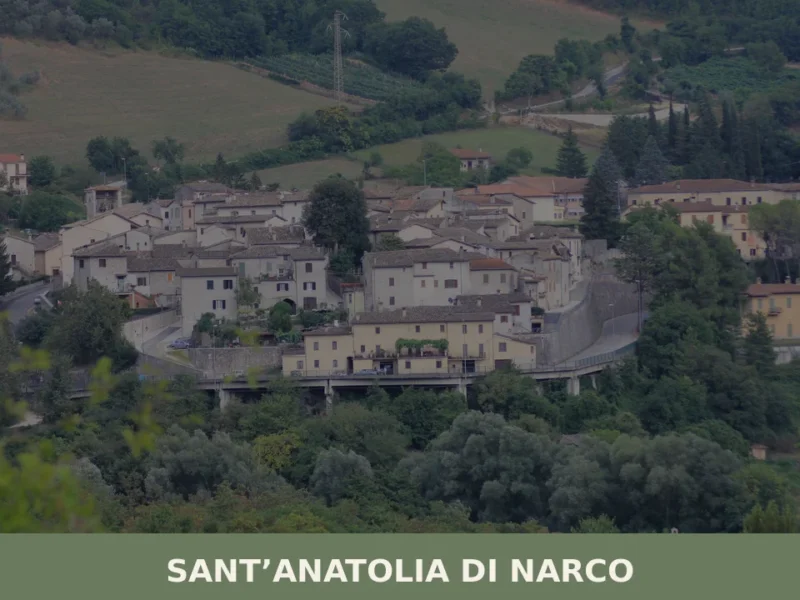
Sant’Anatolia di Narco
Plains
In 1213, a document from the Abbey of San Felice recorded for the first time the castrum of Sant’Anatolia, a fortified settlement on the left bank of the River Nera in the southern Valnerina. Today the municipality has 555 inhabitants spread between the main village and a handful of hamlets scattered across the wooded slopes […]
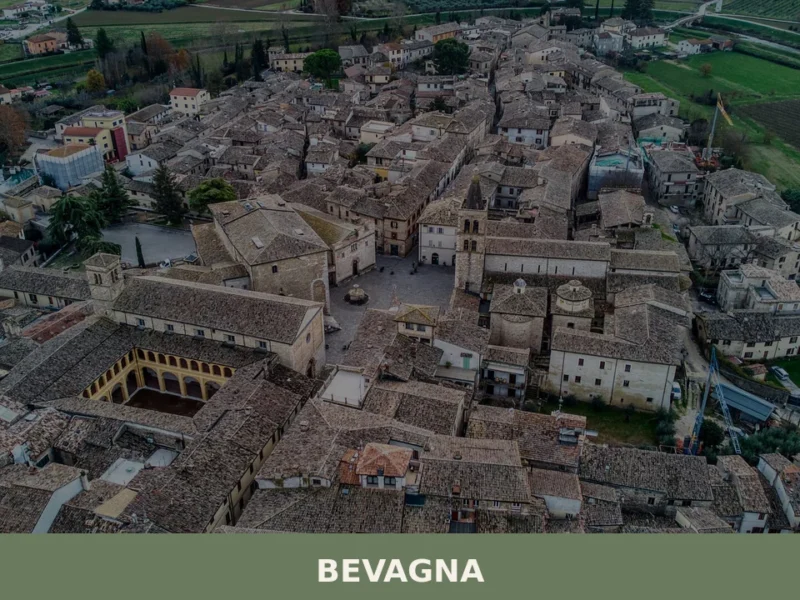
Bevagna
Hills
What to see in Bevagna, Umbria, Italy: explore 5 key attractions, Romanesque churches, Roman ruins, and local food. Population 5,130. Discover the full guide.
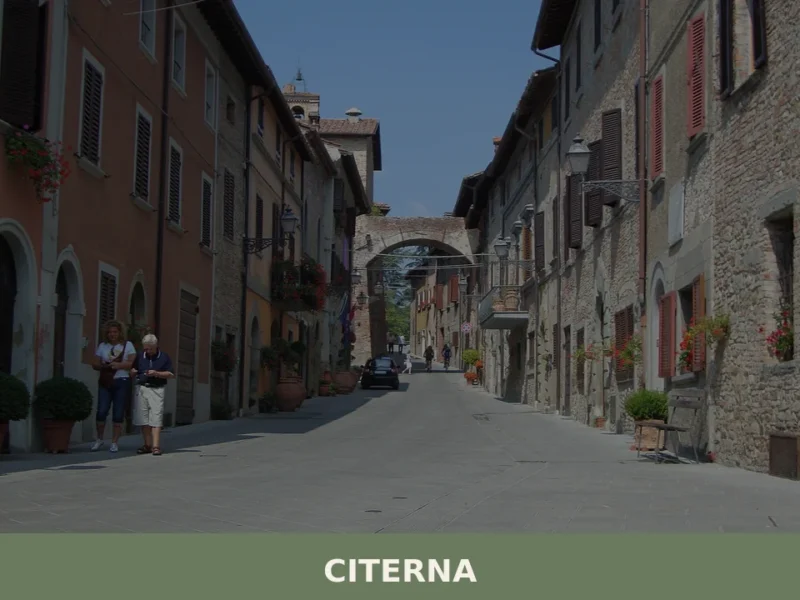
Citerna
Hills
What to see in Citerna, Umbria, Italy: explore 5 top attractions, a Donatello terracotta, and the medieval walls at 480 m. Discover the full travel guide.
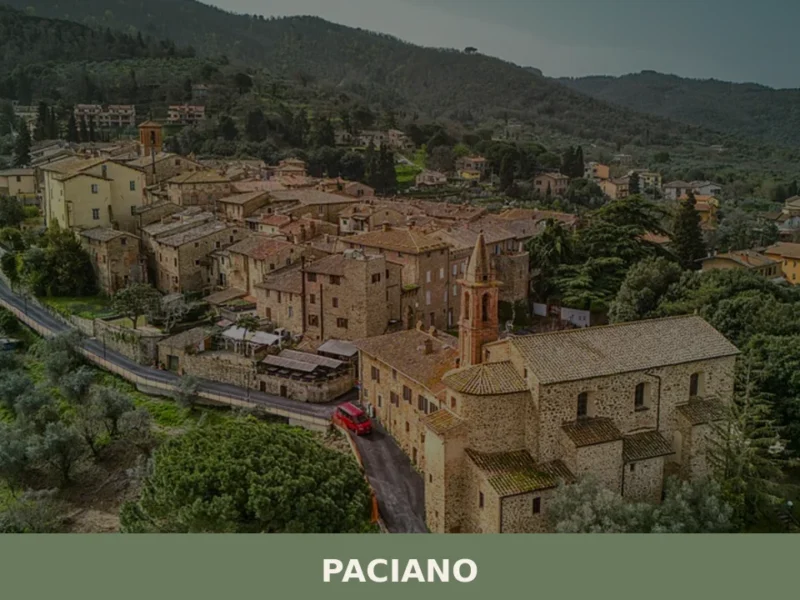
Paciano
Hills
As the early morning mist begins to lift from the rolling hills, a faint scent of woodsmoke and damp earth hangs in the air. The first rays of sunlight strike the ancient stone of Paciano, illuminating a quiet street where a lone figure sweeps the flagstones outside a modest doorway. Here, life unfolds with a […]
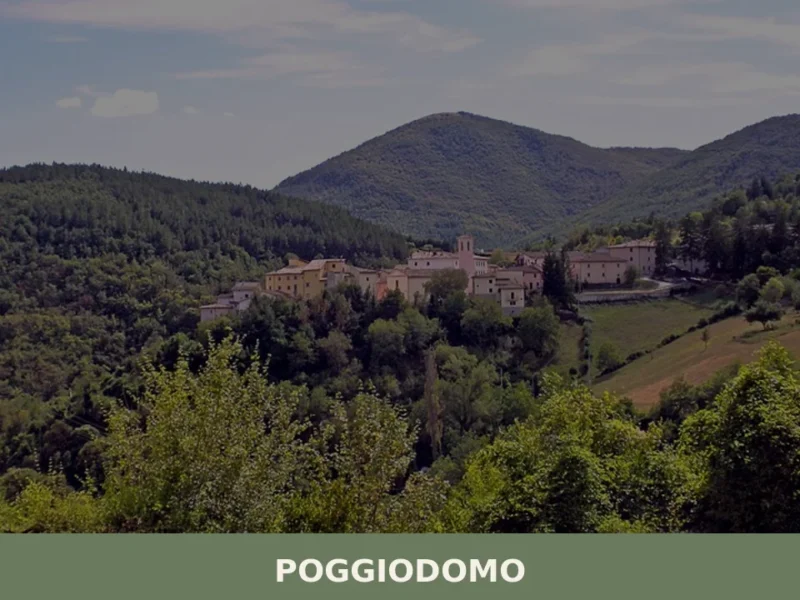
Poggiodomo
 Mountain
What to see in Poggiodomo, Italy? Explore this Umbrian village, situated at 974 m, and discover the historic Church of San Carlo Borromeo and the Hermitage of Madonna della Stella.



🏡 Know Orvieto better than we do?
If you’re a local or have been there, your knowledge matters: add what’s missing or fix a detail on this page.