


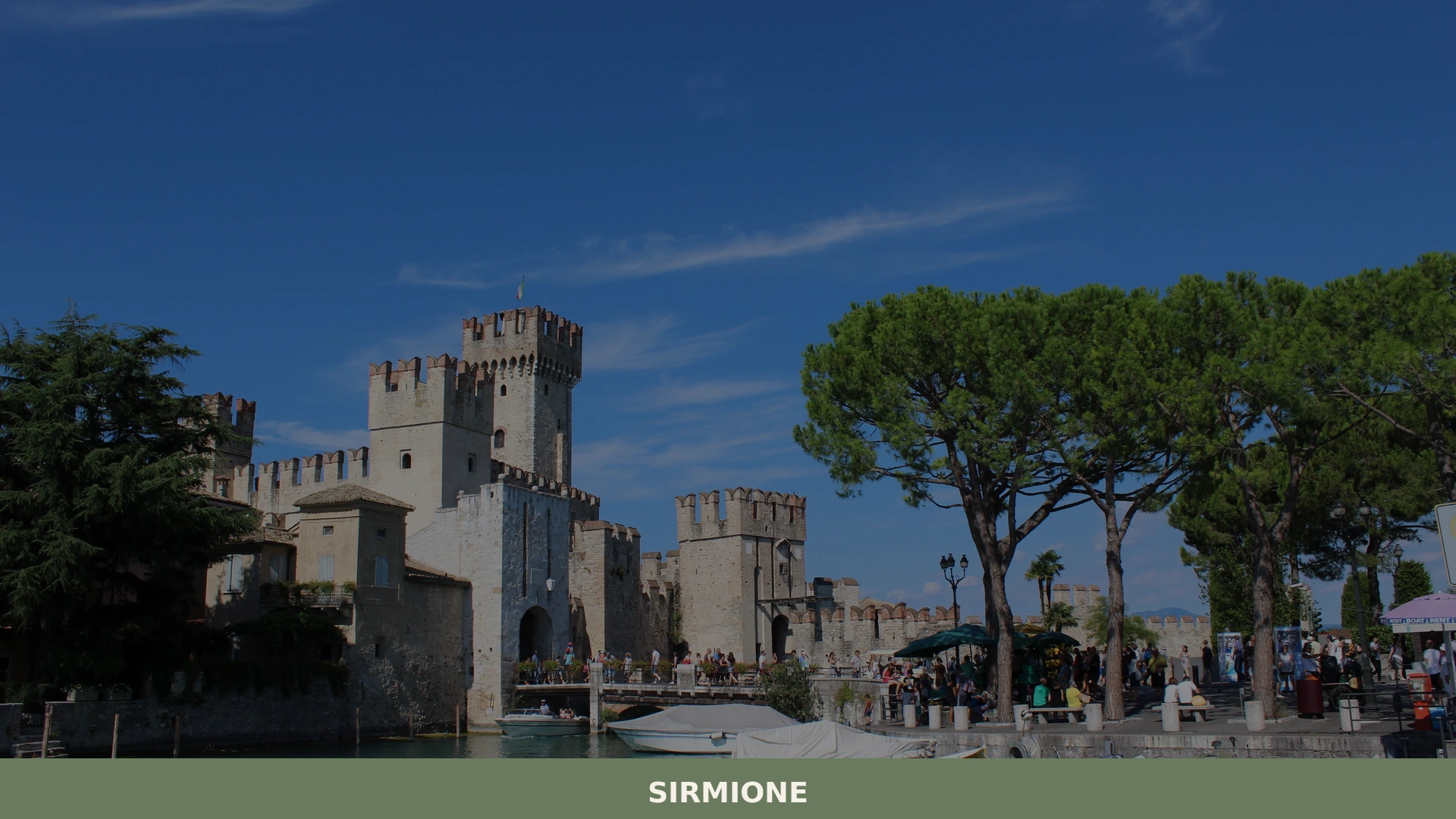
Sirmione
 Lake
Lake
 Plains
What to see in Sirmione, Italy: Explore the Scaligero Castle and Grottoes of Catullus in this Lombard village of 8,248 residents. Read our guide to planning your visit.
Discover Sirmione
The Sirmio peninsula extends into the lower part of Lake Garda, creating a natural division in the water and forming the distinctive setting for Sirmione. This strategic location, characterized by its narrow land bridge and surrounding lake, has attracted human settlement for millennia, with the earliest traces dating back to the 6th–5th millennia BC.
The landscape here combines the gentle plains of Lombardy with the expansive freshwater body of the lake, influencing both its historical development and its enduring appeal.
For those wondering what to see in Sirmione, this historic comune, home to 8,248 inhabitants, presents a rich tapestry of attractions, from ancient Roman villas to medieval fortifications.
Visitors to Sirmione find architectural marvels like the imposing Scaligero Castle and the extensive ruins of the Grottoes of Catullus, offering a direct link to its layered past. A comprehensive exploration of Sirmione, Lombardia, Italy, reveals a destination where history and natural beauty converge, providing numerous compelling reasons for a visit.
History of Sirmione
The first evidence of human presence on the Sirmio peninsula dates to the 6th–5th millennia BC, indicating a long history of occupation in this fertile region. By the 3rd and 2nd millennia BC, organized settlements on palafitte, or pile dwellings, were established, a fact underscored by the prehistoric settlement at Lugana Vecchia being recognized as part of the UNESCO World Heritage Site “Prehistoric Pile dwellings around the Alps.” This early habitation laid the groundwork for the area’s later significance as a favored locale.
During the 1st century BC, the Lake Garda region, including Sirmione, became a sought-after retreat for affluent Roman families from Verona, then a prominent city in north-eastern Italy.
The renowned poet Catullus, who lived between approximately 84 and 54 BCE, famously celebrated the area’s beauty and noted his family’s ownership of a villa here.
By the late Roman era, specifically the 4th–5th centuries AD, Sirmione had transformed into a crucial fortified stronghold, safeguarding the southern shores of the lake against incursions. A settlement persisted even after the Lombard conquest of northern Italy, with Sirmione serving as the capital of a judiciary district directly answering to the king during the latter years of the Lombard kingdom. Ansa, the wife of King Desiderius, further cemented the town’s importance by establishing a monastery and a church within its bounds.
Around the year 1000, Sirmione likely functioned as a free comune, governing itself autonomously before falling under the control of the Scaliger family in the early 13th century. Mastino I della Scala is widely credited with initiating the construction of the formidable castle that still dominates the peninsula’s entrance.
During this period, Sirmione also offered sanctuary to Patarine heretics, reflecting its strategic isolation and defensive capabilities.
The town’s military role remained significant until the 16th century, with a standing garrison maintained in the castle until the 19th century. Sirmione then transitioned into a possession of the Venetian Republic from 1405 until 1797, when it was annexed by the Habsburg Empire, finally becoming part of the newly unified Kingdom of Italy in 1860.
What to see in Sirmione, Lombardia: top attractions
Grottoes of Catullus
The extensive ruins of the Grottoes of Catullus represent the most impressive example of a Roman private residence discovered across northern Italy. Spread across the northern tip of the Sirmio peninsula, these remains reveal a monumental structure with a rectangular footprint measuring 167 by 105 metres (548 ft by 344 ft). Visitors can wander through vast foundations, grand arcades, and what were once thermal baths, gaining a clear sense of the villa’s immense scale and luxurious design.
The site offers panoramic views of Lake Garda, illustrating why this location was so highly prized by Roman elites, including the poet Catullus whose family owned a villa in the area in the 1st century BC.
Scaligero Castle
Standing guard at the entrance to the Sirmio peninsula, the Scaligero Castle is a rare and remarkably preserved example of a medieval port fortification, originally utilized by the powerful Scaliger fleet.
Construction of this imposing complex commenced in 1277 under the direction of Mastino I della Scala. Its design features the distinctive Ghibelline swallowtail merlons along its battlements and robust curtain-walls, constructed from alternating layers of pebbles and two horizontal bands of brick courses. The castle is entirely surrounded by a moat, accessible only via two drawbridges, and houses a small museum within its main room, displaying local finds from the Roman era alongside a selection of medieval artifacts, providing context to its 13th-century origins and subsequent military role until the 19th century.
Church of Sant’Anna della Rocca
Adjacent to the imposing Scaligero Castle stands the small, unassuming Church of Sant’Anna della Rocca, a structure dating back to the 12th century.
This church primarily served the castle’s garrison and the few local villagers residing within the fortified area. Despite its modest size, the interior features a collection of frescoes that span from the 14th to the 17th century, offering a glimpse into the artistic and devotional practices of past centuries. Its proximity to the main fortification highlights its role as a spiritual center for those living and working within the castle’s protective embrace, providing a quiet space for contemplation next to a site of military power.
Church of San Pietro in Mavino
Secluded on a hill away from the main town, the Church of San Pietro in Mavino carries a deep historical resonance, having been originally built during the Lombard period around AD 765.
Though significantly renovated in the early 14th century, evidenced by a brick wall at the portal dated 1320, its Romanesque bell tower still stands from 1070.
The name “Mavino” derives from the Latin phrase in summas vineas, signifying its location “up in the vineyards.” Inside, the church maintains a rectangular plan with an east–west orientation and features a chancel with three apses; the central apse depicts a Christ Pantocrator in the Byzantine tradition, while the left shows a Madonna Enthroned and the right a Crucifixion. The wooden beam ceiling and frescoes dating from the 12th to 16th centuries further enrich its ancient atmosphere. This church, which once served as a military hospital, with its surroundings as a cemetery for plague victims, offers a poignant reflection on centuries of local life.
Church Santa Maria Maggiore
Located centrally within Sirmione’s historic core, the Church Santa Maria Maggiore dates from the late 15th century and occupies the site of an even older Lombard church, San Martino, from the second half of the 8th century. This rectangular church features a single nave divided by three arches and culminates in a polygonal apse, oriented east–west. The interior is adorned with frescoes from the early 15th century, with some on the bottom of the north wall belonging to an earlier period, indicating a continuous artistic tradition.
Of particular note is a contemporary wooden statue of the Madonna Enthroned, which draws the eye.
The church’s location and layered history make it a key point of interest for those exploring what to see in Sirmione‘s town center.
Local food and typical products of Sirmione
The provided sources do not offer specific details regarding the local gastronomic traditions, typical dishes, or certified products of Sirmione. Therefore, it is not possible to describe particular ingredients, cooking techniques, or food fairs based solely on the available information. Visitors are encouraged to explore the broader culinary landscape of Lombardia, which is known for its diverse regional specialties.
Festivals, events and traditions of Sirmione
Sirmione observes its most significant annual tradition on August 5th, celebrating the feast day of its patron saint, Nostra Signora della Neve (Our Lady of the Snow). This religious observance typically involves local processions and community gatherings, reflecting centuries of devotion.
While specific details about how the celebration unfolds, such as particular rituals, music, or fireworks, are not provided in the sources, the date remains a fixed point in the village calendar, bringing residents together in honor of their patron.
Beyond the patron saint’s feast, the provided information does not detail other specific festivals, recurring events, or unique traditions that take place in Sirmione throughout the year.
The focus of the available historical records and attractions is primarily on the architectural and archaeological heritage. For those seeking cultural events, it is advisable to check local tourism resources closer to their visit for any contemporary happenings in the Sirmione, Lombardia area.
When to visit Sirmione, Italy and how to get there
The best time to visit Sirmione, Italy, and indeed the broader Lombardia region, generally falls during the spring (April to June) and early autumn (September to October). During these periods, the weather is pleasantly mild, making it ideal for exploring the outdoor archaeological sites and walking through the historic centre without the intense heat or larger crowds of peak summer.
These seasons offer comfortable conditions for all types of visitors, whether they are interested in historical exploration or simply enjoying the lakeside atmosphere.
Sirmione is readily accessible for a day trip from several major Italian cities, particularly those in northern Italy. For those arriving by car, Sirmione is conveniently located near the A4 motorway, with exits that lead directly to the peninsula.
The nearest major train station is in Desenzano del Garda, approximately 8 km (5 mi) away, which is well-connected to regional and national rail networks. From there, local buses or taxis provide easy transfers to Sirmione. Milan, a significant transport hub, is approximately 130 km (81 mi) to the west, making Sirmione an excellent option for a day excursion. The closest major airport is Verona Villafranca Airport (VRN), situated about 35 km (22 mi) from Sirmione, offering connections to various European cities.
Travelers can also consider Bergamo Orio al Serio Airport (BGY), roughly 90 km (56 mi) away, or Milan Linate (LIN) and Milan Malpensa (MXP) airports, further afield but with extensive international routes.
For international visitors planning their trip to Sirmione, it is practical to note that while English is commonly understood in tourist-oriented establishments, carrying some Euros cash can be useful for smaller shops or local markets. Familiarizing oneself with basic Italian phrases can also enhance the experience. Further information on local services and events can be found on the official Sirmione municipality website.
For those keen to explore more of Lombardia’s diverse offerings, consider extending your trip to discover other charming villages such as Azzate or Brinzio, which offer different perspectives on the region’s rich heritage and natural beauty. Additionally, the serene atmosphere of Bedero Valcuvia provides a contrast to the lakeside bustle, or you might find the rural charm of Bregano equally appealing.
Photo Gallery of Sirmione
Frequently asked questions about Sirmione
What is the best time to visit Sirmione?
The ideal times to visit Sirmione are spring (April to June) and early autumn (September to October). During these months, the weather is pleasantly mild, perfect for exploring outdoor archaeological sites like the Grottoes of Catullus and walking through the historic center, avoiding the intense heat and larger crowds of peak summer. If you visit on August 5th, you can also experience the feast day of Sirmione's patron saint, Nostra Signora della Neve, which is celebrated with local processions and community gatherings.
What are the historical origins of Sirmione?
Sirmione boasts a rich history dating back to the 6th–5th millennia BC, with evidence of early settlements and later UNESCO-recognized pile dwellings. Its strategic position made it a favored retreat for Roman elites, including the poet Catullus, and later a crucial fortified stronghold in the late Roman era. It served as a Lombard capital, a free comune, and was controlled by the Scaliger family, who built the iconic castle. The town then passed through Venetian and Habsburg hands before joining the Kingdom of Italy in 1860, leaving behind a layered historical legacy visible today.
What to see in Sirmione? Main monuments and landmarks
Sirmione offers several compelling historical attractions. Don't miss the **Grottoes of Catullus**, extensive Roman villa ruins offering panoramic lake views. The imposing **Scaligero Castle**, a remarkably preserved medieval port fortification, guards the peninsula's entrance and houses a small museum. Explore the historic churches: the small **Church of Sant'Anna della Rocca** adjacent to the castle, the ancient **Church of San Pietro in Mavino** with its 8th-century origins and frescoes, and **Church Santa Maria Maggiore** in the historic core, dating from the late 15th century. All these sites are generally accessible for visitors exploring Sirmione's rich past.
Where to take the best photos in Sirmione?
For stunning photographs in Sirmione, the **Scaligero Castle** at the entrance of the peninsula is a must-capture, especially with its distinctive Ghibelline merlons and moat. Its imposing presence against the lake provides iconic shots. Another prime location is the **Grottoes of Catullus** at the northern tip, which offers breathtaking panoramic views across Lake Garda, perfect for capturing the expansive freshwater body and the surrounding landscape. The historic streets within the fortified town also provide charming opportunities for memorable photos.
Are there museums, churches or historic buildings to visit in Sirmione?
Yes, Sirmione is rich in historical sites. The **Scaligero Castle** not only serves as a formidable medieval fortification but also contains a small museum showcasing Roman and medieval artifacts. You can visit several historic churches, each with unique character: the 12th-century **Church of Sant'Anna della Rocca** near the castle, the ancient **Church of San Pietro in Mavino** with its Lombard origins and 12th-16th century frescoes, and the centrally located **Church Santa Maria Maggiore** from the late 15th century. The monumental ruins of the **Grottoes of Catullus** also offer a profound glimpse into a luxurious Roman past. These sites are generally open to the public for exploration.
What can you do in Sirmione? Activities and experiences
In Sirmione, visitors can immerse themselves in historical exploration by visiting the **Grottoes of Catullus** and the **Scaligero Castle**, which offer insights into Roman and medieval history. Strolling through the charming historic center and exploring its ancient churches like **San Pietro in Mavino** and **Santa Maria Maggiore** is also a popular activity. Beyond history, the village offers the pleasant experience of simply enjoying the picturesque **lakeside atmosphere** of Lake Garda, perfect for leisurely walks and appreciating the unique peninsula setting.
Who is Sirmione suitable for? Families, couples, hikers, solo travelers?
Sirmione is an excellent destination for a diverse range of visitors. **History enthusiasts and culture seekers** will appreciate its rich past, evident in the Grottoes of Catullus, Scaligero Castle, and ancient churches. **Couples** will find the picturesque lakeside setting and charming historic center romantic. **Families** can enjoy exploring the castle and the open archaeological sites. Those looking for a relaxing getaway to enjoy the scenic beauty of Lake Garda will also find Sirmione appealing, offering a blend of historical depth and a tranquil atmosphere.
Nearby Villages near Sirmione
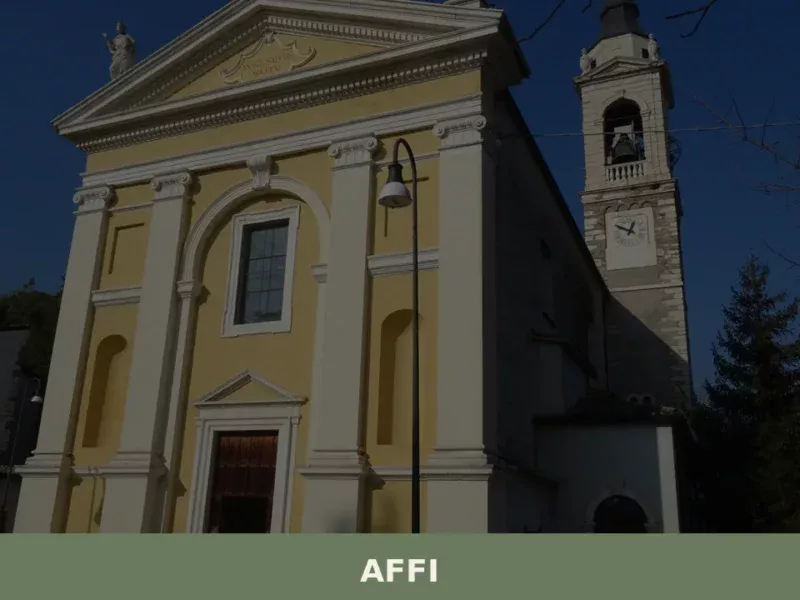
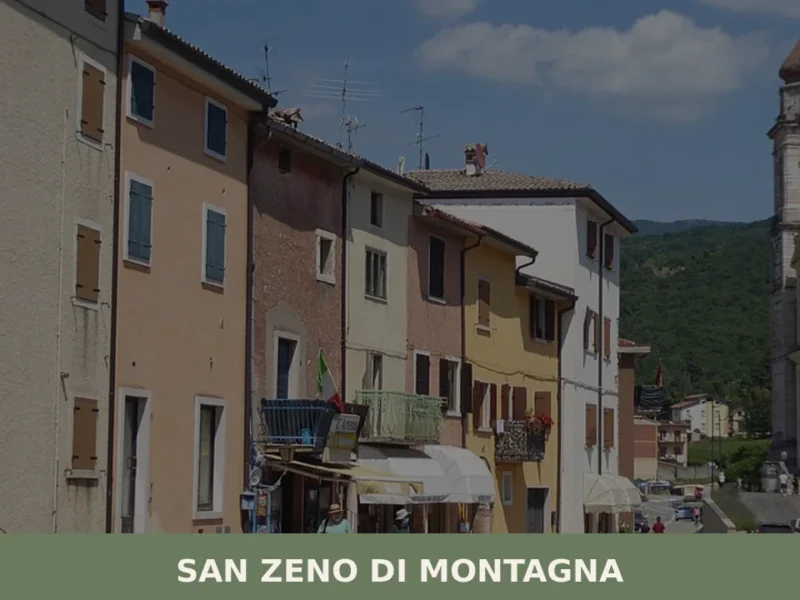
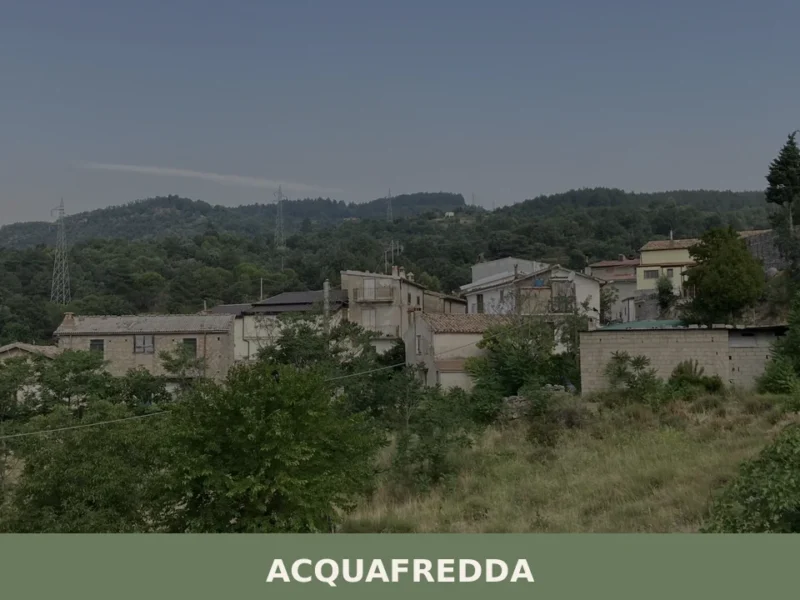
In Lombardy More villages to discover
Pavia
Plains
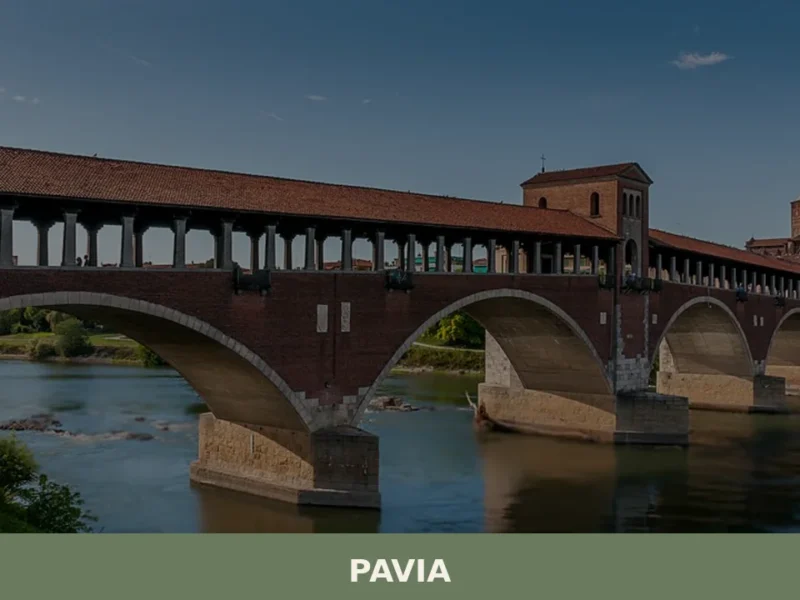
what to see in pavia, home to 70,636 residents. Discover its iconic Duomo, the historic Certosa, and the ancient University. Explore Pavia's rich heritage now.
Cassano Valcuvia
 Hills
Hills
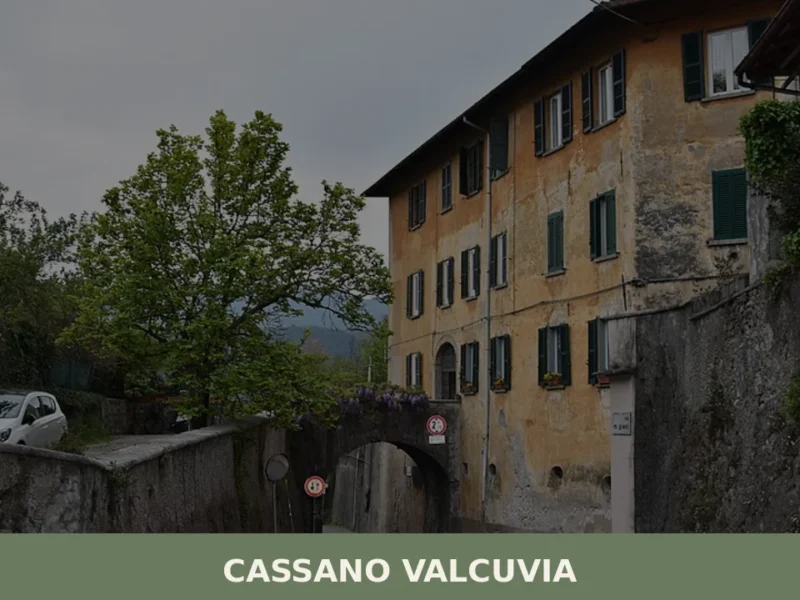
What to see in Cassano Valcuvia: discover this village of 660 inhabitants amidst history and nature. Explore its historic center and hillside trails.
Sondrio
Hills
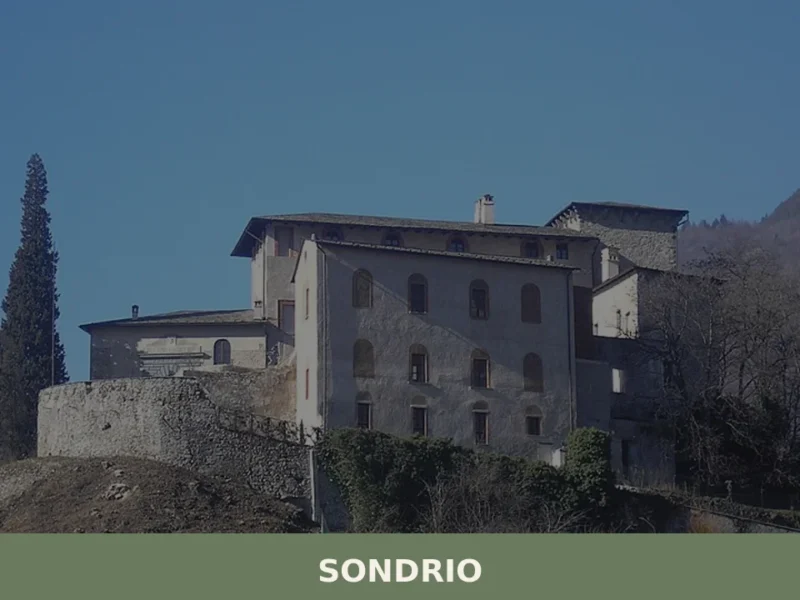
What to see in Sondrio? Located at 298m altitude, discover Castello Masegra and the Collegiata dei Santi Gervasio e Protasio. Explore this Valtellina capital.
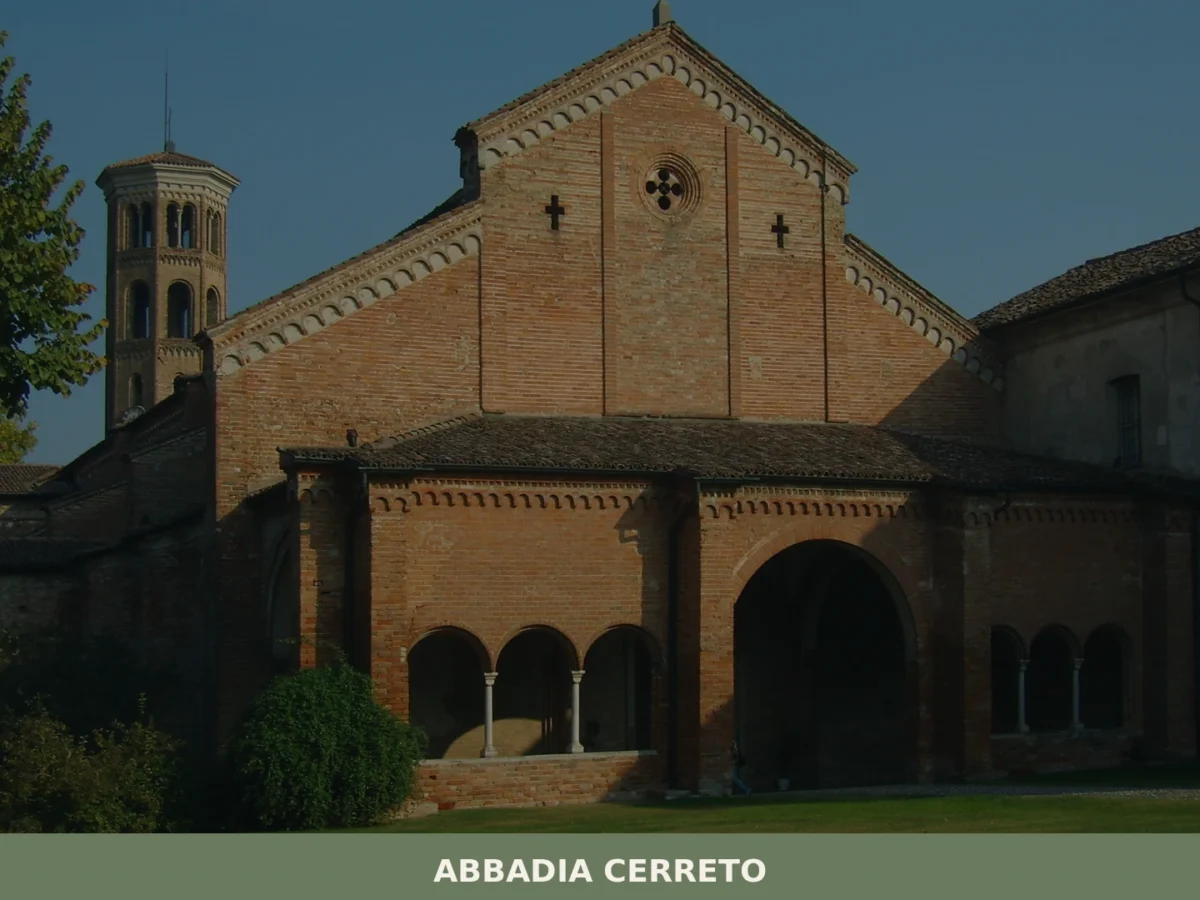
Abbadia Cerreto
Plains
Discover what to see in Abbadia Cerreto, a 280-person Lombard village in the province of Lodi with Cistercian roots and Po Valley landscapes.

Campospinoso
Plains
1,335 residents, two historic nuclei and eight centuries of feudal heritage. Campospinoso rewards visitors drawn to rural Lombardy's quieter, less-travelled corners.
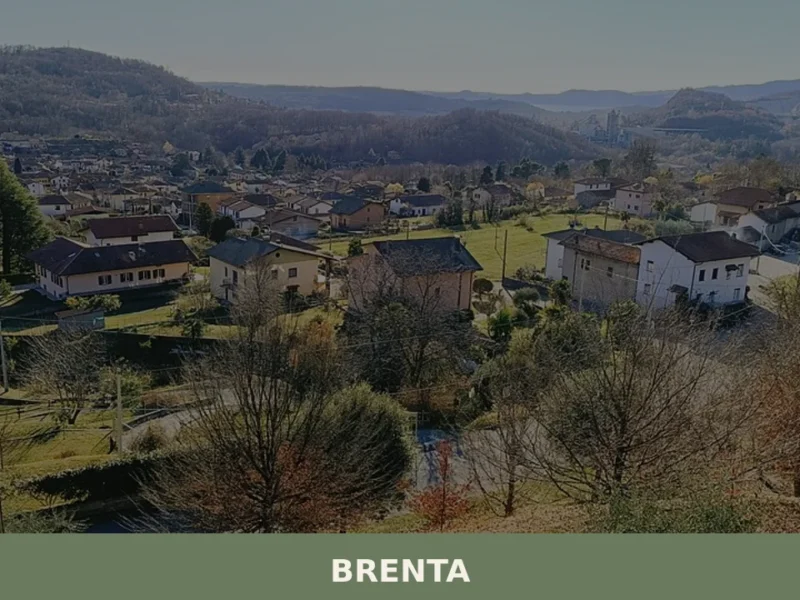
Brenta
Hills
Brenta has 1,715 inhabitants and sits at 276 metres above sea level, on the hilly belt separating Lake Varese from the western Po Plain. The municipality, part of the province of Varese, comprises a central nucleus and agricultural hamlets spread across terrain that slopes gently southward. Anyone looking into what to see in Brenta will […]
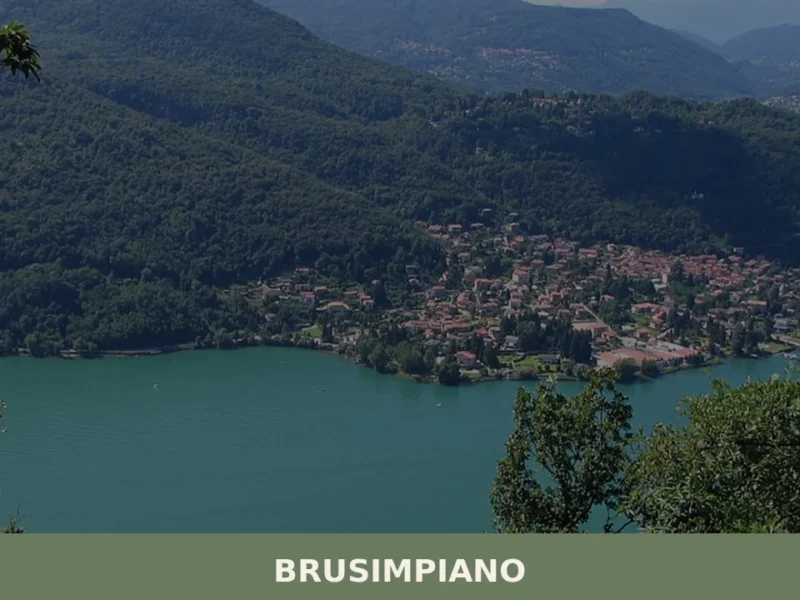
Brusimpiano
Hills
Lake
What to see in Brusimpiano: 1,229 inhabitants, 289m above Lake Lugano. Discover the Church of the Nativity, lakeside promenade and nature trails. Plan your visit now.

Losine
 Mountain
622 residents, three medieval churches and a dialect nickname that survives centuries. Losine rewards visitors who look beyond Lake Garda for Lombard mountain identity.

Rogeno
Hills
Lake
3,035 residents, one patron saint, and a village whose families shaped Italian history. Rogeno rewards slow exploration along the southern Brianza.

Caravaggio
Plains
Visit Caravaggio for its 1432 sanctuary and medieval roots. Home to the birthplace of painter Michelangelo Merisi and echoes of Visconti rule.



🏡 Know Sirmione better than we do?
If you’re a local or have been there, your knowledge matters: add what’s missing or fix a detail on this page.