The Bacchiglione river moves quietly through Padova, carrying the city’s reflection across waters that have seen merchants, scholars and pilgrims for more than two millennia. At twelve metres above sea level, on the eastern edge of the Paduan plain, this city breathes the rhythm of northern Italian lowland—flat, open, connected by roads that run toward the Adriatic and the lagoons beyond.
Padova draws visitors with two anchors of world significance: an urban landscape layered with Roman foundations, medieval towers and Renaissance squares, and a documented cultural life that has run without interruption since 1222, when its university opened its doors. The city’s 208,000 inhabitants still navigate streets paved with memory, where a fourteenth-century chapel holds a fresco cycle that UNESCO recognizes, and where a botanical garden—the oldest of its kind—preserves the scientific vision of centuries past.
From Trojan Legend to Renaissance Rival
According to legend, Antenore, a prince from Troy, founded Padova in the distant past. Historical records reveal that the Veneti people inhabited the territory from the thirteenth century before Christ, building a civilization that would prove resilient enough to defend itself against repeated incursions by the Gauls in the fourth century before Christ. In that same period, the Veneti established contact with Roman civilization and forged lasting ties. When Padova gained the status of municipium, it became, by the first century of the Christian era, the richest city in Italy after Rome itself—a position earned through trade, agriculture and the reach of the Bacchiglione basin.
The medieval period transformed Padova into a centre of intellectual ferment. The rule of the Carraresi—the Da Carrara family—during the fourteenth century established Padova as one of the capitals of pre-humanist culture, a place where classical texts circulated and new ideas took root. Between the fourteenth and fifteenth centuries, the Renaissance unfolded here in parallel with Florence, generating an artistic movement that would ripple across northern Italy throughout the quattrocento and beyond. This cultural vitality was not incidental; it was the engine of the city’s identity, transforming Padova from a wealthy Roman survivor into a crucible of modern European thought.
Sacred and Secular Landmarks
The Basilica of Sant’Antonio di Padova
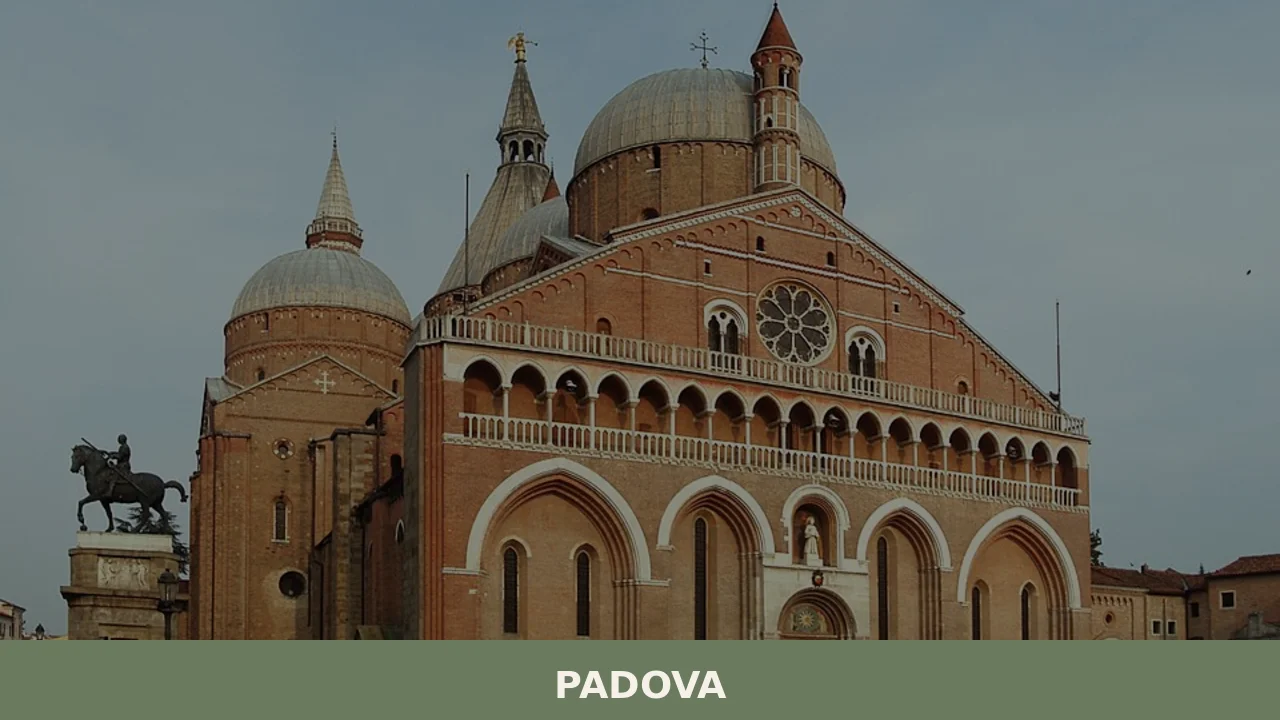
Known to locals simply as “il Santo”—the Saint—this basilica stands as one of Padova’s most recognizable structures. The building itself carries centuries of devotion and architectural ambition. Pilgrims and visitors approach the basilica as both a place of spiritual significance and an emblem of the city’s identity. Its presence anchors one of Padova’s characteristic traditions: the name of the saint is so embedded in local culture that it requires no elaboration, only a gesture or a whisper.
The Orto Botanico
Founded as a centre for botanical research and medical study, the Orto Botanico ranks among the world’s oldest botanical gardens and stands as a UNESCO World Heritage site. Within its enclosed garden, rare plants grow in beds and greenhouses that mirror the design principles of Renaissance science. The garden embodies the marriage of practicality and philosophy that characterized Padova’s intellectual climate—a place where knowledge of the natural world was pursued with the same rigour as the study of texts.
The Cappella degli Scrovegni and Fresco Cycles
The chapel contains one of eight major fresco cycles that date to the fourteenth century and are now recognized by UNESCO as part of Padova’s heritage. These cycles represent the work of artists whose names and techniques shaped the visual language of the Renaissance. The chapel itself is modest in scale but immense in cultural weight, a space where the viewer stands surrounded by narratives painted in pigment and gold leaf.
Caffè Pedrocchi
This establishment earns its place in Padova’s identity through a simple but profound distinction: it was once open twenty-four hours without doors or walls separating interior from street. The “Caffè senza porte”—the café without doors—became a symbol of intellectual openness and urban life. Even as its operations have changed, the caffè remains a gathering place and a testament to Padova’s tradition of public intellectual exchange.
Prato della Valle
One of Europe’s largest squares by area, the Prato della Valle is known by another paradoxical name: “il Prato senz’erba”—the meadow without grass. The name reflects the historical reality that the square’s expanse was paved rather than left as open turf. Today it serves as a gathering space for markets, events and the daily movement of the city, a physical manifestation of Padova’s public life.
The University and Intellectual Life
Since 1222, Padova’s university has operated as one of the oldest in the world, drawing students and scholars from across Europe and beyond. The institution did not merely exist in the city; it shaped the city, creating an environment where inquiry and debate became ordinary features of urban conversation. Libraries, lecture halls and the informal spaces of cafés and piazzas became extensions of the classroom, weaving intellectual life into the fabric of daily existence.
Flavours of the Paduan Territory
The flat landscape surrounding Padova supports agriculture rooted in the Bacchiglione basin and the broader Paduan plain. Local food traditions draw from the abundance of the lowlands—vegetables, grains and the products of small-scale animal husbandry that have sustained the region for centuries. The rhythm of seasons shapes both the farmer’s calendar and the cook’s choices, connecting table to field in ways that visitors can discover through markets, family-run osterie and seasonal feasts.
Planning a Visit to Padova
Padova sits in the northeastern corner of the Paduan plain, accessible by rail and road from major cities across northern Italy and beyond. The city’s flat terrain makes movement on foot and by bicycle natural ways to explore, allowing visitors to move between river, piazza and monument without the strain of elevation change. The mild climate of the Po Valley region means that spring and autumn offer comfortable conditions for walking, though the summer heat and winter damp are both manageable for those prepared.
If you arrive by train, the station sits at the city’s edge, a fifteen-minute walk from the historic centre. By car, approaching from the motorway network that rings the Veneto, you will find parking near the periphery and can enter the medieval and Renaissance quarters on foot. The city is compact enough to cover its major sites without exhaustion, yet rich enough that repeat visits reveal new layers of detail—a palazzo doorway, a side-chapel, a street name that echoes a guild or a family long departed.
| Departure | Distance | Time |
|---|---|---|
| Venice | 40 km | 30 minutes by train |
| Vicenza | 40 km | 25 minutes by train |
| Abano Terme | 15 km | 20 minutes by car |
| Bologna | 120 km | 90 minutes by train |
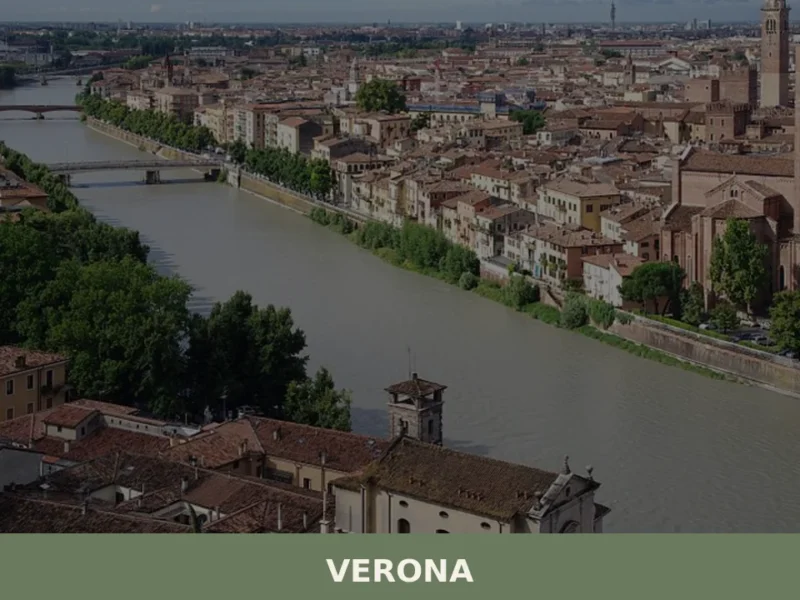
| Verona | 120 km | 90 minutes by train |
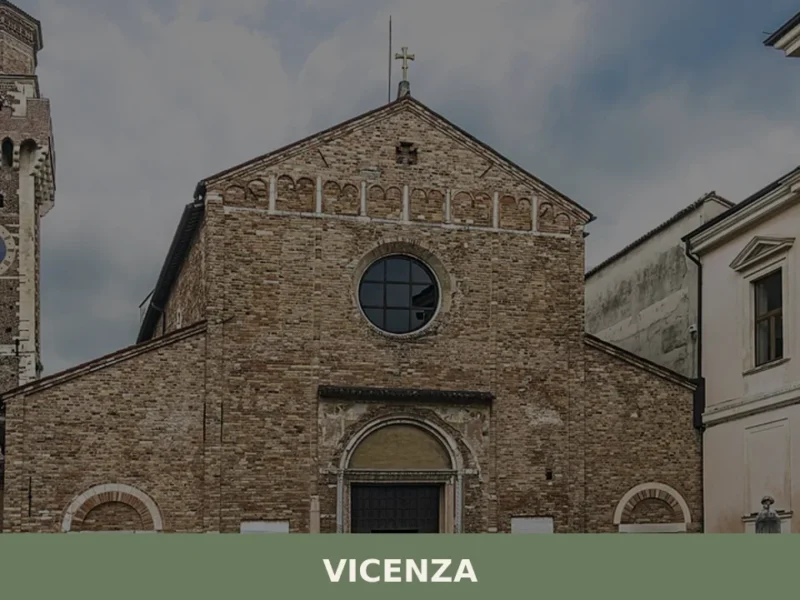
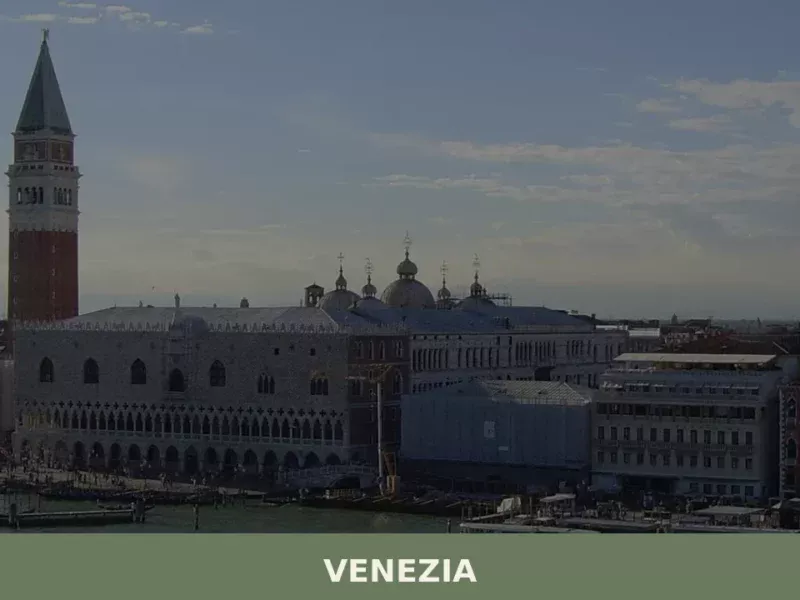
The nearby towns of the Padova province—Abano Terme to the southwest and Vicenza to the west—lie within easy reach for those planning a broader exploration of the Veneto. The region’s network of towns, each with its own architectural and cultural signature, rewards longer stays and the kind of unhurried travel that allows detail to emerge.
“Padova is conosciuta come ‘la città dei tre senza’—the city of three withouts—for its Caffè without doors, its Meadow without grass, and its Saint without a name.”
Padova does not announce itself with dramatic gestures or singular monuments. Instead, it offers a continuous texture of experience: the weight of history in stone and fresco, the vibrancy of a city where learning remains an organizing principle, and the particular rhythm of a place where the Bacchiglione flows past structures that have sheltered human ambition for more than two thousand years.
 Mountain