


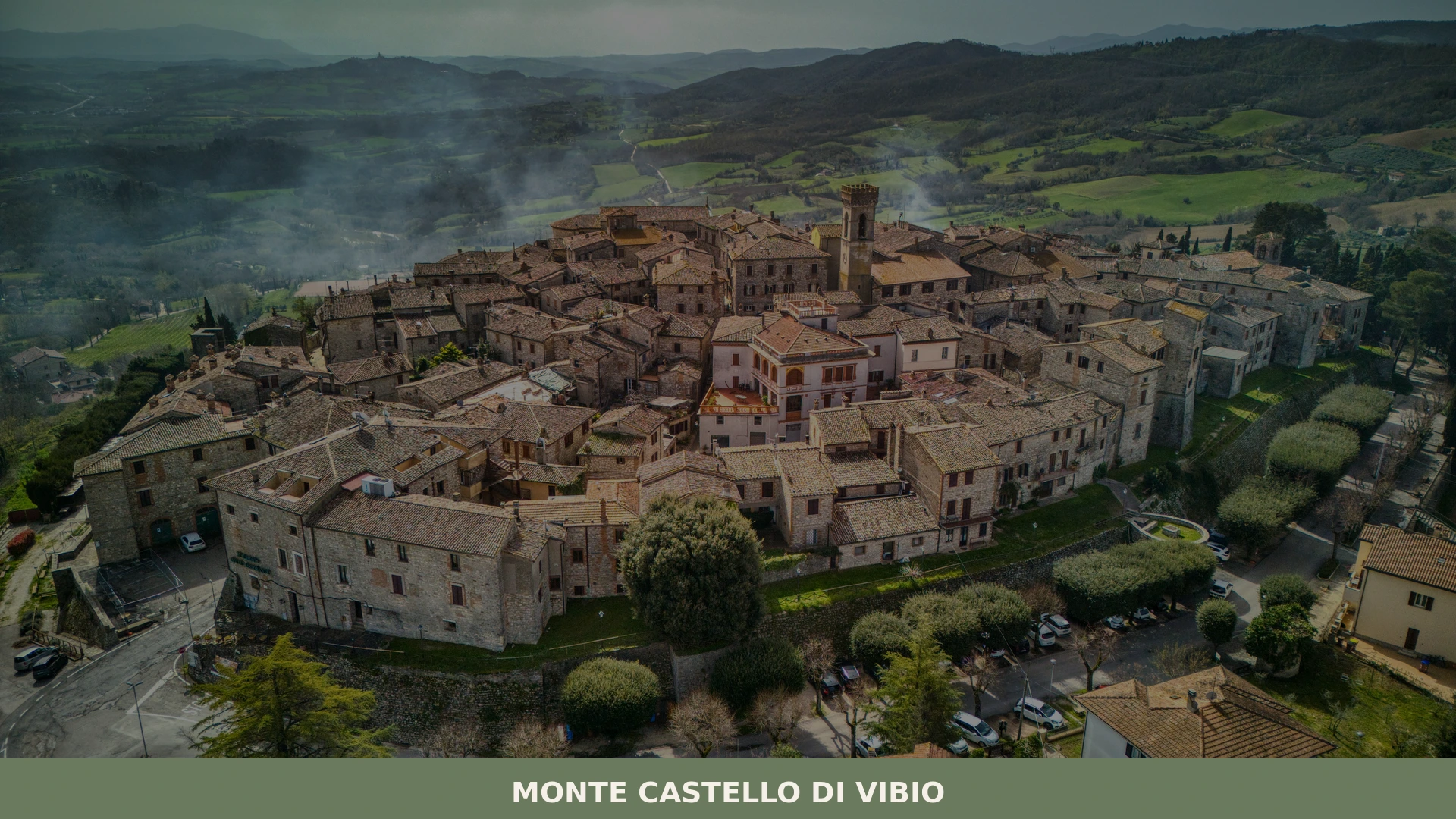

Monte Castello di Vibio holds the world’s smallest theatre and an intact medieval centre above the Tiber valley. A complete guide to its history, attractions, and local food.
Discover Monte Castello di Vibio
Morning light catches the eastern wall of the Teatro della Concordia, and a caretaker props open its wooden doors to air out the auditorium — a space so small you could mistake it for a private chapel. This is Monte Castello di Vibio, a village of 1,429 inhabitants set at 423 metres above sea level in the province of Perugia, where the Tiber valley opens wide below. Understanding what to see in Monte Castello di Vibio begins here, at the threshold of the world’s smallest theatre, and unfolds through lanes that have barely shifted course since the Middle Ages.
Storia di Monte Castello di Vibio
The name itself carries layers of time. “Monte Castello” refers plainly to the fortified hilltop settlement — a castrum — while “di Vibio” traces back to the ancient Roman gens Vibia, a family of some standing whose territorial influence extended across this stretch of the upper Tiber valley. Roman presence in the area is well documented; the nearby Via Amerina connected Rome to the Umbrian interior, and settlements along its route served as waypoints for commerce and military movement.
During the medieval period, the village consolidated around its defensive walls and watchtowers, a pattern common to Umbrian hill towns that needed protection from both Lombard incursions and the factional warfare between Guelphs and Ghibellines. By the thirteenth and fourteenth centuries, Monte Castello di Vibio had come under the orbit of the Papal States, a political affiliation that would define the town’s administrative character for centuries. The village’s compact layout — concentric streets spiralling up to the central piazza — dates primarily from this era.
The most culturally significant chapter arrived in the early nineteenth century. In 1808, nine local families pooled resources to construct the Teatro della Concordia, naming it in honour of the ideals of the French Revolution. That a village of this size produced a fully functioning opera house — complete with stalls, boxes, and painted ceiling — speaks to the civic ambition that ran through even small Umbrian communities during the Napoleonic period.
What to see in Monte Castello di Vibio: 5 must-visit attractions
1. Teatro della Concordia
Built in 1808 and recognised as the smallest theatre in the world, the Teatro della Concordia seats just 99 spectators across its stalls and tiered boxes. The interior follows the classic Italian horseshoe plan, scaled down to almost domestic proportions. Restored in 1993 after decades of disuse, it now hosts a regular season of concerts and theatrical performances. Guided visits are available year-round.
2. The medieval walls and Porta di Maggio
Sections of the original thirteenth-century defensive walls still enclose the historic centre. The Porta di Maggio — the main gate — remains the primary point of entry into the old village, its stone archway framing a passage from the parking area into the tight, climbing streets. Walking the perimeter reveals how the walls followed the contour of the hill, using natural rock outcrops as foundations.
3. Church of Santi Filippo e Giacomo
The parish church, dedicated to Saints Philip and James, stands at the centre of the village near the main piazza. Its interior preserves several works of devotional art dating from the sixteenth and seventeenth centuries, including painted altarpieces characteristic of the Umbrian school’s later period. The bell tower, visible from the valley below, serves as the village’s most prominent vertical landmark.
4. The Tiber Valley viewpoint
From the terrace along the southern edge of the village, the panorama extends across the Tiber River valley toward the Martani and Amerini mountain ranges. On clear days, the view reaches as far as Todi, roughly fifteen kilometres to the southeast. This is a working landscape — olive groves, tobacco fields, and vineyards pattern the slopes — and the viewpoint places it all in readable proportion.
5. The borgo’s concentric street plan
Monte Castello di Vibio’s urban layout is itself an attraction: streets wind in tight concentric arcs around the hilltop, connected by steep stone staircases and narrow passageways called vicoli. The fabric is largely intact — sandstone facades, external staircases, arched doorways — and the absence of significant modern intervention makes the village a legible document of medieval Umbrian town planning.
Local food and typical products
The cuisine here follows the broader traditions of the Umbrian Tiber valley, where olive oil is the foundational ingredient. The hills around Monte Castello di Vibio produce oil from Moraiolo, Frantoio, and Leccino cultivars — the same varieties that qualify for the Umbria DOP designation. Strangozzi, the hand-rolled pasta typical of this province, appears on most tables, often dressed with a simple sauce of tomato and local black truffle. Game — wild boar, pigeon, hare — features in autumn and winter menus, slow-cooked with herbs gathered from the surrounding woodlands.
The village and its immediate surroundings have a small number of trattorias and agriturismi that serve these dishes in portions calibrated for appetite rather than presentation. Local honey, dried legumes from the valley floor, and farro cultivated on nearby farms round out the pantry. During autumn, the truffle economy drives both kitchen menus and market stalls in the wider area, with Norcia and Spoleto hosting the largest dedicated fairs.
Best time to visit Monte Castello di Vibio
Spring — April through early June — is the most rewarding season. The valley below turns intensely green, wildflowers fill the margins of olive groves, and temperatures at 423 metres hover in a comfortable range between 15°C and 25°C. The Teatro della Concordia typically programmes performances during spring and autumn, so checking the theatre’s schedule in advance is worthwhile. Summer brings heat and a drier landscape, though evenings remain pleasant at this altitude. September and October bring the grape and olive harvests, lending the countryside a particular energy and filling local kitchens with seasonal dishes.
Winter is quiet, sometimes very quiet — the resident population of 1,429 is dispersed across several frazioni, and the historic centre can feel nearly empty on a grey January afternoon. But this has its own appeal: the village’s architecture registers differently without crowds, and the mist that sometimes fills the Tiber valley creates a sense of isolation that clarifies why these hilltop sites were chosen in the first place.
How to get to Monte Castello di Vibio
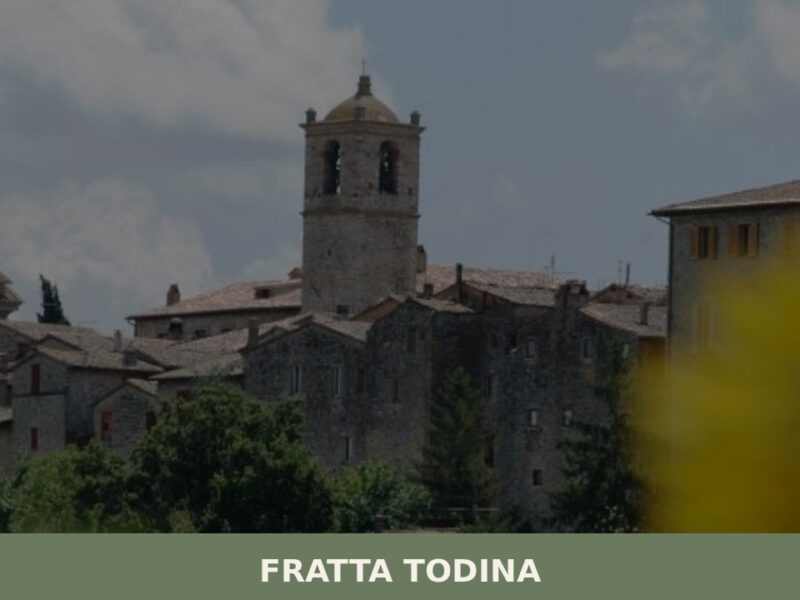
By car, Monte Castello di Vibio is reached via the E45 superstrada, which runs through the Tiber valley connecting Perugia to Terni. Exit at Fratta Todina or Marsciano and follow provincial roads east into the hills — the final approach involves roughly ten minutes of winding ascent. From Perugia, the drive takes approximately 40 minutes; from Todi, about 20 minutes; from Orvieto, around one hour.
The nearest railway station is Fratta Todina, served by the FCU (Ferrovia Centrale Umbra) regional line connecting Perugia and Terni, though service is infrequent and a car or taxi is needed for the last stretch uphill. The closest airports are Perugia–Sant’Egidio (approximately 50 km) and Rome–Fiumicino (approximately 160 km). Parking is available outside the medieval walls near Porta di Maggio.
More villages to discover in Umbria
Monte Castello di Vibio sits within a territory dense with small, historically significant settlements. Travelling southeast across the Valnerina, Cerreto di Spoleto offers another perspective on Umbrian hill-village life — this one shaped by a narrow river gorge rather than an open valley, with a history tied to the ancient spice and herb trade routes that crossed the Apennines.
Together, these villages illustrate how terrain determined culture in central Italy: each hilltop, each valley, each river crossing produced a distinct settlement pattern and a local economy tuned to its specific geography. Exploring the connections between them — by car along provincial roads that follow ridgelines and stream beds — is one of the most instructive ways to understand Umbria beyond its better-known cities. For those building a longer itinerary, the compact distances make it possible to visit several borghi in a single day while still allowing time for a proper lunch at each stop.
Frequently asked questions about Monte Castello di Vibio
What is the best time to visit Monte Castello di Vibio?
The best time to visit Monte Castello di Vibio is during spring, from April to early June, when the Tiber valley is lush and green, and temperatures are comfortably between 15°C and 25°C. This period often coincides with the Teatro della Concordia's performance season. Additionally, the village celebrates its patron, Saint Philip, with a traditional feast on May 3rd, offering a glimpse into local customs. Autumn, particularly September and October, is also appealing for the grape and olive harvests, bringing a vibrant atmosphere and seasonal dishes to local eateries.
What are the historical origins of Monte Castello di Vibio?
Monte Castello di Vibio boasts a rich history, evident in its name. 'Monte Castello' signifies its origin as a fortified hilltop settlement. The 'di Vibio' part traces back to the ancient Roman gens Vibia, highlighting a significant Roman presence, further supported by the nearby Via Amerina. During the medieval period, the village developed its characteristic concentric layout and defensive walls, eventually coming under the Papal States. A key cultural moment arrived in 1808 with the construction of the Teatro della Concordia, reflecting local civic ambition during the Napoleonic era.
What to see in Monte Castello di Vibio? Main monuments and landmarks
Monte Castello di Vibio offers several captivating sights. The must-visit is the Teatro della Concordia, recognised as the world's smallest theatre, where guided visits are available year-round to explore its unique 99-seat interior. Don't miss walking along the well-preserved medieval walls and entering through the ancient Porta di Maggio. The Church of Santi Filippo e Giacomo, with its historic artworks, stands centrally, while the panoramic viewpoint along the southern edge offers breathtaking vistas of the Tiber Valley. Finally, simply wandering through the borgo's intact concentric street plan reveals its medieval urban charm.
What are the main natural or scenic attractions of Monte Castello di Vibio?
The primary natural attraction in Monte Castello di Vibio is the spectacular Tiber Valley viewpoint, located along the southern edge of the village. From this terrace, visitors can enjoy expansive panoramas stretching across the Tiber River valley, encompassing the distant Martani and Amerini mountain ranges. On clear days, the view extends as far as Todi. The landscape below is a rich tapestry of olive groves, tobacco fields, and vineyards, showcasing the working agricultural beauty of Umbria.
Where to take the best photos in Monte Castello di Vibio?
For memorable photos in Monte Castello di Vibio, head to the Tiber Valley viewpoint on the southern edge of the village, offering sweeping panoramas of the valley and distant mountains. The Porta di Maggio, with its ancient stone archway, provides a picturesque frame for capturing the entrance to the historic centre. Inside the borgo, the concentric street plan, narrow vicoli, and charming sandstone facades with external staircases offer endless opportunities for capturing medieval atmosphere. The bell tower of the Church of Santi Filippo e Giacomo is also a prominent landmark, visible from various points.
Are there museums, churches or historic buildings to visit in Monte Castello di Vibio?
Yes, Monte Castello di Vibio offers several significant historic buildings. The Teatro della Concordia, celebrated as the world's smallest theatre, is a must-visit; it offers guided tours year-round and hosts a regular season of concerts and theatrical performances. The Church of Santi Filippo e Giacomo, the village's parish church, houses notable sixteenth and seventeenth-century Umbrian devotional art. Additionally, the well-preserved medieval walls and the Porta di Maggio provide a tangible link to the village's defensive past, inviting exploration of the historic centre's unique concentric layout.
What can you do in Monte Castello di Vibio? Activities and experiences
In Monte Castello di Vibio, visitors can immerse themselves in history and culture. Enjoy a guided visit to the Teatro della Concordia, the world's smallest theatre, and check its schedule for live performances, especially during spring and autumn. Stroll along the medieval walls, explore the unique concentric street plan, and discover hidden vicoli. Relax at the Tiber Valley viewpoint, taking in the panoramic landscape. Indulge in the local food and wine scene at trattorias and agriturismi, savouring Umbrian specialties like Strangozzi pasta, local olive oil, and game dishes.
Who is Monte Castello di Vibio suitable for? Families, couples, hikers, solo travelers?
Monte Castello di Vibio is ideally suited for cultural enthusiasts, couples seeking a romantic escape, and solo travellers looking for tranquility and authentic Italian village life. Its rich history, the unique Teatro della Concordia, and charming medieval streets appeal to those who appreciate architecture and local heritage. Food and wine lovers will enjoy the authentic Umbrian cuisine. While not primarily a hiking destination, its scenic views and quiet atmosphere make it perfect for those desiring a peaceful retreat, or as a cultural stop within a broader itinerary exploring Umbria's historic borghi.
What to eat in Monte Castello di Vibio? Local products and specialties
The cuisine of Monte Castello di Vibio reflects the rich traditions of the Umbrian Tiber valley. A foundational specialty is the local olive oil, produced from Moraiolo, Frantoio, and Leccino cultivars, often qualifying for the Umbria DOP designation. You must try Strangozzi, the typical hand-rolled pasta of the province, frequently served with a simple sauce of tomato and local black truffle. During autumn and winter, game dishes like wild boar, pigeon, and hare are prominent. Local honey, dried legumes, and farro also feature prominently in the village's authentic trattorias and agriturismi.
Nearby Villages near Monte Castello di Vibio
In Umbria More villages to discover
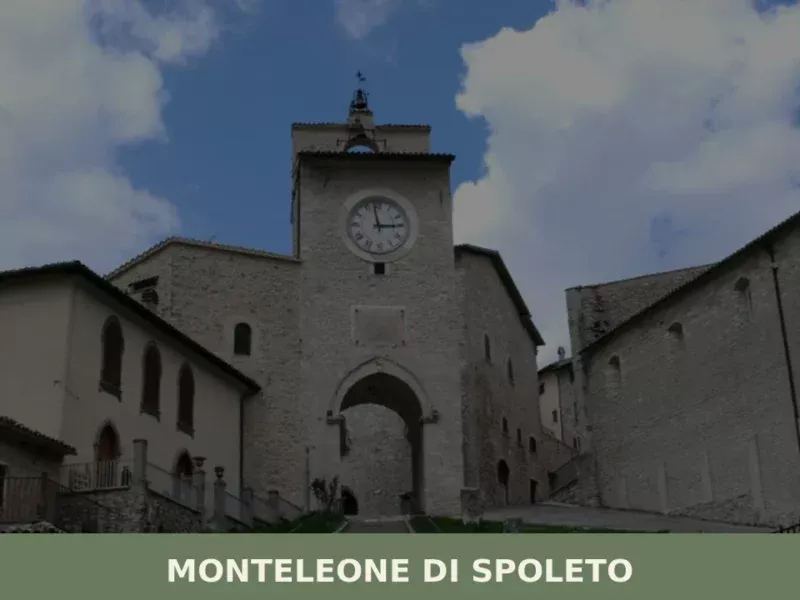
Monteleone di Spoleto
 Mountain
Monteleone di Spoleto: discover the history and art of this Umbrian village. Visit the museum and the Church of San Francesco. Plan your visit now!
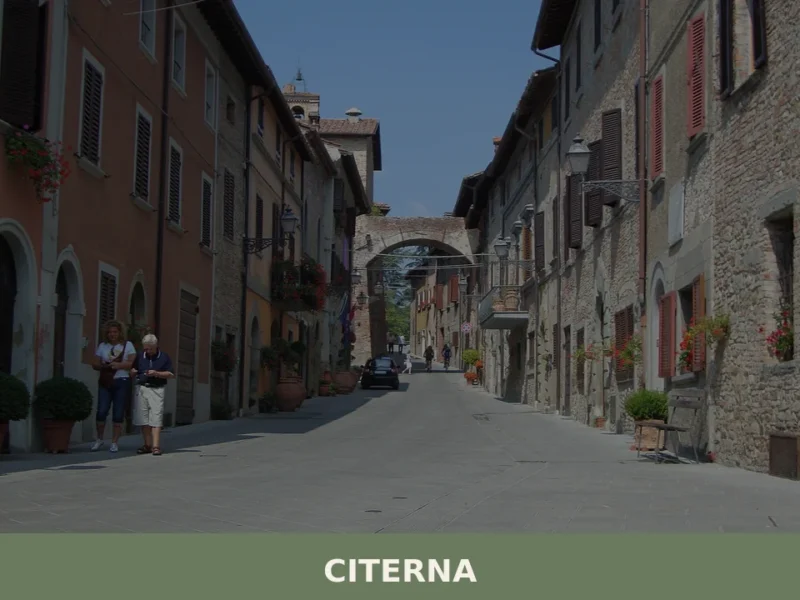
Citerna
 Hills
Hills
Citerna is a captivating Umbrian village that offers a journey through history, art, and authentic Italian flavors.
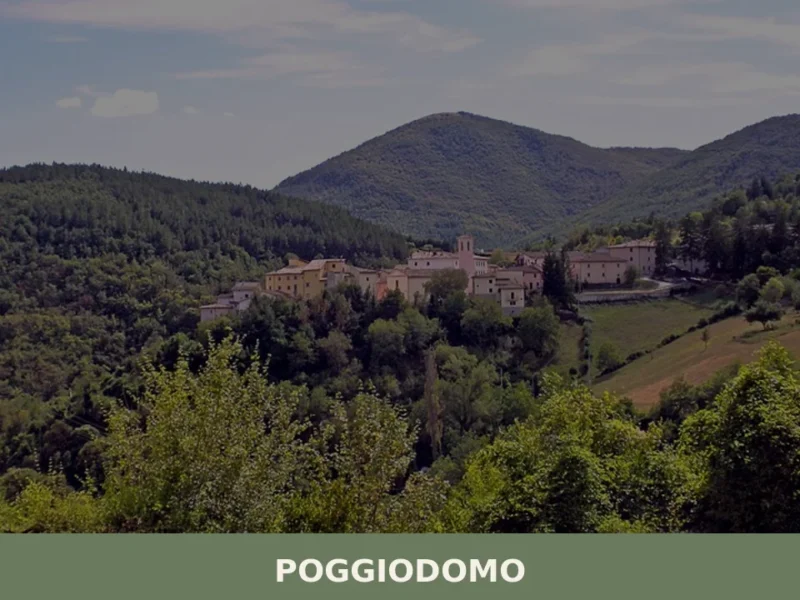
Poggiodomo
Mountain
What to see in Poggiodomo, Italy? Explore this Umbrian village, situated at 974 m, and discover the historic Church of San Carlo Borromeo and the Hermitage of Madonna della Stella.
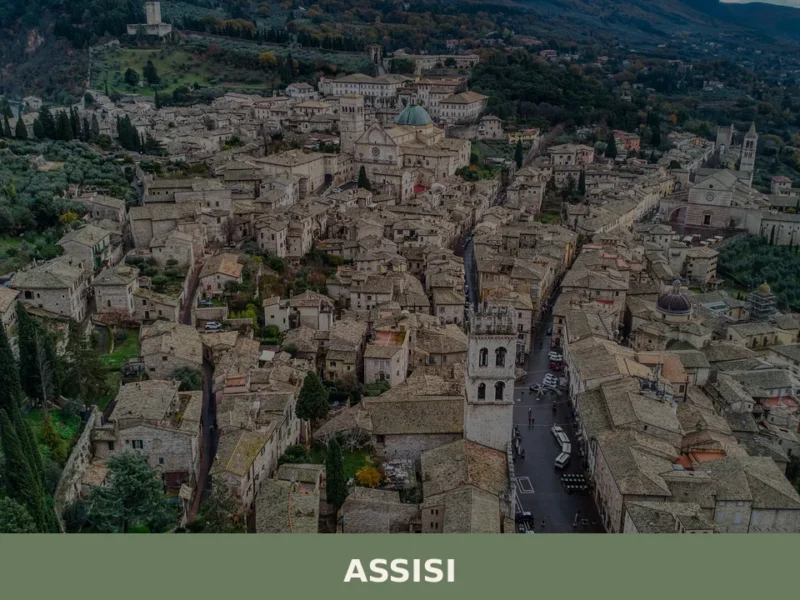
Assisi
Hills
Assisi village in Umbria is a cultural, historical, artistic, and scenic destination in the province of Perugia.
Lugnano in Teverina
Hills
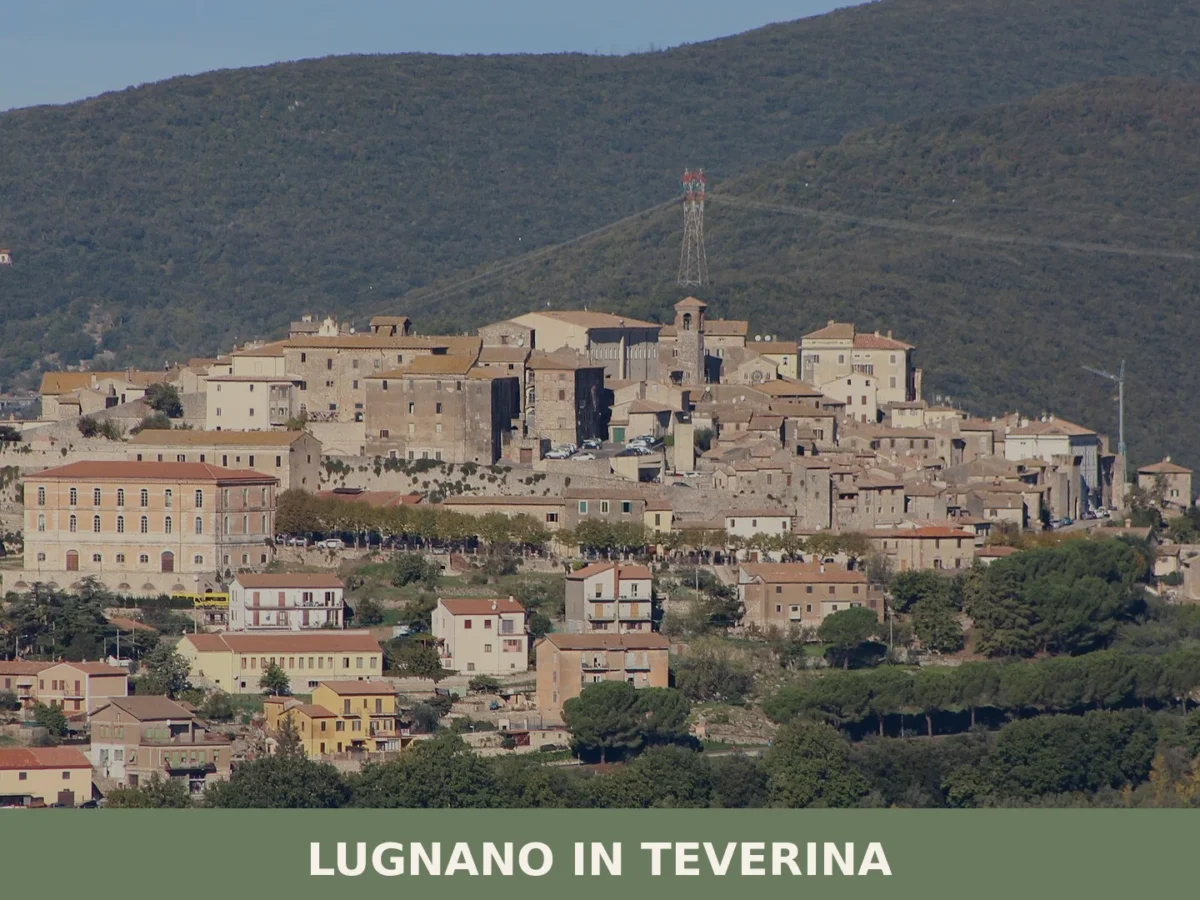
Lugnano in Teverina is a hilltop comune of around 1,400 residents in the province of Terni, Umbria, whose layered history ranges from a first-century BC Roman villa at Poggio Gramignano to a medieval
Gubbio
Mountain
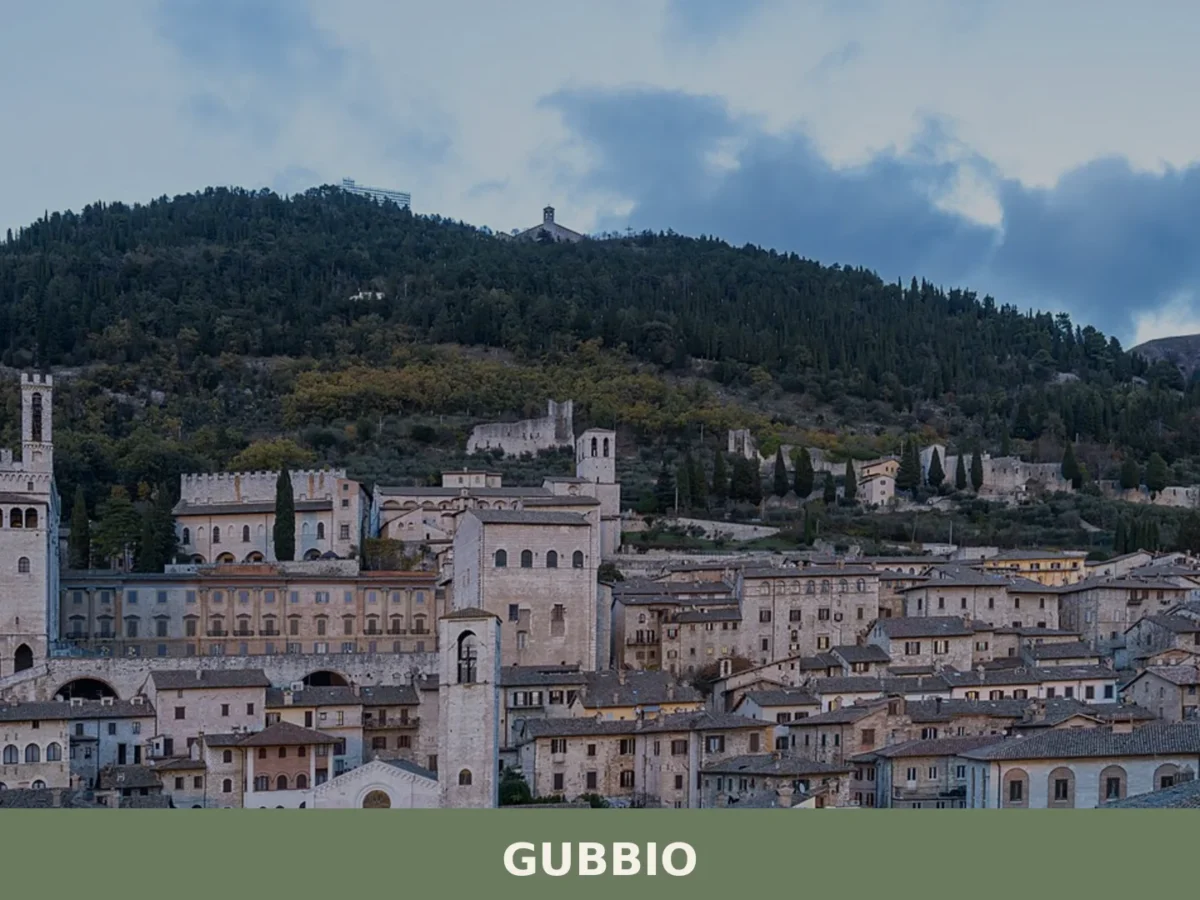
Gubbio is a historic Umbrian town of around 30,000 people in the province of Perugia, celebrated for its Roman and medieval heritage and the remarkable bronze Tavole eugubine.
Magione
Hills
 Lake
Lake
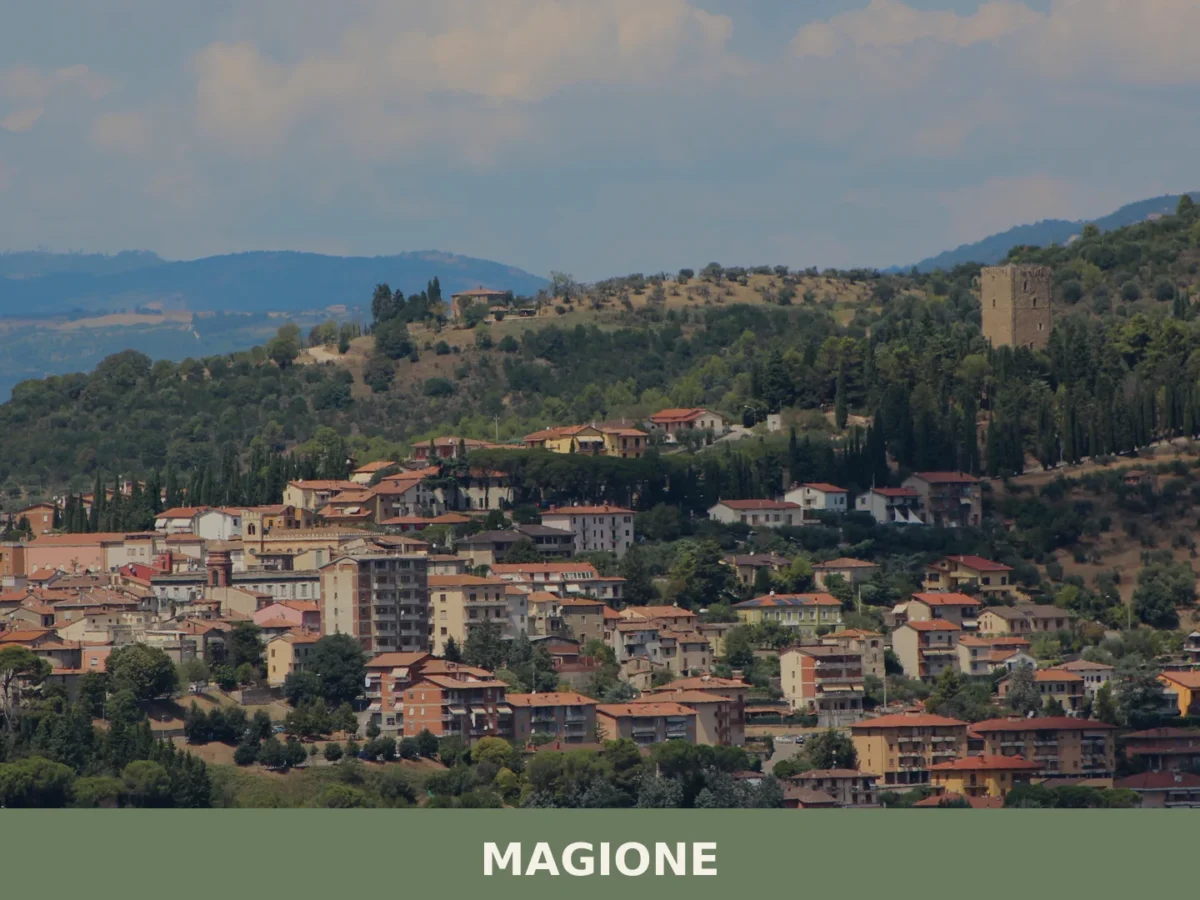
Magione is a hilltop comune of around 14,680 inhabitants on the eastern shore of Lake Trasimeno, province of Perugia, first recorded around 1075 and internationally known as the site of the 1502 Congi
Costacciaro
Hills
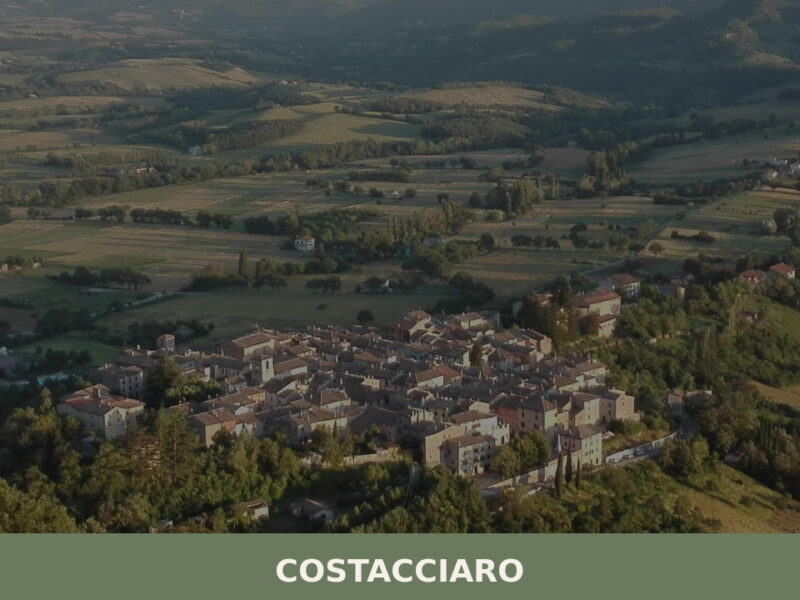
Morning light reaches Costacciaro slowly, filtered through the mass of Monte Cucco before it spills across stone facades and narrow lanes still damp from overnight mountain air. At 1,280 inhabitants, this is a village measured not in monuments but in texture — the grain of limestone walls, the sound of water channelled from karst springs, […]
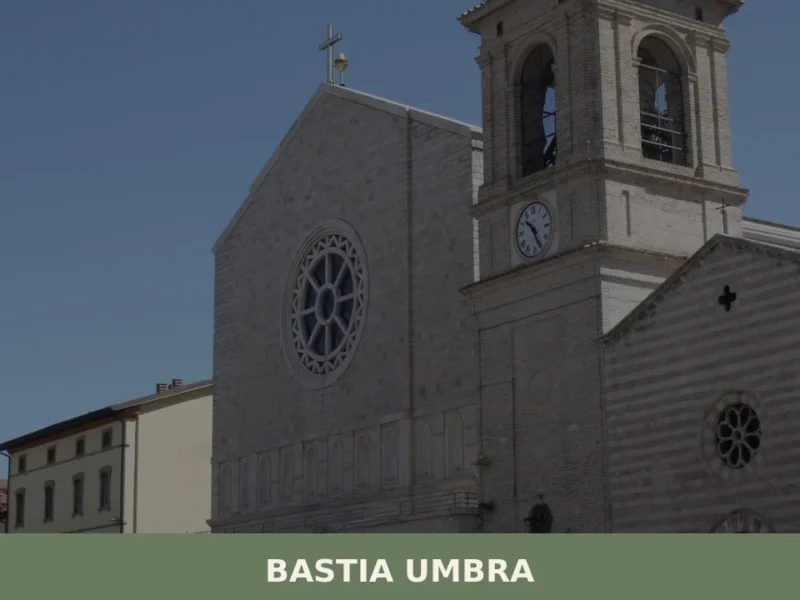
Bastia Umbra
Hills
Bastia Umbra, a village in Umbria, stands at 203 meters with 21,321 inhabitants, offering a journey through history, notable churches, and a landscape shaped by rivers.
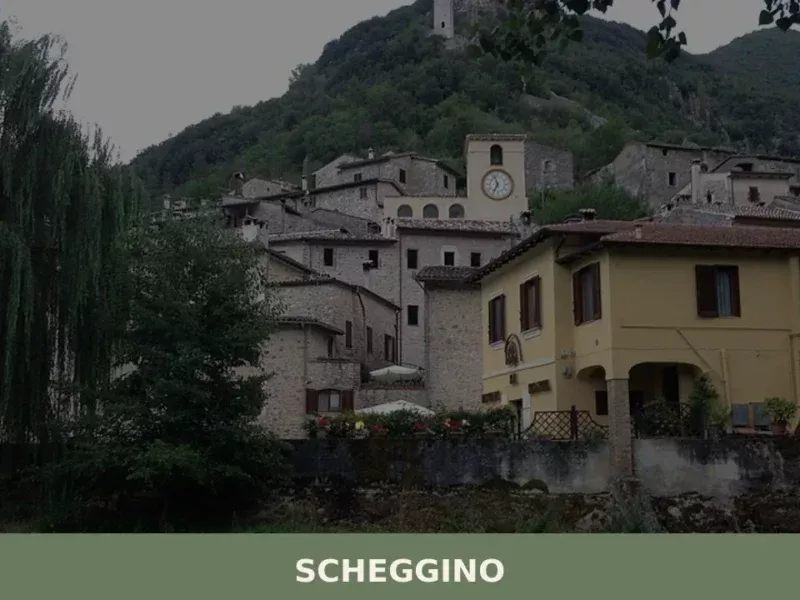
Scheggino
Hills
Situated at an altitude of 282 meters above sea level, Scheggino is a compact village in the Umbrian Apennines, home to 446 inhabitants in the province of Perugia. Its development has been shaped by its proximity to the Nera River, a constant presence that influenced both its economy and defensive structures over centuries. Understanding what […]




🏡 Know Monte Castello di Vibio better than we do?
If you’re a local or have been there, your knowledge matters: add what’s missing or fix a detail on this page.