


Pont-Canavese
 Hills
Hills
A village of 3,020 people where two rivers meet and medieval towers dominate the skyline. Ancient churches, ethnographic collections and industrial heritage reveal centuries of mountain life.
Pont-Canavese: A Village at the Confluence of Two Rivers
Two rivers converge at the mouth of a vast alluvial plain, their waters merging before drifting toward the Po. Where the Orco and Soana torrents meet, stone buildings climb the slopes, and medieval towers rise above the rooftops like sentinels. This is the landscape that shaped a village whose very name—from ancient Celtic-Ligurian words meaning “passage over two waters”—speaks of its geography and destiny.
Pont-Canavese, a comune of 3,020 inhabitants in Turin province, sits at this strategic bifurcation in the Piedmontese valleys. Two draws bring visitors here: the network of medieval towers that commanded these ridges for centuries, and the ancient pieve of Santa Maria in Doblazio, whose Romanesque forms cling to a cliff face overlooking the valley floor.
From Celtic Crossing to Carolingian Power
Human presence in the area reaches back to the late Paleolithic, with the first permanent settlements appearing in the Neolithic era. Fragments of pottery from the fifth millennium BCE, discovered near Monte Oliveto and in the Boira Fusca site, mark these earliest communities. The toponym itself traces this deep chronology: the Celtic-Ligurian Rordilitegna or Rordiliteguam, meaning a passage between two valleys or two waters, evolved through Roman occupation into Ad duos pontes before settling into the medieval forms recorded in charters—in Ponto, curie Ponti, de Ponto, Villa Ponti—and finally the modern Pont.
The village’s documented history crystallizes in the year 1000, when Otto (Ottone) made a donation to the Church of Vercelli mentioning the locality by name. The Carolingian period and the rule of the Margraves of Ivrea, particularly Arduino and his descendants, shaped the physical and social structure that survives today. These noble houses built the defensive towers, established the parishes, and created the fortified settlements that define the medieval core. The civic fabric itself—the porticoed streets, the gathering places, the religious foundations—all bear the imprint of this feudal hierarchy and local autonomy.
Rivers and bridges, indispensable for their crossing, characterized the economic, social and cultural history of the country, imposing upon it even its name.
Churches and Sacred Stones
Pieve of Santa Maria in Doblazio
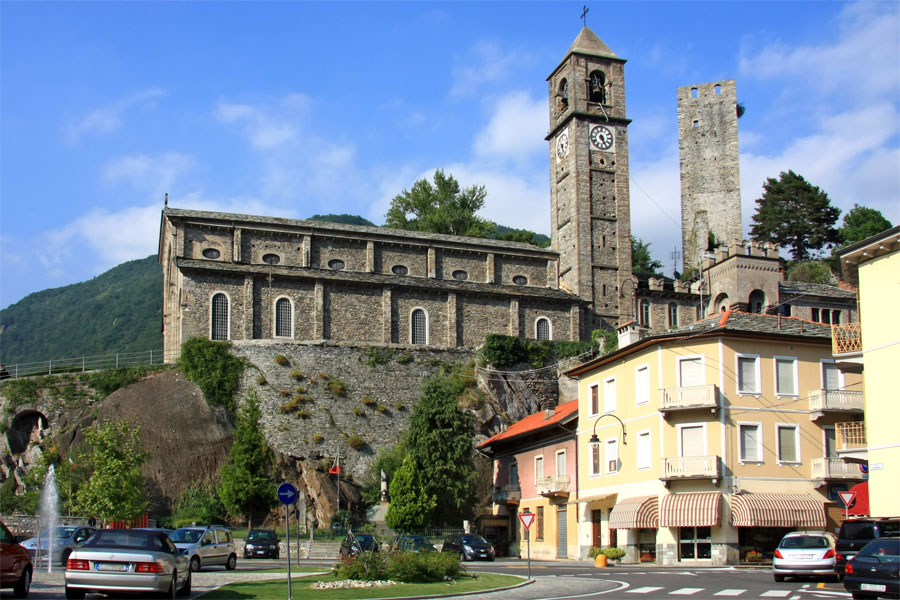
Approached from the plain, the eye is drawn upward to a church clinging to a rocky outcrop suspended between abysses—so an architect named C. Boggio once described it. The pieve of Santa Maria in Doblazio stands as the mother church of all parishes in the Orco and Soana valleys, a position it held until 1879. The circular bell tower, originally a watchtower of the De Doblatio family, dates to the eleventh century, making it the oldest portion of the structure. The choir and presbytery belong to the second half of the fifteenth century, while the single-nave body belongs to the eighteenth century. The church’s singular architecture—including two frontal altars within one nave, underground chambers, and the nearby masso coppellato (cup-marked stone) on Monte Oliveto—invites careful study. An eighteenth-century tower commissioned by the confraternity of San Giovanni Decollato rises alongside the ancient campanile. Local tradition holds the church stood upon a pre-Christian shrine.
Church of San Costanzo
Within the village proper, the Church of San Costanzo was constructed in 1328 upon the foundations of a fortified chapel belonging to the San Martino family. For more than five centuries it remained a subsidiary church; only in 1879 did it become the parish church of Pont itself. In 1890, an enlargement of the building required the demolition of historic elm trees that had ringed the structure. These elms had served as gathering places for the communal council, as documented in civic statutes from 1562, their stone benches marking the spots where village affairs were debated beneath their shade.
Church of San Francesco
The Church of San Francesco was erected in 1594 by the Franciscan confraternity upon the site of a former oven. Within its walls hangs a painting commemorating Giovanni Battista Bonatto, a native of Pont who became a missionary. Bonatto died in 1653 in Tripoli, where he had gone as a missionary.
Medieval Towers and Noble Rivalries
Three medieval towers dominate the landscape, monuments to centuries of local conflict between feuding families. The Torre Ferranda, property of the Counts of Valperga, commands the heights with its imposing bulk. The Torre del Castrum Pontis and the Tellaria—locally known as “Castlass”—stand nearby, both once belonging to the Counts of San Martino, the sworn enemies of the Valperga. From these towers one commands views across the inhabited plain toward the alpine chain that rings the two valleys. The Ferranda, after restoration, now houses the Museo del Territorio; the Castlass and its surrounding park have recently returned to municipal ownership and serve as venues for open-air concerts and performances.
Industrial Heritage and Collections
The village’s economic vitality, historically driven by water power and the manufacturing capacity it enabled, left traces beyond the closed factories. The Museo della Plastica “Cannon-Sandretto” occupies the Art Nouveau palazzina of the former Sandretto industrial plant, preserving over 2,500 objects that document the history of plastic machinery and industrial design. The Museo Etnografico, established in 1996, gathers maps, photographs, manifests and period furnishings to represent the authentic operational and psychological modes of life adopted by preceding generations. A particular focus examines the ancient trades of the porticoed Via del Commercio—the medieval trading street at the heart of the village core.
Food and Agricultural Tradition
The abundance of water that shaped Pont-Canavese’s settlement and defense also sustained rural and artisanal activities. Copper and iron working, leather tanning, and textile production drew on local resources and the power supplied by the torrents. Today, the region maintains connections to traditional Alpine and foothill agriculture, with seasonal markets and fairs anchoring commercial life. The ancient Fair of San Matteo (September 20–21), the Fair of San Luca (October 18), and the Christmas market perpetuate trading traditions documented for centuries. In October, the transumanza—the seasonal movement of livestock down from mountain pastures—brings animals through the village, a visible reminder of the pastoral economy that coexists with settled agriculture.
Planning Your Visit
Pont-Canavese lies 461 meters above sea level in a temperate Alpine climate. Spring and early autumn offer mild weather ideal for exploring the churches and towers, while summer brings cultural events including spring theater and autumn concerts. The village serves as the terminus of the Canavese railway, with regular connections to Turin and the surrounding Canavese region. If you arrive by car from Turin, the journey follows the valley roads toward the Orco and Soana confluence; allow time to walk the old porticoed streets and climb toward the tower sites for panoramic views.
| Departure Point | Distance | Travel Time |
|---|---|---|
| Turin (Torino) | Approximately 50 km | 45–60 minutes by car |
| Ivrea | Approximately 25 km | 25–35 minutes by car |
| Cuorgnè | Approximately 8 km | 10–15 minutes by car |
Neighboring villages in the same province—such as Alpette, Canischio, and Ronco Canavese—offer further exploration of the Alto Canavese landscape and its mountain culture. The Canavese railway also provides access to these surrounding communes and to larger centres like Rivarolo Canavese.
The village remains a venue for cultural programming: “Teatro a primavera” and “I concerti d’autunno” anchor the annual calendar, while “L’Concert d’la Rùa” in July revives the tradition of balcony concerts along the main street. Associations organize guided walks through the territory and exhibitions dedicated to local crafts and heritage. For those seeking a quieter engagement, the Etnografico and Plastica museums reward leisurely visits, and the valley routes offer escursions into the surrounding natural terrain.
Frequently asked questions about Pont-Canavese
How do I reach Pont-Canavese by car from Turin?
Pont-Canavese lies in the Turin metropolitan area, approximately 60 kilometres north. From Turin, take the A5 motorway toward Aosta and exit at Pont-Canavese or nearby junctions serving the Orco Valley. Follow regional roads SP460 or SP565 toward the comune. The drive takes roughly 90 minutes depending on traffic and your specific departure point within Turin.
What is the nearest railway station?
The closest major railway station is Ivrea, served by regional and national trains from Turin. From Ivrea, local buses connect to Pont-Canavese in the Orco Valley. Alternatively, Pont-Canavese may be served by local bus services from Turin or neighbouring communities, though direct rail service is limited.
When is the best time to visit Pont-Canavese?
Spring through early autumn (May–September) offers mild weather ideal for exploring medieval architecture and walking the alpine valleys. Summer provides maximum daylight for outdoor activities. The patron saint feast of San Costanzo occurs on specific dates—verify locally for exact celebrations. Avoid winter when mountain access becomes challenging and meltwater torrents swell dangerously.
What is the patron saint of Pont-Canavese?
San Costanzo is the patron saint of Pont-Canavese. The village honours him with a civic feast day; exact dates and celebratory events vary annually. Local churches and civic authorities maintain records of traditional observances and religious processions linked to this saint.
How long should I plan to spend visiting Pont-Canavese?
A half-day visit suffices for the medieval towers, churches, and village centre. A full day allows exploration of the porticoed street, local museums documenting industrial heritage, and nearby walking routes along the Orco and Soana torrents. Multi-day stays enable deeper engagement with alpine trails and the surrounding geological landscape.
📷 Photo Gallery — Pont-Canavese


In Piedmont More villages to discover

Rocca Canavese
Hills
Population 1,718. A fortified valley settlement with castle ruins, 11th-century religious architecture and a landscape of green hills rimmed by the Malone torrent.
Azeglio
Hills
Azeglio, a small Piedmontese village on Lake Viverone: history, what to see and how to get there. Discover everything to plan your visit.
Baldissero Torinese
Hills
Baldissero Torinese stands at 421 metres above sea level, on the eastern slope of the Turin hills, less than fifteen kilometres from the Piedmontese regional capital. With a population of 3,789, the municipality belongs to the Metropolitan City of Turin and retains an urban layout that still reflects its historical layers, from the medieval core […]
Parella
Hills
Scopri Parella borgo Piemonte: un affascinante villaggio storico tra castelli, natura e tradizioni antiche. Visita uno dei gioielli nascosti del Canavese!
Prali
 Mountain
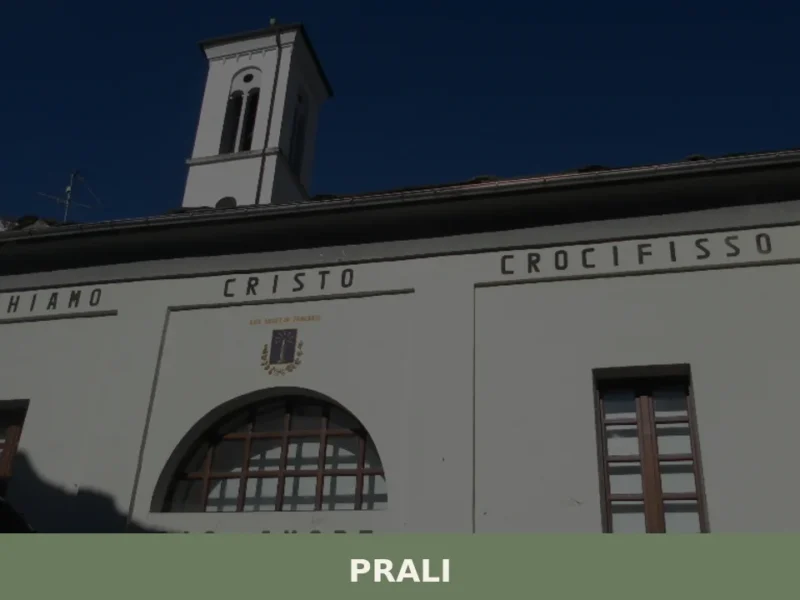
Prali sits at roughly 1,400 metres above sea level in the Germanasca Valley, one of the Waldensian Valleys of the Piedmontese Alps, about 72 kilometres south-west of Turin. With a registered population of 252 inhabitants, it is one of the smaller comuni in the Metropolitan City of Turin — and until 1937 it was officially […]
Alpette
Mountain
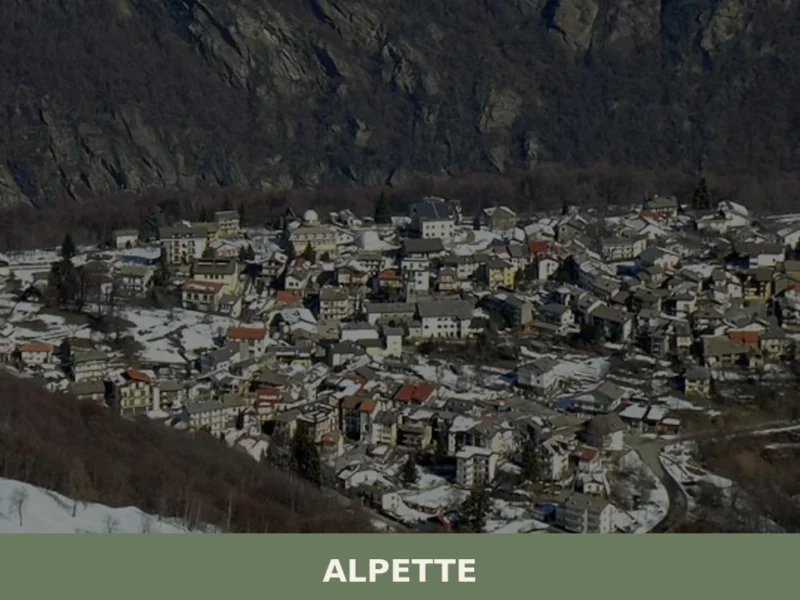
At 957 metres above sea level, on the eastern slope of Gran Paradiso, Alpette has 251 inhabitants spread between the central settlement and a handful of hamlets scattered along the pastures that climb towards Cima Quinzeina. Those looking into what to see in Alpette will find a village built almost entirely from local stone and […]

Perosa Canavese
 Plains
Discover what to see in Perosa Canavese, a 495-inhabitant village in the Canavese area of Piemonte. History, food, travel tips and how to get there.
Cafasse
Hills
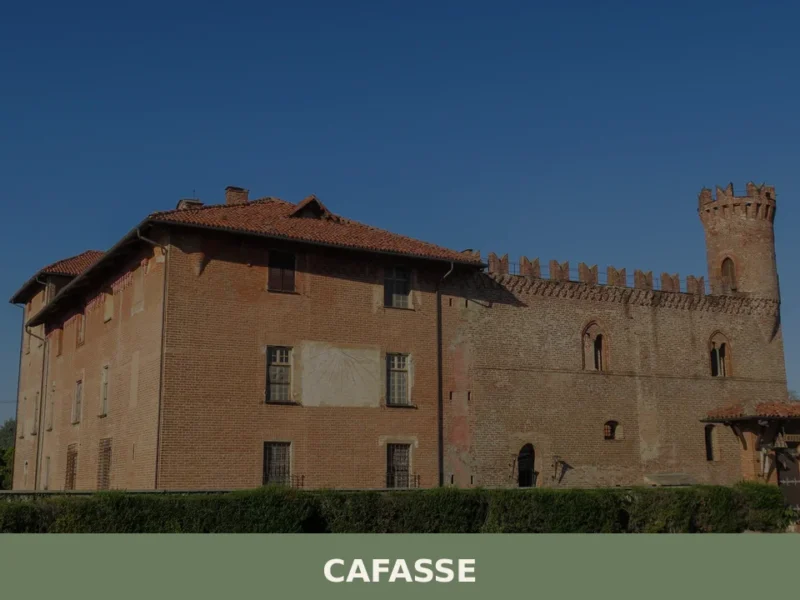
What to see in Cafasse, Italy: 25 km from Turin, explore the Valli di Lanzo gateway, local cuisine and festivals. Discover the best of this Piemonte village.
Borgofranco d’Ivrea
Hills
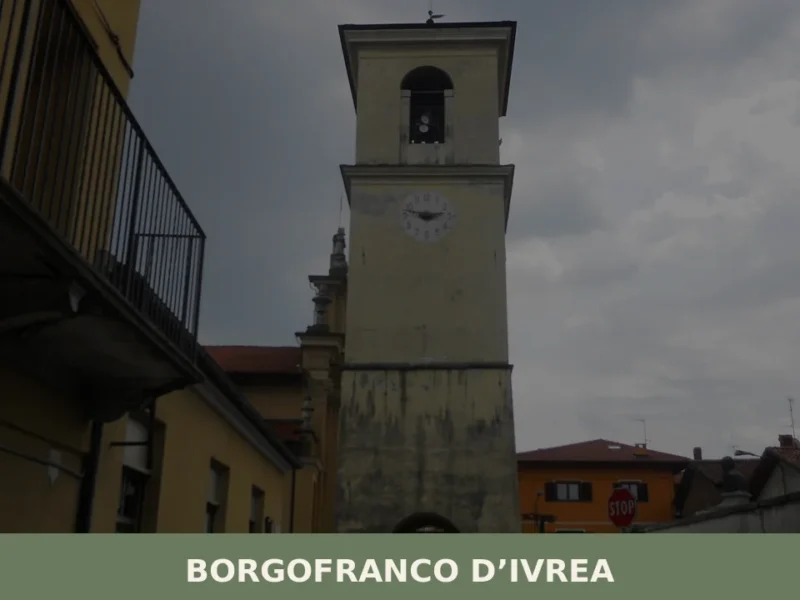
Discover what to see in Borgofranco d'Ivrea: medieval street grid, Serra d'Ivrea moraine, Canavese food and practical travel tips for this Piedmont village.
Biella
Hills
what to see in biella, Italy? Explore the UNESCO Sanctuary of Oropa and Biella's historic 420m altitude Piazzo quarter. Read our guide for top attractions.


🏡 Know Pont-Canavese better than we do?
If you’re a local or have been there, your knowledge matters: add what’s missing or fix a detail on this page.