


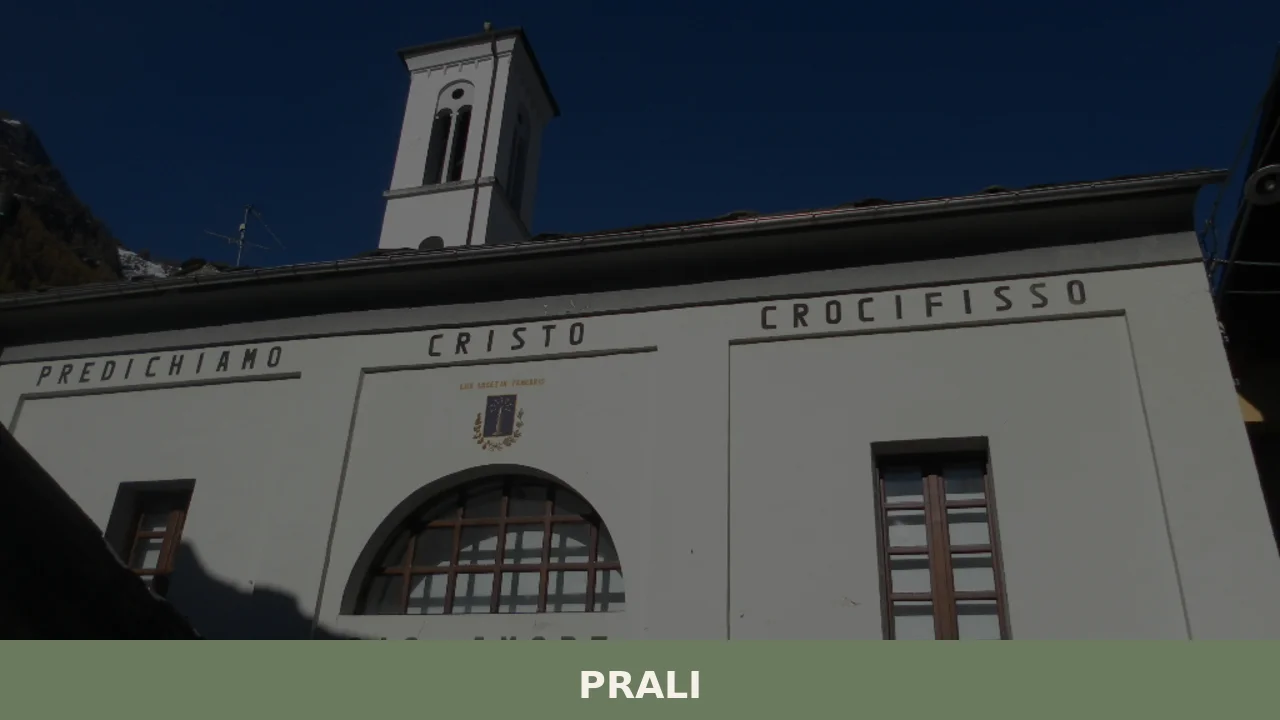
Prali
 Mountain
Prali sits at roughly 1,400 metres above sea level in the Germanasca Valley, one of the Waldensian Valleys of the Piedmontese Alps, about 72 kilometres south-west of Turin. With a registered population of 252 inhabitants, it is one of the smaller comuni in the Metropolitan City of Turin — and until 1937 it was officially […]
Discover Prali
Prali sits at roughly 1,400 metres above sea level in the Germanasca Valley, one of the Waldensian Valleys of the Piedmontese Alps, about 72 kilometres south-west of Turin. With a registered population of 252 inhabitants, it is one of the smaller comuni in the Metropolitan City of Turin — and until 1937 it was officially spelled Praly, a detail that alone signals the layered linguistic and administrative history embedded in this mountain settlement. For travellers asking what to see in Prali, the answer begins not with a single landmark but with the convergence of Alpine geography, Waldensian religious heritage, and a ski area that has made the valley known well beyond Piedmont.
History of Prali
The name Prali derives from the Occitan Praal, meaning meadows or clearings — a direct geographical descriptor that reflects both the language spoken by the valley’s earliest permanent communities and the pastoral economy that sustained them for centuries. The Occitan-speaking population of the Germanasca Valley was not simply a cultural footnote: it was the living expression of a linguistic continuum stretching across the southern Alpine arc from Piedmont into Provence, and Prali remained one of its northernmost anchors. The renaming to the Italianised form in 1937 was a direct product of Fascist-era language policy, which systematically replaced place names in minority languages across Italy’s Alpine borderlands.
Prali’s identity is inseparable from the history of the Waldensians, a Protestant reform movement that took root in the Piedmontese valleys from the twelfth century onward and survived centuries of violent persecution. The Germanasca Valley — including the territory of Prali — was one of the redoubts where Waldensian communities maintained their faith through periods of open repression, including the massacres of 1655 known as the “Piedmontese Easter,” which drew international condemnation and prompted John Milton to write his sonnet On the Late Massacre in Piedmont. The valleys were formally recognised as a Waldensian homeland following the Edict of Emancipation issued by Carlo Alberto of Savoy in 1848, which granted civil rights to the Waldensian population after more than four centuries of legal exclusion.
Economically, Prali and the Germanasca Valley have been defined for much of the modern era by talc mining. The valley contains one of Europe’s significant talc deposits, and industrial extraction — carried out by operators including the Société Française des Talcs de Luzenac and later by Italian concerns — shaped the valley’s workforce and infrastructure through the twentieth century. In parallel, the construction of ski lifts and the development of a winter sports area from the mid-twentieth century introduced tourism as a second economic pillar, diversifying the local economy and drawing seasonal visitors from Turin and beyond. These two industries — extractive and recreational — coexisted in a narrow Alpine valley, a combination that gives Prali’s economic landscape an unusual and concrete specificity.
What to see in Prali: the main attractions
The Waldensian Temple
The Waldensian temple in Prali is the spiritual and architectural centrepiece of the village. Built in the austere Reformed tradition — bare stone walls, no figurative decoration, a rectangular hall oriented toward the pulpit rather than an altar — it reflects the theological priorities of a community that rejected Catholic iconography. Services are still held regularly, making it a functioning place of worship, not a museum piece.
Ski Area of Prali
The Prali ski area occupies the upper slopes above the village, with lifts reaching elevations that provide reliable snow cover through the winter months. Developed progressively from the second half of the twentieth century, it offers a contained network of runs suited to intermediate skiers, with the advantage of significantly lower visitor numbers than the larger Piedmontese resorts. The official Prali ski area website provides current lift status, slope maps, and seasonal passes.
The Germanasca Valley Talc Mine (Museo Scopriminiera)
The talc mine at Scopriminiera, located in the Germanasca Valley near Prali, is one of the most concrete expressions of the area’s industrial past. Visitors enter active or former extraction tunnels aboard a mine train and see the white mineral seams that made this valley economically significant for over a century. The experience is geological and historical in equal measure, designed for adults and older children.
The Hamlets and Borghi of Prali
Prali’s municipal territory encompasses several scattered hamlets — borghi — at varying altitudes along the valley floor and lower slopes. These stone-built clusters, some partially abandoned and others still inhabited year-round, preserve a vernacular Alpine architecture characterised by dark schist roofing, thick exterior walls, and wooden balconies used historically for hay storage and crop drying.
Alpine Hiking Routes Above the Village
The high-altitude terrain above Prali connects to a network of marked trails leading toward the ridge separating the Germanasca Valley from the adjacent Chisone Valley. The itineraries reach alpine lakes and former pastoral summer settlements (alpeggi) that were used for transhumant livestock grazing until well into the twentieth century. Trail maps and route conditions are published by Turismo Torino e Provincia, the official tourism body for the Metropolitan City of Turin.
Local food and typical products
The kitchen of the Germanasca and Chisone valleys belongs to the broader tradition of Piedmontese mountain cooking, built around preserved meats, polenta, dairy products and foraged ingredients. In Prali and its surroundings, toma — a semi-firm cow’s milk cheese produced in the Alpine dairies above the valley — is among the most direct expressions of the local pastoral economy. The Piedmont region as a whole holds several DOP-designated cheeses, and the valley’s smaller-production tome represent the artisanal end of that tradition. Cured meats from the mountain pig-farming tradition, together with polenta concia — polenta enriched with local cheese and butter — appear consistently on the menus of valley restaurants.
For visitors exploring what to see in Prali and the wider Germanasca Valley, eating opportunities are limited but genuine: the village and its immediate area support a small number of mountain restaurants and rifugi, some of which operate seasonally and are connected to the ski area. Winter is the more reliable season for finding these open; in summer, hikers should verify opening days in advance. The broader Waldensian Valleys food culture also includes herbal preparations and fruit preserves tied to the short Alpine growing season, occasionally available from small local producers.
Best time to visit Prali
Prali operates on a clear two-season rhythm. Winter — from December through March, depending on snowfall — is when the ski area functions at capacity and the village sees its highest visitor numbers. The altitude and northern orientation of the upper slopes mean snow cover is generally reliable, though the Piedmontese Alps can experience variable winters. The Waldensian cultural calendar adds a different layer: il XVII Febbraio, the seventeenth of February, is observed as a celebration of Waldensian emancipation across the valleys, with bonfires lit on the hillsides in a tradition that has continued since the early nineteenth century.
Summer — July and August particularly — suits walkers and those interested in the valley’s cultural and religious heritage. Temperatures at this altitude remain moderate, rarely exceeding 25°C even in August. Spring (May–June) and autumn (September–October) are quieter and suitable for independent travellers who want the trails without the summer concentration of visitors. Some facilities, including the Scopriminiera mine museum, operate on a seasonal calendar; checking with the official Prali municipality website before arrival is advisable.
How to get to Prali
Prali is reached by road along the Germanasca Valley, branching from the Chisone Valley near Perosa Argentina. There is no railway service to Prali itself; the nearest rail connection is at Pinerolo, served by trains from Turin Porta Nuova. From Pinerolo, the journey continues by road — approximately 40 kilometres — through the Chisone and then Germanasca valleys. By car from Turin, the most direct route follows the SS23 toward Pinerolo and then provincial roads into the valley; total driving time from the centre of Turin is approximately 90 minutes under normal conditions.
- Nearest airport: Turin Caselle International Airport (TRN), approximately 100 kilometres from Prali
- Nearest railway station: Pinerolo (connections to Turin Porta Nuova); from Pinerolo, continue by car or seasonal bus service
- By car from Turin: approximately 72 km, 80–95 minutes via SS23 and Germanasca Valley road
- Motorway reference: A55/A6 toward Pinerolo, then exit for the Chisone Valley
- Note: In winter, snow chains or winter tyres are mandatory on the valley road above a certain altitude; check local road conditions before departure
Where to stay in Prali
Accommodation in Prali is modest in volume and deliberately Alpine in character. The options divide broadly between small hotels and mountain guesthouses associated with the ski area, and holiday apartments or agriturismo properties scattered through the valley hamlets. In winter, the accommodation closest to the ski lifts — in the upper part of the village — fills earliest and generally requires advance booking from November onward for the Christmas and February school-holiday periods. In summer, the pressure is lower and last-minute availability more realistic, though the total number of beds in the village remains small.
Travellers who prefer more amenity and transport flexibility sometimes base themselves in Perosa Argentina or Pinerolo, using Prali as a day destination. For those committed to staying in the village, renting a private apartment for a week gives the most practical base, particularly for families or small groups. The valley agriturismo model — farmhouse accommodation with meals — represents the most direct way to engage with the local food culture described above. Booking through the official tourism platform for the Waldensian Valleys or contacting the municipality directly for an up-to-date list of registered operators is the most reliable approach.
More villages to discover in Piemonte
Piedmont’s mountain and foothill villages each carry a distinct character shaped by geography, history, and economy. Those drawn to the Waldensian and Alpine heritage of Prali will find additional layers of Piedmontese history in Carema, a village in the Aosta Valley border zone known for its remarkable terraced vineyard system and the pergola structures — topia — that give its landscape an immediately identifiable appearance. Further east, Baldissero Torinese offers a contrasting experience: a hilltop comune in the immediate metropolitan hinterland of Turin, where the Piedmontese hill landscape replaces the high-valley drama of the western Alps.
For those who want to extend their exploration of Piedmont’s less-trafficked provincial towns, Alpette — a small comune in the Canavese area — provides a window into the quieter rural Piedmont that exists between the major tourist circuits, while the textile and industrial heritage city of Biella anchors the north-eastern corner of the region with a very different urban and economic identity. Together, these destinations sketch the breadth of a region that resists reduction to a single landscape or a single story.
Frequently asked questions about Prali
Is Prali feasible as a day trip from Turin?
Yes, but with planning. Prali is approximately 72 kilometres from central Turin — around 80 to 95 minutes by car via the SS23 toward Pinerolo and then the Germanasca Valley road. There is no direct rail link; the nearest station is Pinerolo, from which you must continue by car or seasonal bus. In winter, allow extra time for road conditions and mandatory snow chains or winter tyres on the upper valley road. A day trip works best in summer, when mountain restaurants and the Scopriminiera mine museum are more reliably open.
What is the significance of the bonfires lit on 17 February in Prali?
The seventeenth of February marks the Waldensian celebration of emancipation, commemorating the Edict of Emancipation issued by Carlo Alberto of Savoy in 1848, which granted civil rights to Waldensian communities after more than four centuries of legal exclusion. Across the Waldensian Valleys, including Prali, bonfires are lit on the hillsides on the evening of 17 February in a tradition maintained since the early nineteenth century. It is one of the most distinctive and historically rooted local events in the valley calendar.
What does the name Prali actually mean, and why was it once spelled differently?
The name derives from the Occitan word Praal, meaning meadows or clearings, reflecting the Occitan language spoken by the valley’s earliest permanent communities. Until 1937 the village was officially spelled Praly, the Occitan-influenced form. The change to the Italianised Prali was imposed by Fascist-era language policy, which systematically replaced minority-language place names across Italy’s Alpine borderlands. The original spelling is therefore not a simple typographical variant but a direct marker of the region’s distinct linguistic and cultural identity.
What kind of hiking terrain can visitors expect above Prali?
The high-altitude trails above Prali connect to marked routes leading toward the ridge between the Germanasca Valley and the adjacent Chisone Valley. Itineraries pass alpine lakes and former summer pastoral settlements known as alpeggi, which were used for transhumant livestock grazing until well into the twentieth century. The terrain is genuinely Alpine rather than gentle foothill walking. Trail maps and updated route conditions are published by Turismo Torino e Provincia, the official tourism body for the Metropolitan City of Turin.
When is accommodation in Prali hardest to find, and when is it easier?
Advance booking is essential from November onward for the Christmas and February school-holiday periods, when accommodation near the ski lifts fills earliest. The February window also coincides with the Waldensian celebration of 17 February, adding further demand. In summer, overall visitor pressure is considerably lower and last-minute availability is more realistic, though the total number of beds in Prali remains modest. Options include small hotels linked to the ski area and holiday apartments or agriturismo properties scattered through the valley hamlets.
Frequently asked questions about Prali
Is Prali feasible as a day trip from Turin?
Yes, but with planning. Prali is approximately 72 kilometres from central Turin — around 80 to 95 minutes by car via the SS23 toward Pinerolo and then the Germanasca Valley road. There is no direct rail link; the nearest station is Pinerolo, from which you must continue by car or seasonal bus. In winter, allow extra time for road conditions and mandatory snow chains or winter tyres on the upper valley road. A day trip works best in summer, when mountain restaurants and the Scopriminiera mine museum are more reliably open.
What is the significance of the bonfires lit on 17 February in Prali?
The seventeenth of February marks the Waldensian celebration of emancipation, commemorating the Edict of Emancipation issued by Carlo Alberto of Savoy in 1848, which granted civil rights to Waldensian communities after more than four centuries of legal exclusion. Across the Waldensian Valleys, including Prali, bonfires are lit on the hillsides on the evening of 17 February in a tradition maintained since the early nineteenth century. It is one of the most distinctive and historically rooted local events in the valley calendar.
What does the name Prali actually mean, and why was it once spelled differently?
The name derives from the Occitan word Praal, meaning meadows or clearings, reflecting the Occitan language spoken by the valley's earliest permanent communities. Until 1937 the village was officially spelled Praly, the Occitan-influenced form. The change to the Italianised Prali was imposed by Fascist-era language policy, which systematically replaced minority-language place names across Italy's Alpine borderlands. The original spelling is therefore not a simple typographical variant but a direct marker of the region's distinct linguistic and cultural identity.
What kind of hiking terrain can visitors expect above Prali?
The high-altitude trails above Prali connect to marked routes leading toward the ridge between the Germanasca Valley and the adjacent Chisone Valley. Itineraries pass alpine lakes and former summer pastoral settlements known as alpeggi, which were used for transhumant livestock grazing until well into the twentieth century. The terrain is genuinely Alpine rather than gentle foothill walking. Trail maps and updated route conditions are published by Turismo Torino e Provincia, the official tourism body for the Metropolitan City of Turin.
When is accommodation in Prali hardest to find, and when is it easier?
Advance booking is essential from November onward for the Christmas and February school-holiday periods, when accommodation near the ski lifts fills earliest. The February window also coincides with the Waldensian celebration of 17 February, adding further demand. In summer, overall visitor pressure is considerably lower and last-minute availability is more realistic, though the total number of beds in Prali remains modest. Options include small hotels linked to the ski area and holiday apartments or agriturismo properties scattered through the valley hamlets.
Nearby Villages near Prali
In Piedmont More villages to discover
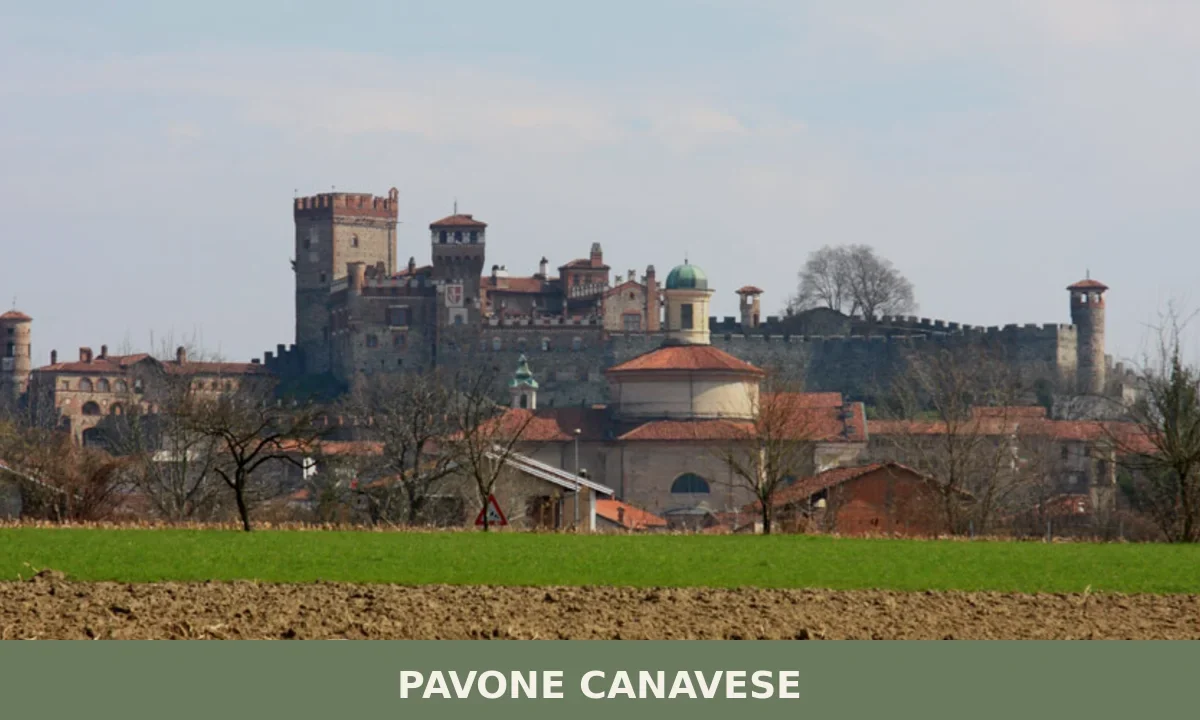
Pavone Canavese
 Plains
A community of around 3,600 people in the Turin metropolitan area, where a medieval castle, a nature reserve and the legacy of a pioneering restorer reward a focused visit.
Canischio
Mountain
Scopri Canischio borgo Piemonte: storia, tradizioni e paesaggi mozzafiato tra le colline canavesane. Una meta autentica da non perdere!
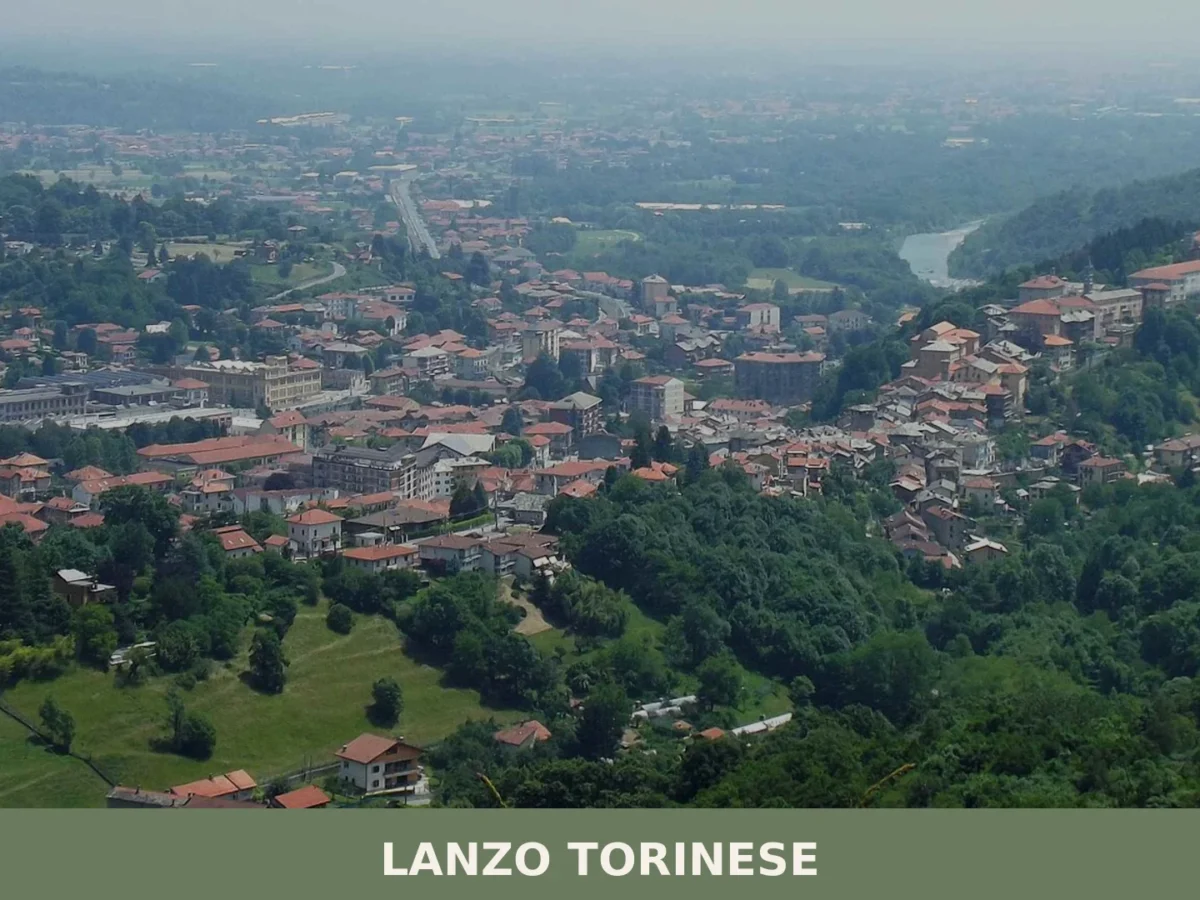
Lanzo Torinese
Mountain
A town of nearly 5,000 residents where Alpine valleys meet industrial heritage. Medieval castle ruins and 14th-century bridge engineering define its character.
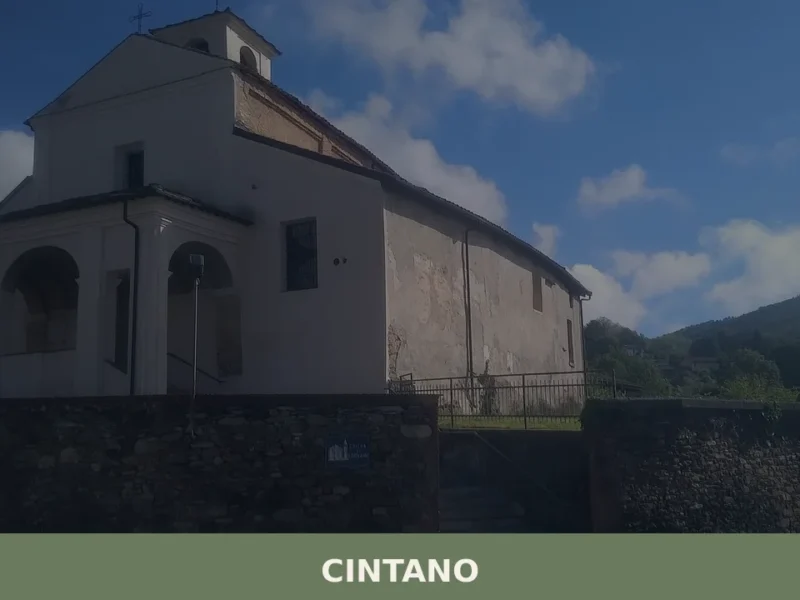
Cintano
Mountain
Scopri Cintano, un affascinante borgo del Piemonte ricco di storia, natura e tradizioni. Lasciati conquistare dalla sua bellezza autentica!
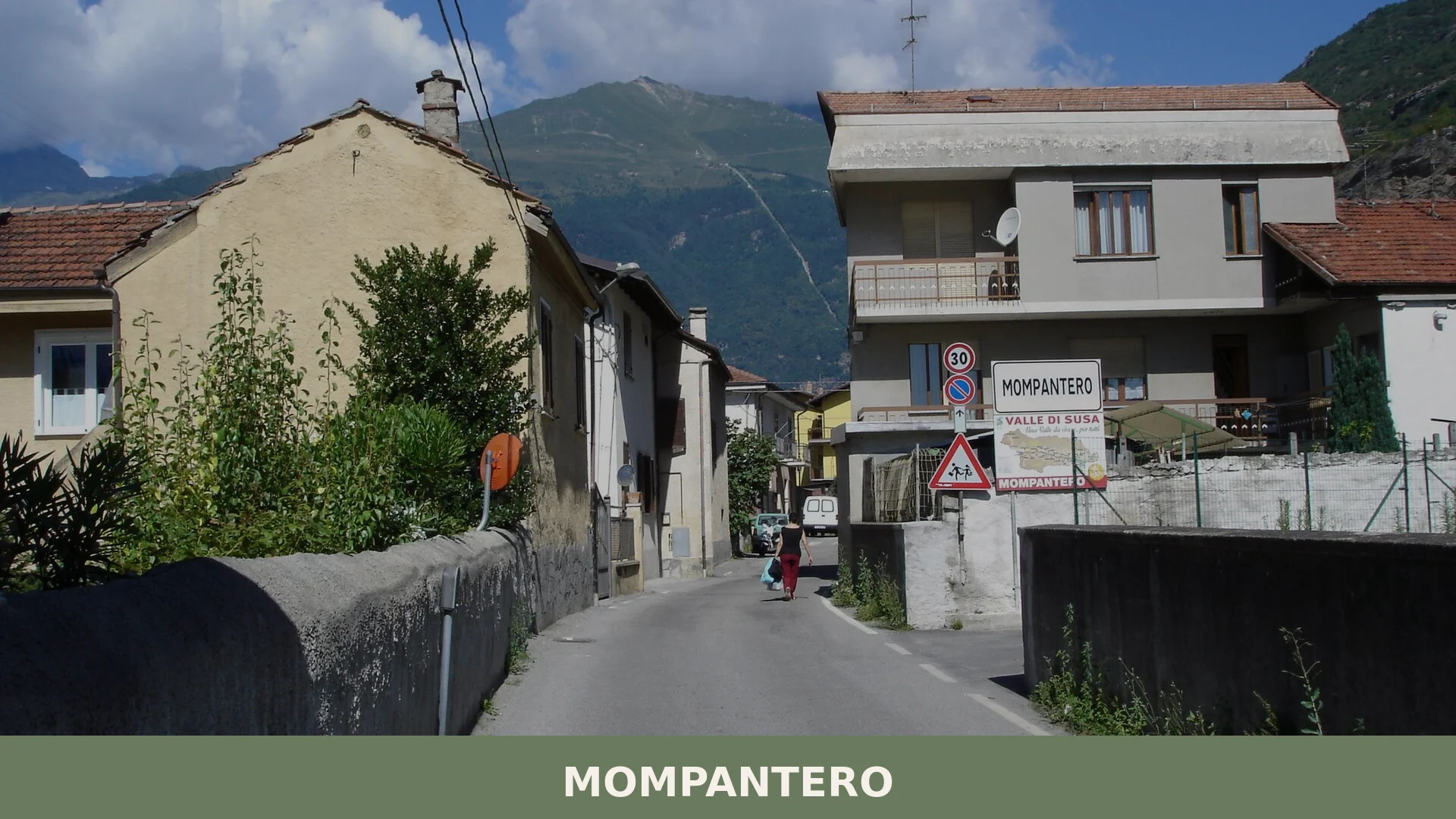
Mompantero
Mountain
609 residents, thirty mountain hamlets and one of the Alps' most singular winter festivals: Mompantero rewards visitors who come looking for the real Valle di Susa.

Pratiglione
Mountain
A village of 445 souls near Turin with roots reaching back to 1014. Home to the ancestral past of Rage Against the Machine's Tom Morello.
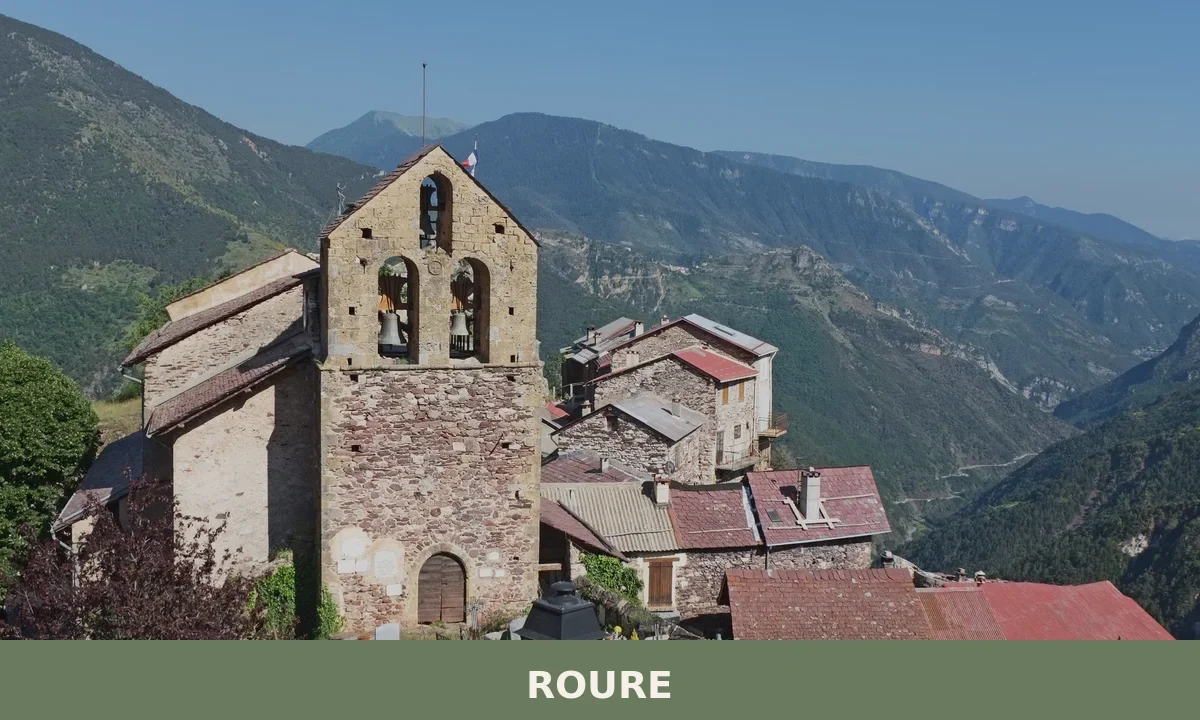
Roure
Mountain
A dispersed mountain commune of 752 residents in Turin province. Stone hamlets linked by valley pathways, climbing crags and 2000-metre drops into wilderness.

Castelletto Molina
 Hills
Hills
137 residents, one patron saint and a golden civic banner: Castelletto Molina rewards slow travellers with genuine Monferrato countryside and Piedmontese village life.
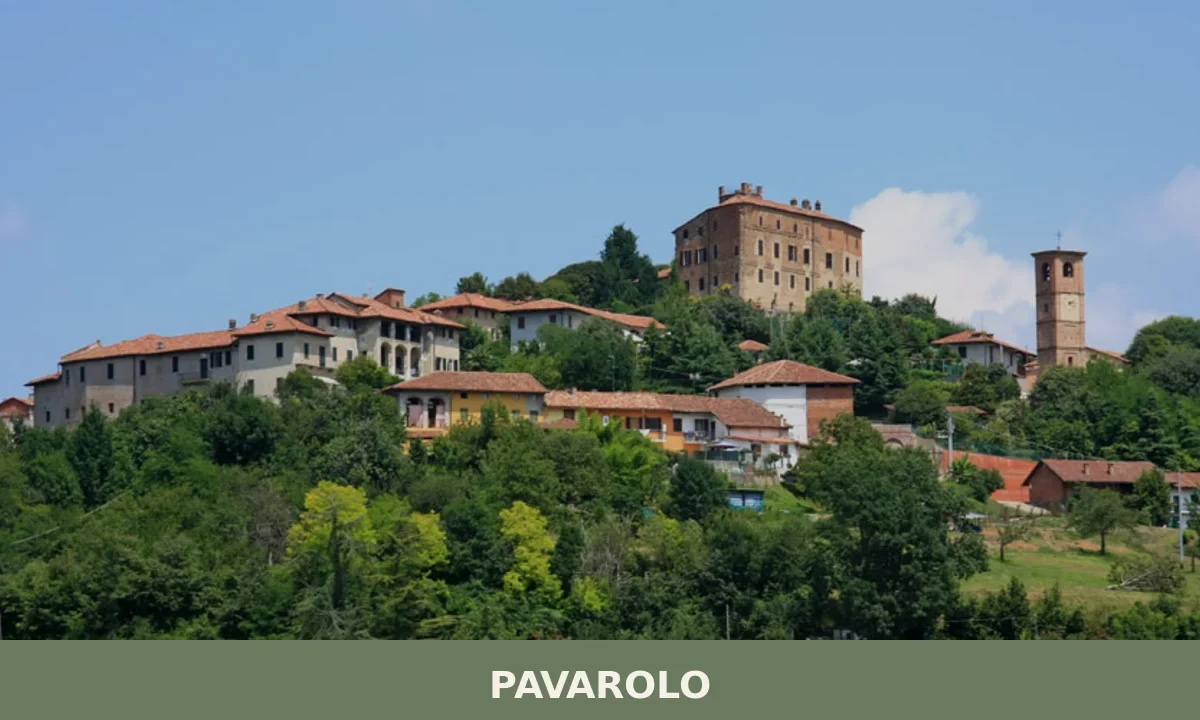
Pavarolo
Hills
1,170 residents and centuries of documented history make Pavarolo a village where a medieval castle, Baroque church and the legacy of painter Felice Casorati reward a visit.
Massello
Mountain
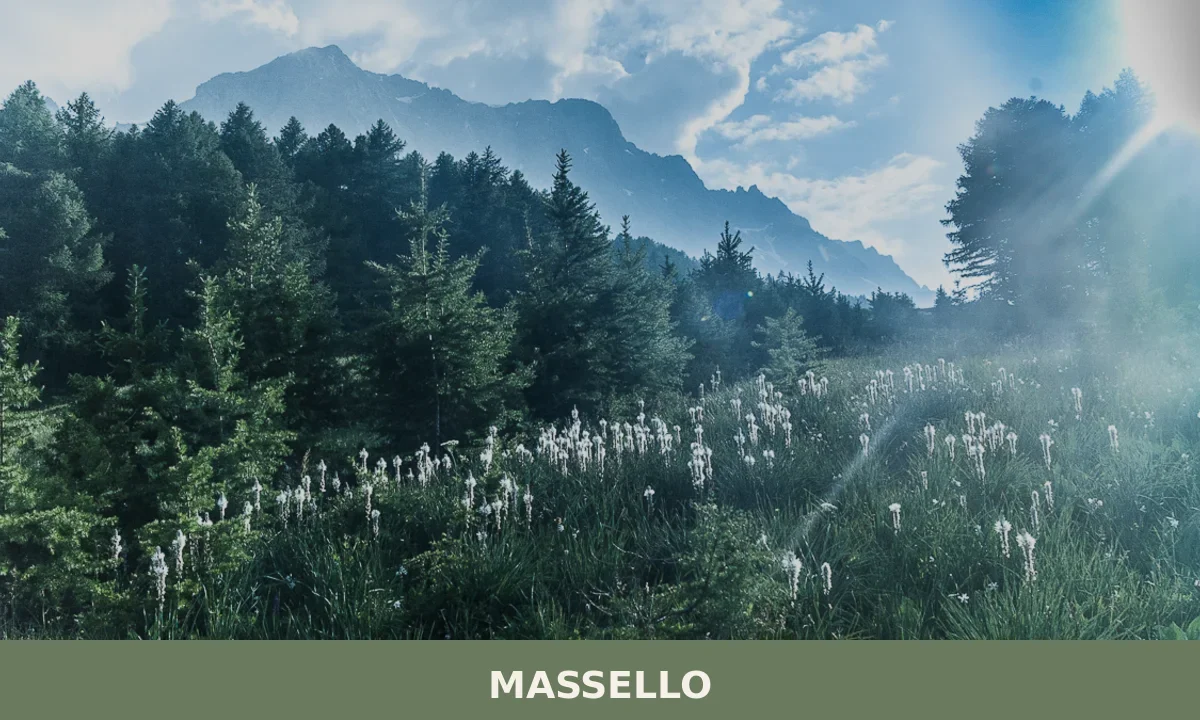
55 residents, one valley, and a waterfall at 2,000 m. Massello preserves Waldensian memory and mountain trails few travellers reach.
🏡 Know Prali better than we do?
If you’re a local or have been there, your knowledge matters: add what’s missing or fix a detail on this page.