


Presicce
 Plains
Population 5,552. A low-altitude village built around an abundant water source, with medieval ruins, baroque religious architecture and a peasant culture museum in the ducal palazzo.
Presicce: Origins, Territory and the Mystery of Water in Southern Salento
Water rises from beneath the earth here, drawn by the hands of farmers for seven centuries. In a valley among the serre—the low, weathered hills of the Salento—where olive terraces climb the slopes and springs feed the deep wells, Presicce sits at 107 metres above the sea, a compact grid of stone buildings arranged around squares where locals still gather in the early evening.
Presicce village in Apulia is a comune in Lecce province, merged administratively with Acquarica del Capo in 2019. Two distinct attractions shape a visit: the Museo della civiltà contadina, displaying agricultural life through carefully arranged objects in thematic rooms, and the ensemble of Baroque churches built after the 1743 earthquake, whose pale stone faces still catch the morning light as they did two centuries ago.
Origins and the Mystery of Water
The earliest people to settle here came for water. Around the seventh century, when the surrounding landscape was still largely untamed, families were drawn to a valley where underground springs ran close to the surface. The village’s coat of arms—a deer drinking from a fountain—preserves this foundational memory, suggesting that abundance of water was so remarkable it became the symbol of identity itself.
The name Presicce carries uncertain etymology. Giacomo Arditi, the most trusted local historian, proposed that it derives from the Latin Praesitium, possibly indicating a garrison or defended place. Other scholars have traced it to the classical Praesepe (manger or fold) or suggested links to the Eteocretesi, the pre-Greek indigenous population of Crete. Local legend credits a miraculous spring brought forth by the prayers of Saint Hilary during a famine. Without definitive written records, the name remains a conversation between possible etymologies rather than a settled fact.
The immediate ancestors of modern Presicce lived on the nearby hilltop of Pozzomauro. When Saracen raiders destroyed that settlement in 1481, the survivors descended to the water-rich valley below, establishing themselves closer to the springs. The ruins of Pozzomauro’s medieval tower, basilican crypt and small stone chapel still stand on the height above the modern town, visible markers of that migration.
By 1088, Presicce had entered the Principate of Taranto, binding it to the feudal structures that would define its medieval and early modern history. The feud passed through noble families—Securo, De Specola, Gonzaga, Brayda—until 1714, when it was elevated to a principate and awarded to the de’ Liguoro. Under their rule, agricultural reforms redistributed land to peasants and installed olive mills that sent oil to Naples and Spain, transforming the landscape into the terraced orchards still visible today.
On a November night in 1655, during the feast of Sant’Andrea, a masked figure shot and killed the prince from his castle window. The killing ended the ius primae noctis and earned Presicce’s inhabitants the enduring nickname Mascarani—the masked ones.
Churches and the Baroque Rebuilding
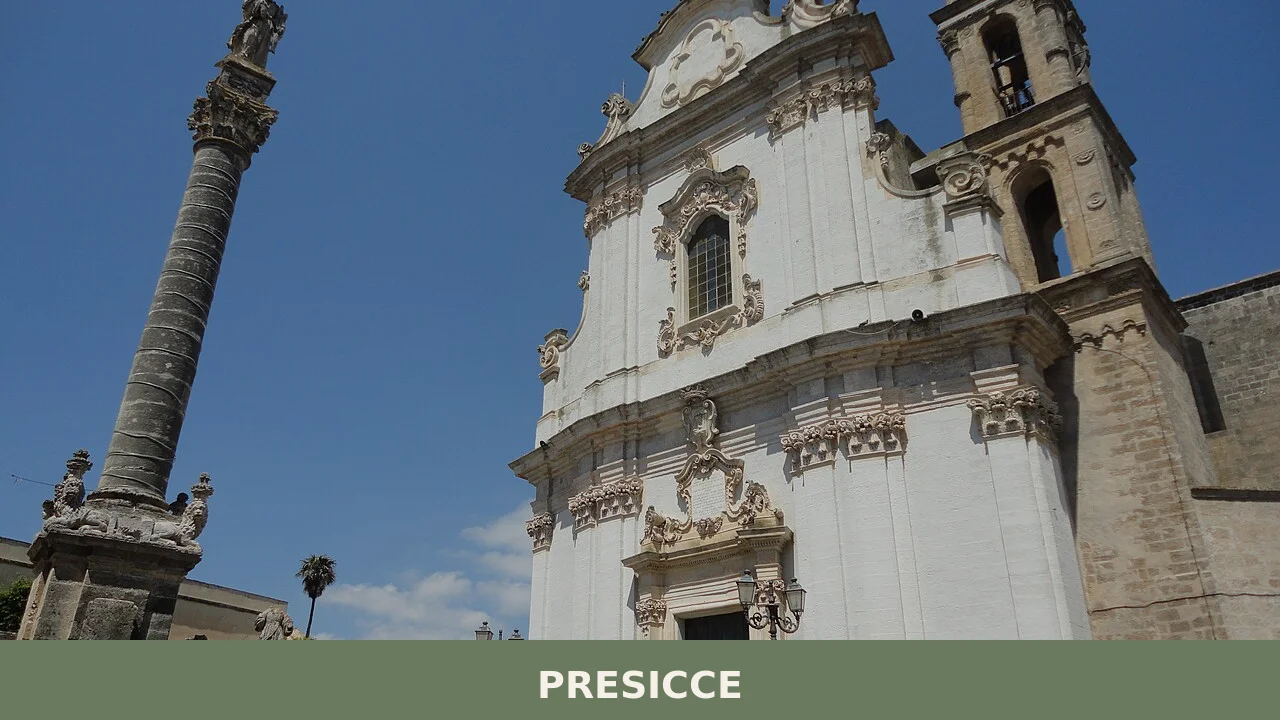
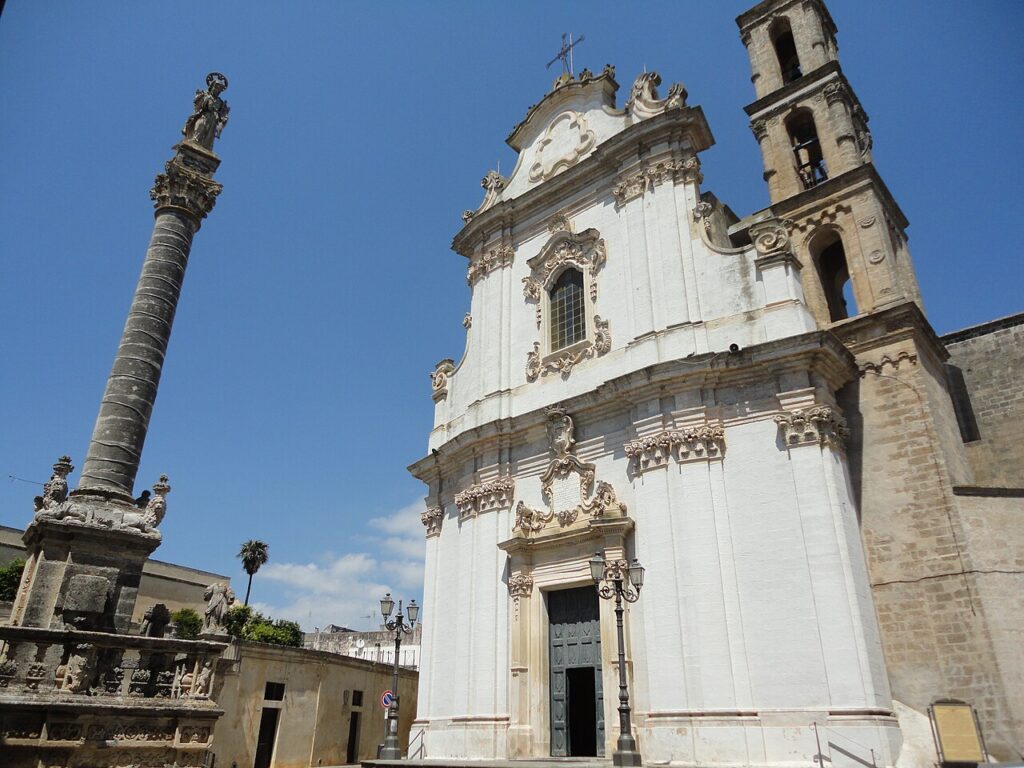
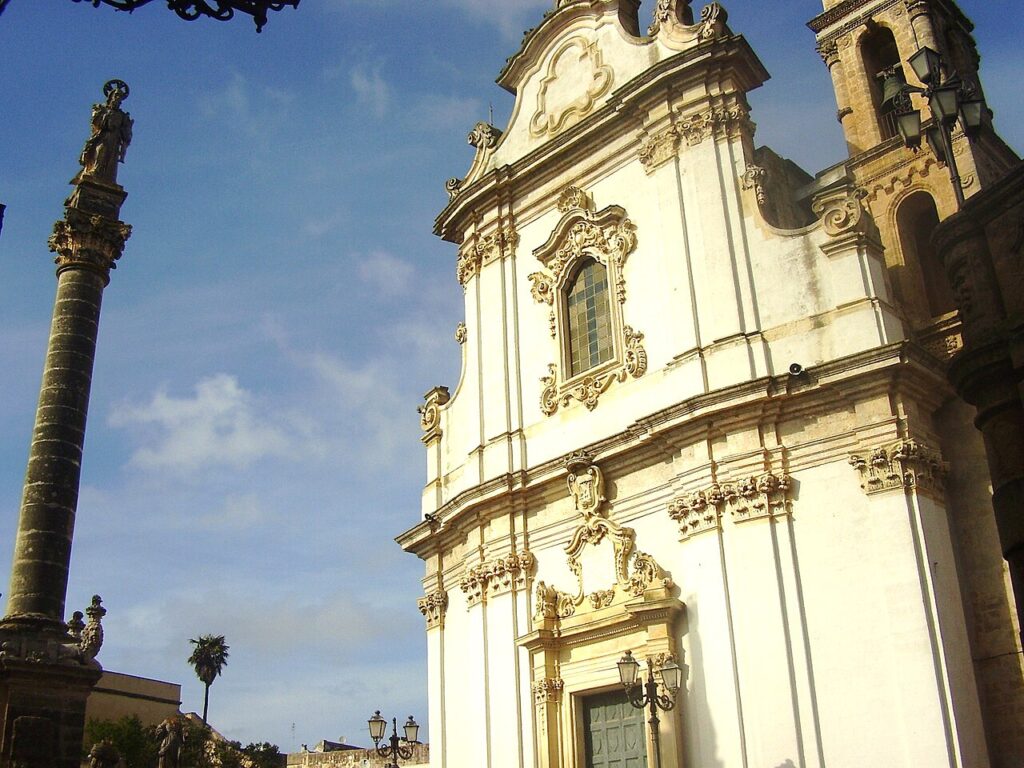
On 1 November 1743, an earthquake destroyed the ancient parish church. The reconstruction, completed between 1778 and 1781, gave Presicce the Chiesa madre di Sant’Andrea Apostolo that dominates the town centre today. Its elegant, restrained Baroque facade shelters a Latin-cross interior with nine altars and polychrome marble furnishings—including acquasantiere (holy-water basins). Michele Arditi, a Presicce native, held a significant role with the Real Museo Borbonico (now Museo Archeologico Nazionale di Napoli); the museum was established under Ferdinand IV/I of Bourbon in the late eighteenth century. The sixteenth-century Renaissance campanile, rising above, survived the tremor and was retained. Inside, a painting of the patron saint by Giovan Battista Catalano hangs above the wooden choir. Adjacent stands the Chiesa dei Morti, dated 1575 on its architrave, its name derived from the sealed burial vaults it once contained.
The Chiesa del Carmine and its attached convent rose between 1585 and 1590 after a donation by Martino Alfarano, a Presicce citizen, to the Carmelites of Lecce. Closed briefly in 1652 and permanently suppressed in 1809, the complex was adapted in 1883 to house the municipal offices, courthouse, school and jail—functions it retained through a second restoration between 1930 and 1935. Today it shelters the municipal police headquarters and the public library. The church itself, a single nave with four altars, features an altar of carved Lecce stone with twisted columns and carvings, with the Madonna del Carmelo and Saint John the Baptist at its centre.
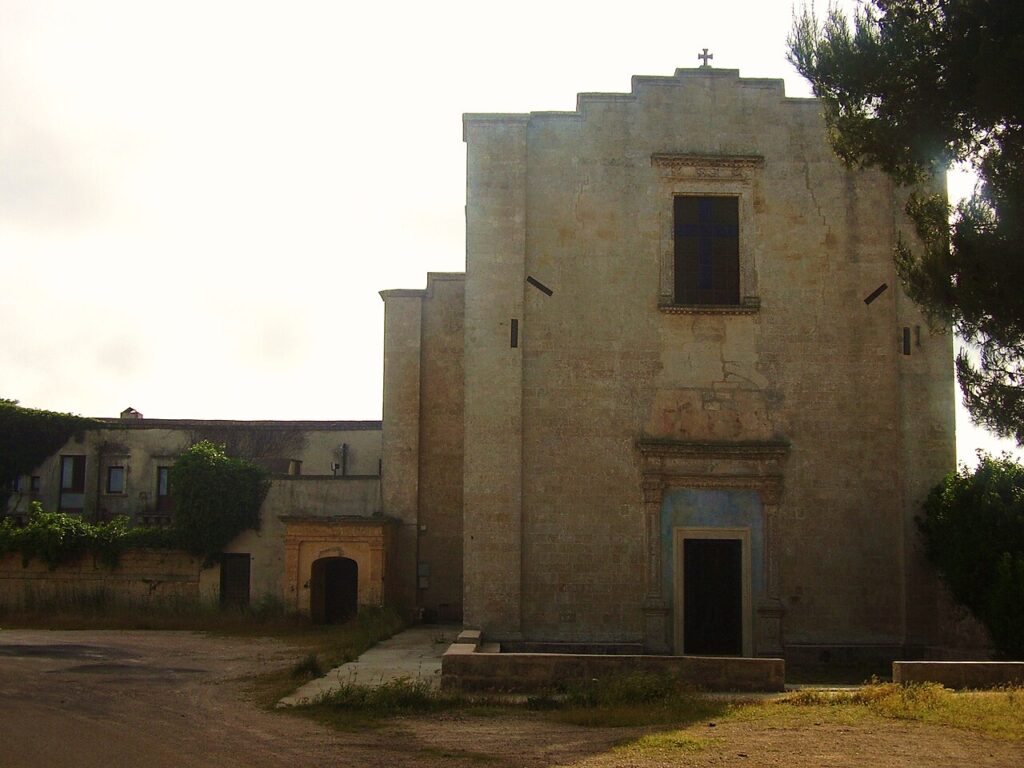
Beyond the town, on the site of medieval Pozzomauro, stands the Chiesa di Santa Maria degli Angeli with its convent of the Reformed Fathers. According to tradition, two prodigies in 1596—an apparition of the Virgin to a farmer and the healing of a blind man—prompted its reconstruction. The baron and architect Filippo De Cito designed the new church in 1598; construction of the adjoining convent began when the Reformed Fathers arrived in 1603. The interior displays a T-shaped cross plan with eighteenth-century stuccos and eight altars. Byzantine-style frescoes from the twelfth to fourteenth centuries, including figures of saints and a Virgin and Child, survive in the transept alongside a fifteenth-century Madonna linked to the 1596 miracle. The convent, with its cloister and monastic rooms, was suppressed in 1866 and fell into decline.
Museum of Rural Life and Local Memory
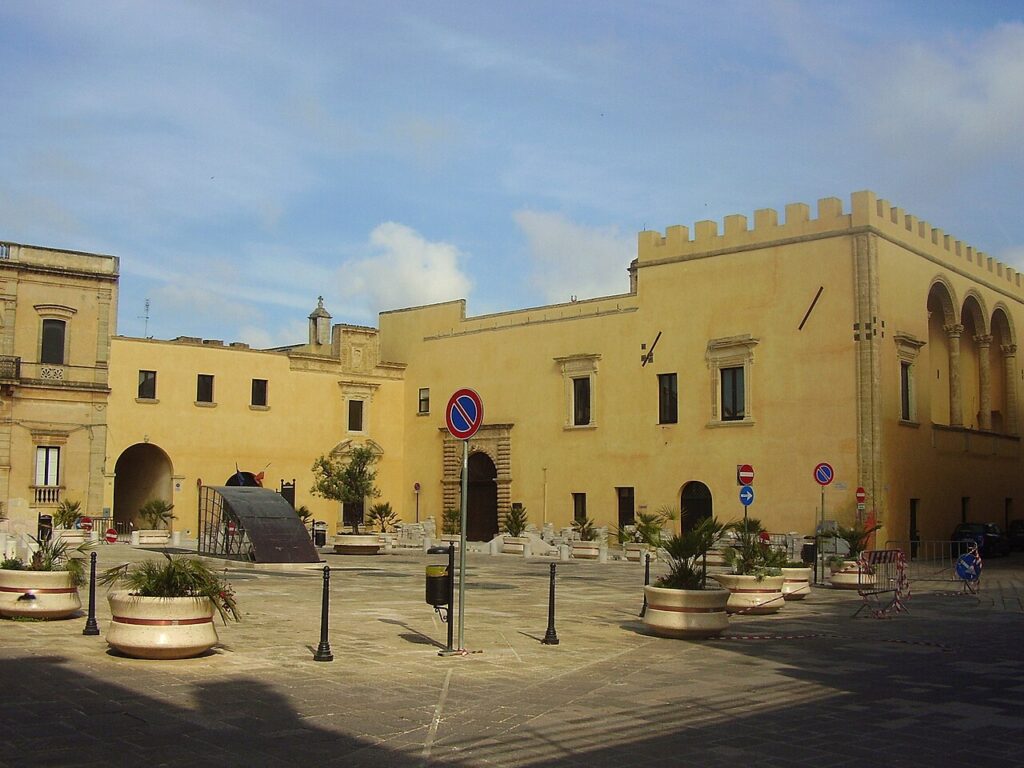
The Museo della civiltà contadina occupies the Palazzo Ducale on the main piazza del Popolo, the historic heart of Presicce’s old town. The collections are arranged in thematic rooms: the Sala della Terra, the Sala del Fuoco, the Sala dell’Acqua and the Sala del Tempo. Objects donated by private families reconstruct the rhythms of agricultural and domestic life—tools, vessels, textiles and furnishings—without the distance of a grand narrative, allowing visitors to recognize in these things the persistence of labour and craft across generations. The museum serves as a quiet counterpoint to the monumental churches, speaking in the language of hands and fields rather than nobility and faith.
Territory and Seasonal Flavours
The landscape surrounding Presicce reflects both water and stone. The Serra di Pozzomauro, the height that dominates the settlement, rises in terraces and dry-stone walls, clothed in Mediterranean scrub, ancient olive groves and Aleppo pines. The terrain sits between 65 and 169 metres above sea level, with the town itself nestled in a pocket naturally sheltered from the stronger winds that sweep the higher Salento plateau. The climate is Mediterranean—mild winters, warm humid summers—with rains concentrated in autumn and winter, leaving spring and early summer notably dry.
The province of Lecce produces oils under the Olio di Puglia IGP designation, and the lower Salento grows wines including Negroamaro and Copertino, which reflect the region’s deep commitment to viticulture. Local tables feature traditional Puglian preparations: troccoli (handmade pasta), ricotta forte (aged ricotta cheese), and seasonal vegetables preserved in oil. The soils and springs that attracted the first inhabitants remain foundational to both subsistence and trade.
Planning Your Visit
Presicce lies in the Capo di Leuca district of the Salento, surrounded by other small comuni of Lecce province. The village is best approached by car or bus from Lecce, the provincial capital, or from larger Salento towns. The town itself is compact and walkable; the old quarter centres on the piazza del Popolo, where the Palazzo Ducale and the Museo della civiltà contadina stand. The main churches are distributed through the centre and at the edges, making a morning or afternoon on foot sufficient to see the principal monuments. The feast of Sant’Andrea, the patron saint, falls on 30 November and draws the faithful with processions and local observance.
Spring (April–May) and autumn (September–October) offer the most comfortable weather for exploration. Summer heat is intense, and winter rainfall can be heavy, though frost is rare. A single day allows time to visit the principal churches, the museum and the Serra di Pozzomauro for views over the valley. Those interested in the wider network of small Salento towns can easily reach Alessano to the west or explore the coastal outposts toward the cape.
| Departure Point | Distance | Estimated Time |
|---|---|---|
| Lecce | 38 km | 50 minutes by car |
| Gallipoli | 62 km | 80 minutes by car |
| Otranto | 55 km | 70 minutes by car |
The comune of Presicce, now administratively merged with Acquarica del Capo, retains its own identity in the Baroque architecture and civic memory preserved in its churches and museum. Whether drawn by the artistic heritage of the reconstruction period, the agricultural history displayed in its collections, or simply by the quiet rhythms of a small southern Italian town, visitors find in Presicce a place where water, stone and human continuity tell a coherent, understated story.
Frequently asked questions about Presicce
What is the best time to visit Presicce?
Late autumn is ideal, particularly around November 30th when the Feast of Sant'Andrea, the village's patron saint, is celebrated. Summer offers warm weather perfect for exploring the Salento countryside and olive terraces, though temperatures can be intense. Spring brings pleasant conditions and wildflowers across the serre hills. Winter is mild in Puglia, making shoulder seasons (April-May, September-October) excellent for outdoor walks without extreme heat.
How do I reach Presicce by car or public transport?
Presicce is located in Lecce province, approximately 40 kilometres south of Lecce city. By car, take the SS16 or regional roads toward the Salento peninsula. The nearest railway station is Lecce, served by regional and intercity trains from Bari and Brindisi. From Lecce, local buses or a rental car are recommended for the final journey to the village, as public transport connections are limited.
What should I plan to see in Presicce and how long should I stay?
Plan 4-6 hours for a thorough visit. The Museo della civiltà contadina requires 1.5-2 hours to explore displays on agricultural traditions. Allow time to walk the compact stone streets, visit Baroque churches rebuilt after the 1743 earthquake, and rest in village squares where locals gather. An overnight stay enables appreciation of the rural landscape, olive groves, and nearby Acquarica del Capo, which merged administratively with Presicce in 2019.
What historical significance do the wells and springs hold in Presicce?
Presicce was founded around the seventh century specifically because of abundant underground springs running close to the surface in this valley among the serre hills. For seven centuries, farmers drew water from deep wells using traditional methods. This water abundance was so vital to survival and identity that it inspired the village coat of arms: a deer drinking from a fountain, symbolizing the foundational importance of this natural resource.
Are there agriturismos or rural accommodations near Presicce?
The Salento region is known for agriturismos offering authentic farm stays, though specific current listings and booking information for Presicce require verification through regional tourism portals or direct contact with local tourism offices in Lecce province. The village's rural character and olive-farming heritage make it suitable for agritourism experiences, but accommodation details should be confirmed via official sources before planning your stay.
📷 Photo Gallery — Presicce
In Apulia More villages to discover
Noicattaro
Plains
What to see in Noicattaro: town at 100m in the province of Bari. Medieval crypt, concentric old town, masserie and PAT cuisine. Plan your visit now.
Taranto
 Sea
Sea
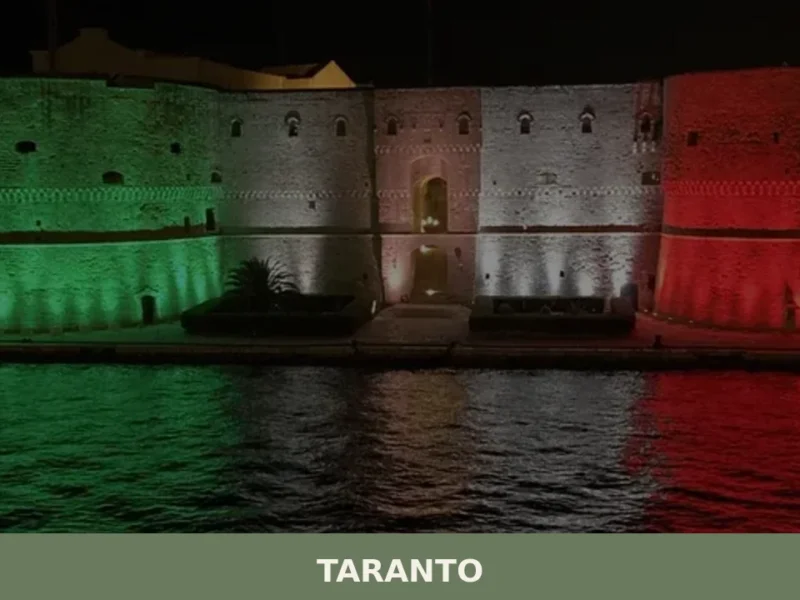
A port city of 186,000 on Apulia's coast, Taranto lives by the rhythm of its ancient harbour and working waterfront, not heritage tourism.
Putignano
 Hills
Hills
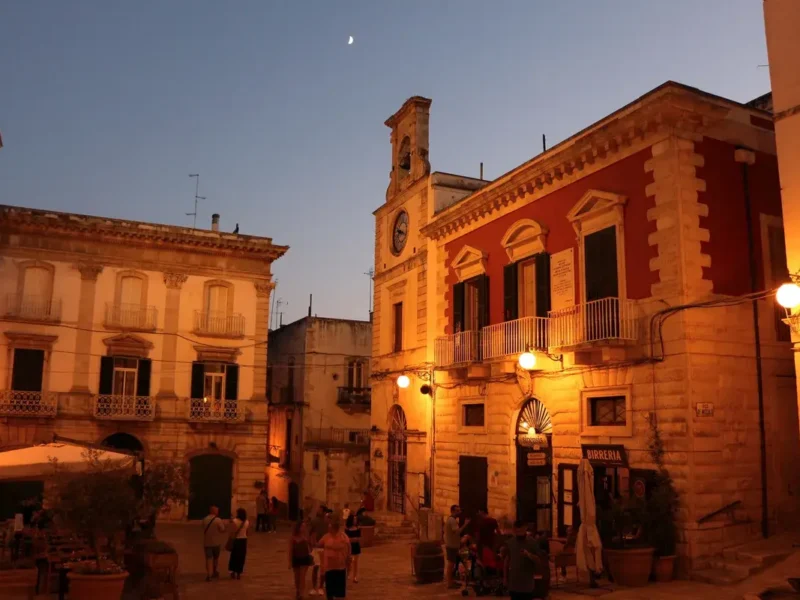
What to see in Putignano: hilltop town at 372m in the Murgia Barese. Grotta del Trullo, 6-century-old Carnival, PAT cuisine. Plan your visit now.
Carovigno
Sea
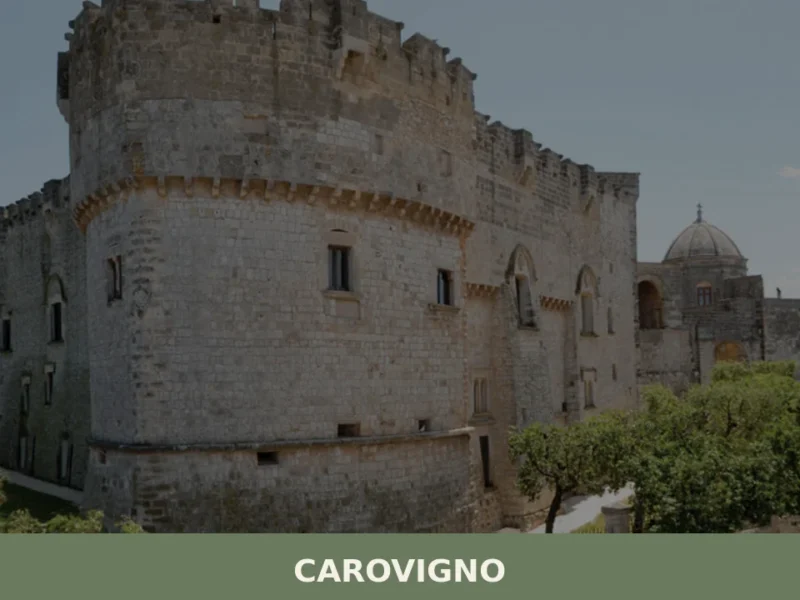
Discover what to see in Carovigno, Puglia: medieval castle, rupestrian churches, Torre Guaceto nature reserve, olive oil traditions and practical travel tips.
Manfredonia
Sea
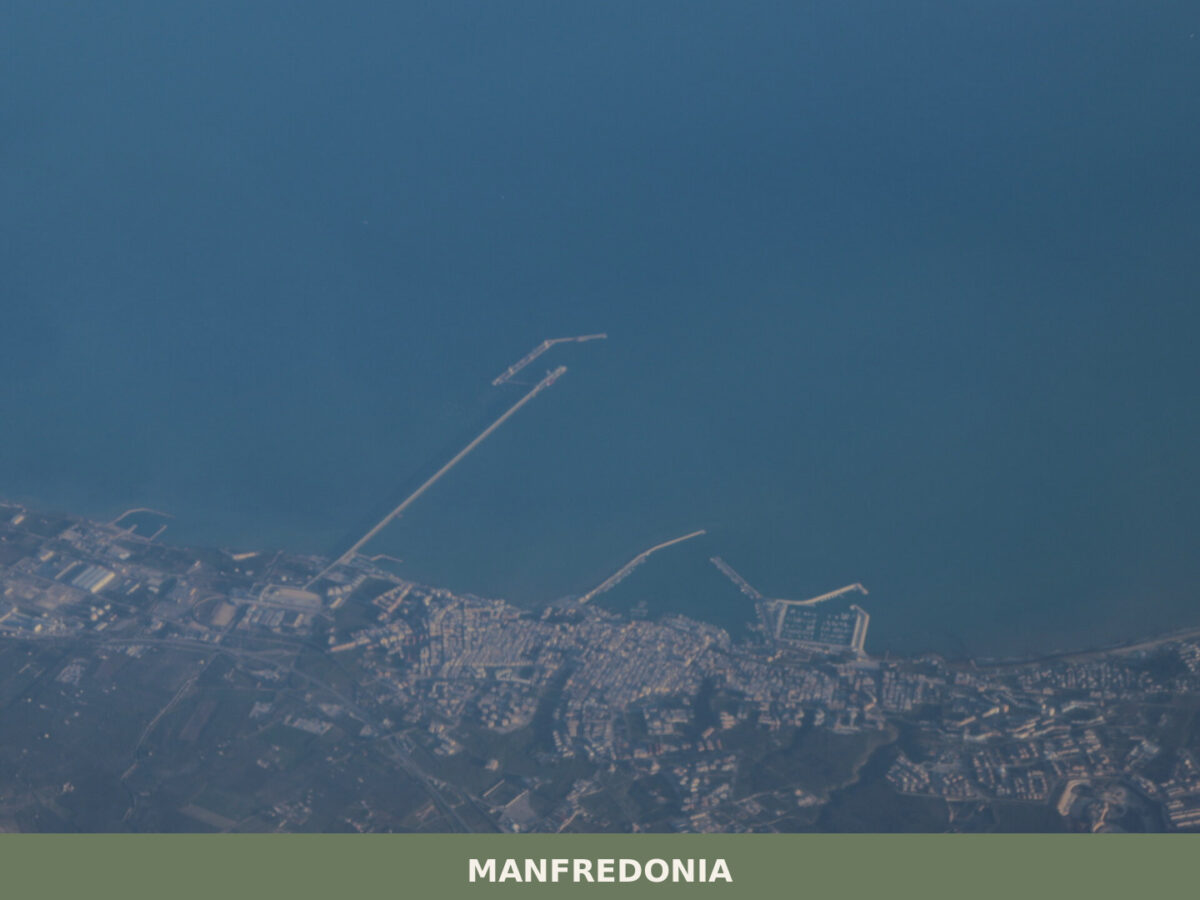
A port city founded by King Manfred on the Gargano coast, Manfredonia holds a medieval castle, pre-Roman carved stele, and one of Puglia's oldest carnivals.
Stornara
Plains
A quiet agricultural town on Puglia's Tavoliere plain, Stornara rewards visitors with honest rural architecture, sweeping wheat-field panoramas, and a food tradition rooted in durum wheat.
Maglie
Plains
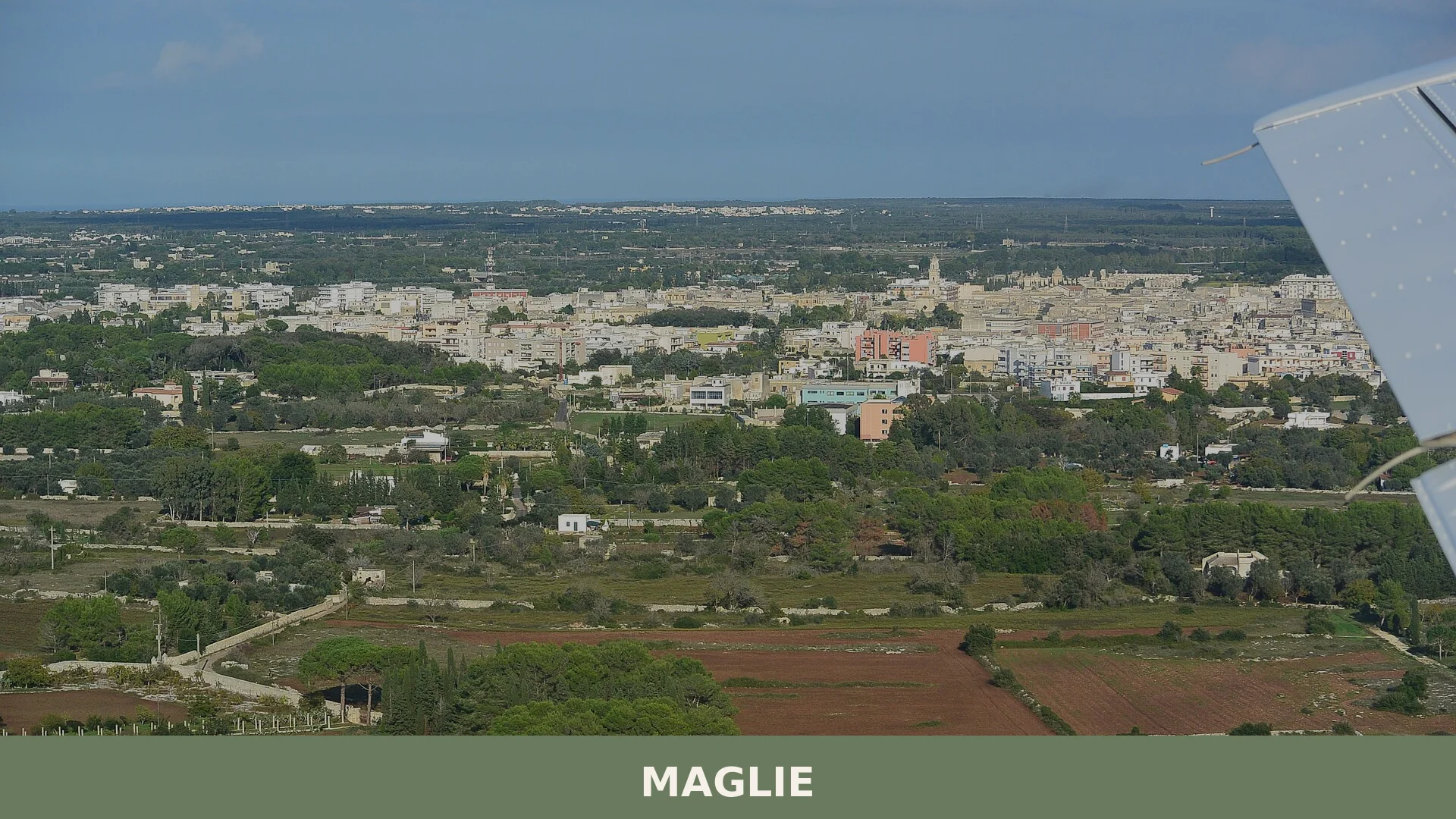
A town of 13,265 inhabitants rooted in medieval feudalism and Baroque art. Maglie sits at the crossroads of Salento's agricultural identity, anchored by its cathedral and a layer of history that reaches back to the Bronze Age.
Triggiano
Plains
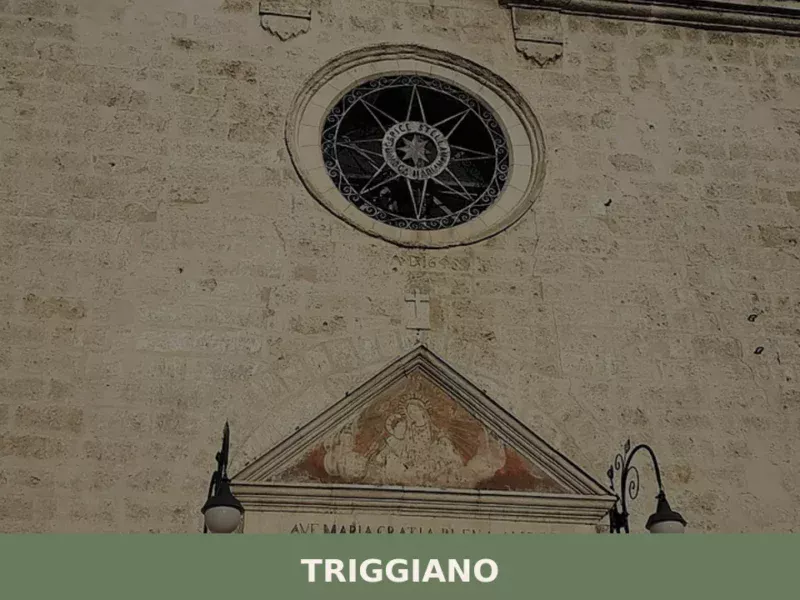
What to see in Triggiano? Discover the 5 must-see attractions, from the Baronial Castle to the Mother Church, and experience the tradition of this Apulian village.
Apricena
Plains
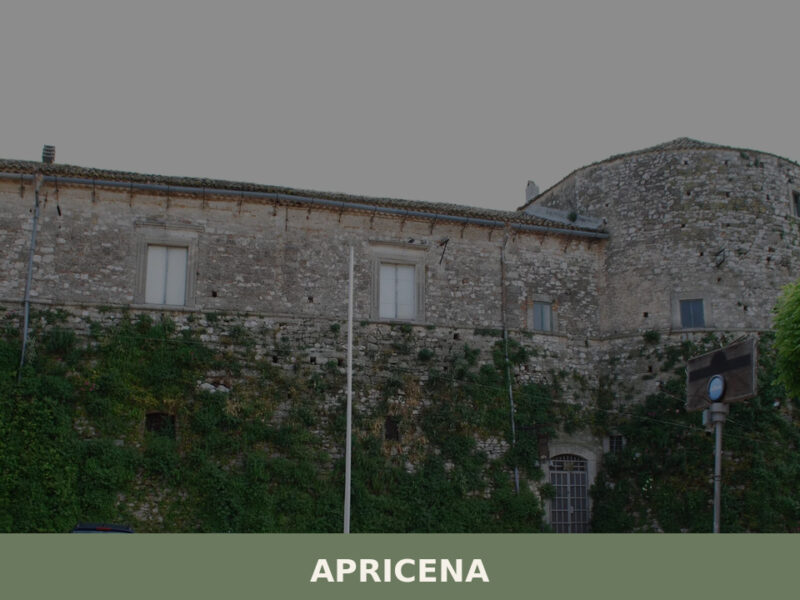
Discover Apricena, a stone-quarrying town in Puglia's Gargano area. Explore medieval heritage, local cuisine, and authentic Southern Italian charm.
Volturino
 Mountain
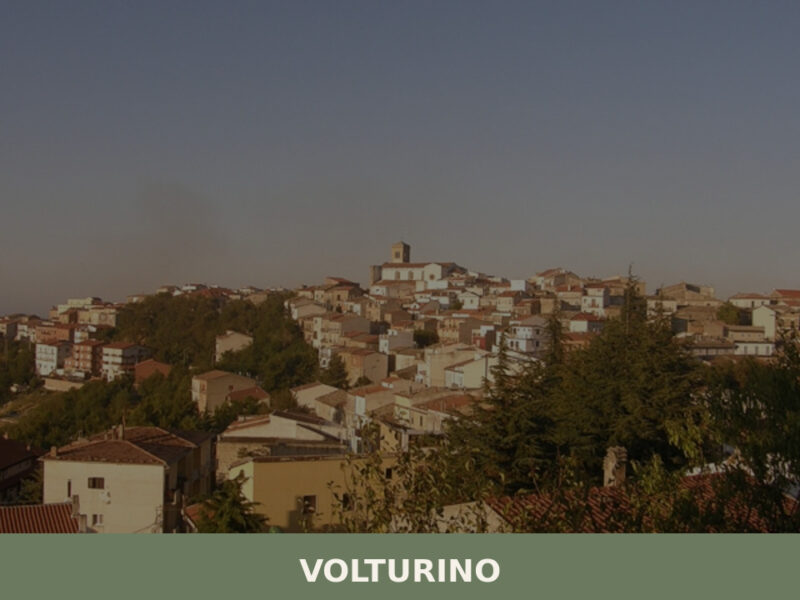
A ridgetop village of 1,554 inhabitants in Puglia's Daunia mountains, Volturino overlooks the Tavoliere plain from 735 metres. Medieval lanes, stone churches, and panoramic silence.



🏡 Know Presicce better than we do?
If you’re a local or have been there, your knowledge matters: add what’s missing or fix a detail on this page.