


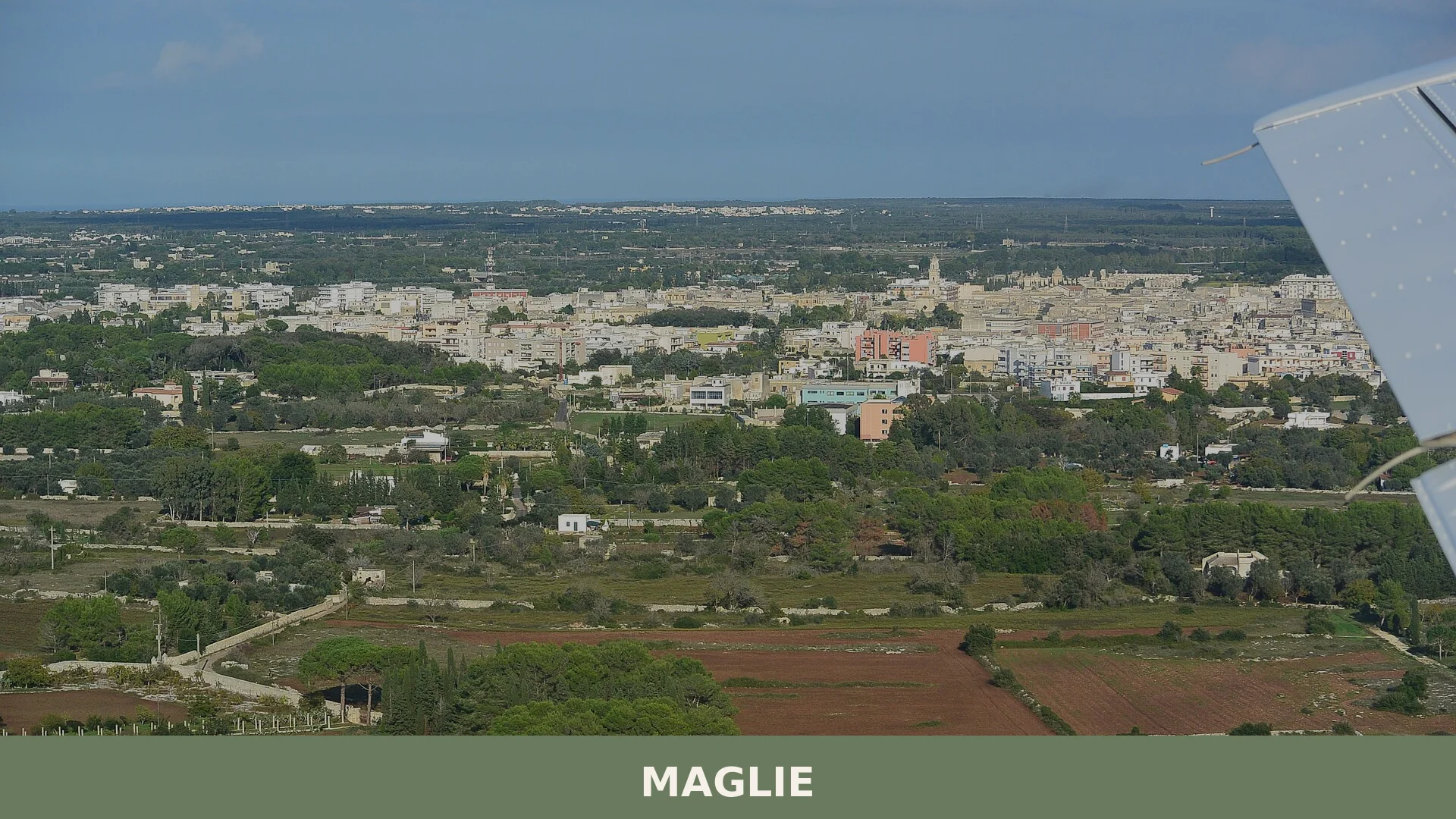
Maglie
 Plains
A town of 13,265 inhabitants rooted in medieval feudalism and Baroque art. Maglie sits at the crossroads of Salento’s agricultural identity, anchored by its cathedral and a layer of history that reaches back to the Bronze Age.
Maglie: Medieval Heart of the Southern Salento Plain
Maglie rises from the flat heartland of Salento with the understated authority of a working market town. Its pale limestone facades catch the light of the low Apulian sun, and the hum of commercial life still echoes through the main piazza—this is a village that has never pretended to be a museum piece.
Maglie village in Apulia sits in the interior of the Salento peninsula, roughly 29 kilometres south of Lecce, at an altitude of 81 metres. The town draws visitors for its Baroque Cathedral and the layered heritage written in its stones—from Neolithic dolmens scattered across the surrounding countryside to the feudal strongholds and ecclesiastical treasures that anchor its identity through the medieval and early modern eras.
The Name, the Chain and the Land Below
The coat of arms of Maglie carries three interlocked rings against an azure field, and legend has fastened a story to them. According to a tradition attributed to Luigi Tasselli, a monk of Casarano, the three rings represent three farm settlements—San Basilio, Sant’Egidio and San Vito—that joined together like the links of a chain to form the first inhabited nucleus. This tale, recorded in stone above the portal of the church of Santa Maria della Scala in 1610, became the symbolic bedrock of local identity.
However, the historian Emilio Panarese proposed a different etymology. He traced the name to a Messapic and Illyric root, mal, meaning height or mountain—a term scattered across the Mediterranean. The latinised form Malliae would correspond to place names in the Cycladic island of Syros and the ancient Cretan city of Malia. The irony is that Maglie sits on the flat southern fringe of the Salento plain, where even modest rises appeared monumental to the settlers’ eyes.
What remains certain is that the land below Maglie has held human presence for millennia. Archaeological deposits in the fondo Cattìe, discovered in 1980, yielded approximately 12,000 tools and stone fragments along with 800 bone remains—including a fossil finger bone, probably from a Neanderthal individual. The area also hosts numerous dolmens and menhirs: the archaically-formed dolmen called “Chianca” stands in contrada Policarita, while others such as “Caramauli” and “Canali” scatter across the territory. A Basilian monastic settlement flourished in contrada Fraganite between the 8th and 9th centuries, though it vanished in 1975.
Feuds, Transfers and the Rise of the Stone Town
By the 9th century, the inhabitants had migrated downslope toward the central zone, drawn by an underground watercourse that still runs beneath the town. This shift marked the true beginning of Maglie as a settled community. Around 1250, the feudal lord Tommaso di Noha granted Maglie to his daughter Riccarda as a dowry when she married Glicerio de Persona, a major landholder of Terra d’Otranto. When Glicerio died in 1269, the territory passed to Anselin de Toucy, an Angevin noble who had married Glicerio’s daughter Sibilla. After de Toucy’s death in 1273, the fief entered Church hands, then moved through various heirs until the De Persona family reclaimed it in the late 14th century.
The castle—likely a Norman fortification—subsequently belonged to Andriolo Lubello and his son Luigi. A letter from King Alfonso of Aragon in 1449 confirmed their renovation of the fortifications in more modern style. Maglie remained under the Lubello lordship until 1608, then passed through a series of sales until 1711, when Ascanio Filomarino held it. From 1723 onward, the Capece family of Barbarano ruled until feudal rights were abolished in 1806. This long succession of overlords shaped the town’s architectural character—Baroque additions layered themselves over medieval bones.
The earliest visible image of Maglie’s arms, carved in pale Lecce stone above the church portal in 1610, shows the three rings interlaced vertically—a civic emblem that survived changing hands and faiths, a symbol of continuity in a landscape of lords.
The Cathedral and the Stone Masters
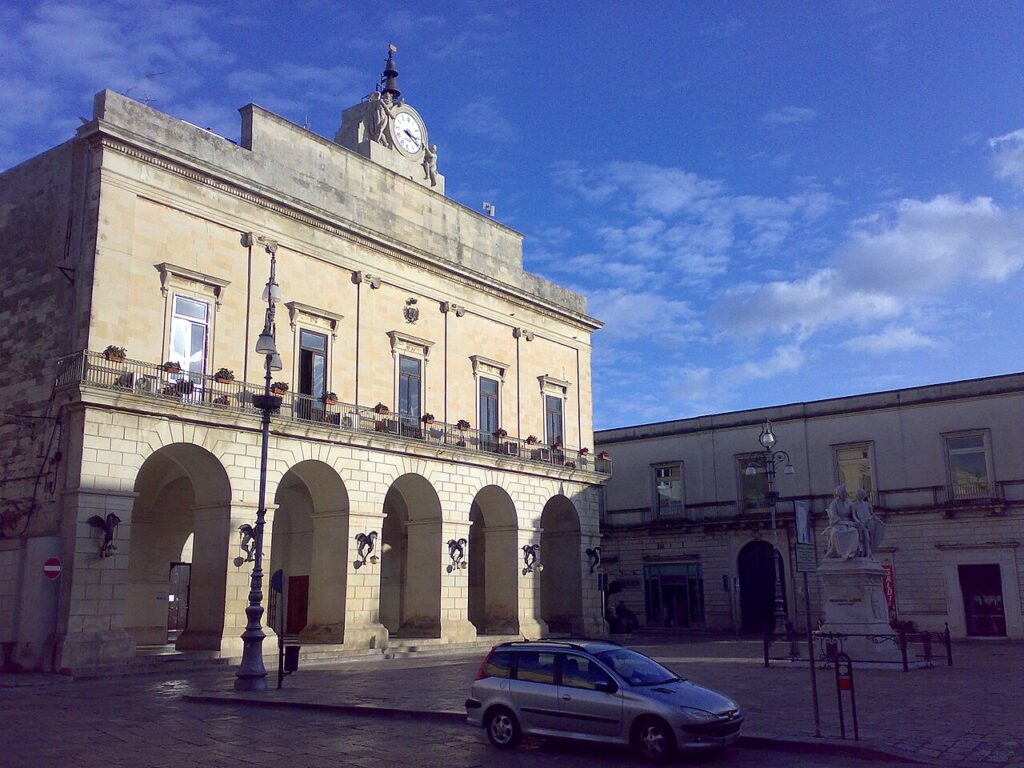
At the centre of Maglie stands the Cathedral of the Presentation of the Lord, a structure of grand Baroque proportions. The building occupies the site of two earlier churches from the 14th and 16th centuries, though its current form dates to the late 18th century. The facade spans broadly across the piazza, its curve broken by elaborate carved decoration concentrated at the sides. Inside, the Latin cross plan divides into three aisles supported on solid pillars and crowned with the distinctive flat ceiling typical of Lecce Baroque.
Emanuele Orfano sculpted the two transept altars and the main altar from pale local limestone, while their surfaces received pigment and gilding. The high altar stands beneath a statue of the Madonna of Mercy, flanked by figures of the apostles Peter and Paul. The choir, fitted with 80 wooden stalls, and a pipe organ occupy the presbytery, both works of the 18th century. The sacristy chapel glows with polychrome marble arranged by the Neapolitan Domenico d’Aloia, who set two ovals painted by Oronzo Tiso into its walls—one showing the Virgin and Child with Saint Gaetano of Thiene, the other Saint Francis of Paola.
Among the cathedral’s paintings, Francesco Palumbo of Naples contributed an Last Supper, while Pietro Bardellino, also Neapolitan, painted an oval of the Virgin with the Christ Child and Saint Augustine above the altar of Saint Nicholas. Bardellino’s large canvas of the Glory of Saint Nicholas was repainted in 1858 by Raffaele Salines. Saverio Lillo completed several works including a 1777 canvas depicting Saint Nicholas felling the cypress of Diana. In 1841, Giovanni Grassi painted a canvas showing Saint Nicholas abducting Adeodatus. The cathedral also houses wooden and stone figures of Saint Orontius, the town’s patron Saint Nicholas, and statues representing the Mysteries of Good Friday.
The Campanile: Stone Rising from the Plain
Beside the Cathedral rises a limestone tower approximately 48 metres tall—the campanile of Maglie. Its construction most likely occurred between 1686 and 1690. The structure comprises five tiers: the first four rise as square sections, each framing one of the classical orders (Doric, Ionic, Corinthian and Tuscan), while the uppermost section takes an octagonal form crowned with a glazed dome and cross. Open balusters punctuate each level, their columns alternating with pilasters carved with leafy ornament. The architect Giuseppe Zimbalo of Lecce is attributed with the four upper orders, following an initial base by Giovanni Larducci, a Venetian mason. From the ground-level piazza, the tower commands the view across the Salento interior.
The Church of Madonna delle Grazie and Its Vault
A second major religious structure within Maglie is the church of the Madonna delle Grazie, formerly known as the church of the Congregation. Built in the first half of the 16th century in Baroque style, the church bears a restrained facade—two twisted columns frame the portal, topped by a statue of the Virgin and Child. Agostino Martinelli and Giulio Cesare Penna shared the labour of its completion. Inside, a single nave leads to the main altar, sculpted by Giovan Donato Chiarello in 1645 and crowning above with small stone figures of the Coronation of the Virgin. The vault’s curved surfaces carry frescoes from the 17th century, depicting dancing and musical angels and the Expulsion of Adam and Eve from Paradise. An oil panel on the high altar, attributed to Giuseppe Verrio, shows the Virgin and Child among Saints Anthony Abbot, Basil and Anthony of Padua. Canvas paintings of the twelve apostles line the lateral walls, all dating to the 17th century. The chapel also preserves a stone figure of the Dead Christ.
Prehistoric Monuments in the Territory
Beyond the town centre, the surrounding countryside holds visible traces of Neolithic and Bronze Age settlement. Several dolmens—megalithic burial chambers—remain standing. The “Chianca” dolmen, with its archaic features, rises in contrada Policarita. Two “Caramauli” dolmens occupy their namesake locality, while “Canali” stands at Muntarrune piccinnu and a trio—”Grotta”, “Pino” and “Specchia”—mark the area of San Sidero. Menhirs also punctuate the landscape: “Calamauri”, “Crocemuzza” (also called “Franite”) and “Sprunu” remain visible reminders of ritual and territorial marking in the pre-classical world. These monuments, scattered across the fields and low elevations, anchor Maglie within a vast pre-Roman sacred geography.
The Seasons, Local Flavour and Agricultural Rhythm
Maglie enjoys a Mediterranean climate with mild winters and warm, humid summers. January temperatures average 9.7 °C, while August rises to 29.4 °C. Rain concentrates in autumn and winter, with annual precipitation around 49 millimetres—the spring and summer months endure long dry spells. Cold winds from the Balkans and warm currents from Africa periodically cross the Salento plain. The agricultural calendar remains visible in the surrounding flat fields, where traditional crops and orchards support the local economy. Local tradition recognises Saint Nicholas as the town’s patron, with his feast day celebrated on 6 December.
The food culture of central Salento reflects the region’s produce and pastoral heritage. While Maglie itself has no products formally registered as Protected Designation of Origin or Protected Geographical Indication, the surrounding province offers the Burrata of Andria (IGP), Puglia Oil (IGP) and other certified foods. The broader region produces traditional dishes such as bombetta (small rolled meat), panzerotti (fried pastries with ricotta filling) and fresh vegetables prepared simply. The absence of a sea coast means that cuisine leans toward grain, legume and vegetable preparations, enriched with local olive oil and wine.
Planning a Visit to Maglie
Maglie lies in the southern interior of the Salento peninsula, roughly central to the main towns of the province. The village is most easily reached by car from Lecce, the provincial capital, following state roads south through the countryside. Public bus connections link Maglie to Lecce and to the surrounding towns such as Corigliano d’Otranto and Bagnolo del Salento. The nearest airport is Brindisi, approximately 50 kilometres away. Most visits centre on the Cathedral and the church of Madonna delle Grazie, both located in the central piazza—they can be explored in a morning or early afternoon. The archaeological monuments (dolmens and menhirs) are scattered across the surrounding territory and require a car to access; they offer a deeper understanding of the landscape’s human past but lie outside the compact town itself.
| Departure Point | Distance | Approximate Travel Time |
|---|---|---|
| Lecce | 29 km | 35–45 minutes by car |
| Brindisi Airport | 50 km | 50–60 minutes by car |
| Bari | 165 km | 2–2.5 hours by car |
Spring and early autumn offer the most comfortable climate for exploration. Summers are hot and dry, making midday walks challenging, though evening passeggiata (strolls) through the piazza remain pleasant. Winter is mild but can bring occasional rain. The town’s commercial character means that cafés, small shops and restaurants remain active year-round; the pace is local rather than tourist-driven, which suits visitors seeking genuine encounter over stage-managed experience.
The village sits within easy reach of several neighbouring communities. Castrignano de’ Greci, Botrugno and Cannole occupy the same interior plateau, each with distinct character and heritage. A circuit linking several villages allows for a richer understanding of Salento’s interior landscape and the shared Baroque and feudal traditions that mark the region. More information is available through the official municipality of Maglie website.
Frequently asked questions about Maglie
How far is Maglie from Lecce, and what is the best way to reach it?
Maglie lies approximately 29 kilometres south of Lecce in the Salento peninsula. The most practical route is by car via the SS16 state road, which takes about 35 minutes. Train connections are limited; the nearest major station is Lecce, served by regional and intercity trains. From Lecce, local buses operate to Maglie, offering a budget-friendly alternative to driving.
When is the best time to visit Maglie?
The patron saint feast of San Nicola on 6 December draws pilgrims and offers insight into local religious tradition. Spring (April–May) and autumn (September–October) provide pleasant temperatures ideal for exploring the Baroque Cathedral and surrounding countryside. Summer heat can be intense in this flat, inland location. Winter remains mild, typical of southern Apulia's Mediterranean climate.
What prehistoric sites can be visited in the Maglie area?
Neolithic dolmens are scattered across the countryside surrounding Maglie, offering evidence of ancient settlement patterns in Salento. These megalithic monuments are part of a broader archaeological landscape spanning thousands of years. Visitors interested in prehistory should enquire locally about accessible sites and guided tours, as many remain on private land or require specialist knowledge to locate.
How long should I plan to spend in Maglie?
A half-day visit (3–4 hours) allows time to explore the Baroque Cathedral, climb the Campanile for views of the Salento plain, and walk through the main piazza. Visitors interested in deeper historical context, nearby dolmens, or the Church of Madonna delle Grazie should allocate a full day. Overnight stays enable leisurely exploration and engagement with local agricultural rhythms and seasonal produce.
What is the significance of the three interlocked rings in Maglie's coat of arms?
According to local tradition attributed to Luigi Tasselli, a monk of Casarano, the three rings represent three early farm settlements—San Basilio, Sant'Egidio, and San Vito—that joined together like chain links to form Maglie's first inhabited nucleus. This legend, recorded in the town's heraldry, reflects the coalescence of scattered rural communities into a unified settlement during the medieval period.
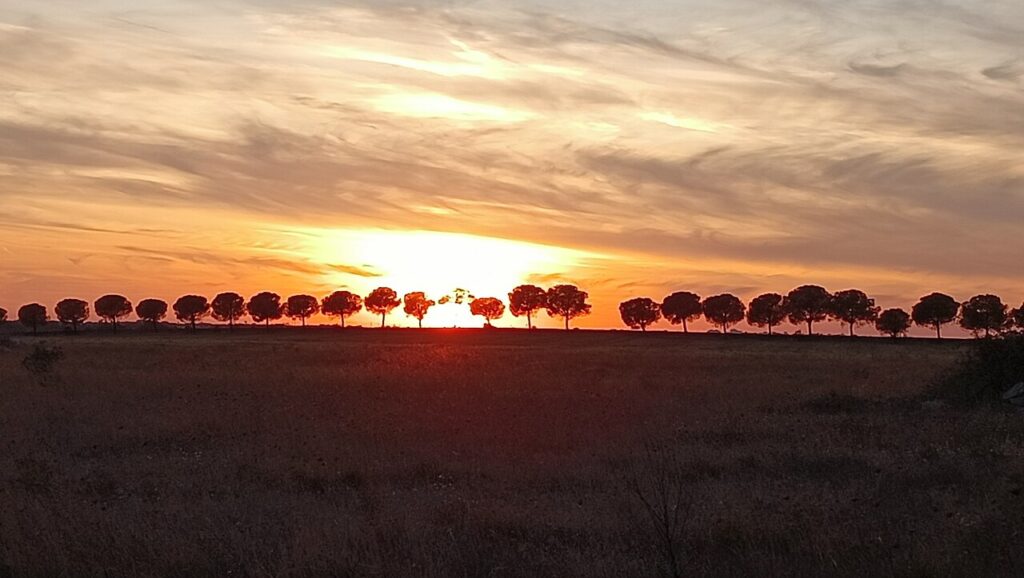
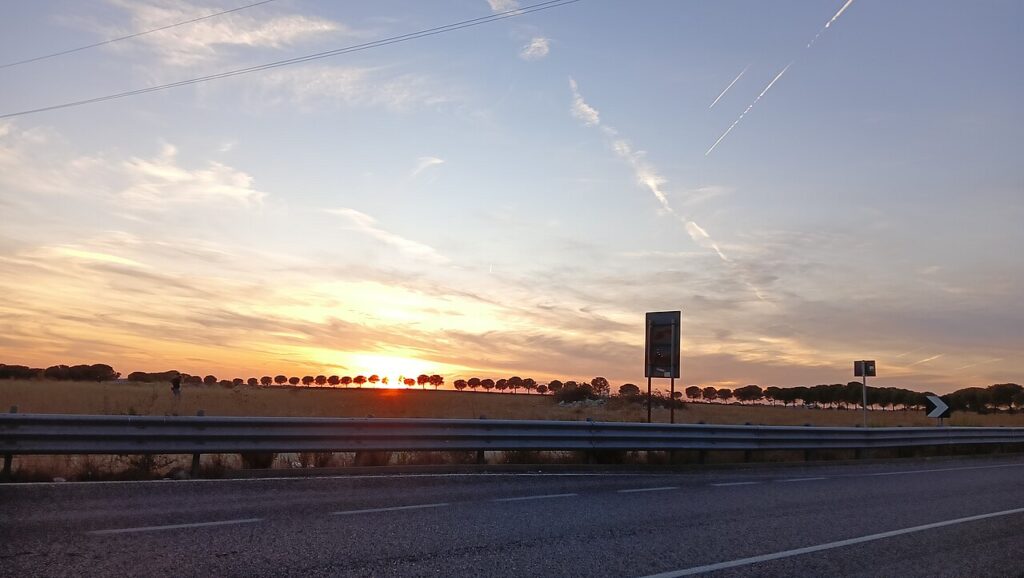
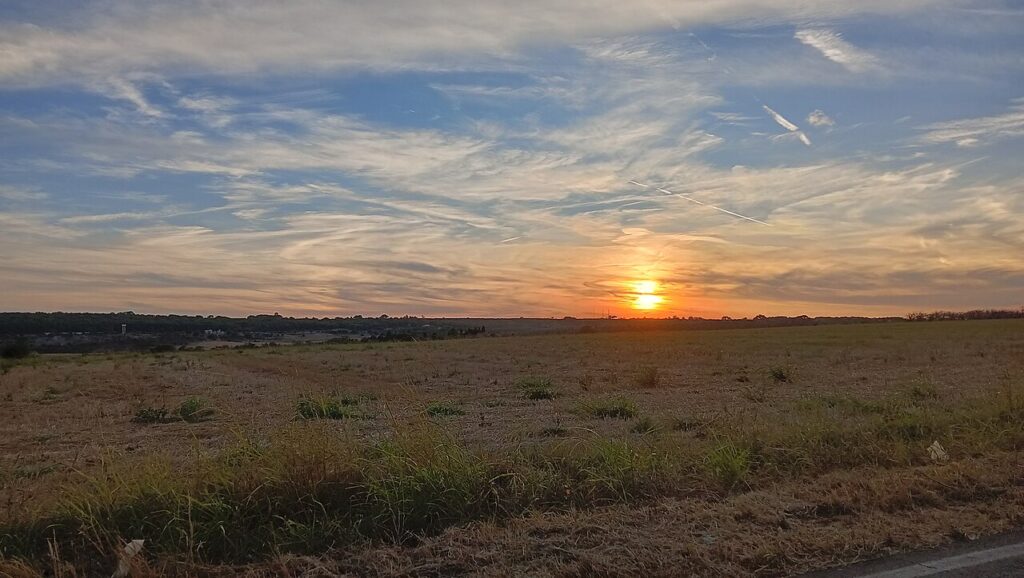
📷 Photo Gallery — Maglie
In Apulia More villages to discover

Spinazzola
 Mountain
What to see in Spinazzola, Puglia, Italy: birthplace of a Pope and a Jesuit sinologist, 70 km from Bari. Discover top attractions, local food and travel tips.
San Giovanni Rotondo
 Hills
Hills
San Giovanni Rotondo, in the Apulian Gargano, combines faith, medieval history, and nature. Discover the must-see attractions, traditional dishes, and tips for visiting Padre Pio's hometown.
Erchie
Plains
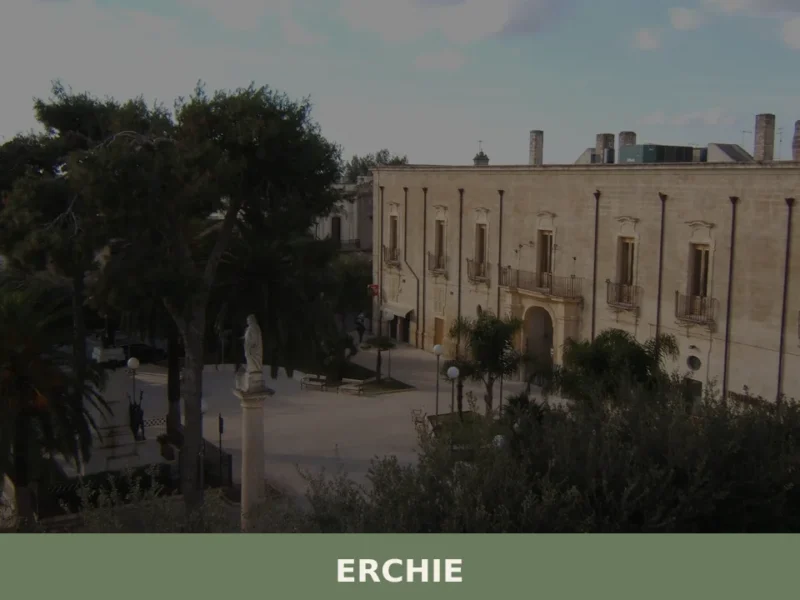
Discover what to see in Erchie, Puglia u2014 a village at the crossroads of three provinces, with Baroque churches, masserie, and authentic Salento cuisine.
Melpignano
Plains
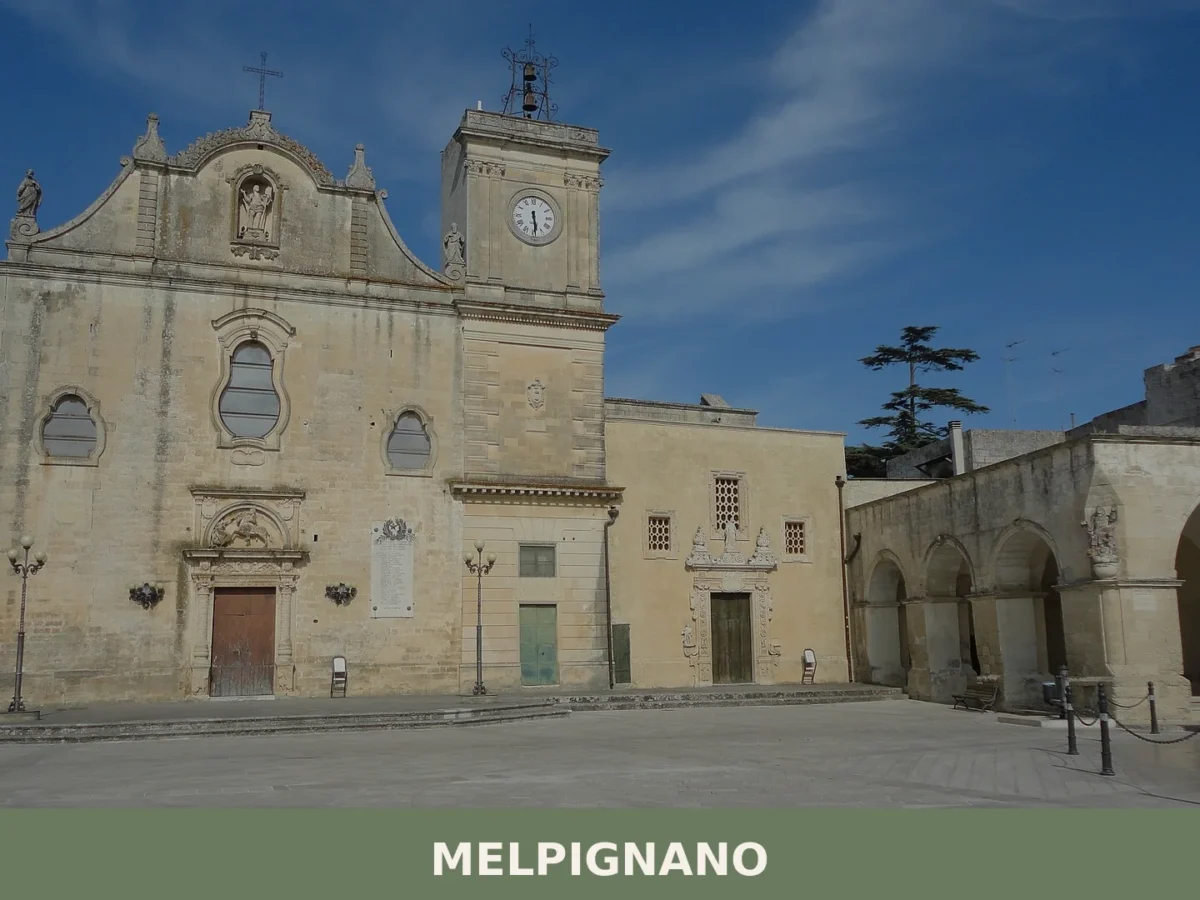
A village of 2,070 inhabitants rooted in Greek-Byzantine heritage, where Renaissance porticoes frame a living past and summer brings Italy's biggest pizzica festival.
Castelluccio dei Sauri
Hills
A hilltop village of 2,024 inhabitants overlooking Puglia's Tavoliere plain. Castelluccio dei Sauri offers ancient tratturi routes, quiet stone lanes, and the deep agricultural traditions of the Capitanata.
Adelfia
Plains
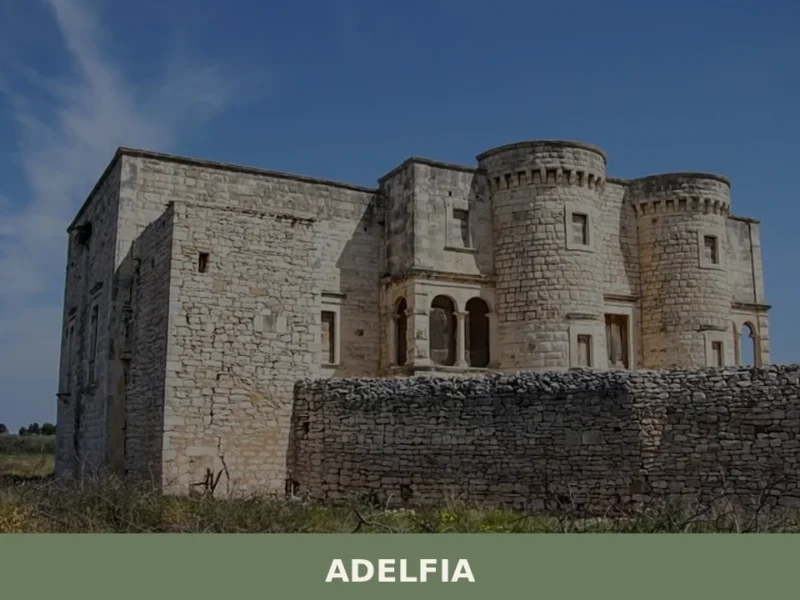
In 1927, a royal decree unified two separate municipalities — Canneto di Bari and Montrone — into a single administrative entity given the name Adelfia, from the Greek adelphós, meaning brother. It was a political gesture that encapsulated centuries of coexistence between two settlements separated by less than a kilometre of countryside, yet each fiercely […]
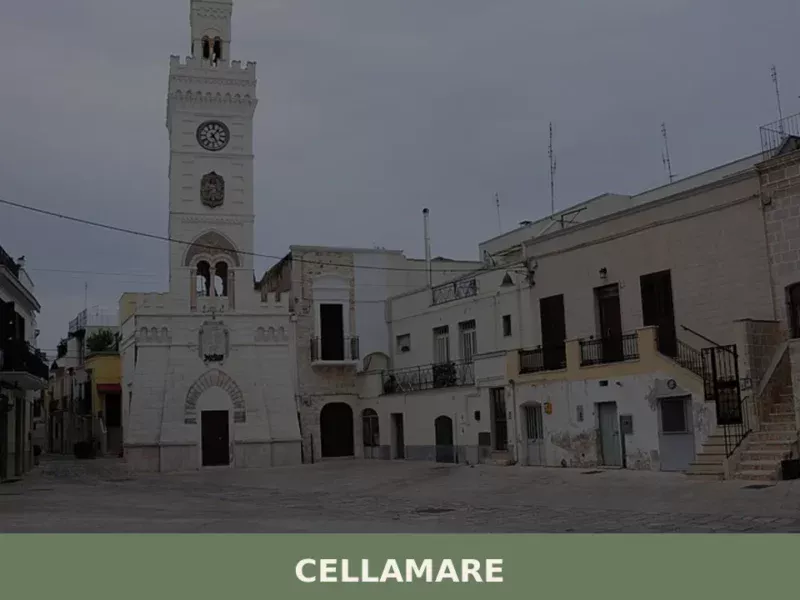
Cellamare
Plains
What to see in Cellamare, Italy: Explore this historic village, founded in 1171, located 110 m (361 ft) above sea level. Discover its grape industry and ancient origins.
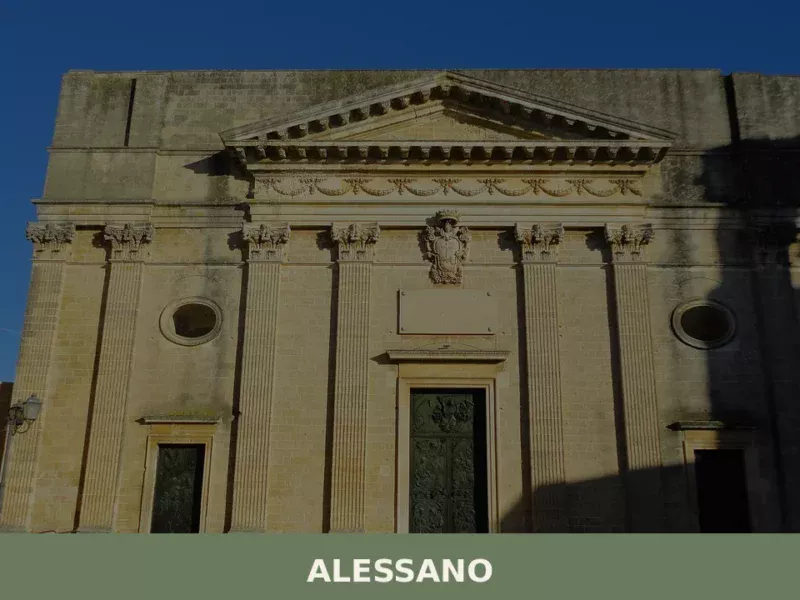
Alessano
 Sea
Sea
Until 1818, Alessano was the seat of its own diocese — a fact that explains the density of sacred architecture concentrated in a village of fewer than 6,000 inhabitants. Located in the basso Salento, the southernmost stretch of Puglia’s heel, the comune includes the hamlet of Montesardo and the coastal locality of Marina di Novaglie. […]
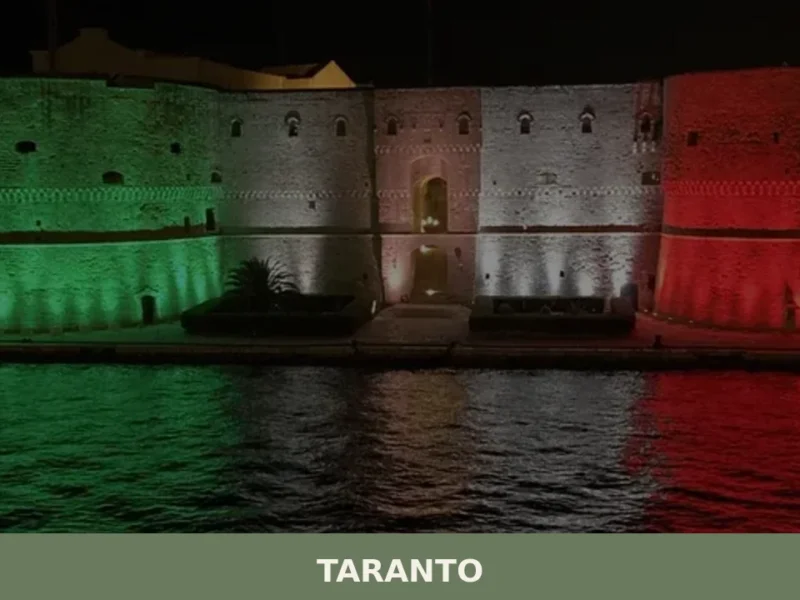
Taranto
Sea
A port city of 186,000 on Apulia's coast, Taranto lives by the rhythm of its ancient harbour and working waterfront, not heritage tourism.
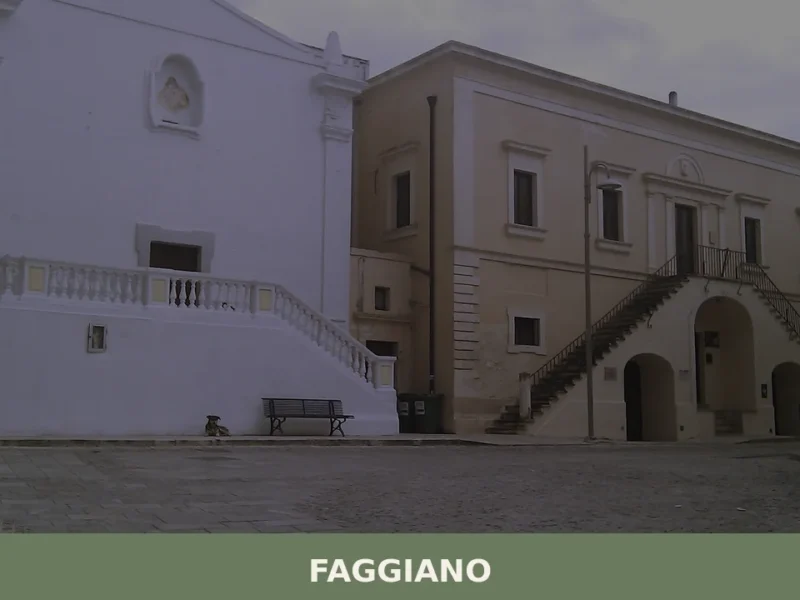
Faggiano
Plains
Discover what to see in Faggiano, a Taranto province comune in Puglia: history, food, best time to visit, and how to get there.





🏡 Know Maglie better than we do?
If you’re a local or have been there, your knowledge matters: add what’s missing or fix a detail on this page.