


San Cataldo
 Hills
Hills
With over 400 years of documented history and a remarkable archaeological zone, San Cataldo offers cultural depth that rewards curious visitors.
San Cataldo Sicilia: History, Monuments and Local Flavours
At 625 metres above sea level, on the broad plateau that separates the Caltanissetta basin from the sulphur-mining heartland of central Sicily, a city of stone and ceremony rises above rolling wheat fields. The clock towers still mark the hours in a language older than radio. The Calvario staircase cuts the skyline. On Good Friday evenings, the scent of candle wax drifts across the whole upper district as the ritual procession of the Scinnenza descends the great steps in silence.
San Cataldo Sicilia sits just nine kilometres from Caltanissetta and rewards visitors with two experiences that stand out in this part of the island: a monumental Good Friday tradition that fills an entire hilltop complex, and a Bronze Age archaeological site that traces human settlement in central Sicily back more than two and a half millennia.
History and Origins of San Cataldo Sicilia
The ground beneath San Cataldo has been occupied far longer than the city’s official founding date suggests. About four kilometres to the north, in the area known as Vassallaggi, archaeological evidence points to continuous human presence from the early Bronze Age onward. By the sixth and fifth centuries BC, a structured settlement existed there, associated by scholars with a centre called Motyon. The people who lived there, believed to be among the ancient Sicani, produced distinctive ceramics and buried their dead in rounded chamber tombs. That ancient city stood along one of the main routes linking Agrigento to Enna, a position of genuine strategic value.
The modern city, however, has a precise and documented birth. On 18 July 1607, Prince Nicolò Galletti obtained a licentia populandi from King Philip III of Sicily, authorising him to develop and populate the old rural hamlet known as Calironi — called Caliruni in Sicilian dialect and Kalyroon in its Greek-derived form — within the barony of Fiumesalato. The motivations were layered: political prestige, the right to sit in the military branch of the Sicilian Parliament, and the economic potential of a populated territory. The new settlement took the name of the patron saint, San Cataldo. Early residents arrived from nearby towns including Sutera, Mussomeli, Petralia, and from more distant centres such as Gangi and Caltanissetta itself.
Growth was rapid. By 1623 the population stood at 722. Within a generation it had more than doubled: ecclesiastical records from 1669 count 2,490 inhabitants, and by the end of the seventeenth century the figure had reached over 3,000. In 1865, by royal decree, the municipality was officially elevated to the rank of city in recognition of its contributions to public welfare — a distinction that reflected both its size and its civic standing. By 1921 the population had climbed to more than 23,000, a peak driven in part by the sulphur-mining economy that dominated the surrounding plateau. Much of the historic urban fabric was rebuilt or replaced over the twentieth century, leaving the church architecture and a handful of noble palazzi as the clearest links to the earlier centuries.
The old civic clock tower, which stood on the upper district known as Monte Taborre, once struck a sequence of signals across the day: a morning call for labourers, a school bell at eight, a midday rest, and a midnight curfew for those still out on the streets — all punctuated by a melody that locals called Vacabunnu va travaglia, roughly “the wanderer should go to work.”
What to See in San Cataldo: Top Attractions
The Calvario Complex and Holy Week Rites
The Calvario occupies the highest point of the city, and its wide ceremonial staircase is visible from much of the surrounding plateau. The complex was completed in 1854 and remains the focal point of the most important annual event in the local calendar: the Scinnenza, held on the evening of Good Friday, when a dramatic enactment of the crucifixion and death of Christ draws crowds from across the province. Outside Holy Week, the Calvario functions as a civic venue, hosting festivals, theatrical performances, and open-air exhibitions on the broad terraced areas around the staircase. Between 2007 and 2010, a major restoration project coordinated by the Soprintendenza ai Beni Culturali of Caltanissetta added eighteen large ceramic bas-reliefs, each measuring roughly 1.6 by 2 metres, of which fourteen depict the traditional stations of the Via Crucis and Via Lucis. Eighteen Italian ceramics schools, members of the Associazione Italiana Città della Ceramica, each contributed one panel. Students from two local art institutes in San Cataldo also participated in the project.
The Chiesa Madre
The main parish church stands at the centre of civic and religious life and carries a history more complex than its facade suggests. Construction began under the patronage of Baron Vincenzo Galletti di Fiumesalato, with a founding document dated to 1632. Following partial structural collapse in 1695, the building was entirely reconstructed and reconsecrated in 1739 under the title of the Immaculate Conception, though the older dedication to the Nativity of Mary was preserved through a painting on the high altar — known locally as the painting of Sant’Anna — that remained in place. The church holds the rank of arcipretura, meaning its rectors carry the title of Archpriest of the City of San Cataldo. In December 2019, at the close of the 280th anniversary of its dedication, the Holy See granted the Chiesa Madre affiliation with the Papal Archbasilica of St John Lateran — a distinction that, according to the Vatican decree, makes it the first church in Sicily to hold this specific pontifical bond. Visitors will find the interior worth examining at length.
The Archaeological Zone of Vassallaggi
The Vassallaggi site lies roughly four kilometres north of the city, reachable by car along a country road through open farmland. Excavations have uncovered evidence of settlement from the early Bronze Age, with the most archaeologically significant phase dating to the sixth and fifth centuries BC, when the site functioned as an organised indigenous centre. The ancient city, associated with the toponym Motyon, occupied a commanding position along the Agrigento–Enna route. Among the finds are chamber tombs and ceramic fragments that help reconstruct the material culture of the pre-Greek population of the interior. The landscape around Vassallaggi still conveys something of the strategic logic that made the location attractive: open sight lines in all directions and proximity to the river Salito. The site is not a managed archaeological park with visitor infrastructure, so those planning a visit should check access conditions through the municipal offices in advance.
The Palazzo-Castle of the Galletti Family
The Galletti family, who founded San Cataldo and remained its dominant noble house for generations, left a complex architectural legacy. The oldest castle stood on a small hill once called the quartiere forca, though little definitive information survives about its original structure. In the early eighteenth century, work began on a second, more ambitious palazzo project in the area now known as Piazza Crispi, which was left incomplete following the death of Prince Giuseppe Galletti on 7 November 1751. A later descendant, also named Nicolò Galletti, commissioned an entirely different palazzo on a different site, conceived around a distinctive rocky outcrop and executed in a neo-Gothic idiom that connected it visually to another Galletti property in Bagheria. The building that emerged from these overlapping projects, interrupted and resumed across decades, gives the historic centre a patrician presence that contrasts with the predominantly modern character of the rest of the city. The contrast between the two eras of urban development is itself part of what makes a walk through the centre instructive.
The Museo Etno-Antropologico and the Civic Towers
Housed behind the Paolo Balsamo middle school, the Museo Etno-Antropologico holds a collection focused on the agricultural and pastoral life of the interior Sicilian plateau. Objects on display include tools used in the cultivation and processing of the large landed estates (latifondo), traditional costumes, and everyday items from rural households. The collection provides context for understanding the economic base that sustained San Cataldo across centuries. Separately, the city’s tradition of civic timekeeping deserves attention as a distinct feature of its urban identity. The original clock tower on Monte Taborre, built with four marble clock faces and a double-bell mechanism, was demolished in 1959 after falling into disrepair. Two further towers survive: one integrated into the church of the Santissimo Rosario and another in the newer parish of Cristo Re, which still rings the Angelus and, at Easter, the Regina Coeli. The layering of these structures across the urban skyline reflects the long civic and religious history of San Cataldo Sicilia.
Food and Local Products of San Cataldo
The food culture of San Cataldo is rooted in the agricultural economy of the Sicilian interior plateau. For centuries, the land around the city produced wheat, legumes, and vegetables, and these staples still define the most characteristic local dishes. Bread here is taken seriously: the round, sesame-seeded loaves common across the Caltanissetta province are baked in wood-fired ovens and have a dense crumb and a firm crust that holds up well to olive oil. If you visit a local forno in the morning, you will find the bread still warm and the shop often crowded with regulars.
Pasta is central to the daily table. Maccarruni, the hand-rolled thick pasta typical of the Nisseno area, is prepared in homes and in unpretentious restaurants with a meat ragù slow-cooked with pork and aromatic herbs. Alongside it, you will find pasta con le fave, a broad-bean preparation that varies subtly from kitchen to kitchen depending on whether the cook prefers a smooth purée or a more rustic, chunky texture. Ricotta, produced from the milk of sheep still grazed on the surrounding hillsides, appears across the table: spread on bread at breakfast, layered into baked pasta, and used as a base for sweet preparations including cassata and ricotta-filled pastries during the Easter period.
The sulphur-mining past of the region had a direct impact on food culture: the diet of mining communities, which made up a large part of the population well into the twentieth century, was built around affordable, calorie-dense ingredients. This means that dishes based on wild greens — boiled and dressed with olive oil — remain genuinely common, not a nostalgic revival. Mushrooms gathered in the surrounding hills appear in autumn menus, often sautéed with garlic and served alongside grilled meat. For visitors interested in the wine pairing, the nearby Caltanissetta province produces robust red wines that work well with the heavier meat preparations. Those travelling further into central Sicily can explore additional local food traditions in communities such as Acquaviva Platani, where sheep farming and artisan cheese production follow similar patterns. At its most direct, the local kitchen is built around pasta dressed simply with tomato, olive oil, and aged local cheese — combinations that require good ingredients and precise timing rather than complexity.
When to Visit San Cataldo and How to Get There
The most compelling time to visit is Holy Week, particularly the evening of Good Friday, when the Scinnenza at the Calvario draws the city’s full ceremonial energy. Accommodation in the area fills quickly during this period, so advance booking is essential. Outside Holy Week, late spring offers the most comfortable climate: temperatures at this altitude are mild rather than hot, the wheat fields across the plateau are still green, and the roads through the Caltanissetta interior carry little tourist traffic. July and August bring intense heat, with afternoon temperatures sometimes approaching 40°C, though the altitude keeps conditions more bearable than on the coast. Winter is cool and occasionally cold, with brief snowfall possible; the landscape at that time has a sparse, open quality that some visitors find more revealing than the greener seasons.
If you arrive by car from Palermo, take the A19 motorway toward Catania and exit at Caltanissetta, then follow the SS640 toward Agrigento and branch off toward San Cataldo. From Agrigento, the SS640 connects directly. There is a railway station at San Cataldo on the Caltanissetta–Agrigento line, making it accessible without a car, though services are infrequent and a local bus or taxi is useful for reaching outlying sites such as Vassallaggi. Visitors combining the city with a broader itinerary of central Sicilian towns might also consider Agrigento to the southwest and the small town of Acate further east as part of a cross-island route.
| Departure | Distance | Time by Car |
|---|---|---|
| Caltanissetta | 9 km | approx. 15 min |
| Agrigento | 63 km | approx. 55 min |
| Enna | 50 km | approx. 50 min |
| Palermo | approx. 130 km | approx. 1 hr 30 min |
| Ragusa | 150 km | approx. 2 hr |
The official municipal website at www.comune.san-cataldo.cl.it carries current information on civic events, office hours, and cultural initiatives. Visitors who read Italian will find it useful for checking the dates of seasonal festivals and any temporary closures of monuments. For those extending their journey northward within the province, the villages of the Caltanissetta interior — including smaller centres across eastern Sicily — offer a complementary perspective on the island’s inland character that the coastal routes rarely provide.
Frequently asked questions about San Cataldo
Come si raggiunge San Cataldo in auto o in treno?
In auto, San Cataldo si raggiunge dall'autostrada A19 Palermo-Catania uscendo a Caltanissetta, poi seguendo la SS626 verso nord-ovest per circa 9 km. In treno, la stazione più vicina è Caltanissetta Centrale, servita da Trenitalia con collegamenti da Palermo e Catania. Da lì si prosegue in autobus o taxi. Con i bus extraurbani SAIS Trasporti esistono collegamenti diretti da Caltanissetta verso San Cataldo.
Quando si celebra la festa del patrono San Cataldo?
La festa del patrono San Cataldo vescovo si celebra il 10 maggio, data liturgica tradizionale. Il santo, vescovo irlandese del VII secolo venerato anche a Taranto, dà il nome alla città. Le celebrazioni comprendono messa solenne, processione e momenti folkloristici. È il momento dell'anno in cui il centro storico è più animato e rappresenta un'ottima occasione per vivere la devozione popolare siciliana autentica.
Quanto tempo serve per visitare San Cataldo e cosa non bisogna perdere?
Una visita completa richiede una giornata intera. Dedicare la mattina al complesso del Calvario con le sue ceramiche e alla chiesa madre, il pomeriggio all'area archeologica di Vassallaggi, raggiungibile a nord del paese. Chi dispone di meno tempo può concentrarsi sul centro storico in 3-4 ore. Si consiglia di verificare in anticipo gli orari di apertura dei siti presso il Comune di San Cataldo o la Pro Loco locale.
Ci sono percorsi naturalistici o escursionistici nei dintorni di San Cataldo?
Il territorio collinare intorno a San Cataldo, a 625 m di altitudine tra argille e calcari, si presta a escursioni a piedi e in mountain bike lungo le strade rurali della valle del Salito. Non risultano al momento percorsi CAI ufficialmente segnalati e catalogati per questo specifico comune. Per itinerari strutturati nella provincia di Caltanissetta è utile consultare il sito del CAI sezione di Caltanissetta o il portale della Riserva Naturale Lago Sfondato nelle vicinanze.
In Sicily More villages to discover
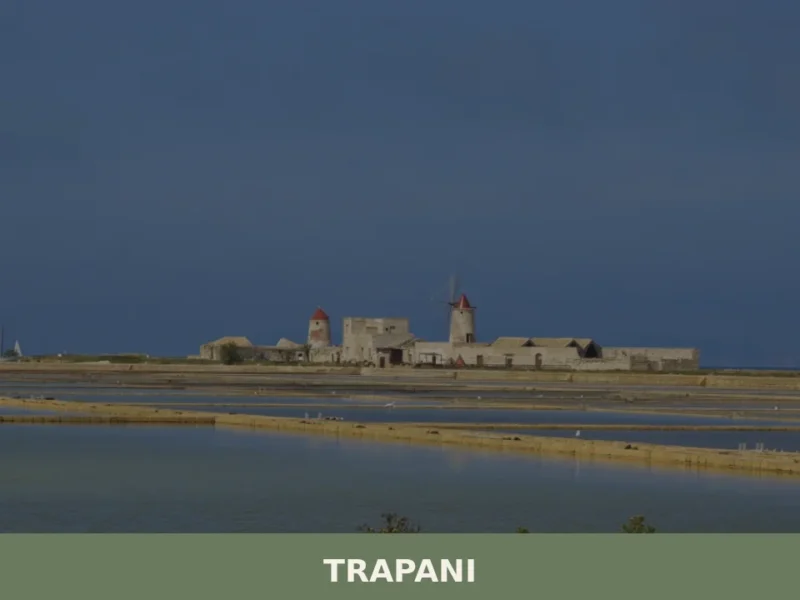
Trapani
 Sea
Sea
What to see in Trapani: salt pans, Pepoli Museum, Procession of the Misteri and Trapanese pesto. City of 68,967 inhabitants. Plan your visit now.
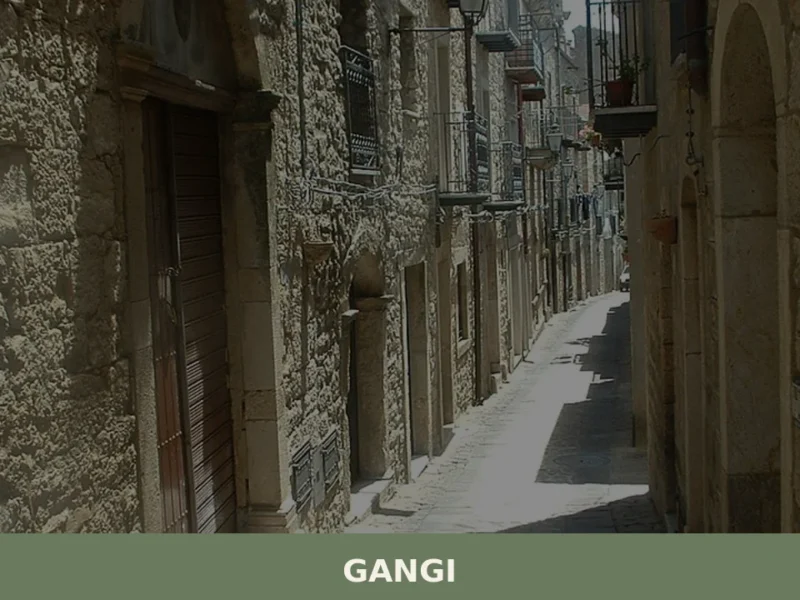
Gangi
 Mountain
What to see in Gangi: Explore this Sicilian village at 1011m. Discover its rich history, typical cuisine, and the vibrant Sagra della Spiga. Plan your visit today!
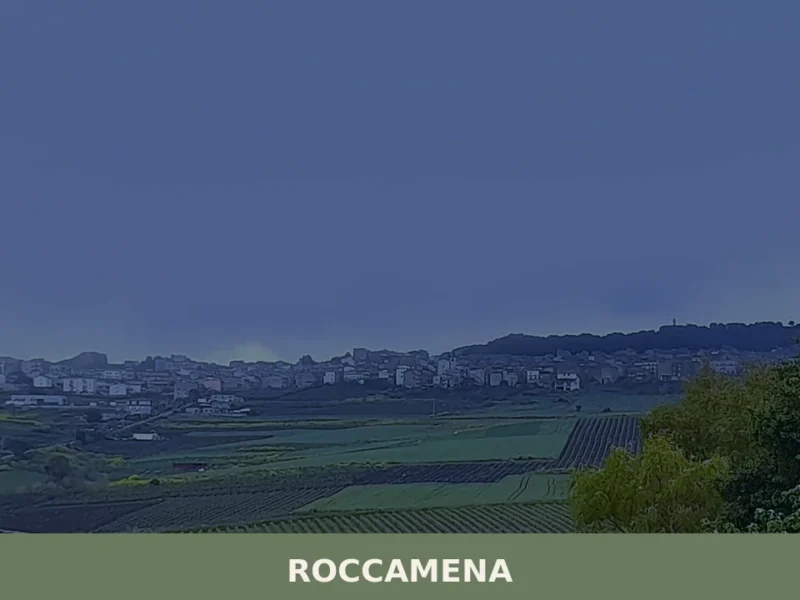
Roccamena
Hills
What to see in Roccamena, a village at 480 m in the province of Palermo: main church, Monte Genuardo reserve, rural farmsteads, local food and practical info.
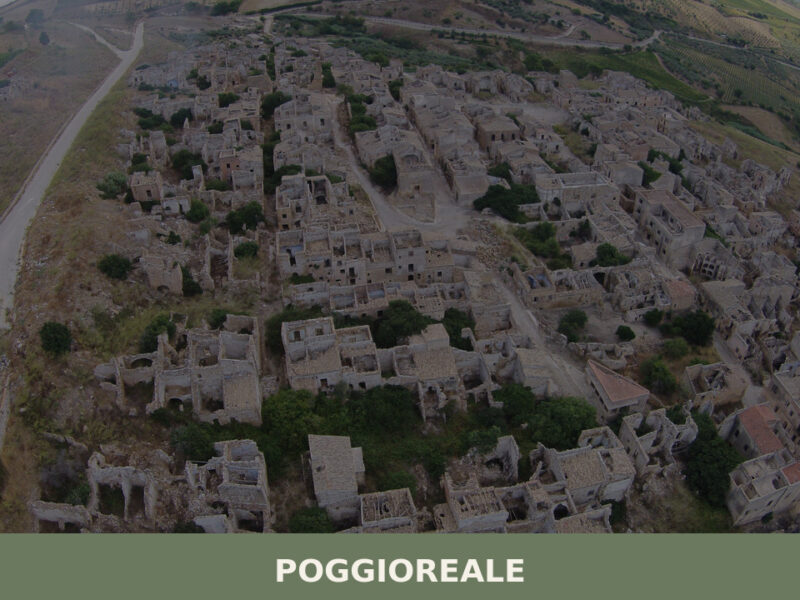
Poggioreale
Hills
Morning light falls across cracked stone walls and doorways that open onto nothing but sky. In Poggioreale, silence is the dominant sound — the kind that presses against your ears and demands attention. This small community of roughly 1,505 inhabitants sits in the western interior of Sicily, within the province of Trapani, where the Belìce […]
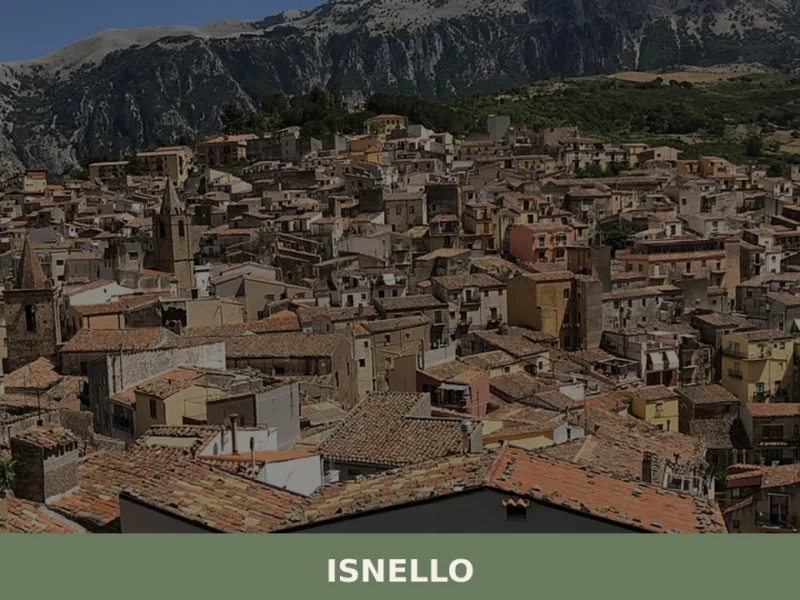
Isnello
Hills
What to see in Isnello, Italy: Explore this 583 m (1,913 ft) altitude village near Palermo. Discover its historic center and panoramic views. Read our guide.
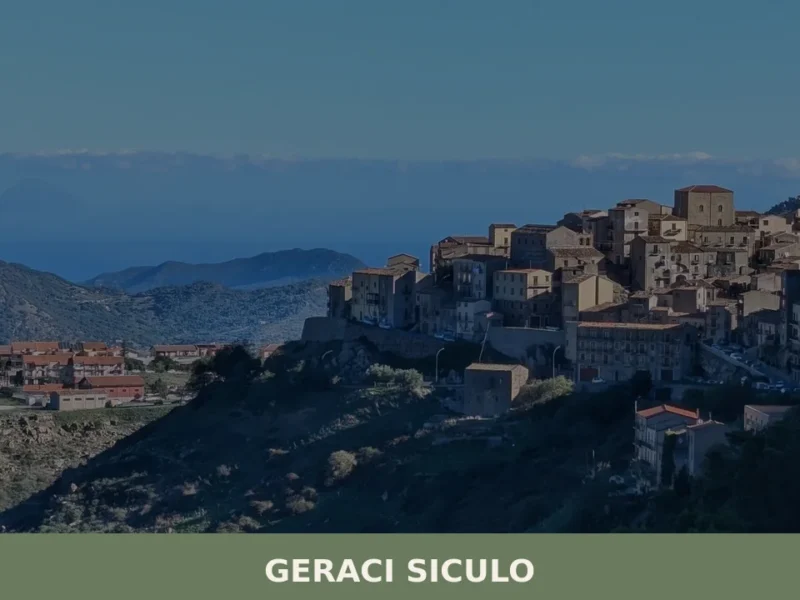
Geraci Siculo
Mountain
What to see in Geraci Siculo, Italy? Discover this mountain village at 1077 m, an I Borghi più belli d'Italia member, and its San Bartolomeo feast. Explore its historic core and Madonie views.
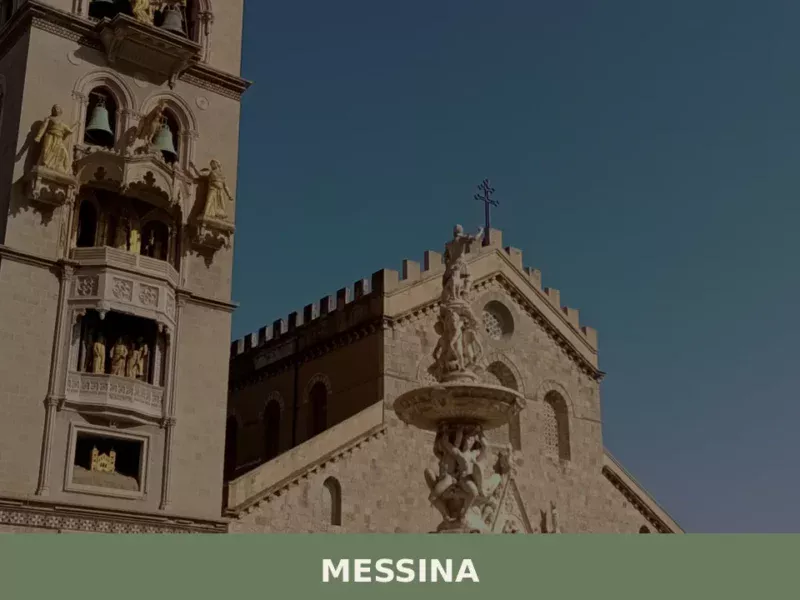
Messina
Sea
What to see in Messina: 242,267 inhabitants, the astronomical clock tower, two Caravaggios and the Norman Cathedral. Plan your visit and discover how to get there.
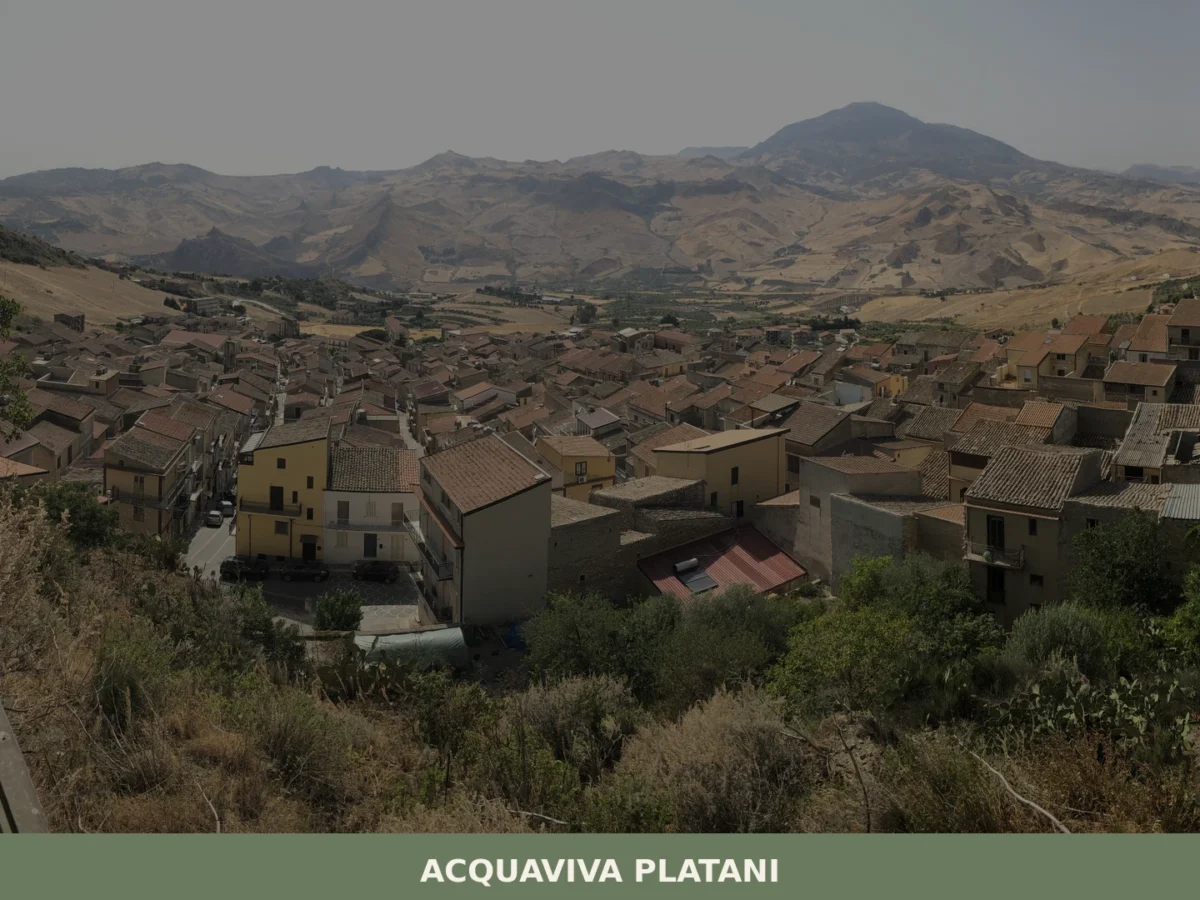
Acquaviva Platani
Hills
A clock tower built in 1894 rises above the roofline of a compact hill town in the province of Caltanissetta, its stone face marking hours in a landscape where the Platani river moves through the valley below. The name of the place translates directly from Italian as “Living Water,” a reference to the natural springs […]
Gratteri
Mountain
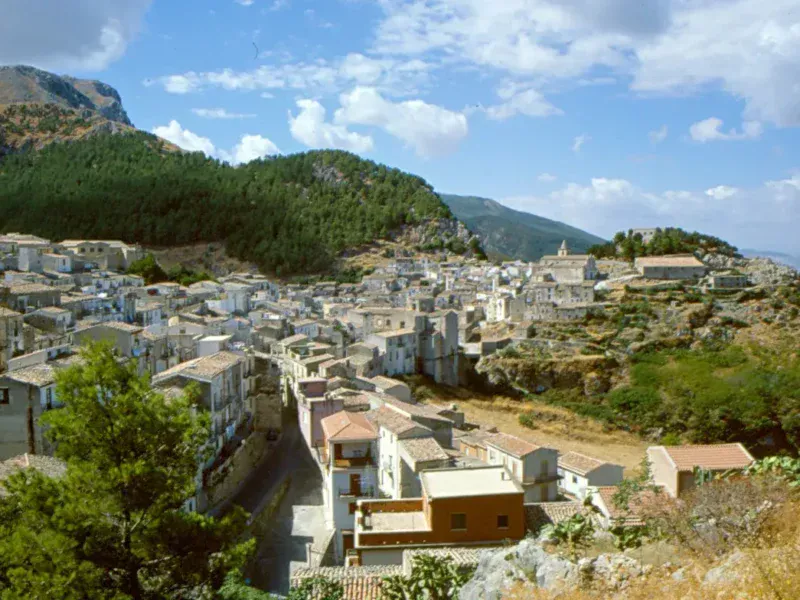
Gratteri, a medieval village in the province of Palermo: history, mother church and stone streets. Discover how to visit it and how to get there from the Madonie.
Godrano
Mountain
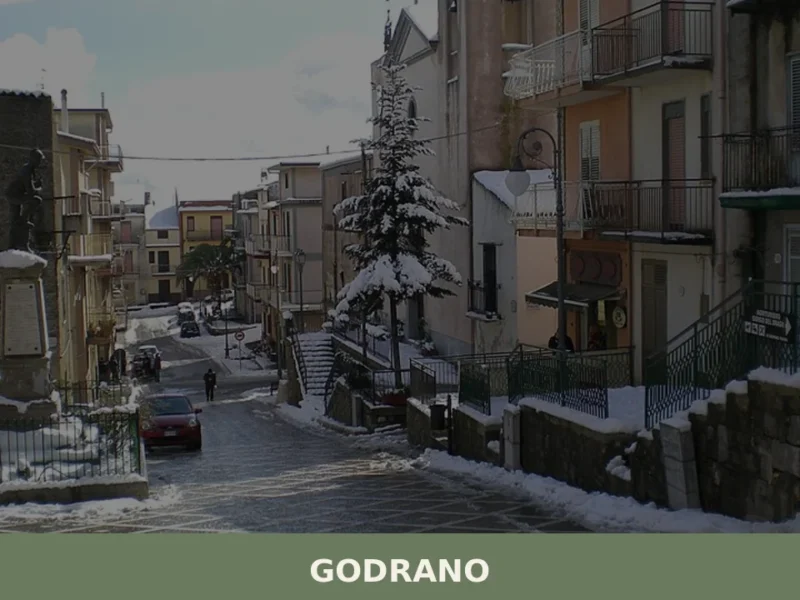
What to see in Godrano: from the Bosco della Ficuzza Reserve to the Palazzina Reale, churches and cuisine of the Sicani hinterland at 693 m above sea level.
🏡 Know San Cataldo better than we do?
If you’re a local or have been there, your knowledge matters: add what’s missing or fix a detail on this page.