


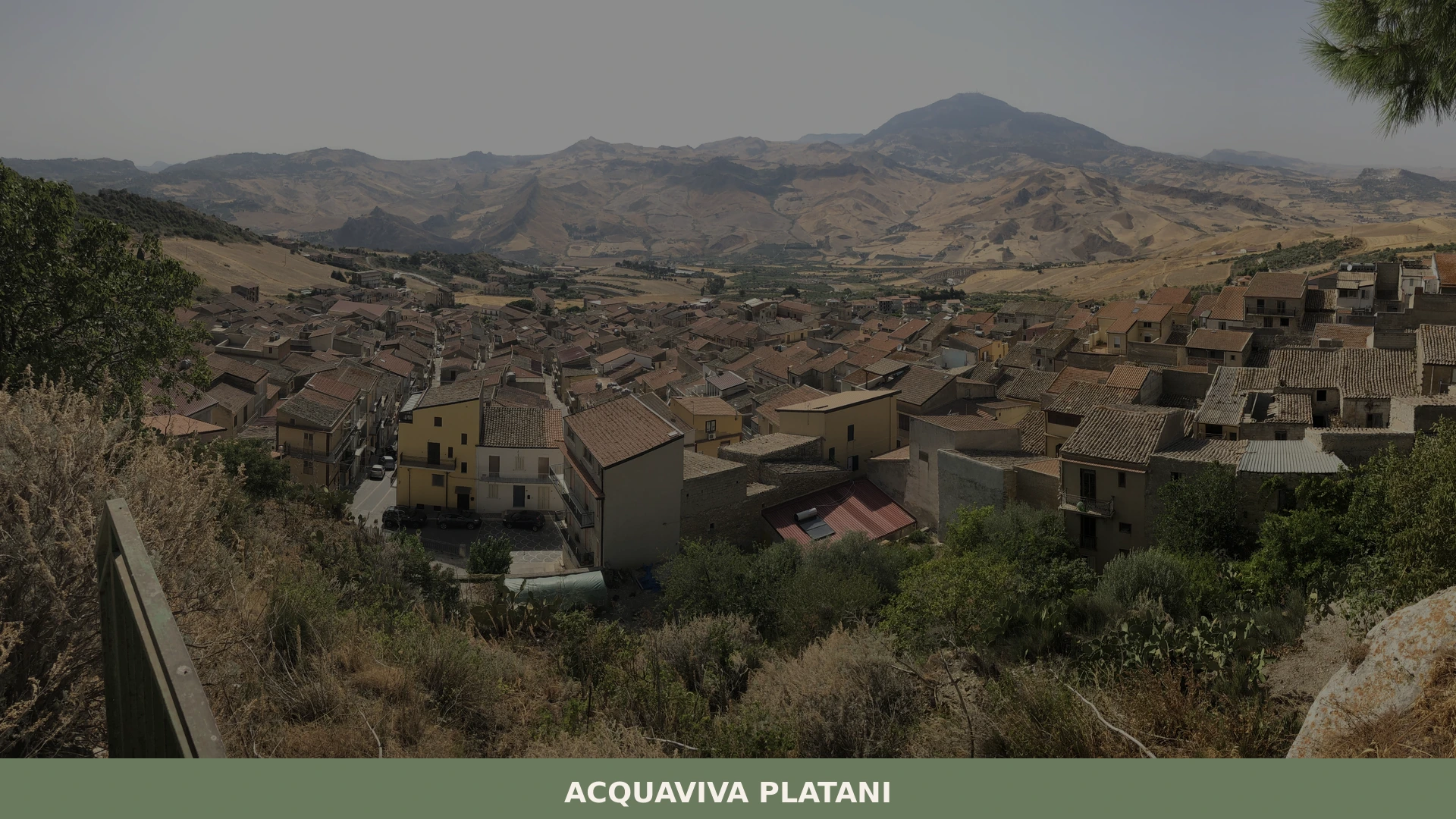

A clock tower built in 1894 rises above the roofline of a compact hill town in the province of Caltanissetta, its stone face marking hours in a landscape where the Platani river moves through the valley below. The name of the place translates directly from Italian as “Living Water,” a reference to the natural springs […]
Discover Acquaviva Platani
A clock tower built in 1894 rises above the roofline of a compact hill town in the province of Caltanissetta, its stone face marking hours in a landscape where the Platani river moves through the valley below. The name of the place translates directly from Italian as “Living Water,” a reference to the natural springs that have fed agriculture here for generations.
Wheat fields, olive groves, almond trees, and pistachio cultivation define the territory, and the same south-north penetration route that shaped the valley’s geography still determines how visitors arrive today.
Deciding what to see in Acquaviva Platani is straightforward for a first visit: the two anchoring monuments are the Torre dell’Orologio (clock tower) and the Chiesa Madre, a 17th-century church dedicated to Santa Maria della Luce.
The town sits in central Sicily, within the province of Caltanissetta, and its literary connection to Nobel Prize-winning poet Salvatore Quasimodo adds a layer of cultural interest that sets it apart from comparable settlements in the area. Visitors to Acquaviva Platani find a compact historic centre, a functioning agricultural economy, and direct access to the Platani river valley.
History of Acquaviva Platani
The town’s name carries its own etymology.
Acquaviva means “Living Water” in Italian, a designation earned by the density of natural springs across the territory. For centuries the settlement was known simply as Acquaviva, a name shared with three other Italian towns. In 1862, to resolve the administrative ambiguity, the appositive Platani was added — taken from the river that flows nearby. That single administrative decision fixed the town’s identity on the map and distinguished it within the newly unified Italian state.
The territory’s position along the south-north penetration route through the Platani valley meant it functioned as a passage point rather than an isolated enclave.
Agricultural activity dominated the local economy across every documented period: wheat cultivation, olive pressing, almond harvesting, and the breeding of cattle and horses shaped the landscape and the working calendar. Sheep farming added a secondary income source that persisted into the modern era.
This agricultural foundation is not incidental — it explains the layout of the surrounding land and the scale of the settlements that grew to service it. Villages in the broader Caltanissetta province, including Contessa Entellina, developed along comparable agricultural lines during the same historical period, reflecting the shared economic logic of interior Sicily.
The 17th century brought the construction of the Chiesa Madre, establishing a permanent religious focal point for the community. The clock tower followed in 1894, a civic addition that marked the town’s participation in the broader Italian practice of public timekeeping as an expression of municipal identity.
The most documented cultural figure connected to the town is Salvatore Quasimodo, who spent part of his childhood in Acquaviva Platani and later incorporated the experience into his poetry.
His poem Che vuoi pastore d’aria?, included in the Nuove Poesie collection, draws directly on his time in the town. Quasimodo went on to receive the Nobel Prize in Literature in 1959, making his Sicilian childhood — and the town that was part of it — a documented chapter in Italian literary history.
What to see in Acquaviva Platani, Sicilia: top attractions
Torre dell’Orologio (Clock Tower)
The clock tower was built in 1894 and its stone structure stands as the most immediately recognisable element of the Acquaviva Platani skyline. From its base, the surrounding rooflines and the open agricultural land beyond the town’s perimeter come into clear view. The tower represents a specific moment in the town’s civic development — a period when Italian municipalities invested in public infrastructure as a marker of modernity.
It is worth climbing to the area immediately around the base to read the proportions of the structure against the scale of the surrounding buildings, which gives an accurate sense of how central this monument is to the historic layout.
Chiesa Madre di Santa Maria della Luce
The Chiesa Madre, dedicated to Santa Maria della Luce, was built in the 17th century and serves as the primary religious building in Acquaviva Platani.
Its interior and facade reflect the architectural conventions of Sicilian ecclesiastical construction from that period, when the island’s building tradition drew on both Spanish Baroque influence and local stone-working craft. The dedication to Santa Maria della Luce — Our Lady of the Light — connects the church’s name to the same theme of water and light that runs through the town’s identity. Visiting in the morning, when the light falls directly on the facade, allows the stonework details to register most clearly.
The Natural Springs and the Platani River Valley
The natural springs that gave the town its name are distributed across the territory and remain a defining feature of the landscape.
The Platani river, which flows nearby and lent its name to the town’s official suffix in 1862, runs through a valley that the south-north road follows across central Sicily. The combination of spring water and river proximity made this one of the more reliably productive agricultural zones in the Caltanissetta province. Walking the valley margins in spring, when the almond trees have finished flowering and the wheat fields are in early growth, gives a concrete sense of how the land has supported continuous settlement.
The Agricultural Landscape: Wheat, Almonds, and Pistachios
The territory surrounding Acquaviva Platani is an active agricultural landscape rather than an ornamental one.
Wheat cultivation, olive groves, almond orchards, and pistachio trees occupy the land in a pattern that reflects centuries of practical farming rather than scenic planning. Cattle and horse breeding also contribute to the local economy, and sheep farms remain in operation. For visitors interested in understanding how interior Sicilian agriculture functions at ground level, the fields around the town in late spring — when the wheat is approaching harvest height — provide a direct and unmediated picture.
The landscape is best observed from the elevated road approaches that enter the town from the valley below.
Salvatore Quasimodo Heritage Sites
Salvatore Quasimodo, who was awarded the Nobel Prize in Literature in 1959, spent part of his childhood in Acquaviva Platani, and the town features directly in his poem Che vuoi pastore d’aria?, published in the Nuove Poesie collection. For readers of 20th-century Italian poetry, walking the town with that poem as a reference point gives specific locations — the hillside, the valley, the quality of the light — a documented literary context. The connection is not commemorated through a formal museum in the sources available, but the town’s physical geography corresponds closely to the imagery Quasimodo used, making the landscape itself a form of primary text for anyone familiar with his work.
Local food and typical products of Acquaviva Platani
The food culture of Acquaviva Platani is grounded entirely in what the surrounding land produces.
Interior Sicily’s cuisine is built on a small number of crops grown in volume: wheat, olives, almonds, and — in this territory specifically — pistachios. Sheep farming and cattle breeding add a meat and dairy component. The absence of a coastal influence means the kitchen here draws on cereal, legume, and nut traditions that predate the broader Mediterranean diet by a considerable margin. These are not decorative ingredients but the actual economic base of the local economy, which gives them a functional presence on the table that differs from how they appear in resort-area cooking.
Wheat from this part of central Sicily has historically been ground for bread and pasta production.
Pane di grano duro, the dense, yellow-crumbed durum wheat bread typical of the Caltanissetta interior, requires a long fermentation and a high-temperature bake, producing a crust that holds for several days — a practical requirement in agricultural communities where market access was not daily. Pasta con le mandorle, pasta dressed with ground almonds, breadcrumbs toasted in olive oil, and sometimes dried fruit, reflects the Arab culinary influence that reached interior Sicily and remained embedded in the cooking long after other influences receded.
Olive oil pressed from local groves appears in nearly every preparation, used at the table without dilution.
Among the documented agricultural products of the territory, almonds and pistachios occupy a specific place in both cultivation and local confectionery. Pistacchi di Sicilia are used in paste form for sweets, incorporated into ice cream, and pressed into a thick cream that appears alongside sheep’s milk ricotta in seasonal preparations.
Mandorle tostate — dry-roasted almonds — are sold at local markets and used in both savoury dishes and the nut-based sweets common across the Caltanissetta province. Sheep’s milk, produced from the farms operating around the town, feeds a local ricotta tradition that appears in both savoury and sweet applications, often combined with honey or citrus zest.
The best time to find locally produced goods is during the autumn harvest period, when almonds and pistachios come in and local producers sell directly at village markets. Spring also brings fresh olive oil from the previous autumn’s pressing, available in small quantities from agricultural estates in the valley.
Visitors who plan to carry food products should note that local producers typically operate in cash only, and pre-packaged versions are rarely available outside of larger nearby towns.
Festivals, events and traditions of Acquaviva Platani
The principal religious celebration in Acquaviva Platani centres on the Chiesa Madre‘s dedication to Santa Maria della Luce.
The feast day draws the community together in a pattern common to Sicilian hill towns: a procession through the historic streets, religious observance inside the church, and communal gathering in the spaces around the building. The format follows the established Sicilian festa patronale structure, with the church facade illuminated in the evening and the day divided between liturgical ceremony and public celebration.
Agricultural rhythms have historically set the informal calendar of the town, with the wheat harvest in early summer and the almond and pistachio picking in late summer and autumn marking points of collective activity.
These are working events rather than formalised festivals, but they define the pace of the year in a way that is visible to any visitor present during those periods. The town’s connection to Salvatore Quasimodo is part of its cultural identity, though no specific annual literary event tied to his memory is documented in the available sources.
When to visit Acquaviva Platani, Italy and how to get there
The best time to visit Acquaviva Platani, Italy is between April and June, when the agricultural landscape is at full growth, temperatures in the Caltanissetta interior are moderate — typically between 15°C and 25°C (59°F and 77°F) — and the road conditions through the valley are reliable.
September and October offer a second window, coinciding with the almond and pistachio harvest and cooler temperatures after the dry Sicilian summer.
July and August bring intense heat to interior Sicily, with temperatures regularly exceeding 35°C (95°F), which makes extended outdoor exploration of the valley and surrounding fields uncomfortable. Spring visits also align with the period before the main Italian domestic tourism season, which means fewer visitors on the approach roads.
Acquaviva Platani sits in the province of Caltanissetta in central Sicily. The nearest major city is Caltanissetta, approximately 35 km (21.7 mi) to the east, making a day trip from Caltanissetta a practical option. Palermo, Sicily’s regional capital, lies roughly 100 km (62.1 mi) to the north-west, reachable in under two hours by car via the A19 motorway. The nearest train station with regular connections is Caltanissetta Centrale, served by Trenitalia; from there, the remaining distance to Acquaviva Platani requires a car or local bus connection.
The nearest international airport is Catania-Fontanarossa, approximately 130 km (80.8 mi) to the south-east, with a drive time of roughly 1 hour 45 minutes under normal conditions.
Palermo Falcone-Borsellino Airport is a comparable distance to the north-west. If you arrive by car, the SS189 road through the Platani valley provides the most direct approach from the Palermo direction. Visitors driving from Catania should use the A19 to Caltanissetta and then take the secondary roads west toward the river valley. For international visitors, it is worth noting that English is not widely spoken in the smaller shops and agricultural businesses in the area; carrying euro cash is practical, as card payment is not universally accepted.
Those planning a broader itinerary through western Sicily can combine a visit here with a stop at Campofelice di Fitalia, a village in the Palermo province that shares the same interior Sicilian hill-town geography and agricultural character. For those extending the trip toward the coast, the area around Valderice, near Trapani in north-western Sicily, offers a coastal counterpoint to the inland terrain of the Caltanissetta province, reachable in approximately two hours by car from Acquaviva Platani.
Frequently asked questions about Acquaviva Platani
What is the best time to visit Acquaviva Platani?
The best time to visit Acquaviva Platani is during the spring and early autumn when the weather is pleasant, and you can enjoy the flourishing landscapes. A highlight of the year is the Festa del SS. Crocifisso delle Grazie, celebrated on the third Sunday of September, offering a unique glimpse into local traditions and community spirit.
What to see in Acquaviva Platani? Main monuments and landmarks
Visitors to Acquaviva Platani should not miss the Torre dell'Orologio, a clock tower dating back to 1894, and the Chiesa Madre di Santa Maria della Luce, a 17th-century church. These landmarks are central to the town's identity and provide insight into its historical and cultural roots.
Who is Acquaviva Platani suitable for?
Acquaviva Platani is ideal for travelers seeking a tranquil, culturally rich experience. It caters to history enthusiasts and nature lovers who will appreciate exploring the picturesque Platani river valley. Couples and solo travelers will find the village's serene surroundings perfect for a quiet getaway.
📷 Photo Gallery — Acquaviva Platani
Getting there
Piazza Municipio, 93010 Acquaviva Platani (CL)
Nearby Villages near Acquaviva Platani
In Sicily More villages to discover
Agrigento
 Sea
Sea
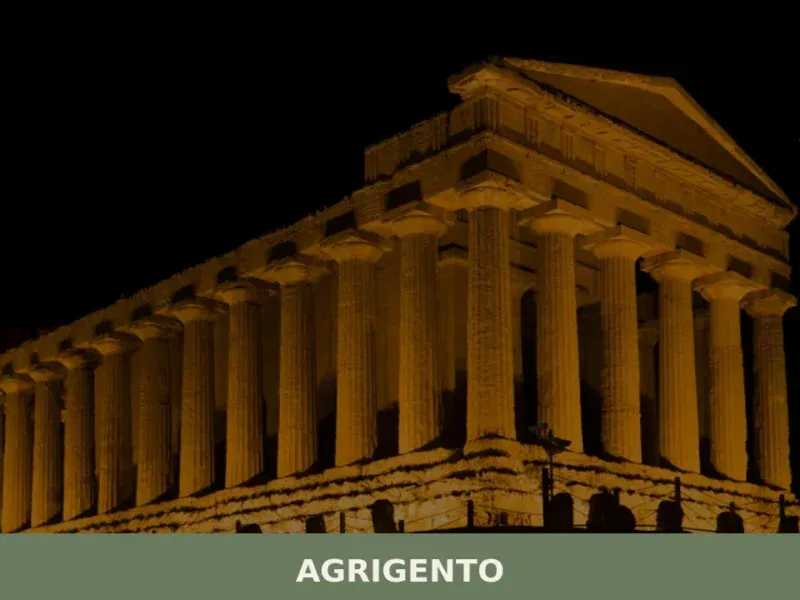
What to see in Agrigento, a city of 58,063 at 230m: UNESCO Valley of the Temples, Norman Cathedral, certified Cotognata. Plan your visit with our complete guide.
Basicò
 Hills
Hills
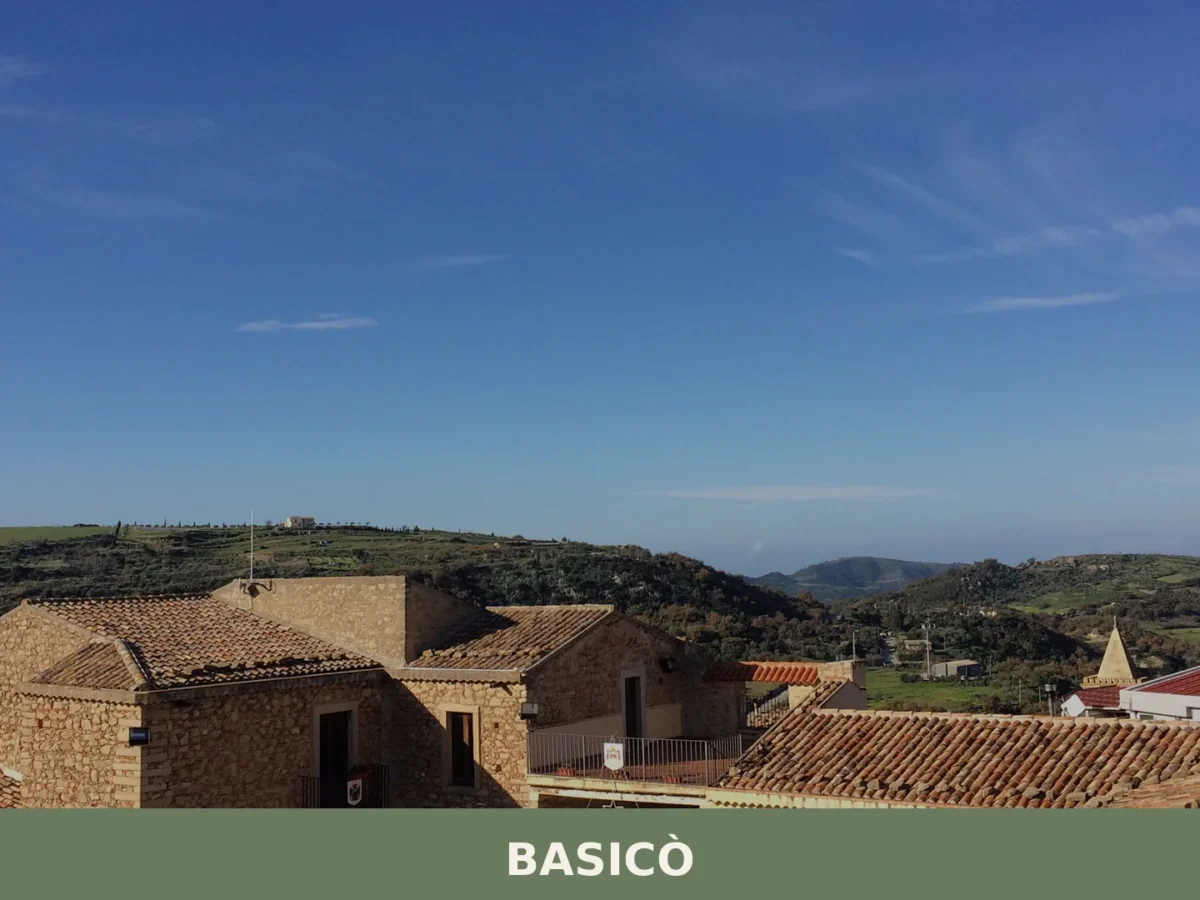
Basicò is a hilltop comune in the province of Messina, Sicily, with a documented history stretching back to 1262 and a living tradition of provola cheese, feudal architecture and prehistoric archaeolo
Ragusa
Sea
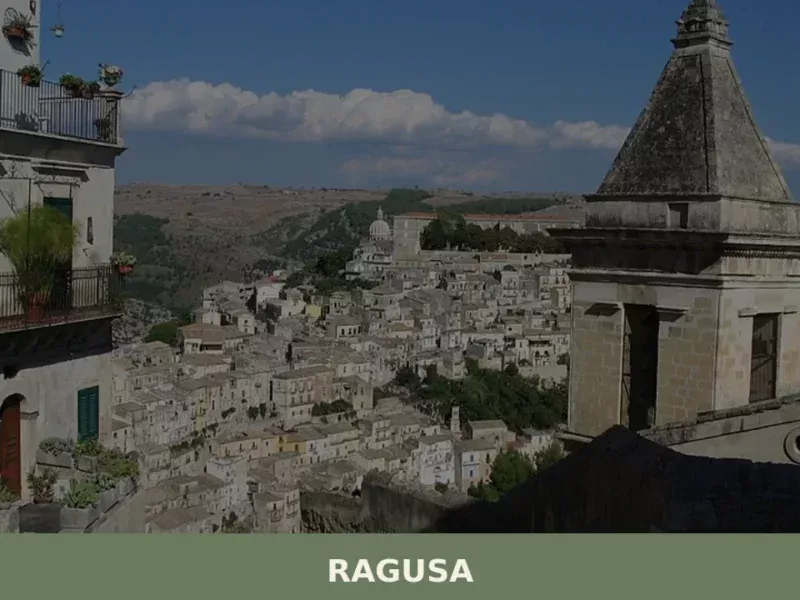
What to see in Ragusa, a UNESCO city at 520m with 70,000 residents: explore Ibla, San Giorgio, Giardino Ibleo and Cotognata PAT. Plan your visit now.
Poggioreale
Hills
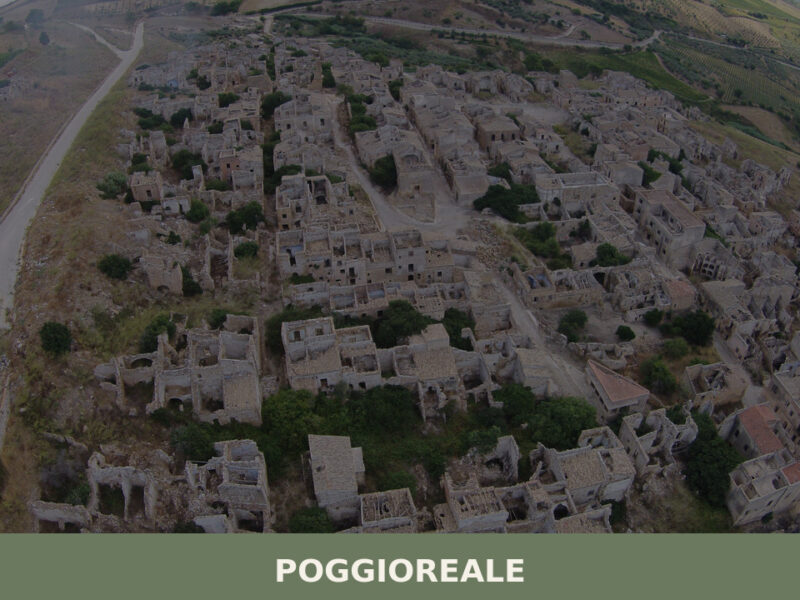
Morning light falls across cracked stone walls and doorways that open onto nothing but sky. In Poggioreale, silence is the dominant sound — the kind that presses against your ears and demands attention. This small community of roughly 1,505 inhabitants sits in the western interior of Sicily, within the province of Trapani, where the Belìce […]

Rodì Milici
Hills
Two urban nuclei, one Knights of Malta palazzo and the ruins of ancient Longane: Rodì Milici rewards visitors who look beyond the Sicilian coast.
Bagheria
Sea
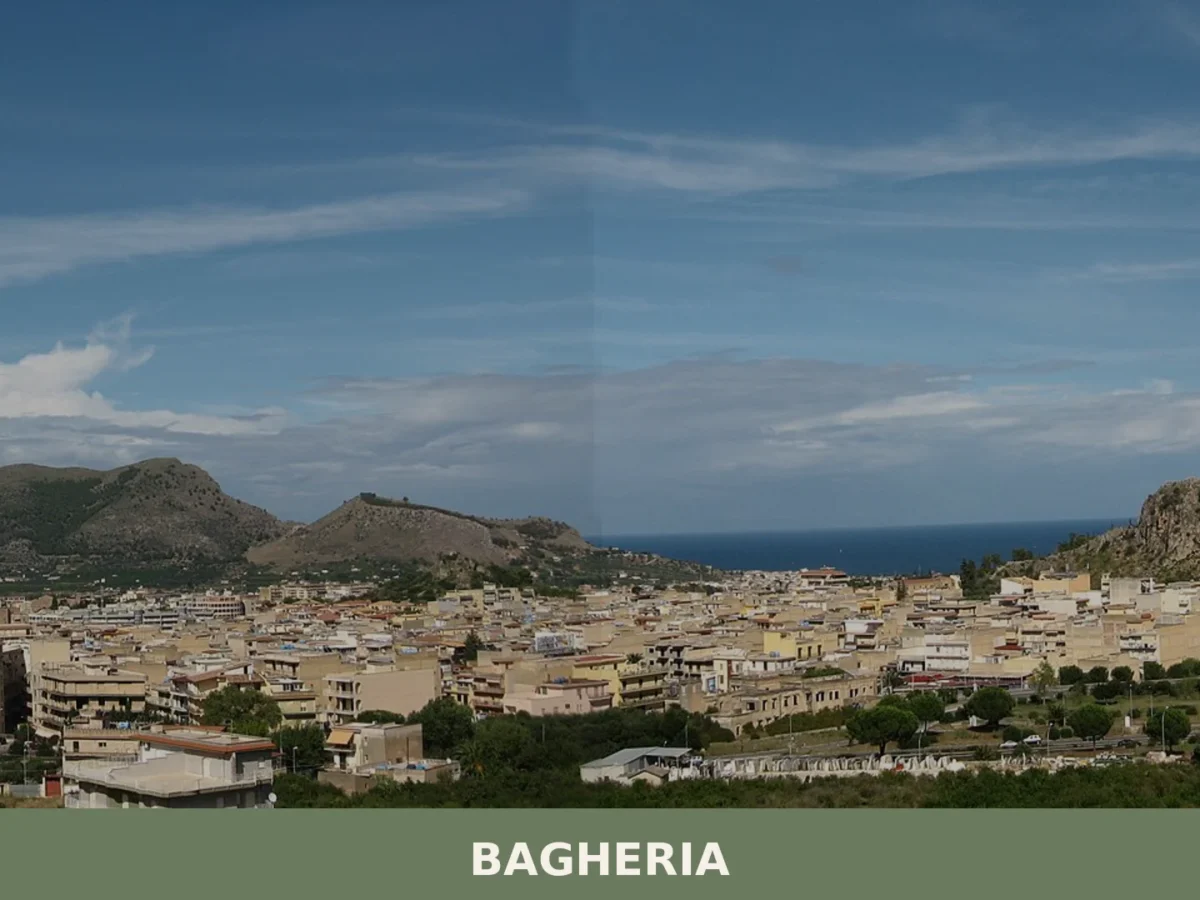
Bagheria is a town of around 53,000 people in the Metropolitan City of Palermo, facing the Tyrrhenian coast and famed for its baroque aristocratic villas, layered history and proximity to Palermo.
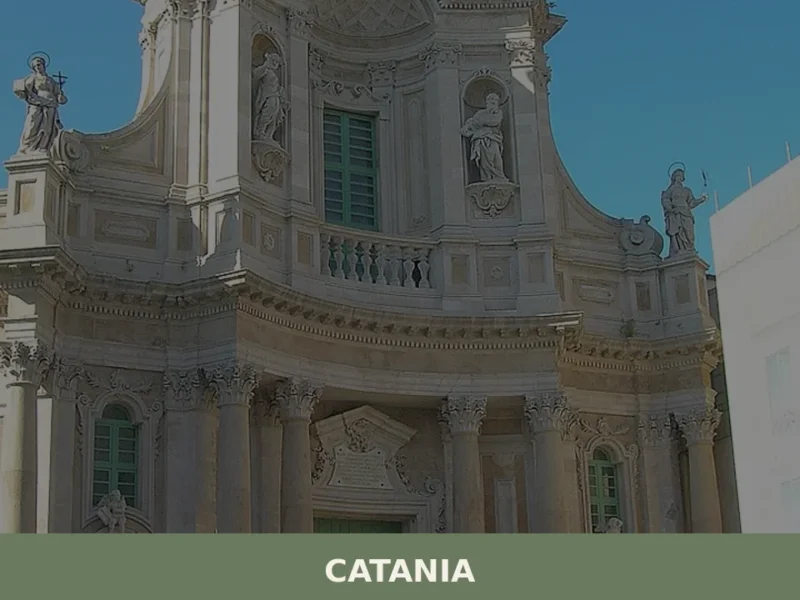
Catania
Sea
Discover Catania, a captivating village in Sicily, Italy. Explore its rich history, stunning architecture, local culture, and hidden gems waiting to be found.
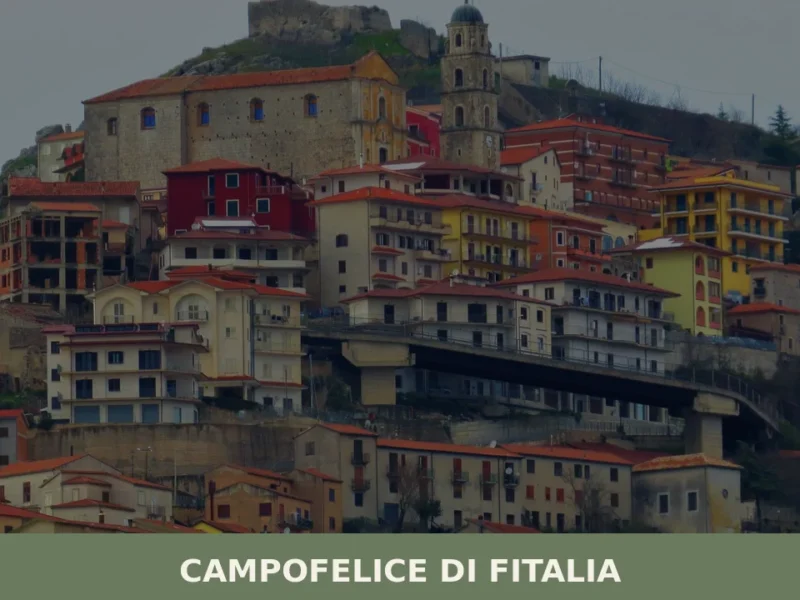
Campofelice di Fitalia
 Mountain
Discover what to see in Campofelice di Fitalia: history, rural architecture, local food, and the quiet beauty of inland Sicily at 734m altitude.
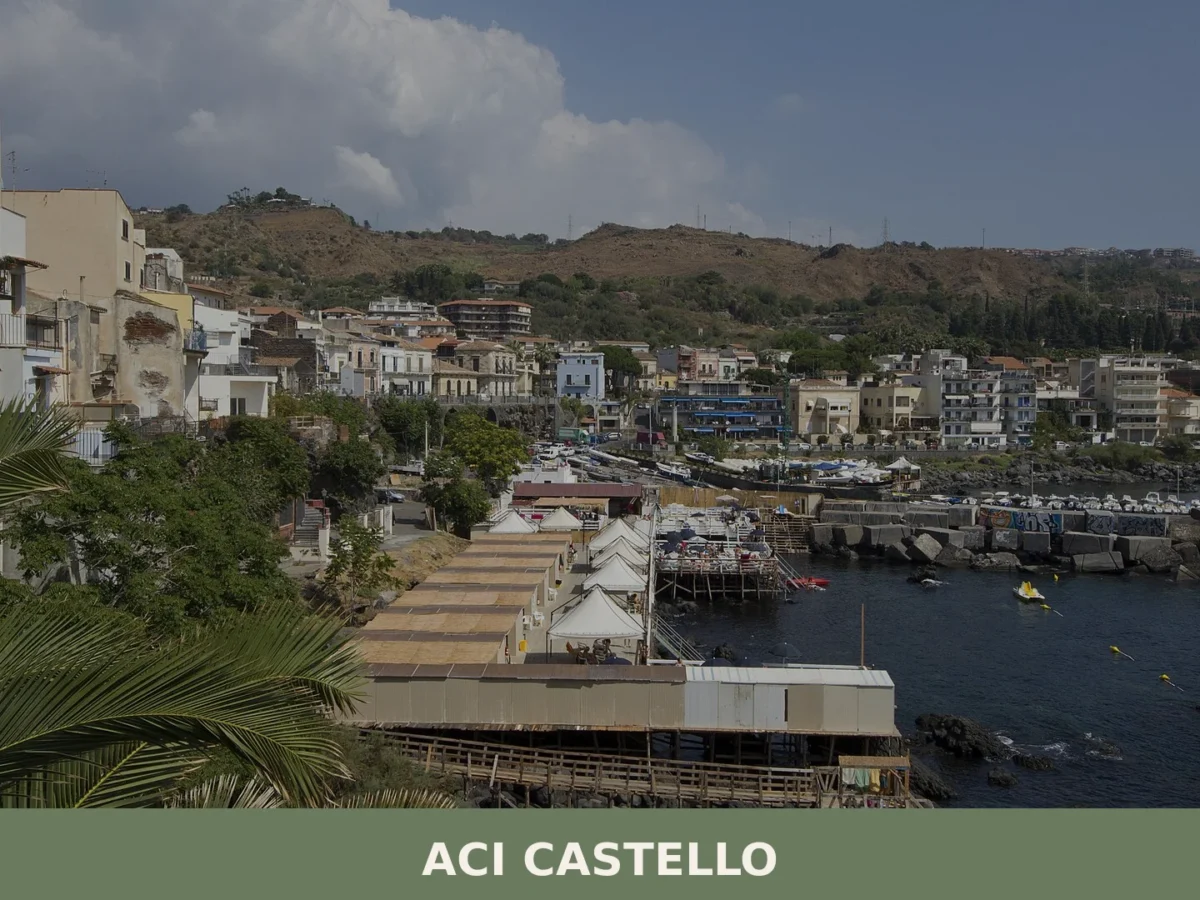
Aci Castello
Sea
A clifftop village on the Ionian coast with a 12th-century castle and layers of Greek, Roman and medieval settlement. Where coastal life meets archaeological depth.
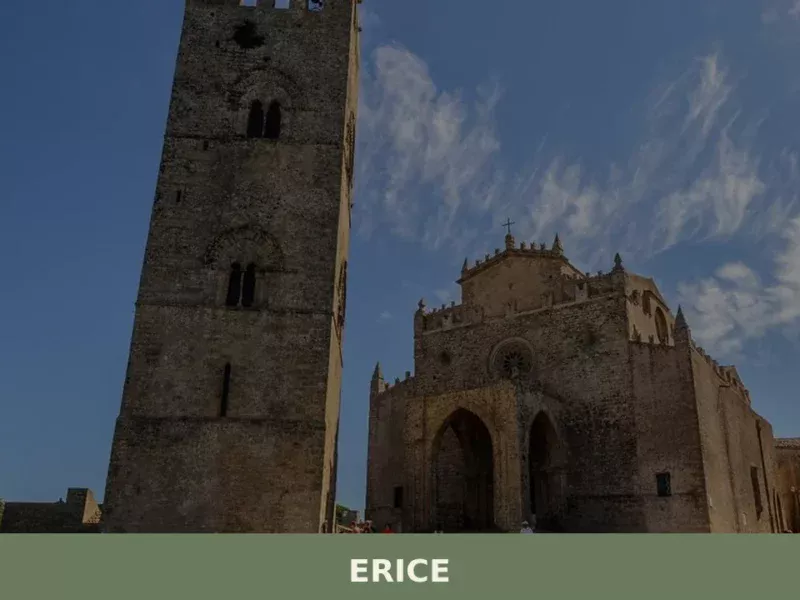
Erice
Sea
Erice is a walled medieval city in western Sicily perched at around 750 metres above the Gulf of Trapani, where Norman fortifications, ancient temples and far-reaching sea views define one of Italy's
🏡 Know Acquaviva Platani better than we do?
If you’re a local or have been there, your knowledge matters: add what’s missing or fix a detail on this page.