


Sorbolo
 Plains
Sorbolo offers 3,000 years of history from Bronze Age terramare to Farnese noble palaces. Visit for Roman centuriation, a Serassi organ and authentic Po Valley cuisine.
Sorbolo Emilia-Romagna: History, Monuments and Travel Guide
A stone’s throw from the Enza torrent, where the flatlands of the Po Valley stretch toward the horizon and the road to the Cisa pass cuts through fields of wheat and fodder crops, a village keeps its calendar anchored to ancient rhythms. The coat of arms says everything: a bridge on one side, a rowan tree on the other. Water and wood, crossing and rootedness — two forces that shaped this community across three millennia.
Sorbolo Emilia-Romagna sits just 12 kilometres from Parma, in the province’s low-lying eastern plain, and rewards visitors with two concrete draws that most larger towns cannot offer: a continuous thread of documented human presence stretching from the Bronze Age to the Resistance, and a collection of noble palaces, sacred art and Roman landscape features that survive in surprisingly good condition along the banks of the Enza.
History and Origins of Sorbolo
The name itself is a botanical document. Official toponomastics trace it to the Latin sorbus — the rowan, or service tree — combined with the diminutive suffix -ulus. In antiquity the rowan grew abundantly across this stretch of the plain; today it has become rare enough in the region to be protected as a native heritage fruit tree. The village, in a sense, preserves in its name a small piece of a vanished landscape.
Long before anyone wrote the name down, people were already living here. Archaeological finds near the fractions of Coenzo and Casaltone document Bronze Age terramare settlements dating to the seventeenth through thirteenth centuries before the common era. Iron Age traces have emerged near Ramoscello. When Rome established its colony at Parma in 183 BCE, Sorbolo entered the orbit of the empire: the territory was divided through Roman centuriation into agricultural holdings organised around a villa rustica, where ceramic wares and iron and bronze objects were produced. The zone around Ramoscello, contiguous with the Pedrignano district of Parma, still preserves much of that Roman grid in the landscape. In the 1950s, workers digging in a parish garden unearthed an imperial-era boundary stone dedicated to a certain Vitor Arniense, a member of a tribe well documented at nearby Brescello — which the Romans knew as Brixellum and which you can still visit today along the banks of the Po. The stone had been reused as a foundation block sometime in the seventeenth century, as a fragmentary second inscription suggests.
The first written record arrives in 835 CE, when Queen Cunegonda granted the locality of Sorbulo to the monastery of Sant’Alessandro in Parma. For centuries thereafter, monastic institutions shaped life on this plain: the monasteries of San Giovanni Evangelista, Sant’Uldarico and the Cistercian Abbey of San Martino dei Bocci all operated here between the tenth and sixteenth centuries. Hospitallers ran a hospice at San Macario in Chiozzola, and a hospital dedicated to the Scolopia was built by the bridge over the Enza in 1170. Fortified bridges at Coenzo and Sorbolo marked the political frontier. With the creation of the Duchy of Parma in 1545, the Farnese era brought a gradual transfer of power from religious to noble and bourgeois families — the Calvi at Coenzo, the Campori-Menafoglio, the Gruppini and the Lalatta among them, names still visible on streets and squares today. Napoleon annexed the duchy in 1801; Sorbolo became a proper municipality in 1806, with Giovan Battista Pinetti as its first mayor, and opened its first school two years later. The nineteenth century brought mutual-aid societies for artisans (1864), workers (1891) and farmers, some of which ran evening schools and libraries. During the final months of the Second World War, hundreds of local young men served in the 7th SAP Brigade Julia, formally constituted on 7 March 1945. Between 6 and 13 April 1945 a detachment carried out a sabotage operation that rendered the bridge over the Enza permanently unusable — an action that earned the unit a formal commendation from the partisan command. Since 1 January 2019, Sorbolo has merged administratively with the neighbouring municipality of Mezzani to form the new comune of Sorbolo Mezzani, though the village remains the seat of local government.
The boundary stone of Vitor Arniense, unearthed in a parish garden in the 1950s, had spent three centuries as a foundation block before anyone recognised it as a Roman imperial inscription — a reminder that the ground beneath the Po Valley’s fields still holds more history than it reveals.
What to See in Sorbolo: Top Attractions
Church of Saints Faustino and Giovita
The parish church standing at the centre of the village has roots that reach back to the same 835 document in which the settlement itself is first named. What visitors see today is a neoclassical structure, the result of extensive rebuilding after the earthquake of 1831 severely damaged the earlier fabric. Restoration work following a further earthquake in 1971 exposed traces of a Romanesque apse beneath the current one — a physical reminder that at least two earlier buildings preceded the present church. The interior organises itself around three naves with six lateral altars in addition to the high altar. Works from seventeenth- and eighteenth-century Parma and Bologna schools hang throughout the church, including the altarpiece of the high altar depicting the martyrdom of the patron saints Faustino and Giovita, a canvas dated 1748 by Giuseppe Peroni. The most remarkable object in acoustic terms is the nineteenth-century Serassi organ, recently restored to playing condition — a fine example of the workshop tradition that defined Italian organ building across the 1800s.
Palazzo Gruppini
Via Gruppini runs through the core of the village and takes its name from one of the noble families that held land here during the Farnese era. Their palace, a seventeenth-century structure, stands as the most visible marker of that aristocratic chapter in Sorbolo’s history. The building is a sober, two-storey block whose proportions reflect the restrained taste of provincial Emilian nobility rather than the theatrical ambitions of the great urban palaces. Walking the street that bears the family name, visitors pass directly in front of the facade and can appreciate how seamlessly the building integrates into the scale of the village — a quality that distinguishes many of the Po Valley’s minor noble residences from their more famous counterparts in Parma itself.
Palazzo Campori-Menafoglio-Ferrari
Facing the railway station on Via Marconi, this palace served until 1914 as the summer residence of the Campori-Menafoglio marquises of Modena. The building draws the eye with an elegant external staircase and retains a small private chapel inside. Local tradition adds a darker chapter: in 1864, according to accounts passed down through the community, a soldier and his fiancée took their own lives by leaping into the well on the grounds — a tragedy born of a love that met family opposition. Popular legend further holds that an underground corridor once connected the palace to the old Mazzoli mill nearby. Today the building functions as a business premises, but its exterior — the staircase in particular — remains worth a brief detour for anyone interested in the domestic architecture of northern Italy’s landed gentry.
Villa Godi-Tedeschi and Corte Pezzani
Two contrasting buildings illustrate the range of Sorbolo’s civil heritage. Villa Godi-Tedeschi preserves interior decorative work by the Parma artist Paolo Toschi, whose name is also attached to the city’s fine arts institute — making this a rare opportunity to see his work in a domestic rather than public or ecclesiastical context. A short walk away, Corte Pezzani on Via Gruppini offers a well-preserved example of a traditional lowland farmstead (corte colonica) typical of the Bassa parmense. The complex now houses the municipal civic and cultural centre, with the communal library, a social club for older residents, multipurpose meeting rooms and exhibition spaces. During summer evenings the courtyard hosts the outdoor cinema programme Lo schermo in cortile, organised by the cultural association Officina Cineclub.
The Roman Centuriation Landscape at Ramoscello
Not every significant site in Sorbolo has a roof. The area around the fraction of Ramoscello, together with the adjacent Pedrignano district across the municipal boundary, preserves one of the most readable sections of Roman land division — centuriation — surviving in the Parma lowlands. The grid of roads, field boundaries and drainage channels originally laid out after the foundation of the Roman colony at Parma in 183 BCE remains legible in aerial photographs and, if you know what to look for, from ground level too. Cycling along the minor roads here on a clear morning, the ruler-straight lines of the landscape become unmistakable. The area connects naturally with a broader circuit of Roman heritage sites in this part of the Emilian plain, including the site of ancient Brixellum at Brescello on the Po.
Food and Local Products of Sorbolo Emilia-Romagna
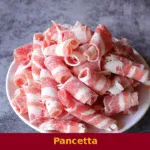
Sorbolo sits squarely in the agricultural heartland of the province of Parma, and the table here reflects everything that implies. The Bassa parmense — the low plain stretching east from the city toward the Enza — is pig country in the most productive sense: the microclimate, the diet of local herds and centuries of curing tradition combine to produce salumi of exceptional quality. In the farmhouses and small producers around Sorbolo, the emphasis falls on culatello and its relatives — salame, coppa, pancetta — prepared according to methods that have changed only in detail across generations. Visitors with a serious interest in cured meats can follow the Strada del Culatello di Zibello, which passes through the broader Bassa district and connects several agritourism farms offering tastings and sales directly from the producer.
The first course on any local table will almost certainly involve fresh egg pasta. In this part of Emilia, that means tortelli d’erbetta — large pasta parcels filled with ricotta and fresh chard, served simply with butter and aged Parmigiano-Reggiano — or the more robust anolini in broth, which appear at every significant family occasion from Christmas to local festivals. Parmigiano-Reggiano itself needs no introduction, but tasting it at different stages of maturation (24, 30, 36 months) in a territory where the milk is produced gives a clarity of flavour that packaged versions in distant supermarkets rarely match. Several farms in the Sorbolo Mezzani area operate on-site dairies and welcome visits by appointment.
The agricultural calendar of the Bassa also brings seasonal products that reward a visit at specific times of year. Late summer and early autumn see the harvest of melons and pumpkins for which the Po Valley’s alluvial soil is particularly well suited — the pumpkin filling of tortelli di zucca, while more associated with Mantua just across the Lombard border, appears on menus throughout the area. Local wine production is modest compared to the Apennine foothills of Bardi or Albareto, but the Lambrusco produced in the adjacent Reggio Emilia territory — the Enza marks the provincial border — pairs well with the fatty richness of the local charcuterie. Any osteria in the village centre will pour it without ceremony, which is exactly as it should be.
When to Visit Sorbolo and How to Get There
The most comfortable periods to visit fall in spring (April through early June) and early autumn (September and October). Summer in the Bassa parmense can be genuinely hot and humid — temperatures in July and August regularly exceed 34°C with little relief from elevation at 28 metres above sea level. Winter brings fog and cold but also a particular atmospheric quality to the flat landscape, and the period around the feast of the patron saints Faustino e Giovita (15 February) draws local devotion. If you arrive in late spring, the fields around Ramoscello are at their most legible as a Roman landscape, the irrigation channels running full and the grid of roads clearly defined against green crops.
If you arrive by car, Sorbolo is straightforward to reach via the SS 62 della Cisa, which runs directly through the village. From the A1 motorway, exit at Parma and follow the provincial road eastward toward the Enza; the drive takes under twenty minutes. Parking is available near the central piazza without restriction outside market days. The village also has a railway station on the Parma–Suzzara line, making it accessible without a car for visitors based in Parma city. Cyclists will find the flat terrain ideal: the network of minor roads connecting Sorbolo with the surrounding fractions and with the Po Valley cycling route is well developed.
| Departure | Distance | Time |
|---|---|---|
| Parma city centre | 12 km | 15–20 min by car; 25–30 min by train |
| Reggio Emilia | approx. 25 km | 30 min by car |
| Modena | approx. 55 km | 50–60 min by car |
| Bologna | approx. 100 km | 60–70 min by car via A1 |
| Milan | approx. 130 km | 90 min by car via A1 |
Accommodation in the village itself is limited to a small number of bed-and-breakfast options and agritourism farms in the surrounding fractions. Visitors preferring a wider choice of hotels will find Parma city the natural base, with Sorbolo an easy half-day or full-day excursion by car or regional train. The Parma–Suzzara railway, a minor but functional line, stops at Sorbolo station and provides a convenient link that avoids driving entirely — a practical advantage for those combining the visit with a day in the city’s galleries and food markets.
Frequently asked questions about Sorbolo
Come si arriva a Sorbolo in treno o in auto?
In auto, Sorbolo si raggiunge facilmente dall'autostrada A1: l'uscita consigliata è Parma, da cui si percorrono circa 12 km verso est in direzione Sorbolo lungo la SP 62R. In treno, la stazione più vicina è Parma, servita da Trenitalia con collegamenti frequenti da Milano, Bologna e Reggio Emilia. Da Parma è possibile proseguire in autobus con i servizi locali TEP (Trasporti Emiliani e Parmense) o in taxi.
Quando si festeggia il patrono di Sorbolo e quali eventi accompagnano la festa?
Sorbolo celebra i Santi Faustino e Giovita il 15 febbraio, data liturgica tradizionale dei due martiri bresciani. La festa patronale è solitamente accompagnata da funzioni religiose in paese. Febbraio nella Pianura Padana è periodo invernale con temperature tra 2 e 8 °C, quindi chi pianifica la visita per la ricorrenza patronale dovrebbe prepararsi a condizioni fredde e nebbiose, tipiche della bassa parmense in questa stagione.
Esistono percorsi cicloturistici o sentieri nei dintorni di Sorbolo?
Il territorio di Sorbolo, attraversato dal torrente Enza, si presta al cicloturismo su strade arginali e sterrati pianeggianti. La rete cicloturistica della Provincia di Parma include itinerari lungo i fiumi della bassa parmense. Il percorso dell'Enza, che costeggia il confine tra Parma e Reggio Emilia, è documentato dai portali turistici locali come Destinazione Parma ed è adatto a famiglie e ciclisti non esperti grazie al dislivello minimo (altitudine 28 m).
Quanto tempo è necessario per visitare Sorbolo?
Sorbolo è un borgo di pianura di circa 9.600 abitanti che si esplora comodamente in una mezza giornata. Una visita completa ai palazzi nobiliari, alle chiese e alle rive dell'Enza richiede 2-3 ore. Per chi desidera abbinare la visita a un'esperienza gastronomica nei ristoranti o agriturismi locali, è consigliabile pianificare una giornata intera. La vicinanza a Parma (12 km) permette di inserire Sorbolo facilmente in un itinerario più ampio nella provincia.
Dove si può soggiornare a Sorbolo o nelle immediate vicinanze?
La zona della bassa parmense intorno a Sorbolo offre diverse opzioni di soggiorno in agriturismo, formula diffusa in tutta la pianura emiliana. Per un'offerta più ampia di hotel e B&B, Parma città, a 12 km, rappresenta la base logistica ideale. Si consiglia di consultare i portali Visit Emilia o Destinazione Parma per strutture aggiornate, oppure i principali aggregatori come Booking.com filtrando per Sorbolo (PR) e comuni limitrofi.
📷 Photo Gallery — Sorbolo


In Emilia-Romagna More villages to discover
Borgonovo Val Tidone
Plains
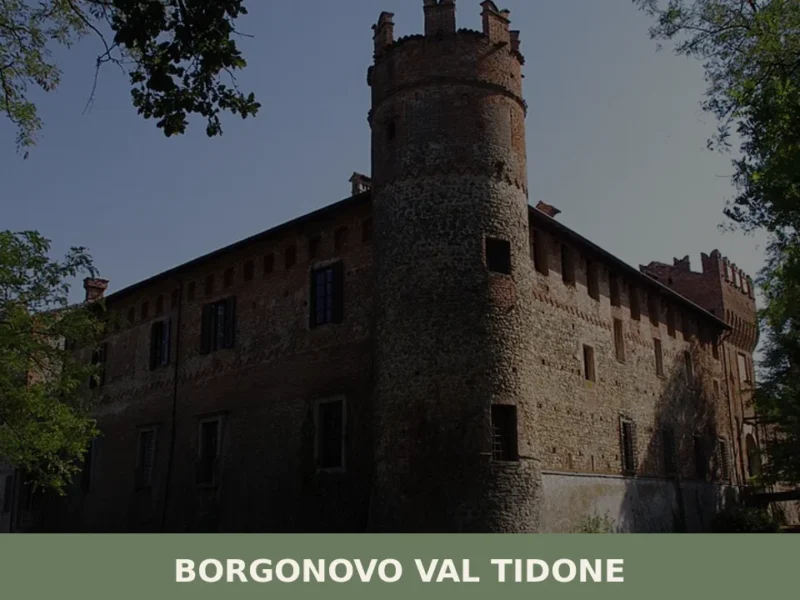
What to see in Borgonovo Val Tidone: 7,774 residents, a medieval castle, the Santa Maria Assunta church and Piacenza cuisine. Plan your visit with this complete guide.
Modena
Plains
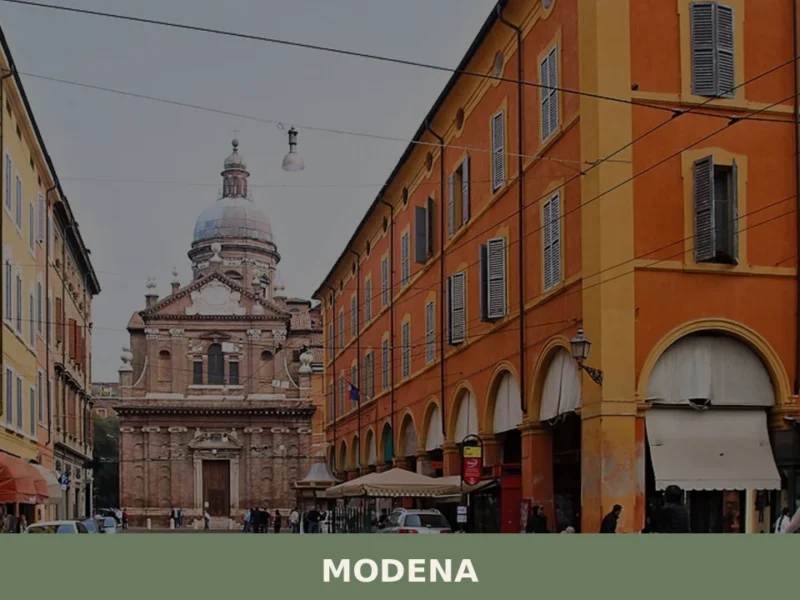
what to see in modena. Discover the UNESCO Duomo and Ducal Palace. Explore this city of 179,000+ residents and taste typical Modenese products.
Pecorara
 Hills
Hills
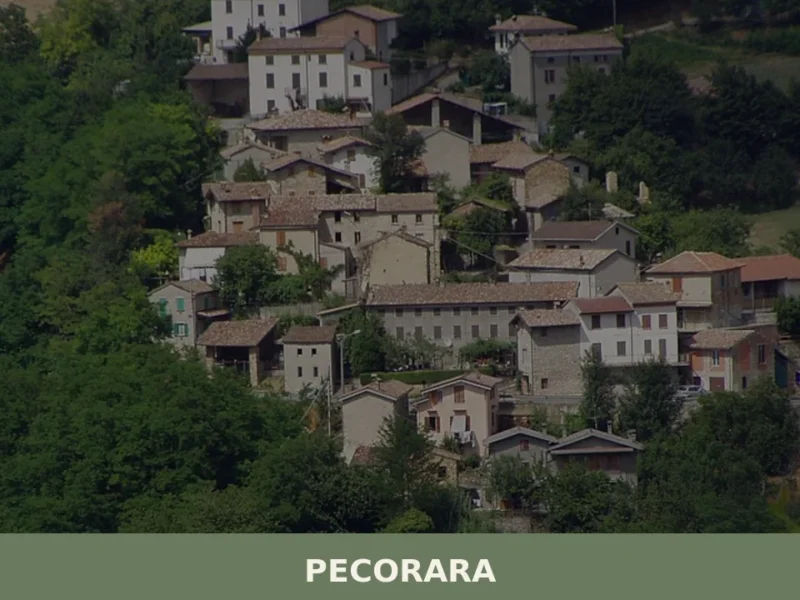
What to see in Pecorara? Discover 5 must-see attractions in this Emilia-Romagna village. Read the full guide and plan your visit!
Albareto
Hills
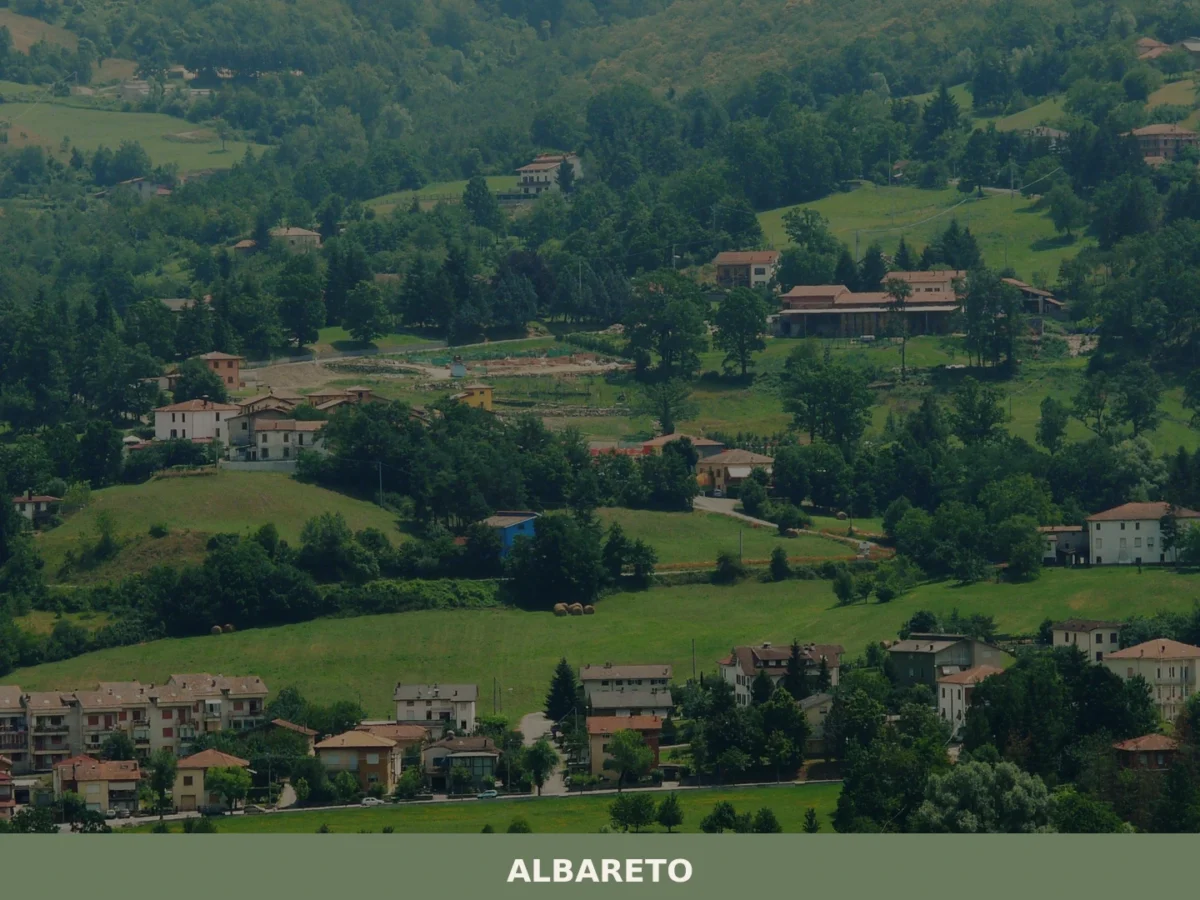
What to see in Albareto? Explore 5 must-see attractions and the most charming spots in this Emilia-Romagna village. Plan your visit!
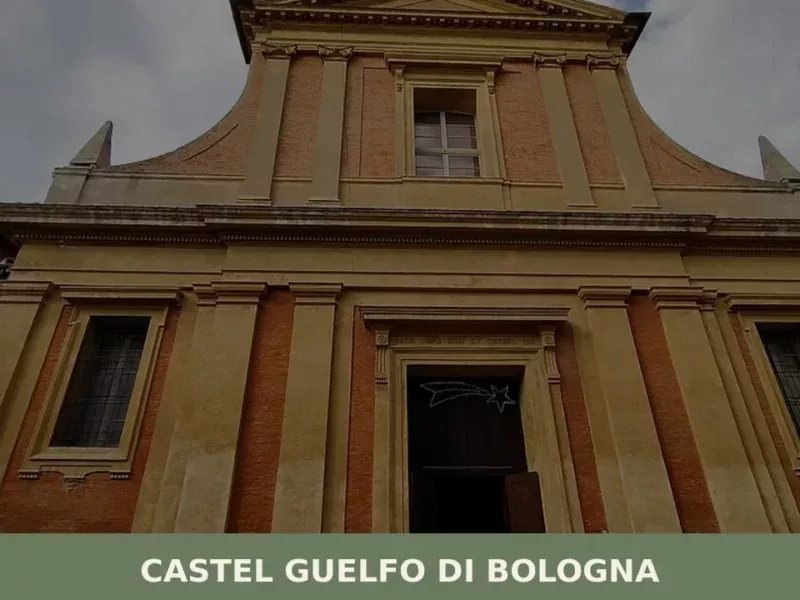
Castel Guelfo di Bologna
Plains
In 1388, the Council of the Six Hundred in Bologna ordered the construction of a fortress on the plain southeast of the city, along the road leading towards Romagna. That military outpost, built to defend the borders of the contado from the ambitions of the Visconti, took its name from the Guelph faction that governed […]
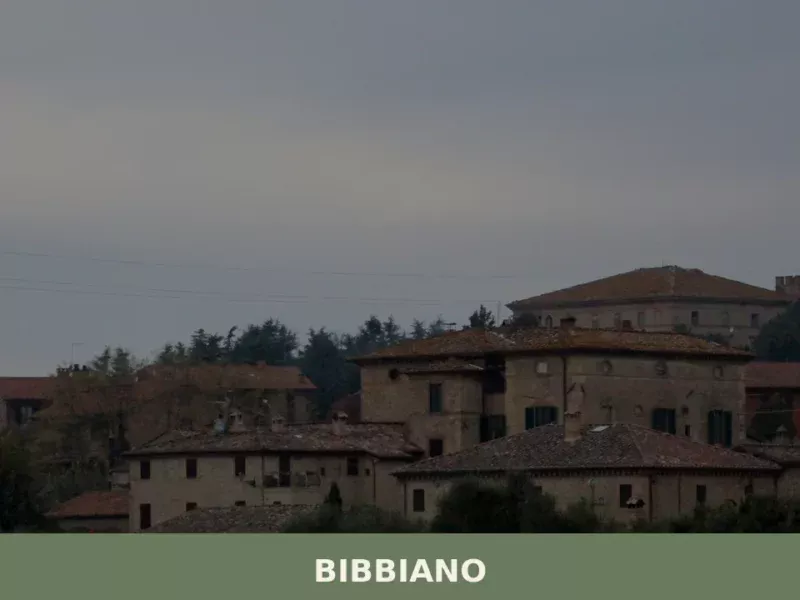
Bibbiano
Plains
What to see in Bibbiano, Emilia-Romagna, Italy: explore the birthplace of Parmigiano Reggiano, 14 km from Reggio Emilia. Discover history, food and how to get there.
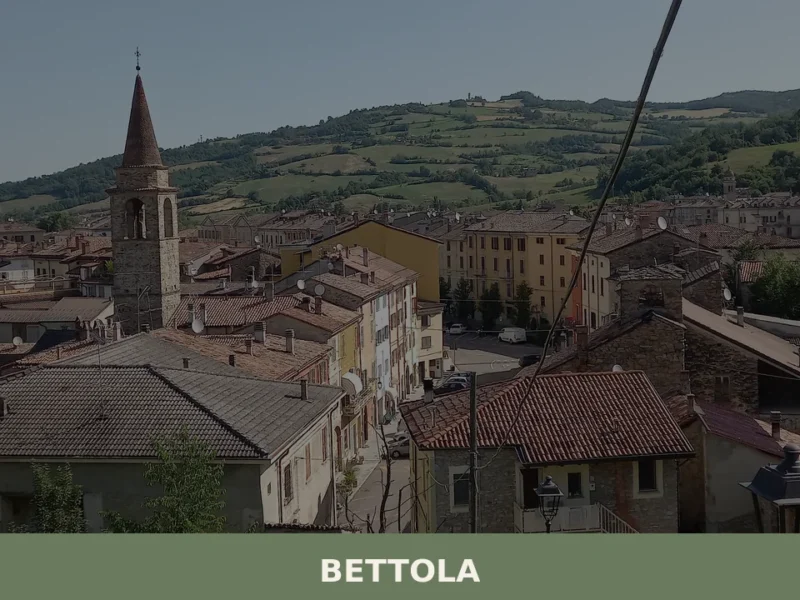
Bettola
Hills
What to see in Bettola: a Val Nure village at 329 m with 2,983 residents. Discover the Sanctuary of the Madonna della Quercia, Piacenza DOP cured meats and how to get there.
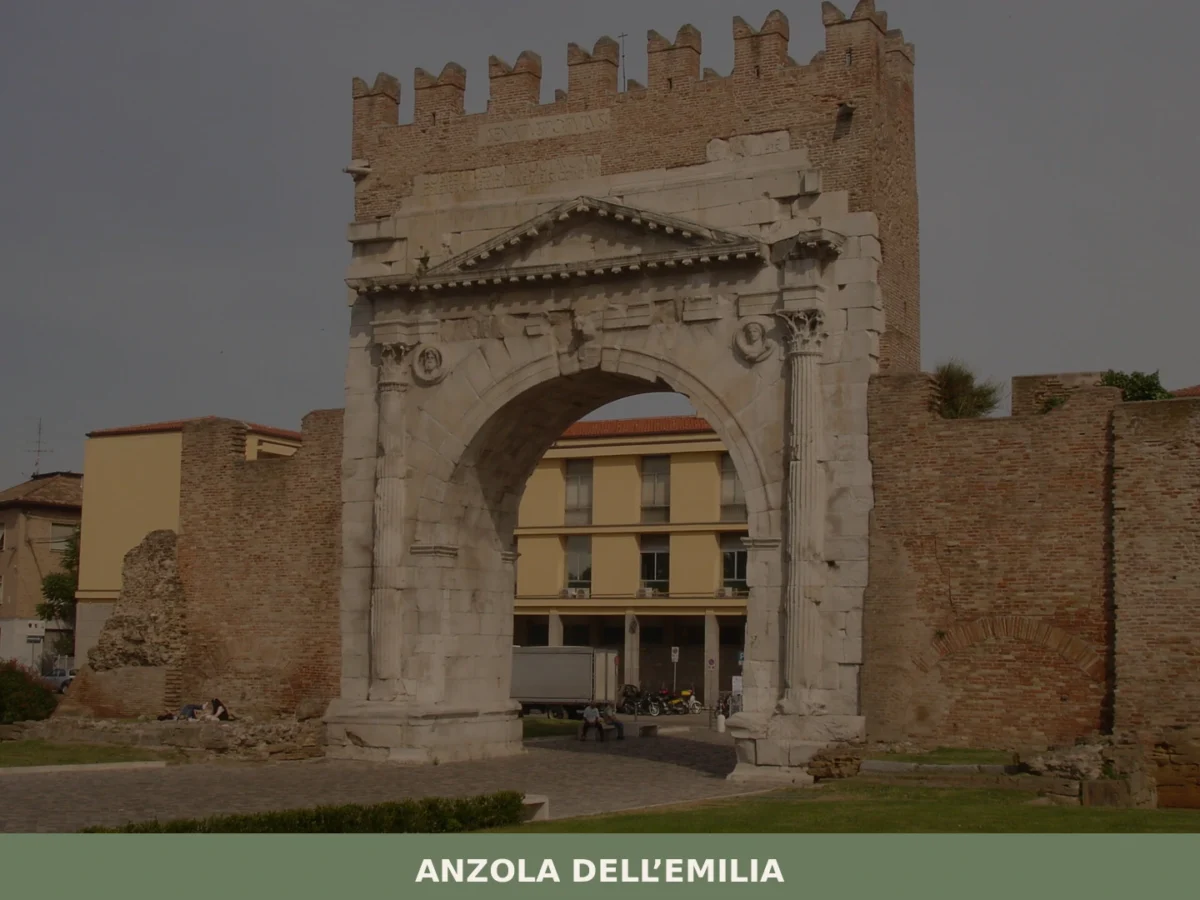
Anzola dell’Emilia
Plains
What to see in Anzola dell'Emilia: 5 must-visit attractions, from the medieval tower to the parish church. Discover the complete guide and plan your visit.
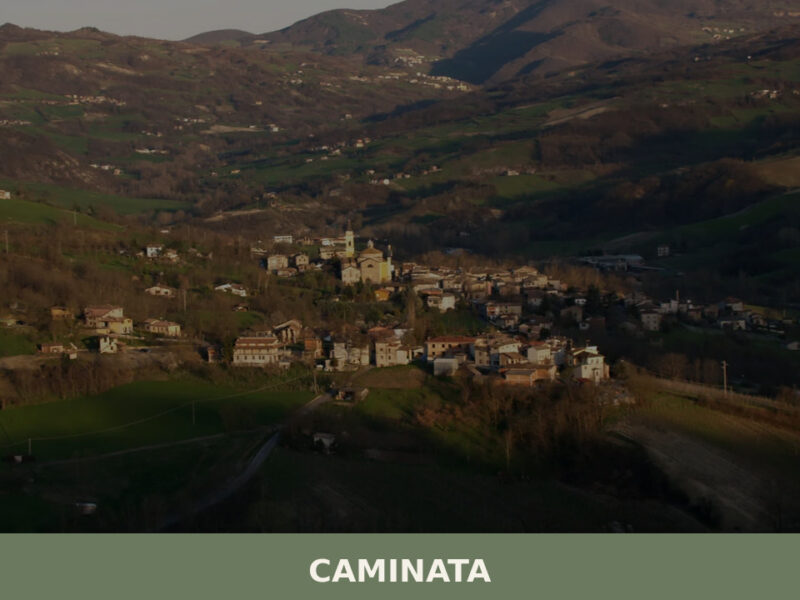
Caminata
Hills
Caminata sits at 364 metres in the Val Tidone, Piacenza province. A guide to its church, trails, Apennine food traditions, and surrounding landscape.
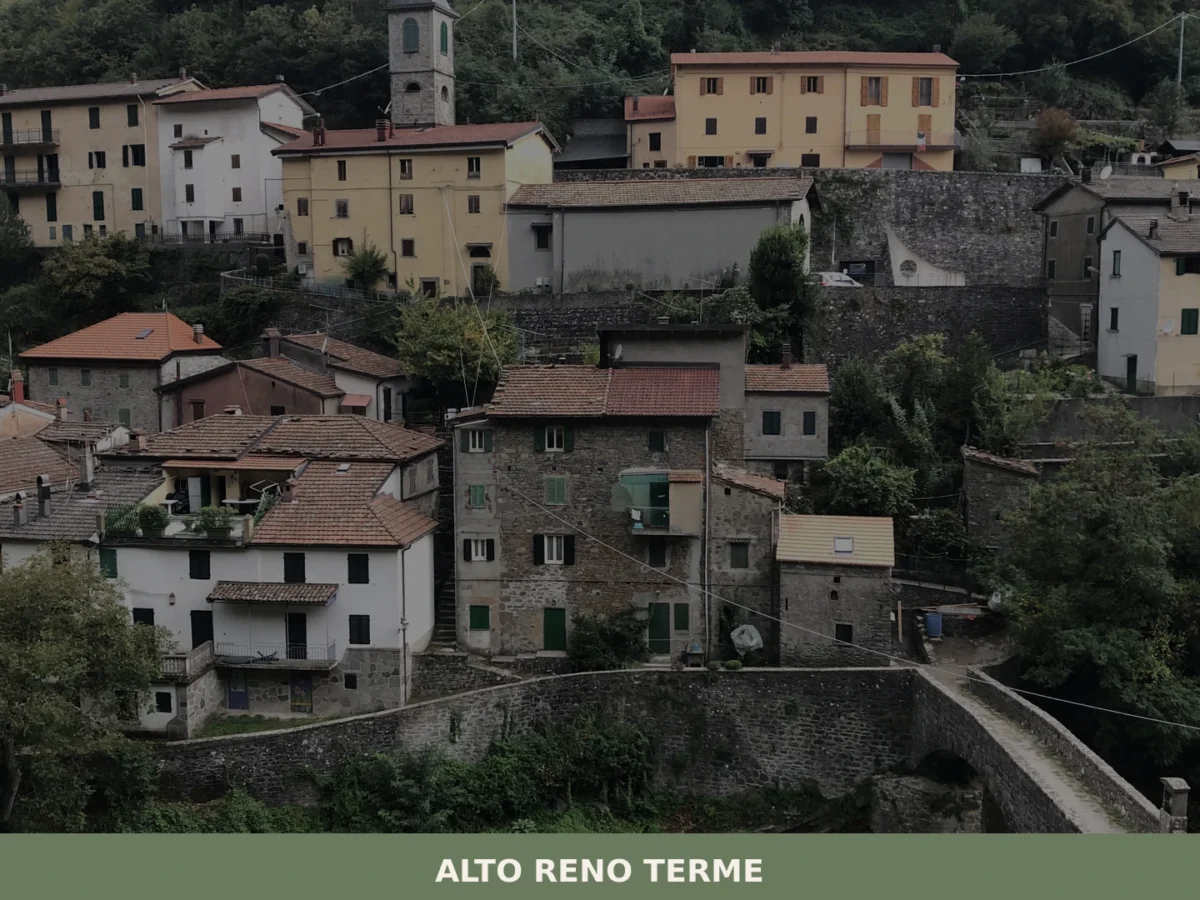
Alto Reno Terme
 Mountain
What to see in Alto Reno Terme: 5 unmissable attractions, from thermal baths and historic villages to Apennine nature. Discover the complete guide to plan your visit.
🏡 Know Sorbolo better than we do?
If you’re a local or have been there, your knowledge matters: add what’s missing or fix a detail on this page.