


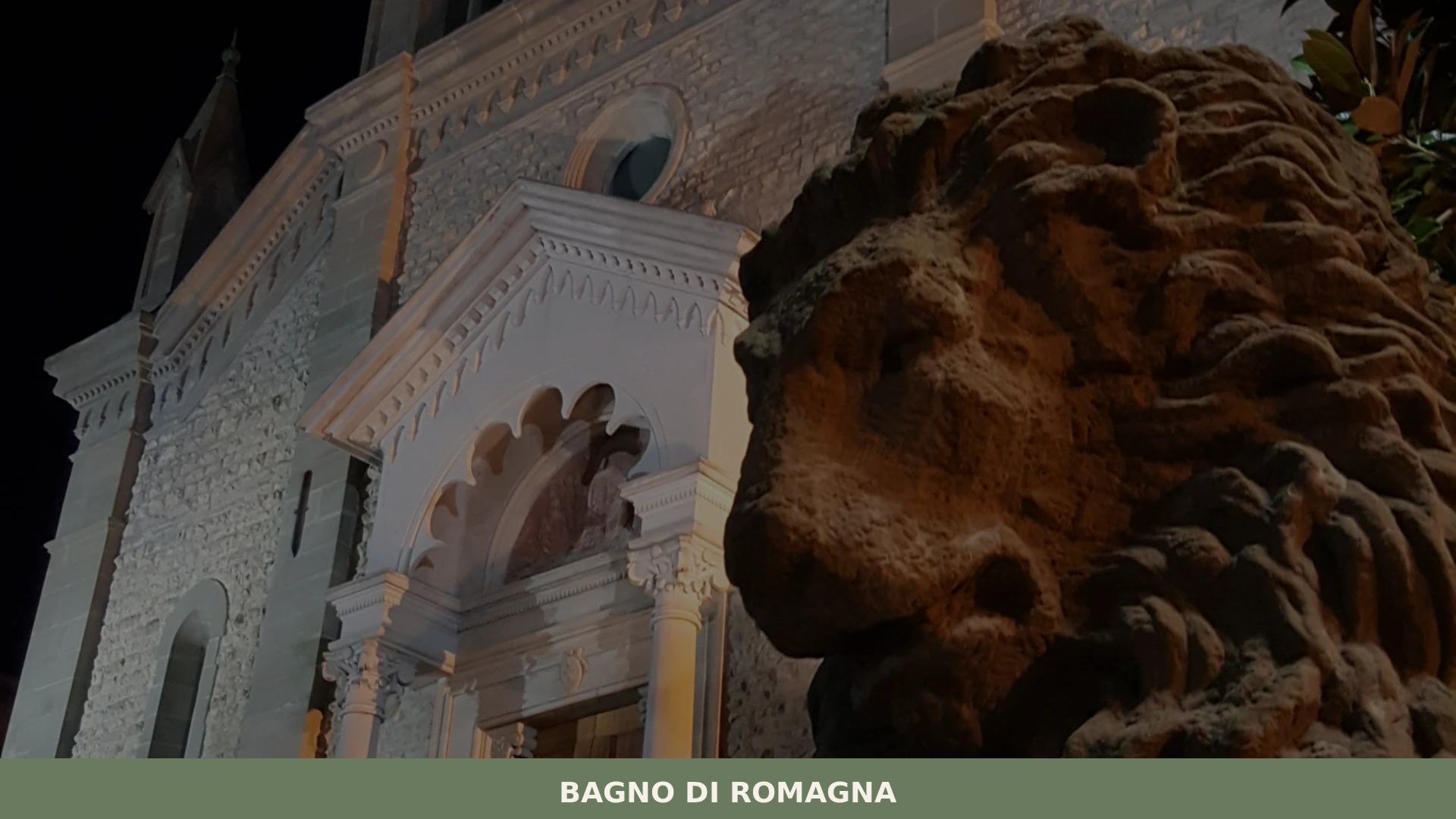
Bagno di Romagna
 Hills
Hills
what to see in bagno di romagna, Italy: Discover its 47°C hot springs and historic Basilicas. Explore Emilia-Romagna’s natural wonders.
Discover Bagno di Romagna
The sandstone facades of Bagno di Romagna emerge against the backdrop of lush green pine forests, offering a contrast that is rich with history. Overlooking the town, the ancient walls whisper tales from centuries past, inviting visitors to explore their intricate stories and the landscape beyond.
Situated 462 meters above sea level, this village in Emilia-Romagna, Italy, embodies a unique blend of natural beauty and historical significance.
In seeking what to see in Bagno di Romagna, visitors will discover a combination of rich history and natural splendor.
With a population of 5,592, this village is renowned for its thermal springs, where water reaches soothing temperatures of 47°C. Among the highlights are the Basilica of Santa Maria Assunta and the expansive Foreste Casentinesi National Park, each offering unique experiences that invite exploration and wonder. Bagno di Romagna is an ideal destination for those seeking both tranquility and adventure.
History of Bagno di Romagna
Originally an Umbrian settlement, Bagno di Romagna gained its name from the Latin word balneum, signifying the presence of its famous hot springs. The Romans established the town as a vital trading post and spa along the route between Rome and Ravenna, a strategic location for military legions seeking respite.
This heritage is etched into the town’s stonework and roads that weave through its historic heart.
By the 14th century, the Guidi family fortified Bagno di Romagna, fostering a period of stability and growth.
The addition of defensive walls and small castles allowed trade and community to prosper, leading to eventual acquisition by Florence and the Grand Duchy of Tuscany. The town’s evolution continued in the Middle Ages as a bustling market developed by the Savio River, establishing what is now San Piero in Bagno.
Modern times brought the union of Bagno di Romagna with the Kingdom of Italy in 1860, and later, its annexation to Emilia-Romagna in 1923 due to the influence of Mussolini. World War II saw the strategic importance of its location as it positioned near the Gothic Line.
The liberation in 1944 marked a new chapter, allowing for peace and post-war industrialisation that now supports tourism and local industries.
What to see in Bagno di Romagna, Emilia-Romagna: top attractions
Foreste Casentinesi, Monte Falterona, Campigna National Park
This expansive 368 square kilometer (142 square miles) park is characterized by dense woodlands and rugged mountains.
It forms an essential natural habitat for diverse fauna and flora. A variety of hiking paths weave through the park, inviting exploration and solitude away from urban life. Ideal visiting months are spring and autumn when fauna is most active, and the terrain is covered in vibrant foliage.
Basilica of Santa Maria Assunta
The Basilica stands with a bell tower reaching 39 meters (128 feet) into the sky. The church origins trace back to 860 AD, featuring a baptismal font from the year 1000 and a tabernacle linked to the Giuliano da Maiano school. Visitors are drawn to its ornate portal bearing the crest of the Camaldolese order.
It’s easily accessible from the village center and open year-round for self-guided tours.
Palazzo del Capitano
Once the seat of Florentine administrators, this building now serves as the administrative headquarters for the national park.
The structure’s historical significance is complemented by its role in preserving local heritage. Its architecture reflects centuries of change and adaptation. Situated conveniently within the town, it’s best explored with a guided tour to delve into its rich past.
Lake of Ridracoli
The artificial lake, tucked into a scenic valley within the national park, is a masterpiece of engineering. It provides both recreational space and natural aesthetics. Visitors can enjoy activities like walking around its perimeter or renting boats for a closer look at its serene waters. Spring offers the best conditions for these outdoor activities.
Santuario della Madonna di Corzano
Perched 678 meters above sea level, the sanctuary is accompanied by an intact hermitage.
Facing the suburb of San Piero, it integrates history with spirituality in a setting of natural beauty.
The best approach is by car, particularly in summer when the weather allows for extended exploration.
Local food and typical products of Bagno di Romagna
Bagno di Romagna’s culinary offerings are deeply rooted in the regional traditions of Emilia-Romagna, a land known for its rich flavors and quality ingredients. The culinary landscape here has been shaped by the town’s location along ancient trade routes, allowing for a mix of influences.
A staple of the area is the Piadina Romagnola, a thin flatbread typically served with local cheese and cured meats like Prosciutto di Parma.
Another must-try is Passatelli, made with a mixture of breadcrumbs, eggs, and Parmesan, cooked in broth.
The area’s certified products include subtle flavors that embody the landscape’s qualities.
The proximity to various gastronomic hubs means that many delicacies are available locally, reflecting the robust food culture of Emilia-Romagna.
While food festivals vary by season, August is particularly festive due to the celebration of Santa Maria Assunta, offering an opportunity to enjoy traditional dishes alongside local customs. Visitors can explore local markets for food souvenirs throughout the year.
Festivals, events and traditions of Bagno di Romagna
The town’s calendar revolves around the feast of Santa Maria Assunta on August 15th. This festival features processions and local gatherings, marked by a spirit of community and faith.
It is an event deeply cherished by residents and visitors alike, showcasing the village’s close-knit nature.
In addition to religious observances, Bagno di Romagna hosts various seasonal food fairs, allowing for the sampling of local culinary delights.
These events provide the perfect occasion to experience the region’s rich traditions and connect with its vibrant community.
When to visit Bagno di Romagna, Italy and how to get there
The best time to visit Bagno di Romagna is during spring and autumn when the climate is mild, and nature is at its most appealing. These seasons enhance the experience of exploring both the historical sites and the expansive natural beauty found in the surrounding national park.
Bagno di Romagna is accessible by car via the E45 motorway, with a specific exit close to the village. The nearest train station is in Cesena, about 45 km (28 mi) away, making train travel a viable option.
For international visitors, Bologna Airport is approximately 125 km (78 mi) away, offering connections to major European travel hubs.
Where to stay near Bagno di Romagna
Accommodation options near Bagno di Romagna range from rustic agriturismi to family-run B&Bs, providing a warm welcome and local charm.
These lodgings often offer peaceful settings amidst nature, enhancing the overall experience of visiting this beautiful village in Emilia-Romagna.
Visitors to Bagno di Romagna can extend their trip to Castell’Arquato, which shares a rich historical fabric and beautifully preserved architecture.
📷 Photo Gallery — Bagno di Romagna
Getting there
Piazza Martiri, 47021 Bagno di Romagna (FC)
Nearby Villages near Bagno di Romagna
In Emilia-Romagna More villages to discover
Argenta
 Plains
What to see in Argenta, Italy: Explore the 7m altitude of Argenta. Discover top attractions like San Nicola di Bari and enjoy local foods.
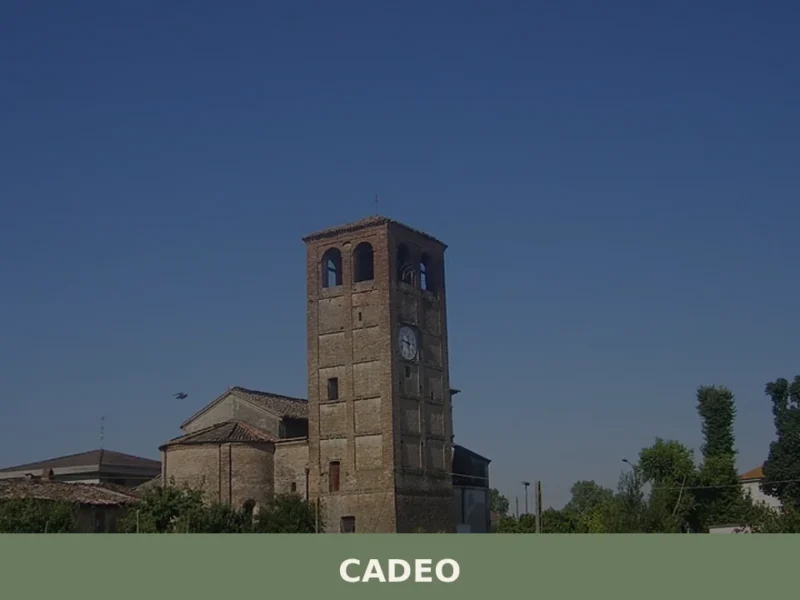
Cadeo
Plains
What to see in Cadeo: a Piacenza plain town at 65m with 6,035 residents. Discover Romanesque churches, historic villas and DOP cured meats. Plan your visit.
Ravenna
 Sea
Sea
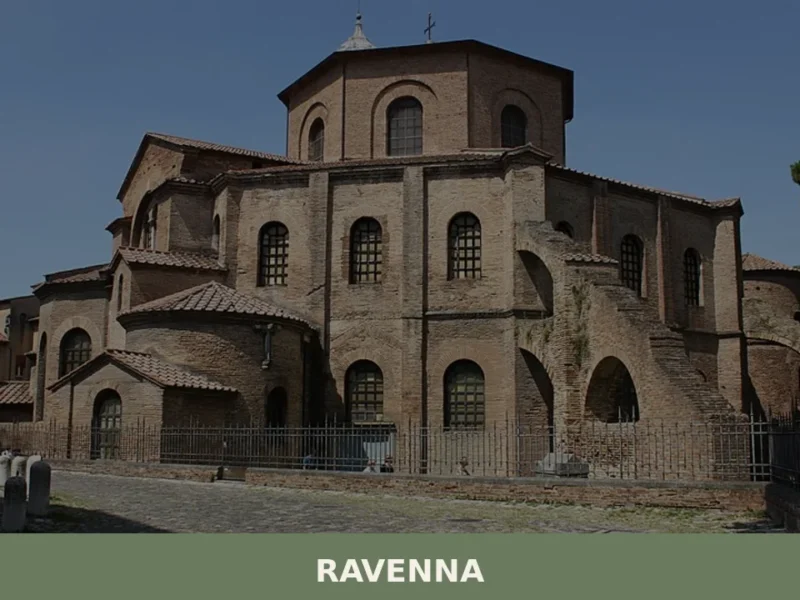
With a population of 155,751 inhabitants and located just 4 m above sea level, Ravenna stands out as one of Emilia-Romagna’s most significant centers, a historical crossroads that has shaped the region’s identity. In this article History and origins of Ravenna What to see in Ravenna: main attractions Typical cuisine and products of Ravenna Festivals, […]
Bibbiano
Plains
What to see in Bibbiano, Emilia-Romagna, Italy: explore the birthplace of Parmigiano Reggiano, 14 km from Reggio Emilia. Discover history, food and how to get there.
Piozzano
Hills
What to see in Piozzano, Italy: Explore this village of 578 inhabitants, 222 m a.s.l., near Piacenza. Discover its history and local specialties.
Castel di Casio
Hills
In February 1944, during the German retreat along the Gothic Line, the bridges over the Limentra di Treppio torrent were blown up one by one, cutting the territory of Castel di Casio in two. That act of destruction left a lasting mark on the collective memory of a mountain municipality that, as far back as […]
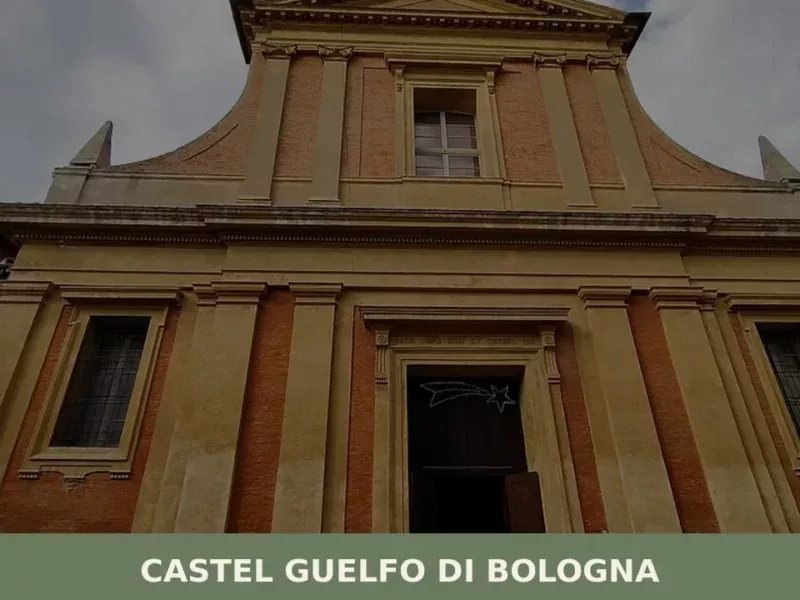
Castel Guelfo di Bologna
Plains
In 1388, the Council of the Six Hundred in Bologna ordered the construction of a fortress on the plain southeast of the city, along the road leading towards Romagna. That military outpost, built to defend the borders of the contado from the ambitions of the Visconti, took its name from the Guelph faction that governed […]
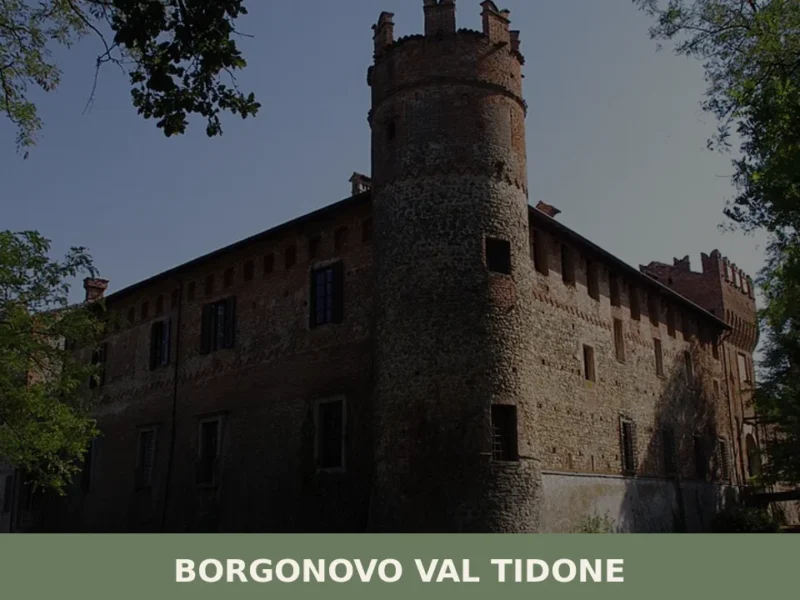
Borgonovo Val Tidone
Plains
What to see in Borgonovo Val Tidone: 7,774 residents, a medieval castle, the Santa Maria Assunta church and Piacenza cuisine. Plan your visit with this complete guide.
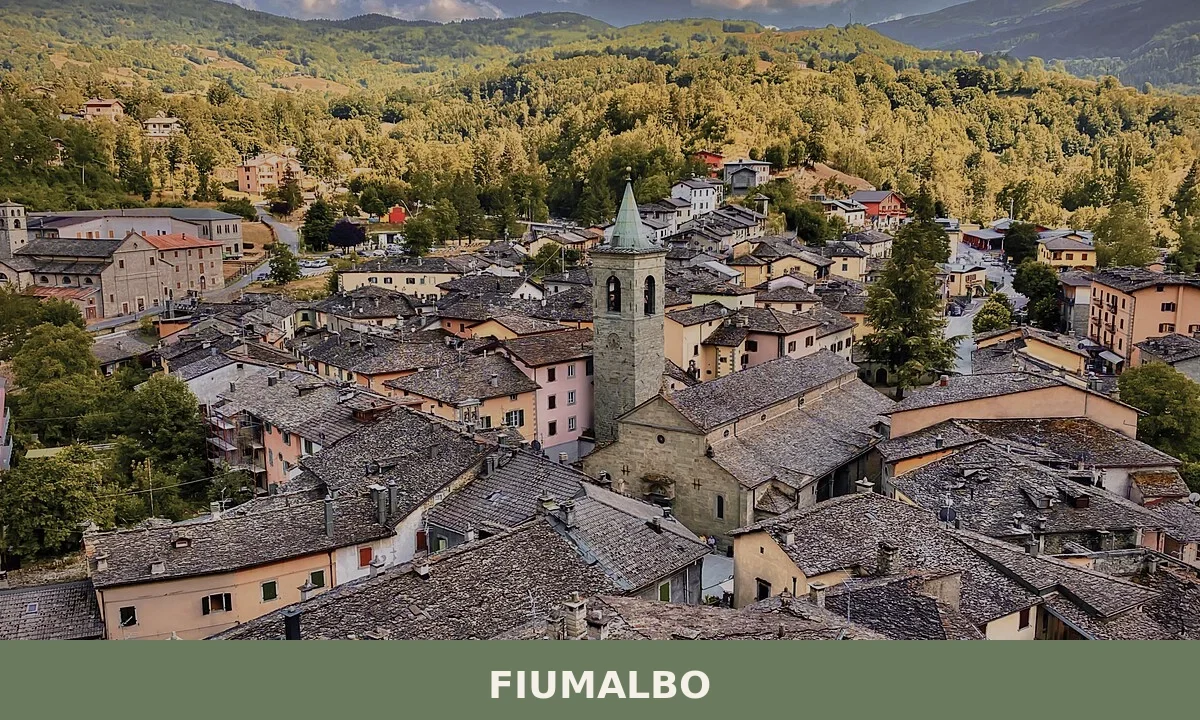
Fiumalbo
 Mountain
Fiumalbo is a historic mountain comune at 938 metres in the province of Modena, where a documented past stretching back to 1038 meets living traditions including a celebrated living Nativity and a wea
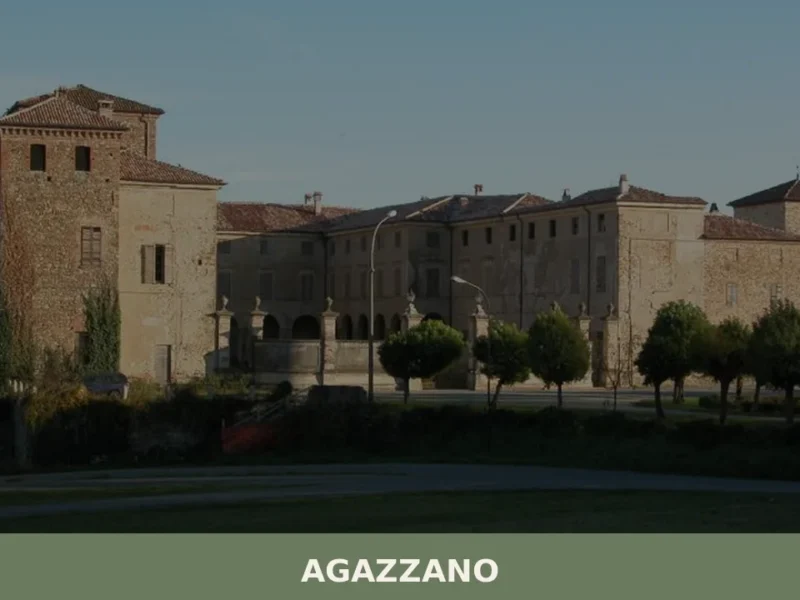
Agazzano
Plains
What to see in Agazzano, a village at 187 m in Piacenza province with 2,054 residents. Explore the medieval castle, Santa Maria Assunta church and Val Luretta. Plan your visit.



🏡 Know Bagno di Romagna better than we do?
If you’re a local or have been there, your knowledge matters: add what’s missing or fix a detail on this page.