


Gallipoli
 Sea
Sea
A seaside comune of 18,934 inhabitants where a Greek-named limestone island opens onto the southern Salento shore. History and archaeology anchor every corner.
Gallipoli Village in Apulia: A Limestone Island on the Ionian Coast
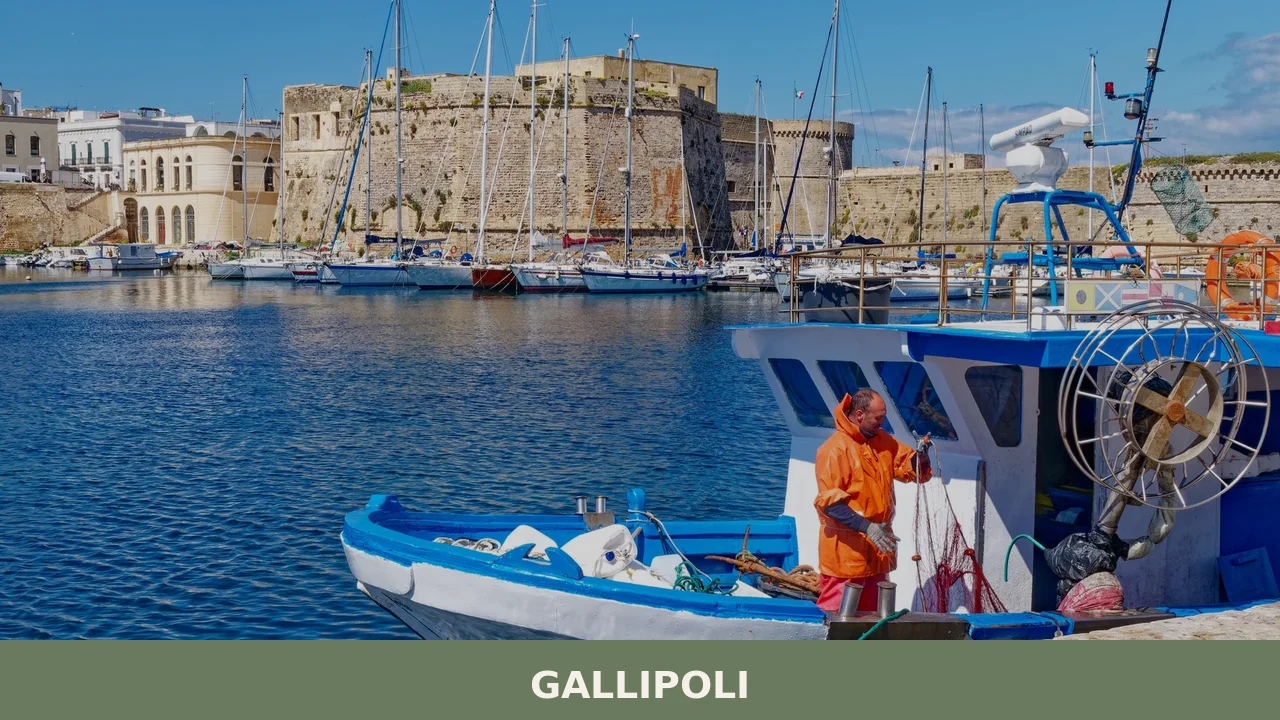
Light breaks across the pale stone of Gallipoli’s old town, where a limestone island rises from the Ionian Sea and a seventeenth-century bridge connects the island to the mainland. The town’s name derives from the Greek Kallípolis—a settlement whose narrow streets and seafaring past have shaped Salento’s southern coast for thousands of years.
Gallipoli village in Apulia occupies a territory of 40.35 square kilometres along the western shore of the Salento peninsula, with a population of 18,797. The comune is divided into two distinct zones: the historic centre, built on the island itself with a perimeter of roughly 1.5 kilometres, and the newer borough built on the mainland since the bridge’s construction. Two concrete reasons to visit: a fortress and harbour district that reveal layers of Greek, Roman, Byzantine and Norman rule, and a coastline of nearly 20 kilometres where archaeology and seascape merge.
From Neolithic Settlement to Medieval Port
Human occupation of the Gallipoli area reaches back to the Neolithic period—around 9,000 years ago, a village stood at Torre Sabea, about two kilometres from the modern town. Archaeologists recovered pottery, flint tools and ornamental objects from that era, along with a burial that was removed in block and sent to the University of Florence for detailed study.
In the Messapic period, the site may have borne the name “Anxa,” a term of uncertain meaning that Plinio il Vecchio alone recorded. Gallipoli likely became a Greek colony during the expansion of Taranto along the Ionian coast in the fourth century BC, possibly during the period of Tarentine expansion in the mid-fourth century. ” This designation underscores its Hellenic character and role in Tarentine colonial networks.
Gallipoli likely became a Greek colony probably between 367 and 360 BC, during the period of Tarentine expansion under Archita. This timing hints at Gallipoli’s limited inland reach; its influence likely remained confined to maritime trade and the coastal strip between the Messapic cities of Naretòn (Nardò) to the north and Ozan (Ugento) to the south.
The Pyrrhic Wars (280–275 BC) ended the independence of both Greek and Messapic city-states. Gallipoli and the wider Salento fell under Roman control. The town later acquired the status of Municipium. The first nucleus of the Castello di Gallipoli probably dates to this Roman phase, built to house troops and defend the harbour. In the same period, maritime commerce enriched the port’s merchant class.
Vandal and Gothic raids in the fifth century damaged the castle and town severely. The Byzantines recaptured Gallipoli and rebuilt the fortress. The castle’s medieval existence is confirmed by that papal letter of 599. The town then enjoyed centuries of Byzantine commerce until Arab forces attacked the city. After Byzantine recovery and reconstruction of the defences, the Normans arrived: The Normans became active in the region during the mid-eleventh century, and Gallipoli became a Norman domain, its status shifting from Byzantine to Christian feudal authority.
The Island Town: Layout and Landmarks
Historic Centre on the Limestone Island
The old town occupies a raised limestone platform roughly 1.5 kilometres in circumference. Its warren of close-set streets, arched passageways and whitewashed buildings reflects centuries of compact urban design suited to coastal defence. The strategic placement on an island allowed medieval inhabitants to control harbour access while the sea itself served as a fortification. From the waterfront, the town rises in tiers, with the castle occupying a prominent position on the limestone platform. Late medieval and early modern renovations overlaid baroque details onto older street patterns, creating the visual texture visitors encounter today.
Castello di Gallipoli
The fortress’s earliest phase probably dates to the Roman period, when military architects first recognized the site’s harbour value. Vandals and Goths damaged it in the fifth century; Byzantines rebuilt it in the following era. The structure evolved through medieval and early modern periods as weaponry and siege tactics changed. Its function shifted from garrison stronghold to administrative centre to symbol of territorial authority under successive rulers—Norman, Angevin, Aragonese and Spanish.
The Seventeenth-Century Bridge
The stone arch bridge that joins the island to the mainland dates to the 1600s. Its construction marks a turning point in Gallipoli’s urban expansion: before the bridge, the town was confined to the island; after it, the modern borough grew on reclaimed land. The bridge remains the sole physical connection between old and new, its narrow span a daily crossing point for residents and a visual reminder of the town’s medieval island origins.
Isola di Sant’Andrea
About one kilometre west of the main town lies the Isola di Sant’Andrea, a flat expanse of roughly 50 hectares. The island is now part of the Parco naturale regionale Isola di Sant’Andrea e litorale di Punta Pizzo, recognized for its archaeological remains and role in the economic networks that sustained ancient coastal settlements.
Diocesan Museum
The bishop’s collection houses Roman-era tombstones that connect the town to the military and administrative structures of the imperial period. These artefacts connect the town to the military and administrative structures of the imperial period. The museum also preserves ecclesiastical objects and local religious art reflecting Gallipoli’s status as a bishop’s seat since the sixth century.
The Coast and Protected Landscape
Gallipoli’s litorale stretches for nearly 20 kilometres along the Ionian margin of the Salento peninsula. The coastline alternates between rocky outcrops and sandy beaches, with small islands—Isola del Campo, the islet called Scoju te li picciuni, and Sant’Andrea—forming a scattered archipelago offshore. The Canale dei Samari empties into the sea south of the town, shaping local hydrology and marine ecology.
The regional government designated the Parco naturale regionale Isola di Sant’Andrea e litorale di Punta Pizzo to protect the marine and terrestrial habitats. The park encompasses the island, its surrounding waters and the coastal strip—a recognition that Gallipoli’s identity extends beyond the urban footprint into the seascape that sustained it for millennia.
Flavours of the Salento Coast
The agricultural and fishing traditions of Gallipoli reflect the broader food culture of Puglia’s southern reaches. The Ionian coast provides anchovies, sea urchins and other seafood that feature in local daily cooking, while the interior plains yield vegetables and grains suited to a Mediterranean climate. Among Puglia’s protected food products, burrata (a creamy fresh cheese), cartellate (fried pastries), and various preparations of chickpeas and fava beans are part of the regional patrimony. The kitchen of Gallipoli turns seasonal catches and local legumes into dishes that echo Greek, Roman and medieval precedents.
The region’s wine and olive oil production, protected under geographical designation schemes, anchors local tables and commerce. If you visit during harvest seasons—September through November for grapes, autumn for olives—you may encounter the rhythms of pressing and fermentation that connect contemporary producers to centuries of agricultural practice.
When to Visit and How to Arrive
Gallipoli’s Mediterranean climate brings mild winters (average January temperature around 9°C) and warm, humid summers (August averages 25.1°C). Annual rainfall is modest at roughly 676 millimetres, concentrated in autumn and winter months. Spring and early summer—April through June—offer the most comfortable balance of warmth and lower rainfall. The coast draws swimmers from June through September, though the town itself holds interest year-round for those focused on history and architecture rather than bathing.
The town lies on the western coast of the Salento peninsula, in the province of Lecce, Puglia. It borders the comuni of Galatone and Sannicola to the north, Alezio and Matino to the east, Taviano to the south, and the Ionian Sea to the west. If you are exploring the broader Salento region, nearby villages like Alezio (an ancient Messapic centre) and Copertino offer related historical contexts within easy reach.
| Departure Point | Distance | Approx. Travel Time |
|---|---|---|
| Lecce (city centre) | 35 km | 40 minutes by car |
| Brindisi Airport | 60 km | 1 hour by car |
| Taranto | 70 km | 1 hour 15 minutes by car |
By car, approach Gallipoli via the SP366 (Strada Provinciale) from Lecce, which threads through olive groves and small towns toward the coast. Bus services connect Lecce and Brindisi to Gallipoli, though journey times are longer and schedules less frequent than driving. The town has modest parking near the bridge and in the newer borough; the island’s narrow streets accommodate only pedestrian traffic. If you arrive in summer, arrive early to secure parking and avoid the midday heat in the old town’s stone passages.
Accommodation ranges from small hotels and guesthouses scattered through both the old town and the new borough to holiday rental apartments. The town’s main feast honours San Sebastiano, the patron saint, on 20 January. Throughout the year, the waterfront piazzas and harbour remain focal points of daily life, where locals gather in the cooler hours—a continuity of Mediterranean rhythm that stretches back through Roman and Greek centuries.
Frequently asked questions about Gallipoli
What is the best time to visit Gallipoli?
Visit between May and September for warm, sunny weather ideal for beach activities. The patron saint feast of San Sebastiano occurs on January 20th, attracting pilgrims. Summer (July–August) offers peak conditions but crowds; shoulder months provide pleasant temperatures with fewer tourists. Winter months are mild but rainier. For sea swimming, June through September offers water temperatures above 20°C.
How do I reach Gallipoli by car?
Gallipoli lies on the western Salento peninsula in Lecce Province, Apulia. From the north, exit the A16 motorway at Taranto and follow SS172 southward toward Gallipoli (approximately 80 km). From Lecce, take SS101 southwest (about 40 km, 50 minutes). The town sits 40.35 square kilometres along the Ionian coast. Parking is available near the bridge connecting the island to the mainland.
What historical periods shaped Gallipoli?
Gallipoli's name derives from ancient Greek 'Kallípolis' (beautiful city). Human settlement dates to the Neolithic era (9,000 years ago). The town experienced successive waves of Greek, Roman, Byzantine, and Norman rule, evident in its fortress and harbour district. The seventeenth-century bridge linking the limestone island to the mainland represents a major architectural turning point in the town's urban development and modern expansion.
How long should I spend in Gallipoli?
Plan 2–3 days to explore thoroughly. One day covers the historic island centre (1.5 km perimeter), fortress, and harbour. A second day allows for the 20-kilometre coastline—swimming, beaches, and coastal walks. Additional time suits slower exploration of narrow streets, local restaurants, and nearby archaeological sites like Torre Sabea. Day-trippers can visit in 6–8 hours for main attractions.
What makes Gallipoli's geography unique?
Gallipoli occupies a limestone island rising from the Ionian Sea, connected to the mainland by a seventeenth-century bridge. The town encompasses two distinct zones: the historic fortified island centre and the newer mainland borough. The coastline stretches nearly 20 kilometres along the Salento peninsula's western shore, where archaeological remains merge with seascapes, offering both cultural and natural heritage.
📷 Photo Gallery — Gallipoli

In Apulia More villages to discover
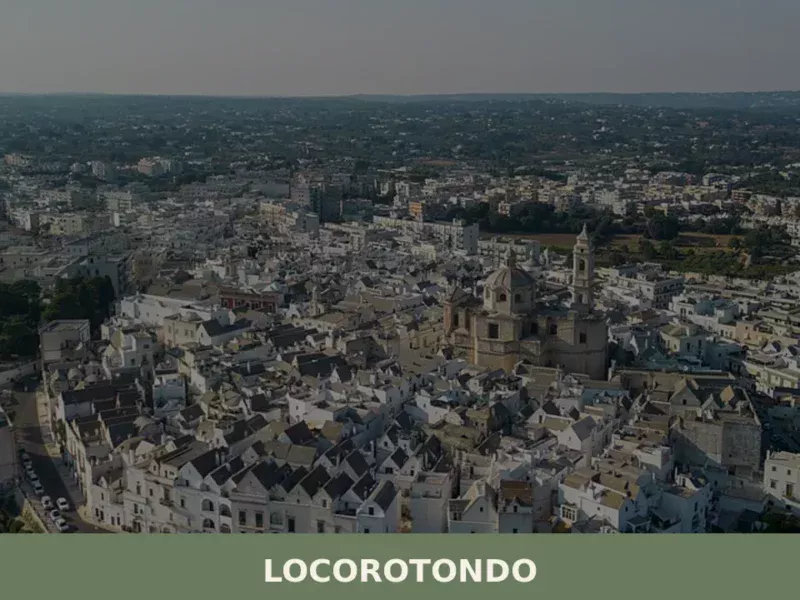
Locorotondo
 Hills
Hills
The toponym Locorotondo, documented as early as the 12th century as “Luogo Rotondo” (Round Place), derives from the concentric configuration of its historic center, an urban feature that still distinguishes it within the Itria Valley landscape. Located 410 meters above sea level, this municipality in the province of Bari has 14,258 inhabitants and presents a […]
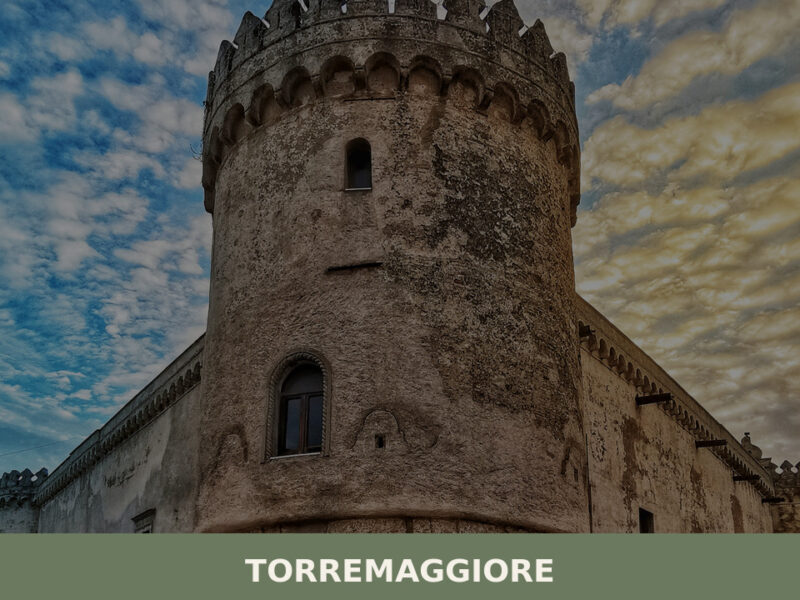
Torremaggiore
 Plains
A complete guide to Torremaggiore in northern Puglia — its medieval castle, the ruins of Fiorentino, local food traditions, and practical travel information.
Corato
Hills
What to see in Corato, a city at 232 m in Puglia. 5 attractions, underground olive presses, Castel del Monte 18 km away, PAT dishes. Plan your visit now.
Maglie
Plains
A town of 13,265 inhabitants rooted in medieval feudalism and Baroque art. Maglie sits at the crossroads of Salento's agricultural identity, anchored by its cathedral and a layer of history that reaches back to the Bronze Age.
Carapelle
Plains
what to see a Carapelle: 5 attractions, prodotti PAT e festivals patronali a 62 m s.l.m. in the province of Foggia. Scopri history, cuisine e how to get there.
Putignano
Hills
What to see in Putignano: hilltop town at 372m in the Murgia Barese. Grotta del Trullo, 6-century-old Carnival, PAT cuisine. Plan your visit now.
Alessano
Sea
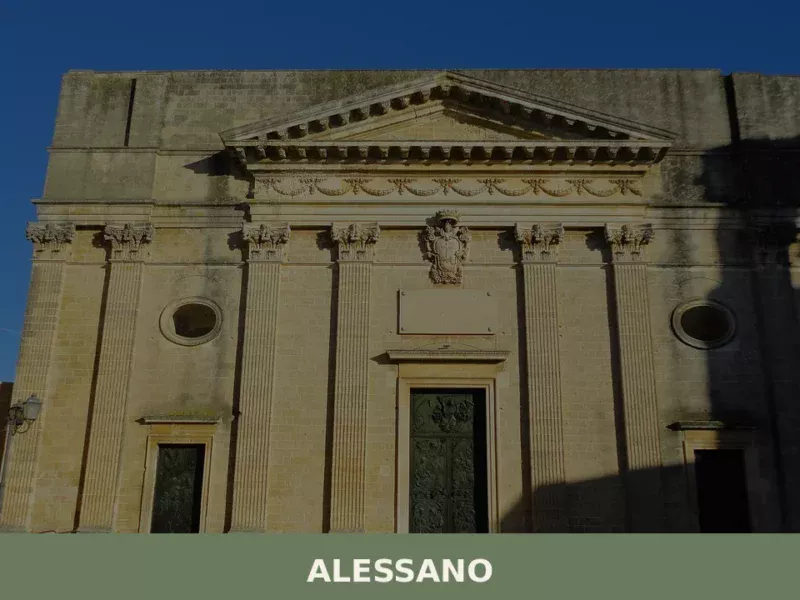
Until 1818, Alessano was the seat of its own diocese — a fact that explains the density of sacred architecture concentrated in a village of fewer than 6,000 inhabitants. Located in the basso Salento, the southernmost stretch of Puglia’s heel, the comune includes the hamlet of Montesardo and the coastal locality of Marina di Novaglie. […]
Manfredonia
Sea
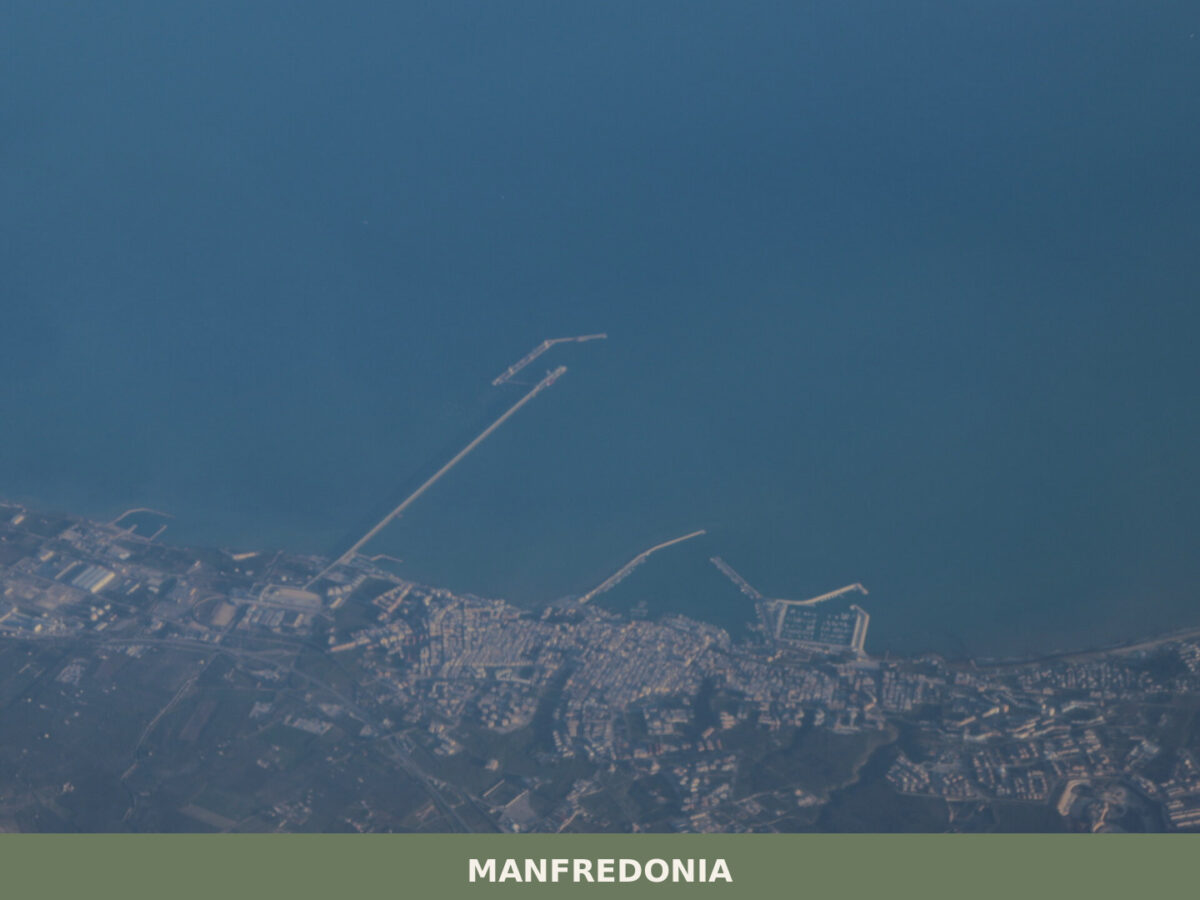
A port city founded by King Manfred on the Gargano coast, Manfredonia holds a medieval castle, pre-Roman carved stele, and one of Puglia's oldest carnivals.
Specchia
Plains
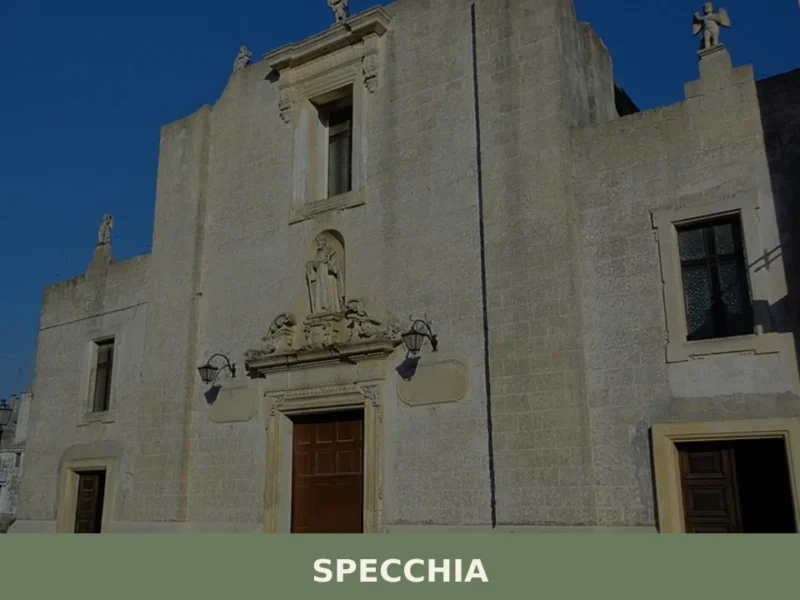
What to see in Specchia: a medieval village at 131m in Salento with 4,569 residents. Explore Castello Risolo, the historic centre and PAT-certified local food. Plan your visit.
Barletta
Sea
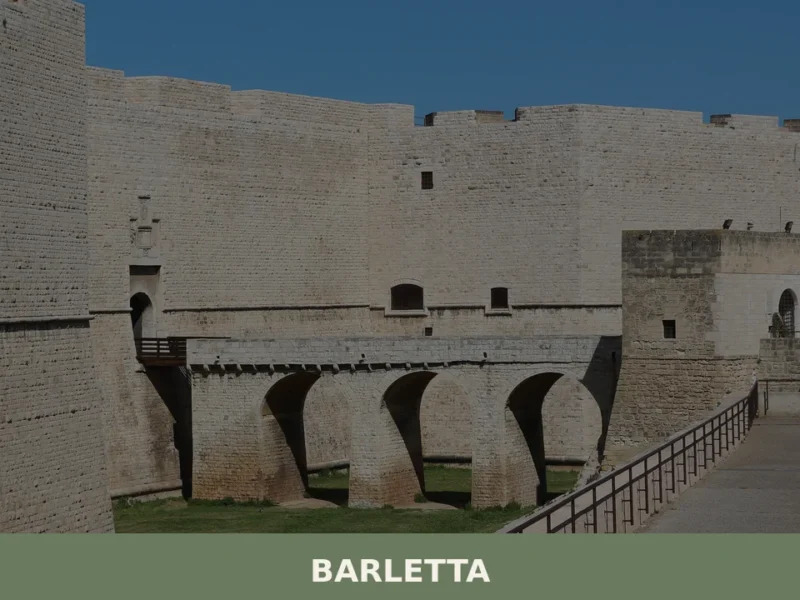
What to see in Barletta, Puglia, Italy: the Colossus, a Norman castle, and the 1503 Disfida. Population 94,700. Discover top attractions and how to get there.






🏡 Know Gallipoli better than we do?
If you’re a local or have been there, your knowledge matters: add what’s missing or fix a detail on this page.