


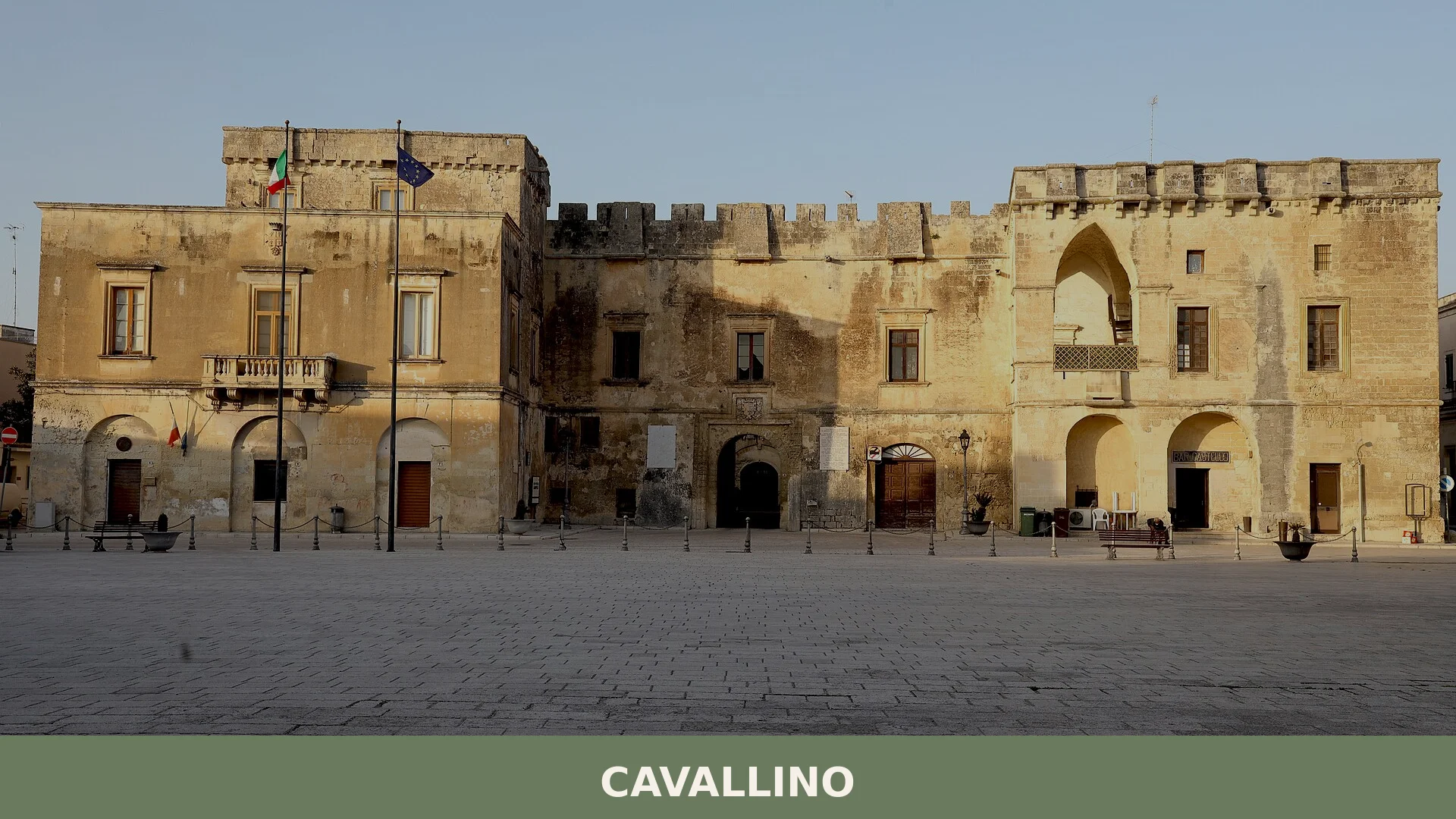
Cavallino
 Plains
A village of 13,000 inhabitants where Messapic foundations meet Baroque stone. Visit the Dominican church, the feudal castle and a 1633 public well.
Cavallino in Salento: Ancient Settlement and Baroque Legacy
Cavallino rises from the flat Salento landscape seven kilometres south of Lecce, its pale limestone facades catching the Mediterranean light. The village sits barely above sea level—32 metres—yet carries the weight of three millennia of settlement, from Bronze Age occupation through Messapic splendour to feudal authority and Baroque transformation. Walking its narrow streets, you encounter monuments at every turn: a white horse emblazoned on the municipal coat of arms, a bell tower crowned with a civic clock, stone portals and gardens tucked behind high walls.
Cavallino village in Apulia offers two distinct reasons to visit: the archaeological evidence of an ancient Messapic city that flourished in the sixth century BC, and a exceptional sequence of seventeenth and eighteenth-century religious and civil architecture built under the patronage of the Castromediano family. The village embraces the frazione (hamlet) of Castromediano, now absorbed into Lecce’s urban sprawl, and maintains its own identity as an independent comune with 12,989 inhabitants.
From Bronze Age Settlement to Feudal Power
The territory of Cavallino has been inhabited since the Bronze Age. A settlement emerged, followed by the construction of an imposing Messapic urban layout in the sixth century BC, This indigenous centre was destroyed, very likely by Greek populations from Taranto, around 470 BC.
After centuries of Greek and Roman dominion, a new settlement took form during the Byzantine period. Basilians—monastic monks of the Eastern Church—established a cenobium (monastery) around which inhabitants gathered, and a fortified structure was erected. This early nucleus retained the name Cavallino and left traces, including a crypt beneath the Cappella della Madonna del Monte.
Documentary evidence becomes reliable from the late thirteenth century onward. In 1291, the count Ugo di Brienne granted the feudal territory to Pietro de Noha. The de Noha family held it for several generations until 1447, when Luisa Mitia—who had received the feud as a wedding gift from her father Goffredo—passed it to her husband Luigi Castromediano. Their son, Giovanni Antonio (1410–1481), became the first Castromediano baron, and the family retained nearly uninterrupted control for three and a half centuries. In 1628, the barony was elevated to a marchesate. When the Napoleonic reforms abolished feudalism in the Kingdom of Naples in 1806, Cavallino emerged as an autonomous municipality with roughly 1,600 inhabitants.
The village’s name itself carries linguistic uncertainty: one hypothesis traces it to the Latin caballus (work horse), suggesting a Roman cavalry unit; another, more widely accepted theory links it to the Greek kàbas, meaning a band of tax collectors. The municipal coat of arms features a white horse, honouring this ambiguous etymology.
Sacred Monuments and Feudal Architecture
Church of the Assumption (Chiesa Madre)
The parish church, dedicated to Maria SS. Assunta, began construction in 1630 and was completed by 1703. Its sober Baroque façade frames a richly decorated entrance portal flanked by niches holding statues. A single nave extends to a transept forming a Latin cross, covered by ribbed vaulting. The interior preserves multiple altars from the seventeenth and eighteenth centuries, including examples dedicated to Sant’Antonio da Padova (1601, transferred from an earlier structure), the Madonna of the Rosary and San Michele Arcangelo (1687), and Sant’Anna (1703). The funerary chapel of the Castromediano family, originally dedicated to San Benedetto and now to the Sacred Heart, contains a monumental tomb erected in 1637 honouring the feudal lords of Cavallino.
In 1972, liturgical reforms following the Second Vatican Council brought radical change to the presbytery. The choir and a Baroque marble altar were removed and replaced with a large wooden crucifix, altering the interior’s original aesthetic balance.
Dominican Church and Convent
The Dominican complex was built between 1626 and 1635 under the commission of Beatrice Acquaviva d’Aragona, wife of the marchese Francesco Castromediano. The church, dedicated to San Domenico di Guzman and San Nicolò, stands on the remains of an eleventh-century Byzantine crypt. A modest Renaissance-style façade presents the Castromediano coat of arms above its entrance portal. The interior opens into three naves lined with eight Baroque altars carved in local limestone. In the presbytery stand two imposing statues of the marchesi hand in hand, sculpted by Placido Buffelli, an artist from Alessano, in 1663. The attached convent, with its severe Renaissance exterior displaying the heraldic shields of families allied with the Castromediano, wraps around a small cloister. Since 1894, the complex has been municipal property and now hosts the ISUFI (an interdisciplinary research institute) and the University of Salento’s School of Classical and Modern Archaeology.
The Well of San Domenico
Beatrice Acquaviva d’Aragona also commissioned a public well in 1633, completed with a statue of San Domenico in 1636. The stone trabeation carries an inscription identifying her as the donor and the year: Quae vivis effulget aquis aquaviva beatrix / Prima caballini marchionissa dedit mdcxxxiii. The well served the community for approximately three hundred years, its original pyramidal covering later modified. This monument exemplifies the infrastructural and religious patronage that transformed Cavallino during the seventeenth and eighteenth centuries, alongside the new parish church, the Dominican complex, and the reconstruction of the Porta San Giorgio.
Castle of the Castromediano-Limburg Family
This ducal palazzo was constructed in the second half of the fifteenth century and expanded during the sixteenth and seventeenth centuries. A fifteenth-century entrance portal opens onto a nobleman’s courtyard where a limestone statue stands as witness to centuries of rule. The rooms within display Baroque architectural decoration. The gallery features a coved vault embellished with zodiacal symbols; the armory and salon preserve original decoration, including paintings attributed to Oronzo Tiso. A small chapel enriches the interior with altars to the Madonna Addolorata and Madonna di Leuca, decorated with works by Gianserio Strafella. The property is jointly administered by the municipality and the Province of Lecce. The Porta San Giorgio, the sole surviving gate of the three original entrances to the old town, was rebuilt in 1790 at the command of the marchese Gaetano Castromediano.
Archaeological Sites: Menhir and Specchia
Five kilometres from the village centre stands the Menhir of Ussano, a standing stone 2.5 metres tall, positioned on a rise behind the Ussano farmstead. The Specchia Sentina, a megalithic monument within the Messapic settlement zone, is the largest of several such structures on the territory. This cumulus, measuring 34 metres along its major axis and 21 metres along the minor, rises to three metres and served a defensive and sentinel function. Both sites testify to the Bronze Age and Iron Age inhabitation layers that underlie the classical Messapic city.
The Salento Flavour
Cavallino sits within the agricultural and pastoral landscape of northern Salento, where the production of regional Protected Designations includes the Terra d’Otranto DOP olive oil and the Burrata di Andria IGP, a creamy cheese that has become emblematic of Apulian table culture. The province yields traditional products—from panzerotti (fried pastry pouches) to puccia alla spasa (a seasoned bread) and dried legumes—that anchor the village’s food identity to broader Salento practices. The Mediterranean climate, with mild winters averaging 9°C in January and warm, humid summers around 24.7°C in August, supports market gardens and small vineyards that supply local tables. Autumn and winter rains total approximately 626 millimetres annually, concentrated in those seasons, while spring and summer bring extended dry periods.
Visiting Cavallino: Seasons, Access and Practical Information
Cavallino lies in the municipality of Lecce, in the province of Lecce (Puglia), at an altitude of 32 metres above sea level. The village occupies a surface area of 22.34 square kilometres in the northern section of the province, with a gently rolling morphology. Neighbouring comuni include Lecce to the north, Lizzanello to the east, Caprarica di Lecce and San Donato di Lecce to the south, and San Cesario di Lecce to the west.
The Mediterranean climate makes spring (April–May) and autumn (September–October) ideal seasons for walking and sightseeing. Summer can be hot and humid, with temperatures exceeding 25°C, while winter is mild but brings frequent rain. The village patron, San Domenico, is celebrated on 8 August, when the community gathers for processions, masses and traditional gatherings.
Cavallino is integrated into two pilgrimage routes: the Cammino del Salento (Salento Way) and the Cammino di Don Tonino (Don Tonino’s Way), attracting walkers and spiritual travellers throughout the year. Access is straightforward by car from Lecce or via public transport; the village lies close enough to the provincial capital to serve as either a day excursion or a quiet base for exploring the Salento region.
| Departure point | Distance | Approx. travel time |
|---|---|---|
| Lecce city centre | 7 km | 10–15 minutes by car |
| Brindisi airport | 40 km | 45 minutes by car |
| Caprarica di Lecce | 8 km | 12 minutes by car |
Frequently asked questions about Cavallino
How far is Cavallino from Lecce, and what is the best way to reach it?
Cavallino lies seven kilometres south of Lecce in the province of Lecce, Puglia. By car, the journey takes approximately 15 minutes via local roads. The nearest railway station is Lecce Central Station, from which you can rent a car or take a local bus service. There is no direct train to Cavallino itself. Parking is available in the village centre, though spaces may be limited during peak season.
When is the best time to visit Cavallino?
Summer months (June to September) offer warm Mediterranean weather ideal for exploring the village's architecture and outdoor spaces. The patron saint festival of San Domenico takes place on August 8th, featuring local celebrations and traditional events. Spring (April–May) and autumn (September–October) provide pleasant temperatures with fewer crowds. Winter can be mild but occasionally wet. Plan your visit around August if you wish to experience local festivities.
What are the main archaeological and historical attractions in Cavallino?
Cavallino's primary draw is its Messapic heritage, with an ancient urban settlement dating to the sixth century BC. The village showcases exceptional seventeenth and eighteenth-century religious and civil architecture commissioned by the Castromediano family. Notable features include the municipal bell tower with civic clock and distinctive white horse emblem on the coat of arms. Bronze Age occupation layers also underlie the modern village, making it a significant archaeological site.
How long should I plan to spend visiting Cavallino?
A half-day visit (3–4 hours) suffices to walk the narrow streets, observe Baroque architecture, and visit key monuments. If you wish to explore archaeological sites in depth or include a meal at local restaurants, allocate a full day. The village's compact size and flat terrain make it easily navigable on foot. Consider combining your visit with nearby Lecce, located just seven kilometres north, for a more comprehensive experience of Salento culture.
Are there accommodation options in or near Cavallino?
Cavallino is a small comune with limited in-village lodging. However, the nearby frazione of Castromediano and proximity to Lecce (seven kilometres north) offer better accommodation choices, including agriturismos, bed-and-breakfasts, and hotels. Staying in Lecce provides broader options while allowing easy day-trip access to Cavallino. Book accommodation in advance during summer and around the August 8th patron saint festival when demand peaks.
📷 Photo Gallery — Cavallino
In Apulia More villages to discover
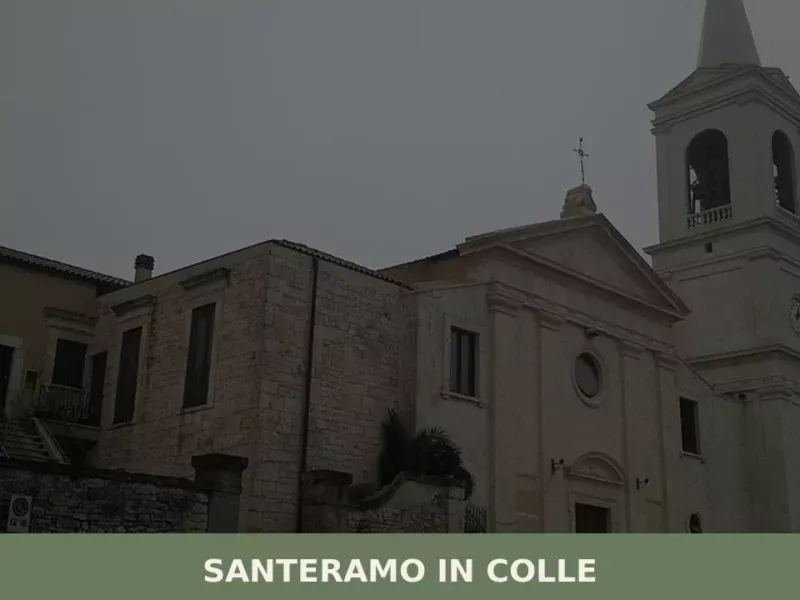
Santeramo in Colle
 Hills
Hills
What to see in Santeramo in Colle? Discover the top 5 attractions, from the historic center to beautiful churches. Plan your visit to Puglia!
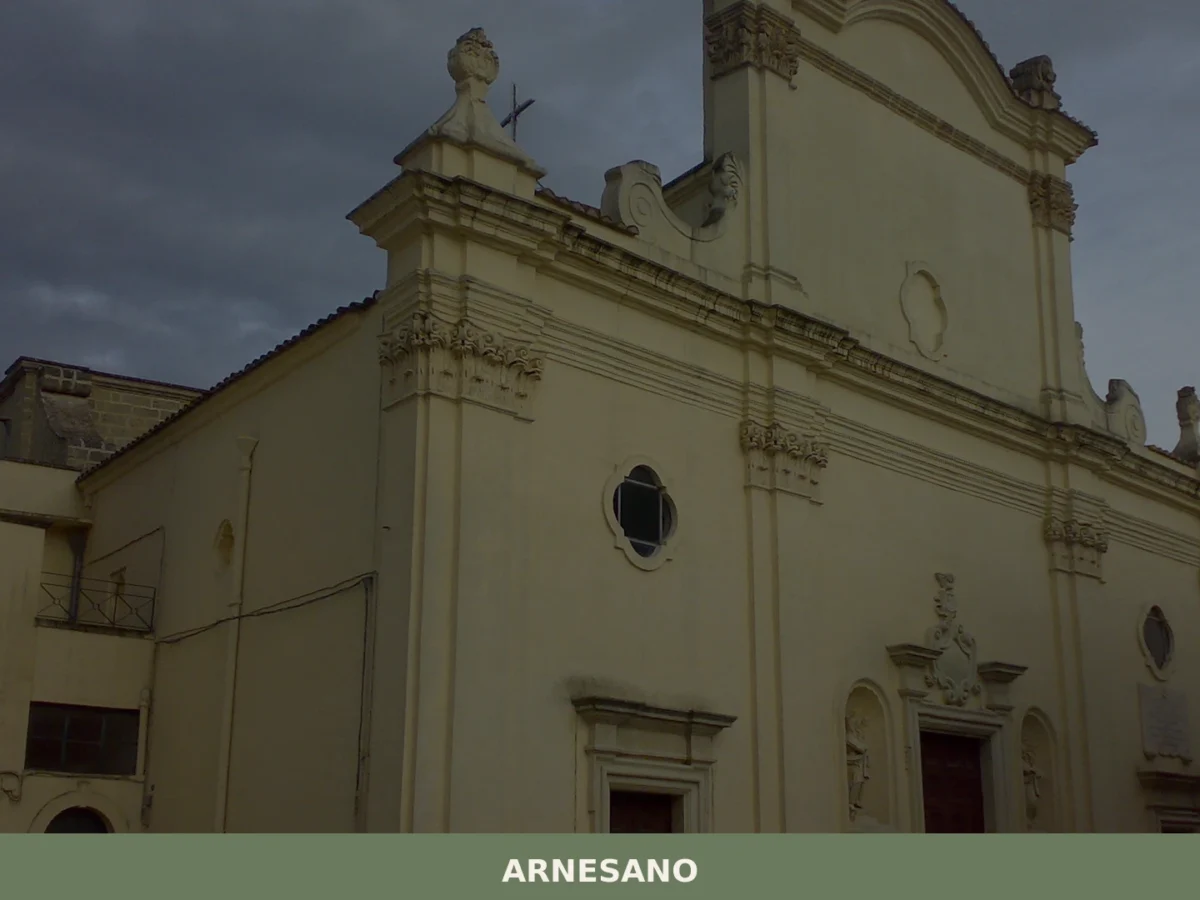
Arnesano
Plains
Discover what to see in Arnesano, a Lecce hinterland comune in the Valle della Cupa. History, food, travel tips and the best of the Salento interior.
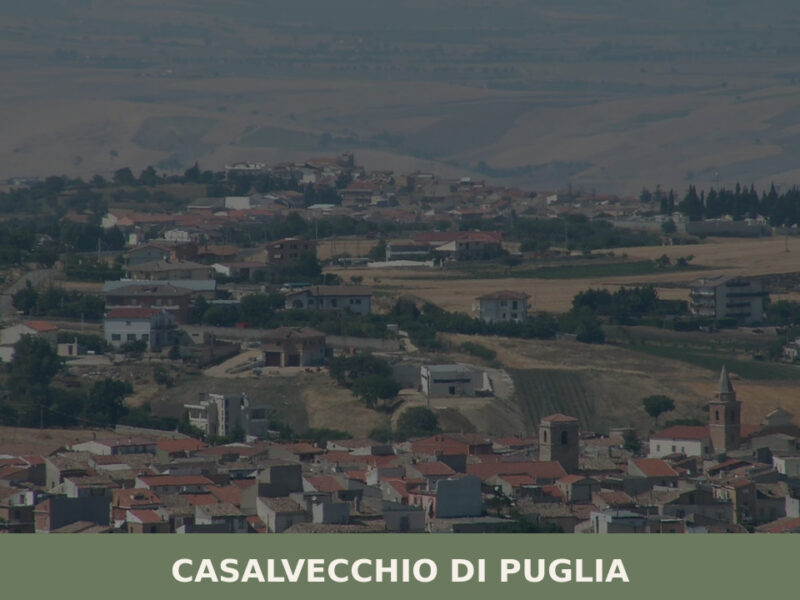
Casalvecchio di Puglia
Hills
An Arbëreshë village of 1,689 inhabitants perched at 465 metres in the Daunia hills. A guide to its historic centre, rural paths, and slow-paced southern Italian life.
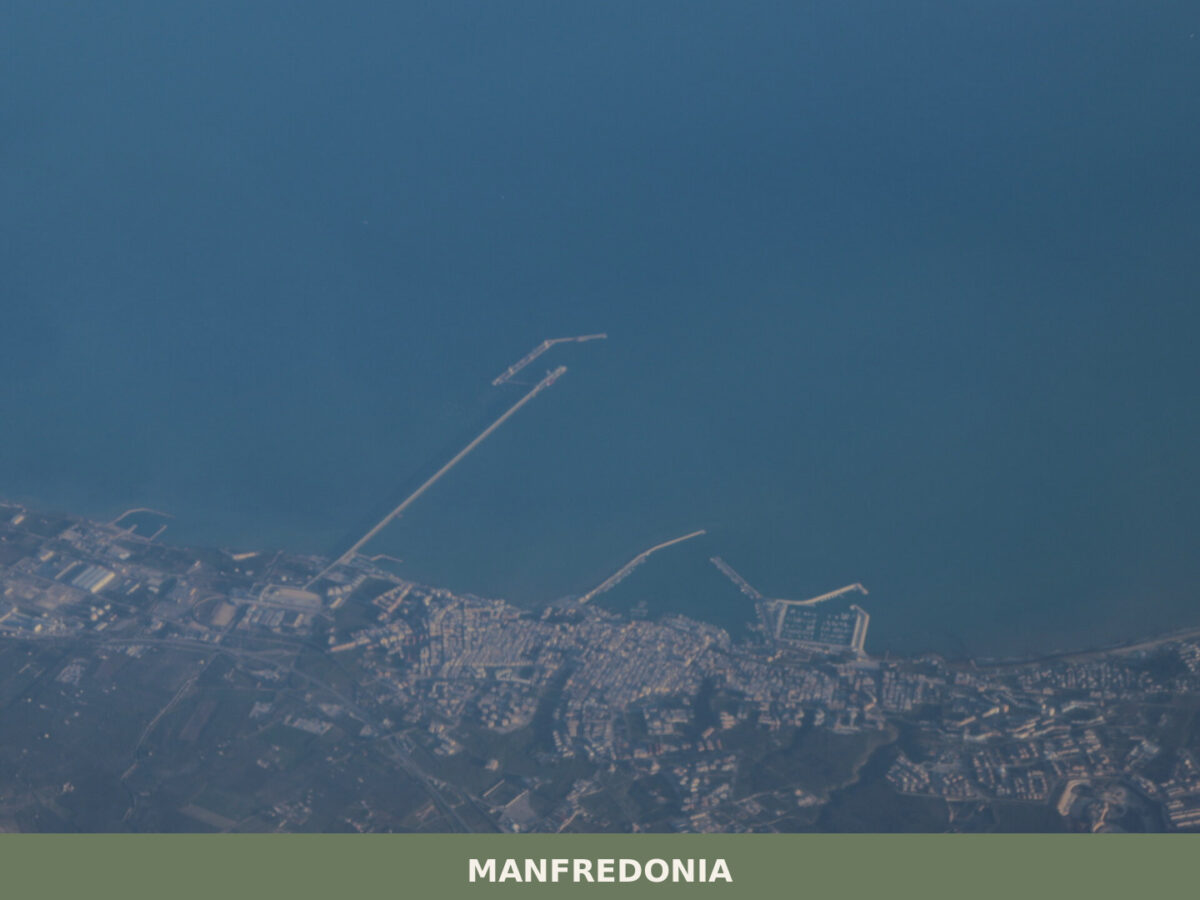
Manfredonia
 Sea
Sea
A port city founded by King Manfred on the Gargano coast, Manfredonia holds a medieval castle, pre-Roman carved stele, and one of Puglia's oldest carnivals.
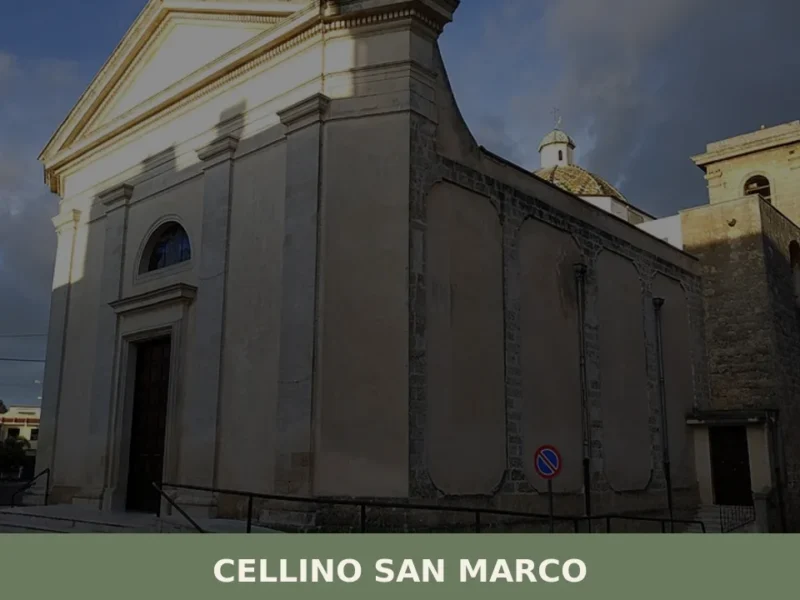
Cellino San Marco
Plains
Scopri Cosa vedere a Cellino San Marco: un borgo agricolo ricco di storia e tradizioni in Puglia. Pianifica la tua visita e assapora l'autenticità del Salento.
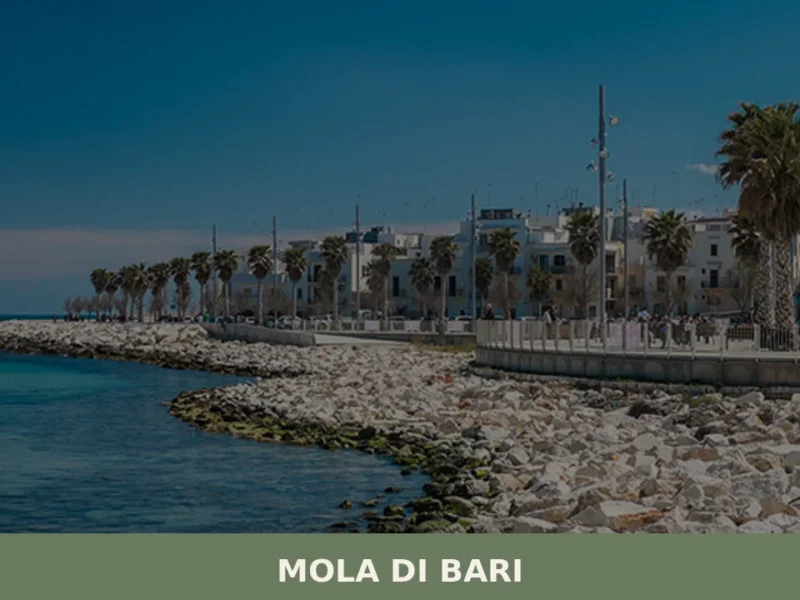
Mola di Bari
Sea
A coastal comune of nearly 24,000 people, Mola di Bari sits at sea level in Puglia's Bari Province, anchored to a working maritime culture and the devotion to the Madonna Addolorata.
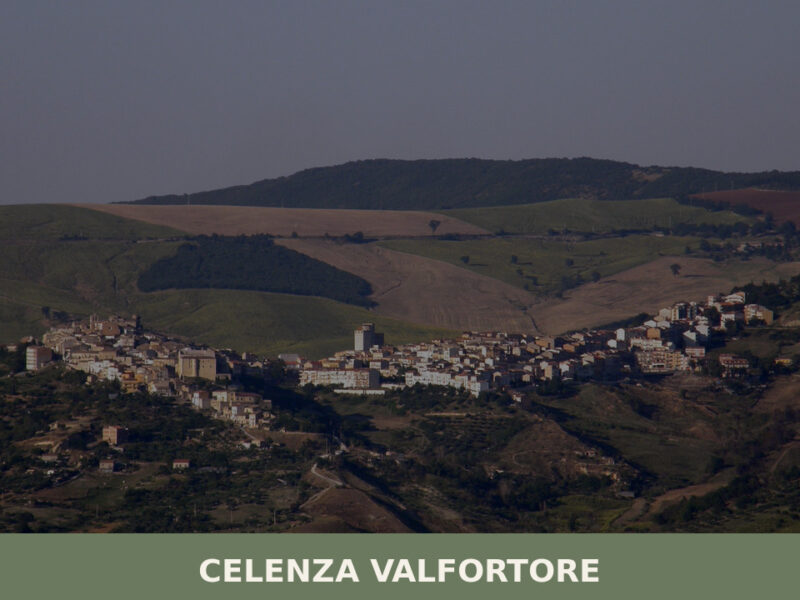
Celenza Valfortore
Hills
A hill village of 1,363 people above the Fortore valley in Puglia's Daunia highlands. Castle, churches, stone lanes, and a working landscape far from the tourist coast.
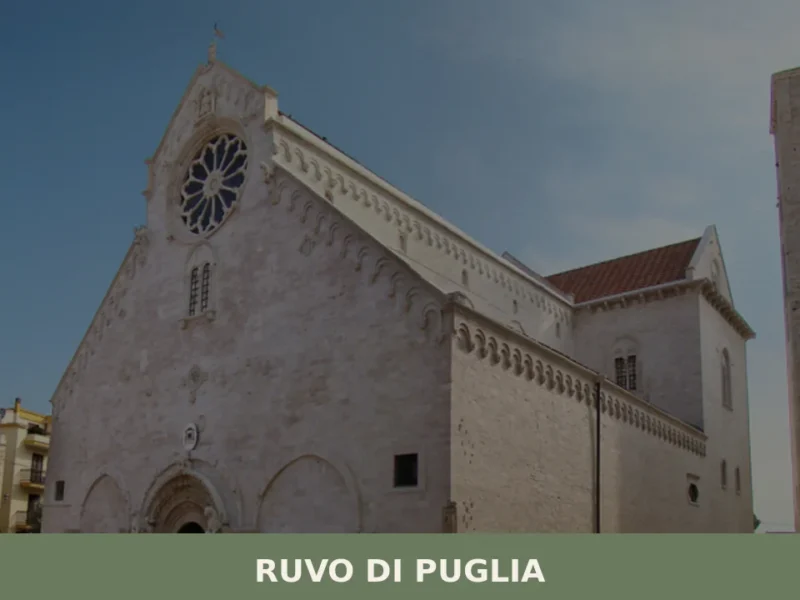
Ruvo di Puglia
Hills
Discover 5 unique attractions in Ruvo di Puglia. Explore the Cathedral and Jatta Museum. Plan your visit now!

Caprarica di Lecce
Plains
2,250 residents and a living Griko heritage make Caprarica di Lecce a village where language, stone and landscape form a coherent, unbroken identity.
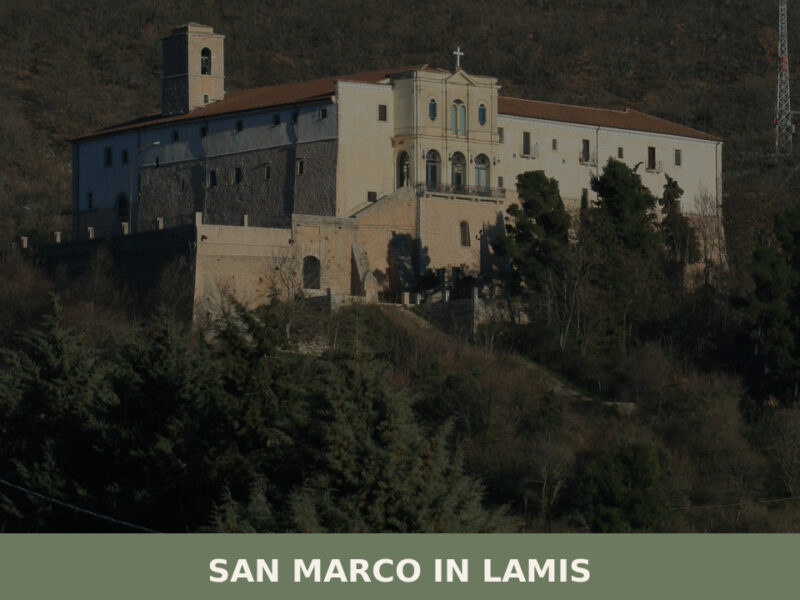
San Marco in Lamis
Hills
A highland town on the western Gargano, San Marco in Lamis holds ancient monasteries, a dramatic Good Friday fire procession, and the quiet intensity of inland Puglia.
🧀 Italian traditional products
🏡 Know Cavallino better than we do?
If you’re a local or have been there, your knowledge matters: add what’s missing or fix a detail on this page.