


Poggiardo
 Plains
A village of 5,753 inhabitants built on the ruins of ancient Vaste. Discover ducal palaces, rock-cut churches and the archaeology of Salento’s past.
Poggiardo: Medieval Feud and Messapic Legacy in Southeastern Salento
Poggiardo rises on a gentle rise in the flat Salento landscape, where limestone terraces and centuries-old olive groves stretch toward the Adriatic light. The village has the architecture of a feudal stronghold—palazzo facades in pale stone, a tower clock, the squat bell tower of its mother church—yet it grew not from a single founding act but from the merging of three scattered casali whose residents, legend says, followed a bull to mark where their new settlement should be. That image appears on the municipal seal: a grazing bovine, a memory of survival and choice.
Poggiardo village in Apulia carries the weight of two historical identities. It sits adjacent to the archaeological remains of Vaste, an ancient Messapic city that rose to prominence around the seventh century BCE, and it became a medieval baronial seat whose noble families—above all the Guarini—left palazzo rooms, crypts painted with Byzantine saints and a chain of feudal privileges that lasted until 1806. Today, the 5,753 residents inhabit a compact borgo where Byzantine-era churches stand alongside 18th-century civil architecture, and where a museum of medieval frescoes preserves the work of anonymous monks.
Origins and Medieval Development
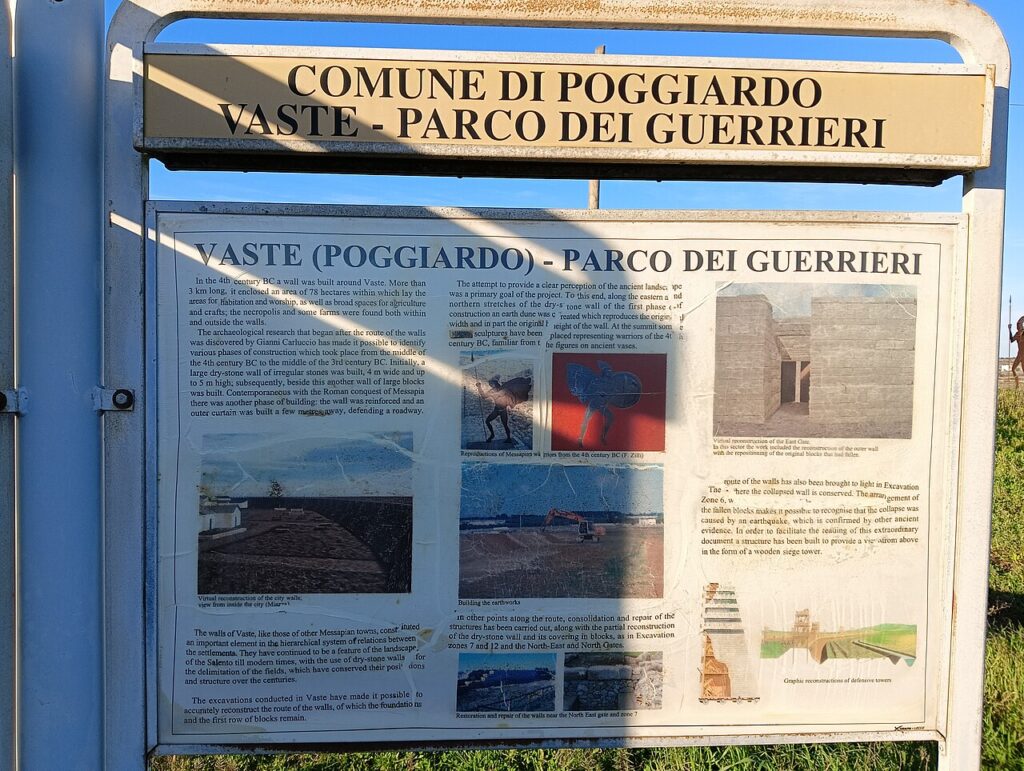
The territory of Poggiardo was inhabited in ancient times. The major settlement was Vaste (the ancient Bastae), a Messapic centre founded probably in the seventh century BCE. This city fell to Guglielmo il Malo in 1147, a destruction that scattered its population across the surrounding countryside.
Local tradition holds that survivors of three casali—Soranello, Puzze and Casicalvi—came together to establish a new settlement. To decide where to build, they released a bull; where the animal stopped, they raised their village. This founding narrative became part of Poggiardo’s identity, immortalised on its coat of arms. Documentary evidence, however, suggests that Poggiardo began to develop in earnest from the late 14th century onward. During the conflict between the Angevin dynasty and Manfredi of Sicily, the village sided with the Angevins and received territorial benefits after their victory.
Around the end of the 14th century, Poggiardo was incorporated into the Principality of Taranto and fortified with defensive walls and a castle. In 1455, Giovanni Antonio Orsini del Balzo, prince of Taranto, granted the feud—with baronial title—to Agostino Guarini, establishing a dynasty that would rule the village for three and a half centuries. The Guarini family undertook fortification works, including a tower still visible on their ducal palazzo. During the reign of Giovanna II d’Angiò, queen of Naples, the village continued to grow. A decisive moment came after the destruction of Castro: the bishop Luca Antonio Resta transferred his residence to Poggiardo, elevating it to ecclesiastical importance. The Guarini received the ducal title in 1698. Feudalism was abolished in 1806, ending the family’s formal hold, though their palazzo remains a landmark.
Sacred Spaces and Medieval Crypts
Chiesa Matrice di San Salvatore
The mother church dominates the central square with an 18th-century façade of two classical orders framed by Corinthian pilasters. The portal bears the civic shield—a grazing bull—whose symbolism evokes both territorial fertility and the village’s legendary foundation. Two dates, 1716 and 1737, are carved on the upper window, possibly marking the span of construction. The interior follows a Latin cross plan with three chapels per side, each crowned by elliptical cupolas. A substantial bell tower houses two bells, one dedicated to Sant’Antonio da Padova and installed in 1921. Among the artworks preserved here is a painted statue of Sant’Antonio and a canvas of the Madonna del Rosario attributed to an artist close to Corrado Giaquinto. The church holds historical significance as the place where San Giuseppe da Copertino, a saint venerated as protector of students and aviators, was ordained on 18 March 1628. He was later declared co-patron of the village in 1963.
Chiesa di San Francesco d’Assisi
Built toward the end of the 16th century alongside its convent, this church fell into disrepair and suffered structural collapse in the early 1800s. Restoration and reconstruction in the second half of the 19th century gave it a neoclassical appearance: a single rectangular nave with six Baroque lateral altars and cartapesta statuary. Though dedicated to Saint Francis, the local community has for centuries celebrated the feast of the Saints Cosma and Damiano here, a devotion that persists today.
Cripta di Santa Maria degli Angeli and Museum of Frescoes
This subterranean church, its origins reaching back to around the 11th century, lay abandoned and forgotten for centuries before its chance rediscovery in 1929. The crypt follows a three-nave basilical plan with barrel vaulting supported by pilasters, two of which have collapsed. The walls once hosted a sequence of Byzantine and medieval frescoes depicting saints—among them Saint Nicholas, Saint George slaying the dragon, Saint Gregory Nazianzus, Saint John the Theologian and the Virgin with Child. A notable image shows Christ in blessing with the Greek two-finger gesture rather than the Latin three-finger tradition. The frescoes have been detached and are now displayed in the Museum of Frescoes of the Crypt, located at Villa Episcopo, allowing visitors to examine the work of anonymous medieval painters in controlled conditions.
Chiesa Madonna Immacolata
This 17th-century church stands immediately adjacent to the mother church, presenting a simple Renaissance portal and a small central window. The interior, a single rectangular nave without a transept, is anchored by an imposing altar of Lecce stone dating to the late 18th century. Above it stands a refined wooden statue of the Immaculate Madonna, carved in the 18th century and painted with polychrome detail.
Palazzo Guarini and Civil Architecture
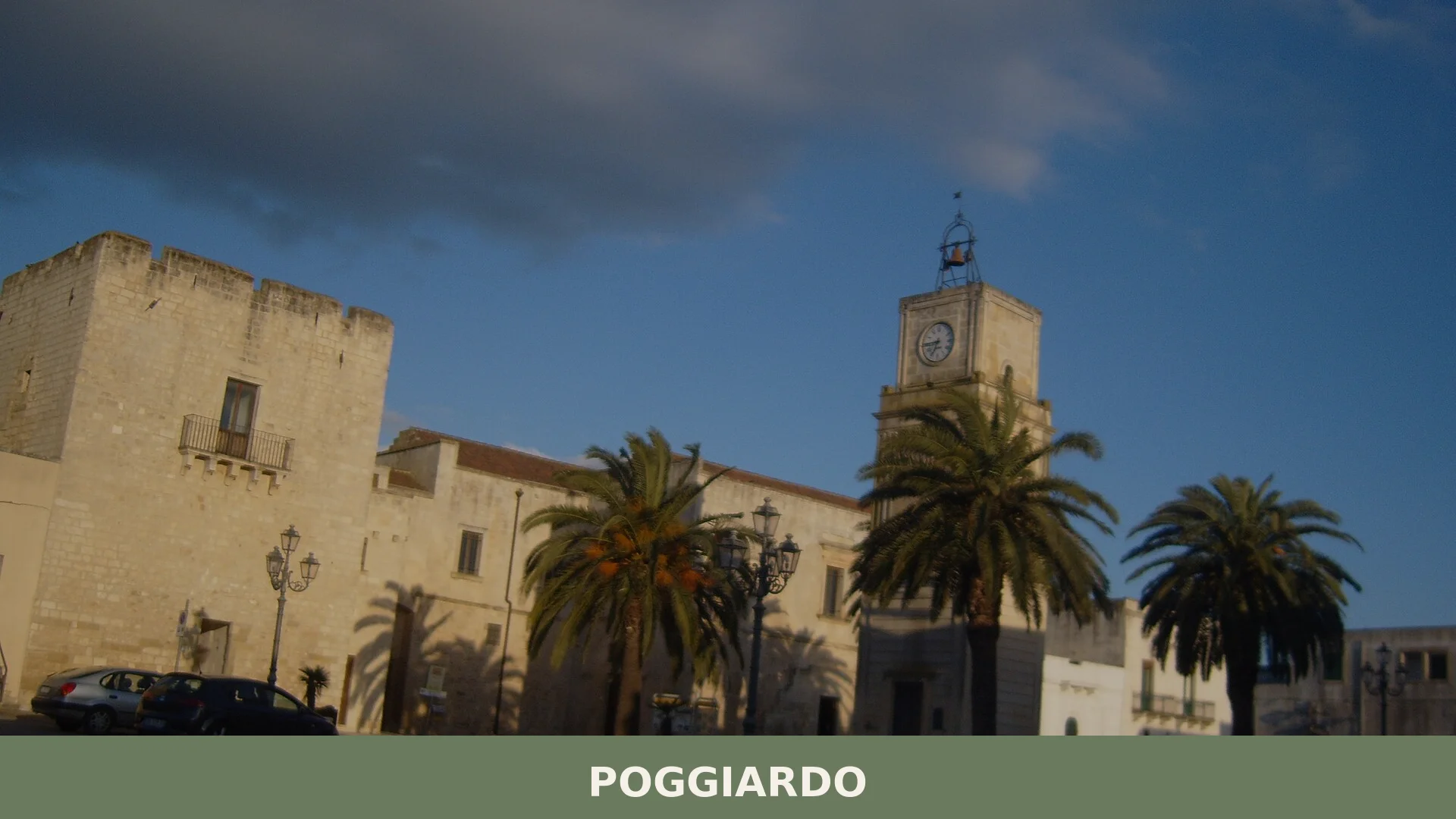
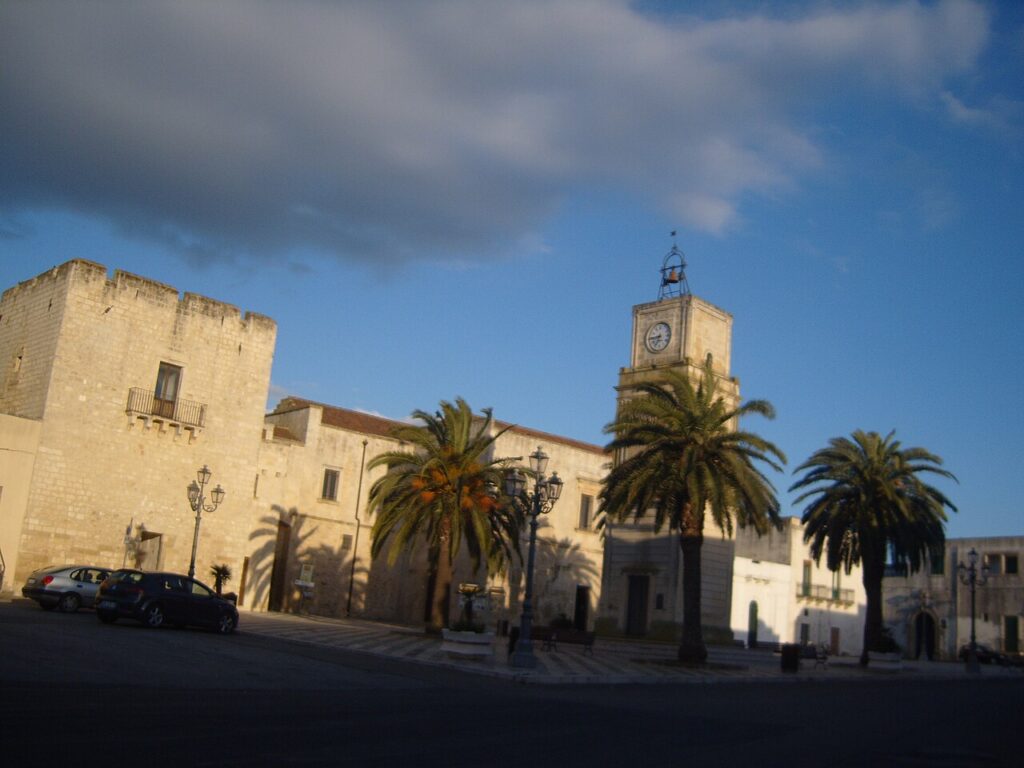
The oldest portion of Palazzo Guarini was erected toward the mid-14th century as a fortified tower with circular plan, designed for watch and defence. During the 15th century, the family enlarged the structure significantly into a residential palazzo. By the 17th century, the moat had been filled and converted into a citrus grove. Cosimo De Giorgi, a 19th-century traveller, visited the palazzo and recorded his impressions in his travel notes. The building retains a private chapel where the Guarini family celebrated Mass on feast days by papal privilege.
The Sedile, completed in 1800, stands as the civic gathering place with a three-bay façade divided by Tuscan pilasters and featuring a relieved arch framing the entrance and a lunette window. The adjacent Tower of the Clock, constructed after 1840, rises on a square plan with balustrade, its bell marking the hours for the village.
Palazzo and Villa Episcopo, built in the second half of the 18th century, served as a nobleman’s residence with ground floor commercial spaces and residential floors above. The principal entrance on Via Principe di Piemonte displays the Episcopo family crest above a grand portal. A secondary entrance opens onto Piazza Giovanni Paolo II. The Villa, a landscaped garden with Mediterranean plants, small grottoes and a tennis court, was bequeathed to the commune by Dr. Fedele Episcopo and now houses the Museum of Frescoes. Two small towers called the “Sentinelle” rise at the piazza’s edge, enhancing the composition.
The Landscape and Natural Heritage
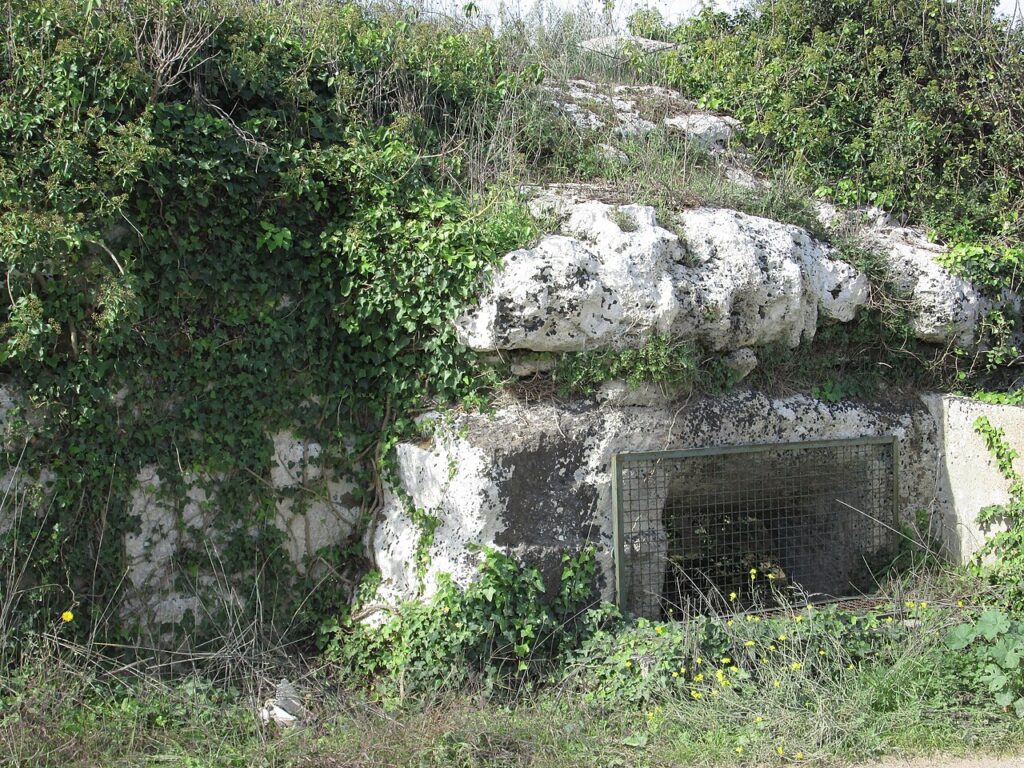
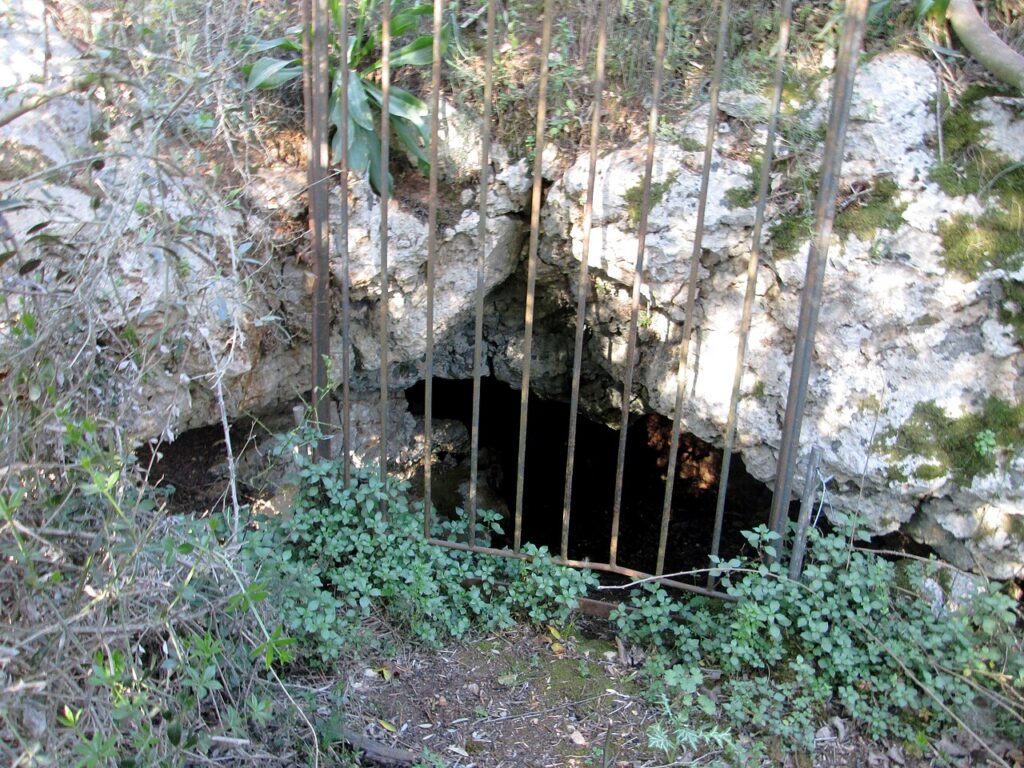
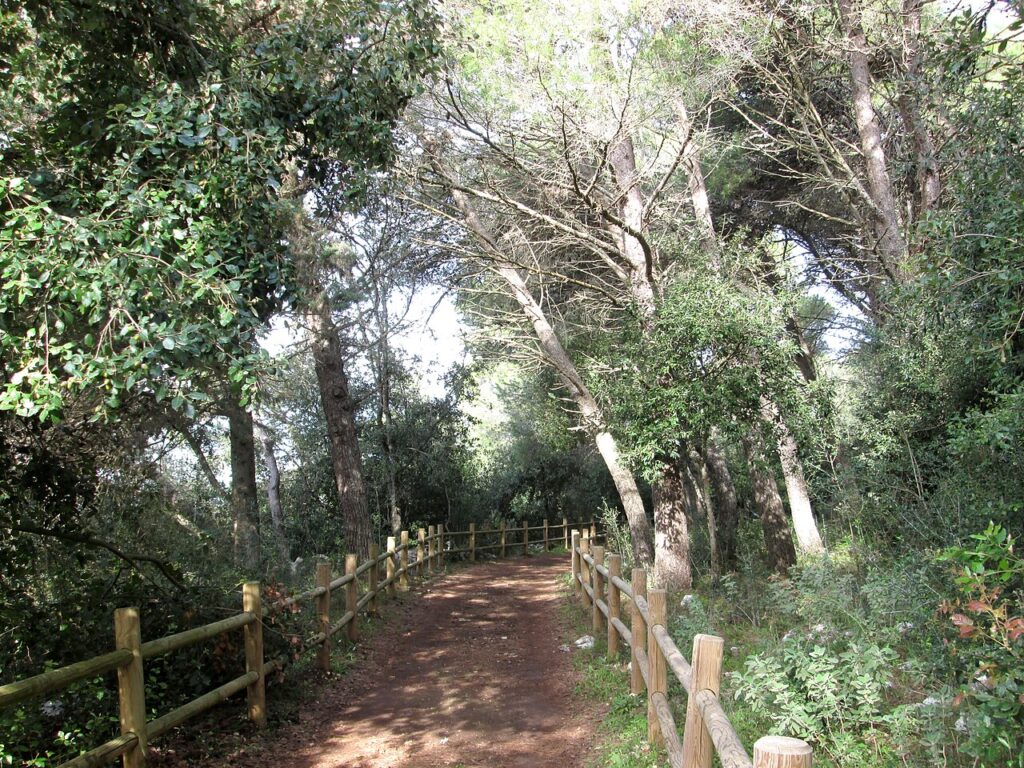
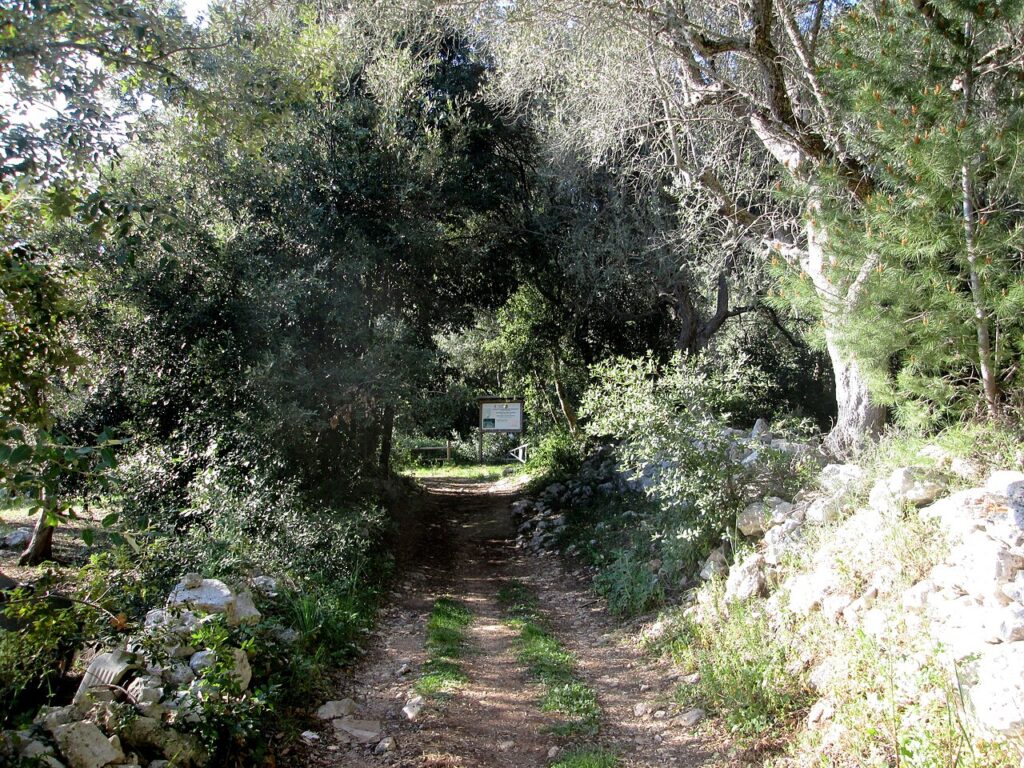
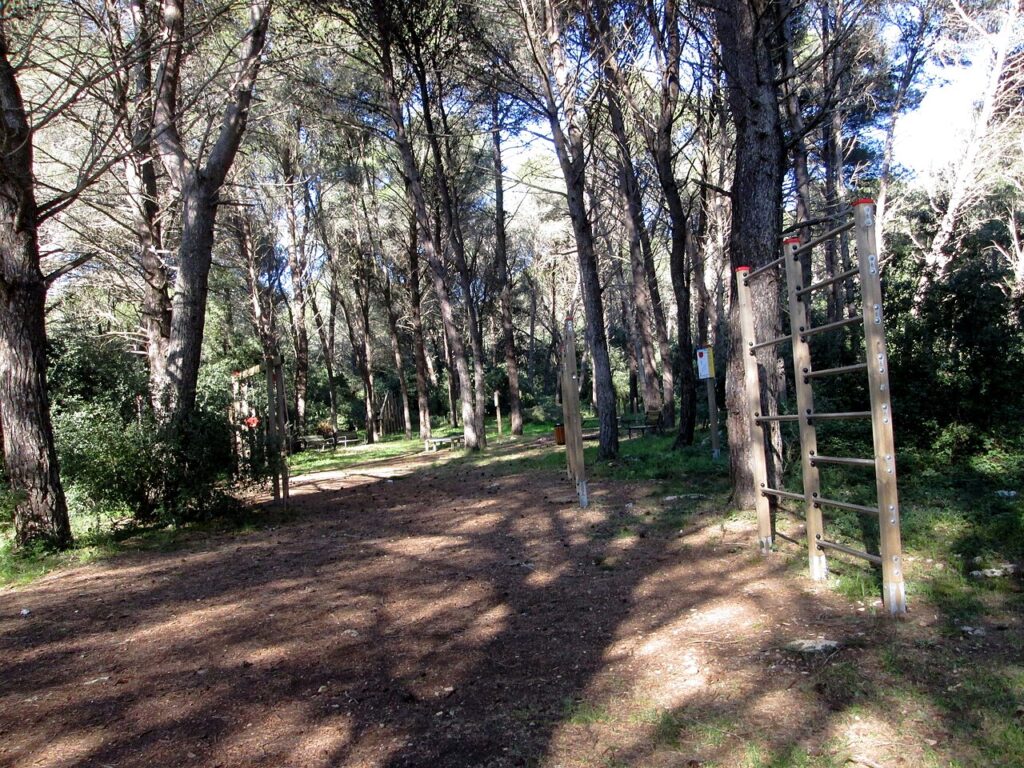
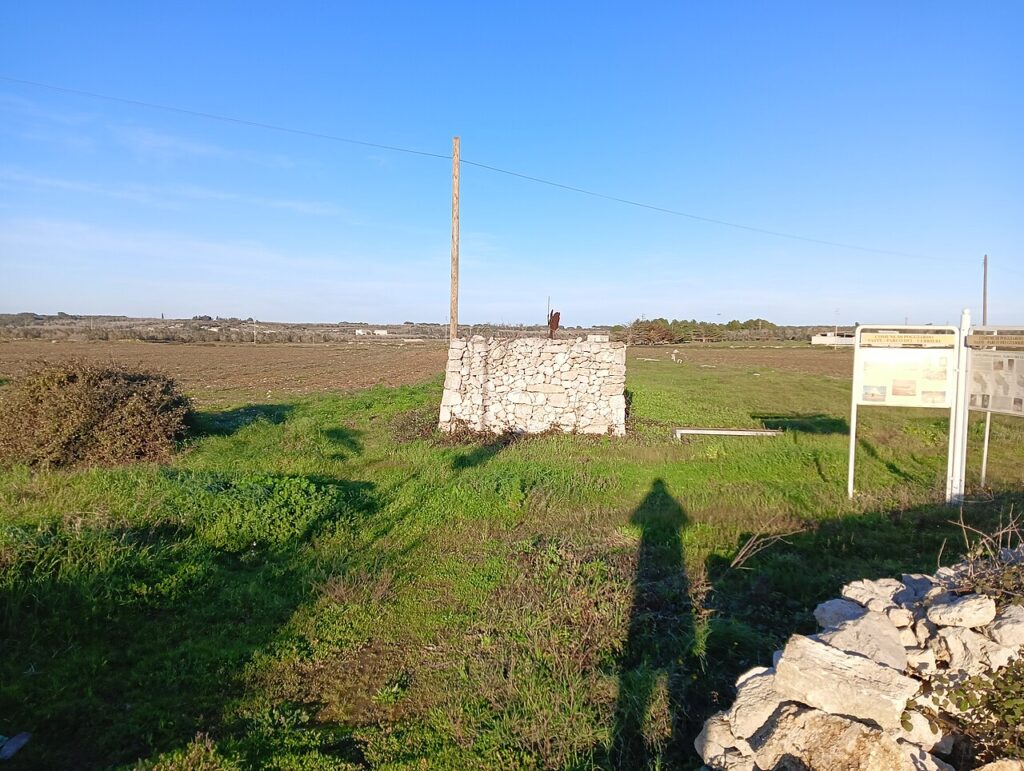
The comune covers 19.80 square kilometres of predominantly flat terrain, gently undulating around the Serra di Poggiardo, whose highest point reaches 127 metres above sea level. This modest ridge defines the landscape character—low relief, broad horizons, and an open, Mediterranean clarity of light. The territory encompasses diverse ecological zones: the wildlife area of la Falca, oak-woods (leccete) in the Reali district, a pine plantation at Mari Rossi, karst caves rich with stalactites and stalagmites, and bauxite quarries that testify to the region’s geological complexity. Immense groves of centuries-old olive trees dominate the agricultural horizon, their gnarled trunks and silver foliage creating a rhythm that has shaped Salento’s economy and visual identity for generations. Mediterranean scrubland hosts several wild orchid species, adding botanical diversity to the understory.
Poggiardo lies in the southeast Salento, bounded to the north by Sanarica and Giuggianello, to the east by Minervino di Lecce and Santa Cesarea Terme, to the south by Ortelle, Spongano and Surano, and to the west by Nociglia and San Cassiano. The climate is purely Mediterranean: mild winters averaging 17.1 °C in January, hot and humid summers reaching 34 °C in August, and scarce rainfall (348 millimetres annually), concentrated in autumn and winter months. The protective shield of the Salento ridges weakens the force of Atlantic westerlies, while southeastern autumn and winter currents bring most of the year’s moisture.
Local Flavours and Seasonal Produce
The agricultural lands of Poggiardo and its surrounding province reflect the richness of Puglian terroir. Olive oil of protected geographical indication status, new potatoes from nearby Galatina, and wines of the Terra d’Otranto region—including Negroamaro, Nardò, Copertino and Leverano varieties—define the table of southeastern Salento. These are products of long cultivation and a Mediterranean climate that demands resilience and rewards patience.
The village’s feast day, on 13 June, honours Sant’Antonio da Padova, its patron saint. Local communities have honoured the Saints Cosma and Damiano with particular devotion for centuries, especially in the Church of San Francesco. Beyond the calendar of feasts, the rhythm of the village year follows the olive harvest, the ripening of tomatoes and the slow fermentation of wine—the agricultural calendar that has anchored Salento life since ancient times.
Planning Your Visit
Poggiardo is best reached by car, as the Salento interior lacks frequent public transport beyond regional coach services. The village is served by provincial road SS16 and local roads connecting to the main towns of Lecce (the provincial capital) and Otranto (a coastal resort). The nearest railway station is at Lecce, approximately 35 kilometres away. Summer (June to September) brings warm, stable weather ideal for exploring piazzas and churches, though afternoon heat can be intense. Spring (April–May) and autumn (September–October) offer gentler temperatures and fewer crowds. Winter is mild but rainfall increases. The village centre is compact and walkable; most attractions lie within a ten-minute stroll.
| Departure Point | Distance | Travel Time |
|---|---|---|
| Lecce (city centre) | 35 km | 45 minutes by car |
| Otranto (Adriatic coast) | 28 km | 35 minutes by car |
| Brindisi Airport | 54 km | 55 minutes by car |
Visitors interested in Byzantine art and medieval crypts should allocate time for the Museum of Frescoes, ideally with a guide who can contextualize the paintings within their liturgical and historical settings. Those drawn to aristocratic architecture will find the palazzi rewarding, though many remain private residences and are visible only from exterior courtyards or piazzas. The archaeological site of Vaste, the ancient Messapic city whose destruction gave rise to the modern village, occupies the frazione (administrative division) of Vaste and warrants separate attention as a landscape of scattered stones and excavation trenches rather than a walled site.
For a deeper engagement with the Salento region, consider Botrugno, another hilltop comune nearby, or the larger towns of Andrano and Castrignano de’ Greci, which offer complementary perspectives on Salento settlement patterns, architecture and culture.
“Where once the bull stopped, a town grew—and the town remembered.” A village founded not by royal decree or military conquest, but by the choice of survivors seeking refuge, Poggiardo carries in its coat of arms and street names the memory of collective decision making in the face of catastrophe.
Frequently asked questions about Poggiardo
When is the best time to visit Poggiardo?
June is ideal, coinciding with the Feast of Sant'Antonio da Padova on June 13th, the village patron saint celebration. Summer months offer warm Mediterranean weather perfect for exploring the Salento landscape and olive groves. Spring and autumn provide milder temperatures suitable for walking through the compact borgo and visiting Byzantine churches without extreme heat.
How do I reach Poggiardo by car?
Poggiardo is located in the Lecce province of Apulia. The nearest major motorway is the A16 (Bari–Taranto). From Bari, take the SS16 southbound toward Lecce, then follow provincial roads to Poggiardo. From Lecce city centre, it is approximately 25 kilometres southeast. The village sits at 86 metres elevation on the flat Salento plateau.
What is the legend of the bull connected to Poggiardo's founding?
According to local tradition, Poggiardo arose from the merger of three scattered casali (hamlets) whose residents followed a bull to determine where their new settlement should be established. This founding image appears on the municipal seal, representing a moment of survival and collective decision-making in the village's early history.
How long should I plan to spend in Poggiardo?
A half-day visit suffices to explore the compact medieval borgo, including the palazzo facades, clock tower, bell tower of the mother church, and the museum of medieval frescoes. Longer stays allow time to visit nearby archaeological remains of Vaste, an ancient Messapic city, and experience the surrounding limestone terraces and olive grove landscape.
What medieval sites should I visit in Poggiardo?
Key sites include Palazzo Guarini and other 18th-century noble residences, Byzantine-era churches with painted crypts featuring saints, and a dedicated museum preserving medieval frescoes by anonymous monks. The village architecture reflects its feudal baronial past under noble families, particularly the Guarini dynasty, until 1806 when feudal privileges ended.
📷 Photo Gallery — Poggiardo
In Apulia More villages to discover

Campi Salentina
Plains
Discover what to see in Campi Salentina, Puglia: history, attractions, local food, best time to visit and how to get there. A full editorial guide.
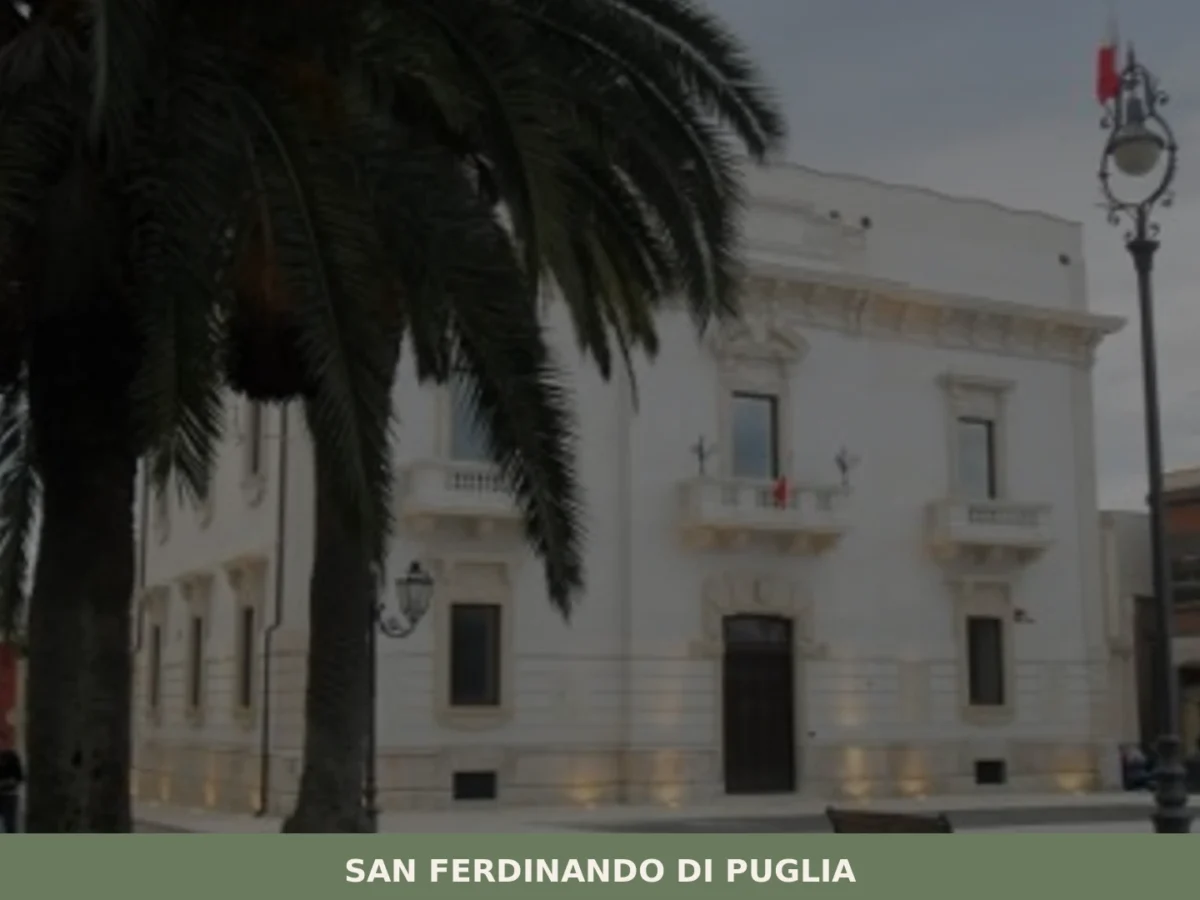
San Ferdinando di Puglia
Plains
What to see in San Ferdinando di Puglia: 5 must-visit attractions, from the historic centre to the churches. Discover the complete guide and plan your visit.

Caprarica di Lecce
Plains
2,250 residents and a living Griko heritage make Caprarica di Lecce a village where language, stone and landscape form a coherent, unbroken identity.
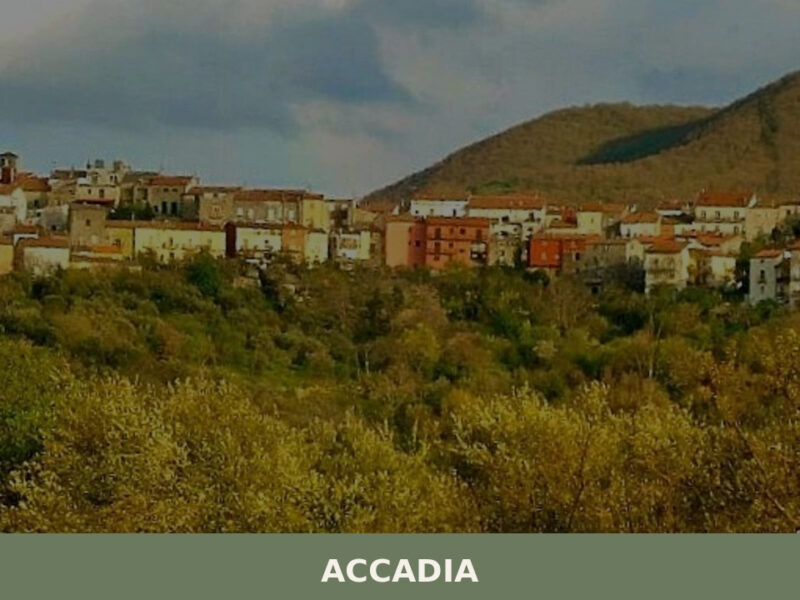
Accadia
 Mountain
Perched at 650 metres above sea level on the western edge of Puglia’s Subappennino Dauno, the small village of Accadia feels like a secret whispered between mountains and sky. Home to just over 2,200 inhabitants, this ancient hilltop settlement in the province of Foggia rewards visitors with crumbling medieval ruins, sweeping panoramas, and a fierce […]

Mattinata
 Sea
Sea
Nearly 6,000 residents live where the Gargano plateau meets the Adriatic. Mattinata offers a raw coastline, a centuries-old religious tradition and a genuinely local pace.
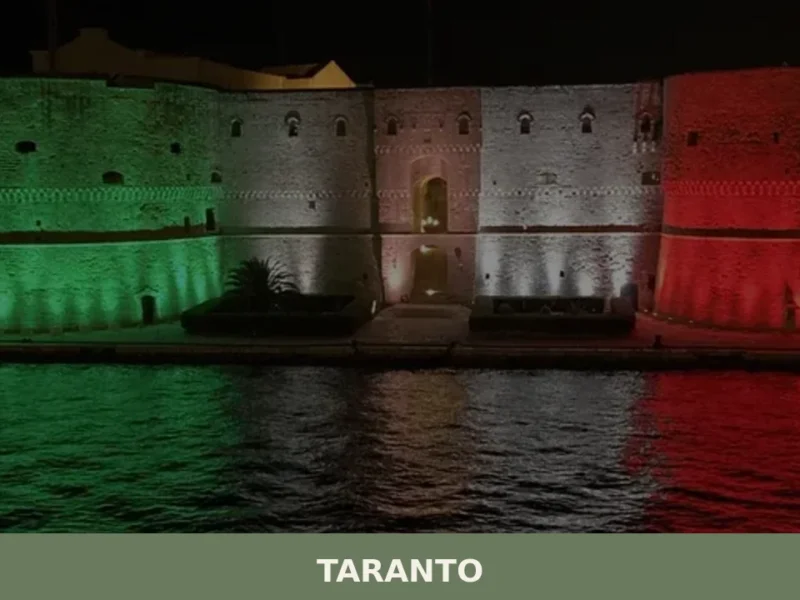
Taranto
Sea
A port city of 186,000 on Apulia's coast, Taranto lives by the rhythm of its ancient harbour and working waterfront, not heritage tourism.
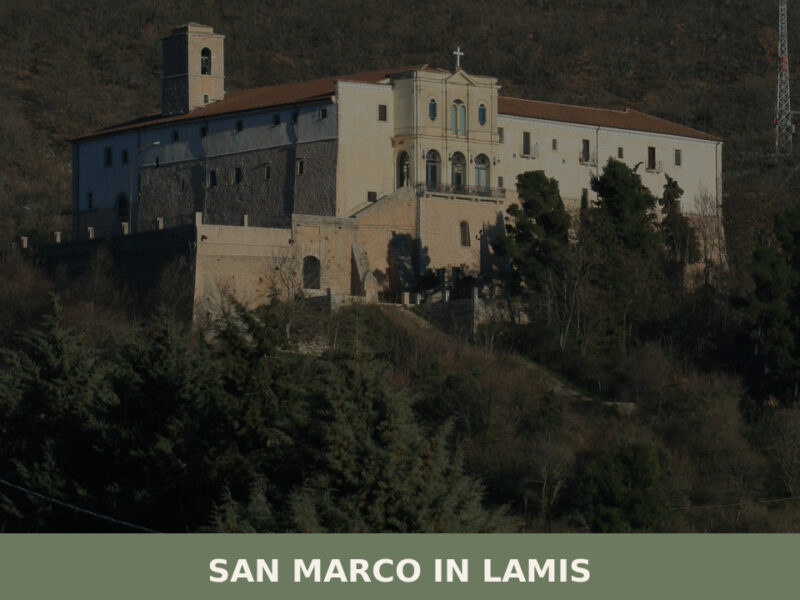
San Marco in Lamis
 Hills
Hills
A highland town on the western Gargano, San Marco in Lamis holds ancient monasteries, a dramatic Good Friday fire procession, and the quiet intensity of inland Puglia.
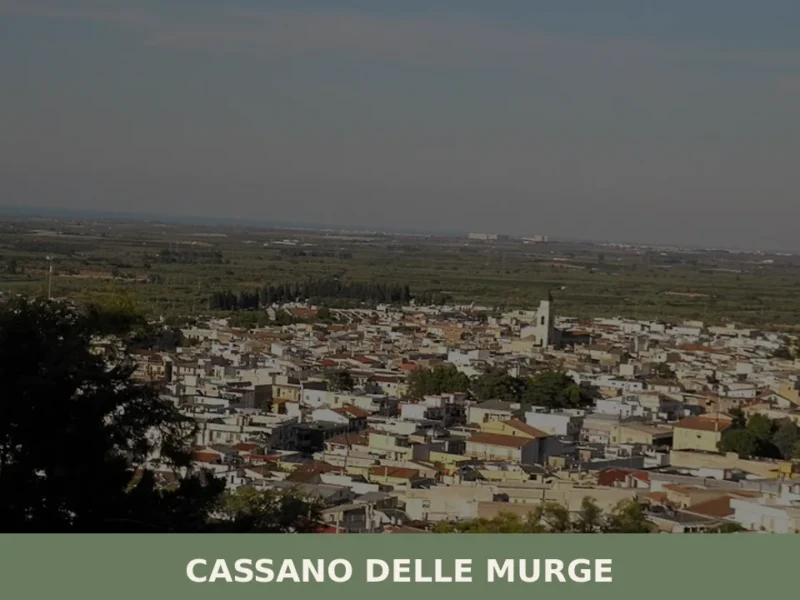
Cassano delle Murge
Hills
Cassano delle Murge, a municipality in Puglia located in the Metropolitan City of Bari, stands at 341 meters above sea level, positioned on the Murge plateau. Its territory, spanning approximately 89 km², includes a significant portion of the Bosco di Mercadante, a forest area important for the local ecosystem. With a population of 14,395 inhabitants, […]
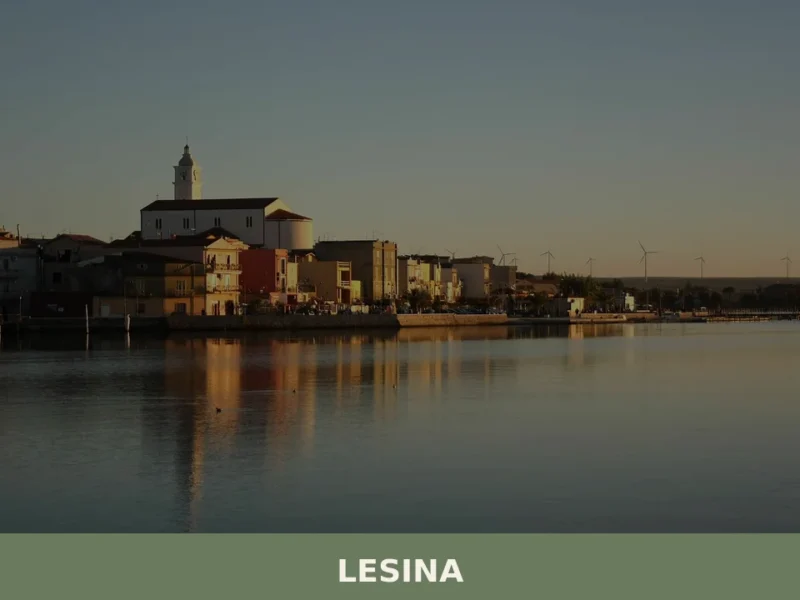
Lesina
 Lake
Sea
Lake
Sea
What to see in Lesina, Puglia, Italy: explore Lake Lesina, the feast of San Primiano and a village of 6,204 people. Discover the complete travel guide.
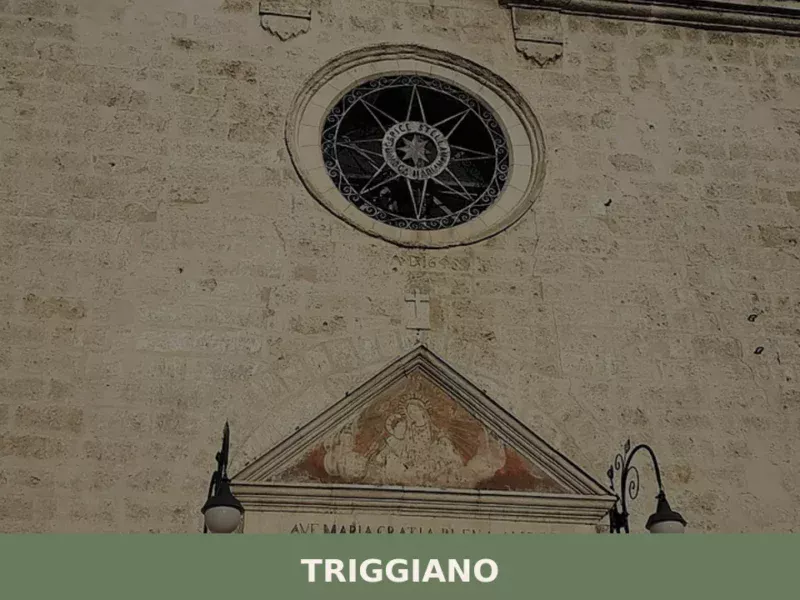
Triggiano
Plains
What to see in Triggiano? Discover the 5 must-see attractions, from the Baronial Castle to the Mother Church, and experience the tradition of this Apulian village.


🏡 Know Poggiardo better than we do?
If you’re a local or have been there, your knowledge matters: add what’s missing or fix a detail on this page.