


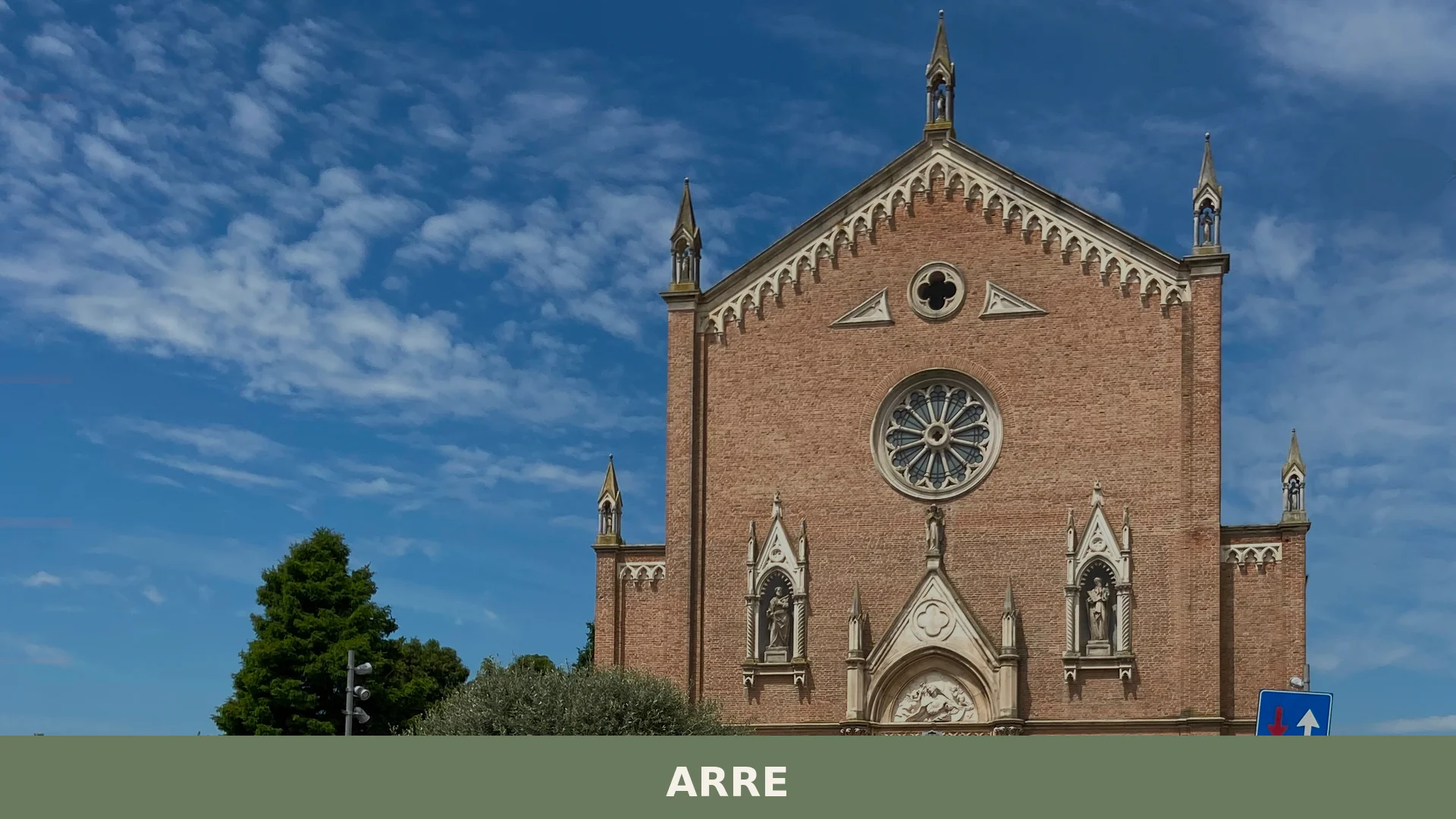

Arre is a small rural comune in the province of Padova, set on the flat alluvial plain between the Adige and Bacchiglione rivers, about 23 kilometres from the city.
Discover Arre
Arre is a small comune of roughly 2069 inhabitants situated in the province of Padova, Veneto, about 23 kilometres south of the city of Padua, on a flat alluvial plain that stretches between the rivers Adige and Bacchiglione at an elevation of just four to six metres above sea level. Covering an area of approximately 12.41 square kilometres with no fractions, its territory is entirely level, composed of clays, sands and peats laid down over centuries by the two rivers that define its broader hydrographic basin.
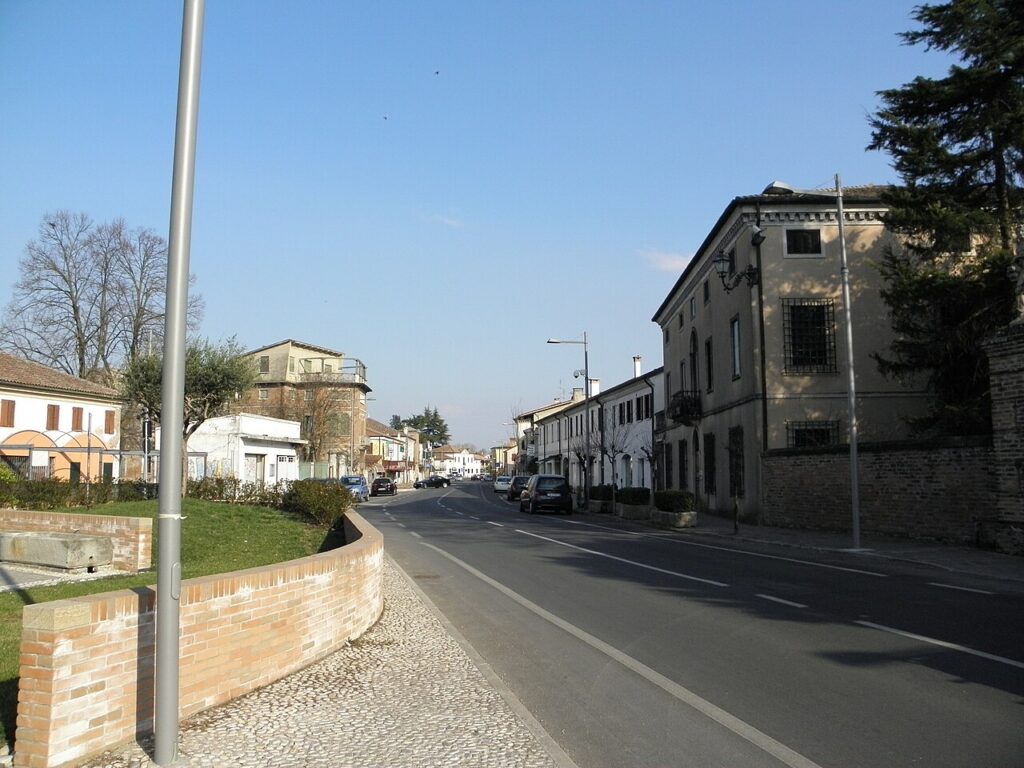
Arre village in Veneto preserves the quiet character of a working agricultural commune whose landscape has been shaped over many centuries by land drainage, monastic landholding and the cultivation of wheat, maize, soya, sugar beet and grapes. Visitors will find a modest but genuine heritage: a seventeenth-century palazzo housing an atmospheric period museum, a handful of historic buildings, and the flat, open countryside typical of the Padovan plain, crossed by ancient canals first dug under the Venetian Republic.
Arre village in Veneto: history and origins
Arre is a small rural comune in the Padovan plain whose recorded history stretches from the medieval period through to the present day, shaped largely by monastic landholding, noble estates, and the gradual transformation of an agricultural community. During the Middle Ages the settlement appears in documents as a centre of landed property belonging to several monasteries — among them San Michele di Brondolo, Santa Giustina di Padova and San Michele di Candiana — as well as to noble families including the Da Baone, Da Carrara, Papafava, Capodilista and Sambonifacio.
Through the nineteenth century the picture changed considerably, as many of those aristocratic holdings passed into the hands of local bourgeois families such as the Garbin, Salom, Scapin, Paviato and Sambin. Agriculture remained the dominant occupation for the majority of the active population well into the twentieth century, with the land yielding wheat, maize, soya, sugar beet and grapes. The principal canals that drain these flat alluvial fields — the Rebosola and Sorgaglia waterways — were already dug during the centuries of Venetian Republic rule, as part of broader land-reclamation works across the Padovan countryside.
Palazzi, una chiesa e un museo lungo la pianura padovana
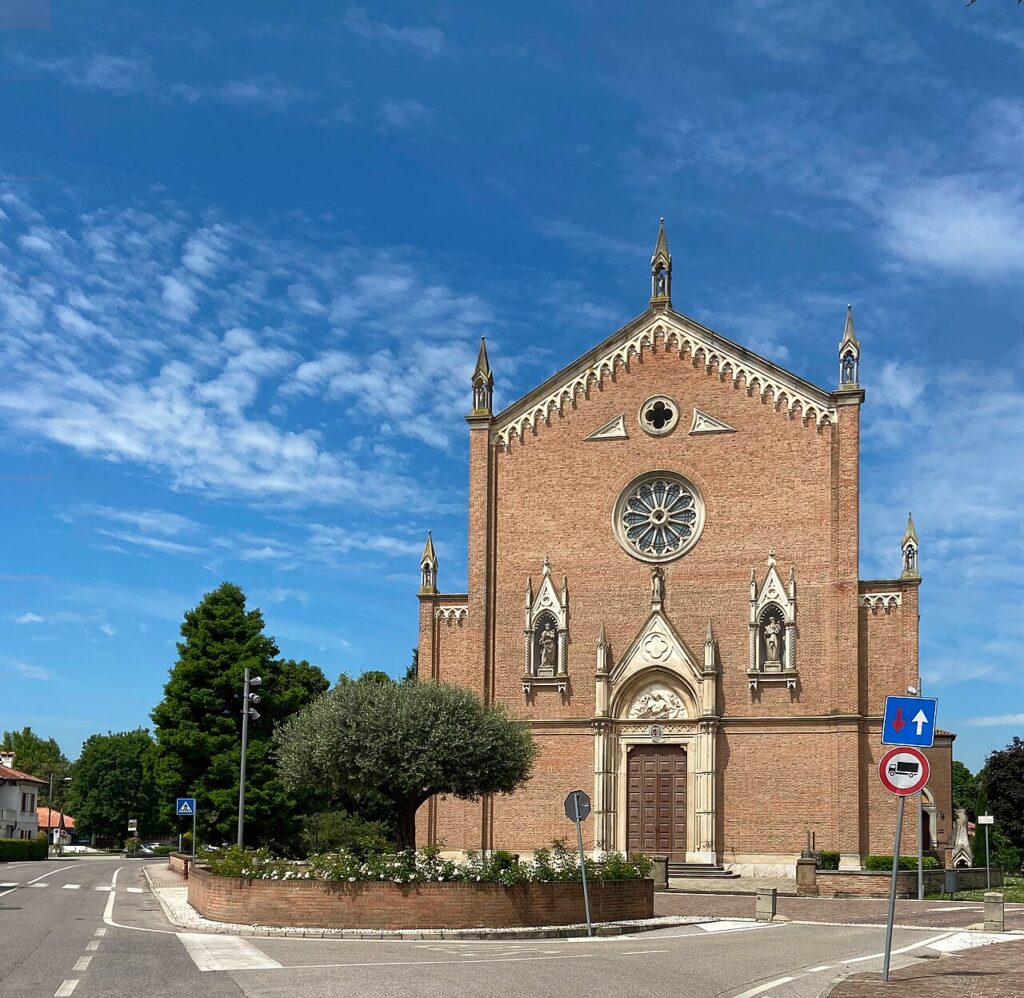
Arre preserves a small set of buildings worth a visit: the seventeenth-century Palazzo Costa, housing the Museo Ambientale del ‘700; the former Papafava complex, dating to the eighteenth century; the neoclassical villa formerly known as Paviato (now Capovilla); the current Palazzo del Comune, once a parish patronato; and the neo-Gothic parish church of Santa Maria Assunta.
Museo di Palazzo Costa
On the first floor of Palazzo Costa, a seventeenth-century building owned by the non-profit Fondazione Horak, the Museo Ambientale del ‘700 occupies a sequence of monumental rooms. The museum follows the format of the “environmental museum” — a genre still relatively rare in Italy compared to its prevalence in England and France — in which artworks and furnishings are arranged to suggest a space that remains in active daily use. The visitor moves through three rooms: the Sala degli Stemmi, the Sala degli Stucchi, and the Sala Impero Blu, each containing paintings and period furnishings.
Former Papafava Complex and Other Residences
The eighteenth-century former Papafava complex stands as one of the more substantial historic properties in the village. The neoclassical villa once belonging to the Paviato family, today known as the Capovilla villa, and the building currently serving as the Palazzo del Comune — originally a parish patronato — round out the small cluster of notable civic architecture in the center of Arre.
Church of Santa Maria Assunta
The parish church of Santa Maria Assunta was built in the neo-Gothic style. Beyond its architectural character, it remains the main place of worship for the local community.
Fields and Vines: Food and Wine Around Arre’s Territory
Arre and its surrounding Padovano countryside are rooted in cerealicoltura and viticoltura, with local fields producing wheat, maize, soya, sugar beet and grapes — staple crops of this flat, alluvial plain between the Adige and Bacchiglione rivers. The area does not claim exclusive local specialities, but sits within a rich provincial and regional network of certified products worth seeking out.
Among the protected designations linked to the broader Padova province and Veneto region, visitors can look for Asparago di Badoere IGP and Insalata di Lusia IGP, two vegetable products that speak directly to this fertile lowland farming tradition. Aged cheeses such as Asiago DOP, Grana Padano DOP and Montasio DOP are also found across the area, alongside Mortadella Bologna IGP.
The wine landscape around Arre is notably varied. The territory falls within reach of several appellations, including the Bagnoli Friularo / Friularo di Bagnoli DOCG and Colli Euganei Fior d’Arancio DOCG, as well as the Bagnoli di Sopra / Bagnoli DOC, Colli Euganei DOC and Corti Benedettine del Padovano DOC. The IGT Conselvano designation also covers this corner of the province. Regional spirit traditions — including liqueurs and the venerable Caffè espresso secondo Tradizione Veneta — round out the local table.
Reaching Arre and Planning Your Stay in the Padovano Plain
Arre is most conveniently reached by road: it lies roughly 23 km south of Padova, accessible via the Strada provinciale 14 and the superstrada Monselice–Mare, the east–west expressway that cuts through the municipal territory and was completed during the 1970s. The village sits at four to six metres above sea level on the flat alluvial plain between the Adige and Bacchiglione rivers, making it easy terrain to navigate year-round.
The agricultural calendar shapes the most rewarding seasons: late spring and early autumn bring the landscape to life, with cereal harvests and grape picking defining the rhythm of the countryside. The flatness of the territory makes it well suited to cycling, and quiet provincial roads connect Arre to neighbouring villages such as Agna. Those wishing to combine the visit with thermal bathing can reach Abano Terme, one of the Veneto’s best-known spa towns, within a short drive north.
| Departure | Distance | Time |
|---|---|---|
| Padova | approx. 23 km | approx. 25–30 min |
| Conselve | approx. 5 km | approx. 10 min |
| Agna | approx. 6 km | approx. 10 min |
| Monselice | approx. 15 km | approx. 20 min |
These practical references help organise the journey clearly, while the village itself is best understood slowly and on foot once you arrive.
Frequently asked questions about Arre
How far is Arre from Padua and how do I get there?
Arre is located approximately 23 kilometres south of Padua in the province of Padova. By car, take the A13 motorway southbound toward Bologna and exit toward Padova Sud, then follow regional roads toward the Padovan plain. The journey takes roughly 30–40 minutes. Public transport options include regional buses connecting Padua to towns in the southern plain; check local SITA or equivalent operators for current schedules and routes.
What is the best time to visit Arre?
Late summer is ideal, particularly around August 15th, when Arre celebrates the feast of Maria SS. Assunta (Assumption of Mary), its patron saint. The Padovan plain experiences warm summers and mild springs. Autumn offers pleasant weather for exploring the countryside and agricultural landscape. Winter can be damp due to the flat terrain and proximity to rivers. Spring brings renewal to the agricultural areas and is excellent for cycling through the canal-crossed countryside.
What outdoor activities are available in and around Arre?
Arre sits within the flat Padovan plain crossed by ancient irrigation canals first dug during the Venetian Republic era. This landscape is ideal for cycling along canal towpaths and rural routes. The flat terrain and open countryside make leisurely walks accessible to all visitors. Nearby rivers Adige and Bacchiglione offer opportunities for nature observation. Regional cycling networks connect Arre to neighbouring villages, allowing multi-day rural cycling itineraries across the plain.
How long should I plan to spend in Arre?
Arre is a modest village best visited as part of a broader exploration of the Padovan plain. A half-day to full-day visit allows time to explore the seventeenth-century palazzo and its period museum, visit the church, and enjoy the surrounding countryside by foot or bicycle. Most visitors combine Arre with nearby villages and attractions. The village serves well as a quiet rural base rather than a destination requiring multiple days of intensive sightseeing.
What historical monuments can I visit in Arre?
Arre preserves several historic buildings reflecting its medieval origins and agricultural heritage. The principal attraction is a seventeenth-century palazzo housing an atmospheric period museum that documents local life and history. The village church is dedicated to Maria SS. Assunta, the patron saint honoured annually on August 15th. These modest but genuine structures reflect the working character of a rural comune shaped by monastic landholding and noble estates over centuries.
📷 Photo Gallery — Arre

In Veneto More villages to discover
Erbè
 Plains
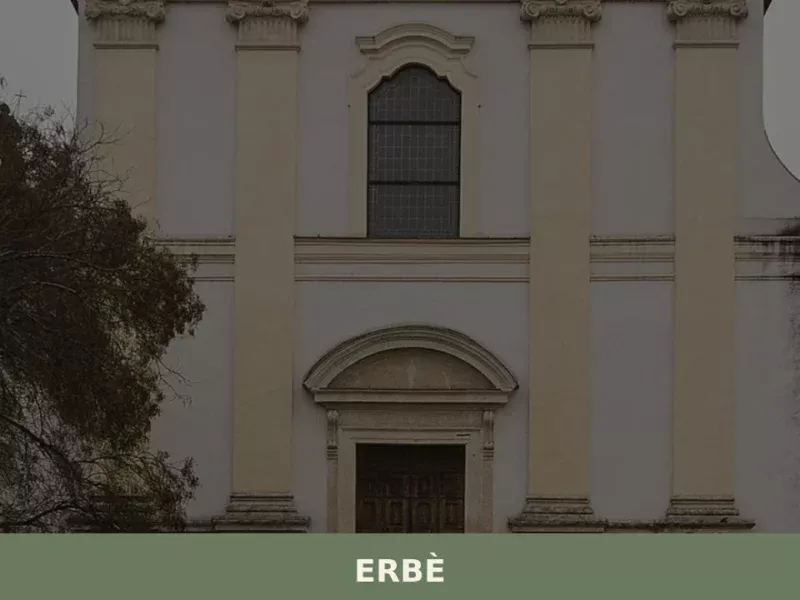
Erbè has 1,838 inhabitants and occupies a stretch of the Veronese plain north of the Tione dei Monti river, along the road connecting Verona to Mantua. The municipal territory, almost entirely flat and crossed by a dense network of irrigation canals, was progressively reclaimed starting in the 15th century under the administration of the Republic […]
Concamarise
Plains
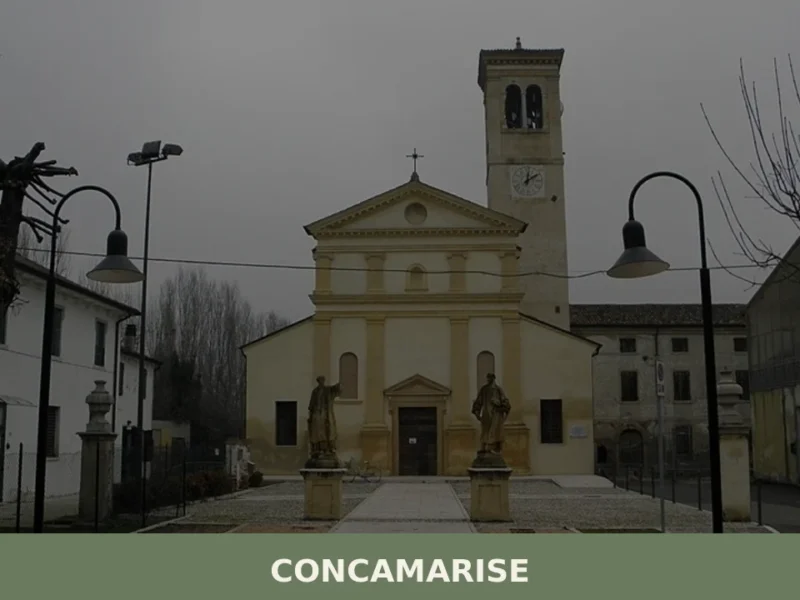
Concamarise, a municipality in Verona province with 1,053 inhabitants, rises only 21 meters above sea level, located in the Bassa Veronese, an area known for its long-standing agricultural tradition and complex hydrographic network. Its very name suggests a connection with water: “Conca” refers to a territorial depression, while “Marise” is likely linked to the marshy […]
Arzergrande
Plains
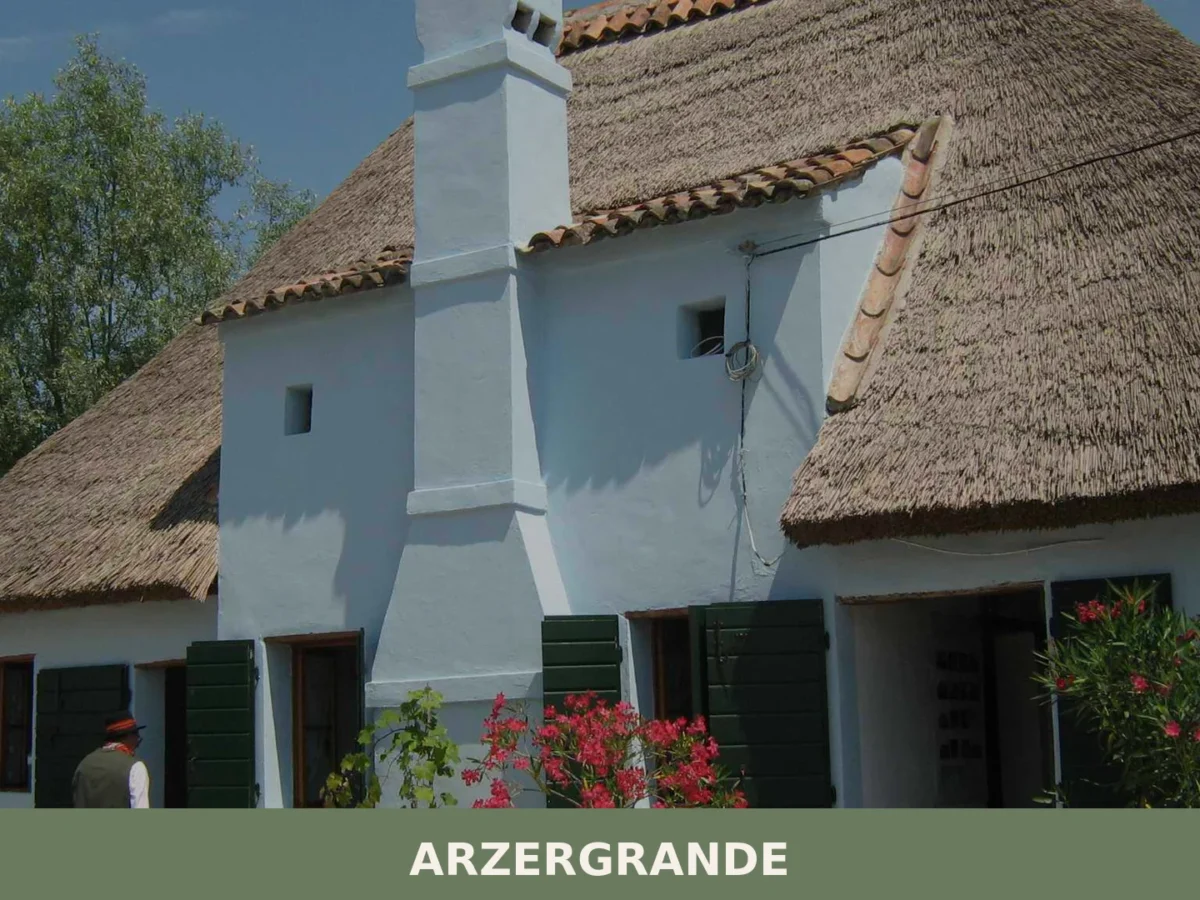
Arzergrande is a small municipality in the Padova plain, Veneto, with around 4,850 inhabitants and a history stretching back to Venetic settlements of around 1200 BC.
Erbezzo
 Mountain
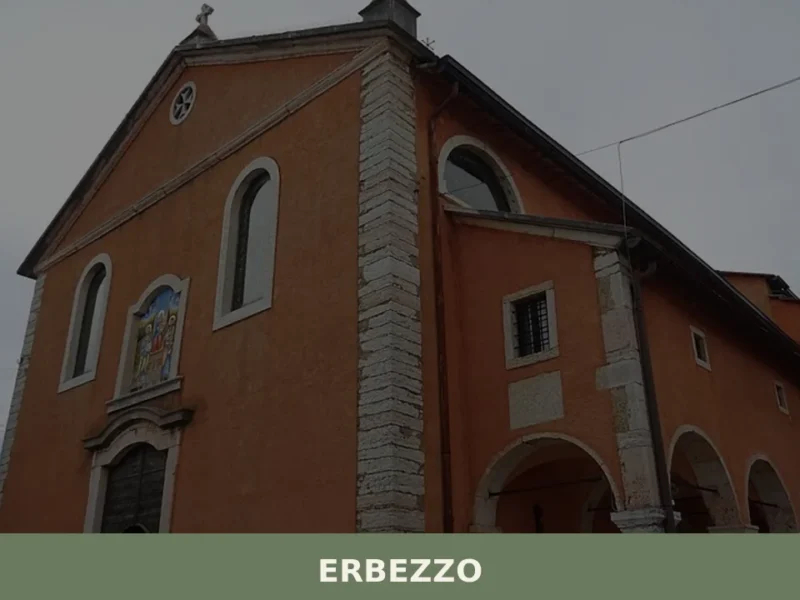
At 1,118 metres above sea level, on the eastern edge of the Veronese Lessinia, Erbezzo has 756 inhabitants spread between the municipal centre and a handful of hamlets scattered across the pastures. It is the highest municipality in the province of Verona and one of the few where the pastoral economy has never fully given […]
Roveredo di Guà
Plains
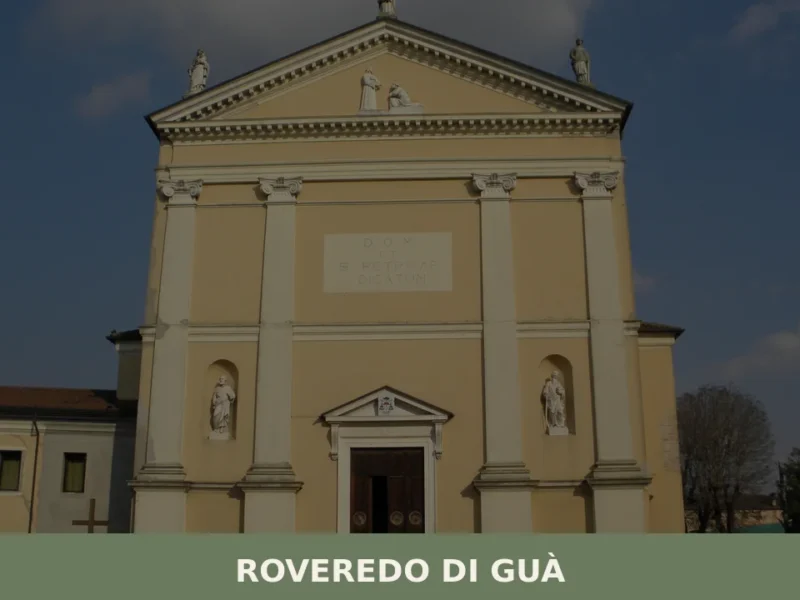
Roveredo di Guà has 1,542 inhabitants and covers an area of just 8 square kilometres on the lower Veronese plain, 16 metres above sea level, along the course of the Guà canal — a branch of the Adige river system that has determined the shape and economy of this territory. Understanding what to see in […]

Salzano
Plains
A lowland comune of 12,770 people where thermal springs, industrial heritage and religious art converge. Home to Pope Pius X and a bell tower that has stood since the 1700s.

San Giorgio delle Pertiche
Plains
A Paduan comune of 10,000 inhabitants where ancient Roman centuriation meets medieval defence architecture. The Torre Millenaria and layered waterways tell stories of two millennia.
Ferrara di Monte Baldo
Mountain
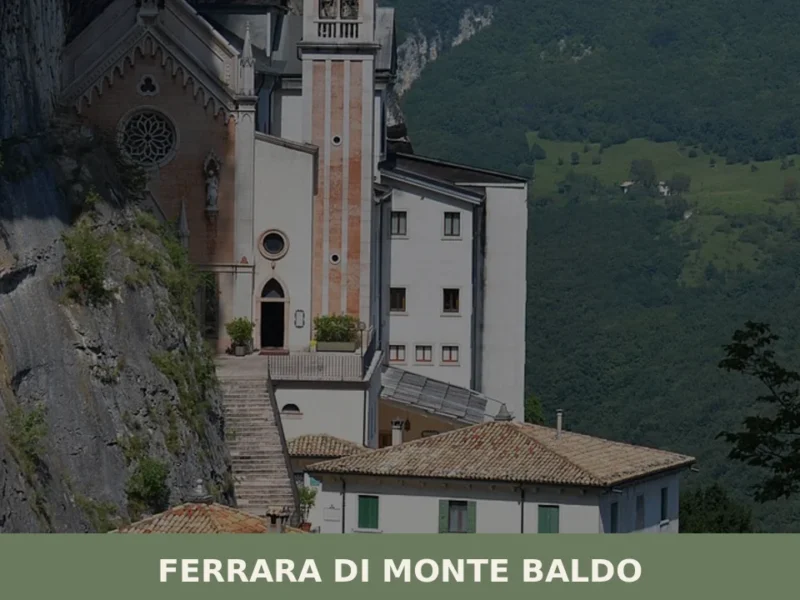
A comune of 280 residents at 856 metres elevation. Discover stone architecture shaped by alpine seasons and the territory that connects the Garda rim to the high Veronese interior.

Marostica
 Hills
Hills
Marostica draws visitors with its world-famous living chess match and over 600 years of Scaligeri and Venetian architecture. The IGP cherry alone is worth the detour.
Agna
Plains
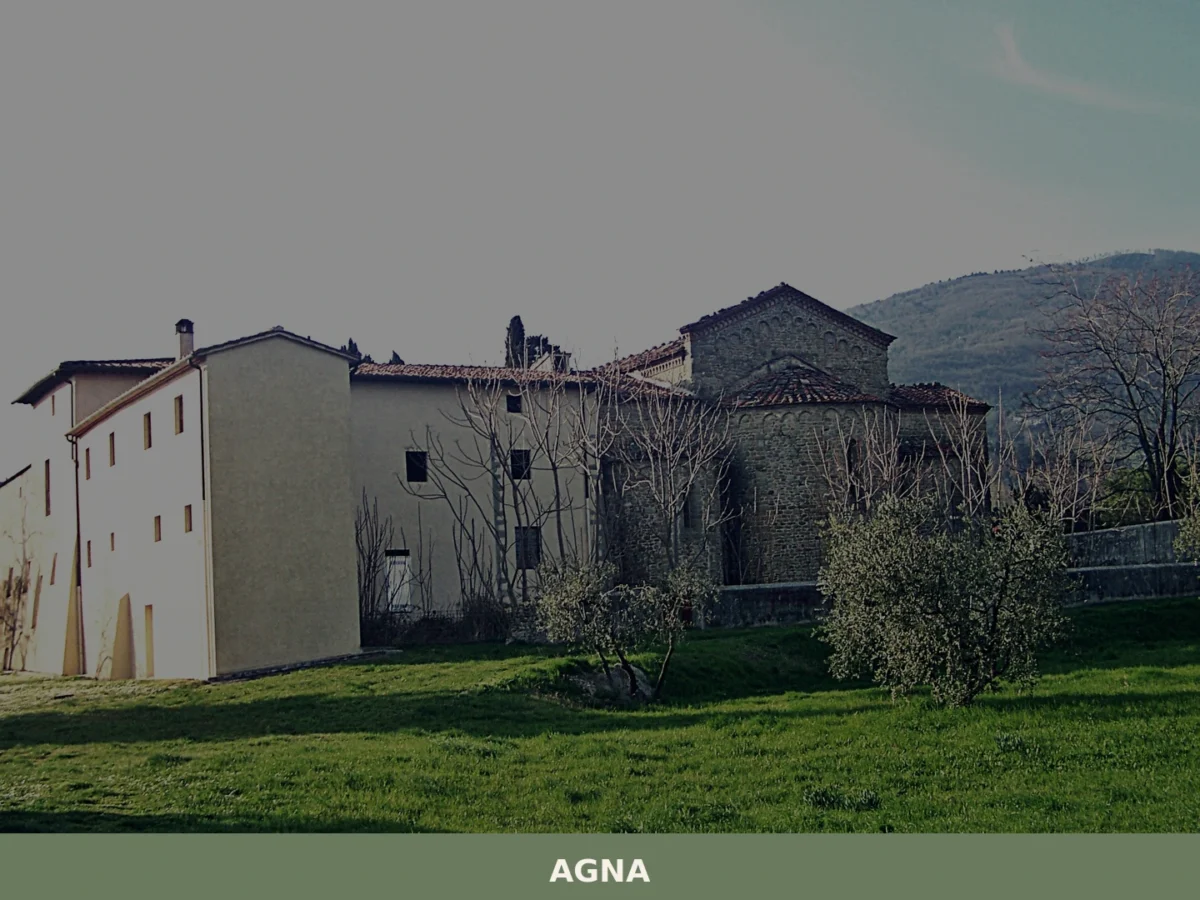
Discover what to see in Agna, a Padova province village of 3,174 people. History, food, travel tips and the canals of the Venetian plain explained.


🏡 Know Arre better than we do?
If you’re a local or have been there, your knowledge matters: add what’s missing or fix a detail on this page.