


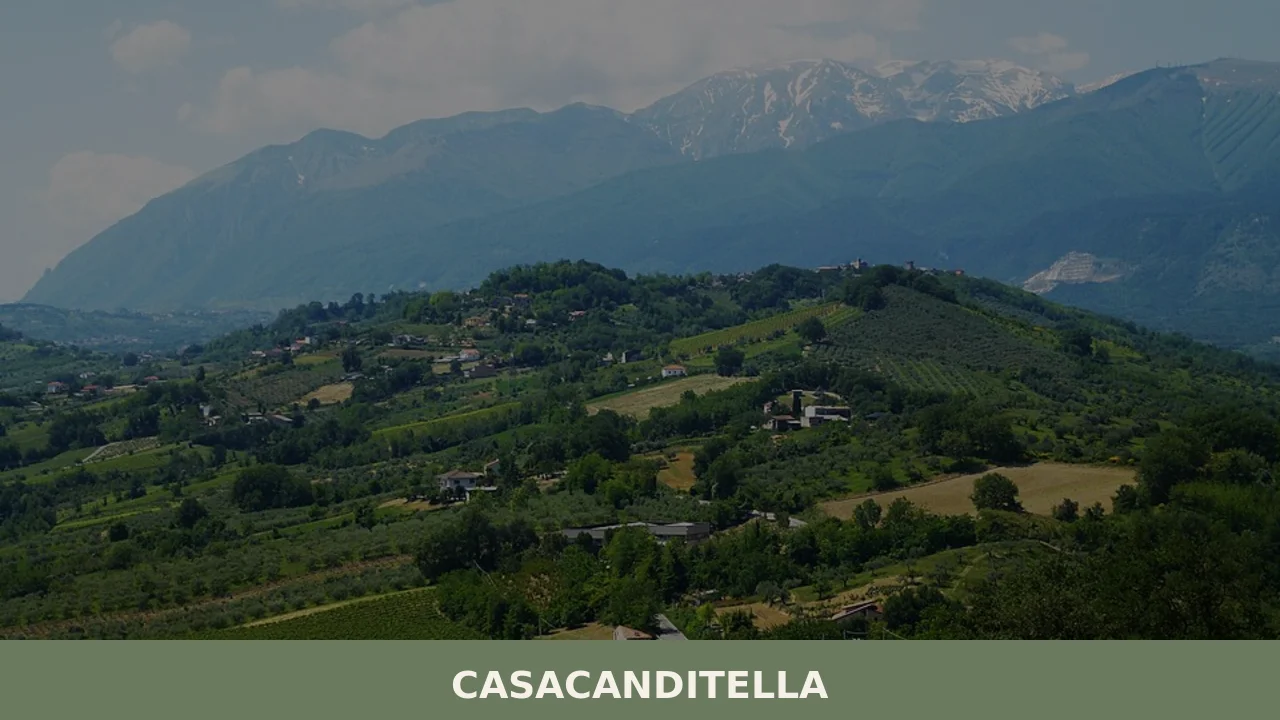
Casacanditella
 Hills
Hills
At 432 metres above sea level, on the eastern slope of the Majella descending towards the Foro river valley, Casacanditella has 1,169 inhabitants and a municipal territory that extends entirely across hilly terrain in the province of Chieti. Anyone wondering what to see in Casacanditella will find a compact urban centre, a church dedicated to […]
Discover Casacanditella
At 432 metres above sea level, on the eastern slope of the Majella descending towards the Foro river valley, Casacanditella has 1,169 inhabitants and a municipal territory that extends entirely across hilly terrain in the province of Chieti. Anyone wondering what to see in Casacanditella will find a compact urban centre, a church dedicated to the patron saint Pope Gregory I, and an agricultural landscape where olive trees and grapevines trace orderly patterns across the clay hillsides. The main road linking Guardiagrele to Chieti passes through the village without bypassing it, preserving a transit function it has held for centuries.
History and origins of Casacanditella
The place name “Casacanditella” appears in medieval documents with varying spellings — Casa Canditella, Casacanditella — and the most widely accepted etymology points to a landed estate, a casa linked to a personal name, probably feminine, of Lombard or late-Latin origin. The settlement belongs to the network of small rural centres that during the Middle Ages were scattered across the hills between the Majella and the Adriatic, under the influence of the feudal structures of the Kingdom of Naples. Like most towns in the Chieti province, Casacanditella passed through several feudal lordships before entering the administrative orbit of the post-unification municipal system.
During the sixteenth and seventeenth centuries, the village consolidated its urban layout around the parish church and a handful of civic buildings that still define the centre’s profile today. The dedication of the patronage to Pope Gregory I — Gregory the Great, pontiff from 590 to 604 and a central figure in the reorganisation of the Western Church — suggests a long-standing devotional link, likely mediated by Benedictine influence in the area. During the Second World War, the municipality’s position along the Gustav Line brought damage and displacement, a wound that marked the community and that post-war reconstruction only partially healed.
The twentieth century brought the emigration that emptied much of the inland municipalities of Abruzzo. Casacanditella, despite losing inhabitants, maintained a residential continuity that other centres at the same altitude did not. The local economy remains tied to hill farming — olive oil and wine above all — and to commuting towards Chieti and Pescara, which keeps the village connected to the economic circuit of the coastal conurbation.
What to see in Casacanditella: 5 main attractions
1. Church of San Gregorio Magno
The main religious building in the village is dedicated to the patron saint Pope Gregory I. The current structure shows interventions following the Majella earthquake of 1706 and twentieth-century restorations. Inside, liturgical furnishings and processional statues linked to local devotion are preserved. The facade, plain and plastered, faces onto a widening in the road that serves as the village square.
2. Historic centre and urban fabric
The old core of Casacanditella can be walked through in under twenty minutes, yet the density of its buildings reveals a precise settlement logic: houses in local stone and brick, external staircases, connecting arches between adjoining structures. Several carved stone doorways, datable to between the seventeenth and eighteenth centuries, mark the residences of the wealthier families from the feudal era.
3. Viewpoint over the Foro valley
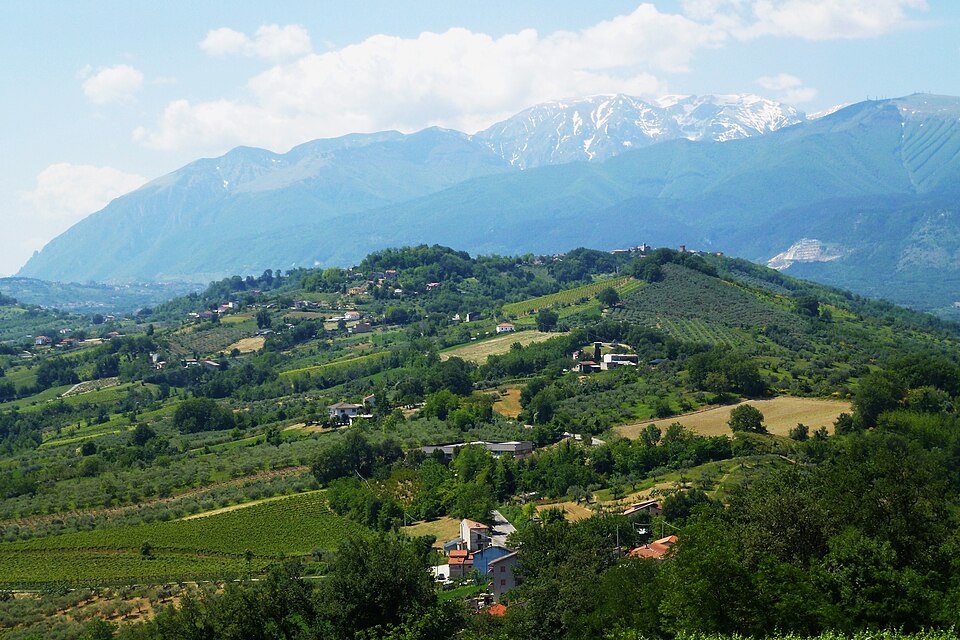
From the eastern edge of the village, an open panoramic point allows visitors to observe the course of the Foro river and, on clear days, the Adriatic coastline. To the west, the Majella massif fills the entire horizon with the Blockhaus and Monte Amaro at 2,793 metres. The distance between the two visual extremes — sea and mountain — is less than fifty kilometres.
4. Rural landscape and olive groves
The surrounding countryside features a mixed cultivation of olive trees, grapevines and arable crops that follows the hilly terrain. Some local farms produce extra virgin olive oil from indigenous Abruzzese cultivars. The dry-stone walls and stone huts scattered across the fields — the so-called tholos — document rural building practices widespread in the Chieti area, traceable to an agro-pastoral tradition going back centuries.
5. Hill routes towards Guardiagrele and Fara Filiorum Petri
The secondary roads connecting Casacanditella to neighbouring municipalities cross an intact hilly landscape, suitable for excursions on foot or by bicycle. The route to Guardiagrele — a town renowned for its goldsmithing and wrought-iron craftsmanship — covers roughly ten kilometres along a provincial road, with moderate elevation change and broad views over the valley.
Food and local produce
The table in Casacanditella reflects the peasant cooking of the Chieti hills. Homemade pasta — sagne a pezze, chitarra with lamb ragù, pallotte cace e ove (cheese and egg fritters cooked in tomato sauce) — forms the backbone of meals in the local trattorias. Extra virgin olive oil, produced by local mills from olives harvested between October and November, accompanies nearly every dish. The territory falls within the production area of Montepulciano d’Abruzzo DOC and Trebbiano d’Abruzzo, the two wines that dominate regional winemaking.
Among the more distinctive products of the area, pecorino cheese aged in caves and ventricina — a cured meat made from knife-cut pork, seasoned with sweet and hot pepper — represent the longest-lasting preparations in the local larder. Sweets follow the liturgical calendar: ferratelle (thin wafers cooked in patterned irons) and fried calgionetti, filled with chickpeas, cooked grape must and cocoa, appear during the Christmas period.
When to visit Casacanditella: the best time
The patron saint feast of San Gregorio Magno, celebrated on 3 September, is the time of year when the village comes alive with a procession, market stalls and civic rituals involving the entire population. Spring — from April to June — offers the best conditions for exploring the surrounding countryside: temperatures between 15 and 25 degrees, fruit trees in blossom and long daylight lasting into the evening. Autumn, with the olive harvest between October and November, holds a different appeal: it is the period when the mills are running and the smell of freshly pressed oil can be sensed along the roads.
Winter at 432 metres above sea level can bring cold days with temperatures below zero, but heavy snowfall is rare. Summer is hot and dry, tempered by the altitude and hill breezes, without the humidity of the coastal strip some twenty kilometres away. The village has no large-scale accommodation: agriturismos and bed & breakfasts in the surrounding countryside make up the main offering. Up-to-date information on services and events is available on the official website of the Municipality.
What to see in Casacanditella and surroundings: other villages in Abruzzo
Visitors to Casacanditella looking to extend their itinerary towards the interior of the region may consider a detour to Anversa degli Abruzzi, in the province of L’Aquila, where the Sagittario gorges create a natural and geological environment of considerable interest, with a village that overlooks the canyon directly. The distance from Casacanditella is approximately 120 kilometres, crossing the Majella National Park and reaching the Peligna valley.
Closer in typology and territorial context, Fagnano Alto represents a significant example of a scattered municipality in the Abruzzese hinterland, composed of several hamlets spread across the middle Aterno valley. The comparison between the two centres — Casacanditella tied to the Chieti hills and the Adriatic side, Fagnano Alto to the L’Aquila Apennines and the basin — illustrates the variety of landscapes and settlement patterns encountered when travelling just a few dozen kilometres inland across Abruzzo.
Frequently asked questions about Casacanditella
What is the best time to visit Casacanditella?
The ideal time to visit Casacanditella depends on your interests. Spring, from April to June, offers pleasant temperatures (15-25°C), blooming fruit trees, and long daylight hours, perfect for exploring the countryside. Autumn, particularly October and November, is unique for the olive harvest, when local mills are active and the scent of freshly pressed oil fills the air. The patron saint's feast of San Gregorio Magno on September 3rd brings the village to life with a procession and market stalls. Summers are hot and dry, tempered by altitude, while winters are cold with rare heavy snowfall.
What are the historical origins of Casacanditella?
Casacanditella's origins trace back to medieval times, with its name likely deriving from a landed estate linked to a personal name of Lombard or late-Latin origin. It was part of a network of small rural centers under the feudal influence of the Kingdom of Naples, passing through various lordships. The village consolidated its urban layout in the 16th-17th centuries around the parish church. Its dedication to Pope Gregory I suggests a long-standing devotional connection, possibly mediated by Benedictine influence. The area was significantly impacted by the Gustav Line during WWII, and later by 20th-century emigration.
What to see in Casacanditella? Main monuments and landmarks
In Casacanditella, visitors can explore the **Church of San Gregorio Magno**, the main religious building dedicated to the patron saint, featuring post-1706 earthquake interventions and preserving local devotional furnishings. The **Historic Centre** offers a charming walk through its compact urban fabric of local stone and brick houses, external staircases, and 17th-18th century carved stone doorways. Don't miss the **Viewpoint over the Foro valley** from the eastern edge of the village, offering expansive panoramas of the Foro river, the Adriatic coastline on clear days, and the majestic Majella massif to the west.
What are the main natural or scenic attractions of Casacanditella?
Casacanditella's primary natural and scenic attractions revolve around its stunning hilly landscape. The **Viewpoint over the Foro valley** provides breathtaking panoramas stretching from the Foro river to the Adriatic Sea and the imposing Majella massif. The surrounding **rural landscape and olive groves** offer picturesque vistas of orderly patterns of olive trees, grapevines, and arable crops across the clay hillsides, dotted with traditional dry-stone walls and stone huts (tholos). Additionally, the **hill routes towards Guardiagrele and Fara Filiorum Petri** traverse an intact landscape perfect for scenic walks or bicycle excursions.
Where to take the best photos in Casacanditella?
For captivating photos in Casacanditella, head to the **Viewpoint over the Foro valley** on the eastern edge of the village. From here, you can capture sweeping vistas encompassing the Foro river, the distant Adriatic coastline, and the impressive Majella massif. The **historic centre** itself offers charming photographic opportunities with its dense urban fabric, houses of local stone and brick, external staircases, and beautifully carved stone doorways from the 17th and 18th centuries. The surrounding **rural landscape**, with its orderly olive groves and vineyards, dry-stone walls, and traditional 'tholos' huts, also provides picturesque backdrops.
Are there museums, churches or historic buildings to visit in Casacanditella?
Yes, Casacanditella offers historical and religious sites to explore. The main religious building is the **Church of San Gregorio Magno**, dedicated to the village's patron saint. While not a museum, its interior preserves liturgical furnishings and processional statues linked to local devotion. The **historic centre** is itself a collection of historic architecture, featuring a precise settlement logic with houses of local stone and brick, external staircases, and connecting arches. Visitors can admire several carved stone doorways, dating back to the 17th and 18th centuries, which mark the former residences of wealthier feudal families.
What can you do in Casacanditella? Activities and experiences
In Casacanditella, you can explore the compact **historic centre** on a leisurely walk, appreciating its ancient architecture. Enjoy breathtaking panoramic views from the **viewpoint over the Foro valley**, stretching from the river to the Adriatic and the Majella mountains. The surrounding hilly landscape is ideal for **excursions on foot or by bicycle** along routes towards Guardiagrele and Fara Filiorum Petri. Indulge in authentic **Abruzzese cuisine** at local trattorias, savoring homemade pasta, local extra virgin olive oil, Montepulciano d'Abruzzo wine, and regional specialties like ventricina and pecorino cheese. If visiting on September 3rd, experience the vibrant **patron saint's feast** of San Gregorio Magno.
Who is Casacanditella suitable for? Families, couples, hikers, solo travelers?
Casacanditella is an excellent destination for **nature lovers and hikers**, thanks to its intact hilly landscape, olive groves, and routes suitable for walking and cycling. **Food and wine enthusiasts** will appreciate the authentic peasant cooking, local olive oil, Montepulciano d'Abruzzo wines, and traditional products like pecorino cheese and ventricina. It's also ideal for **couples and solo travelers** seeking tranquility, authentic Italian village charm, and a break from the hustle and bustle. Those interested in **history and traditional culture** will enjoy exploring the historic centre and its ancient church. It offers a peaceful retreat for anyone looking for an unhurried, genuine Abruzzese experience.
What to eat in Casacanditella? Local products and specialties
The cuisine of Casacanditella reflects the rich peasant traditions of the Chieti hills. Local specialties include homemade pasta dishes like 'sagne a pezze' and 'chitarra with lamb ragù', alongside the renowned 'pallotte cace e ove' (cheese and egg fritters in tomato sauce). **Extra virgin olive oil**, produced from indigenous Abruzzese cultivars, is a staple, especially fresh during the October-November harvest. The area is also known for **Montepulciano d'Abruzzo DOC** and **Trebbiano d'Abruzzo** wines. Don't miss **pecorino cheese** aged in caves and **ventricina**, a distinctive cured pork sausage. During Christmas, traditional sweets like 'ferratelle' and 'calgionetti' (fried pastries filled with chickpeas, cooked grape must, and cocoa) are enjoyed.
📷 Photo Gallery — Casacanditella
Nearby Villages near Casacanditella


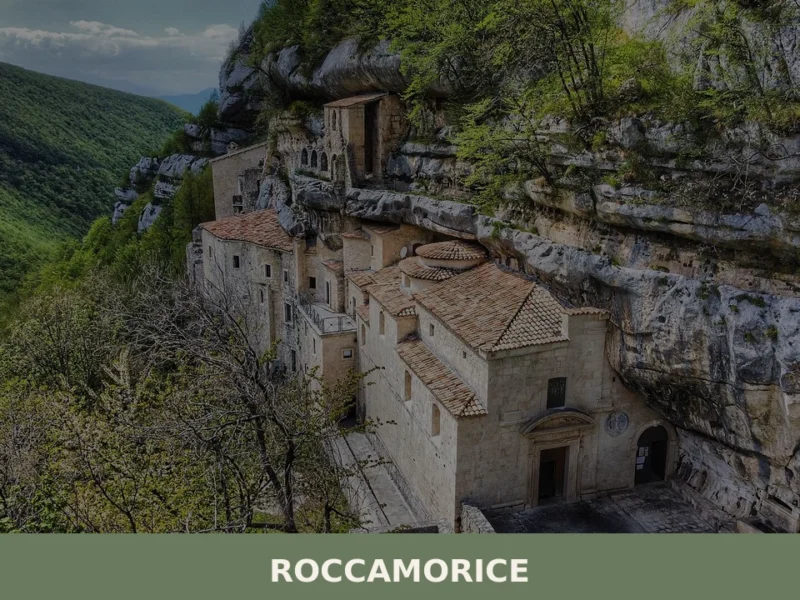

In Abruzzo More villages to discover
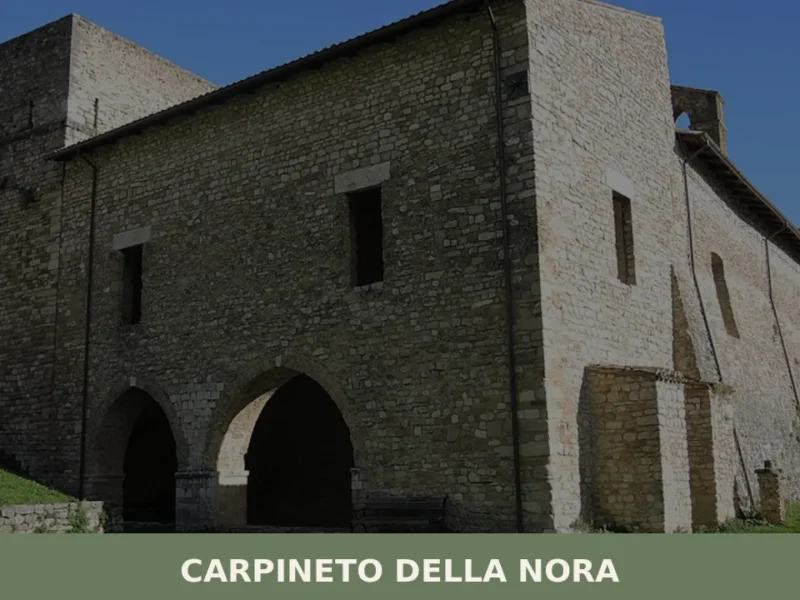
Carpineto della Nora
Hills
At 535 metres above sea level, on the ridge separating the Nora valley from the Pescara plain, Carpineto della Nora has a current population of 536 — a number that has halved since post-war censuses. Anyone looking into what to see in Carpineto della Nora will find a settlement built entirely from local stone, spread […]
Colledimacine
 Mountain
One hundred and eighty-eight residents in the 2001 census, now down to 158: Colledimacine contracts with the regularity of a slow heartbeat, yet it holds on along the eastern ridge of the Majella massif, at 770 metres above sea level, in the province of Chieti. Anyone wondering what to see in Colledimacine should be prepared […]
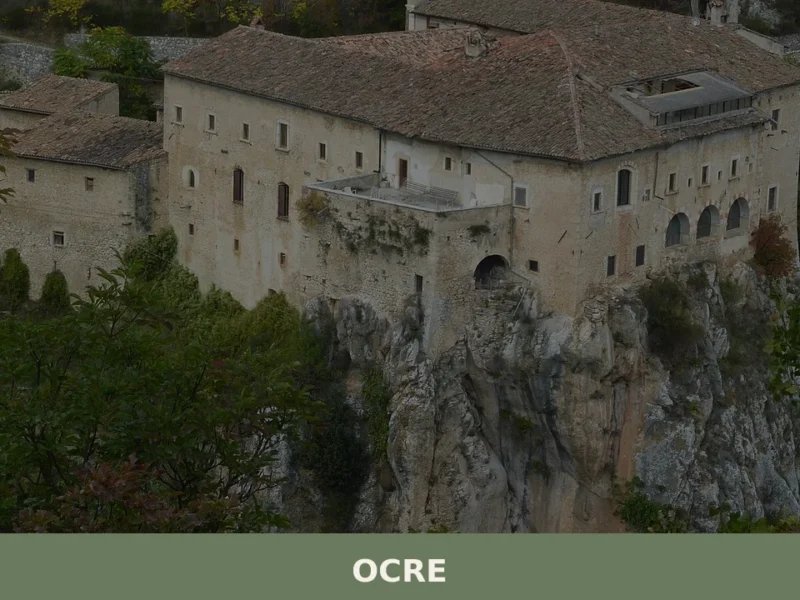
Ocre
Mountain
What to see in Ocre, Italy: discover historical landmarks and local festivals in this Abruzzo village of 1,133 inhabitants. Explore the castle ruins and traditional events.
Chieti
Hills
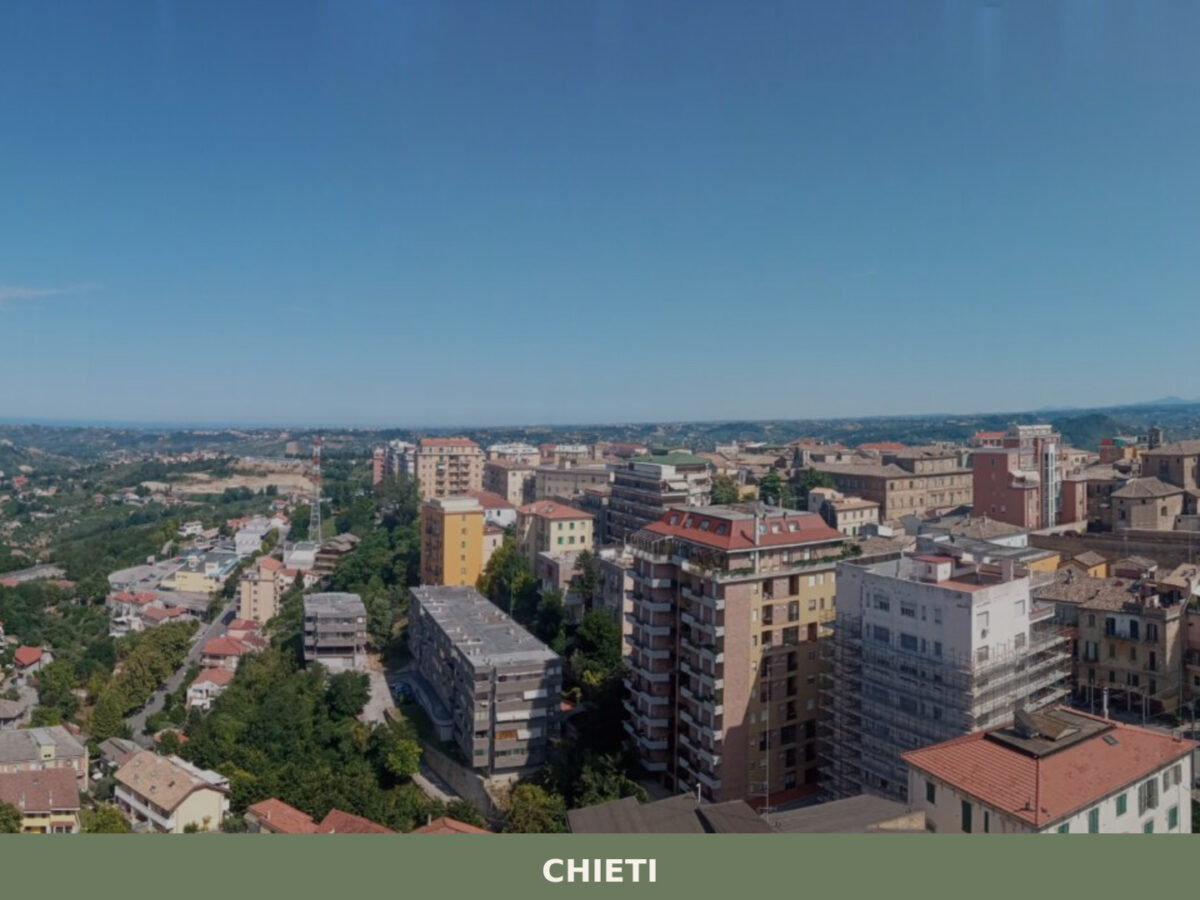
Chieti, an art city in Abruzzo: discover the National Archaeological Museum, Roman monuments and historic districts. Plan your visit with our guide.
Bellante
Hills
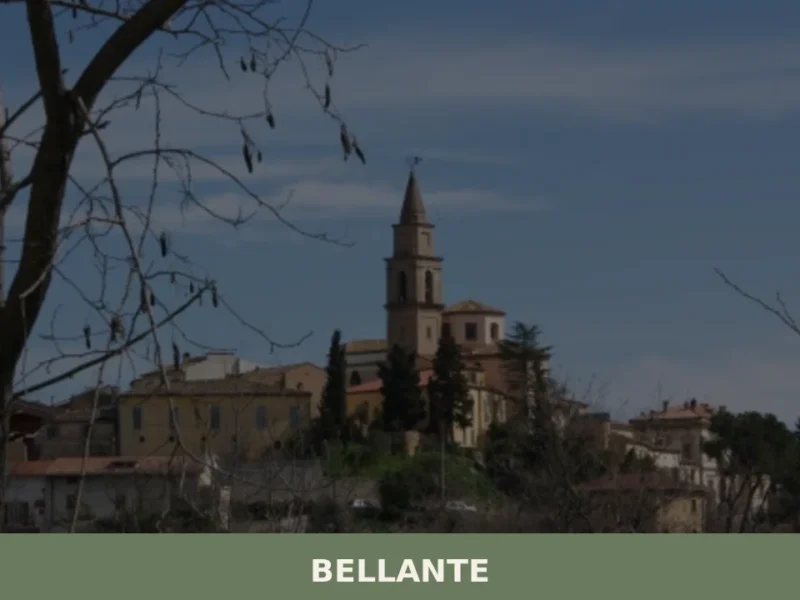
The road into Bellante rises through a sequence of switchbacks that open, at the last bend, onto a compact hilltop settlement in the Teramo hills of Abruzzo. Stone buildings press close against one another along the ridge, and the Torre Civica — the civic tower at the center of the old settlement — marks the […]
Scanno
 Lake
Mountain
Lake
Mountain
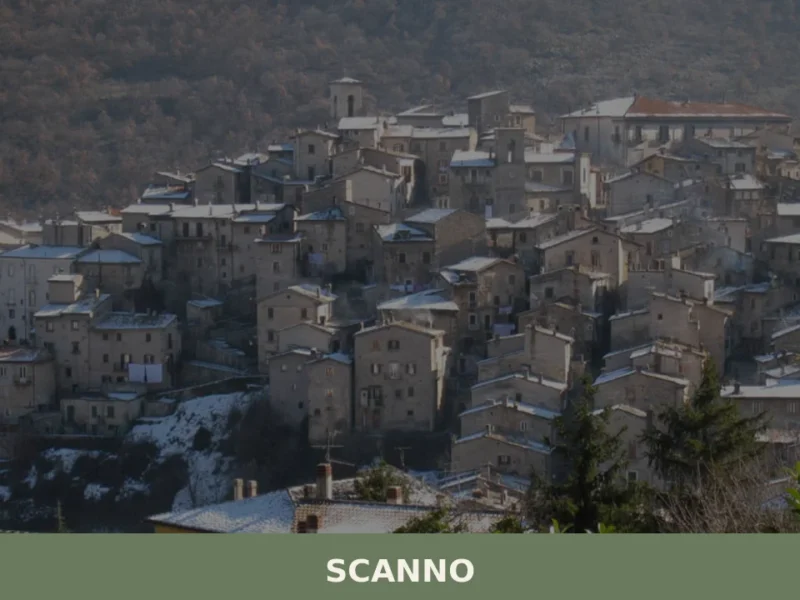
what to see in scanno, Italy? Explore this Abruzzese village at 1,050 m (3,445 ft), admire Lago di Scanno and its ancient crafts. Discover more.
Fara Filiorum Petri
Hills
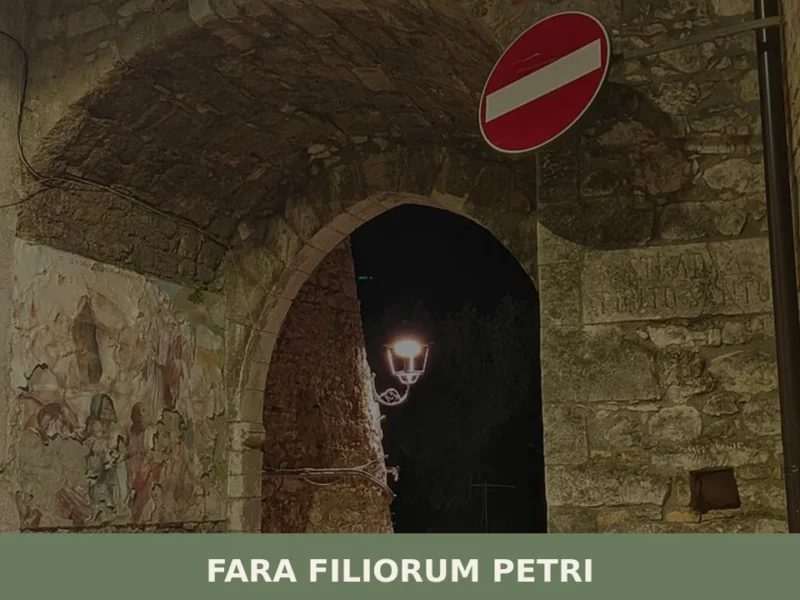
Fara Filiorum Petri, a municipality in the province of Chieti with 1,942 inhabitants, stands at 227 meters above sea level. The toponym itself, of complex origin, suggests historical layering: “Fara” refers to Lombard settlements, while “Filiorum Petri” is linked to the feudal family of Filiorum Petri, who held control in subsequent eras. This duality names […]
Palombaro
Hills
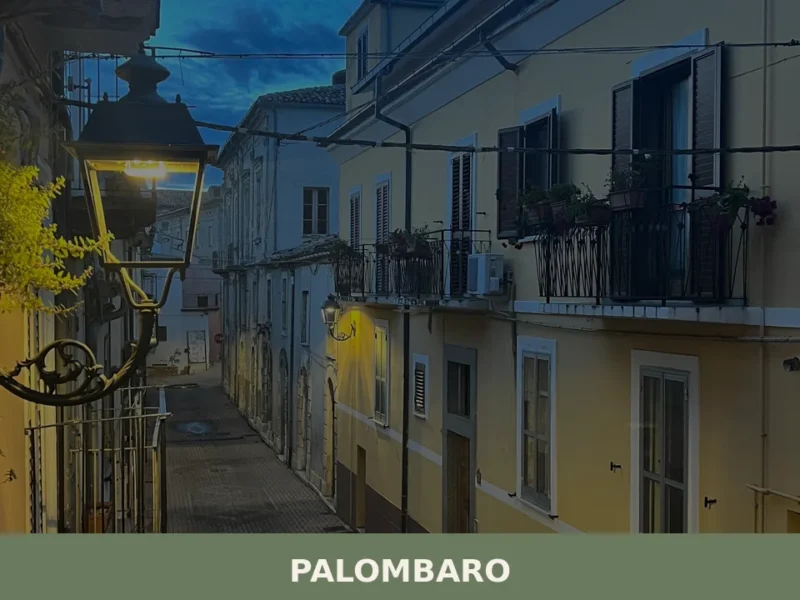
What to see in Palombaro: 5 attractions in this village at 536 m above sea level in the province of Chieti. Discover the historic centre, the medieval tower and the Madonna della Libera festival.
Fagnano Alto
Mountain
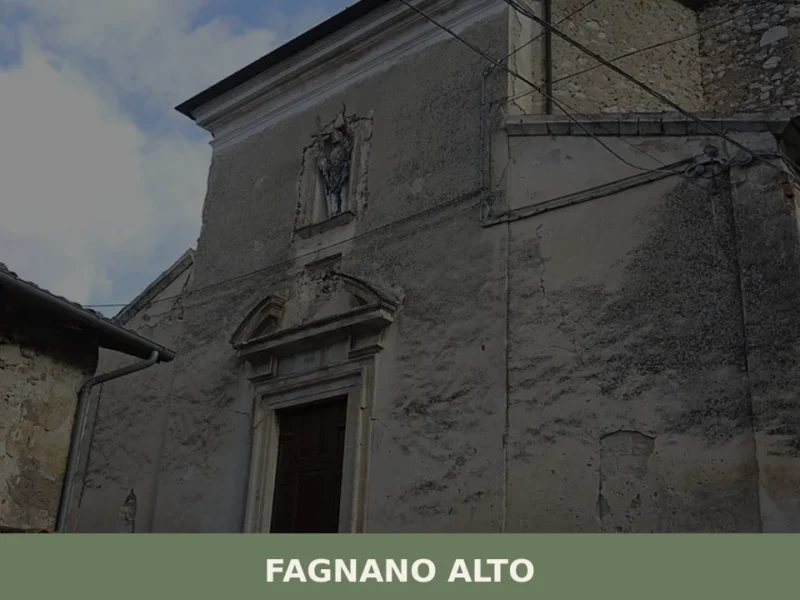
Fagnano Alto is not a single village but a scattered municipality: 363 inhabitants spread across twelve hamlets between 560 and 900 metres above sea level, on the eastern slope of the middle Aterno valley, in the province of L’Aquila. The administrative centre is Vallecupa, dedicated to San Donato, but each hamlet has its own patron […]
Ancarano
Hills
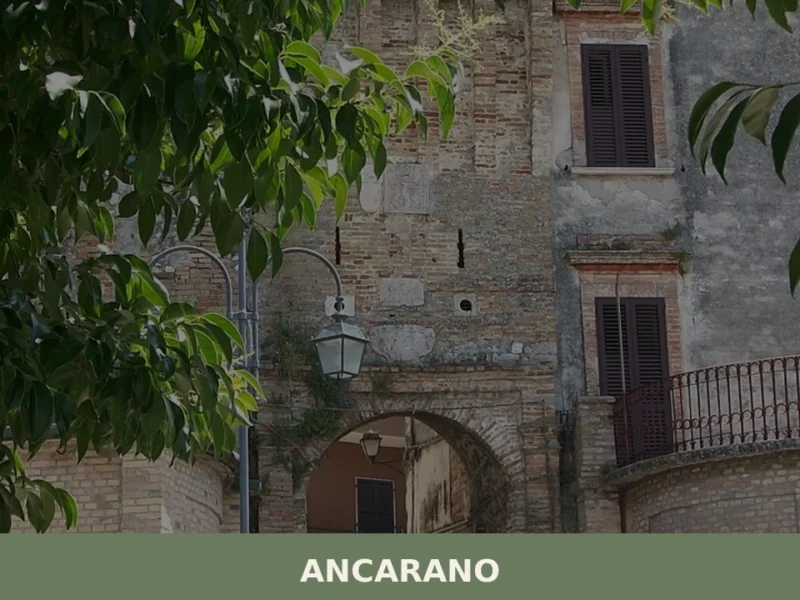
At 295 metres above sea level, where the province of Teramo brushes against the border with the Marche, Ancarano occupies a strip of hilly territory that slopes down towards the Val Vibrata, with a population of 1,824 inhabitants spread between the historic centre and the surrounding hamlets. Anyone wondering what to see in Ancarano will […]




🏡 Know Casacanditella better than we do?
If you’re a local or have been there, your knowledge matters: add what’s missing or fix a detail on this page.