


Castel Frentano
 Hills
Hills
What to see in Castel Frentano, Italy: 5 top attractions, bocconotto dessert, 14th-century walls & WWII history. Discover this Chieti province village in Abruzzo.
Discover Castel Frentano
The 14th-century defensive walls of Castel Frentano still trace their original perimeter across the hillside terrain of the Chieti province, their stone courses intact enough to mark where the medieval settlement ended and the surrounding countryside began. On 2 December 1943, soldiers of the 2nd New Zealand Division entered those same streets and liberated the town from German occupation — a fact that gives the place a specific coordinate in the wider history of the Italian Campaign.
Two palazzi, or historic manor houses, face each other across a compact historic centre, and the Church of St.
Stephen carries three distinct architectural phases inside a single structure.
Deciding what to see in Castel Frentano is a matter of working through a concentrated set of monuments within a short walking distance of each other. The village sits in the province of Chieti, in the Italian region of Abruzzo, roughly 20 km (12.4 mi) from the Adriatic coast. Visitors to Castel Frentano find a cluster of religious buildings spanning several centuries, two historic civic palaces, and a surviving ring of medieval fortifications.
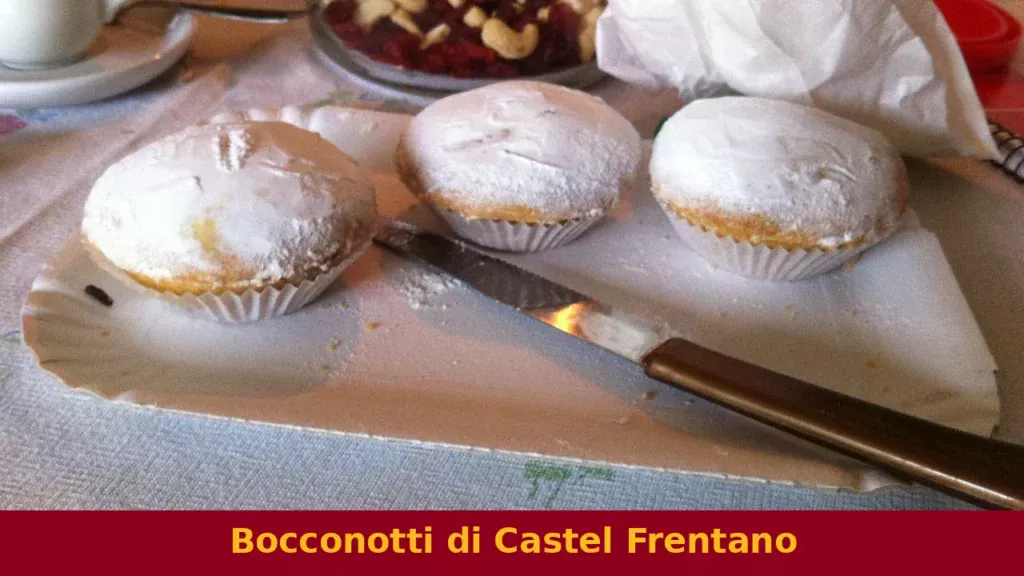
The local dessert tradition — centred on the bocconotto, a filled pastry — adds a documented culinary dimension to any visit.
History of Castel Frentano
The name Castel Frentano refers directly to the ancient Italic people known as the Frentani, who inhabited this stretch of central Adriatic Italy before Roman consolidation of the peninsula. The term castel points to a fortified settlement, consistent with the defensive walls that remain visible today. The municipality belongs to the province of Chieti, in a zone that has been continuously inhabited since pre-Roman times, with the medieval period leaving the most durable physical evidence in the street layout and surviving stonework of the historic centre.
The construction of the defensive walls dates to the 14th century, placing the village’s formal fortification within the broader pattern of medieval town-building across inland Abruzzo.
During the same period, the Church of St. Stephen was first built — sources document its origins in the late 13th and early 14th century, making it roughly contemporary with the walls.
These two structures define the medieval phase of the settlement. The village of Montefino, further north in the Chieti-Teramo border zone, underwent a comparable phase of medieval fortification, reflecting how settlements across this part of Abruzzo organised themselves around defensible hilltop positions during the same centuries.
The most precisely dated event in Castel Frentano’s recorded history is its liberation during the Second World War. On 2 December 1943, the 2nd New Zealand Division — part of the Allied advance up the Italian peninsula — entered and liberated the town. This placed Castel Frentano squarely within the Winter Line campaign, a period when the front moved slowly northward through Abruzzo’s interior. The event is documented and represents a direct connection between this small municipality and the international military history of the Italian Campaign.
The 18th-century reconstruction of the Church of St. Stephen in neo-Classicist style also belongs to this broader post-medieval period, when many Abruzzese churches were extensively remodelled.
What to see in Castel Frentano, Abruzzo: top attractions
Church of St.
Stephen
The Church of St. Stephen presents two distinct architectural identities within one building. Its origins date to the late 13th and early 14th century, which places the first construction phase during the period of Angevin rule over this part of southern Italy. The 18th-century reconstruction in neo-Classicist style overlaid much of the earlier fabric with a more formal, symmetrical exterior — a common pattern in Abruzzo, where earthquake damage and changing liturgical tastes prompted systematic rebuilding. Standing in front of the façade, the visitor reads the tension between a medieval foundation and an 18th-century reconfiguration.
It is worth looking at the proportions of the nave interior, where the neo-Classicist interventions are most consistently applied.
Church of Santa Maria della Selva
The Church of Santa Maria della Selva takes its name from selva, the Italian word for woodland or forest, suggesting the church once stood at the edge of cultivated land. This naming convention — a Marian dedication tied to a natural feature — appears across rural Abruzzo and reflects the devotional geography of medieval communities who marked boundaries and clearings with small religious buildings. The structure represents the village’s Marian cult and adds a second religious monument to what to see in Castel Frentano beyond the main parish church. Visitors approaching the building should note its position relative to the historic centre, which may itself indicate the extent of earlier settlement patterns.
Church of San Rocco
The Church of San Rocco is dedicated to the French-born pilgrim saint who became the patron of plague sufferers across Catholic Europe after the 14th-century epidemics.
Dedications to San Rocco are extremely common in Abruzzo’s smaller municipalities, where communities established these churches as acts of collective protection during periods of epidemic disease.
The building forms part of the trio of historic churches that define the religious landscape of the village. For those examining what to see in Castel Frentano through the lens of its ecclesiastical heritage, San Rocco completes a circuit that spans Marian devotion, the village’s main parish, and epidemic-era protective cults — three distinct threads of local religious practice visible within a short walking distance.
Palazzo Vergilj and Palazzo Crognale
Two historic civic palaces anchor the non-ecclesiastical architecture of Castel Frentano’s historic centre. Palazzo Vergilj and Palazzo Crognale represent the domestic architecture of local landowning families, the type of buildings that formed the administrative and social infrastructure of smaller Abruzzese towns. The presence of two documented palaces in a single small municipality indicates that Castel Frentano supported at least two distinct families of local significance, each commissioning a residence substantial enough to carry an architectural identity across centuries.
The exterior elevations and any surviving portal details are the primary elements to examine.
Similar manor-house architecture appears in Castelvecchio Subequo, another Abruzzese village where the civic palace tradition documents the region’s medieval and early modern social organisation.
14th-Century Defensive Walls
The defensive walls of Castel Frentano date to the 14th century and remain one of the most structurally significant elements of the historic centre. A circuit of medieval walls in a village of this scale required coordinated investment — stone quarrying, skilled labour, and civic organisation — indicating that the settlement held enough strategic or economic value to justify the expense.
Walking along the surviving sections gives a clear sense of the original perimeter, and the relationship between the wall line and the current street layout reveals how the medieval fortification shaped the growth of the town long after the defensive function became obsolete.
The best-preserved stretches repay close attention to the coursing and bonding of the stonework, which is consistent with 14th-century construction practice in inland Abruzzo.
Local food and typical products of Castel Frentano
The food culture of the Chieti province draws on both the Adriatic coast and the Apennine interior, producing a culinary range that moves between fresh fish preparations and mountain ingredients such as legumes, cured meats, and sheep’s milk cheeses. Castel Frentano sits at the inland margin of this province, in a zone where pastoral and agricultural traditions have historically dominated the table.
The village is documented as the home of the bocconotto, a pastry that belongs specifically to the confectionery tradition of southern Abruzzo and differs in form and filling from similar pastries found in Puglia under the same name.
The bocconotto of Castel Frentano is a small, enclosed shortcrust pastry — pasta frolla in Italian — filled with a mixture that typically includes almonds, dark chocolate, and cinnamon.
The pastry is baked in individual round moulds and dusted with icing sugar after cooling. The combination of ground almonds and bitter chocolate enclosed in a buttery shell reflects the broader pattern of Abruzzese festival confectionery, where nut-and-spice fillings appear across multiple preparations. The bocconotto is associated with local bakeries and home production rather than industrial manufacture, and the filling proportions and precise technique vary between households.
Tasting it directly from a local pasticceria, or pastry shop, is the most direct way to understand the preparation.
Beyond the bocconotto, the broader food offer of the Chieti province includes arrosticini — small skewers of mutton cooked over a long, narrow charcoal grill called a furnacella — and pasta preparations such as sagne ‘ncannulate, a wide ribbon pasta common across the Frentani zone.
The nearby village of Tornareccio, south of Castel Frentano in the same province, is documented as a centre of honey production and confectionery, reflecting how closely the food traditions of individual villages within the Chieti hinterland are tied to specific agricultural specialisations.
The period from late autumn through early winter — roughly October to January — is when bocconotto production peaks in local households and bakeries, as the pastry is traditionally associated with Christmas and festive occasions.
Visitors arriving in December will find the pastry most readily available in the village and surrounding area. Carrying cash is advisable when buying from small local producers, as card payment facilities are not always available in the smallest shops and market stalls.
Festivals, events and traditions of Castel Frentano
The religious calendar of Castel Frentano follows the pattern common to Abruzzese municipalities, with the feast of the patron saint representing the principal annual event. The Church of St. Stephen gives the village its main liturgical reference point: the feast of Saint Stephen falls on 26 December, placing the patronal celebration within the Christmas period.
In Italian communities dedicated to Santo Stefano, the feast day typically involves a solemn mass, a procession through the principal streets of the historic centre, and in many cases outdoor gatherings where traditional food and music accompany the religious observance.
The bocconotto tradition intersects directly with this festive period, as the pastry is prepared in the weeks surrounding Christmas and distributed within families and as gifts.
The Church of San Rocco also anchors a separate moment in the village calendar: the feast of San Rocco, observed on 16 August, has historically been marked across Abruzzo with outdoor celebrations following the summer harvest period. Both feast days connect the village’s ecclesiastical monuments to living observance, giving the buildings a function that extends beyond their architectural interest.
When to visit Castel Frentano, Italy and how to get there
The best time to visit Castel Frentano and the surrounding Chieti province is between April and June, when temperatures across inland Abruzzo are moderate — typically between 15°C and 25°C (59°F and 77°F) — and the landscape is fully green after winter rainfall.
September and October offer a second favourable window, with cooler air, reduced visitor pressure compared to coastal resorts, and the beginning of the autumn food season. July and August bring higher temperatures and concentrated holiday traffic toward the Adriatic coast, making the inland villages quieter but the heat more noticeable. December is worth considering specifically for the bocconotto tradition and the patronal feast of Saint Stephen on 26 December.
Castel Frentano is accessible by car from the A14 motorway — the Adriatic motorway running along the eastern edge of Abruzzo — with the exit at Lanciano being the closest practical junction, approximately 10 km (6.2 mi) from the village centre.
From Rome, the drive takes approximately 2.5 to 3 hours via the A25 and connecting roads, making a day trip feasible for visitors based in the capital.
The nearest airport with scheduled international connections is Pescara Airport (Abruzzo Airport), located approximately 40 km (24.8 mi) from Castel Frentano; transfer by rental car takes around 40 minutes. Train connections run to Lanciano via the Trenitalia network, from where local buses or taxis complete the journey to the village. International visitors should be aware that English is spoken inconsistently in smaller shops and local businesses; carrying a supply of euro cash is a practical precaution for purchases at bakeries, small markets, and rural producers.
For those planning a broader itinerary across Abruzzo, the national park village of Pescasseroli lies approximately 100 km (62.1 mi) to the southwest and can be combined with a visit to Castel Frentano across two days, covering both the Adriatic hill country and the Apennine interior of the region.
Frequently asked questions about Castel Frentano
What is the best time to visit Castel Frentano?
Spring (April–June) and early autumn (September–October) offer mild temperatures and pleasant conditions for exploring the historic centre on foot. December is ideal for food lovers, as local bakeries and households produce the bocconotto pastry at its peak for the Christmas season. The patron saint festival of Santo Stefano Protomartire falls on 3 August, making late summer another worthwhile time to visit if you want to experience local traditions and celebrations firsthand.
What are the historical origins of Castel Frentano?
The village takes its name from the Frentani, an ancient Italic people who inhabited this stretch of central Adriatic Italy before Roman consolidation. The term 'castel' reflects its origins as a fortified hilltop settlement, with the most durable medieval evidence being the 14th-century defensive walls and the Church of St. Stephen, founded in the late 13th to early 14th century. A key modern milestone is 2 December 1943, when soldiers of the 2nd New Zealand Division liberated the town from German occupation during the Italian Campaign.
What to see in Castel Frentano? Main monuments and landmarks
The compact historic centre can be covered on foot and contains several documented sites: the Church of St. Stephen, with medieval origins and an 18th-century neo-Classicist reconstruction; the Church of Santa Maria della Selva; the Church of San Rocco; two historic civic palaces, Palazzo Vergilj and Palazzo Crognale; and the 14th-century defensive walls, whose surviving stretches still trace the original medieval perimeter. No admission fees are documented for the churches or walls; standard Italian church visiting hours apply.
Where to take the best photos in Castel Frentano?
The surviving sections of the 14th-century defensive walls offer the most visually distinctive shots, with stone coursework intact against the hillside landscape. The façade of the Church of St. Stephen, which shows the layering of medieval and 18th-century neo-Classicist phases, is another strong subject. The village sits at 399 metres in the Chieti province, roughly 20 km from the Adriatic coast, so elevated points within the historic centre provide open views toward the surrounding Abruzzese countryside.
Are there museums, churches or historic buildings to visit in Castel Frentano?
Three historic churches are documented within the village: the Church of St. Stephen (late 13th–14th century origins, 18th-century neo-Classicist interior), the Church of Santa Maria della Selva, and the Church of San Rocco, dedicated to the plague-protective saint venerated across rural Abruzzo. Two civic palaces — Palazzo Vergilj and Palazzo Crognale — represent the domestic architecture of the local landowning families. The 14th-century defensive walls are the most structurally significant monument and can be walked along their surviving perimeter.
What can you do in Castel Frentano? Activities and experiences
Visitors can walk the circuit of the 14th-century medieval walls, explore three historic churches and two civic palaces within a short distance of each other, and taste the bocconotto — the village's documented filled pastry — directly from a local pasticceria. The broader Chieti province offers arrosticini (mutton skewers) at trattorias in the area. The patron saint festival on 3 August provides a direct encounter with local religious and community traditions.
Who is Castel Frentano suitable for? Families, couples, hikers, solo travelers?
Castel Frentano suits travellers with an interest in medieval history, WWII Italian Campaign itineraries, and Abruzzese religious architecture. The compact, walkable historic centre makes it accessible for couples and cultural travellers seeking a quiet inland village without large crowds. Food enthusiasts will find a specific draw in the bocconotto pastry tradition. Families with older children interested in history will appreciate the WWII liberation story and the well-preserved defensive walls. It is less suited to visitors seeking nightlife, beaches, or organised outdoor sports infrastructure.
What to eat in Castel Frentano? Local products and specialties
Castel Frentano is documented as home to the bocconotto, a small enclosed shortcrust pastry (pasta frolla) filled with ground almonds, dark chocolate, and cinnamon, dusted with icing sugar and baked in individual round moulds. Production peaks between October and January, tied to Christmas traditions. The broader Chieti province table includes arrosticini (mutton skewers cooked on a furnacella grill) and sagne 'ncannulate, a wide ribbon pasta traditional to the Frentani zone. Nearby Tornareccio is a documented centre for honey and confectionery.
📷 Photo Gallery — Castel Frentano
Getting there
Via Eduardo Scarfoglio, 66032 Castel Frentano (CH)
Nearby Villages near Castel Frentano
In Abruzzo More villages to discover
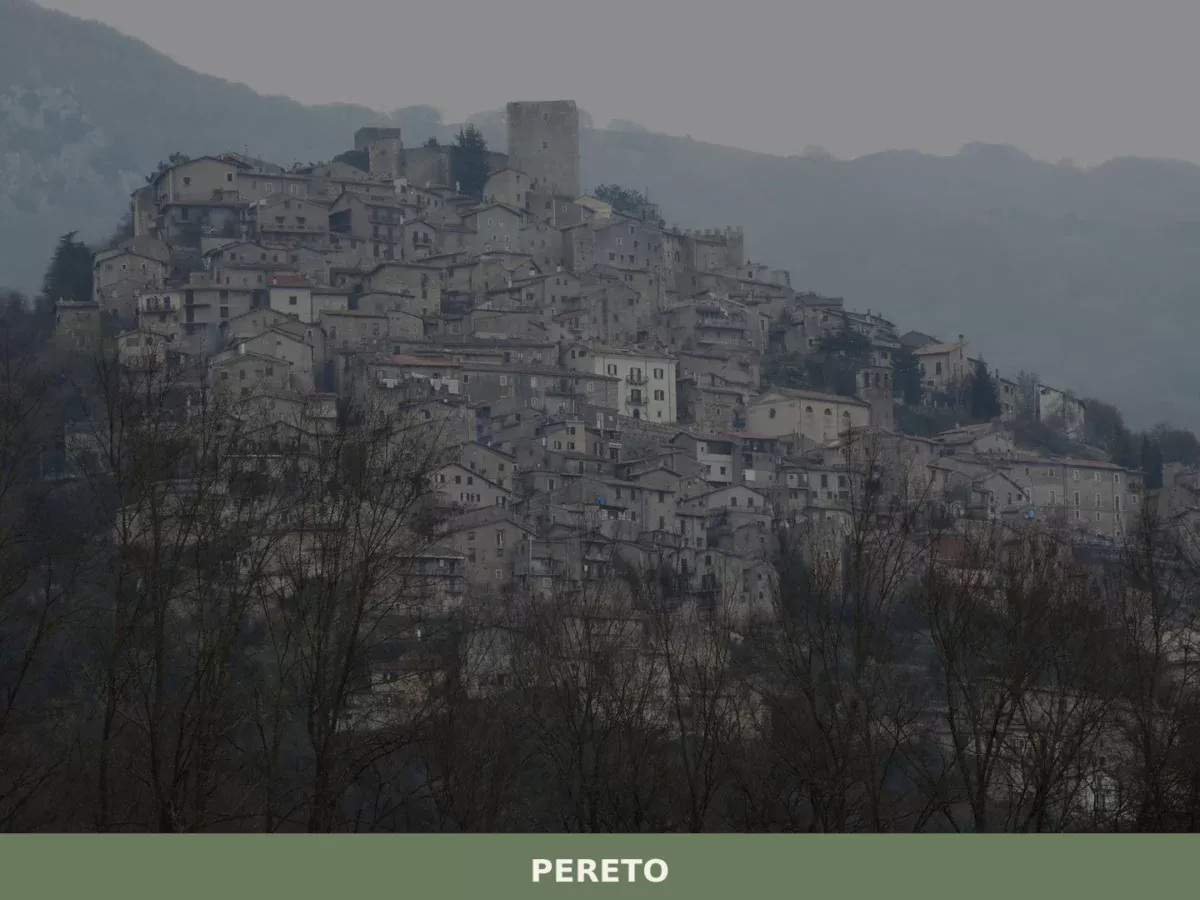
Pereto
 Mountain
Discover Pereto's 5 must-see attractions in Abruzzo. From Rocca Orsini to historic churches, read our guide and plan your trip!

Casoli
Hills
What to see in Casoli, Abruzzo, Italy: explore Castello Masciantonio, Lake Casoli 4 mi away, and a medieval town listed among Italy's most beautiful villages. Discover it now.
Castel del Monte
Mountain
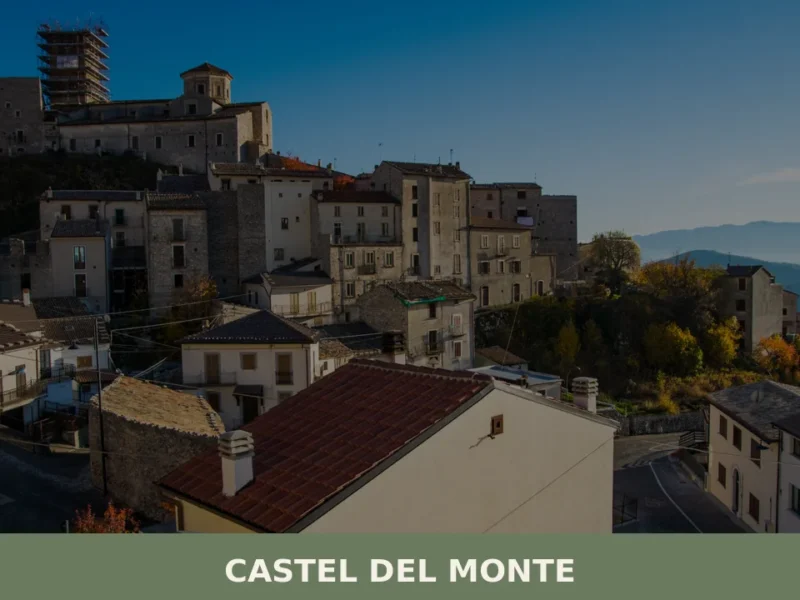
what to see in Castel del Monte? Discover this Abruzzo village at 1346m altitude. Explore historic churches, medieval walls, and taste traditional canestrato cheese in Italy.

Castiglione Messer Raimondo
Hills
What to see in Castiglione Messer Raimondo, Italy: explore 5 top attractions near Gran Sasso, medieval history and local food. Discover Abruzzo's Teramo province.
Fara San Martino
Hills
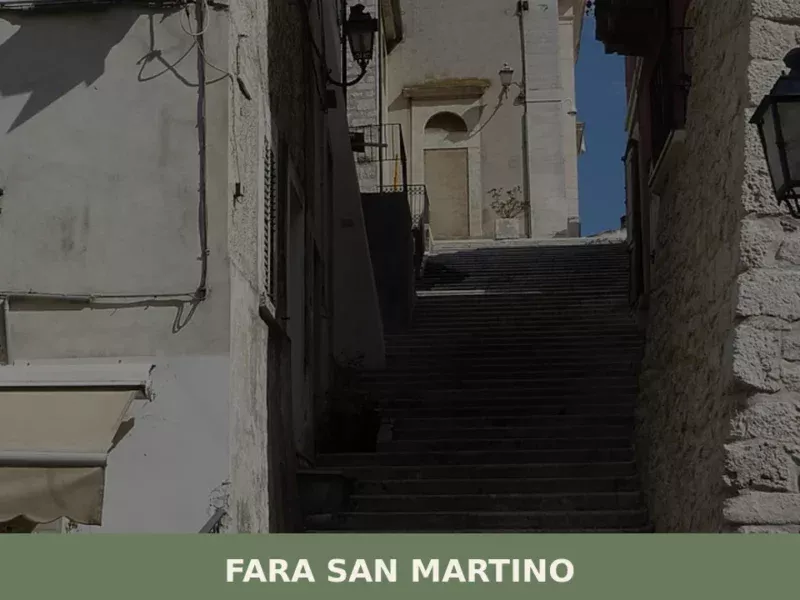
what to see in fara san martino, Italy. Explore its 440m altitude, the Abbey of San Martino in Valle, and its renowned pasta heritage. Discover Abruzzo now!
Avezzano
 Lake
Mountain
Lake
Mountain
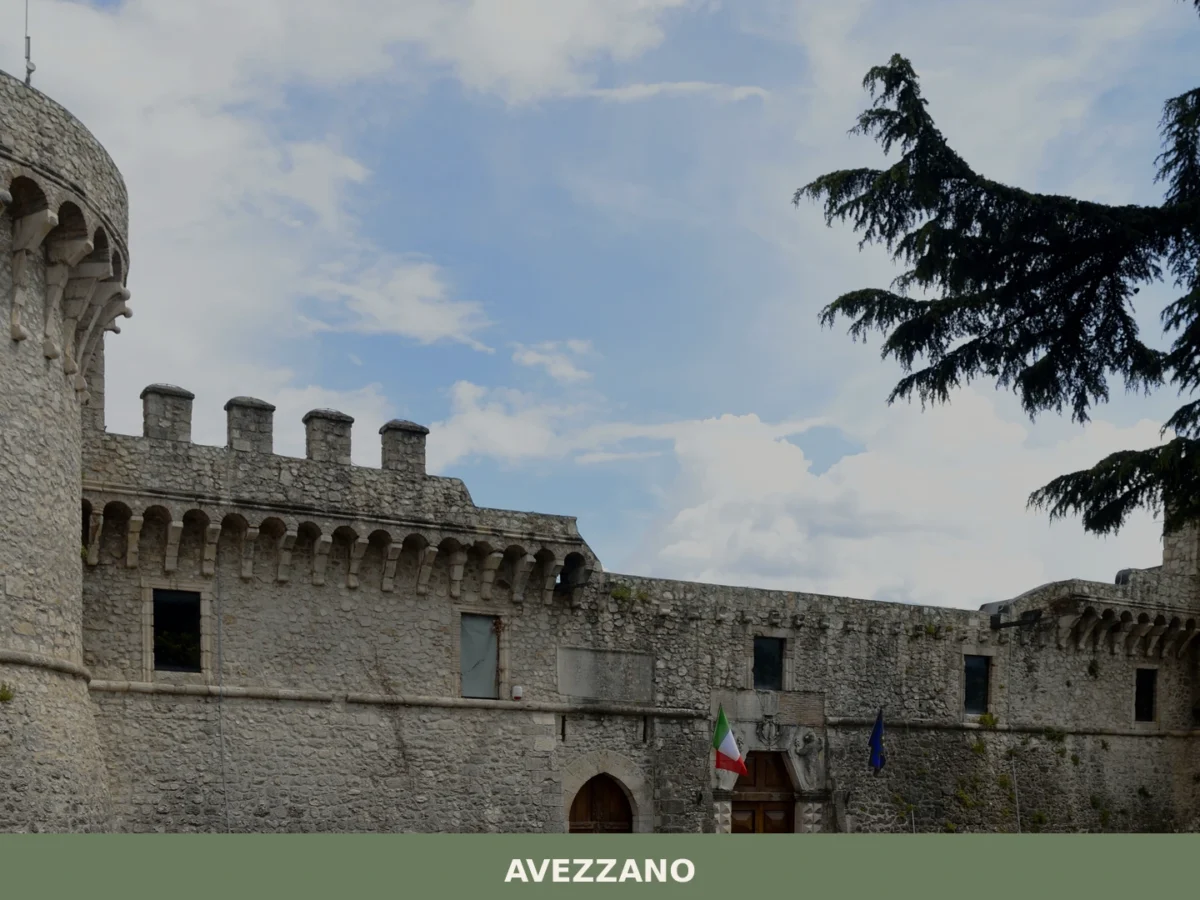
What to see in Avezzano, Italy: explore the Orsini-Colonna Castle, Roman villa, and Fucino PGI potato. 100 km from Rome. Discover Abruzzo's Marsica hub.
Civitella del Tronto
Hills
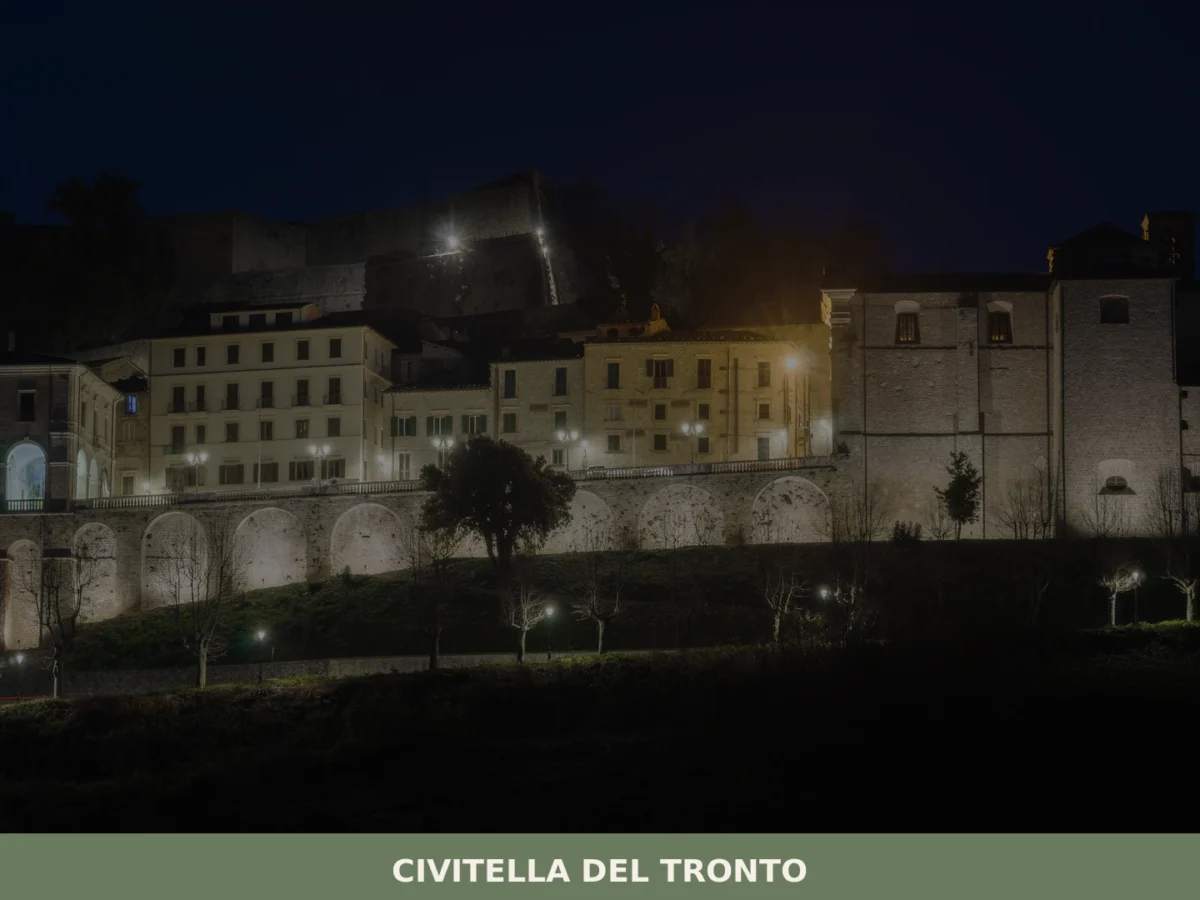
what to see in civitella del tronto, Italy: Discover the historic Fortress and the 1326 San Francesco church in this Abruzzo village at 589 meters altitude. Explore now.
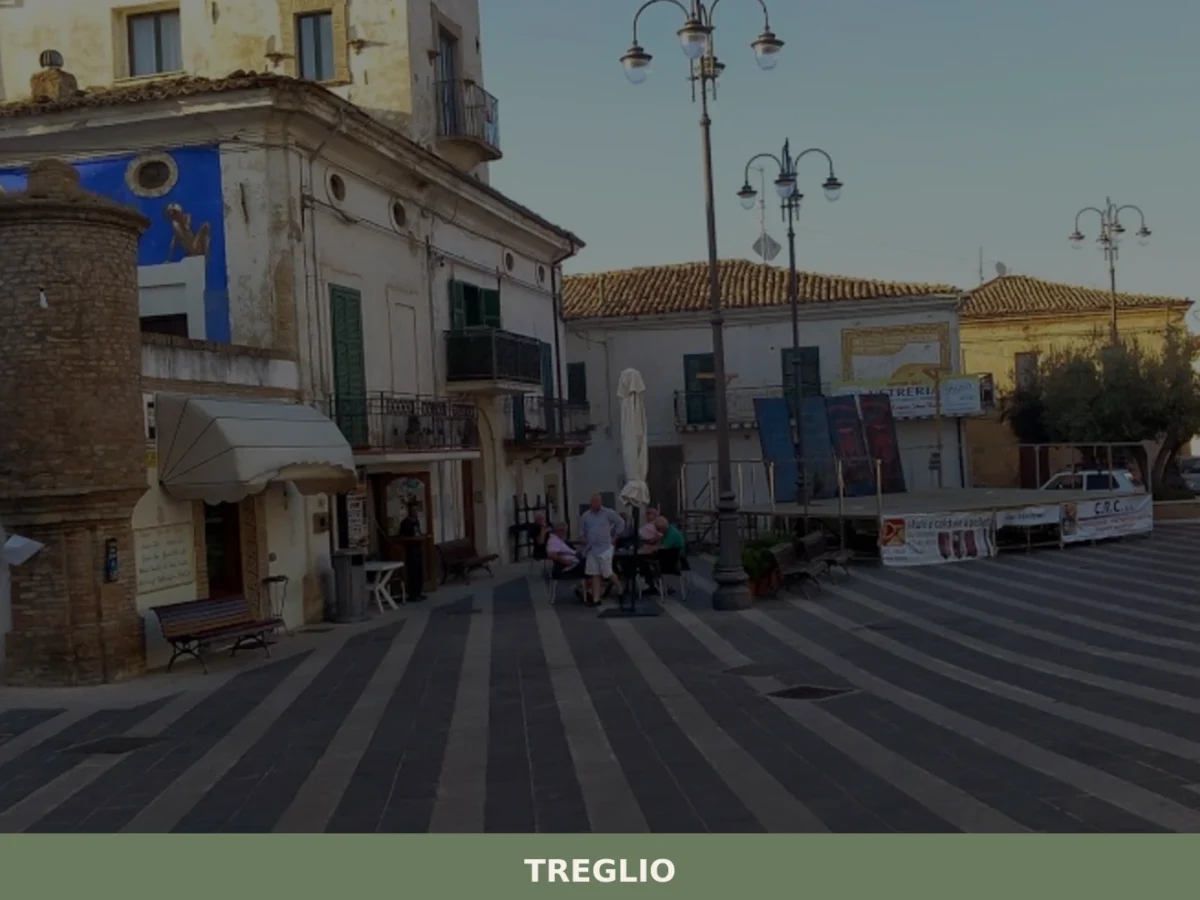
Treglio
 Plains
What to see in Treglio? Explore the 5 main attractions of this village in Abruzzo. Discover the complete guide for your visit!
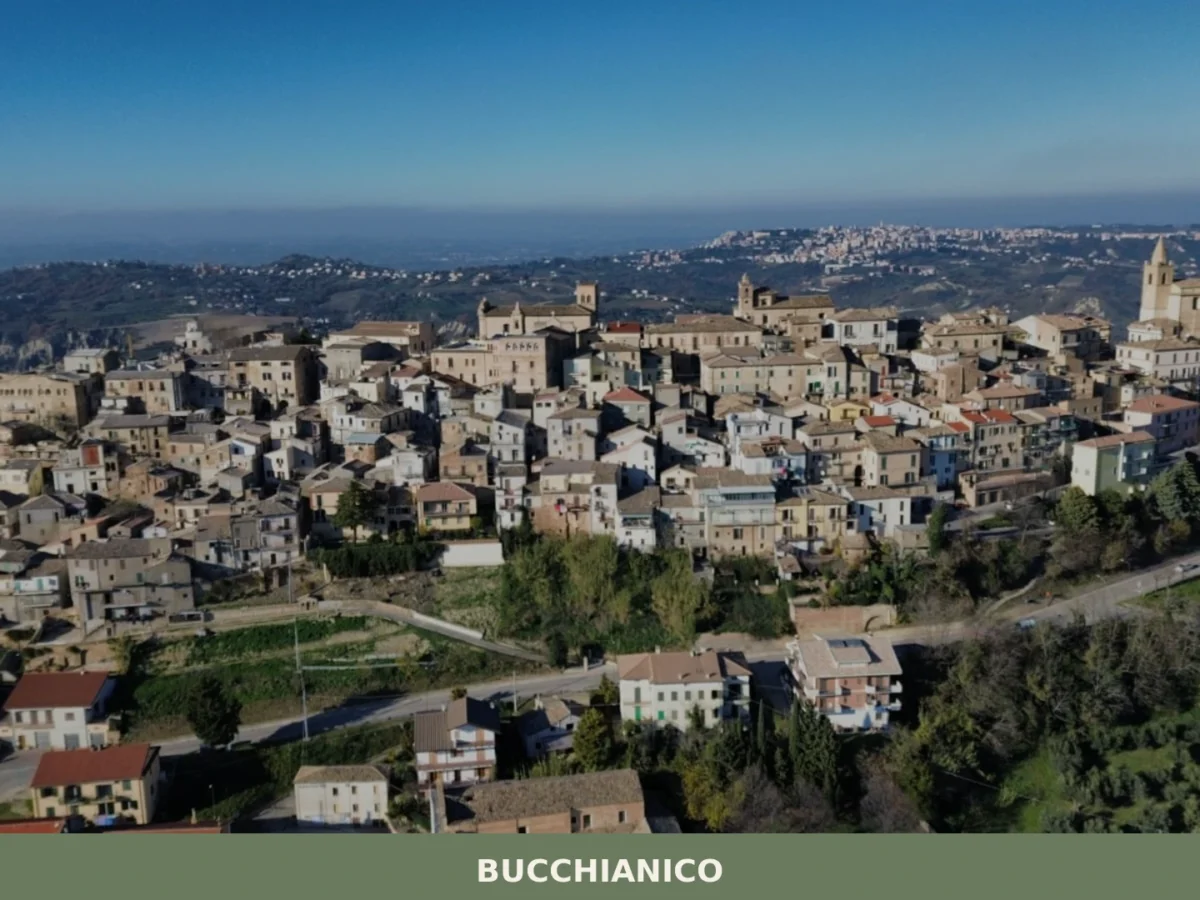
Bucchianico
Hills
What to see in Bucchianico, Abruzzo, Italy: explore 5 top attractions, local olive groves, the legacy of Saint Camillus de Lellis. Discover the best of this Chieti hill town.
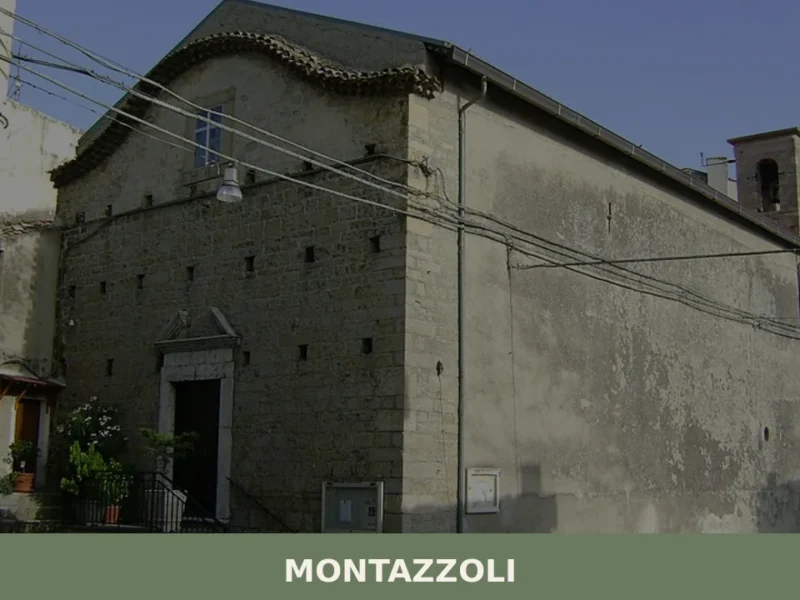
Montazzoli
Mountain
From the heights of the Chieti area, at 850 meters above sea level, the panorama of Montazzoli unfolds, an Abruzzese village with 836 inhabitants in the province of Chieti. Its stone houses cluster around an ancient fortress, bearing witness to centuries of history and mountain life. In this article History and origins of Montazzoli What […]





🏡 Know Castel Frentano better than we do?
If you’re a local or have been there, your knowledge matters: add what’s missing or fix a detail on this page.