


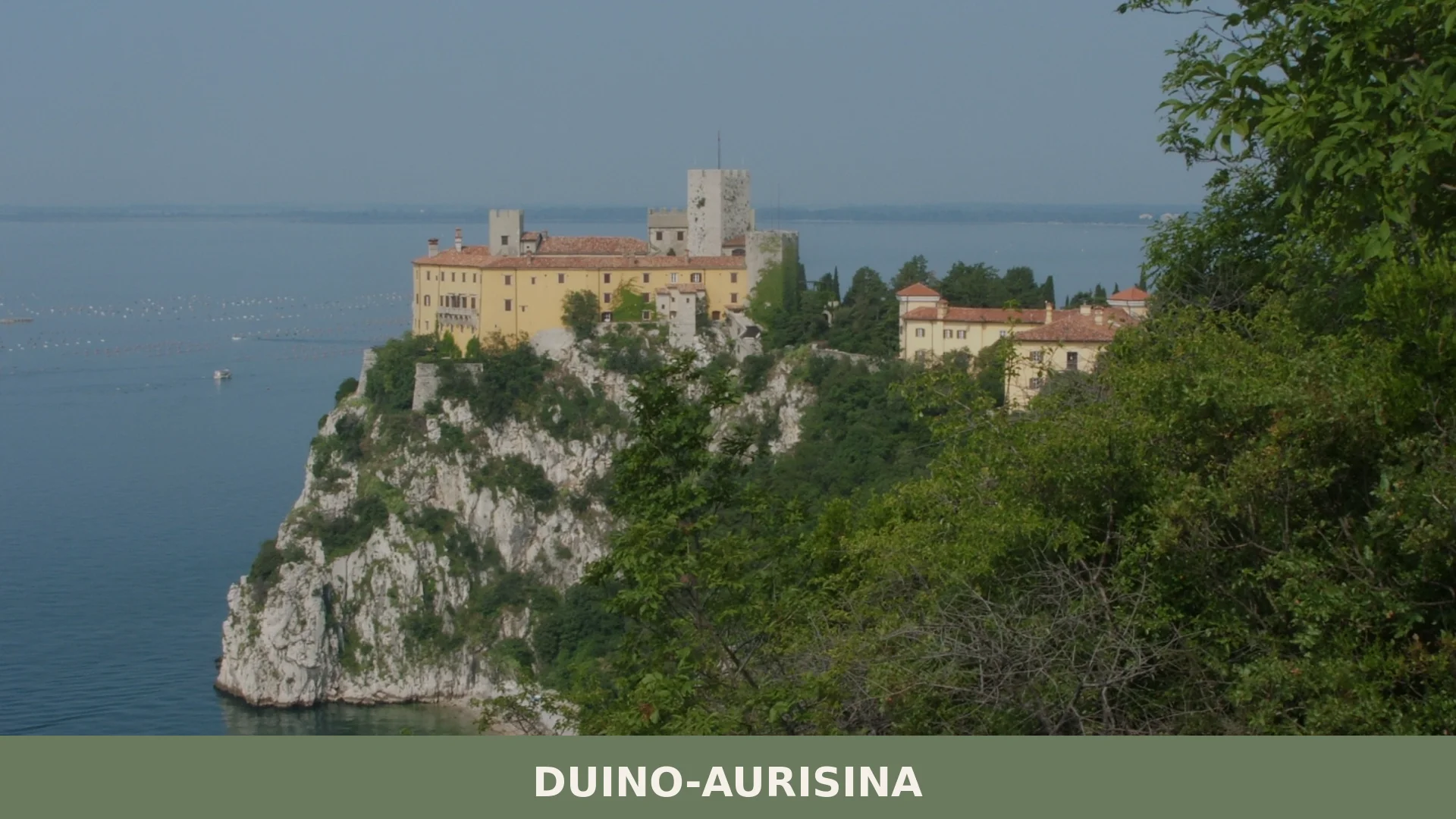

Duino-Aurisina is a coastal municipality of about 8,200 inhabitants in the province of Trieste, where the Karst plateau meets the northern Adriatic and half a million years of human history unfolds ac
Discover Duino-Aurisina
Duino-Aurisina is a coastal municipality of about 8217 inhabitants in the province of Trieste, Friuli-Venezia Giulia, occupying roughly 45.17 square kilometres of the Karst plateau where it meets the northern Adriatic. The municipal seat stands at 144 metres above sea level in the Aurisina locality known as Cave, while the territory extends from the rocky shoreline — facing the Gulf of Panzano, the northernmost inlet of the Adriatic — up to the 343-metre summit of the Colle di Ternova. The area is classified by ISTAT among communes with both a maritime and a cultural, historical, artistic and landscape vocation.
The Duino-Aurisina village in Friuli-Venezia Giulia encompasses a remarkable concentration of history across a relatively compact territory: fossil remains of Homo heidelbergensis recovered at the Riparo di Visogliano place human presence here between 500,000 and 350,000 years ago, while the landscape above ground holds a medieval castle on a sea cliff, Roman quarries whose stone built Aquileia and Ravenna, a Mithraic cave sanctuary, and a coastline protected by a regional nature reserve. Trieste lies approximately 20 km to the south — roughly 20 to 25 minutes by road — and Gorizia approximately 35 km to the north-east, about 35 to 40 minutes away, making Duino-Aurisina a natural crossroads between the Trieste urban area, the Carso interior, and the broader Friulian and Isontine territories.
Duino-Aurisina village in Friuli-Venezia Giulia: history and identity
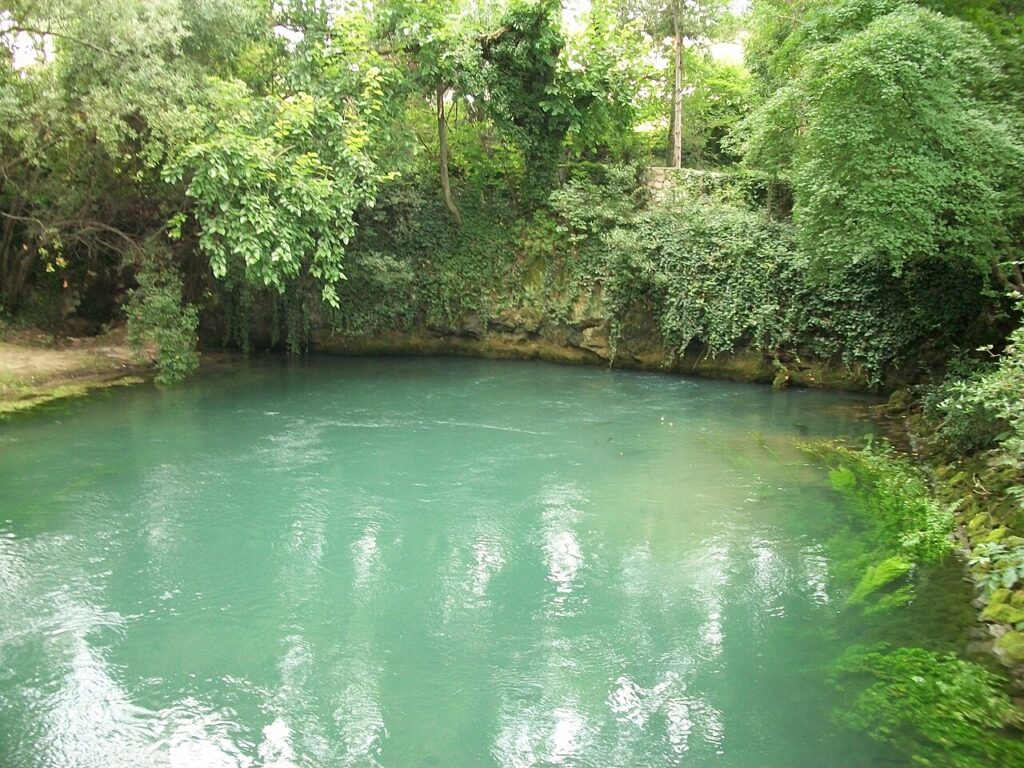
Duino-Aurisina has a documented human presence stretching back between 500,000 and 350,000 years ago, attested by fossil remains of Homo heidelbergensis recovered at the Riparo di Visogliano, while later prehistoric layers and the Caverna Pocala confirm continuous occupation through subsequent millennia. Before the Romans arrived, the territory was home to successive pre-Roman peoples — Euganei, Veneti and Histri — before the founding of the Latin colony of Aquileia brought the full weight of Roman administration and economy to the region. Roman activity left a particularly visible mark at Aurisina, where the quarry still known as the Cava Romana supplied the stone used to build Aquileia itself and the most important Roman monuments of Ravenna. The bocche of the river Timavo, which resurfaces near the coast in a series of springs, marked the ancient boundary between the territory of Aquileia and that of Tergeste.
The medieval history of the area is closely tied to the lordship of Duino, first documented around 1211 in records connected with the Pace del Timavo. The Duinati lords served at various times as vassals of the Patriarch of Aquileia, the Margrave of Istria and the counts of Gorizia, before declaring their loyalty to the Habsburgs in 1366. When the Duinati line died out in 1395, authority passed to the Walsee family, who commissioned the Church of San Giovanni in Tuba between the late fourteenth and the mid-fifteenth century; in 1587 the lordship transferred again, this time to the Milanese Della Torre di Valsassina. The territory entered the Austrian Littoral in 1849, and the opening of the Vienna–Trieste railway in 1857 transformed Aurisina into a key freight hub between Italy and central Europe, reviving the ancient quarrying trade and drawing workers from across the Carso and Friuli.
The twentieth century brought upheaval on several fronts. Heavy fighting along the Isonzo front during the First World War scarred the area around Monte Ermada, and at the war’s end the territory passed to the Kingdom of Italy, being incorporated into the province of Trieste in 1923. In 1928 five previously separate municipalities — Duino, Aurisina, Malchina, San Pelagio and Slivia — were merged to form the present comune. During the Second World War the area fell under the German-controlled Zona di Operazioni del Litorale Adriatico from September 1943 until spring 1945, after which both Yugoslav and New Zealand forces arrived; Yugoslav troops remained for little more than a month. The territory then formed part of Zone A of the Free Territory of Trieste from 1947 until 26 October 1954, when it was reunited with the Italian Republic. In the postwar decades, two new settlements — Borgo San Mauro near Sistiana and Villaggio del Pescatore near Duino — were built to house around 2,900 Istrian refugees, permanently altering the linguistic balance of a commune that, as late as the 1910 census, had been more than ninety percent Slovene-speaking.
Castles, Cliffs, Caves and Roman Stones: What to See in Duino-Aurisina
Duino-Aurisina offers visitors a castle on a sea cliff, several churches with medieval and ancient roots, two significant archaeological areas, a carsic cave with Roman-era cult remains, a coastal nature reserve, and one of the most celebrated cliff walks on the northern Adriatic.
Castello di Duino
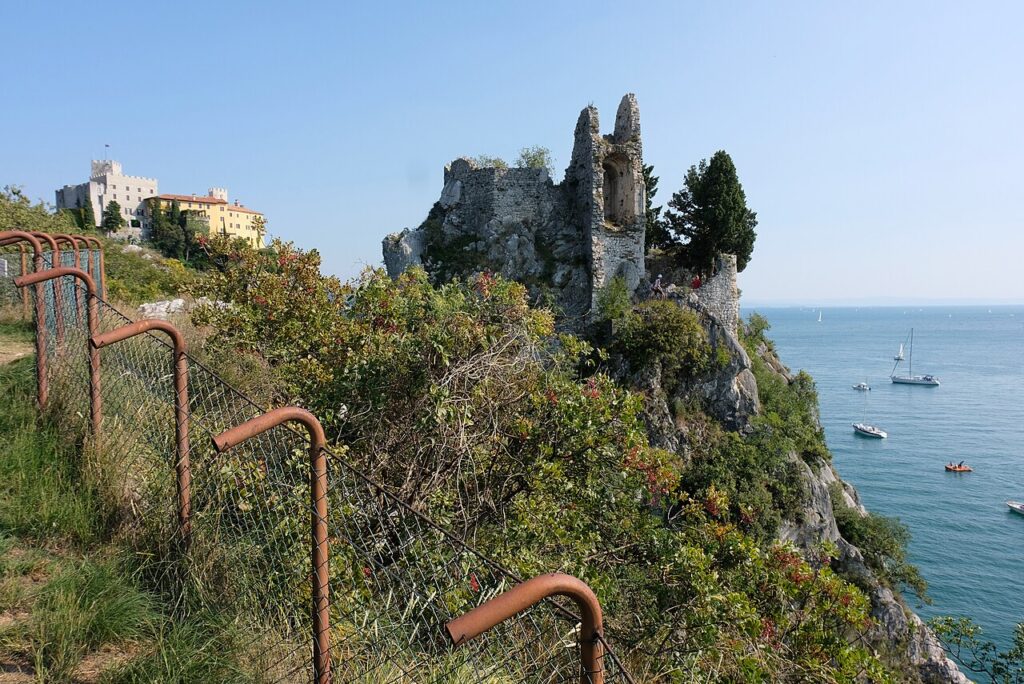
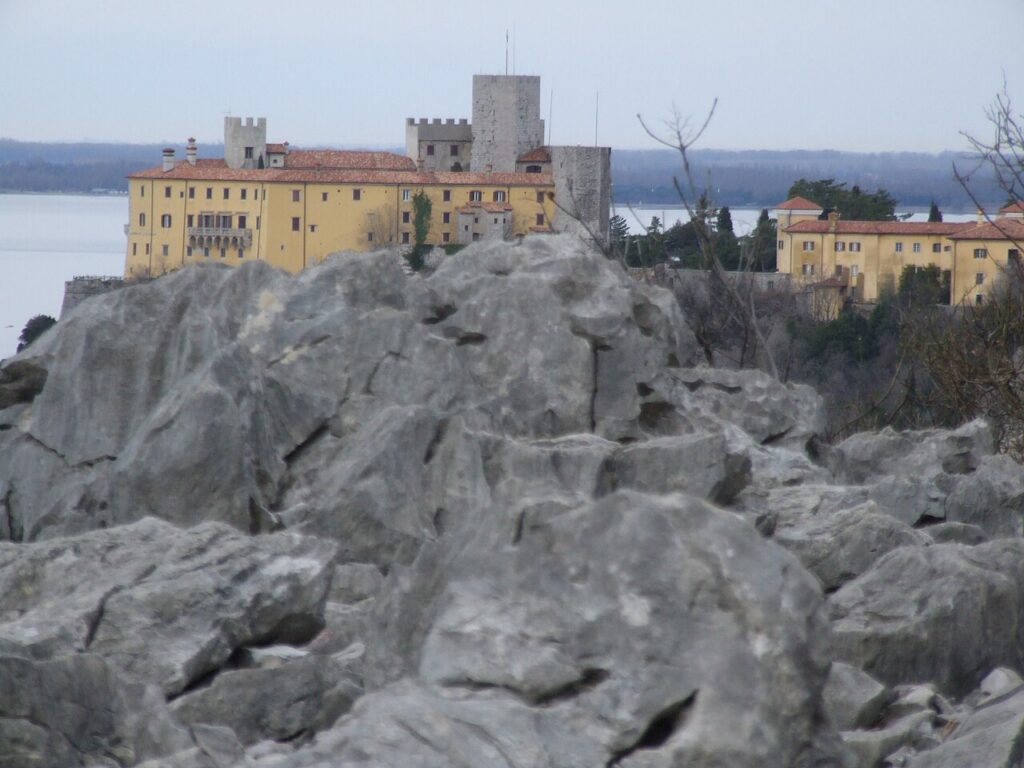
The castle stands on a rocky limestone spur dropping directly into the sea, with views across the Gulf of Trieste. It is the private residence of the Princes von Thurn und Taxis — the family name appears in Italian sources as Torre Tasso — and functions simultaneously as a museum open to the public. Unlike many historic residences converted into institutional museums, it retains the character of a lived-in home. Over the centuries the castle hosted a considerable number of distinguished guests, drawn in part by the cultural atmosphere cultivated by its owners. Alongside the current structure, known as the Castello Nuovo, the ruins of an older fortification — the Castello Vecchio — survive on the same promontory.
Chiesa di San Giovanni in Tuba
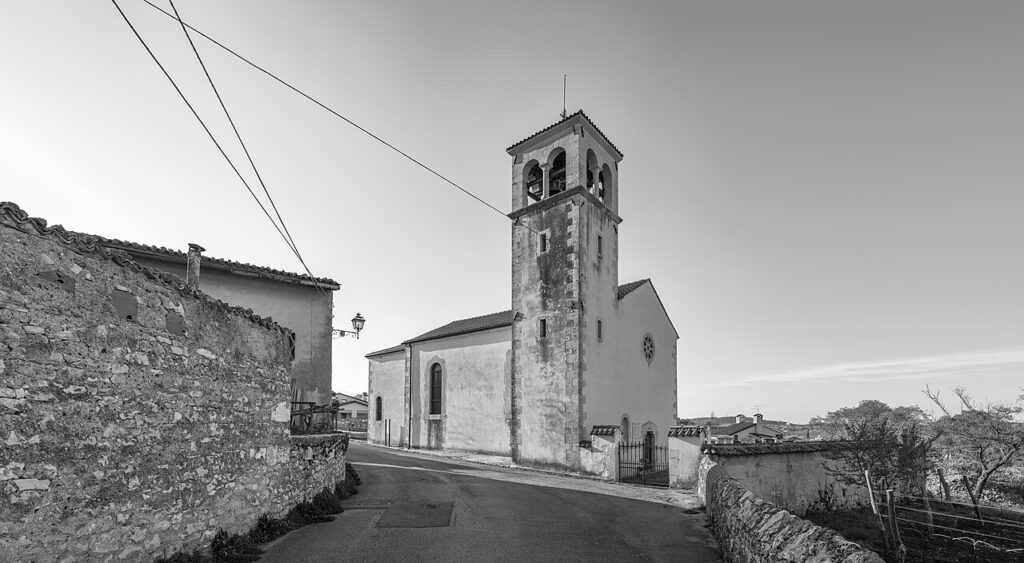
This church represents a notable example of Gothic construction. It was built at the wish of the counts of Walsee, lords of Duino, between the end of the fourteenth century and the third quarter of the fifteenth century. The building suffered serious damage during the two world wars and was reconstructed in the late 1940s. The plan is a single nave ending in a polygonal apse supported by robust sloping buttresses; five double trefoil-lunette windows open into the apse. The site itself carries additional historical depth: before the church was built, a pagan temple stood nearby, and epigraphic evidence of that earlier sacred use has been found and partially reused on the site. The location is close to the resurgences of the river Timavo.
Grotta del Mitreo
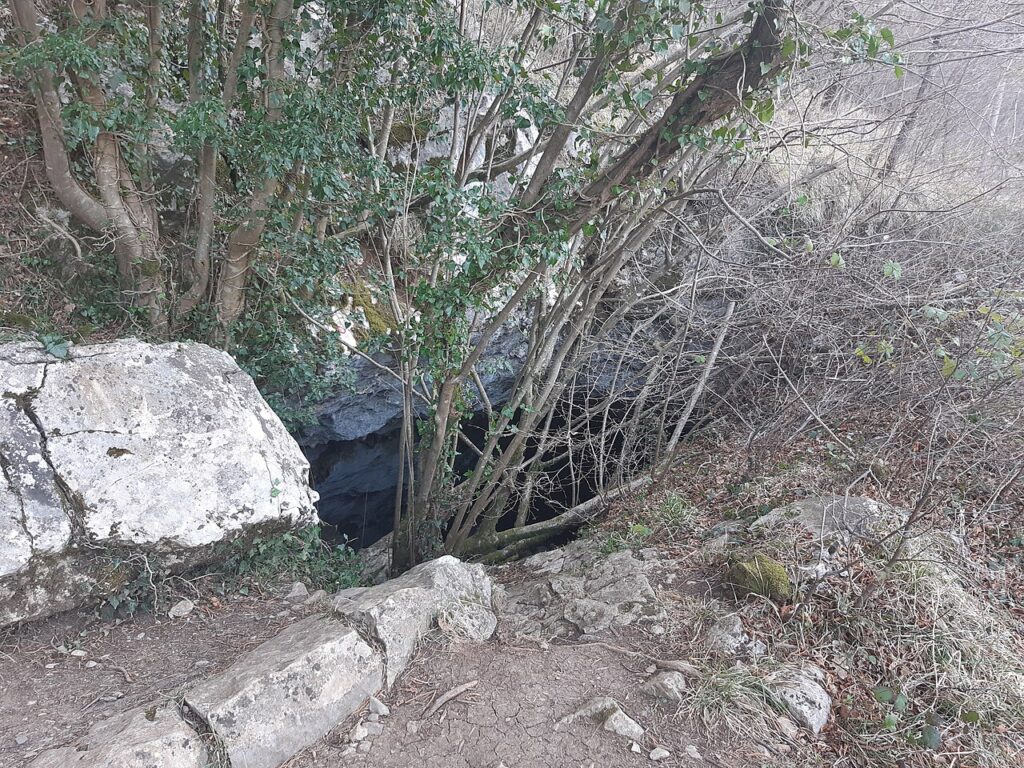
On the slopes of Monte Ermada, a carsic cave that was already frequented in the Neolithic period was later adapted, from roughly the second to the fifth century, as a place of worship for the god Mithras. Mithraism was a salvific religion of Iranian origin, centred on the figure of a young man sacrificing a bull in honour of the Sun god. Two limestone reliefs depicting this scene were found inside the cave, together with a large number of coins and oil lamps left as votive offerings by worshippers. The cave is open to visitors.
Villa Romana (Parco Randaccio)
Near the resurgences of the Timavo river, inside the Randaccio aqueduct park in the locality of San Giovanni di Duino, excavations carried out between 1988 and 1991 brought to light part of a large Roman maritime villa. The structure extends across a carsic hillside and is organised on three levels that follow the natural slope of the terrain. The investigated area covers approximately 1,300 square metres and includes around forty distinct spaces.
Other Churches
Several other churches are distributed across the municipality’s hamlets: the church of Santa Maria Maddalena, the church of San Giovanni Battista, the church of San Pelagio, and the church of San Giuseppe are all part of the local religious fabric, though detailed records on their individual histories are limited.
Riserva Naturale delle Falesie di Duino
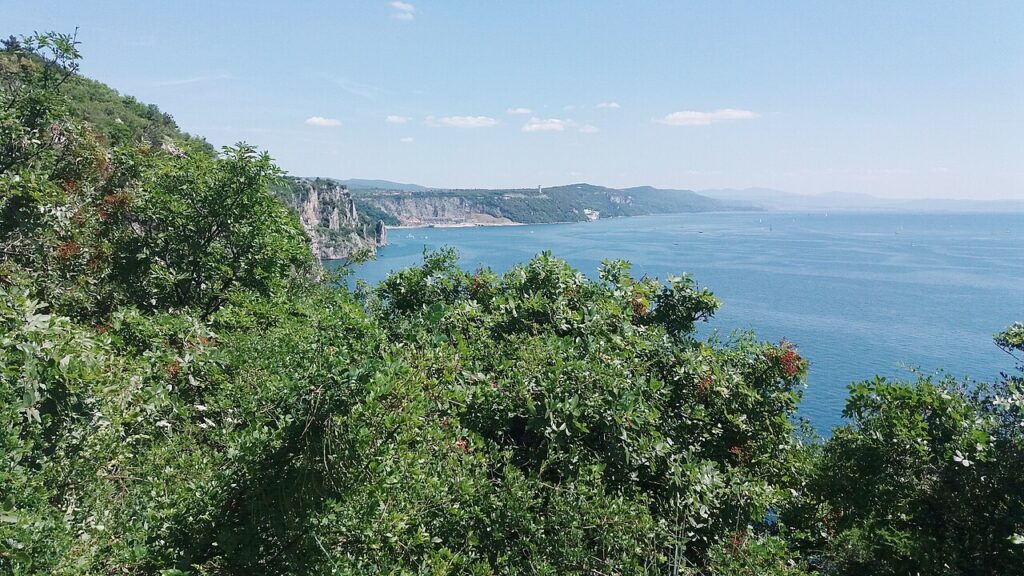
Established in 1996, this regional nature reserve runs along the coastal cliffs between Duino and Sistiana. The Sentiero Rilke, a well-known cliff path, follows the reserve and offers close contact with the limestone escarpment and the northern Adriatic coastline.
Flavours of Duino-Aurisina and the Carso Coast
The territory of Duino-Aurisina falls within the Carso DOC wine zone, and the area’s food and drink identity revolves above all around viticulture and a handful of certified products shared with the wider province and region. The Carso DOC covers the distinctive wines produced on these limestone uplands; alongside it, the broader Friuli-Venezia Giulia region contributes several other denominations including Collio Goriziano, Friuli Colli Orientali and Friuli Isonzo, all present in the surrounding territory.
Among certified food products, the area falls within the production zones of Montasio DOP, a cow’s milk cheese with a long tradition in north-eastern Italy, and Salamini italiani alla cacciatora DOP. Tergeste DOP, an olive oil designation centred on the Trieste area, is also relevant here: the commune even hosts a national olive-tasting walk each autumn, held as part of the Camminata tra gli olivi, which combines a visit to a local olive grove with an introduction to oil tasting.
Regional tradition also includes a range of fruit-based preparations — elderflower syrups, dandelion syrups, berry syrups, apple juice and distilled pear spirits — listed among Italy’s traditional agri-food products (PAT) for Friuli-Venezia Giulia, though these belong to the broader regional repertoire rather than being exclusive to this commune. Several agritourism and organic farming businesses in the area allow visitors to encounter these products directly at the source.
Getting to Duino-Aurisina and Planning Your Visit
Duino-Aurisina is easiest to reach by car from Trieste, approximately 20 km to the south, a drive of roughly 20–25 minutes along the coastal road; from Gorizia the distance is around 35 km, taking approximately 35–40 minutes. The commune also benefits from rail access, as Aurisina has been a significant station on the line connecting Trieste to central Europe since the railway was established in the mid-nineteenth century. The municipal seat is located in the Aurisina Cave district, at an altitude of 144 metres on the coastal hillside.
The territory divides naturally into two contrasting landscapes: the limestone Carso plateau, with its doline, caves and sparse surface water, and the Mediterranean coastal strip below, where the climate is milder. This duality makes the commune rewarding across several seasons. Spring and early autumn are particularly pleasant for walking and archaeological visits, avoiding summer heat while benefiting from clear conditions along the coast. The Riserva naturale delle Falesie di Duino, established in 1996, protects the clifftop stretch near the castle and is accessible on foot.
Visitors based in Duino-Aurisina can reach Doberdò del Lago, another destination in the Carso area, within a short drive. The Cammino della Vita, a waymarked route of around 20 km, offers a structured way to explore the commune on foot. Archaeological sites — the Grotta del Mitreo on Monte Ermada, the Villa Romana in Parco Randaccio and the Riparo di Visogliano — are spread across the territory and benefit from advance planning, as some require organised access.
| Departure | Distance | Time |
|---|---|---|
| Trieste | approx. 20 km | approx. 20-25 min |
| Gorizia | approx. 35 km | approx. 35-40 min |
| Trieste Aeroporto (Ronchi dei Legionari) | approx. 30 km | approx. 30 min |
These practical references help organise the journey clearly, while the village itself is best understood slowly and on foot once you arrive.
Frequently asked questions about Duino-Aurisina
How do I reach Duino-Aurisina from Trieste?
Duino-Aurisina is located approximately 20 kilometres south of Trieste, roughly 20 to 25 minutes by car. From Trieste, take the coastal road (SS14) heading north towards Monfalcone. The municipality is well-signposted. Public transport options include regional buses connecting Trieste to the Duino-Aurisina area. The nearest railway station is in Trieste, from which you can arrange onward transport or rent a vehicle.
When is the best time to visit Duino-Aurisina?
Summer months (June to September) offer pleasant Mediterranean weather ideal for coastal exploration and swimming in the Gulf of Panzano. The patron saint feast of San Rocco is celebrated on 16 August, featuring local festivities and traditional events. Spring and autumn provide milder temperatures perfect for hiking the Karst plateau. Winter is quieter but suitable for those seeking solitude and historical site visits without crowds.
What outdoor activities are available in Duino-Aurisina?
The municipality offers diverse outdoor pursuits: coastal walks along the protected northern Adriatic shoreline and the Gulf of Panzano; hiking trails across the Karst plateau up to Colle di Ternova (343 metres); and exploration of Roman quarries that supplied stone to Aquileia and Ravenna. The regional nature reserve protects the coastline. The varied terrain from sea cliffs to inland heights provides routes suitable for different fitness levels and interests.
Are there guided tours or visitor facilities for historical sites?
Duino-Aurisina contains significant archaeological and historical attractions including the medieval castle on the sea cliff, the Mithraic cave sanctuary, and the Riparo di Visogliano shelter (with Homo heidelbergensis fossil evidence dating 500,000–350,000 years ago). For current opening hours, guided tour availability, and visitor facilities, contact the municipal tourist office or Trieste's regional tourism authority, as specific facility details require verification from official institutional sources.
What is the distance from Duino-Aurisina to Gorizia?
Gorizia lies approximately 35 kilometres to the north-east of Duino-Aurisina, with a travel time of roughly 35 to 40 minutes by road. This proximity positions Duino-Aurisina as a natural crossroads between the Trieste urban area, the Carso interior, and the broader Friulian and Isontine territories, making it convenient for exploring multiple regional destinations in a single visit.
📷 Photo Gallery — Duino-Aurisina

In Friuli-Venezia Giulia More villages to discover
Carlino
 Plains
The first thing you notice arriving in Carlino is the industrious silence of the Friulian plain, broken only by the rustle of water flowing through the drainage canals that cross the municipal territory. We are in the Bassa Friulana, province of Udine, just a few kilometres from the Marano Lagoon, in a land where agriculture […]
Doberdò del Lago
Plains
What to see in Doberdò del Lago, Italy, a village with 1,340 inhabitants. Discover the unique Karst Plateau and explore significant WWI sites. Plan your visit to Friuli-Venezia Giulia.
Amaro
 Hills
Hills
Amaro is a quiet mountain village at the entrance to Carnia in the province of Udine, where Friuli's Alpine landscape begins in earnest.
Corno di Rosazzo
Plains
In 1070, a deed of donation by the Patriarch of Aquileia mentioned the name Corno di Rosazzo for the first time, linking it to a parish church and a territory already organized around viticulture and cereal farming. Today that territory extends over just twenty square kilometres across the Colli Orientali del Friuli, at 88 metres […]
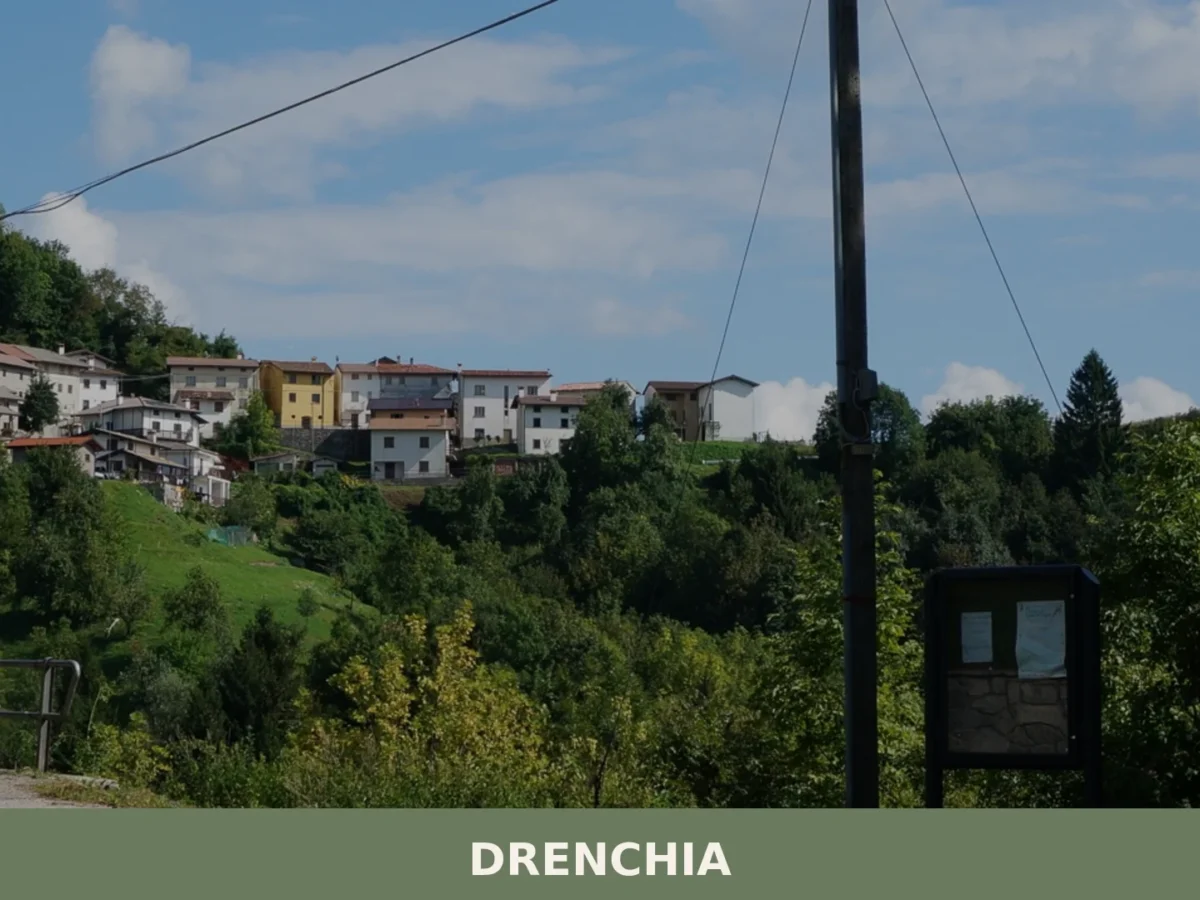
Drenchia
 Mountain
Drenchia is a small mountain commune of 89 inhabitants in the province of Udine, perched at 696 metres on the slopes of the Colovrat ridge at the eastern edge of Friuli-Venezia Giulia.
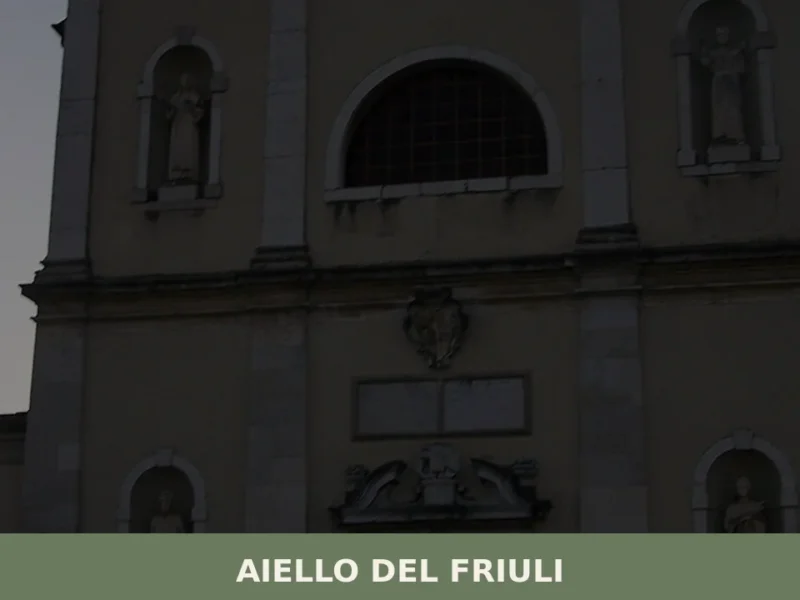
Aiello del Friuli
Plains
On the Friulian plain, at 18 metres above sea level, a village of just over two thousand inhabitants holds the highest concentration of sundials per square metre in Italy: more than one hundred solar quadrants scattered across house facades, courtyard walls, and church exteriors. This is not an outdoor exhibition designed for tourists — it […]
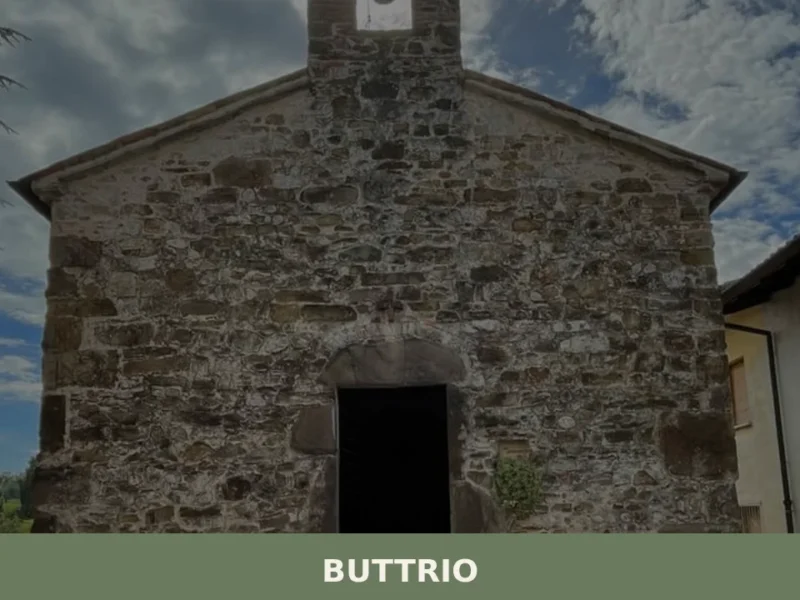
Buttrio
Plains
In 1031 a document issued by Emperor Conrad II mentioned for the first time the name Butrium, referring to a hilltop settlement where grapevines had already been cultivated for centuries. Today that nucleus has become a municipality of 4,040 inhabitants in the province of Udine, standing at 79 metres above sea level and surrounded by […]
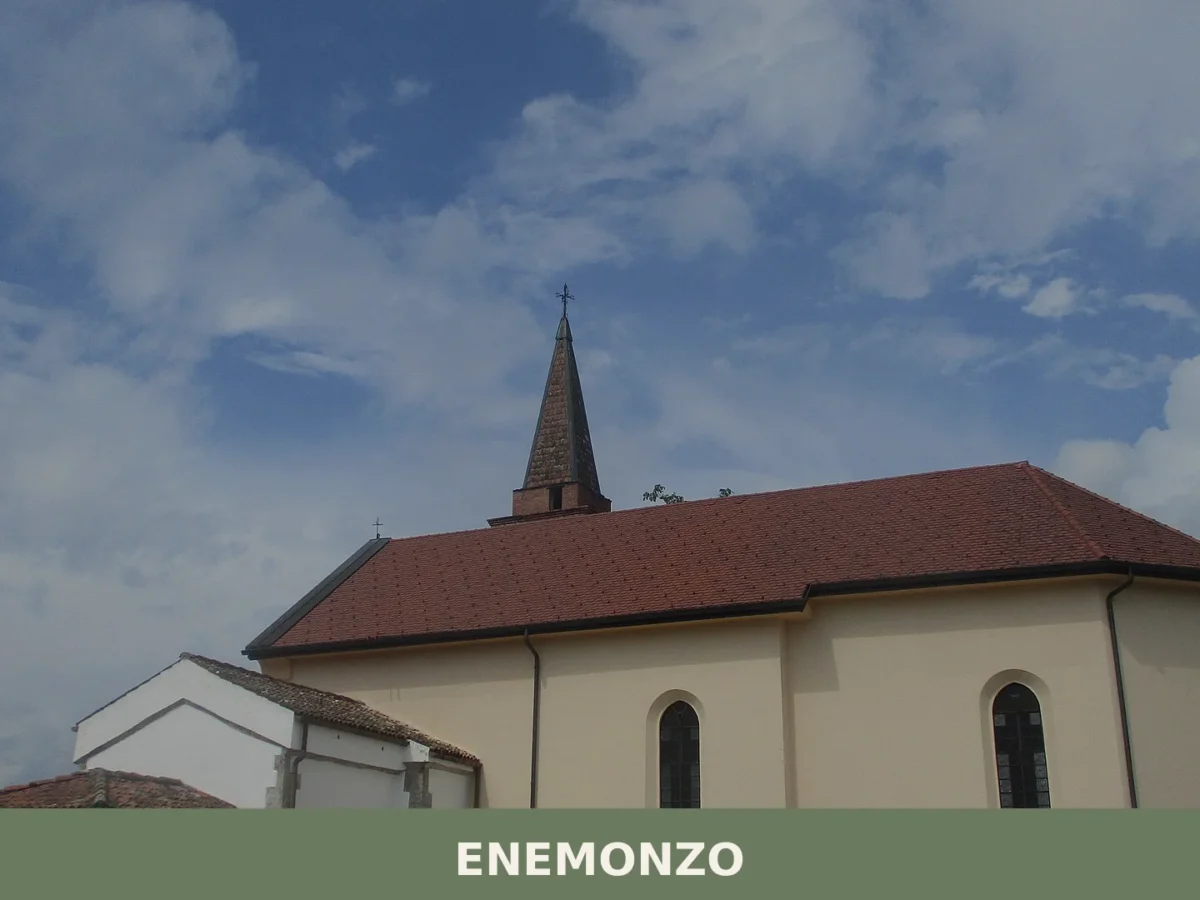
Enemonzo
Mountain
Enemonzo is a mountain comune of about 1,240 inhabitants in the Carnia district of Friuli-Venezia Giulia, set where the Tagliamento and the Degano meet at roughly 400 metres above sea level.
Bertiolo
Plains
The earliest documented mention of the name Bertiolo dates back to 1219, in a notarial deed linked to the properties of the Patriarchate of Aquileia. Arriving today along the road that leads south from Codroipo, visitors encounter a compact urban centre laid out along a grid of orderly streets, surrounded by fields of maize and […]
Capriva del Friuli
Plains
What to see in Capriva del Friuli: 5 must-visit attractions including wineries, historic villas and the Collio hills. Discover the complete guide to plan your visit.



🏡 Know Duino-Aurisina better than we do?
If you’re a local or have been there, your knowledge matters: add what’s missing or fix a detail on this page.