


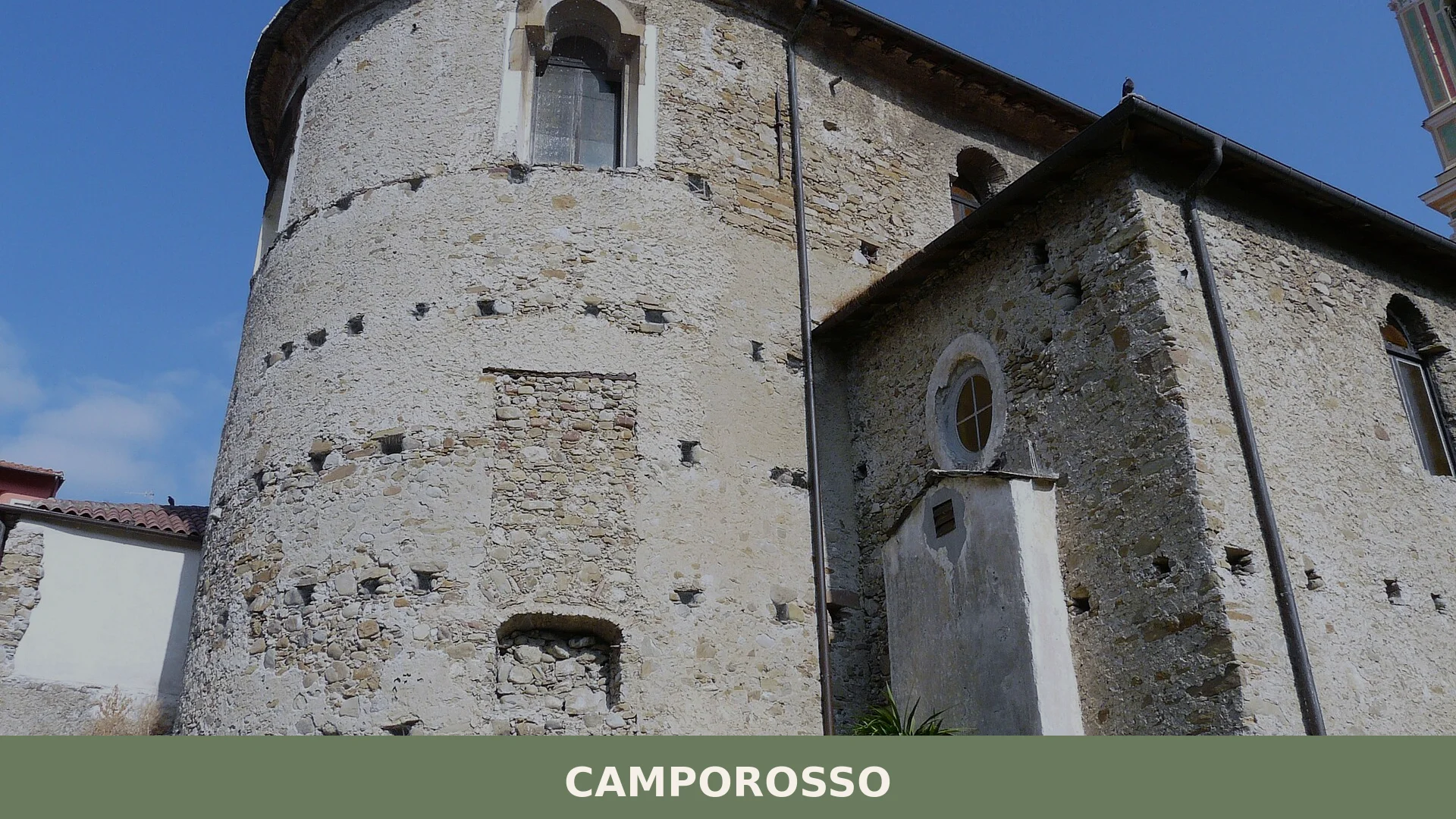

Camporosso is a Ligurian commune of 5,668 residents near Ventimiglia, where medieval history, three parish churches and the wines of Riviera Ligure di Ponente come together in the far western corner o
Discover Camporosso
Camporosso is a coastal-hill commune in the Province of Imperia, Liguria, covering 17.64 square kilometres at an elevation of 25 metres above sea level and home to 5,668 residents. It lies in the far west of the Italian Riviera, close to Ventimiglia and the French border, within a landscape shaped by the valleys and low hills that characterise this corner of Liguria di Ponente. The commune holds the feast of San Sebastiano on 20 January as its principal celebration, and its people are known as camporossini.
Camporosso village in Liguria carries a documented past reaching back to at least the mid-thirteenth century, with archaeological evidence — from pre-Roman hilltop sites to Roman stonework — woven into terrain that also produces wines under the Rossese di Dolceacqua and Riviera Ligure di Ponente denominations, alongside regional products such as Ligurian olive oil and anchovies preserved in salt. Three churches — San Marco Evangelista, Sant’Andrea, and San Pietro — mark the religious fabric of the settlement, while the surrounding province contributes a table of flavours and appellations that reflect the traditions of western Liguria.
Camporosso village in Liguria: history and ancient roots
Camporosso is a Ligurian settlement whose documented history stretches back to at least the mid-thirteenth century — the first written record dates to around 1256 or 1259 — and whose territory preserves archaeological traces ranging from pre-Roman finds at the hilltop sites of cime Bandiera, Fontane and Ciaixe to a Roman funerary stone and remnants of an aqueduct that once carried water from the Seborrino stream to the ancient city of Albintimilium, present-day Ventimiglia.
Through the medieval and early modern periods, the fortunes of Camporosso were closely bound to those of Ventimiglia, whose counts and communal administration held authority over the area, even as the nearby valley of Dolceacqua fell under the influence of the Genoese Doria family. The proximity of these rival powers brought repeated military occupation and conflict. By the fifteenth century the community had gained a more prominent role in the governance of the Ventimiglia commune, and in the sixteenth century defensive walls with three entrance gates were raised to guard against coastal raids; those walls were later demolished in the course of the eighteenth century.
A significant turning point came on 21 April 1686, when Camporosso joined seven neighbouring settlements — among them Bordighera, Vallecrosia and Vallebona — to form the Magnifica Comunità degli Otto Luoghi, a confederative body governed by four syndics and a central parliament of twenty delegates, administratively attached to the captaincy of Ventimiglia within the Republic of Genoa. The community survived for over a century before the Napoleonic reorganisation of 1797 dissolved it, establishing individual municipalities in its place. Camporosso then passed through successive administrations — the Ligurian Republic, the French Empire, and from around 1814 the Kingdom of Sardinia — before becoming part of unified Italy in 1861. A royal decree of December 1923 temporarily merged the municipality into Ventimiglia; a further decree of August 1925 restored its independence. In 2006, the President of the Republic conferred on Camporosso the honorary title of Città.
Churches, Squares and the Oasis of the Nervia
Camporosso’s main points of architectural and natural interest include the parish church of San Marco Evangelista, the Oratorio dei Neri on Piazza Garibaldi, two further churches — Sant’Andrea and San Pietro — and the wildlife oasis at the mouth of the Nervia torrent.
Church of San Marco Evangelista
The parish church stands in the historic centre and dates from the fifteenth century, with enlargements carried out during the eighteenth century. The bell tower, added in the nineteenth century, has been recently restored. Inside, the church holds several polyptychs and a sixteenth-century wooden statue of Saint Mark.
Oratorio dei Neri (Oratorio del Suffragio)
This oratory occupies the far end of Piazza Garibaldi, the main square of the old centre, and is approached by a broad double staircase. No further details on its interior are documented in available sources.
Sant’Andrea and San Pietro
Two additional churches — Sant’Andrea and San Pietro — are present in the municipal area; beyond their names, no details on location, date or contents are available from current sources.
Oasis of the Nervia
At the mouth of the Nervia torrent, within the municipal boundaries, lies a protected natural and wildlife oasis recognised as a Site of Community Importance. It represents the brief stretch — among the shortest in Italy — where Camporosso’s territory meets the Ligurian Sea.
Food and Wine from Camporosso and the Western Ligurian Coast
Camporosso sits within a province whose most celebrated certified products include Acciughe sotto sale del Mar Ligure IGP (salt-cured anchovies from the Ligurian Sea) and the Riviera Ligure DOP olive oil, two pillars of the local table shared across this stretch of the Imperia coastline.
The olive groves of the Riviera Ligure di Ponente yield an oil recognised under its own DOP designation, prized for its delicate, low-acidity character. Alongside it, Basilico Genovese DOP — the fragrant small-leafed basil grown under Ligurian light — gives the cuisine of the entire region its most distinctive aromatic note.
On the wine side, the territory falls within several noteworthy appellations. The Rossese di Dolceacqua DOC, produced from the native Rossese grape in the hills just inland, is among the most individual reds of Liguria. The broader Riviera Ligure di Ponente DOC covers whites and reds across the western coastal strip, while the Pornassio / Ormeasco di Pornassio DOC — based on the Ormeasco grape, a local variant of Dolcetto — comes from higher valleys further inland. The Terrazze dell’Imperiese IGT rounds out the picture for wines produced on the dramatic terraced slopes of the Imperia province.
Among traditional products noted at a regional and territorial level, the area has a history of small-scale production of items such as apple vinegar, amaretto, and fruit distillates, though these are best understood as part of a broader Ligurian craft tradition rather than specialities exclusive to Camporosso itself.
Reaching Camporosso and Planning Your Stay
Camporosso is most conveniently approached by car via the A10 Autostrada dei Fiori, with the nearest major town being Ventimiglia approximately 5 km away and around 10 minutes by road; Sanremo lies roughly 20 km distant (about 20 minutes), while Imperia is approximately 40 km away and reachable in around 35 minutes. The municipality sits at 25 metres above sea level on the alluvial plain to the right of the Torrente Nervia, classified as a coastal hill zone with maritime tourist character — conditions that make it accessible and mild throughout much of the year.
The proximity to the French border at Ventimiglia also makes Camporosso a natural stopping point for visitors arriving from the Côte d’Azur. Rail connections through Ventimiglia station link the village to both the Italian and French networks, adding a practical alternative to road travel.
The surrounding Nervia valley rewards those who venture a short distance inland. The medieval village of Dolceacqua, historic seat of the Doria family and producer of the Rossese DOC wine, sits close by and pairs naturally with a visit to Camporosso. Further up the valley, Isolabona offers another glimpse of the quieter, hillside Liguria behind the coast. For those drawn to panoramic positions and astronomical heritage, Perinaldo is within reach on the higher ridges above the valley.
The coastal orientation of Camporosso — the municipality has a brief but direct access to the Ligurian Sea — makes late spring and early autumn particularly pleasant seasons for a visit, avoiding the peak summer pressure on the Riviera dei Fiori while retaining warm, settled weather. The oasis at the mouth of the Torrente Nervia, a recognised site of community interest, adds a natural counterpoint to the built landscape and is worth including in any itinerary.
| Departure | Distance | Time |
|---|---|---|
| Ventimiglia | approx. 5 km | approx. 10 min |
| Dolceacqua | approx. 7 km | approx. 15 min |
| Imperia | approx. 40 km | approx. 35 min |
| Sanremo | approx. 20 km | approx. 20 min |
These practical references help organise the journey clearly, while the village itself is best understood slowly and on foot once you arrive.
Frequently asked questions about Camporosso
How do you get to Camporosso by car or train?
By car, take the A10/A8 motorway and exit at Ventimiglia, then follow the SS20 road westward a few kilometres to Camporosso. The nearest railway station is Camporosso station, served by regional trains on the Genoa–Ventimiglia coastal line; the journey from Ventimiglia takes only a few minutes. From Nice airport, the drive is approximately 40 kilometres via the A8 motorway, making the village easily accessible as a cross-border destination.
When is the best time to visit Camporosso?
The western Ligurian coast enjoys a mild Mediterranean climate, making spring (April–June) and early autumn (September–October) ideal for visiting. Summer brings warm, dry weather perfect for the nearby beaches and coastal walks. A particularly atmospheric time to visit is around 20 January, when Camporosso celebrates its patron saint San Sebastiano with traditional religious ceremonies, offering an authentic glimpse into local community life beyond the typical tourist season.
Are there hiking or cycling routes near Camporosso?
Camporosso is close to the Nervia Valley, which offers documented cycling and walking itineraries connecting the coast to inland villages such as Dolceacqua and Apricale. The Alta Via dei Monti Liguri long-distance trail passes through the broader Province of Imperia and is maintained by the CAI (Club Alpino Italiano). The flat lower Nervia Valley stretch is especially suitable for leisurely cycling, while hillside paths provide views across vineyards producing the renowned Rossese di Dolceacqua wine.
How long should you plan to spend in Camporosso?
Camporosso itself can be comfortably explored in half a day, allowing time to visit the churches of San Marco Evangelista, Sant'Andrea, and San Pietro, and to stroll through the village centre. Combining it with nearby Ventimiglia, Dolceacqua, or the Nervia Valley nature oasis makes a full-day itinerary. Those wishing to explore the wider western Ligurian coastline and hinterland would benefit from a base of two to three nights in the area.
What accommodation options are available in and around Camporosso?
Camporosso and the surrounding Nervia Valley area offer a range of accommodation including small hotels, B&Bs, and agriturismos that leverage the local wine and olive-oil producing landscape. The nearby town of Ventimiglia, only a few kilometres away, provides a wider selection of hotels across various price ranges. Booking in advance is advisable during summer and around local events such as the San Sebastiano feast in January, when demand from both Italian and French visitors increases.
In Liguria More villages to discover
San Biagio della Cima
 Sea
Sea
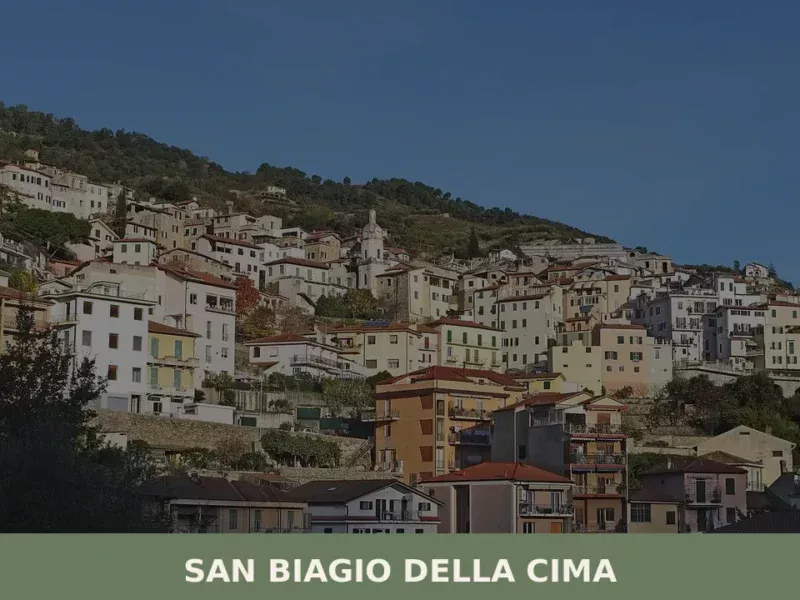
San Biagio della Cima is a small agricultural community in the province of Imperia, perched on a Ligurian ridge where olive groves and Rossese vineyards define the landscape as much as any monument.
Tribogna
 Hills
Hills
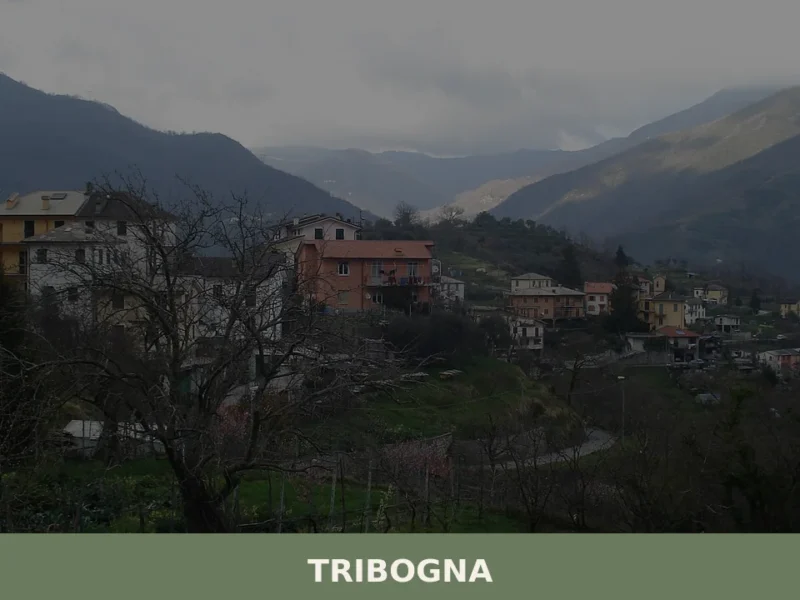
what to see in tribogna, Italy: Explore this Ligurian comune of 628 inhabitants, 33 km east of Genoa. Read about its administrative role and surrounding valleys.
Genova
Sea
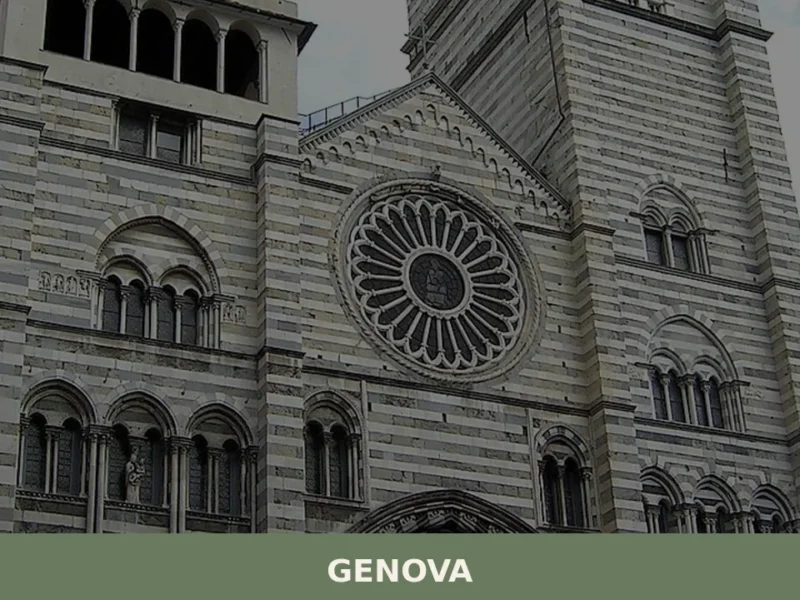
What to see in Genova: city at 18 m above sea level with UNESCO Rolli palaces and Europe's largest aquarium. Plan your visit with our full guide.
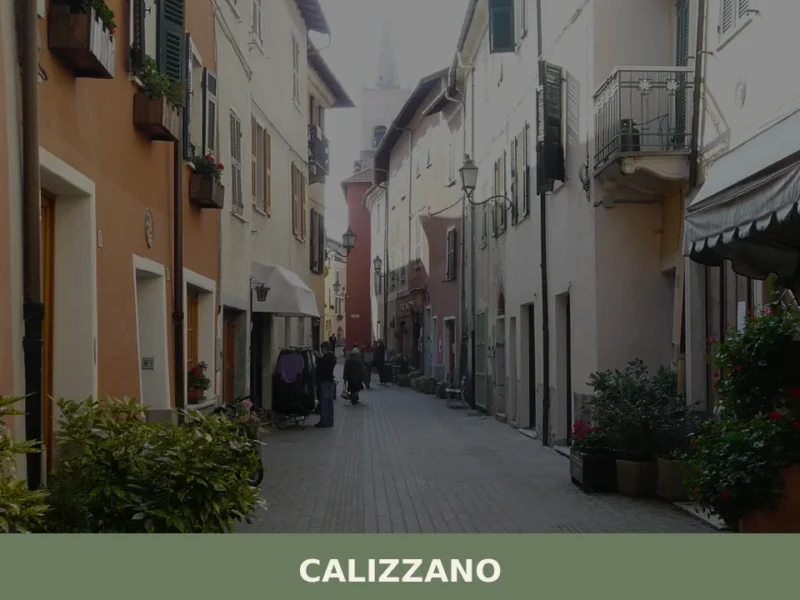
Calizzano
 Mountain
Calizzano, un borgo della provincia di Savona, si trova in Liguria ed è immerso in un paesaggio di montagna, tra faggi e castagni.
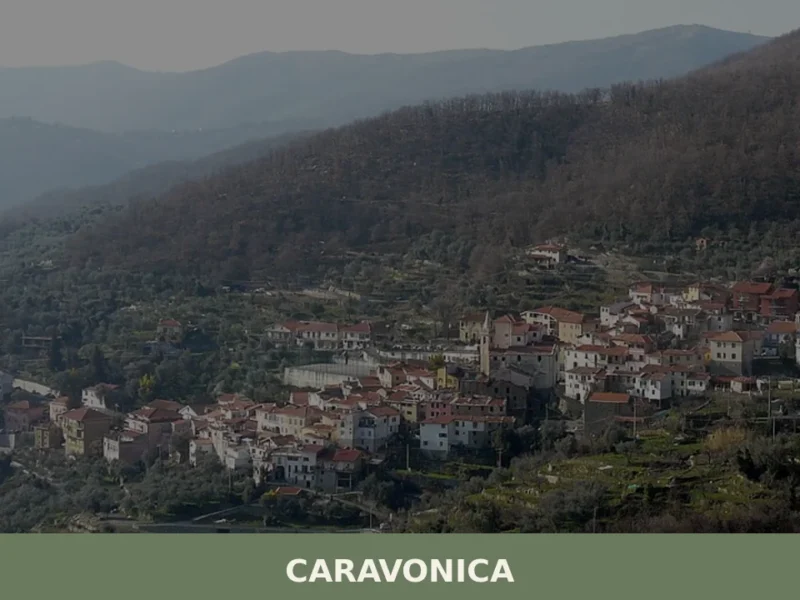
Caravonica
Hills
The scent of wild rosemary drifts on the morning air, carried by a breeze that has travelled from the Ligurian Sea and across the terraced olive groves. Morning light, still soft, begins to illuminate the ochre and terracotta facades of Caravonica “”, a village clinging to a hillside in the Imperia province. At 360 meters […]
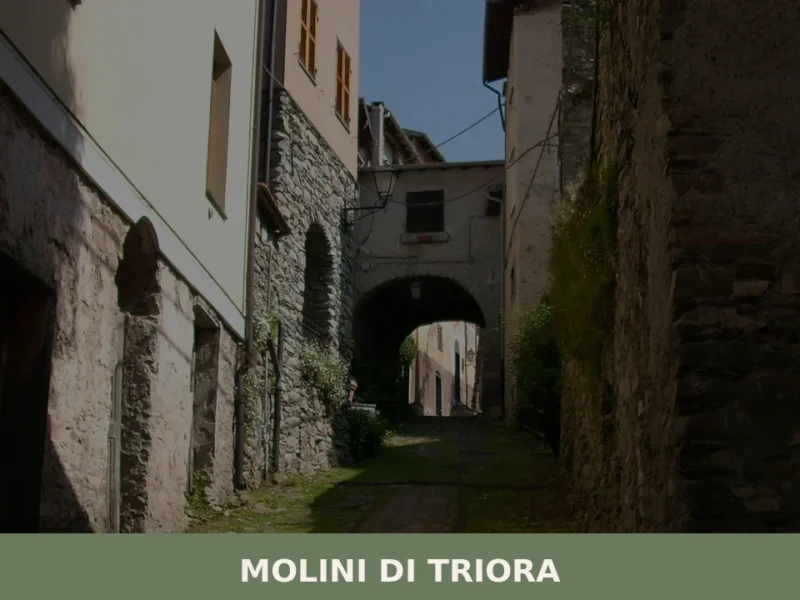
Molini di Triora
Hills
What to see in Molini di Triora, Italy: a village at 460 m in Liguria. Discover top attractions, local food, festivals and how to get there. Read the guide.
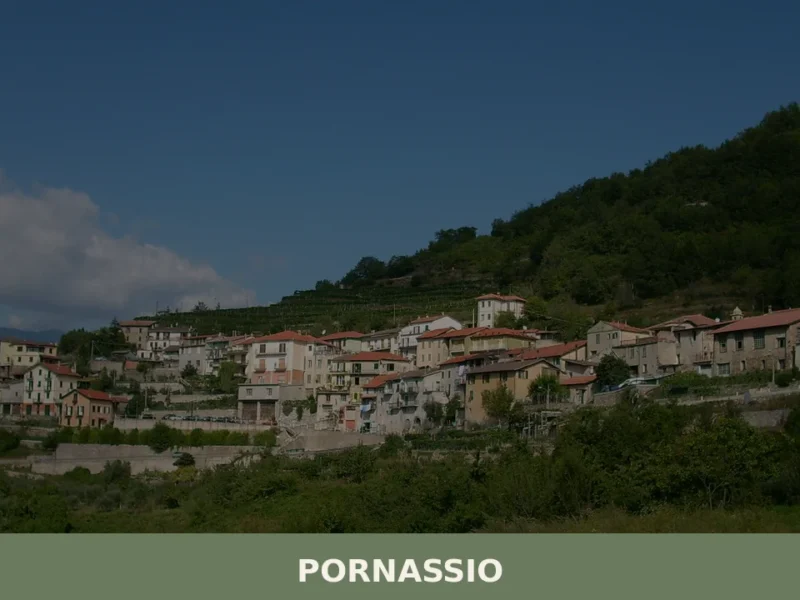
Pornassio
Mountain
Pornassio is a mountain village in Liguria's Arroscia valley, where the salt road between the coast and Piedmont passes through six hamlets spread across more than 500 metres of vertical terrain.
Mezzanego
 Plains
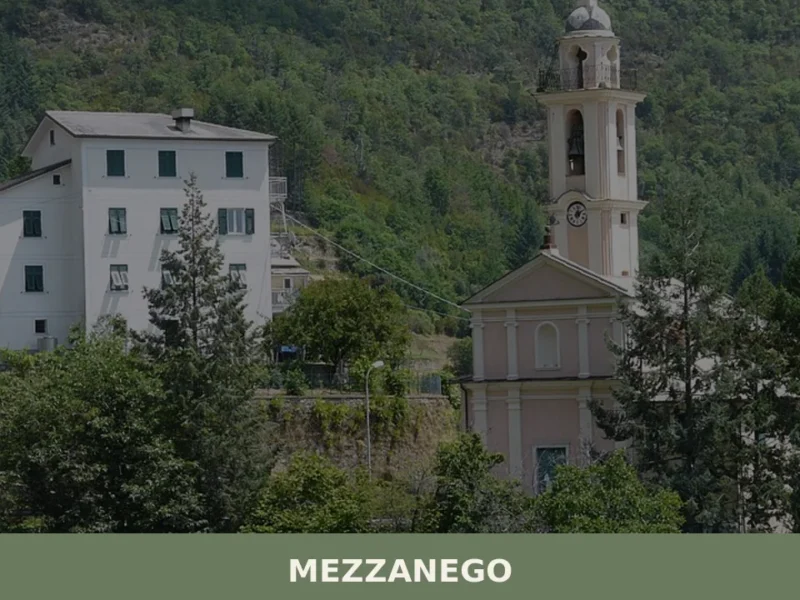
Mezzanego, a municipality in the Sturla valley of Liguria, offers a journey into the rugged beauty of the Genovese hinterland.
Piana Crixia
Mountain
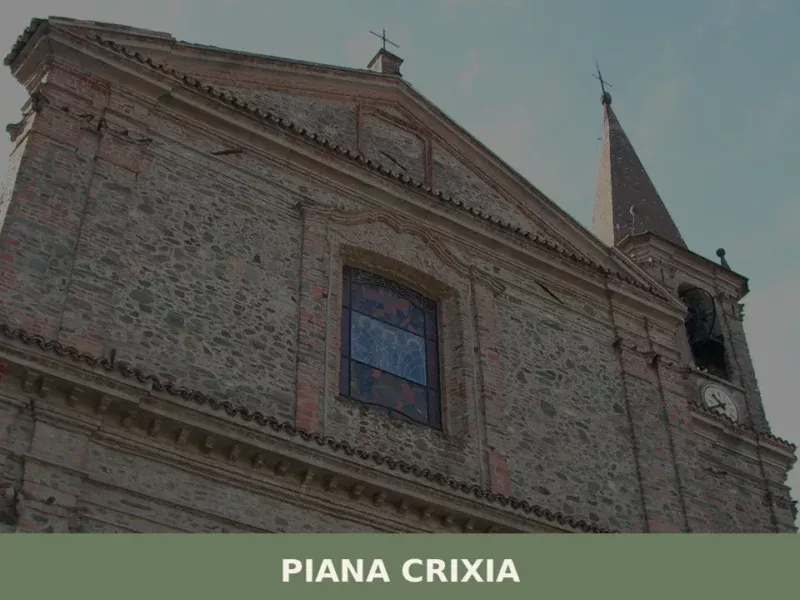
what to see in piana crixia, Italy: Explore this Savona comune (843 inhabitants) and its international ties. Discover Ligurian character and natural surroundings.
Castel Vittorio: Liguria’s Enduring Stone Village
Hills
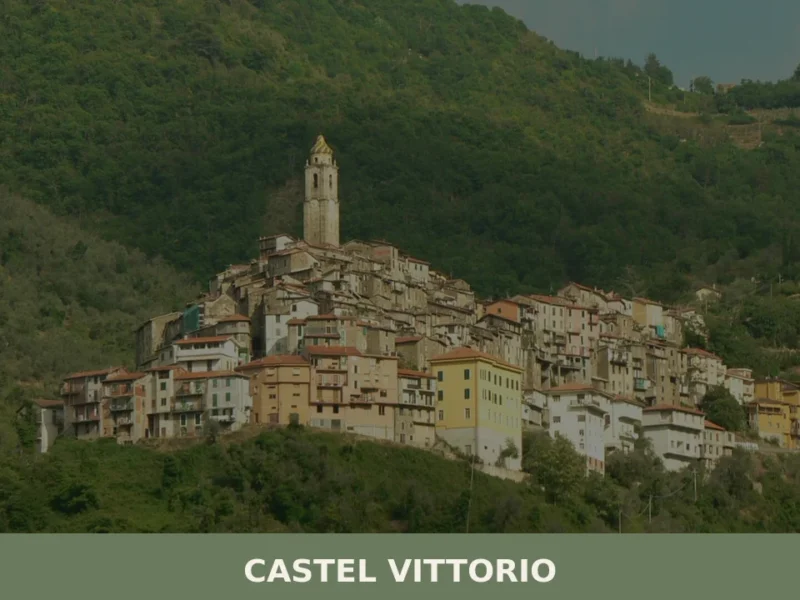
Castel Vittorio is a medieval mountain village of 234 inhabitants in the province of Imperia, Liguria, known for its stone architecture, historic churches, and centuries of layered history.



🏡 Know Camporosso better than we do?
If you’re a local or have been there, your knowledge matters: add what’s missing or fix a detail on this page.