


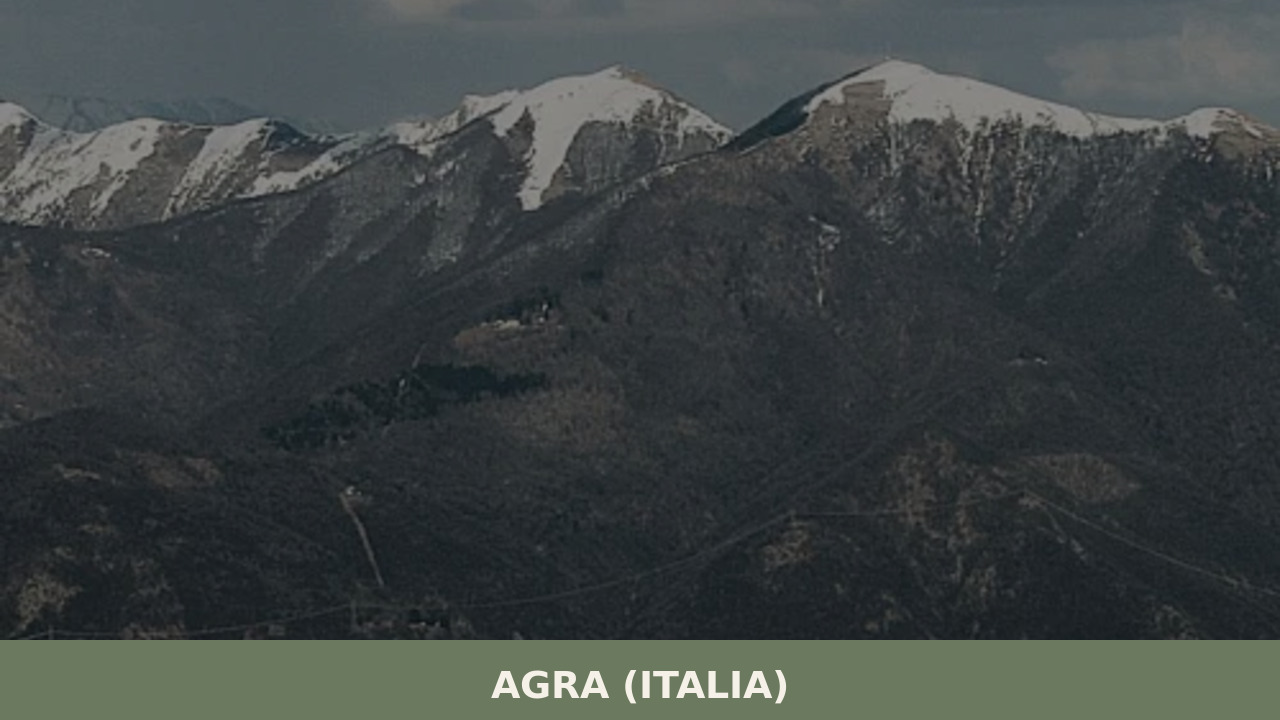
Agra
 Mountain
A 391-inhabitant mountain village at 650 metres in Varese province, Agra sits at the Swiss border with trails to Monte Lema and centuries-old chestnut woods.
Discover Agra
Morning mist lifts slowly off the chestnut woods at 650 metres, revealing a cluster of stone houses and a single bell tower above the Veddasca valley. The air carries woodsmoke and damp earth. Agra, a commune of just 391 inhabitants in the province of Varese, sits at the threshold between Lombardy and the Swiss canton of Ticino. For those wondering what to see in Agra (Italia), this is a village shaped more by altitude and border proximity than by any grand historical ambition — a place where the landscape itself is the primary monument, and every narrow lane frames a different angle of Monte Lema’s ridgeline.
History of Agra (Italia)
The origins of Agra are bound to the broader settlement patterns of the Veddasca valley, a corridor that has connected the Italian lakes to the Swiss plateau since at least the early medieval period. The toponym “Agra” likely derives from the Latin ager — field or cultivated land — a straightforward reference to the cleared terraces that allowed subsistence farming at this elevation. Documents from the medieval period mention the community in connection with the broader feudal structures of the Verbano area, where control over mountain passes and chestnut forests held real economic value.
For centuries, Agra existed within the orbit of larger powers: the Visconti and then the Sforza dynasties administered much of the Varesotto, and the village’s position near the Swiss border made it a site of quiet but persistent cross-border exchange. Smuggling — of goods, of people, of ideas — was a fact of life in these mountains well into the twentieth century. During the Second World War, the trails above Agra served as escape routes into neutral Switzerland, a geography of resistance written into the footpaths themselves.
By the late twentieth century, depopulation had reduced Agra to a fraction of its former size, a pattern common across Alpine Lombardy. The photographer Paolo Monti documented the village in 1979, capturing its stone architecture and rural character at a moment when such places were rapidly emptying. His images remain a valuable record of a community poised between tradition and the pressures of modernity.
What to see in Agra (Italia): 5 must-visit attractions
1. Monte Lema summit trail
The ascent to Monte Lema (1,624 m) begins from trails accessible above the village and rewards with a 360-degree panorama spanning Lake Maggiore, Lake Lugano, and — on clear days — the distant snowfields of the Monte Rosa massif. The route passes through beech and chestnut forest before breaking into open alpine meadow. A cable car on the Swiss side offers an alternative descent to Miglieglia.
2. The Parish Church of Agra
This modest church anchors the village centre with a bell tower visible from across the valley. Its interior reflects the restrained devotional style common to small pre-Alpine communities — no gilded excess, but carefully maintained frescoes and altarpieces that speak to centuries of local faith. The churchyard offers one of the best vantage points over the surrounding ridgelines.
3. The historic stone village core
Agra’s oldest quarter is a lesson in mountain building: load-bearing granite walls, narrow covered passages called lobbie, and external staircases worn smooth by generations of use. Walking through these lanes, you read the village’s construction logic — every element oriented to withstand snow load, channel rainfall, and conserve heat through long winters.
4. Veddasca valley chestnut woods
Below the village, managed chestnut groves — once the primary food source at this altitude — still produce fruit each autumn. The trees themselves are monumental, some with trunks exceeding two metres in diameter. Marked paths loop through the woods, and in October the ground is thick with fallen husks, a sensory reminder of the tree’s former centrality to mountain life.
5. Cross-border footpaths to Switzerland
Several marked trails lead from Agra across the ridge into the Swiss canton of Ticino, following routes that predate any modern border. These paths pass through unmanned crossing points and connect to the Swiss hiking network. The experience of walking from one country to another, with no barrier but a small stone marker, captures the borderland character of this entire region.
Local food and typical products
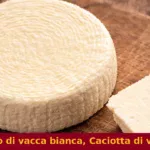
The cuisine of Agra is mountain food, built around what these slopes provide. Chestnuts appear in multiple forms: dried and ground into flour for polenta di castagne, roasted over open flame, or boiled and served with local dairy. Polenta made from maize — cooked slowly in copper pots and served alongside braised meats or strong local cheeses — remains a staple. The formagella, a soft cow’s milk cheese typical of the Varesotto pre-Alps, appears regularly on tables here, as do wild mushrooms gathered from the surrounding woods in autumn.
Given Agra’s size, dining options are limited and often seasonal. The village and the broader Veddasca valley host a handful of agriturismi and small trattorie that serve hyper-local menus. Expect dishes featuring violino di capra — a cured goat leg shaped like a violin, sliced thinly and eaten as antipasto — which carries traditional product recognition in Lombardy. For provisions, the markets in Luino, down at the lake, offer the widest selection of regional produce.
Best time to visit Agra (Italia)
Late spring — May into early June — brings the clearest skies and the most daylight for walking the trails above the village. The chestnut and beech canopy is fully leafed, wildflowers cover the alpine meadows, and temperatures at 650 metres hover comfortably between 15 and 22°C. Autumn, particularly October, offers its own rewards: the chestnut harvest, forest floors carpeted in gold and rust, and a quality of low-angled light that sharpens every contour of the valley.
Winters are quiet and often foggy below the inversion layer, though snowfall can blanket the village and transform the Monte Lema trails into snowshoe routes. Summer brings warmth and occasional afternoon thunderstorms. The nearest significant local event is the weekly Wednesday market in Luino on Lake Maggiore, one of the largest open-air markets in the region, drawing vendors and visitors from both sides of the Italian-Swiss border. Agra itself has no major festival calendar — its appeal is precisely its absence of spectacle.
How to get to Agra (Italia)
From Milan, the drive to Agra covers roughly 100 kilometres and takes about 90 minutes via the A8 motorway toward Varese, then continuing north on the SP5 and SP61 through the Veddasca valley. The road narrows and climbs as it approaches the village — a single lane in places, demanding patience and low gear. The nearest railway station is Luino, on the eastern shore of Lake Maggiore, served by Trenord regional trains from Milan Porta Garibaldi (approximately 90 minutes). From Luino, Agra lies about 15 kilometres uphill; local bus services exist but are infrequent, making a car the most practical option. Milan Malpensa Airport, the closest international hub, is approximately 70 kilometres to the south.
More villages to discover in Lombardia
The pre-Alpine territory above Lake Maggiore holds a constellation of small communities that share Agra’s border-country character and mountain architecture. Just down the valley, Curiglia con Monteviasco offers one of the most remarkable settlements in the province — Monteviasco, reachable only by a steep mule track or cable car, clings to the mountainside as if gravity were an afterthought. Its near-total inaccessibility by road has preserved a medieval fabric that most Alpine villages lost decades ago.
Further along the Varesotto highlands, Dumenza occupies a similar elevation band and shares Agra’s view corridors toward Switzerland. Together, these villages form a network of quiet mountain settlements where the rhythms of seasonal agriculture and cross-border connection still shape daily life — a world measured not in monuments, but in the texture of stone walls, the pitch of a roof, and the distance between one bell tower and the next.
Frequently asked questions about Agra
What is the best time to visit Agra?
Late spring (May–early June) offers the clearest skies, comfortable temperatures between 15–22°C, and fully leafed chestnut and beech forests ideal for hiking Monte Lema. October is equally rewarding: the chestnut harvest fills the woods with colour and scent, and autumn light sharpens the valley's contours beautifully. Winter brings snow and snowshoe possibilities, but expect fog below the inversion layer. The village patron Sant'Eusebio di Vercelli is celebrated on 2 August, offering a rare glimpse of local community life during the summer season.
What are the historical origins of Agra?
Agra's name likely derives from the Latin ager, meaning cultivated field, reflecting early terraced farming at 650 metres. The village developed within the Veddasca valley's medieval settlement network, a corridor connecting the Italian lakes to the Swiss plateau. Under Visconti and Sforza rule, its position near the Swiss border gave it strategic value for cross-border trade. During the Second World War, trails above the village served as escape routes into neutral Switzerland. Photographer Paolo Monti documented Agra's stone architecture and rural character in 1979.
What to see in Agra? Main monuments and landmarks
Agra's five main attractions are: the Monte Lema summit trail (1,624 m) with panoramic views over Lakes Maggiore and Lugano; the Parish Church with its valley-facing bell tower and preserved interior frescoes; the historic stone village core with granite walls, covered lobbie passages, and worn external staircases; the ancient chestnut woods below the village with monumental trees; and cross-border footpaths leading directly into the Swiss canton of Ticino via pre-modern routes marked by simple stone boundary markers.
What are the main natural or scenic attractions of Agra?
Monte Lema (1,624 m) is the area's defining natural landmark, accessible via marked trails from above the village and offering 360-degree panoramas across Lakes Maggiore and Lugano to the Monte Rosa massif on clear days. The managed chestnut woods of the Veddasca valley — some trees exceeding two metres in trunk diameter — are themselves a landscape monument. Cross-border trails connect to the Swiss hiking network through Ticino. In winter, snowfall transforms the Monte Lema routes into viable snowshoe itineraries.
Where to take the best photos in Agra?
The churchyard of the Parish Church provides one of the clearest viewpoints over the surrounding ridgelines and valley below. The narrow lanes of the historic village core offer composed shots of traditional granite architecture — covered passages, external staircases, and stone walls framing Monte Lema's ridgeline. The Monte Lema summit itself rewards with wide-angle panoramas spanning two countries. October's chestnut woods, with their monumental trunks and golden forest floor, are particularly photogenic in the low-angled autumn light.
Are there museums, churches or historic buildings to visit in Agra?
The Parish Church of Agra is the village's primary historic building, anchoring the centre with a bell tower visible across the Veddasca valley. Its interior preserves frescoes and altarpieces in the restrained devotional style typical of small pre-Alpine communities. The historic stone village core — with load-bearing granite construction, covered lobbie passages, and external staircases — functions as an open-air architectural document of mountain building traditions. No formal opening hours or admission fees are associated with these sites based on available sources.
What can you do in Agra? Activities and experiences
Hiking dominates the activity offer: the Monte Lema summit trail is the main route, with a cable car descent on the Swiss side offering a cross-border loop. Marked paths through the chestnut woods provide easier seasonal walks. Cross-border footpaths into Ticino follow historic smuggling and wartime escape routes. In October, the chestnut harvest animates the surrounding woods. For wider experiences, the Wednesday market in Luino on Lake Maggiore — one of the largest open-air markets in the region, drawing vendors from both sides of the border — is 15 kilometres downhill.
Who is Agra suitable for?
Agra suits hikers and walkers above all — the Monte Lema trail and cross-border footpaths into Switzerland reward those comfortable with mountain terrain. Couples seeking quiet, off-grid retreats in an authentic pre-Alpine village will find its stone architecture and valley views compelling. History and architecture enthusiasts drawn to vernacular mountain building and WWII border heritage have specific material to explore. Families with older children can manage the woodland chestnut trails comfortably. Agra is not suited to visitors expecting tourist infrastructure, restaurants open on demand, or organised event programmes.
What to eat in Agra? Local products and specialties
Agra's table reflects mountain subsistence traditions. Chestnuts appear as polenta di castagne, roasted or boiled, underpinning much of the autumn diet. Maize polenta, slow-cooked in copper pots, accompanies braised meats and local cheeses. Formagella, a soft cow's milk cheese typical of the Varesotto pre-Alps, features regularly. Violino di capra — a cured goat leg shaped like a violin, sliced thinly as antipasto — carries traditional product recognition in Lombardy. Autumn wild mushrooms from the surrounding woods are a seasonal staple. Dining options in Agra itself are limited and seasonal; the broadest provisions are found at Luino's Wednesday market.
Nearby Villages near Agra
In Lombardy More villages to discover
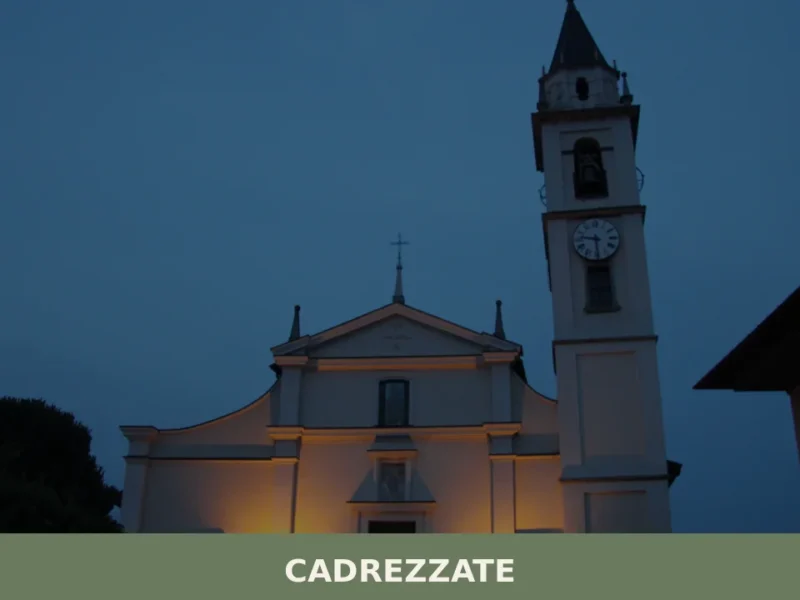
Cadrezzate
 Hills
Hills
 Lake
Lake
Cosa vedere a Cadrezzate: borgo a 281m sul Lago di Monate, 1.854 abitanti. Lago limpido, chiesa patronale, sentieri collinari e cucina varesina. Guida completa.
Lecco
Lake
Mountain
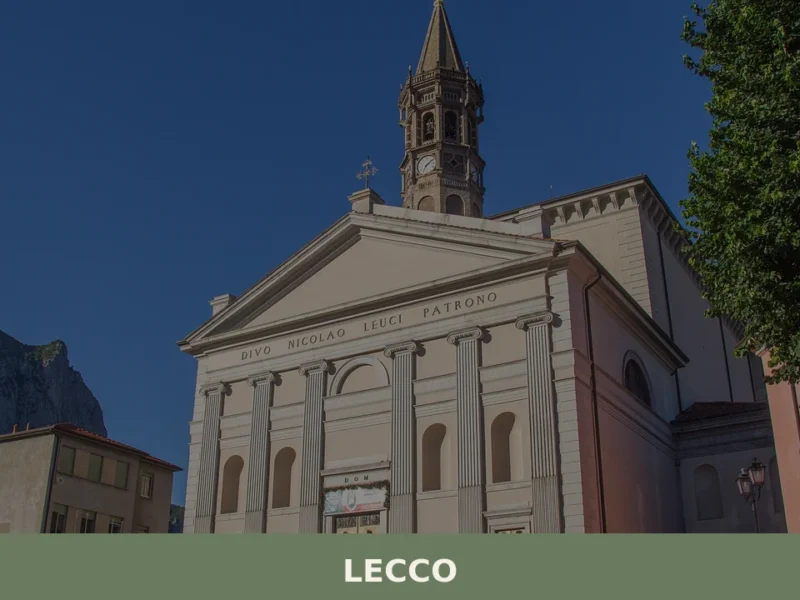
what to see in lecco, Italy: Explore the 5 essential attractions of this Lombard city, from the historic Azzone Visconti Bridge to the towering Mount Resegone. Discover its 47,240 inhabitants.
Azzate
Hills
Lake
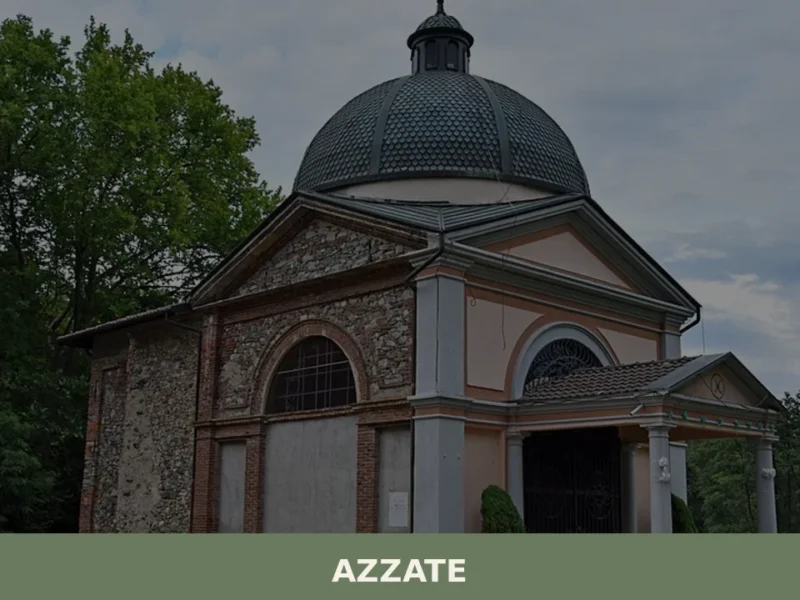
What to see in Azzate? Discover 5 must-see attractions. Explore the Church of Sant'Andrea and the Belvedere. Book your visit now!
Angera
Hills
Lake
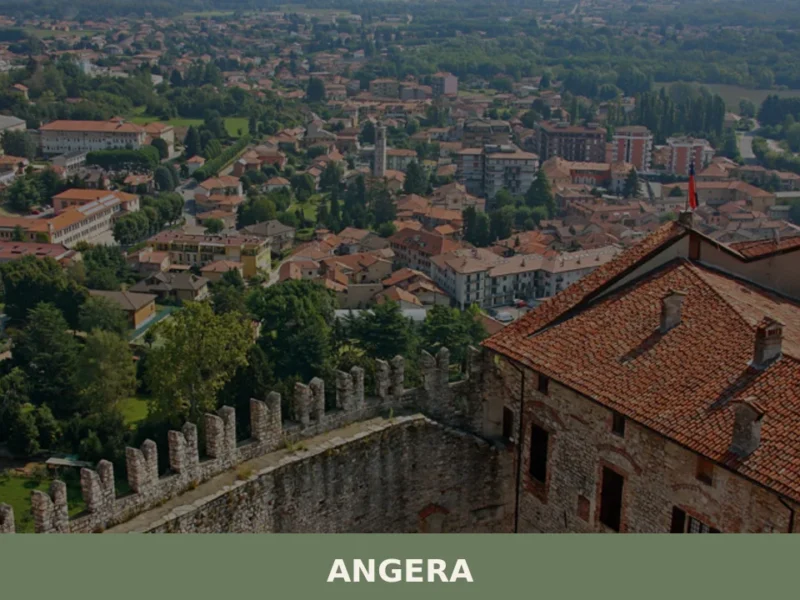
What to see in Angera: 5 must-see attractions. Discover the Borromea Fortress and the Doll Museum. Book your trip today!
Cadegliano-Viconago
Hills
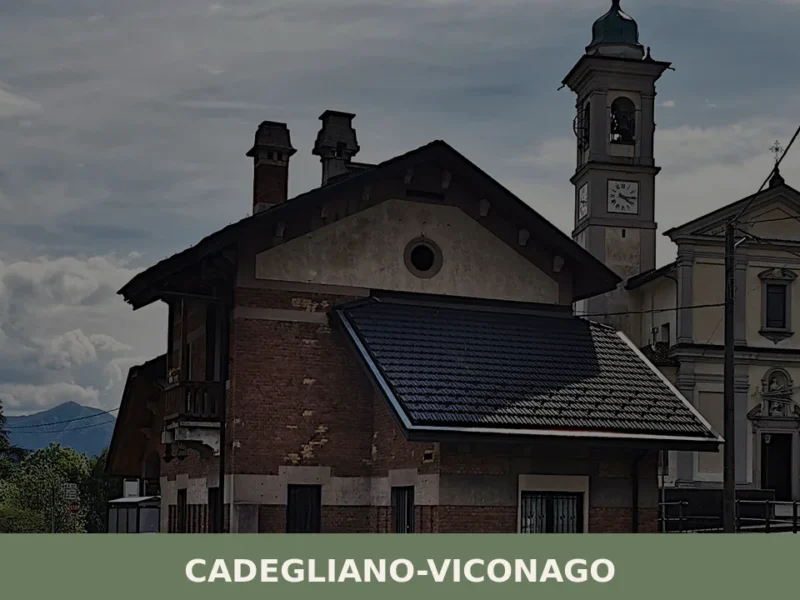
What to see in Cadegliano-Viconago: hilltop village at 414m, 2,155 residents. Two historic centres, chestnut woodland, views over Lake Lugano. Plan your visit with this complete guide.

Caravaggio
 Plains
Visit Caravaggio for its 1432 sanctuary and medieval roots. Home to the birthplace of painter Michelangelo Merisi and echoes of Visconti rule.
Sondrio
Hills
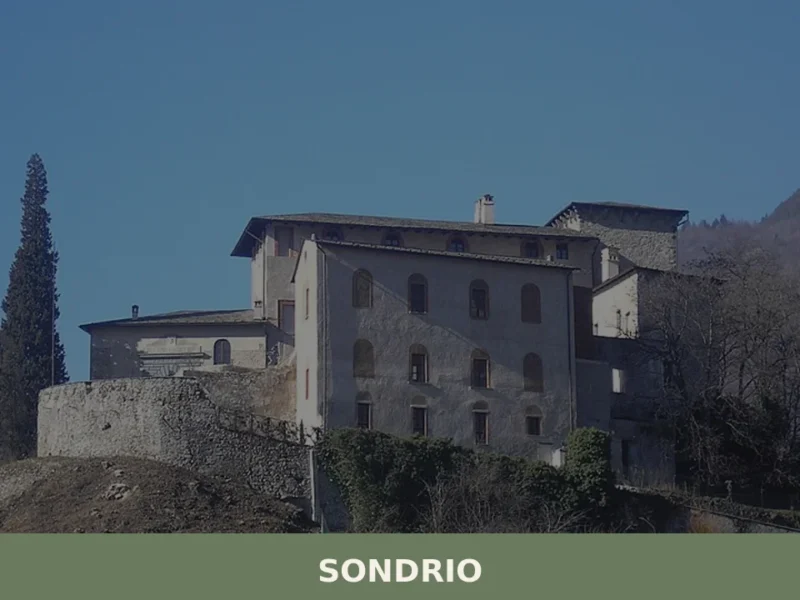
What to see in Sondrio? Located at 298m altitude, discover Castello Masegra and the Collegiata dei Santi Gervasio e Protasio. Explore this Valtellina capital.
Biandronno
Hills
Lake
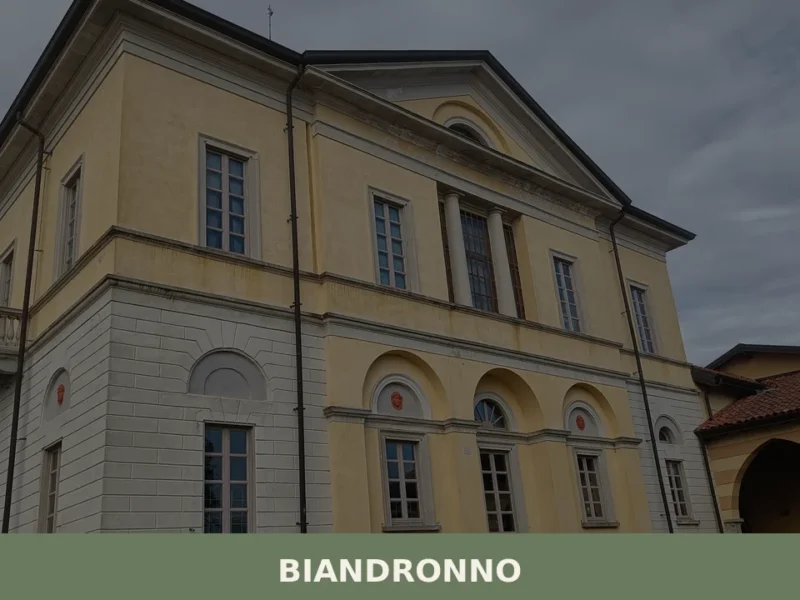
At 262 m a.s.l., Biandronno extends across the gentle hills that characterize the province of Varese, offering a panorama that opens onto the surrounding reliefs and the plain. The village, with its population of 3,162 inhabitants, maintains a discreet atmosphere, typical of smaller Lombard centers where life flows at rhythms tied to the territory. In […]
Brenta
Hills
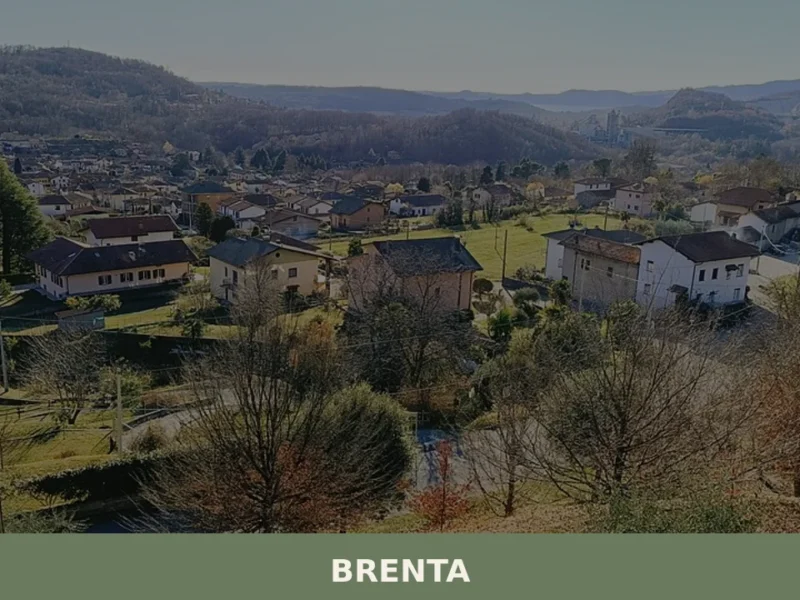
Brenta has 1,715 inhabitants and sits at 276 metres above sea level, on the hilly belt separating Lake Varese from the western Po Plain. The municipality, part of the province of Varese, comprises a central nucleus and agricultural hamlets spread across terrain that slopes gently southward. Anyone looking into what to see in Brenta will […]
Abbadia Lariana
Lake
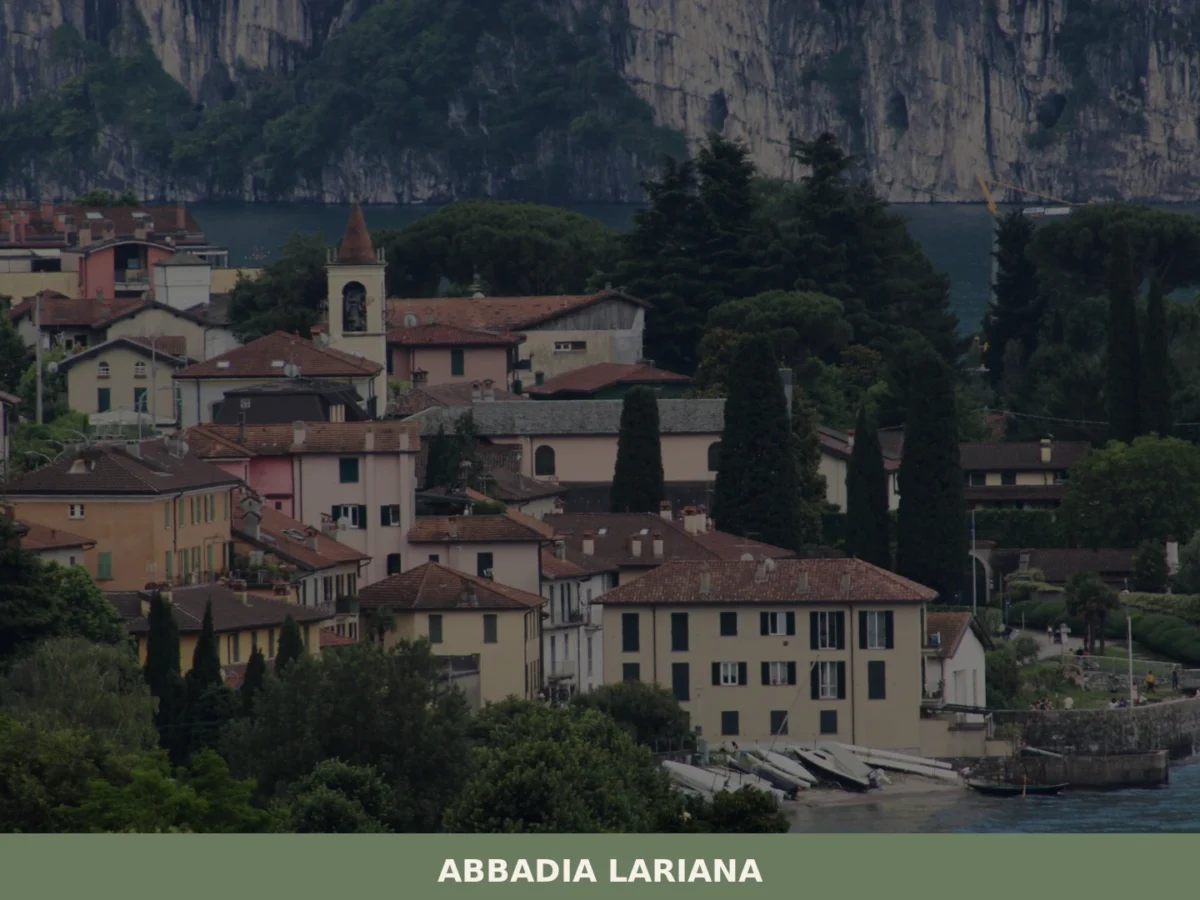
Discover what to see in Abbadia Lariana, a lakeside village on Lake Como in Lecco province. History, attractions, food, travel tips and how to get there.

🏡 Know Agra better than we do?
If you’re a local or have been there, your knowledge matters: add what’s missing or fix a detail on this page.