


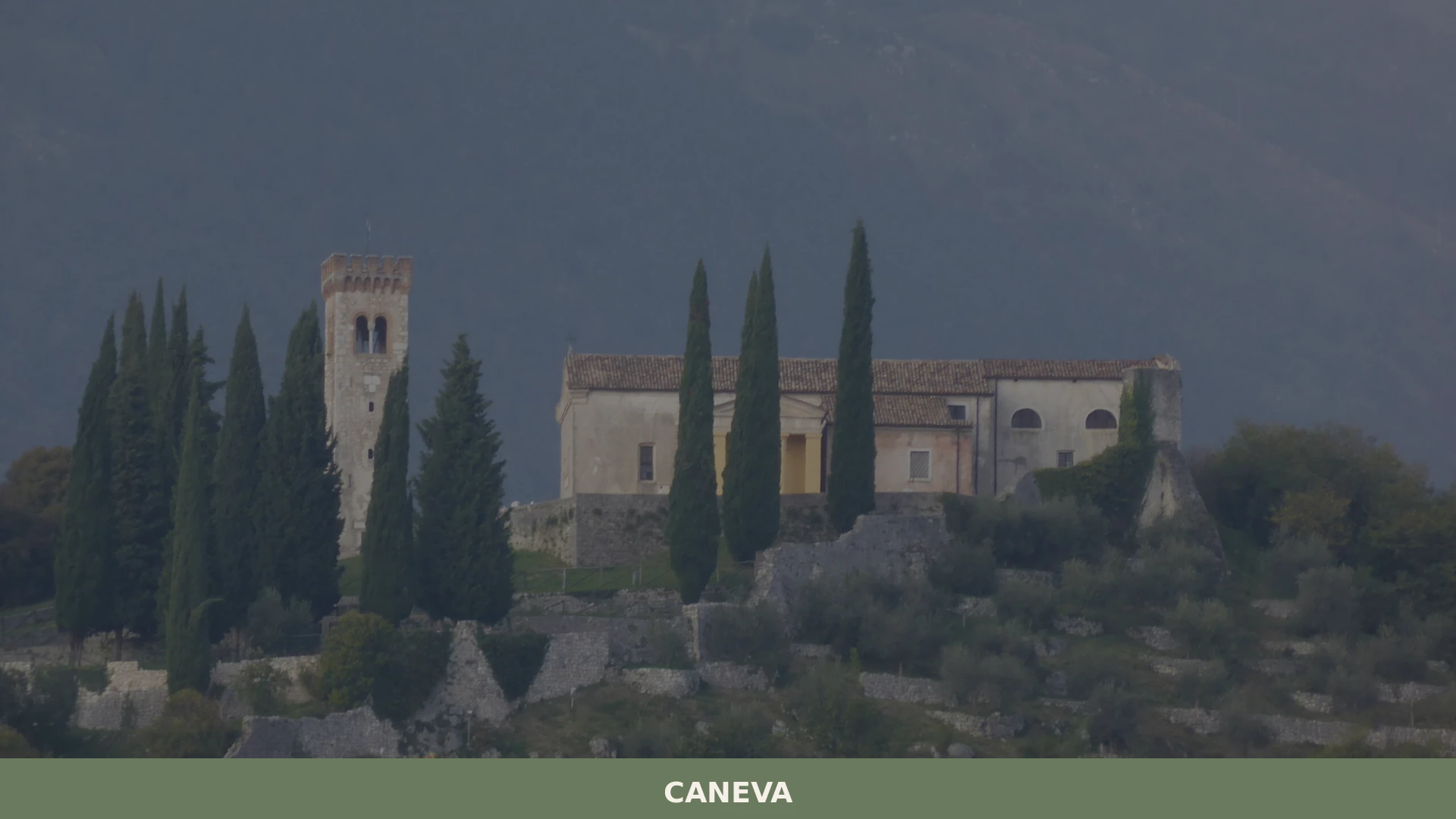
Caneva
 Plains
What to see in Caneva, Italy: explore a 42 km² comune near Pordenone. Discover top attractions, local food and travel tips. Read the complete guide.
Discover Caneva
The land between the Livenza river plain and the first limestone ridges of the Prealps does not announce itself gently. Fields give way to wooded slopes without transition, and the settlements along this stretch of the Pordenone province read as compact clusters of stone and render rather than scattered farmsteads. Caneva sits at this boundary, occupying 42.0 square kilometres (16.2 sq mi) of territory where the flat agricultural belt meets the first serious topographic resistance of the pre-Alpine foothills.
Its population of 6,374, recorded on 31 December 2004, is spread across a comune, an Italian municipality, that borders seven distinct neighbours: Cordignano, Fontanafredda, Fregona, Polcenigo, Sacile, Sarmede, and Tambre.
Deciding what to see in Caneva means engaging with a municipality that operates on multiple registers — historical, natural and agricultural — within a compact geographic frame. Located about 110 kilometres (68 mi) northwest of Trieste and about 15 kilometres (9 mi) west of Pordenone, Caneva, Friuli-Venezia Giulia, Italy sits within straightforward reach of several northern Italian transit corridors. Visitors to Caneva find a territory defined by the transition zone between the Venetian plain and the Julian Prealps, with medieval settlement patterns still legible in the layout of its hamlets and a local food culture rooted in the produce of both lowland and upland farming.
History of Caneva
The name Caneva has roots in the Venetian and Friulian linguistic traditions of the area. In Venetian dialect the settlement is called Càneva, while Standard Friulian renders it as Cjànive and Western Friulian as Cjàneva. These variants point to a territory that sat for centuries at the intersection of Romance linguistic zones, reflecting the layered jurisdictional and cultural histories of the upper Adriatic hinterland. The zone between Pordenone and the pre-Alpine ridges was contested ground throughout the medieval period, passing between ecclesiastical domains, the Patriarchate of Aquileia, and successive secular powers whose control over the foothills carried strategic weight for controlling passes toward the Veneto.
The broader Pordenone area, of which Caneva forms a western part, passed under Venetian rule during the fifteenth century and remained within the orbit of the Serenissima until the Napoleonic reorganisation of northern Italy at the close of the eighteenth century.
During the long Venetian period, settlements along the pre-Alpine fringe served as collection and forwarding points for timber, grain and livestock coming down from the highlands. The municipal territory of Caneva, with its mix of valley-floor cultivation and wooded upland, would have functioned within this economic network. Habsburg administration followed after the fall of Venice in 1797, and the area was integrated into the Kingdom of Italy only after the First World War, when the entire Friuli-Venezia Giulia region was absorbed following the campaigns of 1915 to 1918 on the Isonzo front to the east.
In the post-war decades Caneva developed as a functioning agricultural and light-industrial comune within the province of Pordenone. The municipality maintains an international dimension through its twin-town agreement with Neumarkt-Sankt Veit, a town in Bavaria, Germany, formalised in 2002. This partnership connects Caneva to a Bavarian market town of comparable scale and reflects a pattern of cross-border civic relationships common among northern Italian municipalities with historic trade links across the Alps. The Municipality of Caneva today administers a territory whose settlement geography still reflects the medieval pattern of dispersed hamlets grouped under a central administrative node.
What to see in Caneva, Friuli-Venezia Giulia: top attractions
The Medieval Settlement Core of Caneva
The historic nucleus of Caneva preserves a layout in which stone and rendered buildings follow the contour lines of the lower pre-Alpine slope rather than a grid imposed from below.
Streets narrow toward the older sections, and the wall materials shift from modern render to exposed fieldstone as you move toward the centre. The settlement sits approximately 15 kilometres (9 mi) from Pordenone, close enough to function as a residential satellite but sufficiently distinct in morphology to read as a place with its own formation history. Arriving on foot from the valley floor, the change in gradient makes the defensive logic of the original position clear. The best time to observe the built fabric in detail is outside summer weekends, when light traffic allows an unhurried reading of doorways, lintels and the occasional carved stone set into a later façade.
The Pre-Alpine Ridge Landscape North of the Comune
The northern portion of Caneva’s 42.0 square kilometres (16.2 sq mi) rises into the first ranges of the Friulian Prealps, where limestone outcrops replace the alluvial soil of the plain. The vegetation shifts from cultivated fields and vineyards at lower elevation to mixed woodland dominated by hornbeam and chestnut as the ground steepens.
This transition zone, shared along the municipal boundary with Tambre and Fregona to the north and west, is accessible on local roads and tracks that branch from the valley-floor provincial route. Walking the ridge margins in spring, when snowmelt has cleared the upper tracks by late April or early May, gives direct views south across the Livenza plain toward the Veneto. The terrain here is uneven and requires appropriate footwear; sections of path cross exposed limestone pavement where grip is variable.
The Border with Polcenigo and the Livenza Springs Area
Caneva’s eastern boundary runs adjacent to the municipality of Polcenigo, a zone where the Livenza river emerges from a series of karst springs at the base of the limestone massif. The springs, located at the foot of the hill on which Polcenigo stands, produce a constant flow of cold, clear water at a temperature that remains low through summer.
From Caneva’s territory the access roads to this area are short — under 5 kilometres (3.1 mi) — making it a direct extension of any visit to the comune. The spring complex at Gorgazzo, within the Polcenigo area, is a documented natural feature of the Livenza headwater system and draws visitors specifically for its water clarity and the surrounding wetland vegetation. Early morning visits in summer reveal the full contrast between the cold spring pool and the warming air temperature.
The Agricultural Lowland and Vine Cultivation Belt
South of the historic core, Caneva’s territory extends onto the plain where the soil transitions to the gravelly grave deposits characteristic of Friulian and Veneto river systems. This belt, which the comune shares along its southern boundaries with Fontanafredda and Sacile, supports vine cultivation alongside maize, soy and fodder crops. The vine rows here are trained in the low Guyot system, with individual plants spaced to allow mechanised passage.
Autumn, from late September through October, is the period when the agricultural calendar is most visibly active: grape harvest brings temporary labour to the farms and the roadside stands selling local produce are stocked with the season’s output. For a visitor interested in regional viticulture, the lowland section of Caneva’s territory provides an accessible ground-level perspective on how Friulian plain viticulture operates at a working-farm scale.
The Municipal Boundary Walk: Seven Comune Circuit
Caneva borders seven municipalities — Cordignano, Fontanafredda, Fregona, Polcenigo, Sacile, Sarmede, and Tambre — which is an unusually high number for a comune of this size in the Pordenone province. For walkers interested in territorial geography, the boundary lines cross a compressed range of landscape types: from the flat alluvial south to the forested and rocky north, with the pre-Alpine gradient dominating the upper third of the circuit.
A complete boundary walk would cover the full perimeter of the 42.0 square kilometre (16.2 sq mi) territory and requires a topographic map of the 1:25,000 series covering the Pordenone sheet. The nearby village of Andreis, further into the pre-Alpine zone to the north, shares a comparable landscape of limestone and mixed woodland and can be combined with a visit to Caneva’s upland margins as part of a single day in the hills.
Local food and typical products of Caneva
The food culture of the Caneva area reflects its position on the boundary between two distinct agricultural systems. To the south, the Friulian and Veneto plains produce grain, maize and wine grapes on large irrigated fields. To the north, the pre-Alpine slopes have historically supported small-scale livestock farming, mushroom gathering and the cultivation of vegetables in narrow valley gardens. The kitchen that developed from this geography combines the starch-heavy staples of the plain — polenta above all — with the cured meats, dairy products and foraged ingredients that come from upland farming. The Pordenone province, within which Caneva sits, has maintained these parallel traditions without flattening them into a single regional identity.
The first thing to understand about the local table is the centrality of polenta, made from white or yellow maize flour and cooked slowly in a copper paiolo, a wide-bottomed cauldron, over direct heat with continuous stirring for a minimum of forty minutes.
In the Pordenone area, polenta is served as a base for baccalà alla vicentina, salt cod slow-cooked in milk with onion, anchovies and olive oil, a dish whose origins lie in the Veneto but which has been fully absorbed into the Friulian plain cooking repertoire. Frico, a preparation of Montasio cheese cooked in a pan until the outer surface forms a crisp, lacy crust while the interior remains molten, appears regularly in the area and is eaten both as a standalone course and as an accompaniment to polenta. Local cured pork products, including musèt, a cooked sausage made with pig’s head, snout and skin flavoured with cinnamon, cloves and coriander, are particularly associated with winter meals and are traditionally served with boiled turnips.
The Pordenone province and the wider Friuli-Venezia Giulia region are home to several certified products recognised under European quality schemes, though specific designations centred on the Caneva municipal territory itself are not documented in the available sources. The Montasio cheese used in local frico preparation holds PDO (Protected Designation of Origin) status covering a broad zone of Friuli-Venezia Giulia and parts of the Veneto, including areas immediately adjacent to the Pordenone province.
The Prosciutto di San Daniele PDO is produced in San Daniele del Friuli and surrounding municipalities further east, but it circulates widely in the Pordenone area and appears on local tables as a cured meat product of regional reference. These products are available in local butchers and alimentari shops throughout the Caneva area.
The autumn season, from October through November, is the most active period for local food markets in the Pordenone area. The chestnut harvest from the pre-Alpine slopes generates a short-season product sold fresh and roasted at roadside points and small fairs in the comuni bordering Caneva’s northern boundary. Mushroom gathering, particularly for porcini and finferli (chanterelles), follows the September rainfall pattern and supplies both household tables and local restaurants with foraged ingredients that do not travel far from where they are picked.
Festivals, events and traditions of Caneva
The civic and religious calendar of Caneva follows the pattern common to Friulian comuni of similar size, with the local patron saint’s festival forming the central annual event around which the community organises collective activity.
The specific dedication and exact date of the patron saint celebration for Caneva are not fully documented in the sources available for this guide, but the general structure of such events in the Pordenone area involves a solemn Mass followed by a public procession through the settlement, with evening activity including music, food stalls and, in many cases, fireworks over the valley. The twinning agreement with Neumarkt-Sankt Veit, Germany, signed in 2002, generates periodic civic exchanges and joint events that bring delegations from Bavaria to Caneva and vice versa, typically timed to coincide with local festival dates.
The pre-Alpine fringe of the Pordenone province supports a cycle of sagre, traditional food festivals, tied to seasonal harvests. In the comuni surrounding Caneva, late summer and autumn bring events centred on polenta, local wine, mushrooms and cured meats. These gatherings are organised at the hamlet level by local pro loco associations, volunteer bodies responsible for promoting local culture and tourism. Visitors arriving between late September and early November have the best chance of encountering one of these events, which typically run over a single weekend and involve communal cooking in large outdoor cauldrons, live folk music and the sale of local agricultural products directly from producers.
When to visit Caneva, Italy and how to get there
The best time to visit Caneva falls within two distinct windows.
Late spring, from mid-April through June, offers mild temperatures, the pre-Alpine wildflower season on the northern slopes and the full agricultural activity of the lowland fields before the summer heat settles in. Autumn, from September through October, is equally rewarding for a different set of reasons: the grape harvest on the plain, the mushroom and chestnut season from the upland, and the concentrated calendar of local food events. July and August bring higher temperatures to the valley floor and significant visitor traffic to the lakes and mountains of the broader Friuli-Venezia Giulia region, making Caneva itself less congested but the surrounding road network busier. For those asking about the best time to visit Friuli-Venezia Giulia more generally, the same autumn window applies across most of the region’s inland territory.
Getting to Caneva by car is straightforward from the A28 motorway, which connects Portogruaro on the A4 Venice–Trieste autostrada to Pordenone. Exit at Sacile-Est or Sacile-Ovest, both within 5 kilometres (3.1 mi) of Caneva’s southern boundary, and follow the provincial road north toward the comune. From Venice, the drive covers approximately 80 kilometres (50 mi) and takes around one hour depending on traffic. Caneva is a practical day trip from Venice or from Treviso, both of which are within 90 minutes by road.
The nearest train station with regular Intercity and regional service is Sacile, on the Trenitalia Venice–Udine line, approximately 5 kilometres (3.1 mi) from Caneva. From Sacile station, local buses or taxis connect to the comune. The nearest international airport is Treviso Airport (TSF), approximately 55 kilometres (34 mi) to the south, with Venice Marco Polo Airport (VCE) approximately 85 kilometres (53 mi) away. A practical note for international visitors: English is limited in smaller shops and bars within Caneva; carrying some euro cash is advisable, as not all local businesses accept card payments.
For those approaching from the east, Pordenone city centre lies about 15 kilometres (9 mi) away by the provincial road and provides a larger service base — hotels, restaurants and rail connections — that can support a visit to Caneva as part of a wider Pordenone province itinerary. The drive from Trieste takes approximately 1 hour 45 minutes covering the 110 kilometres (68 mi) on the A4 and A28 motorways, making Caneva accessible as a stop on a cross-regional route between the Veneto and the Trieste coast.
Frequently asked questions about Caneva
What is the best time to visit Caneva?
Caneva offers distinct attractions throughout the year. Spring (late April to early May) is ideal for exploring the Pre-Alpine ridge landscape, with cleared tracks and views over the plain. Autumn (late September through October) is perfect for experiencing the active grape harvest in the agricultural lowlands and sampling local produce. For a glimpse of local traditions, visit on July 3rd for the Feast of San Tommaso Apostolo, the village patron saint. Summer mornings are best for the clear waters of the Livenza springs, while avoiding summer weekends is advised for a quieter experience of the medieval core.
What to see in Caneva? Main monuments and landmarks
The primary historical attraction in Caneva is its well-preserved Medieval Settlement Core. This historic nucleus features a distinctive layout of stone and rendered buildings that follow the natural contours of the pre-Alpine slope, with narrow streets and exposed fieldstone facades. While no specific individual monuments are highlighted, the entire core functions as an open-air museum of medieval settlement patterns. Visitors can best appreciate its unique architecture by exploring on foot, especially outside of busy summer weekends.
What are the main natural or scenic attractions of Caneva?
Caneva boasts several natural attractions reflecting its transitional landscape. To the north, the Pre-Alpine Ridge Landscape offers stunning views across the Livenza plain, with limestone outcrops and mixed woodlands ideal for hiking, particularly in spring. East of Caneva, close to Polcenigo, lies the Livenza Springs Area, including the renowned Gorgazzo springs, known for their exceptionally clear, cold waters and unique wetland vegetation, best visited in the early morning during summer. Additionally, the southern Agricultural Lowland and its vine cultivation belt provide scenic vistas of working vineyards, especially vibrant during the autumn harvest.
Where to take the best photos in Caneva?
For captivating photographs in Caneva, consider several key locations. The Pre-Alpine Ridge Landscape to the north offers panoramic shots of the Livenza plain stretching towards the Veneto, especially beautiful in spring. The historic Medieval Settlement Core, with its unique stone and rendered buildings and narrow streets, provides atmospheric architectural details. The Livenza Springs Area, particularly the Gorgazzo springs near Polcenigo, is perfect for capturing the striking clarity of the turquoise water and surrounding natural flora. During autumn, the Agricultural Lowland and its vine cultivation belt offer picturesque scenes of grape harvest and rural Friulian landscapes.
Are there museums, churches or historic buildings to visit in Caneva?
While Caneva does not feature specific museums, its main historical attraction is the well-preserved Medieval Settlement Core. This area showcases the traditional architecture of the region, with its stone and rendered buildings and narrow, winding streets reflecting centuries of settlement history. Visitors can explore this unique historical fabric on foot, appreciating the details of doorways, lintels, and carved stones embedded in the facades, particularly when traffic is light outside peak summer weekends.
What can you do in Caneva? Activities and experiences
Caneva offers a variety of activities centered around its unique natural and historical landscape. Visitors can enjoy hiking and exploring the Pre-Alpine Ridge Landscape to the north, especially in spring, or take on the challenging Municipal Boundary Walk. Discover the clear waters of the Livenza Springs, particularly Gorgazzo, ideal for early morning visits in summer. For those interested in local agriculture, the lowland provides an opportunity to observe Friulian viticulture firsthand, especially during the grape harvest in autumn. Additionally, immerse yourself in local culture by exploring the historic Medieval Settlement Core and experiencing the annual Feast of San Tommaso Apostolo on July 3rd.
Who is Caneva suitable for? Families, couples, hikers, solo travelers?
Caneva is a versatile destination suitable for a range of visitors. Hikers and nature enthusiasts will appreciate the Pre-Alpine Ridge Landscape and the challenging Municipal Boundary Walk, offering stunning views and varied terrain. Food and wine lovers can explore the agricultural lowlands, especially during the autumn harvest, and savor local specialties like polenta and baccalà. History buffs will enjoy wandering through the Medieval Settlement Core, while families and solo travelers seeking tranquility can find it by the clear Livenza Springs or in the charming rural landscapes.
What to eat in Caneva? Local products and specialties
The culinary tradition of Caneva is a rich blend of plain and pre-Alpine influences. A cornerstone of the local table is polenta, traditionally prepared from white or yellow maize flour in a copper paiolo. This versatile staple is often served alongside baccalà alla vicentina, a flavorful dish of salt cod slow-cooked with milk, onion, anchovies, and olive oil. Visitors should also seek out local cured meats, dairy products, and seasonal foraged ingredients from the upland areas. During autumn, look for fresh grapes and other regional produce at roadside stands, reflecting Caneva's active agricultural belt.
📷 Photo Gallery — Caneva
Getting there
Piazza Martiri Garibaldini, 33070 Caneva (PN)
Nearby Villages near Caneva
 Mountain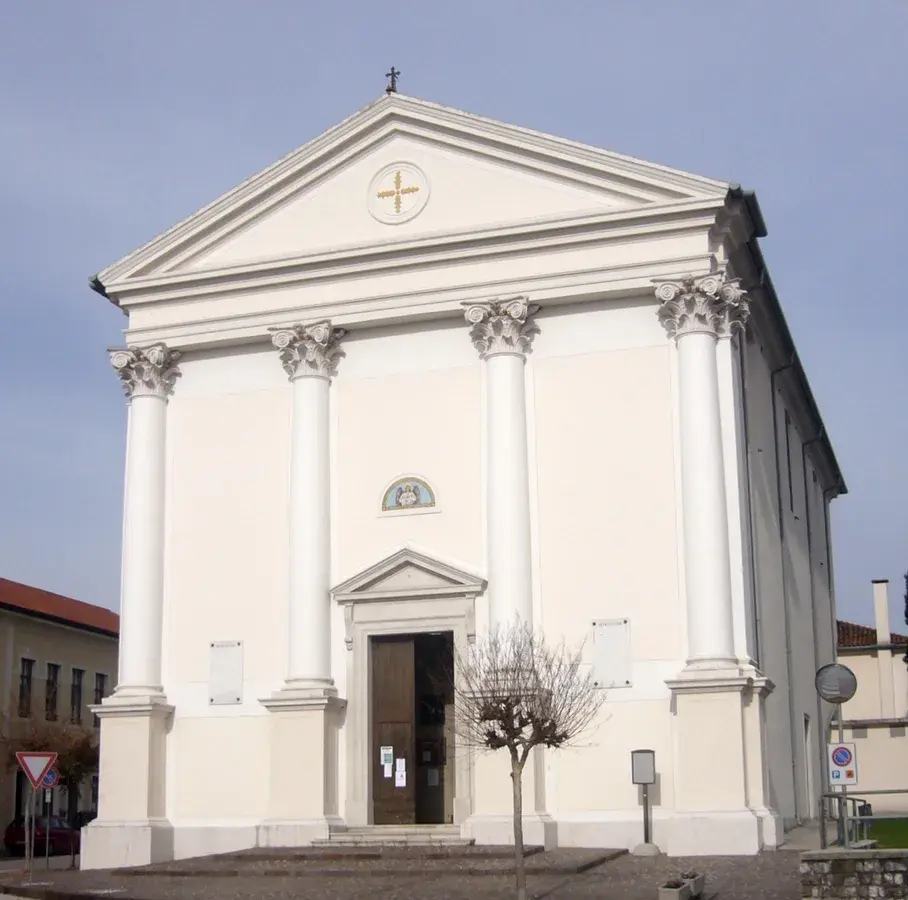
In Friuli-Venezia Giulia More villages to discover
Doberdò del Lago
Plains
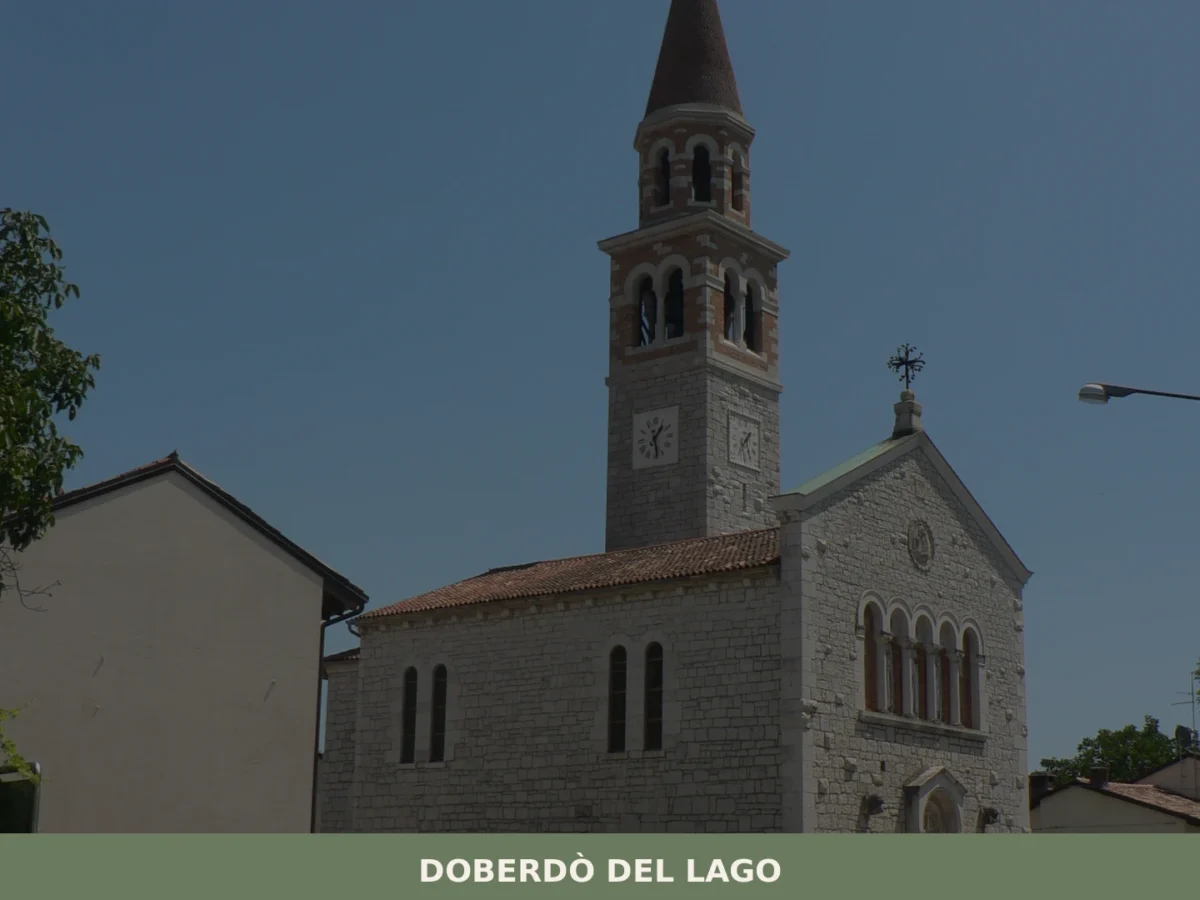
What to see in Doberdò del Lago, Italy, a village with 1,340 inhabitants. Discover the unique Karst Plateau and explore significant WWI sites. Plan your visit to Friuli-Venezia Giulia.
Amaro
 Hills
Hills
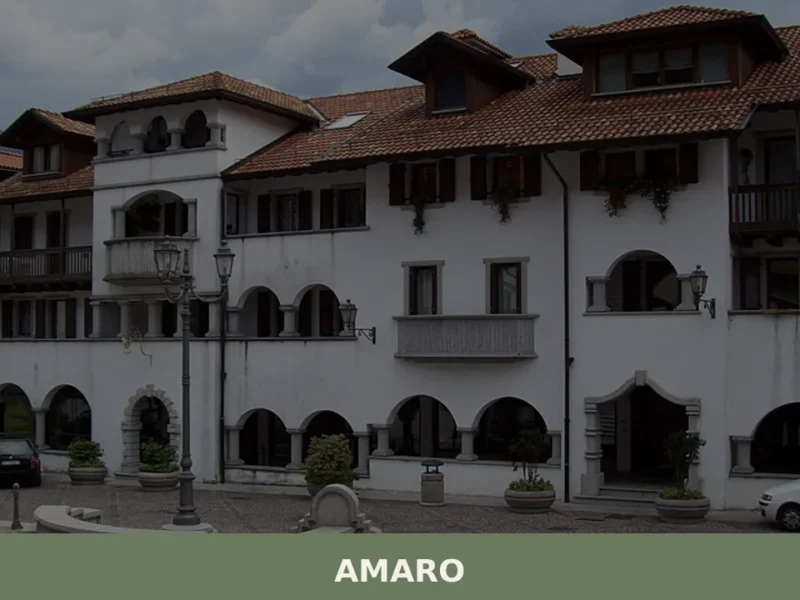
What to see in Amaro, Italy: Discover this Friuli-Venezia Giulia village at 296 m (971 ft) altitude. Explore local traditions and planning your visit.
Udine
Plains
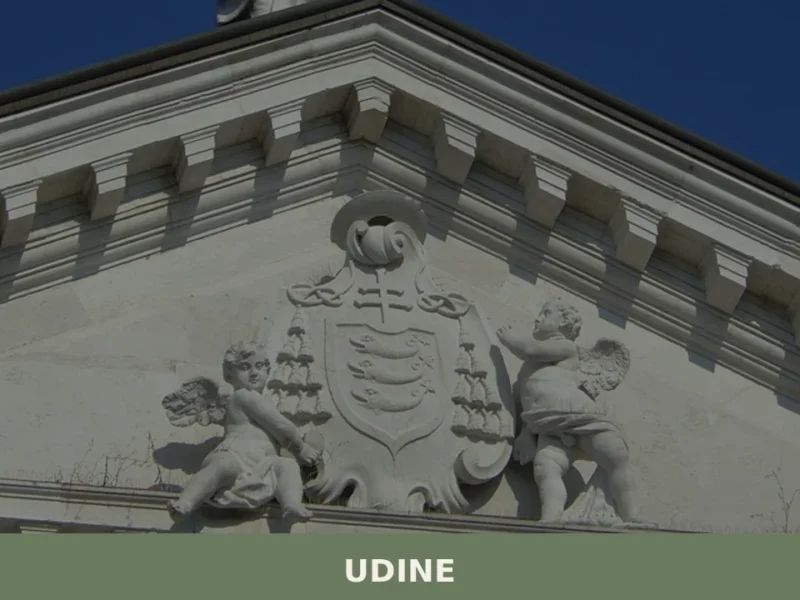
what to see in udine, home to 98,780 residents. Discover the historic Castle, Piazza della Libertu00e0, and Tiepolo Galleries. Explore its rich heritage.
Aiello del Friuli
Plains
On the Friulian plain, at 18 metres above sea level, a village of just over two thousand inhabitants holds the highest concentration of sundials per square metre in Italy: more than one hundred solar quadrants scattered across house facades, courtyard walls, and church exteriors. This is not an outdoor exhibition designed for tourists — it […]
Carlino
Plains
The first thing you notice arriving in Carlino is the industrious silence of the Friulian plain, broken only by the rustle of water flowing through the drainage canals that cross the municipal territory. We are in the Bassa Friulana, province of Udine, just a few kilometres from the Marano Lagoon, in a land where agriculture […]
Aviano
Hills
What to see in Aviano, Italy: Explore this town of 8,948 inhabitants, from its 10th-century castle ruins to the Cathedral of San Zenone. Discover its rich history and natural beauty.
Capriva del Friuli
Plains
What to see in Capriva del Friuli: 5 must-visit attractions including wineries, historic villas and the Collio hills. Discover the complete guide to plan your visit.
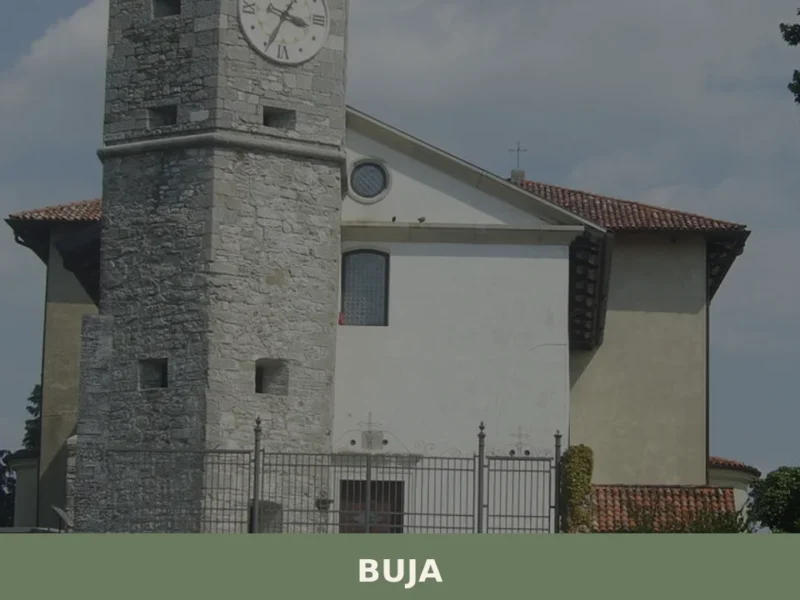
Buja
Hills
In 1976, two earthquakes devastated Friuli, and Buja was among the hardest-hit municipalities: more than seventy per cent of its buildings suffered serious damage. The reconstruction, which lasted nearly two decades, reshaped the appearance of this hilltop settlement without erasing the scattered layout of hamlets and small villages that has defined it since the Middle […]
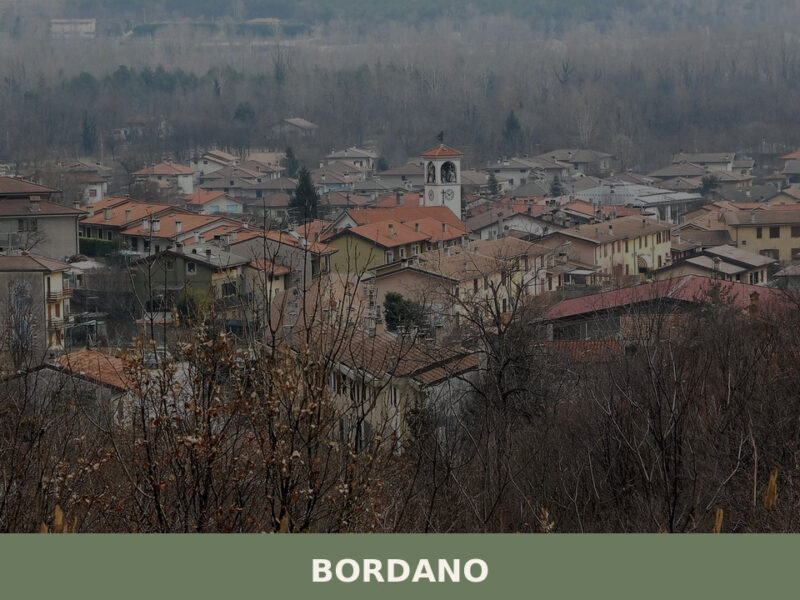
Bordano
Hills
Bordano, the Village of Butterflies in Friuli Venezia Giulia, pairs over 100 painted murals with genuine alpine biodiversity. A guide to its trails, lake, food, and art.
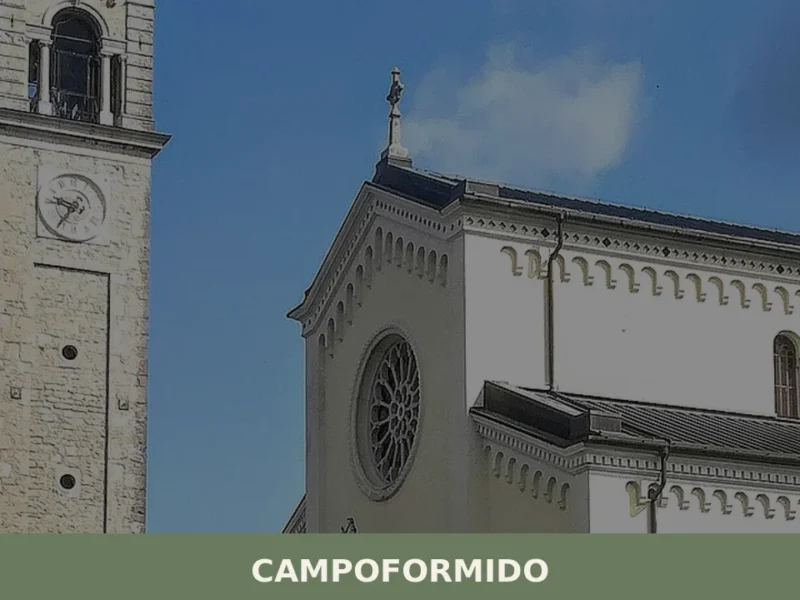
Campoformido
Plains
On 17 October 1797, in a country villa on the Friulian plain, plenipotentiaries representing Napoleon Bonaparte and the Austrian Empire signed the treaty that redrew the political map of Europe, erasing the Republic of Venice after more than a millennium of existence. That document bears the name of this place: Campoformido, a municipality of 7,799 […]
🏡 Know Caneva better than we do?
If you’re a local or have been there, your knowledge matters: add what’s missing or fix a detail on this page.