


Argusto
 Hills
Hills
Discover Argusto, a quiet hilltop village of 400 in Calabria’s interior. Explore its historic streets, local food, and authentic Catanzaro traditions.
Discover Argusto
Four hundred inhabitants, the province of Catanzaro, and a name that in Calabrian dialect sounds like Argùstu: even the local pronunciation says something about the distance between this village and the pace of the coastal cities. The houses cluster together on a rise in the Calabrian hinterland, far enough from the Ionian Sea to enjoy a different climate and light from those of the coastal strip.
The local sandstone and tuff colour the walls a warm grey that shifts during the middle hours of the day, when the stone holds the heat and slowly gives it back at sunset.
Those who want to know what to see in Argusto will find a compact village where the historic urban fabric, the mother church, the hilly landscape of the province of Catanzaro and the trails through the Calabrian hinterland make up the concrete reasons for a visit.
The 400 inhabitants keep patron-saint festivals alive along with a gastronomic tradition rooted in the produce of the interior, well away from mass tourism circuits. What to see in Argusto cannot be taken in within an hour: the village calls for a slow reading, building by building, climb by climb.
History and origins of Argusto
The name Argùstu in its Calabrian form recalls, according to local tradition, a Latin origin intertwined with the Roman presence in the Catanzaro hinterland. The settlement belongs to that belt of inland Calabrian villages that grew up on hilltops for defensive reasons, away from the coastal plains exposed to raids. The position guaranteed visual control over the surrounding territory and access to the agricultural resources of the hills — a characteristic shared by many centres in the province of Catanzaro that took shape in the early Middle Ages.
The history of Argusto follows the great political transformations that swept through Calabria between the Norman and Aragonese periods.
Like many villages in the Catanzaro hinterland, the municipality experienced the feudal system that distributed control of the territory among noble families tied to the Neapolitan Crown.
These changes of lordship left traces in the urban layout and in religious architecture: churches built or enlarged between the fifteenth and seventeenth centuries reflect the tastes and patronage of local feudal lords, who funded sacred works as a means of legitimising their power. A similar trajectory, marked by successive dominations and an urban plan that follows the ridgelines, can also be found in Stilo, another Calabrian municipality where the medieval and Byzantine historical layers remain legible in the surviving architecture.
Between the eighteenth and nineteenth centuries Argusto experienced the same demographic pressures and economic crises that gradually depopulated the Calabrian interior. Emigration to the Americas and to northern Italy during the twentieth century progressively reduced the population to its current 400 inhabitants. This demographic contraction has, however, preserved the historic core from heavy building alterations: the constructed volumes remain those of the historical period, with few recent additions that do not alter the overall profile of the village as seen from the valley below.
What to see in Argusto: main attractions
The historic core and the medieval urban layout
The streets of Argusto’s historic centre follow contour lines dictated by the morphology of the hilly terrain, following a logic that knows nothing of the orthogonal grid but instead traces the slope of the land.
The narrowest alleyways, barely wide enough for two people to pass, connect the village’s different levels through steps carved from local stone. Some buildings preserve doorways with round arches dating back to the eighteenth century, recognisable by the treatment of the squared stone at the jambs compared to the ordinary masonry.
The visitor who climbs to the highest point of the village gains a view over the rolling hills of the province of Catanzaro that immediately makes clear why this spot was chosen as a settlement: visual control over the surrounding territory is virtually total.
Morning is the best time to walk through the historic core, when the raking light brings out the textures of the stonework.
The Mother Church
Argusto’s main church represents the religious and visual focal point of the village: its façade dominates the central square and the bell tower serves as the vertical landmark visible from multiple points across the municipal territory. The building underwent reconstruction and consolidation works in the centuries following the seventeenth, a period during which the earthquakes that repeatedly struck Calabria damaged many religious buildings in the interior.
The interior preserves decorative elements and works of sacred art that document local devotion and the patronage of the village’s most prominent families throughout the eighteenth and nineteenth centuries. It is worth paying close attention to the details of the side altars, which in churches of villages like Argusto often conceal craftsmanship of a quality higher than one might expect from a centre of this size.
Access to the church follows the schedule of liturgical services; for visits outside these hours, it is advisable to contact the local parish.
The hilly landscape and the inland trails
The municipal territory of Argusto spreads across the hills of the province of Catanzaro in a landscape where olive groves, coppice woodland and arable land alternate without interruption. The paths that descend from the village into the valleys below allow visitors to read the geological structure of this part of the Calabrian interior, with clay and calcarenite outcrops that explain the erosive appearance of certain slopes.
On foot, within an hour’s walk from the centre, one reaches viewpoints from which the gaze extends over a significant portion of the province. Those who walk these routes in spring, between April and May, find the hillsides covered in spontaneous vegetation still vigorous before the summer drought. Light trekking boots are sufficient for the main paths, which require no mountaineering equipment.
The civic architectural heritage of the village
Alongside the religious architecture, Argusto’s historic centre preserves a fabric of civic buildings that document the social organisation of the village between the eighteenth and nineteenth centuries.
Several noble palazzine, recognisable by their wrought-iron balconies and doorways framed by carved stone cornices, face onto the main streets of the inhabited core. These buildings belonged to local families who had accumulated landholdings in the Catanzaro hinterland and who built urban residences as a mark of status, following architectural models widespread in southern Italy during the Bourbon period.
Although many of these properties are today private homes not open to the public internally, reading the façades from the outside already provides sufficient information about the constructive quality and spatial organisation of the local historic built fabric.
Walking street by street through the historic centre with attention to the façades takes approximately forty-five minutes.
The panoramas over the province of Catanzaro
From the highest point of the village, the landscape opens onto a broad horizon that on the clearest days allows one to make out the outlines of the Aspromonte massif to the south and the Calabrian Serre to the north. Argusto’s position within the province of Catanzaro places the village at an elevation that offers an intermediate perspective between the Ionian coast and the inland mountains, with a variety of visual planes that flat areas simply cannot provide.
This vantage point was probably one of the original reasons for the choice of settlement, and today it represents a concrete and well-documented element of landscape interest. Those in search of a stopping point from which to photograph the Calabrian interior landscape will find in Argusto an authentic observation point, free from the tourist footfall that characterises the most publicised belvederes in the region.
At sunset, the light falls favourably towards the west, over the inland hills.
Traditional cuisine and products of Argusto
The cuisine of the Catanzaro hinterland, to which Argusto belongs, is built around locally produced ingredients: durum wheat, legumes, seasonal vegetables, home-cured pork, and aged pecorino cheeses. This gastronomic tradition reflects an agricultural and pastoral economy that for centuries had to contend with the distance from coastal markets and a dry summer season that made food preservation essential. The result is a cuisine oriented toward long shelf life: cured meats, hard cheeses, dried pasta dressed with slow-cooked sauces.
Among the dishes of the local tradition, pasta e fagioli prepared with borlotti beans grown in the hinterland and seasoned with Calabrian extra virgin olive oil holds a central place in the domestic repertoire.
Pitta, a flat bread made from durum wheat semolina baked in a wood-fired oven, accompanies main meals and comes in sweet and savory variations that change according to the season and occasion.
Capocollo and soppressata, produced from locally raised pork, are cured with the addition of ground Calabrian chili pepper, an ingredient that defines the charcuterie of the entire province of Catanzaro. ‘Nduja, a spreadable cured meat made from pork and hot chili pepper, is widespread throughout Calabria and is also present in the food traditions of the inland villages of the Catanzaro area, including Argusto.
Pecorino cheeses produced from the milk of sheep raised on the local hills round out the gastronomic picture of the area. Aging ranges from a few weeks, for fresh cheeses consumed locally, to several months for wheels intended for grating.
Extra virgin olive oil produced from native Calabrian olive varieties features in every preparation, both as a seasoning and as a means of preserving products in oil.
A similar gastronomic tradition, founded on the same ingredients of the Calabrian hinterland, can also be found in neighboring villages: those exploring what to see in Argusto and the surrounding area who visit Altilia will recognize in the local preparations the same cultural roots that characterize the cuisine of Argusto.
Local products are found mainly at the weekly markets of the provincial municipalities and directly from producers. There are no DOP, IGP, or PAT certifications in the official database specifically attributed to the municipal territory of Argusto, but pork products and pecorino cheeses are part of supply chains recognized at the Calabrian regional level.
For direct purchases, it is advisable to inquire at the town hall or with local residents about the market days closest to your visit.
Festivals, events, and traditions of Argusto
Like the vast majority of inland Calabrian villages, Argusto organizes its community life around the Catholic liturgical calendar.
The patron saint’s feast is the most important gathering of the year, with processions winding through the streets of the historic center, brass band music, and the participation of emigrated residents who return to the village for the occasion. This seasonal return of fellow villagers living elsewhere is a sociological phenomenon characteristic of depopulated Calabrian villages, which during the days of the festival temporarily regain a population density far higher than the ordinary one.
Traditions tied to the agricultural calendar and to the winter pork processing, usually between December and January, survive in residual form among families that still keep domestic livestock. These practices — the slaughter of the pig, the preparation of cured meats, the distribution of cuts among participants — are moments of collective sociality as well as food production. For up-to-date information on the exact dates of local events, the institutional reference is the Comune di Argusto, which updates the events calendar on its official website.
When to Visit Argusto and How to Get There
Spring, between April and June, offers the best conditions for what to see in Argusto: temperatures in the Catanzaro hinterland are still mild, the hillside vegetation is at its fullest development, and the roads are not yet affected by the summer flows that characterise the coastal areas.
Summer brings intense heat during the central hours of the day, but evenings remain cool at this inland altitude. Autumn, from September to November, is a second favourable period: the light is different from spring, more horizontal and warm, and the hills take on colours determined by the vegetation in transition. Winter is manageable but requires attention to road conditions, as the roads of the Calabrian hinterland can prove difficult in the event of frost.
If you arrive by car from the A2 Autostrada del Mediterraneo, the reference exit is Catanzaro Sud, from which you travel along provincial roads towards the hinterland to reach Argusto.
The nearest railway station is located at Catanzaro Lido, served by Trenitalia with connections on the Ionian line; from there it is necessary to continue by car or local transport towards the interior.
The nearest airport is Lamezia Terme, approximately 50 kilometres from Argusto as the crow flies, with travel times varying depending on the road route chosen. Those travelling from the north on the A2 may consider the Lamezia Terme exit as an alternative, then evaluating the route through the inland roads. To check timetables and availability of local public transport, it is advisable to consult the municipal website or Calabria’s regional transport services.
| Starting point | Distance | Estimated time |
|---|---|---|
| Catanzaro (city) | approximately 25 km | 35–45 minutes by car |
| Lamezia Terme Airport | approximately 50 km | 60–75 minutes by car |
| Catanzaro Lido Station | approximately 30 km | 40–50 minutes by car |
Those organising a wider itinerary through the Calabrian hinterland can include Argusto in a route that touches other villages in the region.
Pentedattilo, in the province of Reggio Calabria, is located approximately two hours by car to the south and is a stop that completes the picture of cave architecture and historic Calabrian settlement.
Those who prefer to travel northward, into the Cosenza area, can include in their route Altomonte, a medieval village with a documented artistic heritage among the most significant in northern Calabria.
Nearby Villages near Argusto

In Calabria More villages to discover
Bianchi
 Mountain
Bianchi is home to 1,358 residents spread across a hilly area in the province of Cosenza, at roughly 500 metres above sea level along the middle valley of the Savuto river. Anyone looking into what to see in Bianchi will find a medieval urban core, a mother church documented since the 16th century, and a […]
Bisignano
Hills
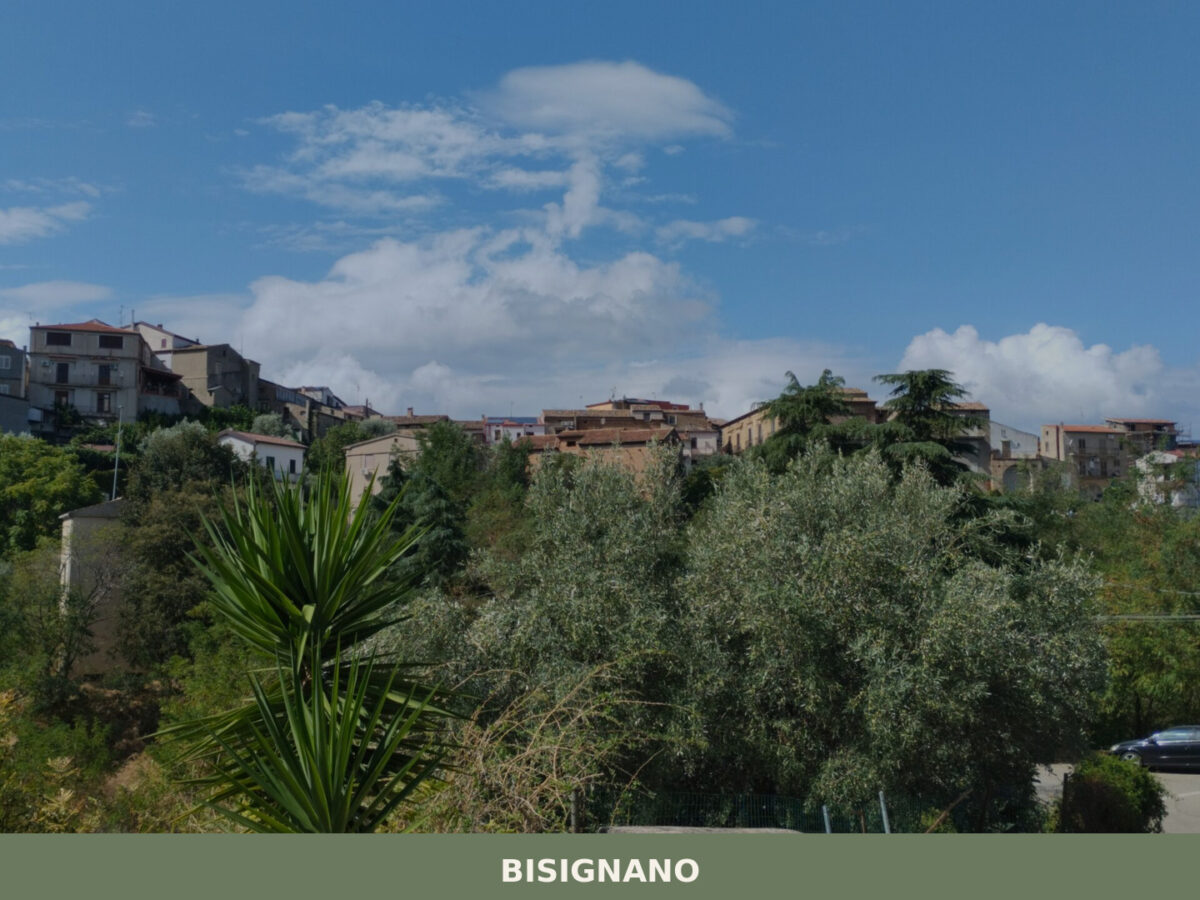
What to see in Bisignano: Discover 5 top attractions. This village (pop. 9,501) features the Ducal Castle and Sant'Umile Sanctuary for rich history.
Anoia
 Plains
What to see in Anoia? Explore the 5 main attractions of this Calabrian village. The complete guide awaits to help plan your visit. Learn more!
Aiello Calabro
Hills
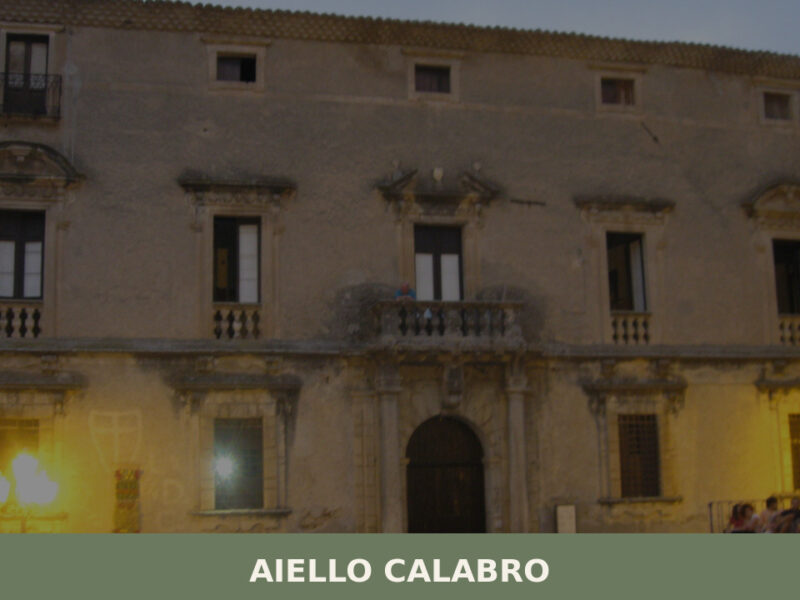
A hill village in Cosenza province at 502 metres, Aiello Calabro holds medieval ruins, noble palazzi, and a living food culture shaped by centuries of mountain life.
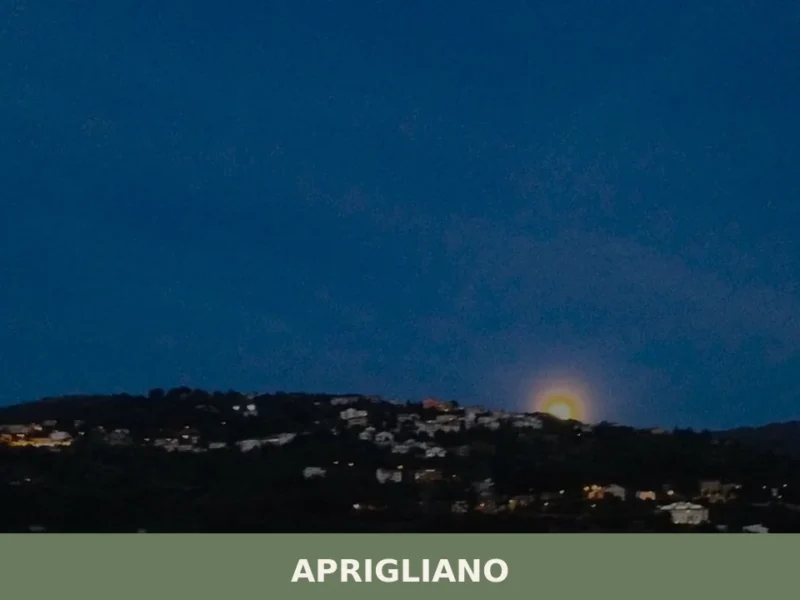
Aprigliano
Mountain
Explore Aprigliano Calabria, a picturesque village nestled in the heart of Italy. Uncover its rich history, stunning landscapes, and authentic Calabrian charm. Plan your visit today!
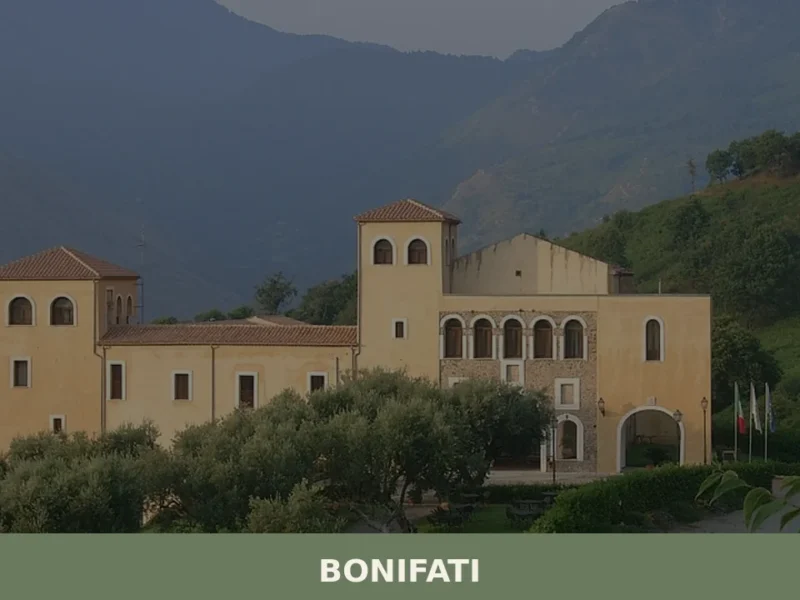
Bonifati
 Sea
Sea
The village of Bonifati, located in the Cosenza hinterland but with a view towards the Tyrrhenian Sea, has historical roots deeply embedded in a past of fortifications and coastal defense. Already in the Middle Ages, this settlement stood out for its strategic position, an element that shaped its urban layout and identity. In this article […]
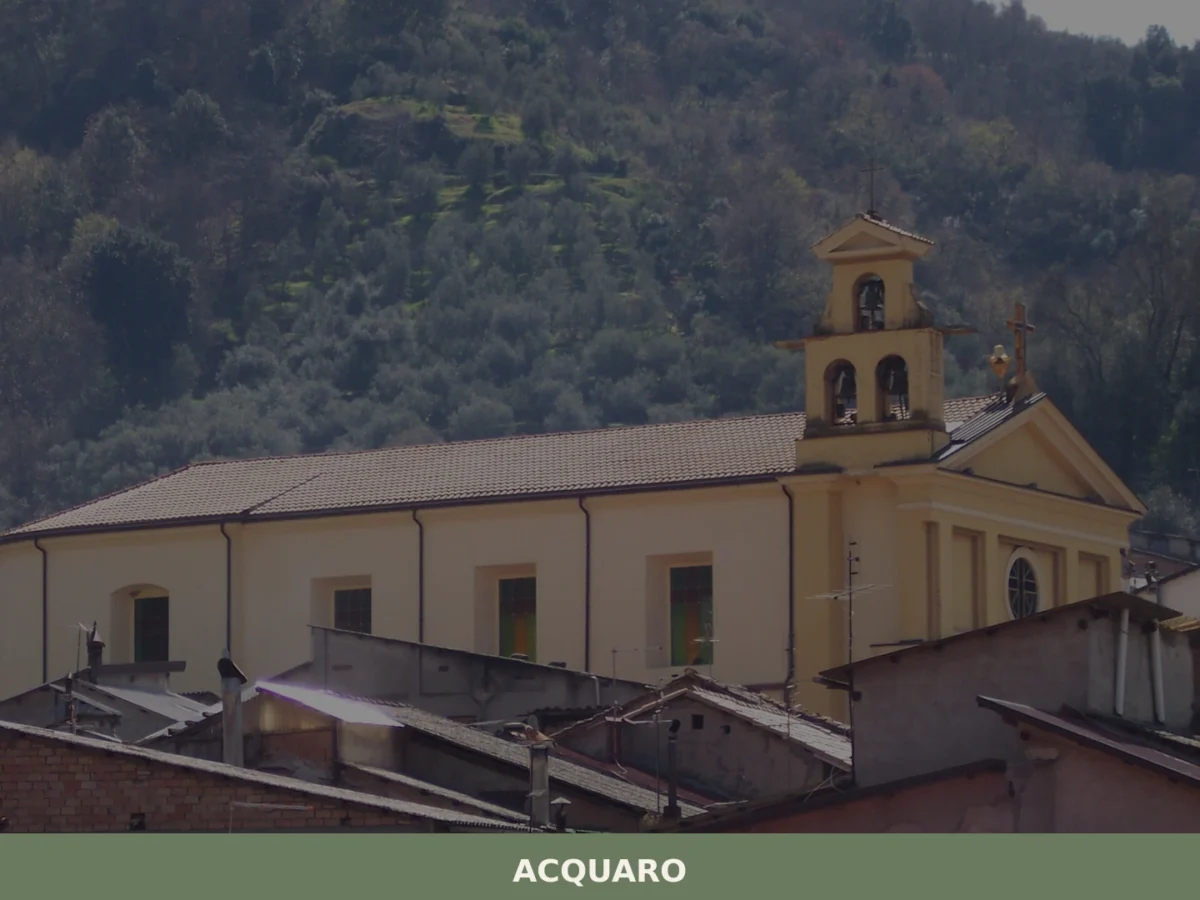
Acquaro
Hills
Discover what to see in Acquaro, a village of 1,778 inhabitants in Vibo Valentia, Calabria. History, food, travel tips and the Alto Mesima valley landscape.
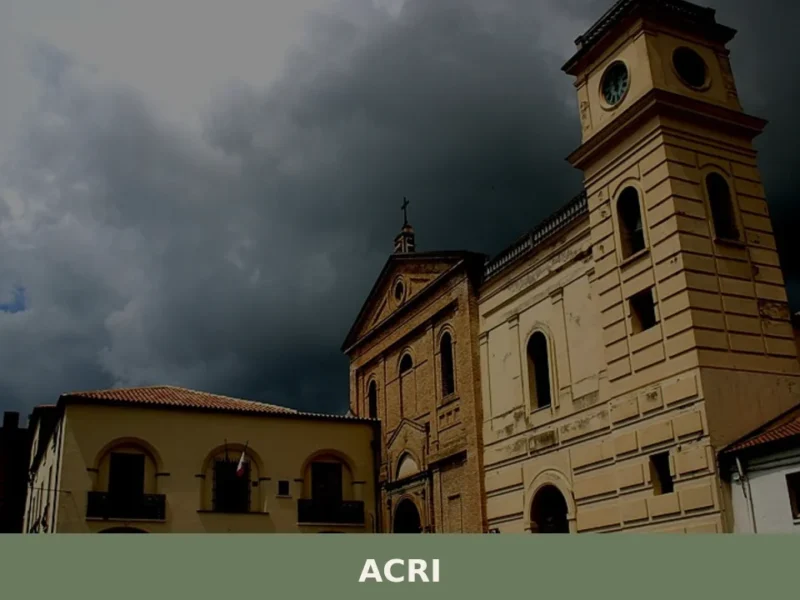
Acri
Mountain
Acri is a town in the province of Cosenza with over 21,000 inhabitants, located in the Calabrian interior of the Sila Greca area, on a territory that passed through Norman, Swabian and Aragonese rule, leaving concrete traces in the local architecture and culture. For anyone approaching this corner of the province of Cosenza, the question […]
Agnana Calabra
Mountain
Planning a visit? Discover what to see in Agnana Calabra u2014 history, local food, best time to visit and how to reach this Reggio Calabria village.
Pentedattilo
Hills
What to see in Pentedattilo, Calabria, Italy: a ghost town founded in 640 BC at 250 m altitude. Discover top attractions, history, and how to get there.


🏡 Know Argusto better than we do?
If you’re a local or have been there, your knowledge matters: add what’s missing or fix a detail on this page.