


Agnana Calabra
 Mountain
Planning a visit? Discover what to see in Agnana Calabra u2014 history, local food, best time to visit and how to reach this Reggio Calabria village.
Discover Agnana Calabra
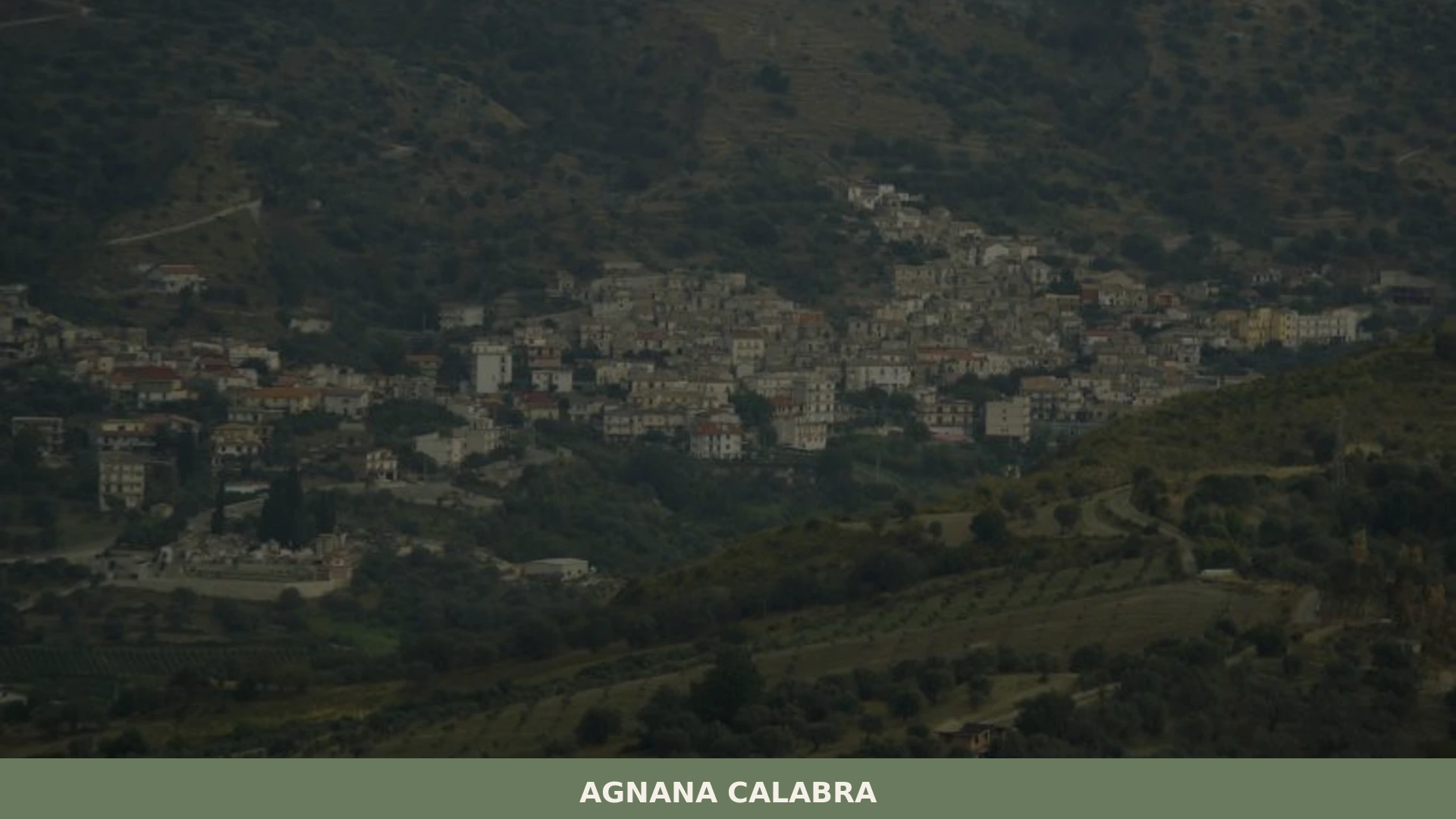
Agnana Calabra is a commune of 446 inhabitants in the Metropolitan City of Reggio Calabria, positioned in the southern reaches of Calabria. For anyone researching what to see in Agnana Calabra, the village presents a concentrated portrait of small-town Calabrian life — compact in scale yet coherent in character, governed by the rhythms of the Aspromonte hinterland and the agricultural traditions that have sustained communities here for generations.
History of Agnana Calabra
The place name Agnana is believed to derive from the Latin Anneiana, a form suggesting an origin connected to a Roman fundus — a rural estate or landholding — possibly associated with a family name of the imperial period.
This pattern of Latin-derived toponyms is well documented across the Reggio Calabria province, where Roman agricultural settlement left a lasting linguistic footprint on the landscape long after the fall of the Western Empire. The village’s administrative identity consolidated within the framework of the Kingdom of Naples, which organised Calabrian territory into units that persisted, with modifications, well into the modern era.
During the medieval and early modern centuries, the area around Agnana Calabra fell within the broader feudal geography of the Calabria Ultra province, subject to shifting noble authority as Spanish and Bourbon administrations reorganised land ownership and fiscal obligations across southern Italy. The Bourbon kingdom’s cadastral reforms of the eighteenth century brought greater administrative definition to small communes like Agnana, fixing population counts, land boundaries and tax assessments that form the earliest quantifiable record of the settlement.
The 1783 earthquake, one of the most destructive seismic events in Calabrian history, devastated much of the province of Reggio Calabria and inevitably left its mark on the built fabric of villages throughout this zone.
The post-unification period brought Agnana Calabra into the newly formed Kingdom of Italy in 1861, at which point it was formally registered as an independent commune. Like many small Calabrian municipalities, it experienced sustained demographic contraction through the twentieth century as emigration — first to northern Italy and then to northern Europe and the Americas — steadily reduced the resident population. Today’s figure of 446 inhabitants reflects that long arc of departure, leaving behind a settlement whose built environment is substantially older than its current population density would suggest.
What to see in Agnana Calabra: 5 must-visit attractions
The Parish Church
The village’s main parish church is the primary architectural landmark of the historic centre. As with most Calabrian inland churches, its current fabric reflects rebuilding phases following the seismic events of the eighteenth and nineteenth centuries, incorporating salvaged decorative elements alongside later construction.
The interior typically houses locally venerated devotional works and liturgical furnishings accumulated over several centuries of parish life.
The Historic Centre
The compact centro storico preserves the street layout of a pre-modern Calabrian hill settlement, with narrow lanes, stone construction and shared courtyard spaces that reflect a vernacular building tradition adapted to the terrain and climate of the Aspromonte foothills. Several older façades retain carved stone details and doorways characteristic of southern Italian rural architecture from the seventeenth and eighteenth centuries.
The Surrounding Agricultural Landscape
The territory of Agnana Calabra sits within a landscape shaped by centuries of olive cultivation, citrus groves and subsistence agriculture.
The terraced hillside plots visible on the commune’s edges represent a form of land management dating to at least the medieval period, and walking the rural tracks around the village provides direct access to this working agricultural context.
The Municipal Cemetery Chapel
The cemetery chapel, a feature common to all Italian communes formalised under Napoleonic and post-unification administrative regulations, often contains the oldest surviving funerary inscriptions in small villages, making it a documentary resource for local family history as well as an example of nineteenth-century vernacular religious architecture in the Reggio Calabria province.
Views Towards the Aspromonte and the Ionian Coast
From elevated points within and around the village, the prospect encompasses the wooded ridges of the Aspromonte massif — a national park covering over 64,000 hectares — and, on clear days, extends toward the Ionian coastline. This visual relationship between the mountain interior and the sea is a defining geographical characteristic of settlements in the Metropolitan City of Reggio Calabria.
Local food and typical products
Agnana Calabra sits within the culinary territory of the Reggio Calabria province, where the food culture is built on a small number of ingredients produced with considerable consistency: Calabrian extra virgin olive oil, locally grown bergamot — a citrus fruit whose cultivation is concentrated almost entirely in the Reggio Calabria coastal strip — chilli pepper, cured pork products including nduja and soppressata, and hand-rolled pasta formats such as fileja.
These products anchor the daily diet and appear across the limited number of local establishments serving food. The Regione Calabria’s official portal documents the full range of regional agri-food designations, several of which apply to producers operating in this zone.
For visitors, eating well in Agnana Calabra means engaging with the rhythm of small-village hospitality: a trattoria, a family-run agriturismo in the surrounding countryside, or the domestic table rather than a structured restaurant scene. The surrounding Aspromonte territory is associated with mushroom and wild herb foraging, and seasonal menus in the area reflect this directly. Bergamot-based products — liqueurs, preserves and confectionery — are among the most locally specific things to bring back from any visit to the Reggio Calabria hinterland.
Best time to visit Agnana Calabra
The climate of the Reggio Calabria interior follows a Mediterranean pattern modified by altitude: summers are hot and dry, winters mild but occasionally wet, with the Aspromonte ridges receiving snowfall at higher elevations between December and February.
For visiting the village itself and the surrounding countryside, late spring — April through early June — and early autumn — September and October — offer the most practical conditions: moderate temperatures, reduced summer heat, and the olive harvest beginning in October, which gives the landscape particular activity and purpose. August concentrates the greatest number of Calabrian festival and patron saint celebrations, including in small communes across the province, so checking the municipality’s calendar for the feast of the local patron saint is worthwhile for visitors interested in witnessing the formal civic and religious life of a small Calabrian community.
How to get to Agnana Calabra
Agnana Calabra is located in the Metropolitan City of Reggio Calabria, in the far south of Calabria. The primary access points and travel references are as follows:
- By car: The A2 Autostrada del Mediterraneo runs along the Calabrian backbone; exits toward the Reggio Calabria metropolitan area provide the closest motorway access. From the exit, provincial roads lead into the Aspromonte hinterland toward the village. A car is strongly recommended as public transport connections to small inland communes are infrequent.
- By train: Reggio Calabria Centrale is the regional rail hub, served by Trenitalia intercity and regional services from Naples, Rome and other major Italian cities. From Reggio Calabria, onward travel to Agnana Calabra requires a car or local bus connection.
- By air: Aeroporto dello Stretto Reggio Calabria (REG) is the nearest airport, located a short distance from the city centre. It handles domestic flights and some connections to European destinations.
Lamezia Terme Airport (SUF), approximately 100 km to the north, offers a wider range of connections and is commonly used as an alternative entry point for the region.
- Distances: Reggio Calabria city centre is the most practical reference point; Agnana Calabra lies within the metropolitan province, meaning journey times by car from Reggio are typically within the range of 30 to 50 minutes depending on the specific road route taken.
Where to stay in Agnana Calabra
A village of 446 residents does not sustain a dedicated hotel infrastructure. Visitors planning to use Agnana Calabra as a base, or to spend time in the area, will find the most practical accommodation options in the surrounding territory: agriturismi in the Aspromonte foothills, B&Bs in larger nearby communes, or self-catering properties available through rental platforms. The official tourism portal for Reggio Calabria province lists accommodation options registered with the regional tourism authority, which provides a more reliable starting point than general booking platforms for identifying verified rural properties in the area.
For those who want to be closer to the coast while still accessing the Aspromonte interior, the Ionian coastal towns within the Reggio Calabria metropolitan area offer a wider range of hotels and guesthouses, with car journeys into the hinterland feasible as day trips. If the goal is full immersion in the inland Calabrian landscape, renting a rural house in the countryside around the village for a week gives a more grounded experience of the territory than a single overnight stop.
More villages to discover in Calabria
Calabria’s interior is home to dozens of small communes whose histories intersect in complex ways, and travelling between them builds a more complete picture of the region than any single stop can provide.
To the north, Bisignano in the province of Cosenza is one of the older episcopal centres of inland Calabria, with a documented ecclesiastical history stretching back to the early medieval period. Along the Tyrrhenian coast, Belmonte Calabro occupies a clifftop position above the sea and preserves a medieval castle structure that marks the skyline of the Paola coastal stretch.
Further into the Catanzaro province, the regional capital Catanzaro provides a larger urban reference point, with museums, civic architecture and a historical centre that contextualises the smaller settlements of the surrounding territory. And for those drawn to the quieter rhythm of the Cosenza hinterland, Belsito is a small commune whose experience of demographic change and agricultural continuity closely parallels that of villages like Agnana Calabra across the Calabrian interior.
Nearby Villages near Agnana Calabra

In Calabria More villages to discover
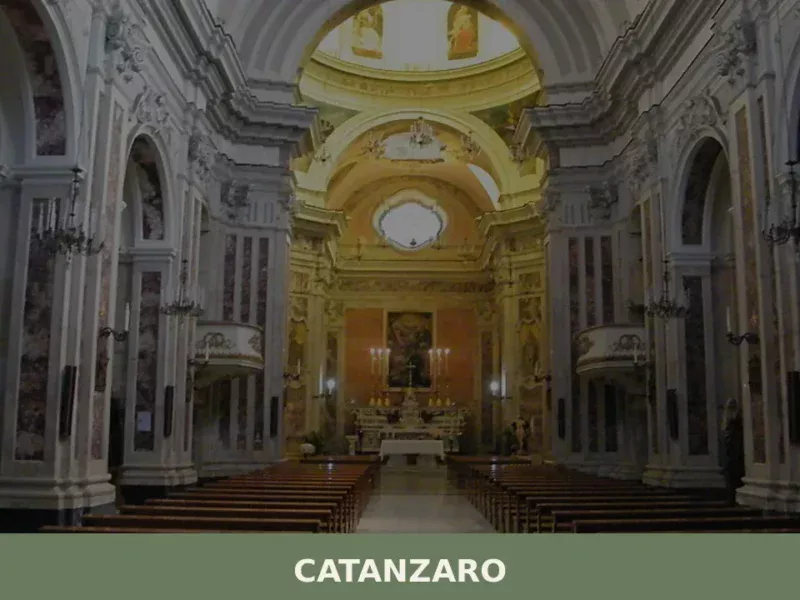
Catanzaro
 Sea
Sea
What to see in Catanzaro: from historic churches to the Morandi Bridge, discover the 5 top attractions. A complete guide to visiting the Calabrian capital.
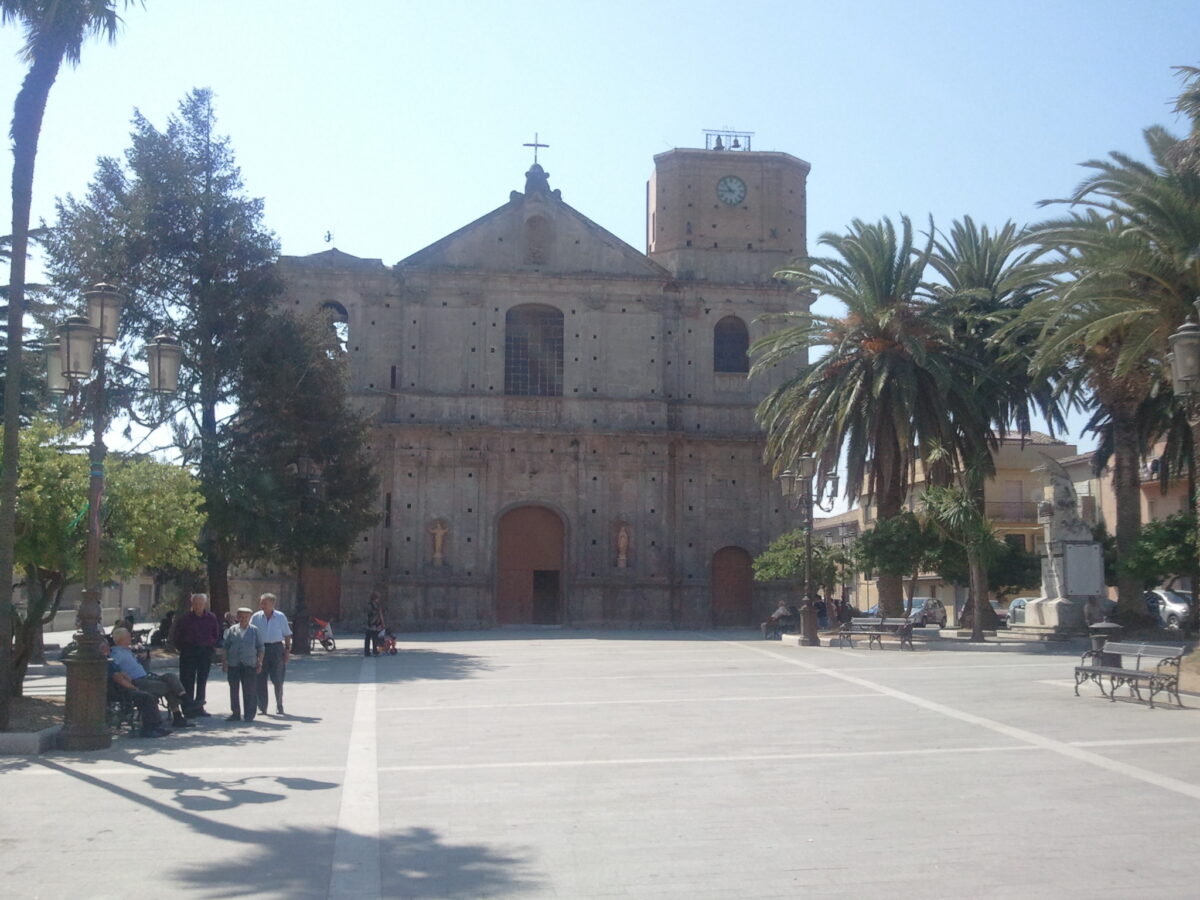
Borgia
Mountain
A hilltop village of 7,196 inhabitants shaped by earthquake and renewal. Explore Roman archaeology, Enlightenment urban planning and the Ionian shore.
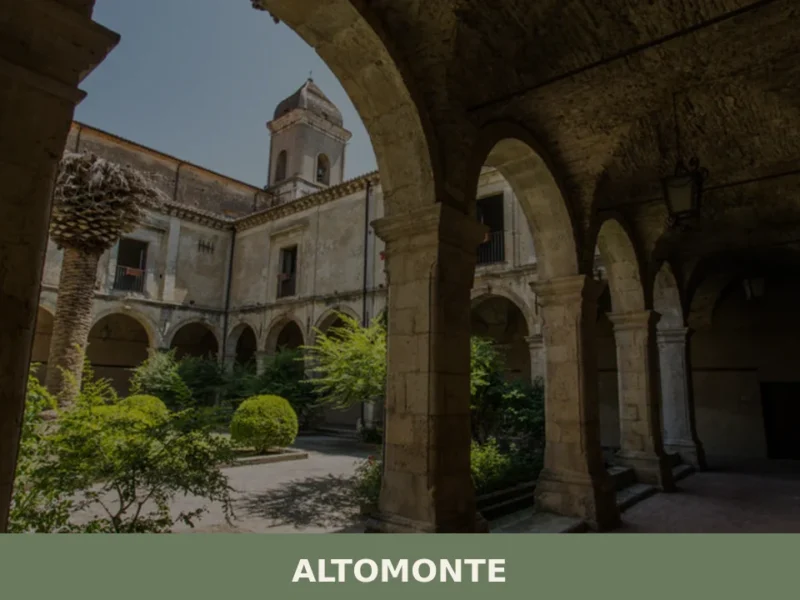
Altomonte
 Hills
Hills
What to see in Altomonte: a hill village at 455m in Calabria with a 14th-century Gothic church, Civic Museum and medieval castle. Plan your visit today.
Amendolara
Sea
Explore Amendolara village, a charming Italian gem nestled in Calabria. Discover its rich history, stunning landscapes, and authentic local culture. Plan your visit today!
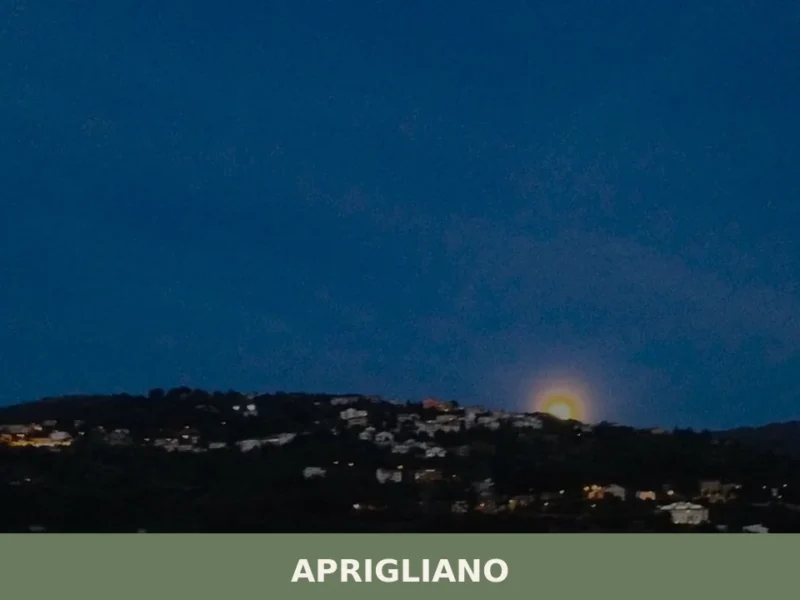
Aprigliano
Mountain
Explore Aprigliano Calabria, a picturesque village nestled in the heart of Italy. Uncover its rich history, stunning landscapes, and authentic Calabrian charm. Plan your visit today!
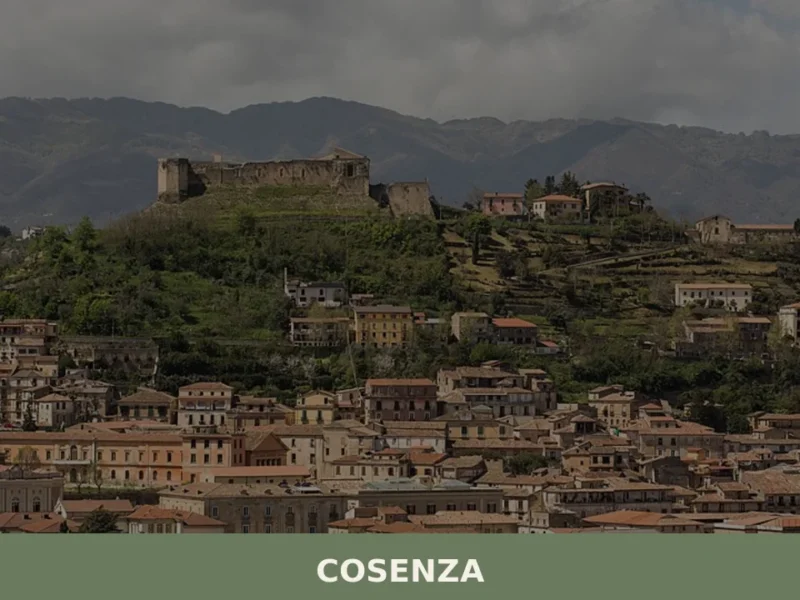
Cosenza
Hills
Cosenza rose from an 8th-century italico village to lead the Bruzi confederation. Today it balances a medieval hilltop centro storico with a modern riverbank expansion.
Bianchi
Mountain
Bianchi is home to 1,358 residents spread across a hilly area in the province of Cosenza, at roughly 500 metres above sea level along the middle valley of the Savuto river. Anyone looking into what to see in Bianchi will find a medieval urban core, a mother church documented since the 16th century, and a […]
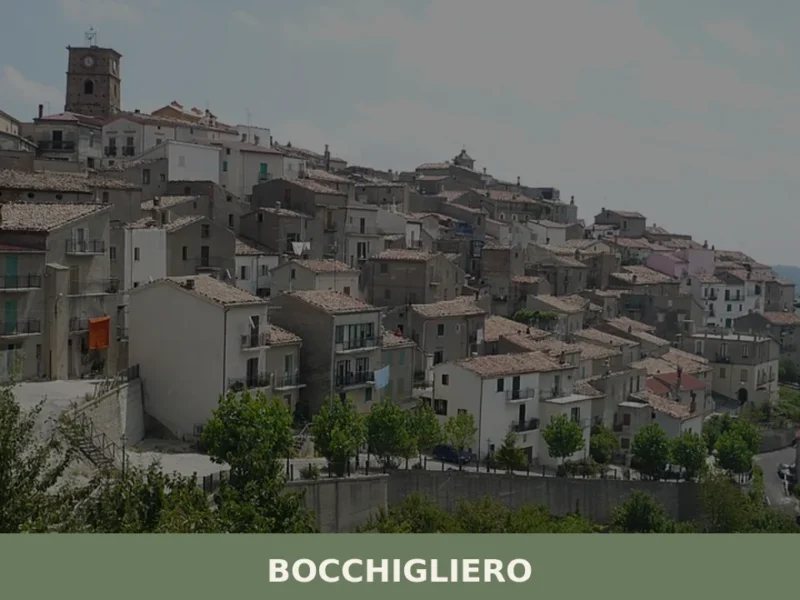
Bocchigliero
Mountain
What to see in Bocchigliero: a mountain village at 870m in Cosenza. Discover the Mother Church and the Baronial Palace ruins.
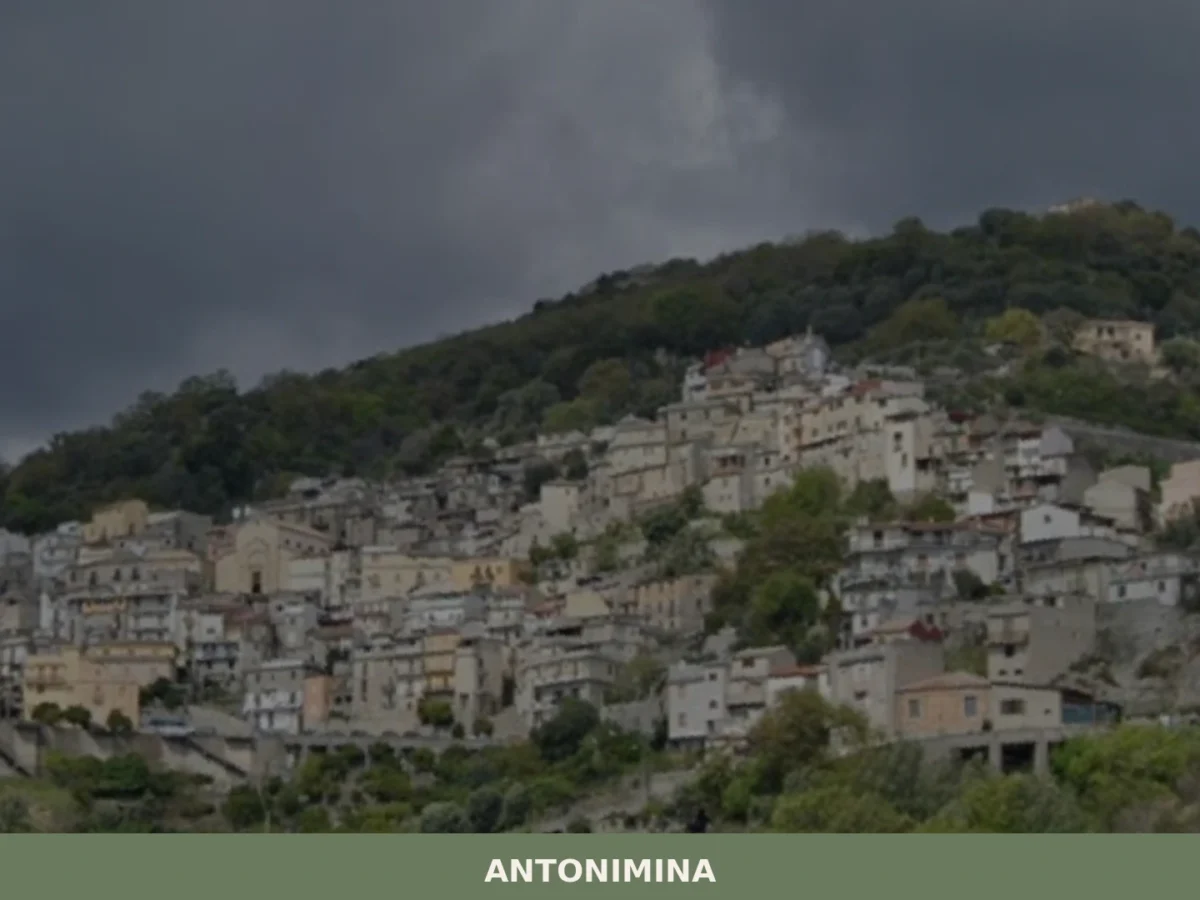
Antonimina
Hills
What to see in Antonimina, Italy, at 327 m: Discover stone alleys and patron feast. Explore Calabria's culture.
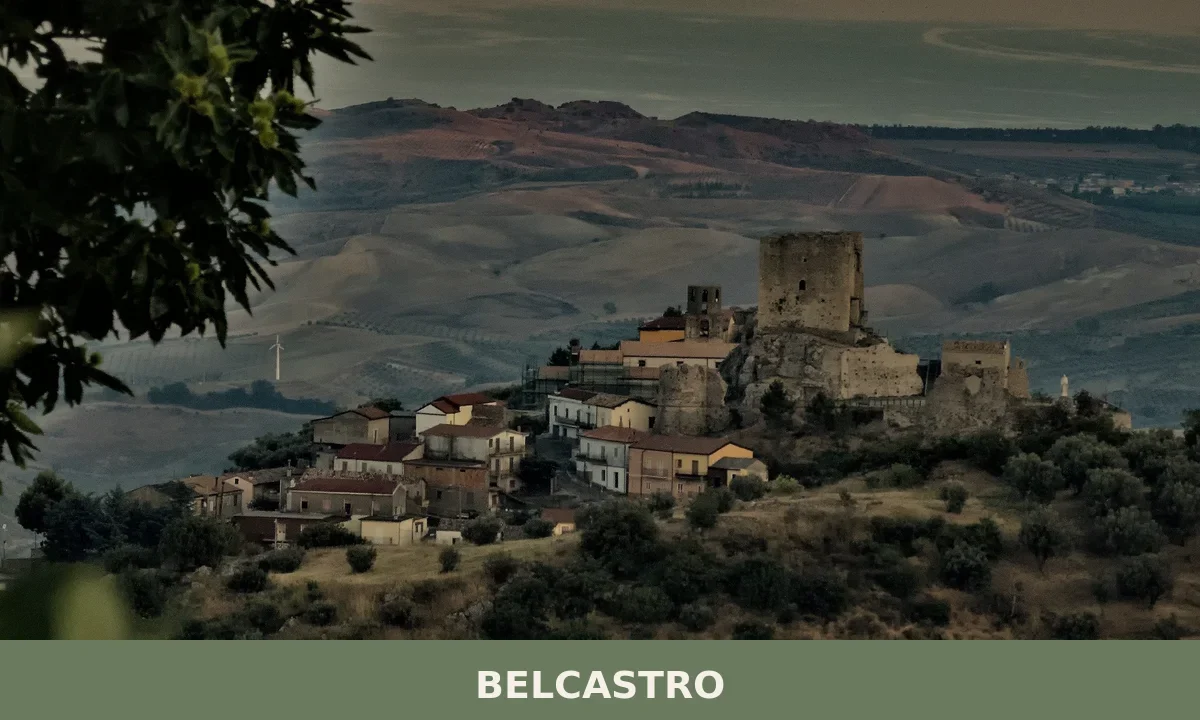
Belcastro
Hills
What to see in Belcastro, Calabria, Italy: Norman castle, Aquinas connection, population 1,400. Discover top attractions, local food and how to get there.




🏡 Know Agnana Calabra better than we do?
If you’re a local or have been there, your knowledge matters: add what’s missing or fix a detail on this page.