


Amato
 Hills
Hills
The enduring presence of the Arbëreshë language in Amato, a distinctive cultural marker, hints at centuries of layered history within this Calabrian village, where cultural traditions often define daily life. Its ancient foundations stretch back to a time even before Roman influence, earning mentions from revered classical figures like the Greek philosopher Aristotle and the […]
Discover Amato
The enduring presence of the Arbëreshë language in Amato, a distinctive cultural marker, hints at centuries of layered history within this Calabrian village, where cultural traditions often define daily life.
Its ancient foundations stretch back to a time even before Roman influence, earning mentions from revered classical figures like the Greek philosopher Aristotle and the Roman author Pliny the Elder, who referred to its local harbour.
For those wondering what to see in Amato, this ancient settlement in the province of Catanzaro offers a deep dive into Calabria’s profound past.
Visitors can trace its origins back to the powerful city of Lametia, an important hub of ancient Bruttium, and explore the geographical context of the Gulf of Saint Euphemia. The village itself, recorded as a settlement since the 12th century, presents a unique Arbëreshë identity that continues to shape its character.
History of Amato
The long history of Amato positions it among the most ancient towns in Calabria, with its earliest mentions dating back to classical antiquity.
The esteemed Greek philosopher Aristotle recorded its presence in his works, signifying its considerable age and early recognition within the broader Mediterranean world. Later, the Roman encyclopedist Pliny the Elder also referenced the area, specifically naming it “Sinus Lametinus,” or Lametino Harbour, which points to its historical connection with maritime activities and trade routes along the Calabrian coast and the wider Italian peninsula.
Further historical accounts suggest that the original inhabitants of Amato descended from the ancient city of Lametia, a prominent urban center of its time.
This significant city was strategically located on a promontory overlooking the Gulf of Saint Euphemia, positioned near the mouth of the Amato River itself.
Lametia was renowned as one of the most prosperous and thriving cities within ancient Bruttium, a region of profound historical and economic activity in southern Italy that played a crucial role in the Roman Republic’s expansion.
The ancient city of Lametia, the ancestral home of Amato’s people, faced a catastrophic decline and destruction during the tumultuous late period of the Western Roman Empire. This devastating event led to a significant displacement of the population, forcing its residents to seek refuge in the nearby settlement of Nicastro, a pattern common during periods of instability.
Following this dispersal, verifiable evidence of a distinct settlement in the Amato area only reappears in historical records starting from the 12th century, marking a re-establishment of community after centuries.
This re-establishment laid the groundwork for the modern village, which later became an Arbëreshë comune, reflecting a subsequent wave of migration.
The unique Arbëreshë culture and language, brought by Albanian refugees from the 15th century onwards, have since become an integral part of Amato’s identity. This distinct heritage differentiates Amato, Calabria, Italy, within the wider regional context, offering a glimpse into a rich cultural mosaic for those considering what to see in Amato.
What to see in Amato, Calabria: top attractions
The Historical Site of Ancient Lametia
For visitors wondering what to see in Amato, the historical area associated with ancient Lametia, the precursor city to modern Amato, is a key point of interest. Although no grand structures remain standing today, the significance of its location on a promontory overlooking the Gulf of Saint Euphemia is undeniable. This once-thriving city of Bruttium was a major center for trade and culture, documented by classical authors for its prosperity in antiquity.
Exploring this geographical point allows for an imaginative connection to the powerful civilization that once flourished here centuries ago.
The Gulf of Saint Euphemia
The vast expanse of the Gulf of Saint Euphemia, a defining geographical feature, played a crucial role in the ancient history of Amato and the surrounding region.
Pliny the Elder’s mention of “Sinus Lametinus” directly refers to this harbour, highlighting its strategic importance for maritime activities and regional connectivity. Today, its waters offer scenic views and a tangible link to the historical narratives of trade and settlement that shaped this part of Calabria. Observing the gulf from a vantage point provides perspective on the ancient routes and a sense of the region’s enduring natural beauty, a constant for thousands of years.
The Amato River
The Amato River, whose mouth lies near the ancient site of Lametia, is a fundamental element in the region’s historical geography.
This river not only provided essential water resources but also served as a natural artery for transport and communication for millennia. Its course through the landscape connects the inland areas with the coastal plains, influencing settlement patterns and agricultural development throughout history. A visit to its lower reaches offers a quiet contemplation of the natural forces that underpinned the development of early communities in Calabria, supporting life since prehistoric times.
Amato’s Arbëreshë Heritage
The village of Amato itself, though lacking specific ancient ruins within its modern confines, offers a living attraction through its distinct Arbëreshë identity.
As one of the Arbëreshë comuni, the town maintains cultural traditions and, in some families, the Albanian language brought by refugees from the 15th century. Exploring the village streets allows visitors to observe this unique cultural fusion, which differentiates it from many other Calabrian towns and provides another aspect of what to see in Amato.
Information on local customs can often be found in community centers, offering insights into this preserved heritage.
The Medieval Re-establishment of Amato
The documented re-establishment of Amato as a settlement in the 12th century marks a significant period in its long history, demonstrating resilience after the fall of Lametia. While specific medieval structures may not be explicitly detailed in current records, the layout of the older parts of the village likely reflects this later foundational era. Understanding this timeline allows visitors to appreciate the continuity of human habitation in the area, bridging the gap between classical antiquity and the present day.
Observing the village’s older architecture can hint at these historical layers, showcasing centuries of evolution.
Local food and typical products of Amato
Information specifically detailing the unique gastronomic traditions and typical products of Amato is not extensively documented in available historical sources.
However, as an integral part of Calabria, the village undoubtedly shares in the broader culinary heritage of the region. Calabrian cuisine is generally characterized by its strong, distinct flavors, often incorporating chili peppers (peperoncino), cured pork products, and fresh seafood from its extensive coastline. The historical influences in Calabria include Greek, Roman, Byzantine, and Arab elements, which have collectively shaped a robust and diverse culinary landscape over centuries.
While specific Amato dishes are not detailed, a visitor to the area can expect to find regional staples that reflect this rich heritage. Common Calabrian dishes often include pasta preparations such as Fileja, a hand-rolled pasta, typically served with a rich pork or ‘nduja (a spicy spreadable sausage) ragù. Another popular item is Morseddu, a spicy tripe stew originating from Catanzaro, the provincial capital.
Local vegetables like eggplant and bell peppers are frequently used, along with olive oil produced across the region.
Currently, specific certified products (like DOP or IGP) directly attributed solely to the municipality of Amato are not identified in the provided authoritative sources.
However, many products from the wider Catanzaro province and Calabria region hold such designations. These often include olive oils, certain cheeses, and specific citrus fruits, reflecting the agricultural bounty of the area. Visitors interested in regional certifications should inquire locally about broader Calabrian products that may be available in the area, though not exclusive to Amato itself.
Festivals, events and traditions of Amato
Specific information regarding unique festivals, traditional events, or the exact date of a patron saint festival held within Amato itself is not provided in the available sources. However, like most Italian villages, particularly those in Calabria, Amato would traditionally observe religious holidays and local celebrations throughout the year.
These typically involve community gatherings, processions, and shared meals, reflecting deeply rooted cultural practices that foster local identity.
In the broader Calabrian region, such events often include summer sagre, which are traditional local food festivals dedicated to specific seasonal products, and elaborate Easter and Christmas rituals.
While the specifics for Amato remain undocumented, visitors can anticipate a community that honors its heritage through shared customs and celebrations, particularly given its Arbëreshë background, which often involves unique cultural expressions and traditional music.
When to visit Amato, Italy and how to get there
The best time to visit Calabria, and by extension Amato, generally spans from late spring (May-June) to early autumn (September-October). During these months, the climate is pleasantly warm, avoiding the intense heat of July and August, which can frequently reach over 30°C (86°F). This period is ideal for exploring historical sites and enjoying the natural landscapes without the largest crowds, making it a good time to consider a day trip from nearby cities.
Spring brings lush flora and mild temperatures, while autumn offers pleasant conditions perfect for outdoor activities and local harvest celebrations across the region, though specific events for Amato are not documented.
For those planning how to get to Amato, the village is situated in the province of Catanzaro, in central Calabria, Italy.
International visitors typically fly into Lamezia Terme International Airport (SUF), located approximately 30 km (18.6 mi) to the west, or Reggio Calabria Airport (REG), about 120 km (74.6 mi) south. Renting a car from Lamezia Terme Airport is highly recommended for exploring the region, as it provides the most flexibility for reaching Amato and other Calabrian villages like Agnana Calabra.
Alternatively, visitors can take a train to Catanzaro Lido, the main rail hub for the provincial capital, and arrange local transport from there.
Access to Amato is primarily via provincial roads that connect to major regional arteries such as the SS18 or SS280 highways. While specific motorway exits are not detailed in the provided sources, navigation systems will guide drivers effectively through the Calabrian countryside. For those relying on public transport, bus services do connect smaller towns to larger hubs, but schedules can be infrequent, especially outside of peak tourist season. It is a practical tip for international visitors to carry some Euros cash, as smaller shops and local eateries in such villages may have limited card facilities, and English may not be widely spoken among all residents.
Nearby Villages near Amato
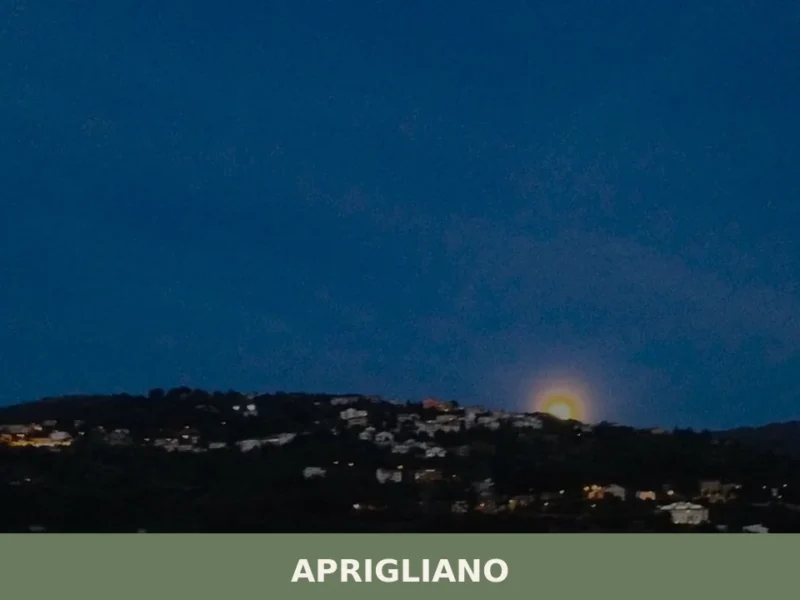
In Calabria More villages to discover
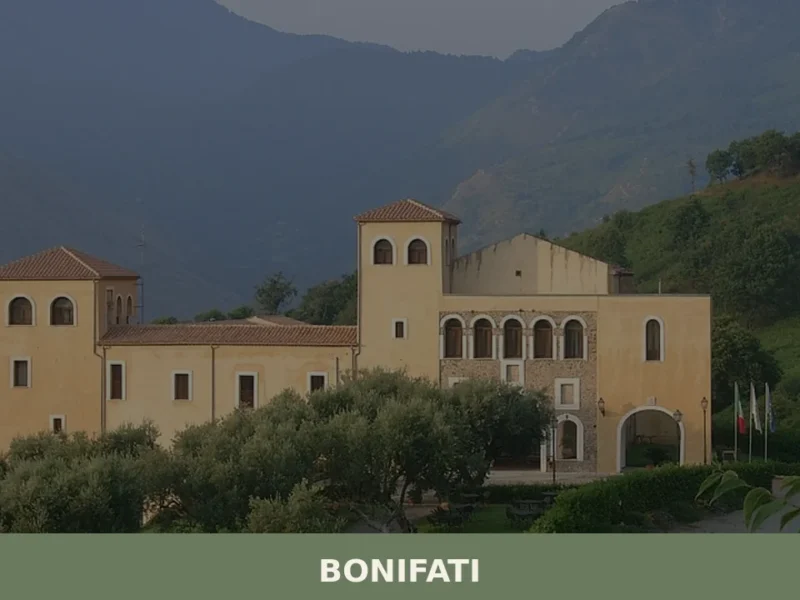
Bonifati
 Sea
Sea
The village of Bonifati, located in the Cosenza hinterland but with a view towards the Tyrrhenian Sea, has historical roots deeply embedded in a past of fortifications and coastal defense. Already in the Middle Ages, this settlement stood out for its strategic position, an element that shaped its urban layout and identity. In this article […]
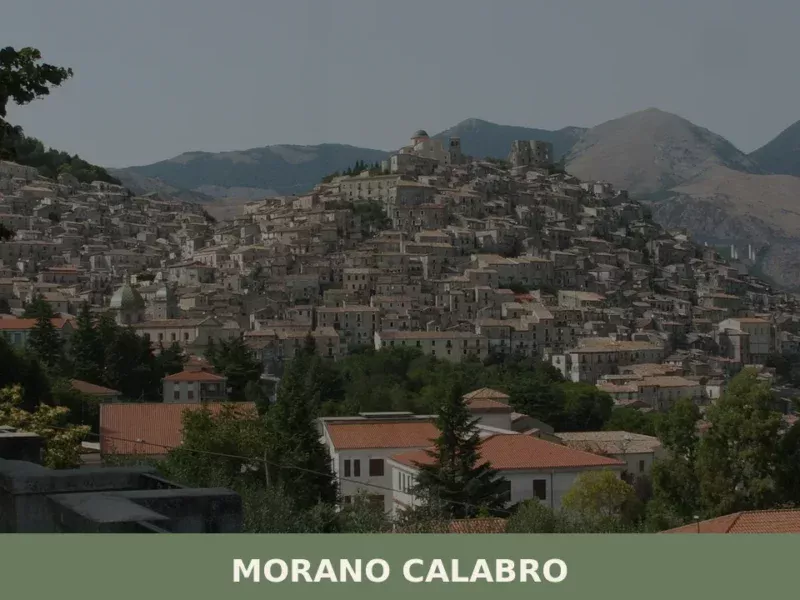
Morano Calabro
Sea
What to see in Morano Calabro, Italy: a village at 680 m altitude, listed among I Borghi più belli d'Italia. Discover top attractions, local food and how to get there.
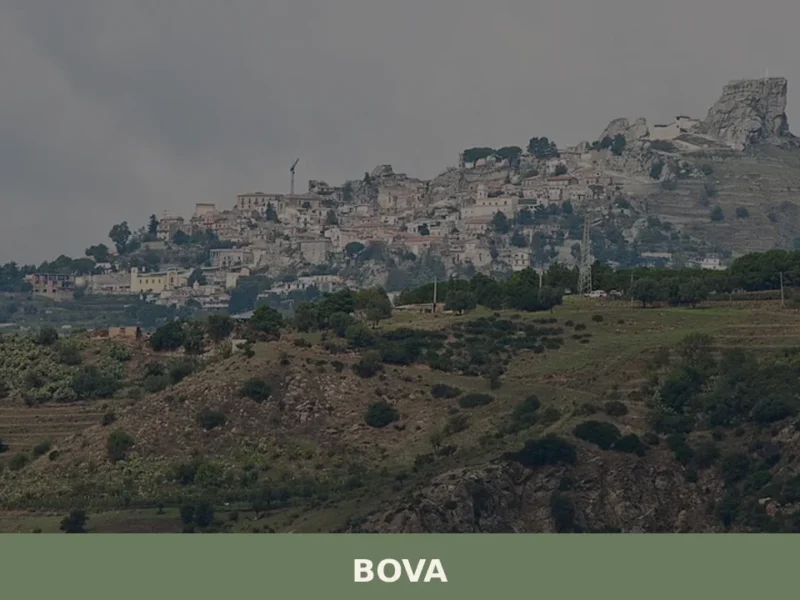
Bova
 Mountain
What to see in Bova, Calabria, Italy: a hilltop comune at 900 m with Greek-Bovesian heritage, Norman history and local cuisine. Discover top attractions and travel tips.
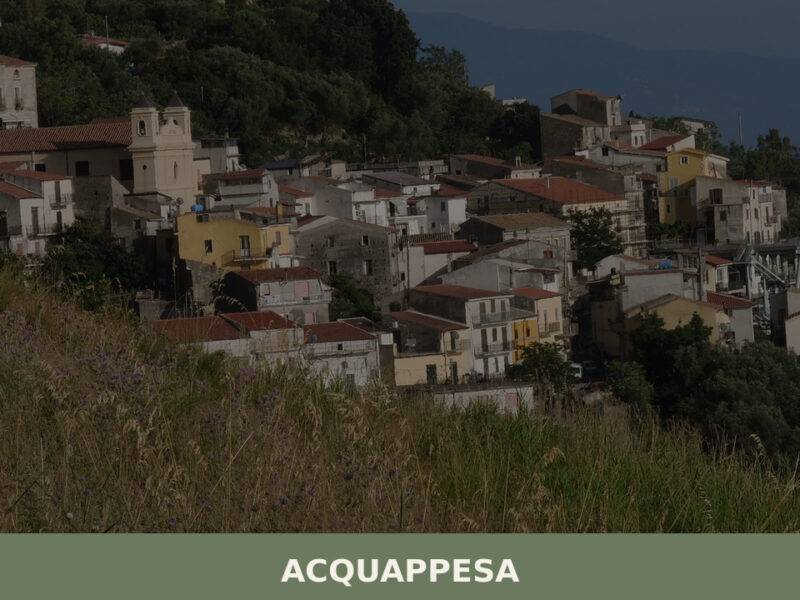
Acquappesa
Sea
A Calabrian hill village of 1,737 inhabitants defined by its sulphurous thermal springs, Tyrrhenian coastline, and quiet stone lanes in the province of Cosenza.
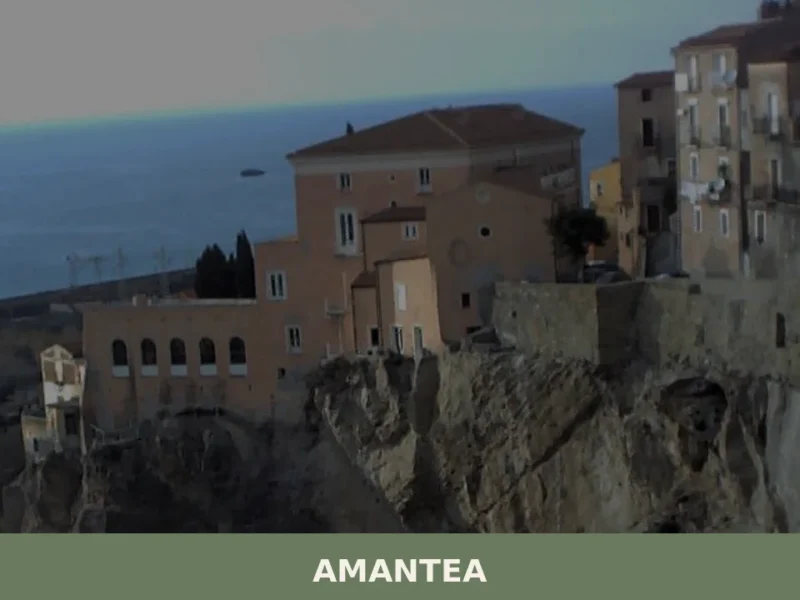
Amantea
Sea
Explore the picturesque village of Amantea Calabria. Discover its historic center, beautiful beaches, and authentic Italian charm. Plan your perfect trip to this hidden gem on the Tyrrhenian coast.
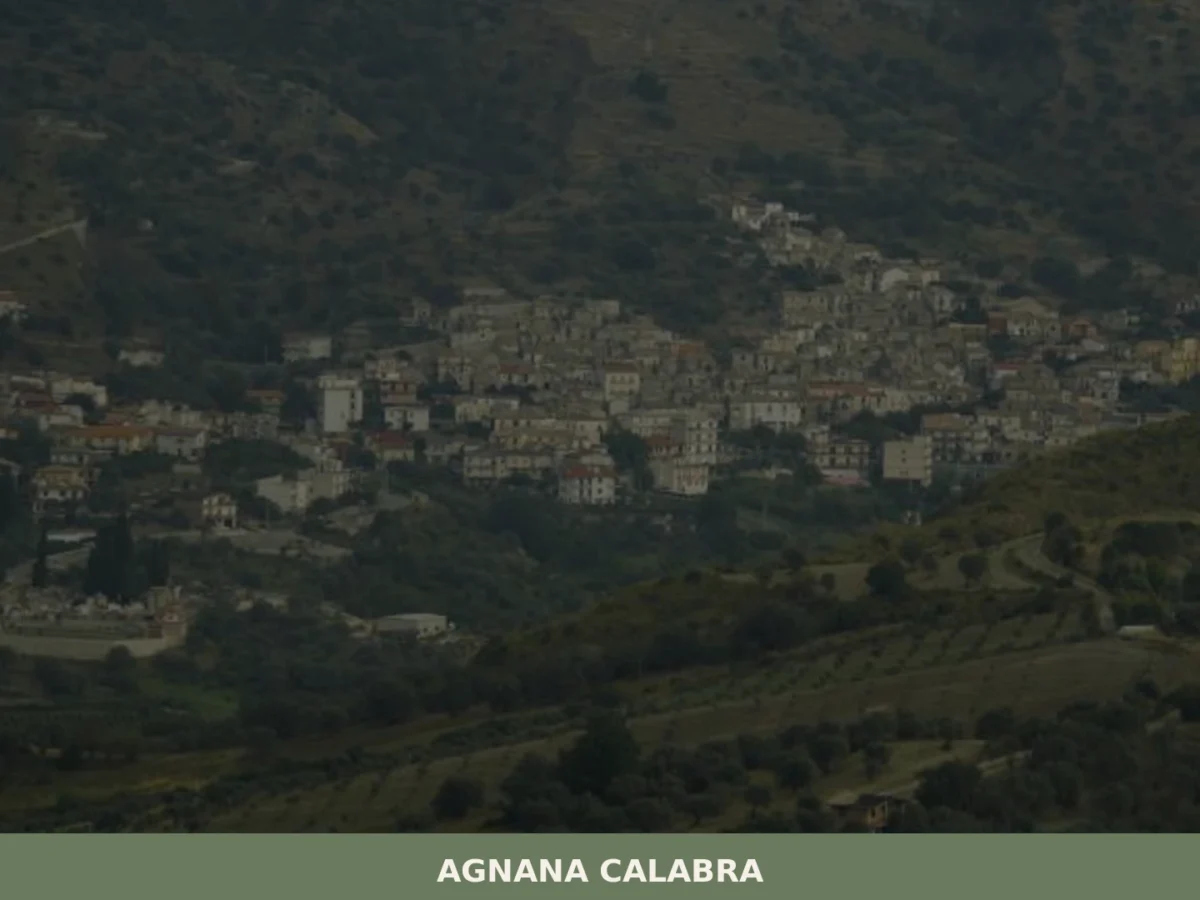
Agnana Calabra
Mountain
Planning a visit? Discover what to see in Agnana Calabra u2014 history, local food, best time to visit and how to reach this Reggio Calabria village.
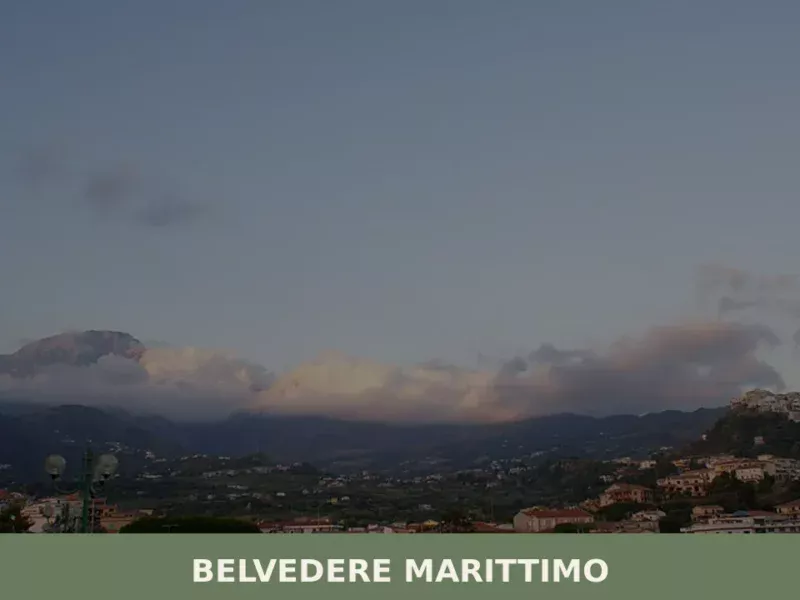
Belvedere Marittimo
Sea
Belvedere Marittimo, a village in the province of Cosenza, stands at 150 meters above sea level and has a population of 9,292 inhabitants. This Calabrian location, classified among the lowland villages, offers a view of the Cosenza Tyrrhenian coast, combining historical elements with its proximity to the coast. Its geographical position has shaped its identity […]
Pentedattilo
Hills
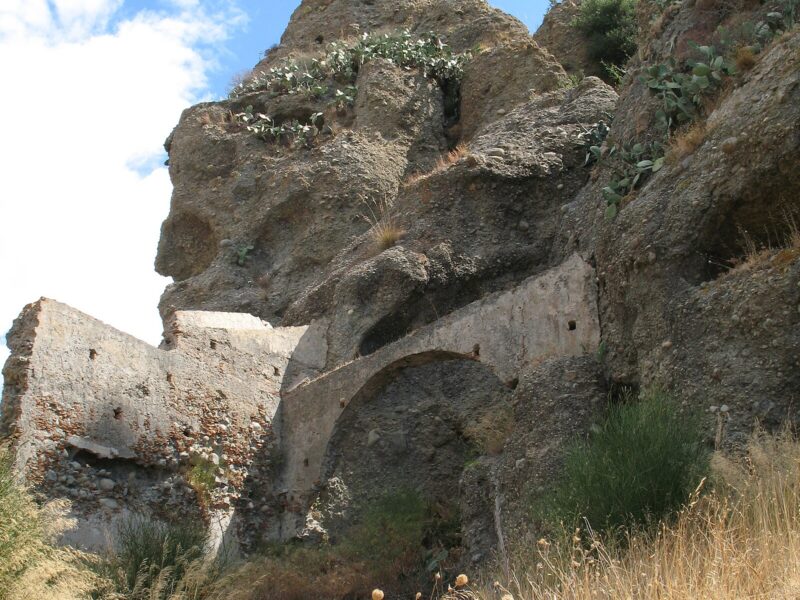
What to see in Pentedattilo, Calabria, Italy: a ghost town founded in 640 BC at 250 m altitude. Discover top attractions, history, and how to get there.
Badolato
Mountain
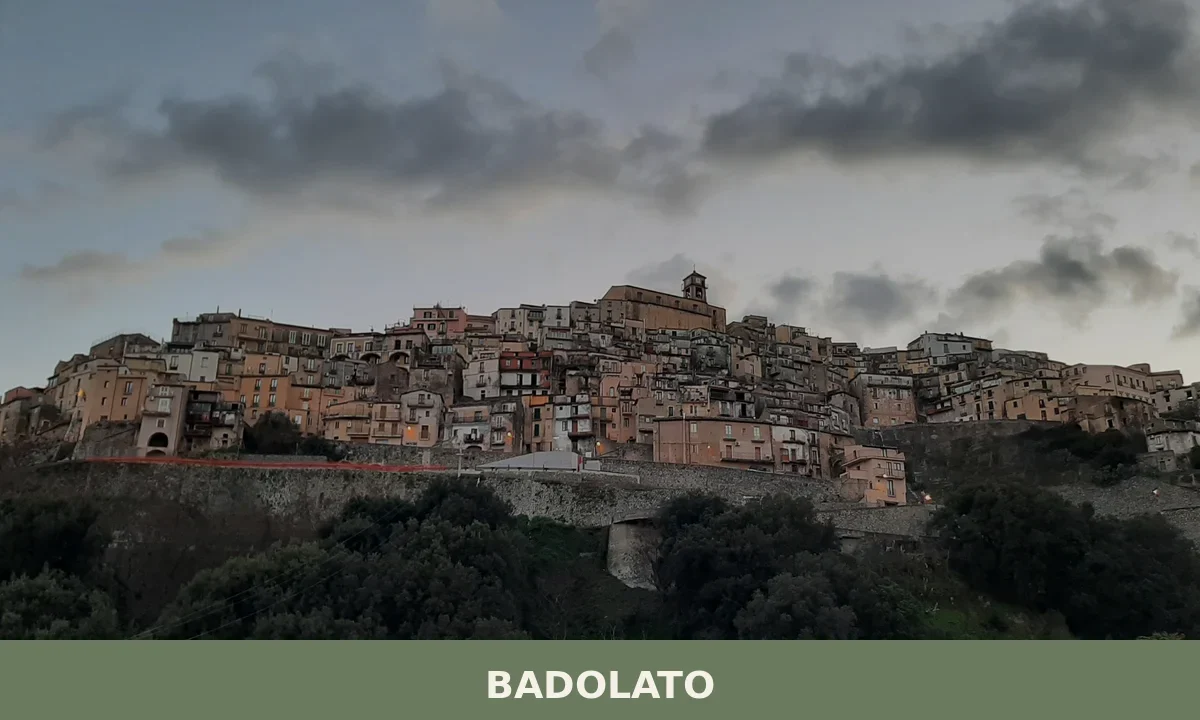
What to see in Badolato, Calabria, Italy: Byzantine churches, a 17th-century castle, and olive oil production 30 km from Catanzaro. Discover the complete guide.
Acri
Mountain
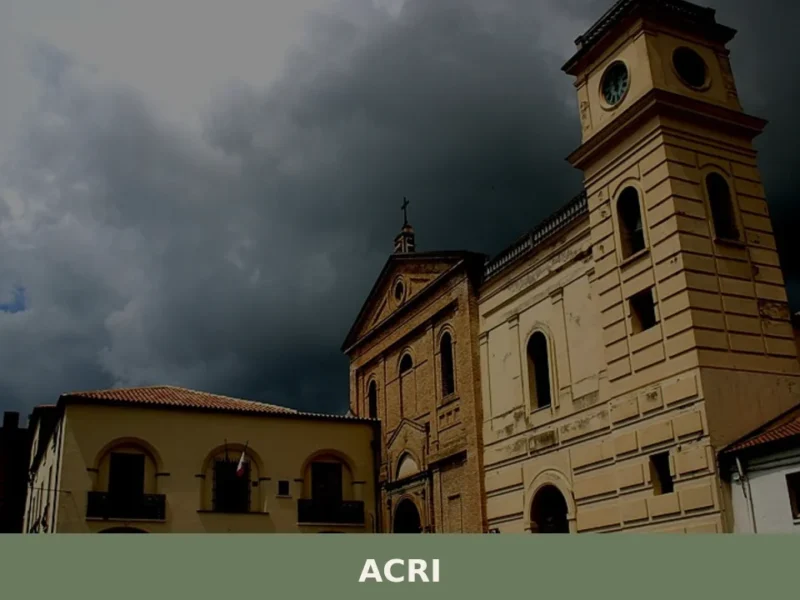
Acri is a town in the province of Cosenza with over 21,000 inhabitants, located in the Calabrian interior of the Sila Greca area, on a territory that passed through Norman, Swabian and Aragonese rule, leaving concrete traces in the local architecture and culture. For anyone approaching this corner of the province of Cosenza, the question […]






🏡 Know Amato better than we do?
If you’re a local or have been there, your knowledge matters: add what’s missing or fix a detail on this page.