


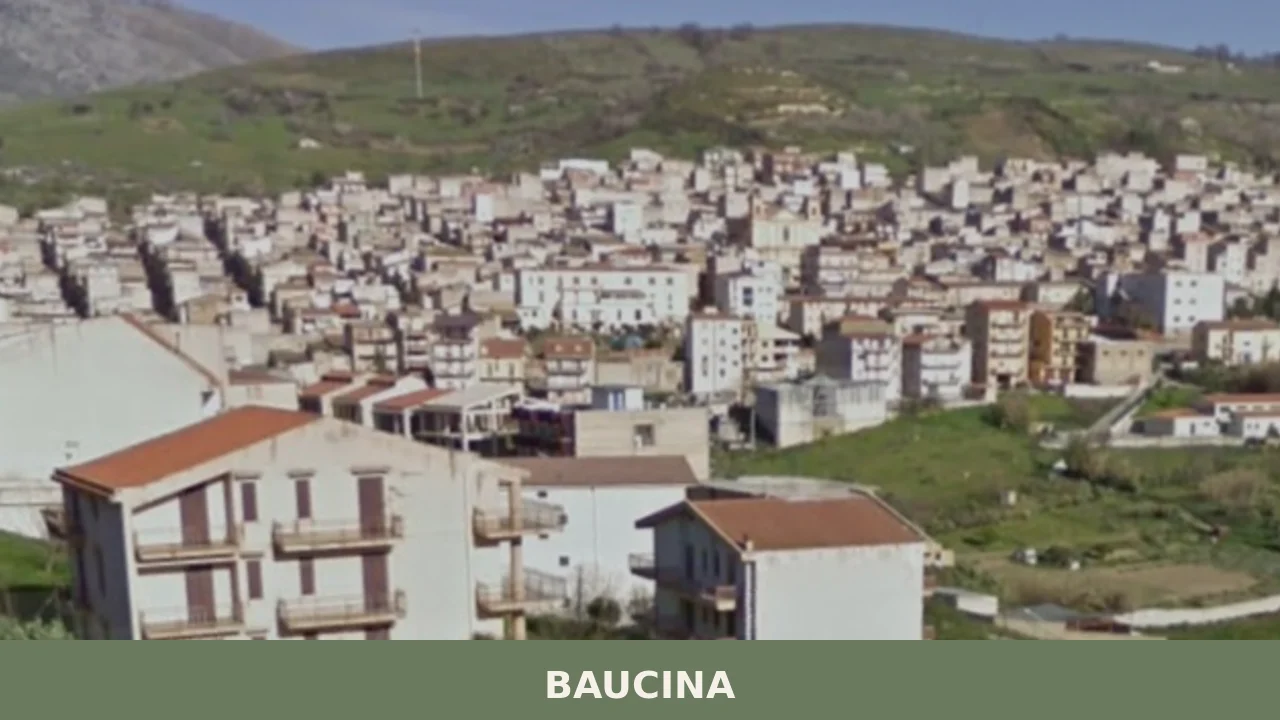
Baucina
 Hills
Hills
Nine historic churches and a 2013 archaeological museum make Baucina a compact but layered destination in the Palermo hinterland.
Baucina: Nine Churches, a Natural Reserve and 1,838 Residents
At 550 metres above sea level, the stone profile of Baucina catches the morning light before the valley below has fully woken. The air carries the dryness of inland Sicily, the kind that sharpens outlines and makes distant ridges look closer than they are. A small municipality of fewer than two thousand residents, it holds its ground on the inner Palermo hills with a compact religious skyline and a territory that edges into protected land.
Baucina village in Sicily draws visitors for two reasons above all: a dense concentration of historic churches for a settlement of its size, and direct access to the protected landscape of the Riserva Naturale Orientata di Pizzo Cane, Pizzo Trigna e Grotta Mazzamuto, whose mountainous section begins within the municipal territory. These two threads — devotion and landscape — run through everything the village offers.
The landmarks of Baucina are modest in scale but coherent in character. Walking between them takes little time, but understanding what each one holds requires slowing down.
Places and landscape
Chiesa del Collegio di Maria
Built around the middle of the eighteenth century, this church holds an object of particular local significance: a precious urn containing the body of Santa Fortunata, virgin and martyr, who serves as the village’s patron saint. The feast day falls on 10 September, when the church becomes the focal point of communal celebration. The building’s interior repays attention even outside the festival period, as the reliquary itself is permanently displayed.
Chiesa Madre — Santa Rosalia
The main parish church dates to 1764 and is dedicated to Santa Rosalia, the patron of Palermo. Its position within the village fabric makes it a natural orientation point. The dedication to a saint so closely associated with the provincial capital reflects the cultural and devotional ties between inland communities and the city, ties that shaped the religious imagination of the whole area across the early modern period.
Villa Comunale and the Parco delle Rimembranze
The public garden at the heart of Baucina doubles as a commemorative space. Laid out in the early 1920s, the Parco delle Rimembranze contains the bronze war memorial by Vincenzo Piranio, dated 1925. The combination of green space and civic monument gives the villa a dual function that is still very much in use: a place for daily life and for collective memory, both occupying the same few hundred square metres.
Museo Archeologico
Inaugurated in 2013, the Archaeological Museum gathers material evidence recovered from within the municipal territory. Its collection gives concrete form to the layered human presence that the landscape itself only hints at. For visitors arriving without prior knowledge of the area’s pre-modern history, the museum provides a grounded starting point. Opening hours are best confirmed with the municipal offices at www.comune.baucina.pa.it.
The Natural Reserve Territory
The mountainous portion of Baucina’s land area connects directly to the Riserva Naturale Orientata di Pizzo Cane, Pizzo Trigna e Grotta Mazzamuto. This means that walkers and naturalists can move from the village streets into protected terrain without a long transfer. The reserve landscape is characterised by rocky ridges and cave formations, offering a contrast to the agricultural lower ground that surrounds the built centre. Visitors interested in the reserve should check access points and trail conditions before setting out.
A Table Set by the Palermo Province
Baucina sits within a province whose agricultural output is varied and substantial. The surrounding area contributes to several recognised designations, including Pecorino Siciliano DOP, a firm sheep’s milk cheese with a long tradition in Sicilian inland communities, and wines produced under the Contea di Sclafani DOC and Monreale DOC appellations, both of which cover territory close to the village. These are provincial and area-wide products rather than specialities exclusive to Baucina, but they represent the food culture that shapes the tables of this part of Sicily.
The inland position at over 550 metres means the agricultural calendar here follows a rhythm slightly different from the coast. Cereal crops, olives and pasture land characterise the territory, and local cooking reflects that agrarian base. A dedicated exploration of the food traditions of the Palermo interior — including the role of smaller communities like Baucina within the broader culinary landscape — goes beyond what a single village page can contain, but the regional denominazioni provide a reliable entry point for curious visitors.
Planning your visit and getting there
Baucina can be reached using the practical reference points below. Distances and journey times are kept concise so the access information stays clear and consistent.
| Departure | Distance | Time |
|---|---|---|
| Palermo (centro) | approx. 35 km | approx. 45 min |
| Aeroporto di Palermo | approx. 50 km | approx. 55 min |
| Cefalà Diana | approx. 10 km | approx. 15 min |
| Godrano | approx. 12 km | approx. 20 min |
These practical reference points are enough to plan the journey without overloading the text with unstable logistics. Once on site, the village is best understood slowly, on foot and in relation to the surrounding landscape.
Frequently asked questions about Baucina
How do I get to Baucina from Palermo?
Baucina is located approximately 30 kilometres southeast of Palermo in the metropolitan area. By car, take the A19 Palermo–Catania motorway and exit at Bagheria or Villabate, then follow the SS121 inland toward Baucina. The drive from Palermo city centre takes roughly 40–50 minutes depending on traffic. Public bus connections exist through the Palermo provincial network, though services are limited and a car is strongly recommended for visiting this small hill village comfortably.
When is the best time to visit Baucina?
Late spring (May–June) and early autumn (September–October) offer the most pleasant conditions at Baucina's elevation of 550 metres, with mild temperatures and clear views across the Sicilian interior. The highlight of the local calendar is the feast of Santa Fortunata on 10 September, when the village celebrates its patron saint with religious processions and community gatherings. Visiting around this date gives travellers a rare glimpse into authentic Sicilian village tradition well away from the coastal tourist circuit.
Are there hiking or outdoor routes around Baucina?
Baucina sits on the edge of hilly terrain within the Palermo metropolitan area and is close to the natural reserve mentioned in the village's tourism profile, where paths wind through slopes rich in wild herbs and Mediterranean scrub. While specific CAI-numbered routes centred on Baucina are not widely documented in major trail databases, the surrounding countryside is suitable for walking and mountain biking along rural tracks. Visitors should consult the local municipal office or Sicilian regional hiking resources for current trail conditions before setting out.
How long should I plan to spend in Baucina?
Most visitors find that half a day is sufficient to explore Baucina's compact historic centre, view its cluster of 18th-century churches, and visit the Archaeological Museum, which opened in 2013 and houses finds from within the municipal territory. A full day allows time to walk the surrounding countryside and enjoy a meal using local produce. Baucina pairs well with nearby inland villages in the Palermo province, making it a natural stop on a broader tour of the Sicilian interior between Palermo and Agrigento.
Is there accommodation available in or near Baucina?
Baucina is a small village of under 1,840 residents and on-site accommodation options are very limited; no major hotels operate within the village itself. Agriturismos in the surrounding Palermo province countryside represent the most likely lodging option for visitors wishing to stay nearby. Palermo city, approximately 30 kilometres away, offers a full range of hotels and B&Bs and is a practical base for a day trip to Baucina. Always verify current availability directly with accommodation providers before planning your stay.
In Sicily More villages to discover
Bompietro
 Mountain
Morning light reaches Bompietro slowly, climbing over the Madonie range before it pours across the rooftops and into the narrow streets where older residents already occupy doorstep chairs. At 685 metres above sea level, the air carries a sharpness absent from the coast — part wild oregano, part cold stone. Fewer than 1,200 people live […]
Acate
 Sea
Sea
Discover what to see in Acate, the former Biscari in Ragusa province: Baroque history, Cerasuolo di Vittoria vineyards, castle and Iblean landscapes.
Catania
Sea
Discover Catania, a captivating village in Sicily, Italy. Explore its rich history, stunning architecture, local culture, and hidden gems waiting to be found.
Isnello
Hills
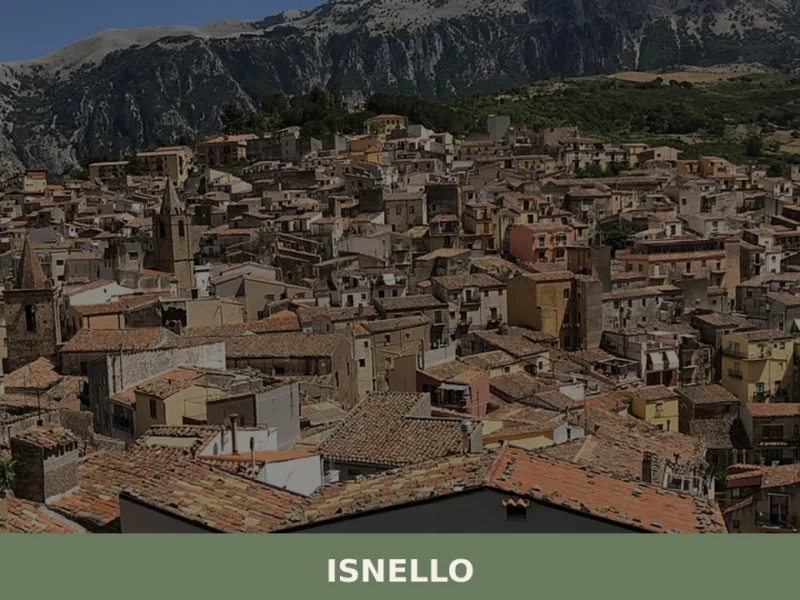
What to see in Isnello, Italy: Explore this 583 m (1,913 ft) altitude village near Palermo. Discover its historic center and panoramic views. Read our guide.
Aci Bonaccorsi
Sea
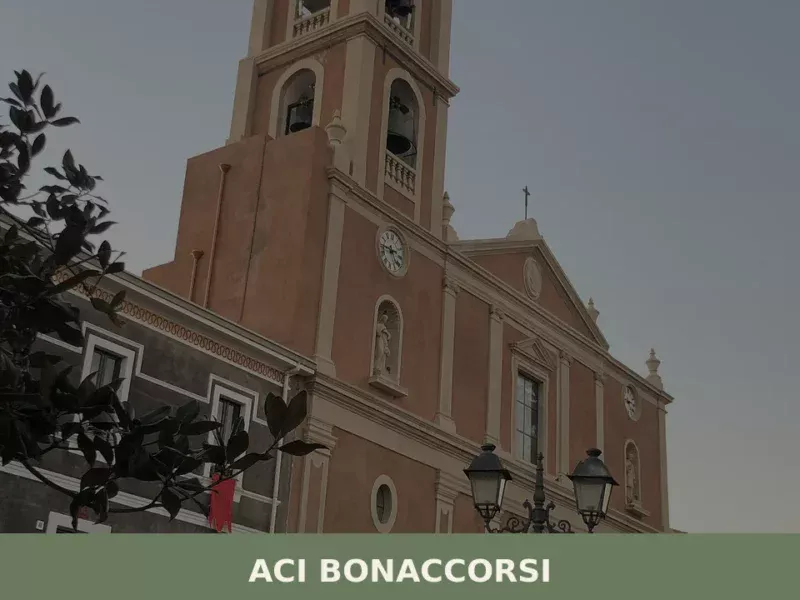
Discover what to see in Aci Bonaccorsi: Etna views, volcanic architecture, IGP citrus groves and Italy's 2022 most virtuous municipality on the Ionian slope.
Salaparuta
 Plains
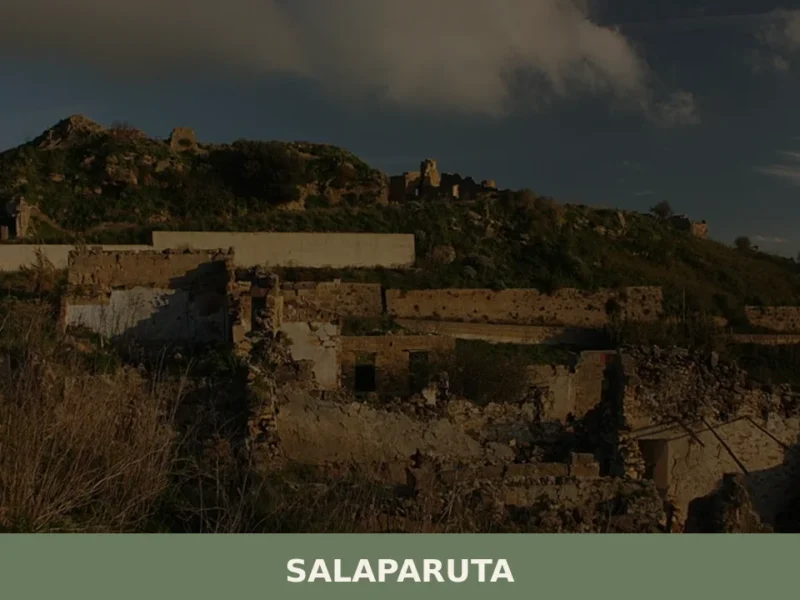
what to see in salaparuta, Italy: Explore this Belice Valley village, 171 meters above sea level, known for its DOC wine and the San Giuseppe feast on March 19. Discover local history and attractions.
Cefalà Diana
Hills
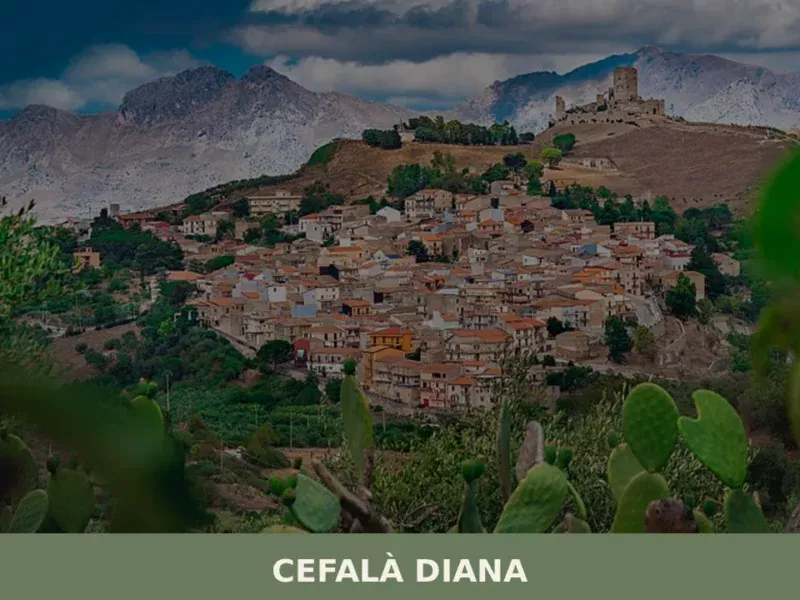
Discover what to see in Cefalà Diana, Sicily: Arab-Norman baths, castle ruins, local food, best season to visit, and how to get there from Palermo.

San Michele di Ganzaria
Hills
A village of 2,820 people shaped by a medieval Albanian settlement pact and a baroque parish church with neo-Gothic facade. History runs deep here.
Trapani
Sea
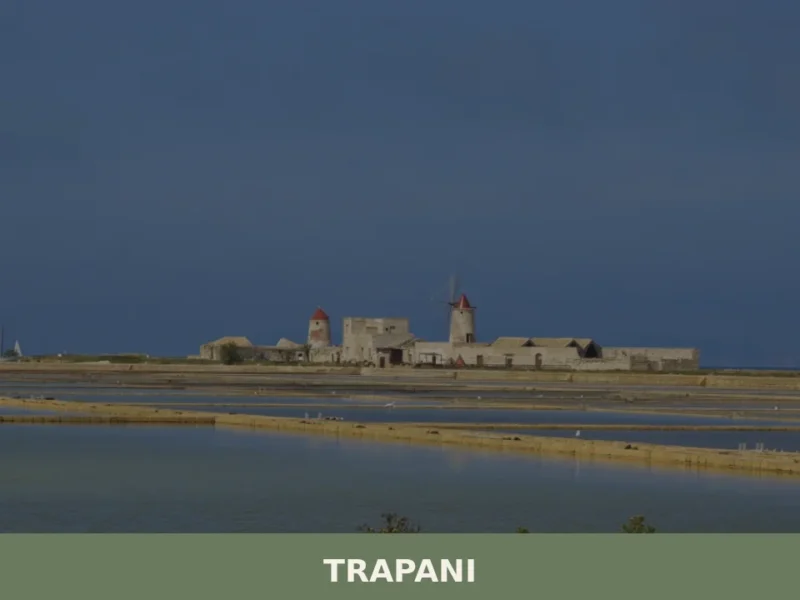
What to see in Trapani: salt pans, Pepoli Museum, Procession of the Misteri and Trapanese pesto. City of 68,967 inhabitants. Plan your visit now.
Messina
Sea
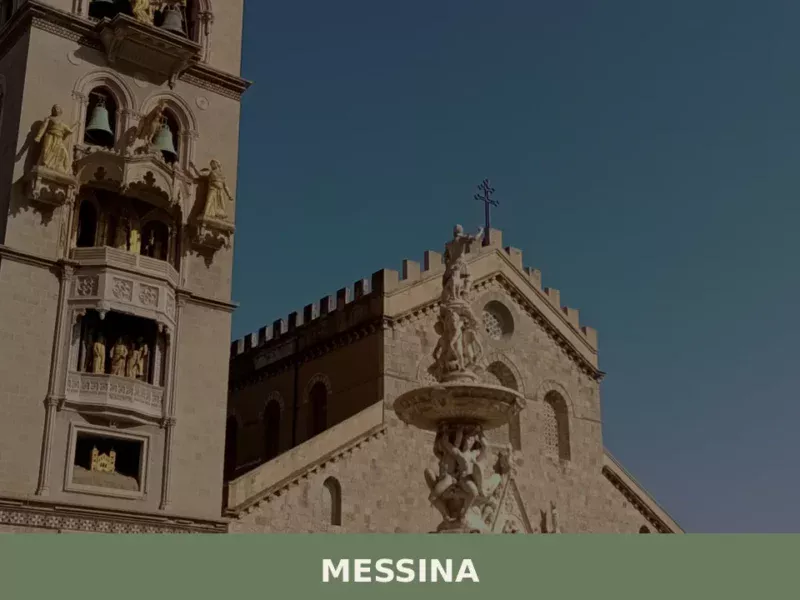
What to see in Messina: 242,267 inhabitants, the astronomical clock tower, two Caravaggios and the Norman Cathedral. Plan your visit and discover how to get there.

🏡 Know Baucina better than we do?
If you’re a local or have been there, your knowledge matters: add what’s missing or fix a detail on this page.