


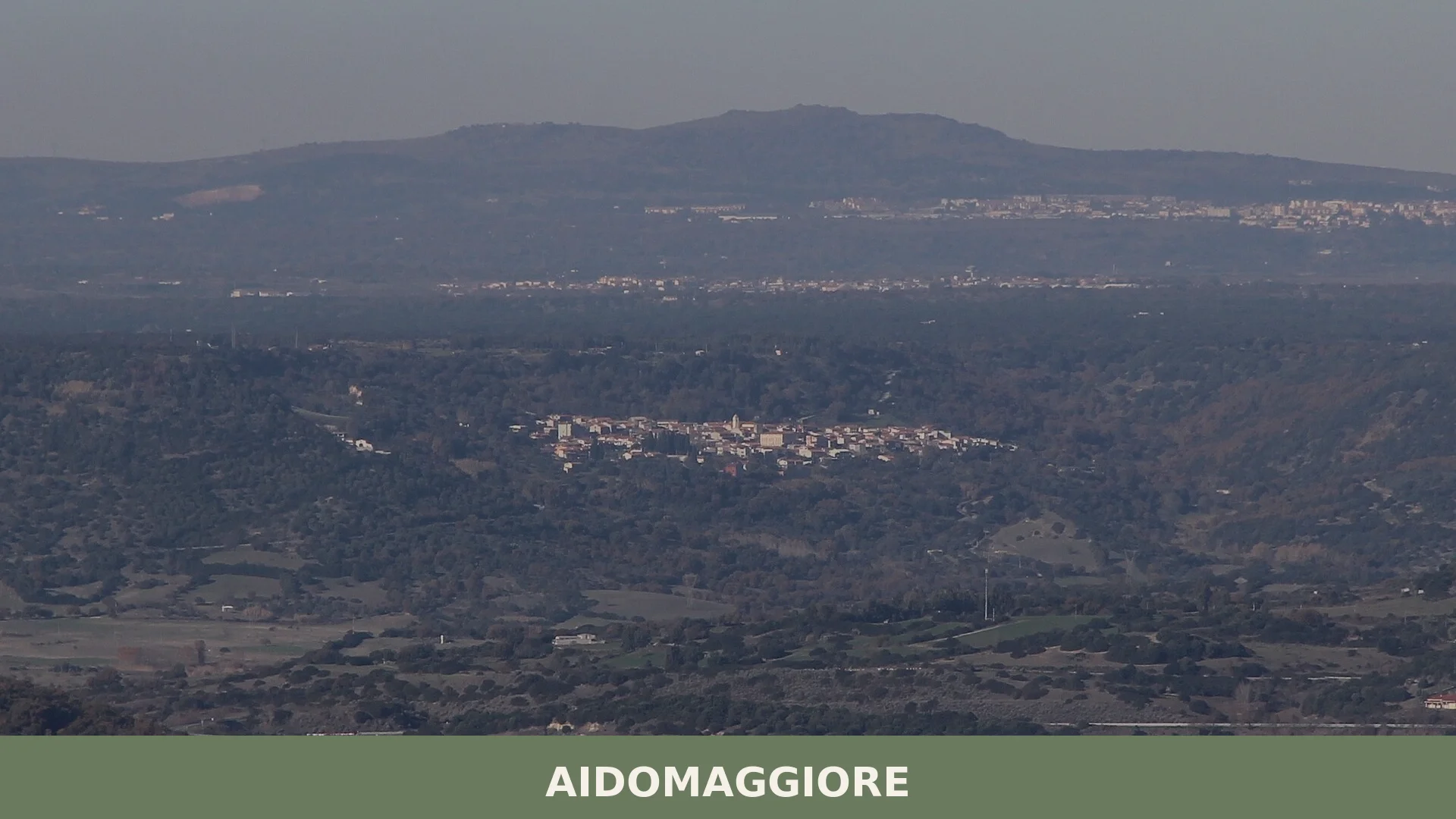

A village of 465 people anchored in Sardinian medieval history and Nuragic archaeology. Visit for unmediated landscape, ancient tombs, and rural traditions.
Aidomaggiore: Medieval Gateway and Nuragic Landscape in Central Sardinia
Aidomaggiore Village in Sardinia: Between Medieval Memory and Nuragic Stone
At 330 metres above sea level, where cork oaks frame limestone slopes and the light falls sharp across fields of pasture and vine, Aidomaggiore rises as a working village of 465 residents, neither abandoned to tourism nor engulfed by it. The terrain rolls gently eastward from Oristano’s coastal plain, and the borgo sits where the old routes once moved through the landscape—roads that mattered when names were entry points and passage ways.
Aidomaggiore village in Sardinia belongs to the province of Oristano and is rooted in two histories that never quite separate: the medieval administrative world of the Giudicati and the pre-historical presence of the Nuragic peoples. The village draws visitors willing to step away from conventional tourism toward real agricultural land, archaeological layers, and the weight of vernacular living that has not been staged.
Origins and Medieval Identity
The name itself tells a story of passage. In the early medieval period, the settlement bore the name Aidu—a term meaning “varco” or “entrata” (gateway, entrance)—and appeared in the historical record as “villa de Aidu” within the peace treaty of 1388 signed between Eleonora d’Arborea and Giovanni I d’Aragona. The village existed then as a documented place with administrative standing, already embedded in the political geography of the eastern Mediterranean.
During the medieval period, Aidomaggiore formed part of the Giudicato (kingdom) of Arborea and belonged to the curatoria of Gilciber, an administrative subdivision that governed inland Sardinian territories. When the Giudicato fell to Aragonese power in 1420, the village passed into the domain of the Crown of Aragon and became incorporated into the Incontrada di Parte Ocier Reale—a royal demesne administered directly by Crown officials rather than granted to feudatories. This administrative status persisted through the Spanish period that followed.
The name “Aidu” was transformed during Spanish rule into “Aido mayor” (greater entrance), a linguistic shift that reflected both the importance of the passage and the linguistic dominion of empire.
In 1839, Aidomaggiore was formally redeemed from royal demesne and reconstituted as a comune—a municipality administered by an elected mayor and town council. This transition marked the shift from feudal and imperial frameworks to the modern administrative order. The comune’s symbols, including its coat of arms and banner, were officially granted by presidential decree on 6 February 2003.
Nuragic Heritage and Archaeological Depth
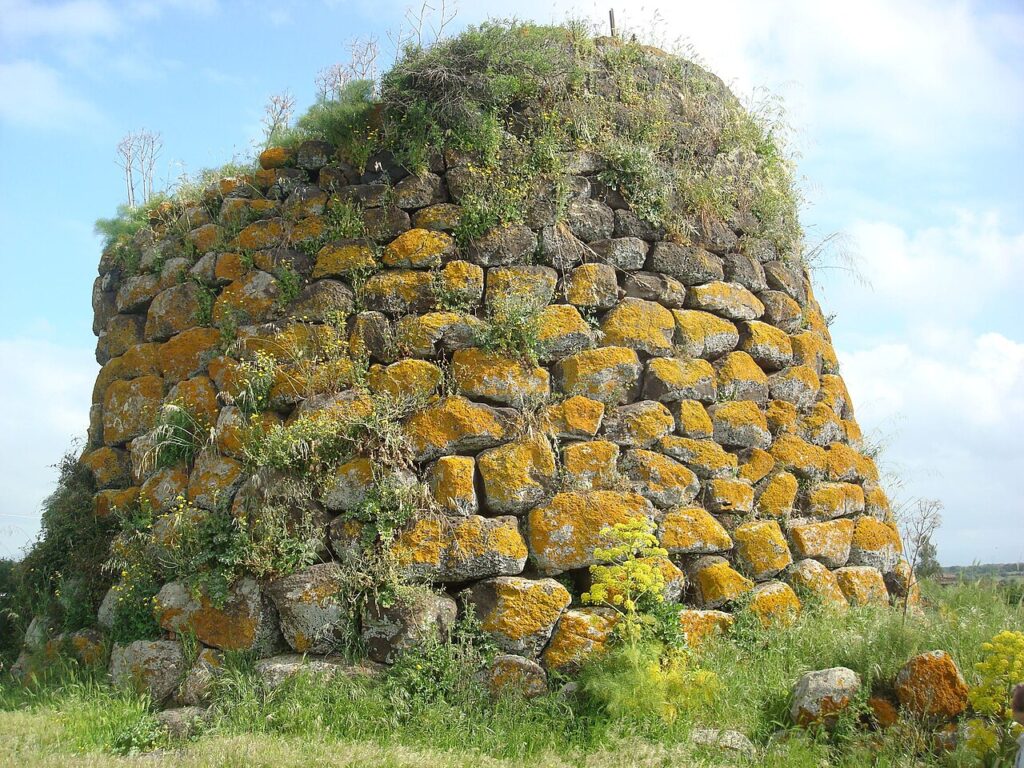
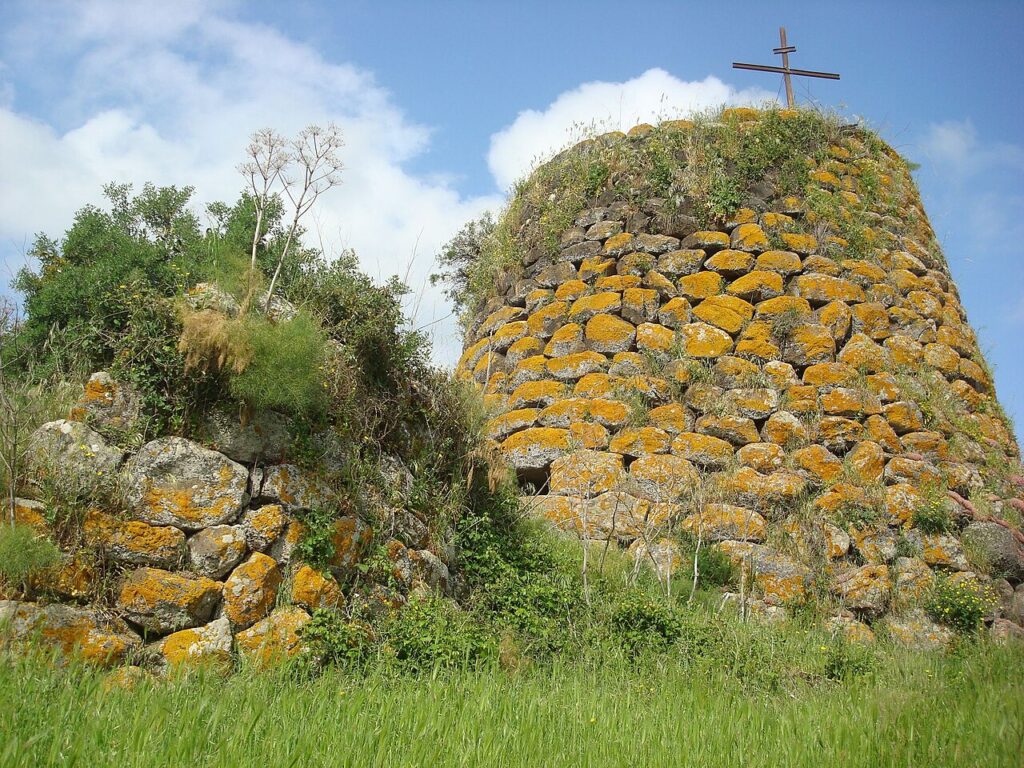
Beneath and alongside the medieval history runs an older presence. The territory of Aidomaggiore carries evidence of continuous habitation from the Neolithic period onward. Across the comune lie several intact Nuraghi—the distinctive tower structures of Bronze Age Sardinia—including Nuraghe Sanilo, Nuraghe Sa Jua, Nuraghe Zedde, and Nuraghe Tosingalo. The Nuraghe and settlement of Benezziddo represent a more complex site where architecture and domestic life intersect. The Tomba dei Giganti (Giant’s Tomb) of Iscralotze belongs to the megalithic funeral architecture of the same cultural period, while domus de janas—chambers carved into rock for burial—complete the archaeological fingerprint of the Bronze and Nuragic ages.
These sites do not appear as isolated monuments but as evidence of a densely occupied landscape where pastoral and agricultural communities maintained themselves through centuries of cultural change. The Nuraghi served defensive, administrative or ritual functions; their distribution across the territorio reflects settlement patterns and territorial control that predate the medieval village by more than a thousand years.
Religious Architecture and Local Devotion
The religious landscape of Aidomaggiore centres on the parish church, Santa Maria delle Palme, which dates to the sixteenth century and honours the Madonna delle Palme as the village’s patronal figure. The church stands as the spiritual anchor of the comune, tending to the devotional life that has structured the community calendar and family rituals across centuries.
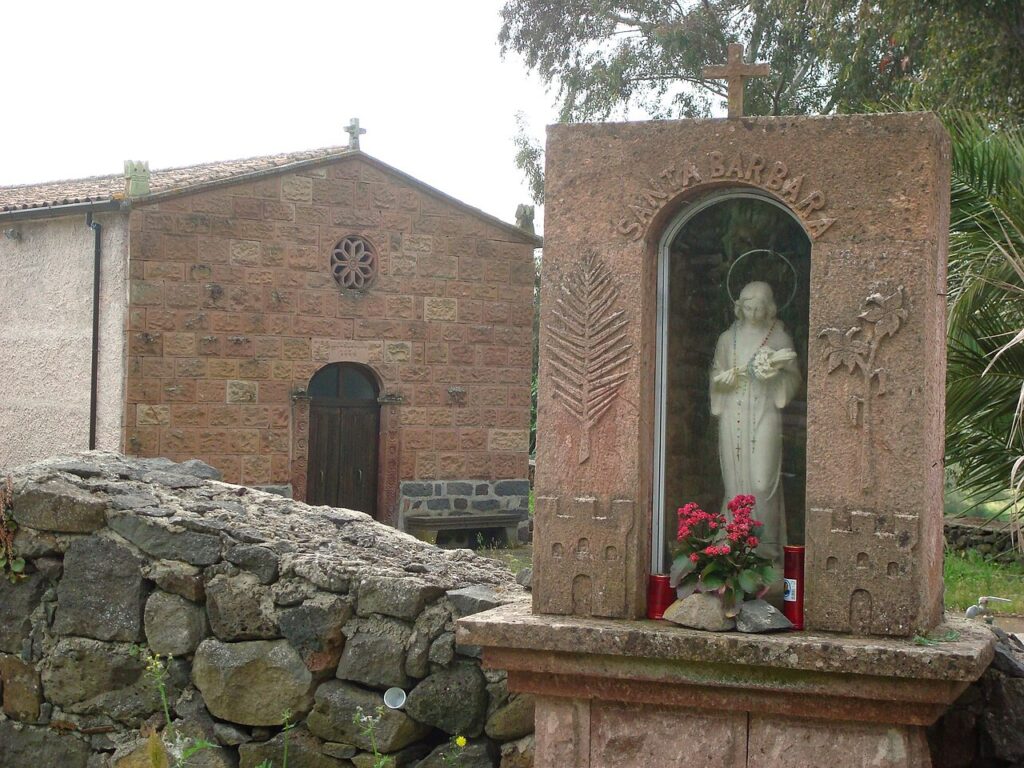
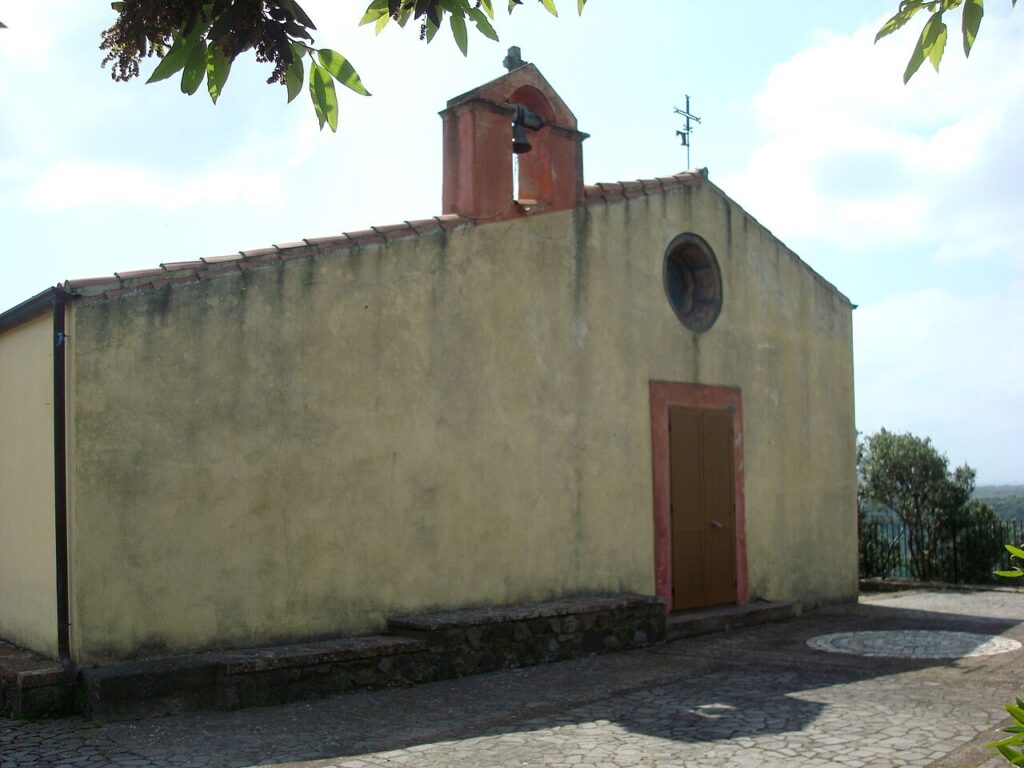
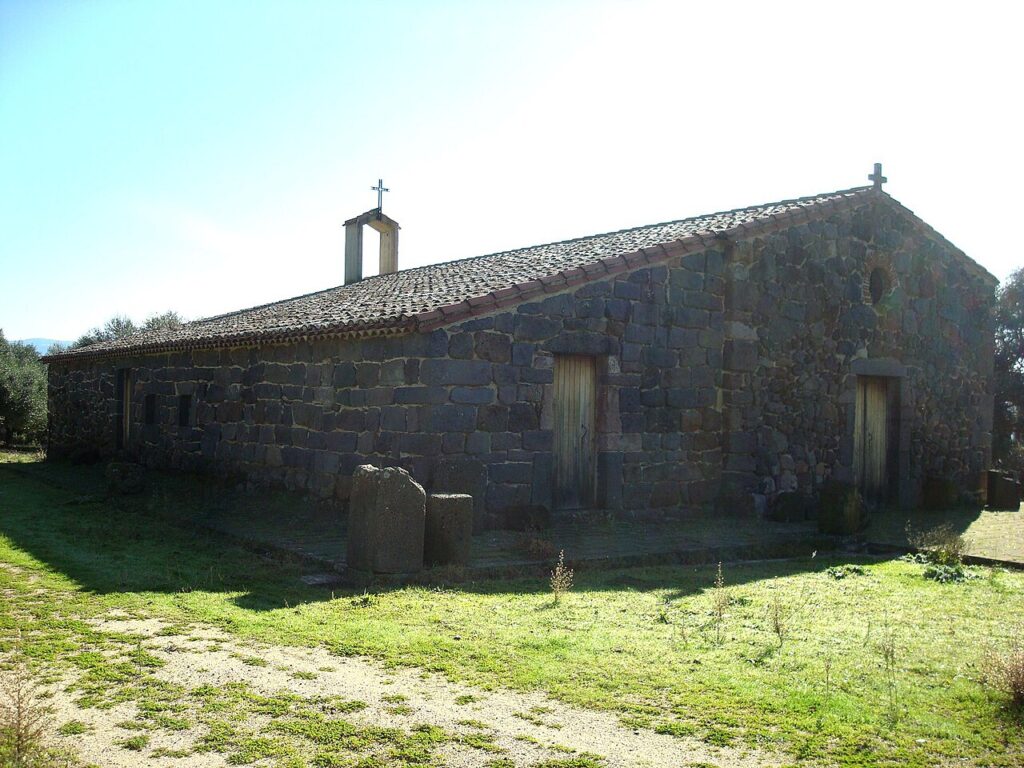
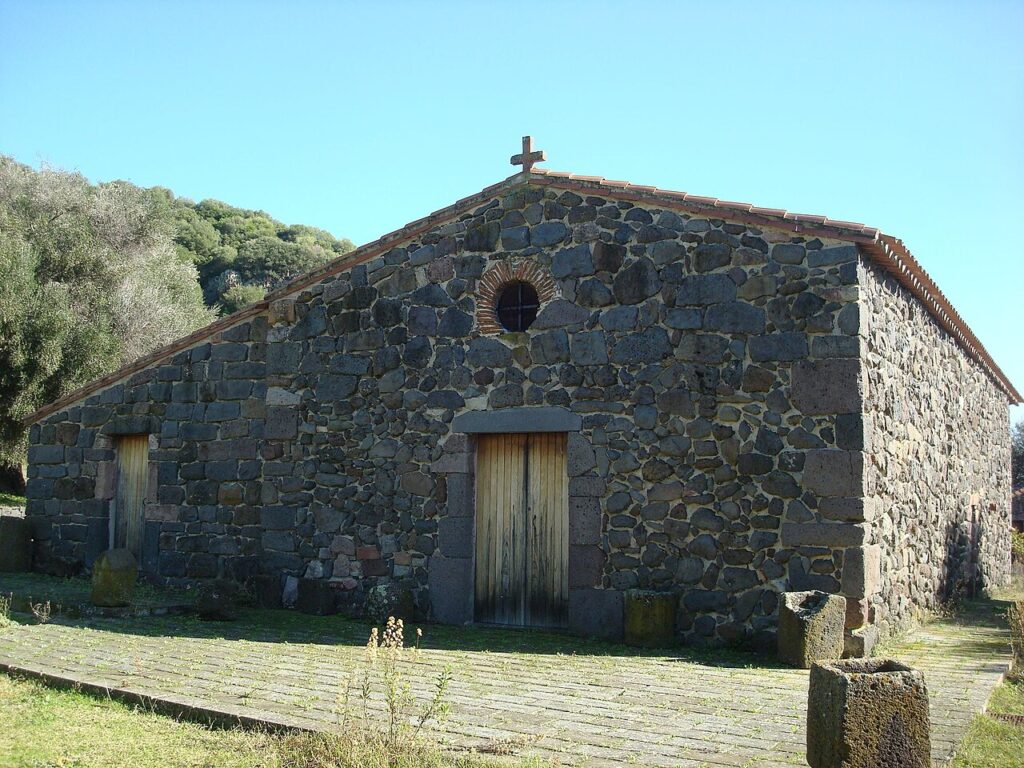
Beyond the parrocchiale lie four rural chapels that speak to the distribution of religious practice across agricultural land. The church of San Gavino carries a Romanesque structural imprint, indicating medieval origins and periods of renovation. Santa Barbara, a country chapel of medieval foundation, and both Santa Maria delle Grazie and Santa Greca represent older sites of worship positioned within the working landscape—places where shepherds, farm families and seasonal labourers might fulfil devotional obligations without walking to the village centre.
Territory, Agriculture and Landscape Character
The economy and visual identity of Aidomaggiore rest on pastoral and agricultural foundations. The comune’s territory consists primarily of pastureland, cork-oak forest, olive groves, vineyards and scattered fruit trees. This agro-pastoral profile—neither urban nor industrial—shapes the rhythm of settlement, the texture of the landscape and the relationship between inhabitants and the land they work.
Visitors exploring the territory will encounter the physical reality of rural Sardinia without the mediation of tourism infrastructure: working fields, herds, seasonal labour, and the architectural responses to a dry Mediterranean climate. The altitude of 330 metres places the village above the coastal plains, providing relief from summer heat while remaining within reach of regional markets and transport routes.
Visiting Aidomaggiore
The village is accessible by road from multiple directions within Oristano province. Nearby comuni include Norbello, Soddì, Sedilo, Ghilarza, Abbasanta, Boroneddu, Tadasuni and Bidonì—all within the same provincial framework and connected by regional roads. The official website at https://www.comune.aidomaggiore.or.it offers current information on municipal services and local events.
If you arrive by car, plan for a stay that extends beyond a single morning. The archaeological sites require time to visit properly; the rural chapels invite unhurried exploration on foot or by vehicle. The landscape itself—open, spare, and genuinely inhabited—rewards slow movement. There is no tourist train or packaged circuit; instead, you navigate by asking, by stopping to observe, and by accepting that some paths and sites may require local knowledge to access safely.
| Departure Point | Distance | Estimated Time |
|---|---|---|
| Oristano | 22 km | 25–30 minutes by car |
| Cagliari (Sardinian capital) | 95 km | 70–85 minutes by car |
| Abbasanta | 8 km | 10–12 minutes by car |
The best season for visiting is late spring through early autumn, when daylight extends and the landscape is at full colour. Winter brings rainfall and can isolate minor roads briefly; summer heat is intense but manageable at altitude. If you are interested in regional archaeological routes, Aidomaggiore pairs well with visits to nearby Nuragic sites and the medieval centres of Abbasanta and other comuni in the Oristano hinterland. The regional city of Oristano offers museums, restaurants and accommodation for those planning a wider exploration of central Sardinia.
Local Flavours and Agricultural Heritage
Aidomaggiore’s food culture is inseparable from its pastoral landscape. The territory supports sheep and cattle raising, olive cultivation, and vine production—the bases of both subsistence and regional commerce. Sardinian cheese traditions, especially pecorino and other dairy products, emerge from the pastoral heritage of which this village is part. Olive oil, wine, and preserved fruits represent the agricultural yields that define local tables and regional markets.
The province of Oristano is home to several protected food products, including Pecorino Sardo (PDO), Fiore Sardo cheese (DOP), and the Agnello di Sardegna (IGP)—all expressions of the pastoral economy that Aidomaggiore shares. While the village itself does not operate tourist restaurants or food shops, the agricultural products and traditional preparations that come from this territory reflect centuries of rural knowledge adapted to Mediterranean conditions.
Frequently asked questions about Aidomaggiore
How do I reach Aidomaggiore from Oristano?
Aidomaggiore is located approximately 30 kilometres inland from Oristano in the province of Oristano, Sardinia. The village is best accessed by car via the SS131 Carlo Felice motorway. Exit toward Oristano and follow regional roads eastward into the interior hills. Public transport options are limited; check local ARST bus services connecting Oristano to villages in the Oristano province. The nearest airport is Alghero (90 km north) or Cagliari (120 km south).
When is the best time to visit Aidomaggiore?
Spring (April–May) and autumn (September–October) offer mild temperatures ideal for exploring the agricultural landscape and hiking. The patron saint feast of Madonna delle Palme occurs annually; consult local Oristano tourism sources for exact dates. Summer can be hot; winter is mild but wetter. Visit during these shoulder seasons to experience rural life, vineyards, and cork oak forests at their most accessible.
What is there to do in Aidomaggiore?
Aidomaggiore centres on archaeological exploration and rural immersion rather than conventional attractions. The village sits on Nuragic heritage sites; visitors can explore pre-historical stone structures scattered across the rolling terrain. Agricultural tourism through vineyards and pasture land is primary. Hiking through cork oak forests and limestone slopes connects to broader Oristano hiking networks. The village is best experienced as a base for understanding Sardinia's medieval Giudicati period and ancient Nuragic civilization.
Is Aidomaggiore suitable for families?
Yes, Aidomaggiore is family-friendly for those seeking rural, slow-paced tourism away from crowded resorts. The gentle rolling terrain suits moderate walks and outdoor exploration. However, the village is small (465 residents) with limited commercial infrastructure, so families should expect basic amenities and self-catering or agriturismos rather than hotels. It appeals to families interested in archaeology, agriculture, and authentic Sardinian village life rather than beach holidays.
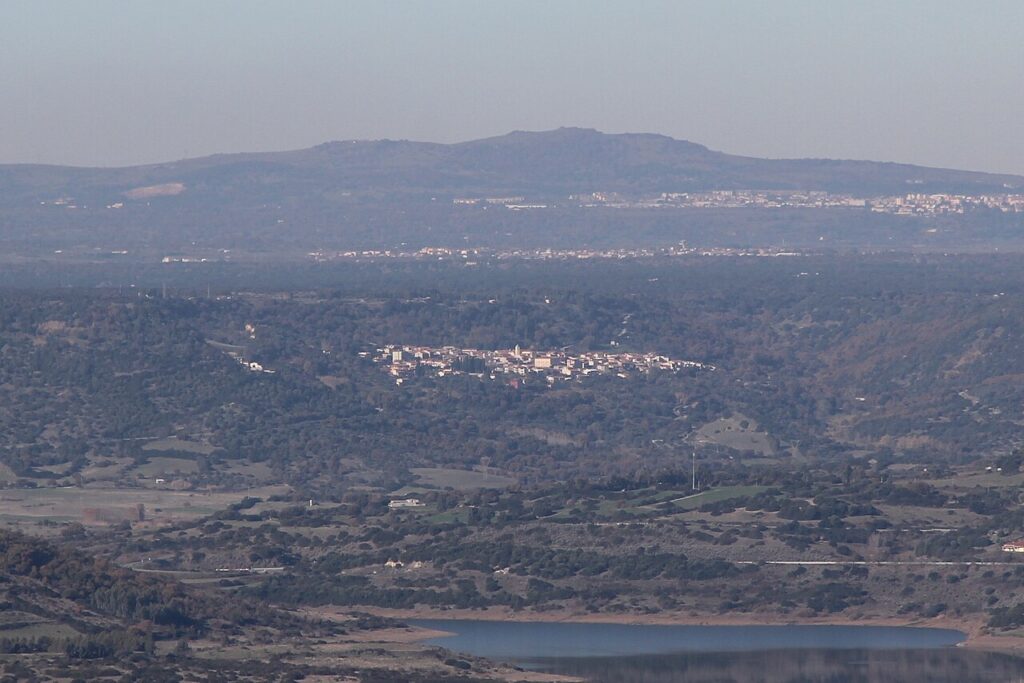
📷 Photo Gallery — Aidomaggiore
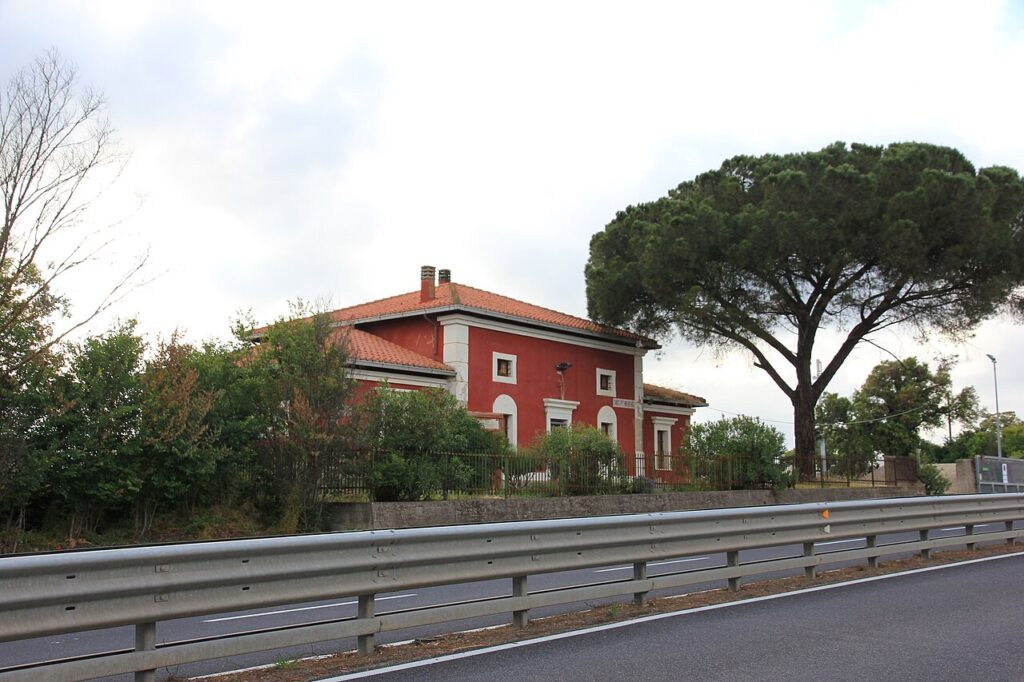
In Sardinia More villages to discover
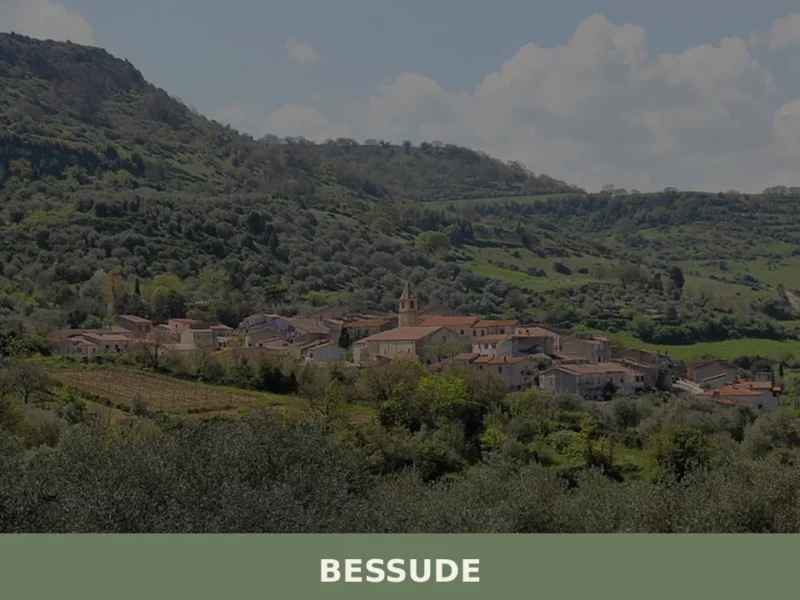
Bessude
 Hills
Hills
At 447 meters above sea level, with a population of 383 inhabitants as of 2023, Bessude is a small town in Logudoro-Meilogu, in the province of Sassari, whose existence is documented at least since 1341 in the Rationes Decimarum Sardiniae. The village, known for its hilly location and the Nuragic remnants that surround its territory, […]
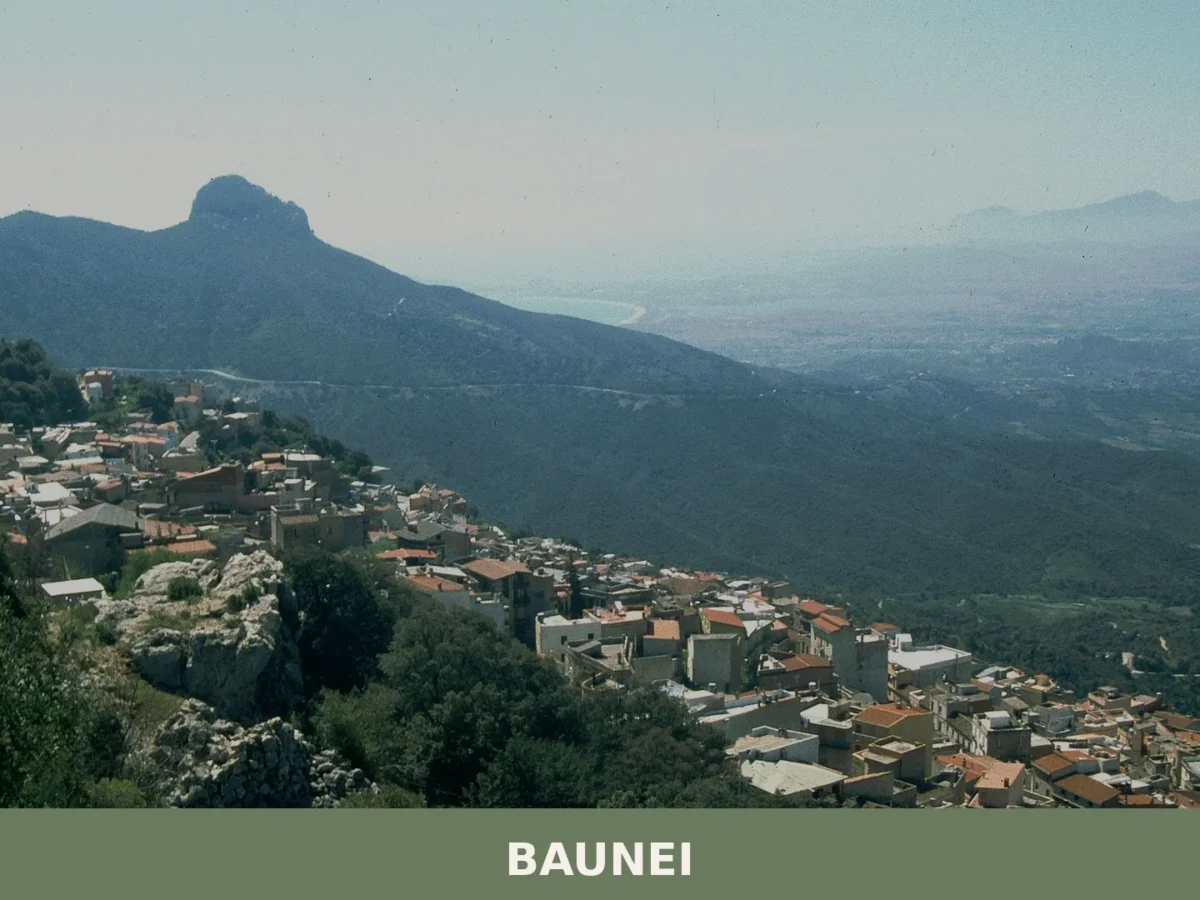
Baunei
Hills
Baunei is a commune of around 3,678 inhabitants in Ogliastra, eastern Sardinia, where a high calcareous plateau meets 40 kilometres of dramatic Tyrrhenian coastline inside a national park.
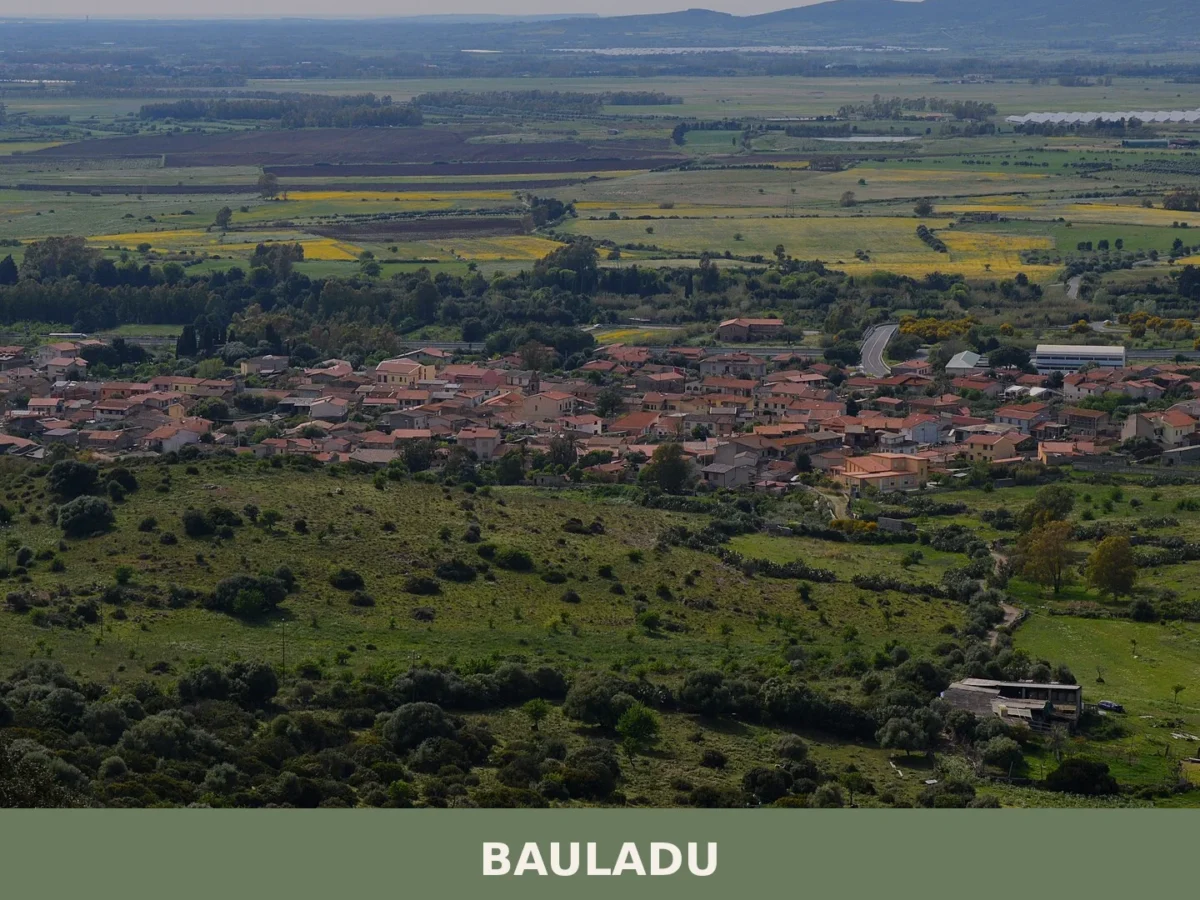
Bauladu
 Plains
Bauladu is a small municipality of 706 inhabitants in the province of Oristano, Sardegna, with nuragic roots, a medieval parish church and a landscape shaped by volcanic hills and the rio Cìspiri.
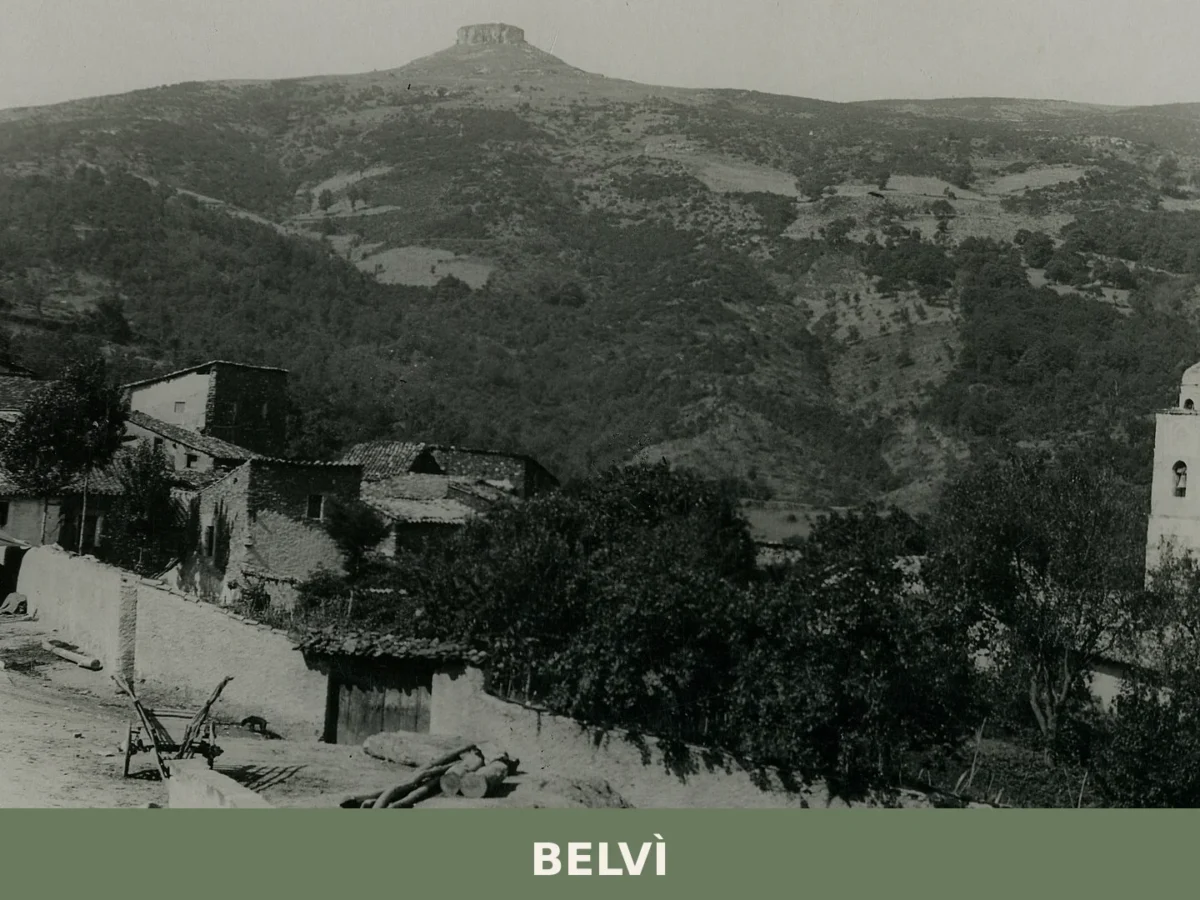
Belvì
 Mountain
Belvì is a mountain comune in the province of Nuoro, Sardegna, at 669 metres above sea level, giving its name to the Barbagia di Belvì subregion and bordered by the Gennargentu massif.
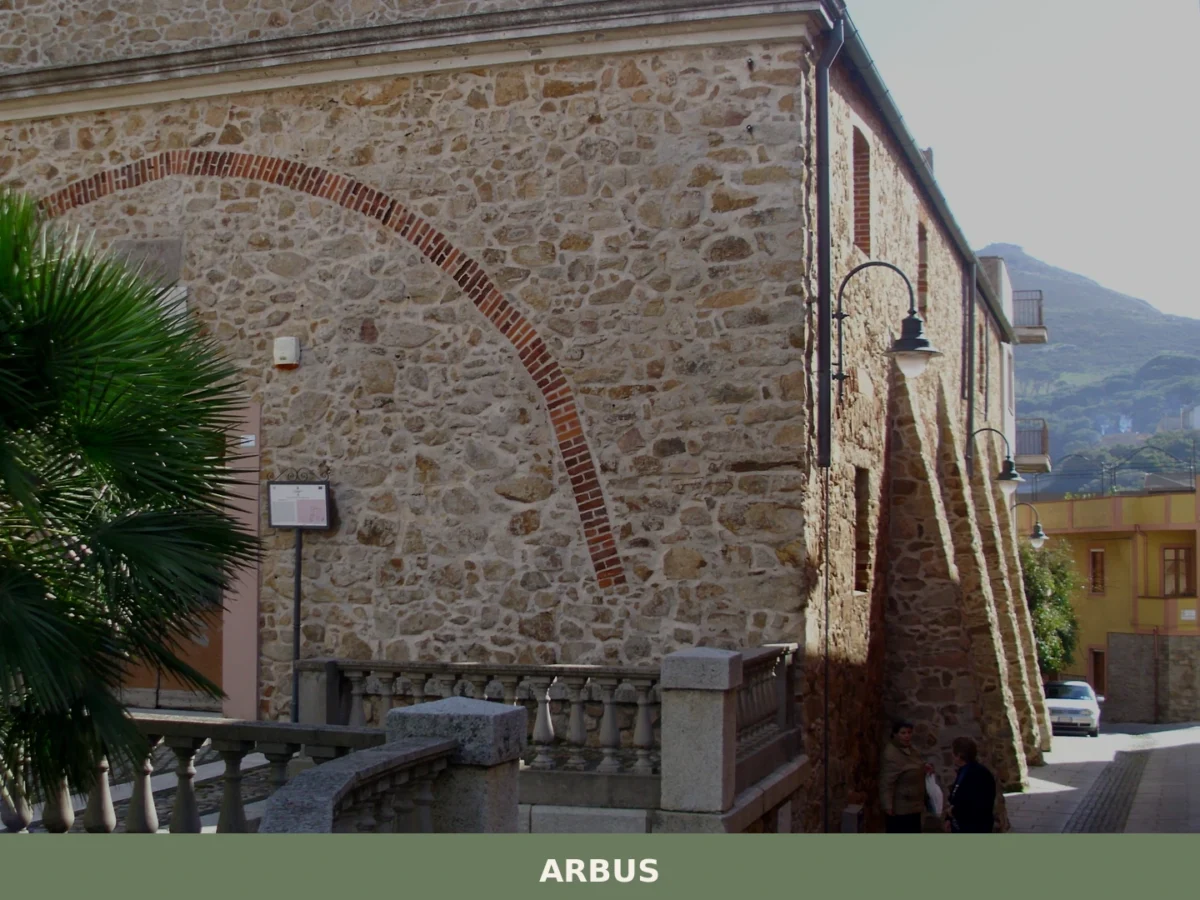
Arbus
Hills
What to see in Arbus, Sardegna, Italy: explore coastal cliffs, historic mining sites and local food traditions. Discover the best of this South Sardinia village.
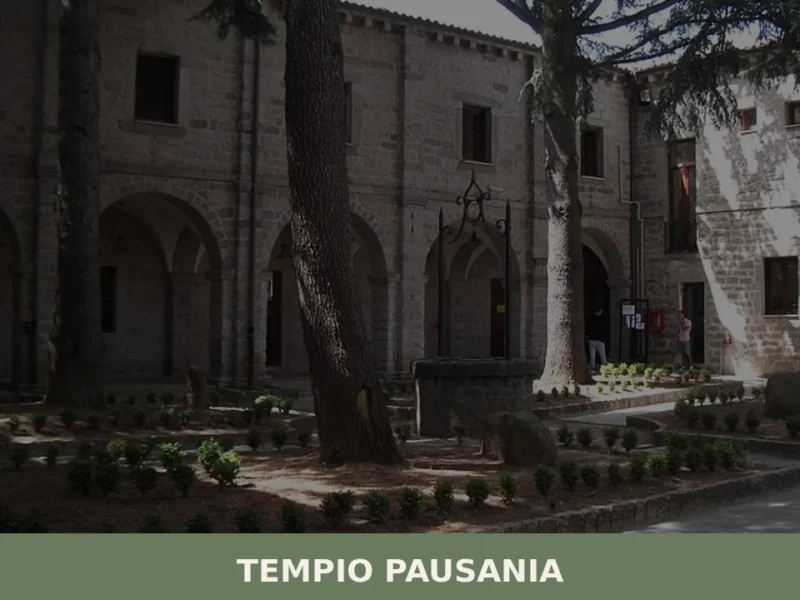
Tempio Pausania
Hills
Tempio Pausania is a historic Gallurese town of 13,973 residents at 568 metres on Monte Limbara, seat of a diocese and gateway to the granite landscapes of north-eastern Sardinia.
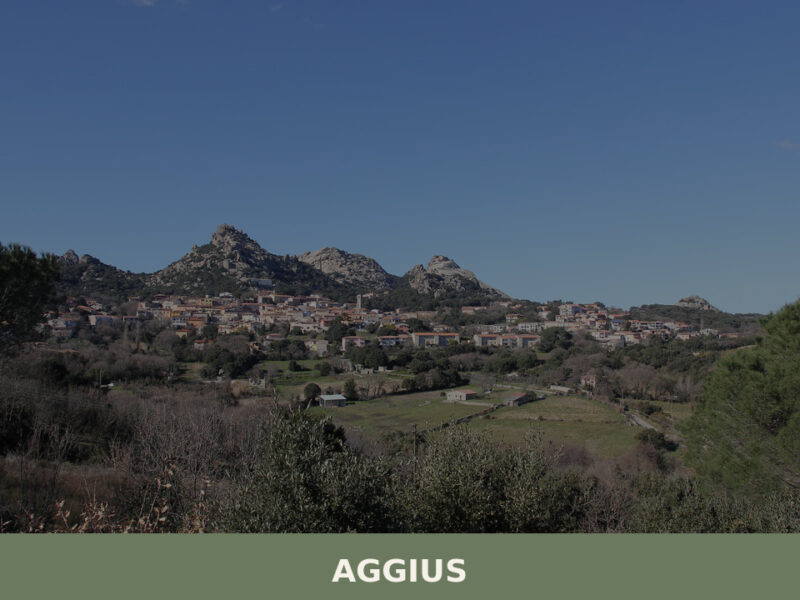
Aggius
Hills
Granite boulders glow amber in the late afternoon, stacked like ancient sentinels across a valley floor that drops away toward the Gallura coast. Wind pushes through narrow lanes of grey stone houses, carrying the faint rhythm of a polyphonic chorus rehearsing behind closed shutters. At 514 metres above sea level, this village of just over […]
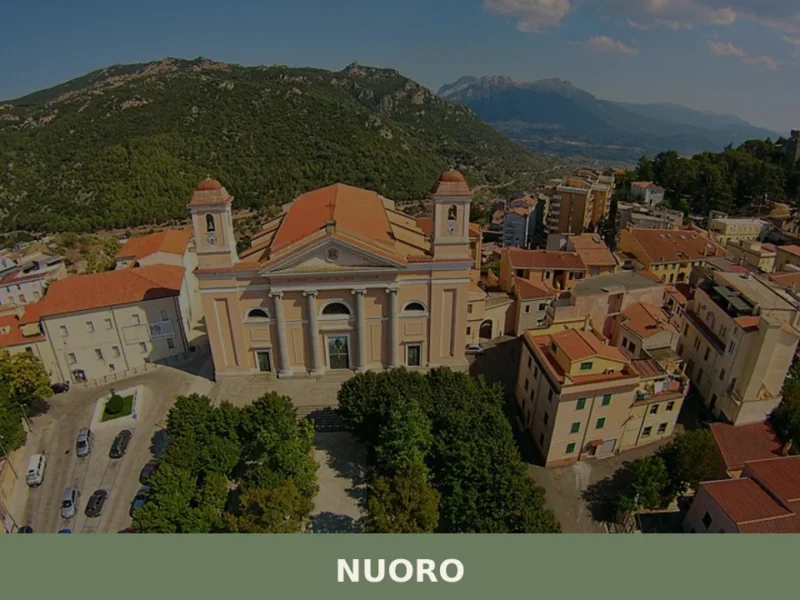
Nuoro
Hills
What to see in Nuoro: a city at 547m with 36,379 residents and birthplace of Nobel laureate Grazia Deledda. Explore museums, Monte Ortobene and Barbaricino cuisine. Plan your visit now.
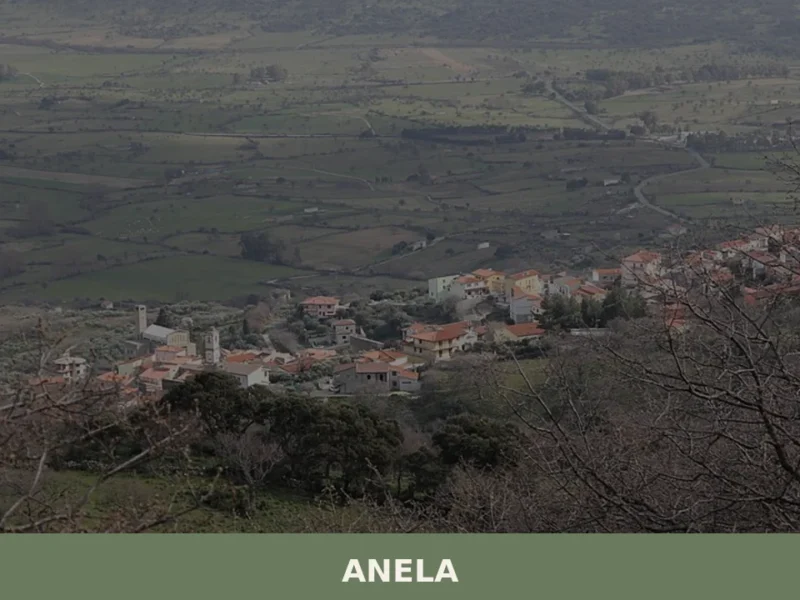
Anela
Hills
Discover what to see in Anela, Sardinia: Neolithic tombs at Sos Furrighesos, the Chiesa di San Giorgio, highland forests, and authentic pastoral cuisine.
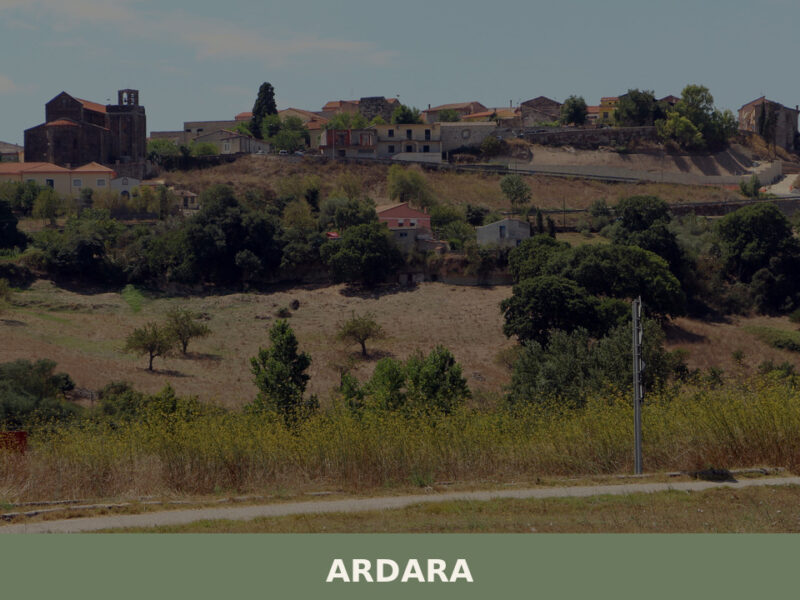
Ardara
Hills
Morning light strikes the dark basalt walls of an old church, turning the stone the colour of wet coal. A rooster calls from somewhere behind the municipio. Ardara sits on a low rise at 296 metres above sea level in the province of Sassari, a village of 729 people that once served as the capital […]



🏡 Know Aidomaggiore better than we do?
If you’re a local or have been there, your knowledge matters: add what’s missing or fix a detail on this page.