


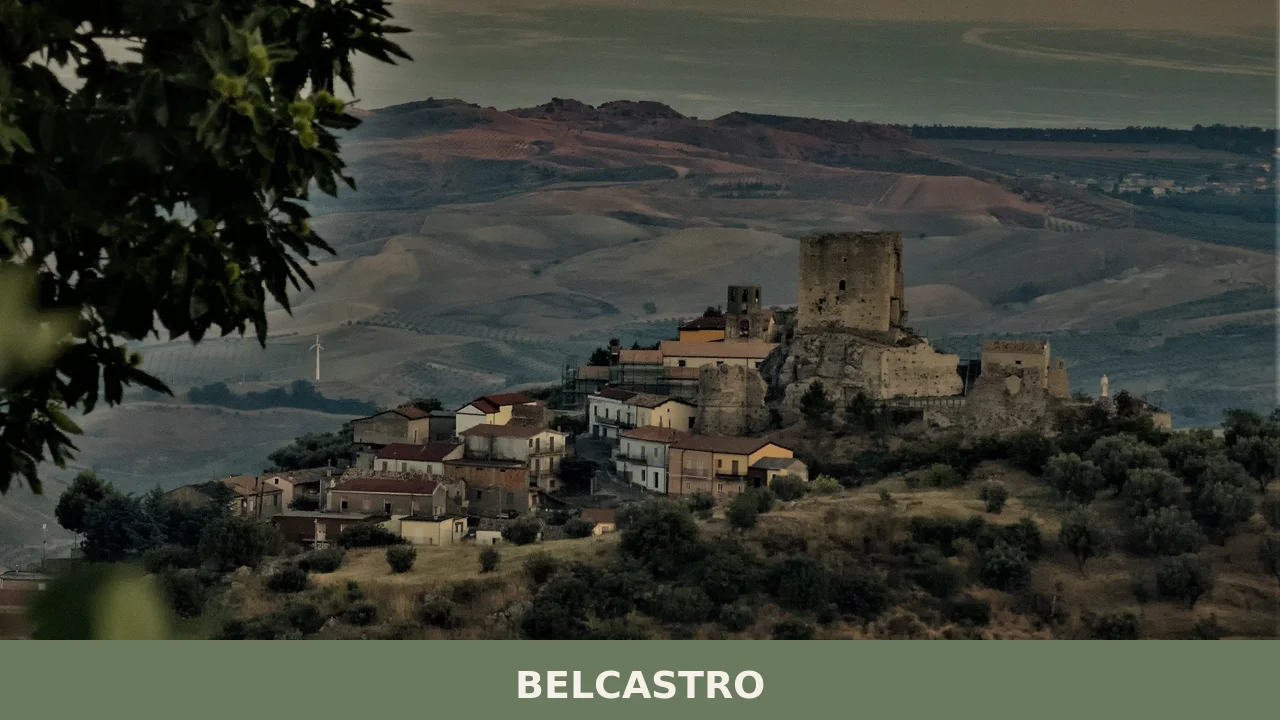
Belcastro
 Hills
Hills
What to see in Belcastro, Calabria, Italy: Norman castle, Aquinas connection, population 1,400. Discover top attractions, local food and how to get there.
Discover Belcastro
A rocky spur rises above the Calabrian interior, and at its crown sits a Norman-style castle whose limestone walls have outlasted the succession of lords who once held its keys. Below the fortification, the houses of Belcastro step down the slope in tight rows, the whole settlement no wider than a few hundred metres at its broadest point. The town’s population has contracted to around 1,400 residents, a figure that sharpens the contrast between the scale of the castle above and the quiet streets beneath it.
Knowing what to see in Belcastro means starting with that castle and working outward through eight centuries of documented history.
The comune sits in the province of Catanzaro, in Calabria, Italy, roughly inland from the Ionian coast. Visitors to Belcastro find a fortified settlement whose name was conferred by royal decree in 1330, a historic link to one of medieval Europe’s most influential philosophical dynasties, and a landscape of ridges and valleys that makes the drive here as informative as the destination itself.
History of Belcastro
The settlement now called Belcastro appears in medieval records under the Latin name Geneocastro, a designation that persisted for several centuries while the site served as a feudo, a feudal holding, of the Lords of Aquino. The connection to that family carries particular weight: the town is one of the sites proposed as the birthplace of Saint Thomas Aquinas, the 13th-century Dominican theologian and philosopher. The more widely accepted account places his birth at the castle of Roccasecca, near the town of Aquino in Lazio, but the Belcastro claim is documented and has been debated by scholars familiar with the Aquino territorial holdings in southern Italy.
The defining administrative moment came in 1330, when Robert of Anjou, King of Naples, issued a decree elevating Geneocastro to the rank of a county and simultaneously renaming it Belcastro — rendered in Latin as Bellicastrum and in the local Calabrian dialect as Bercashru.
The new name was framed as a tribute to the beauty of the place and as a gesture of gratitude toward Thomas of Aquino, who became the first count of the city and was a nephew of the saint. That dual act of renaming and ennobling fixed the town’s identity in the feudal map of the Kingdom of Naples for generations to come. During the 15th century, Belcastro was further elevated and granted the formal title of city, a distinction that reflected its administrative and symbolic standing in the region.
Two figures born in Belcastro left marks on Italian cultural and political history beyond Calabria. The historian Lutio d’Orsi, active across the late 16th and early 17th centuries, produced work that documented the area’s past at a time when such local chronicles were rare. Later, the jurist Giuseppe Poerio (1775–1843) emerged from the same streets to become a notable figure of the Risorgimento, the 19th-century movement for Italian unification and independence.
His son, the poet Alessandro Poerio, continued along that same patriotic path. The Poerio family represents one of the clearest lines connecting this small inland comune to the national political struggles of the 19th century, a lineage that gives Belcastro a presence in the broader history of modern Italy that its population size alone would not suggest.
What to see in Belcastro, Calabria: top attractions
The Norman-Style Castle of Belcastro
The castle dominates the rocky spur on which the entire settlement is built, its masonry rising directly from the natural limestone of the ridge. It belonged to the Counts of Aquino, the same feudal family connected to Saint Thomas Aquinas, and its construction reflects the Norman architectural tradition that spread through southern Italy following the 11th-century conquests.
Standing at the base of the walls, the visitor can observe the relationship between the fortification and the terrain: the castle does not sit beside the rock but grows out of it, making the two nearly indistinguishable at certain angles. The elevation provides a clear view across the valleys of the Calabrian interior, and the castle remains the structural and symbolic reference point for the entire town. Visit in the morning when the light falls directly on the facade and the stone’s colour shifts from grey-white to a warmer ochre.
The Historic Centre and Medieval Street Layout
The historic centre of Belcastro preserves the layout of a medieval fortified settlement, with streets that follow the contours of the spur rather than any imposed grid. The houses are arranged in close rows, with narrow passages between buildings that kept wind and summer heat at bay. Belcastro was granted the title of city in the 15th century, and the density of the historic fabric reflects that period’s expectation of urban life within defensive walls.
Walking through the centre, the visitor encounters the characteristic typology of southern Italian hill towns: ground floors with vaulted ceilings originally used as storerooms or stables, and upper floors reached by external staircases of cut stone. The scale is intimate — the centre can be covered on foot in under an hour — but the structural details reward close attention.
The Church of the Historic Centre
Religious architecture forms the second major layer of Belcastro’s built environment, complementing the castle above and the domestic fabric below. The town’s elevation to a county in 1330 and later to a city in the 15th century would have been accompanied by the construction or enlargement of ecclesiastical buildings appropriate to that status, as was standard practice in the Kingdom of Naples.
The church facades visible within the historic centre show the accumulated interventions of several centuries, with Baroque decorative elements overlaid on earlier structural cores. For visitors specifically interested in what to see in Belcastro from an ecclesiastical perspective, the carved stonework around doorways and the interior spatial organisation — typically a single nave with side altars — reflect the regional building tradition of Catanzaro province. Access is generally possible during morning hours.
The Landscape of the Rocky Spur and Surrounding Valleys
Belcastro sits at an elevation that places it well above the Ionian coastal plain, and the surrounding landscape of ridges, gullies, and river valleys is as much a part of the visit as any structure within the town. The rocky spur itself is a geological feature that explains why a defensive settlement was built here in the first place: the drop on multiple sides made the site naturally defensible without requiring extensive earthworks.
Looking out from the upper part of the town, the visitor can trace the lines of the valleys that converge in this part of the province of Catanzaro, with the Ionian Sea visible on clear days as a flat blue line at the horizon. The terrain is uneven and involves inclines throughout the historic centre, which visitors with mobility considerations should factor into their planning. The views are most defined in the cooler months, between October and April, when atmospheric haze is reduced.
Sites Connected to the Aquino and Poerio Heritage
Two documented historical threads give Belcastro a specific identity among Calabrian comuni of comparable size. The Aquino connection — the castle’s ownership by the Counts of Aquino and the town’s renaming in 1330 as a tribute linked to Saint Thomas Aquinas — gives the site a place in the geography of medieval European philosophy, however debated its precise role may be.
The second thread runs through the 19th century: the jurist and Risorgimento patriot Giuseppe Poerio (1775–1843) was born here, as was his son, the poet Alessandro Poerio. For visitors engaged with Italian intellectual and political history, locating Belcastro within these two biographical narratives adds a dimension that goes beyond the physical fabric of the town. The town’s civic records and historical documentation preserved locally are the primary sources for both connections.
Local food and typical products of Belcastro
The food culture of inland Catanzaro province reflects the agricultural conditions of a territory that has historically been isolated from coastal trade routes. Belcastro sits within a zone where small-scale cultivation of cereals, legumes, olives, and grapes has shaped the diet for centuries. The influence of the Norman, Angevin, and later Aragonese administrations — all of which held sway over this part of Calabria at different points — introduced livestock-rearing practices that remain embedded in the local culinary tradition. Pork, sheep, and goat are the primary meat sources, and their preparation involves long-established techniques of salting, drying, and spicing that extend shelf life through the winter months.
Among the preparations typical of this part of Catanzaro province, soppressata occupies a central position: a cured pork salume pressed into a flattened shape, seasoned with dried red chilli and black pepper, and left to mature for several weeks in cool, ventilated spaces.
Capicollo, made from the neck and shoulder of the pig, follows a similar curing process and is a consistent presence on antipasto boards throughout inland Calabria. Pasta filata cheeses — stretched-curd varieties produced by hand while the curd is still hot — are the standard dairy product of the area, ranging from fresh fior di latte to firmer aged forms. Bread in this part of the province tends toward dense, long-fermented loaves with a thick crust, baked in wood-fired ovens and intended to remain edible for several days rather than consumed the same day.
The broader Calabrian food tradition places strong emphasis on preserved vegetables: sun-dried tomatoes, pickled aubergines layered with garlic and mint, and peperoni cruschi — dried sweet peppers that become crisp when briefly fried in olive oil and are used as a condiment across dozens of dishes. These preparations are present throughout Catanzaro province and in the markets of towns accessible from Belcastro.
No certified DOP or IGP products have been documented specifically for Belcastro in the available sources, but the general Calabrian production tradition described above applies to the area and its markets.
Local produce is most accessible during the autumn months, when harvest activity brings surplus goods to village markets and roadside stalls. The cooler temperatures of September through November also make this the period when cured meat production begins in earnest, and visitors passing through between October and December are most likely to encounter freshly made salumi at their earliest stage of maturation.
Festivals, events and traditions of Belcastro
The sources available for Belcastro do not provide specific verified dates for the patron saint festival or detailed accounts of its ceremonial programme. What can be confirmed is that Belcastro follows the broader Calabrian pattern of organising communal life around the liturgical calendar, with the patron saint’s feast day serving as the principal annual gathering point for residents and those who have moved away.
These occasions typically involve a religious procession through the historic centre, a Mass celebrated with particular solemnity, and an outdoor evening programme that extends well past dark.
The Calabrian sagra tradition — food festivals organised around a single local product or preparation — is present throughout Catanzaro province during the summer and early autumn months, and towns within reach of Belcastro participate in this circuit. The Poerio family legacy, connecting the town to the 19th-century Risorgimento movement, has the potential to serve as the basis for commemorative cultural events, though no specific documented programme has been confirmed in the available sources. Visitors interested in local celebrations should contact the municipal administration directly for the current year’s calendar before planning their trip.
When to visit Belcastro, Italy and how to get there
The best time to visit Belcastro depends on what the traveller prioritises. Spring, from late March through May, brings mild temperatures across inland Catanzaro and reduces the summer heat that can make the climb through the historic centre uncomfortable. Autumn, from September through November, offers similarly moderate conditions and coincides with the harvest and food-production season described above.
Summer visits are feasible but the inland terrain of Calabria, Italy heats significantly between June and August, and the elevation of Belcastro — while it provides some relief — does not eliminate the heat entirely. Winter brings sharper temperatures and occasional fog across the ridges, but this is also when the landscape is most clearly defined and the castle stonework shows its best colour contrast against a pale sky.
Reaching Belcastro by car is the most practical option for international visitors. The A2 Autostrada del Mediterraneo runs along the Tyrrhenian side of Calabria, and the SS106 state road connects the Ionian coastal strip to the interior. From Catanzaro, the provincial capital located approximately 30 km (18.6 mi) to the northwest, Belcastro is reachable by regional road in under an hour. Catanzaro itself is served by the Trenitalia rail network, with connections from Reggio Calabria and Naples; from Catanzaro, travellers need a car or taxi to reach Belcastro, as public bus services to the village are infrequent.
The nearest airport with regular domestic and international connections is Lamezia Terme International Airport, located approximately 50 km (31 mi) to the west of Belcastro; transfer by rental car takes roughly 50 to 60 minutes depending on the route. From Naples, the drive covers approximately 380 km (236 mi) via the A2, making a day trip from that city feasible but long; an overnight stay in the area is preferable. International visitors should be aware that English is not widely spoken in smaller shops and restaurants in this part of inland Calabria, and carrying a supply of euro banknotes is advisable, as card payment terminals are not universally available.
Travellers who plan to explore the wider province of Catanzaro can use Belcastro as one stop on a longer itinerary through the Calabrian interior. The village of Albi, situated in the same province and sharing a similar landscape of ridges and medieval settlement patterns, makes a logical companion visit for those driving through this part of Calabria.
Those approaching from the northern end of the region might also consider the route through Bocchigliero, a comune in the Sila plateau area whose elevation and historical profile offer a different register of the same Calabrian inland experience.
Visitors extending their time in the region toward the Tyrrhenian coast will find that Buonvicino lies in the northern Calabrian coastal strip and provides a contrast to the arid interior ridges around Belcastro. For those interested in the question of what to see in Belcastro as part of a broader southern Calabrian circuit, pairing the inland Norman castle sites with the Ionian coastline to the east gives a trip genuine geographic range without requiring long daily driving distances.
Frequently asked questions about Belcastro
What is the best time to visit Belcastro?
Late spring (May–June) and early autumn (September–October) offer pleasant Mediterranean weather ideal for exploring the castle and village streets. The patron saint feast of San Tommaso d'Aquino occurs on 28 January, though spring and autumn avoid summer heat at 495 metres elevation. Winter can be cool; summer occasionally warm. Check local event calendars for seasonal festivals before planning your visit.
How do I reach Belcastro from the coast?
Belcastro lies inland from the Ionian coast in Catanzaro province, Calabria. The nearest major city is Catanzaro (approximately 40 km away). From the coast, drive inland via SS106 Ionica towards Catanzaro, then follow provincial roads toward Belcastro. The journey takes roughly 1–1.5 hours by car. Public transport options are limited; hiring a car is recommended for flexibility exploring this hillside village.
How long should I plan to spend in Belcastro?
A half-day visit (3–4 hours) suffices for seeing the Norman castle, walking the compact village streets, and enjoying local views. The settlement spans only a few hundred metres at its widest point. To include nearby attractions, local dining, and photography, allow a full day. Overnight stays work well for relaxed exploration and experiencing evening atmosphere in this quiet community of 1,206 residents.
What is the historical significance of Belcastro's name?
The settlement was historically called Geneocastro in medieval Latin records and served as a feudal stronghold for centuries. The name 'Belcastro' was officially conferred by royal decree in 1330. This toponymic shift marks a significant moment in the village's administrative history and reflects the region's medieval political reorganisation under royal authority during that era.
In Calabria More villages to discover
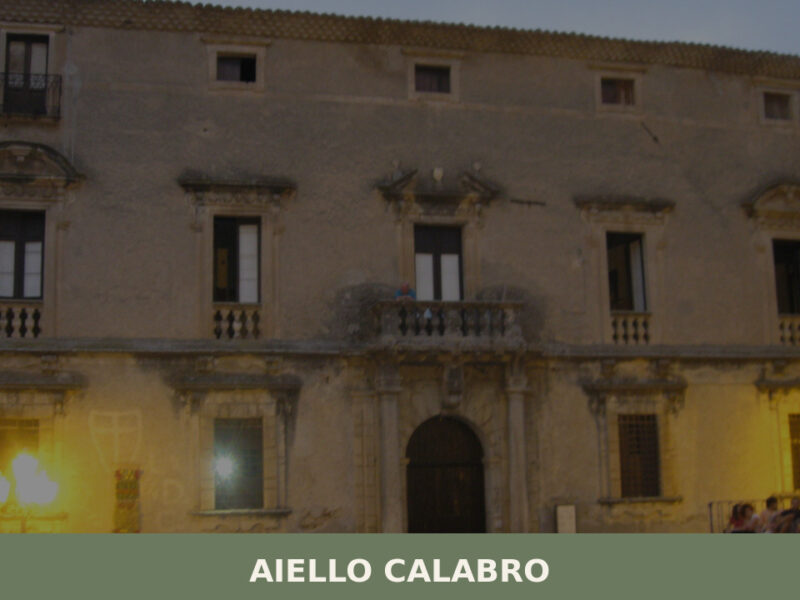
Aiello Calabro
Hills
A hill village in Cosenza province at 502 metres, Aiello Calabro holds medieval ruins, noble palazzi, and a living food culture shaped by centuries of mountain life.
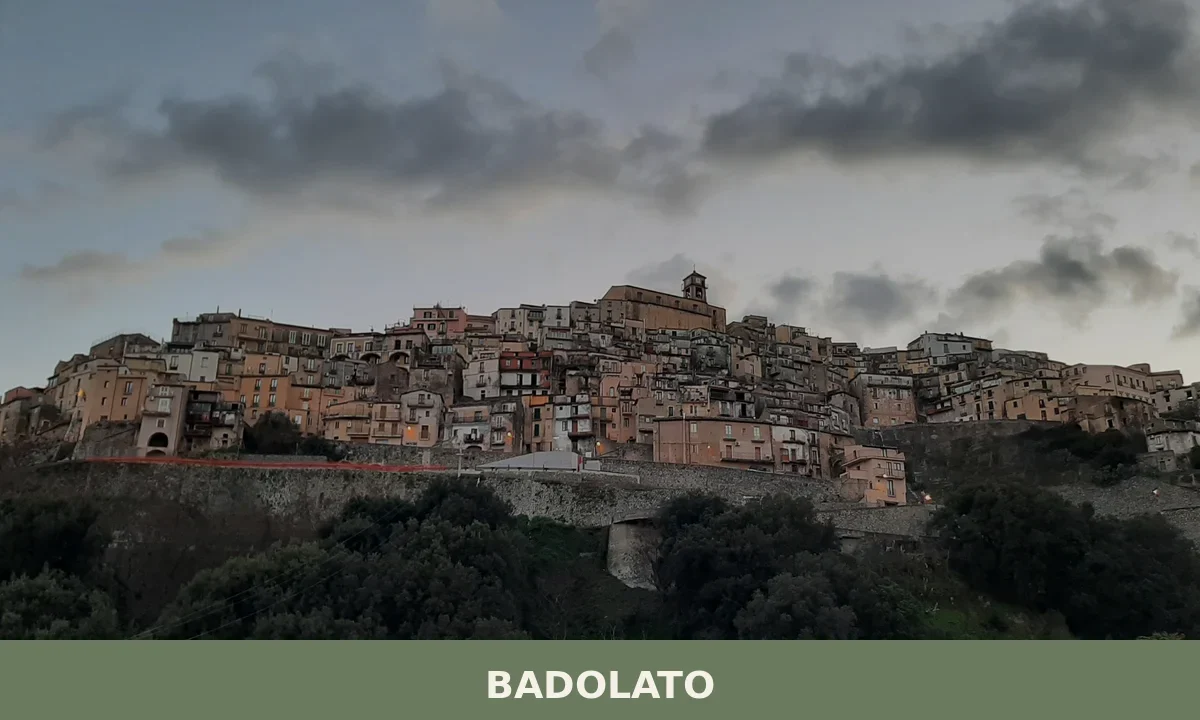
Badolato
 Mountain
What to see in Badolato, Calabria, Italy: Byzantine churches, a 17th-century castle, and olive oil production 30 km from Catanzaro. Discover the complete guide.
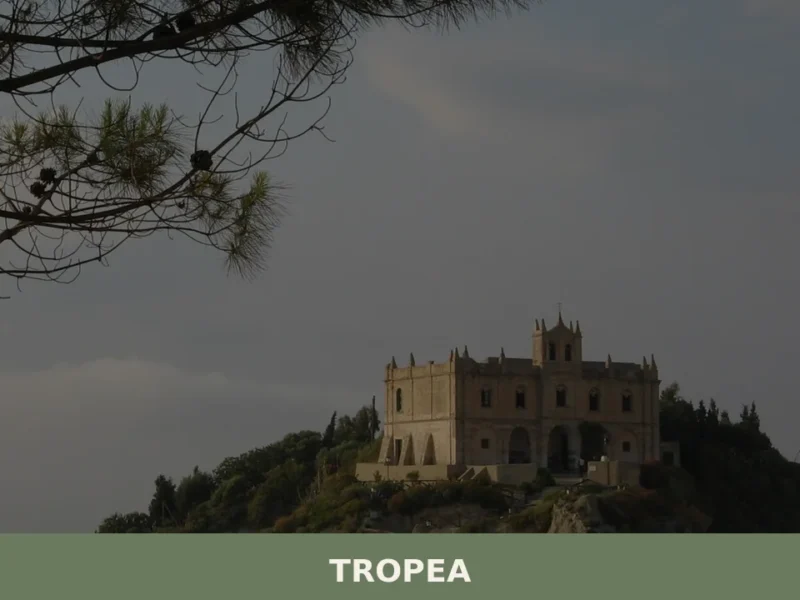
Tropea
 Sea
Sea
What to see in Tropea, Calabria, Italy: explore 5 top attractions, the famous red onion, sandy beaches on the Tyrrhenian Sea. Discover how to get there.
Bianchi
Mountain
Bianchi is home to 1,358 residents spread across a hilly area in the province of Cosenza, at roughly 500 metres above sea level along the middle valley of the Savuto river. Anyone looking into what to see in Bianchi will find a medieval urban core, a mother church documented since the 16th century, and a […]
Acquaro
Hills
Discover what to see in Acquaro, a village of 1,778 inhabitants in Vibo Valentia, Calabria. History, food, travel tips and the Alto Mesima valley landscape.
Amaroni
Hills
Discover what to see in Amaroni, a village of 1,587 inhabitants in the province of Catanzaro, Calabria. History, food, travel tips and nearby villages.
Amato
Hills
The enduring presence of the Arbëreshë language in Amato, a distinctive cultural marker, hints at centuries of layered history within this Calabrian village, where cultural traditions often define daily life. Its ancient foundations stretch back to a time even before Roman influence, earning mentions from revered classical figures like the Greek philosopher Aristotle and the […]
Crotone
Sea
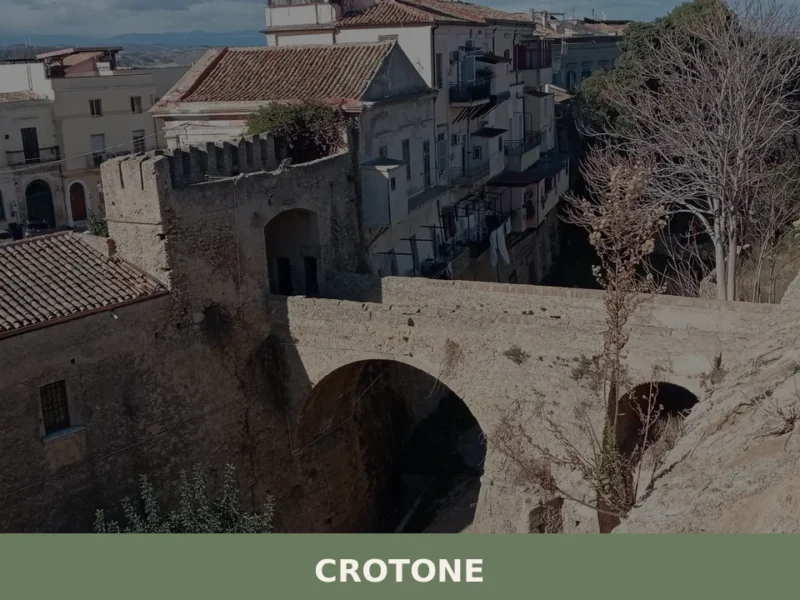
What to see in Crotone, Italy: explore this historic city, 8 meters above sea level. Discover the ancient city walls and the 16th-century Castle of Charles V. Read our complete guide.
Bisignano
Hills
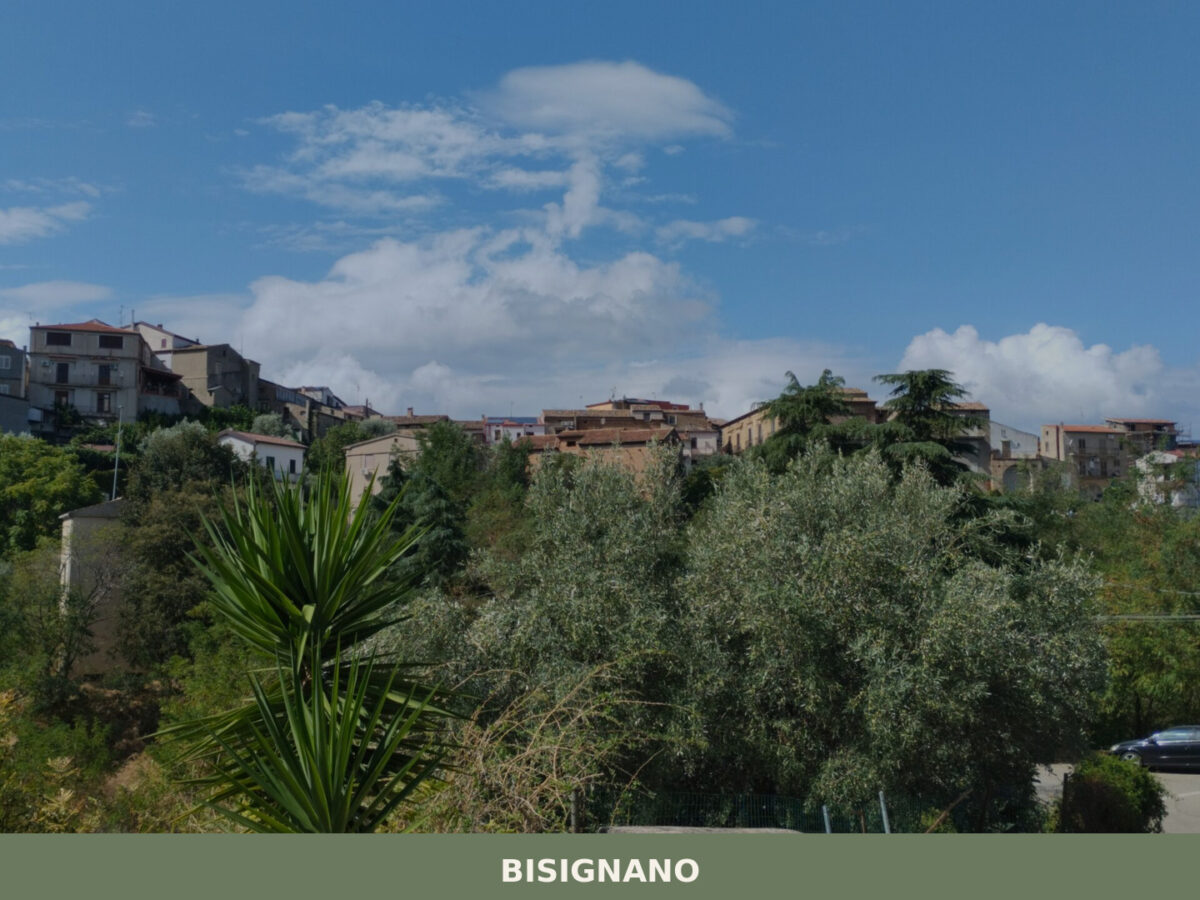
What to see in Bisignano: Discover 5 top attractions. This village (pop. 9,501) features the Ducal Castle and Sant'Umile Sanctuary for rich history.
Africo
Sea
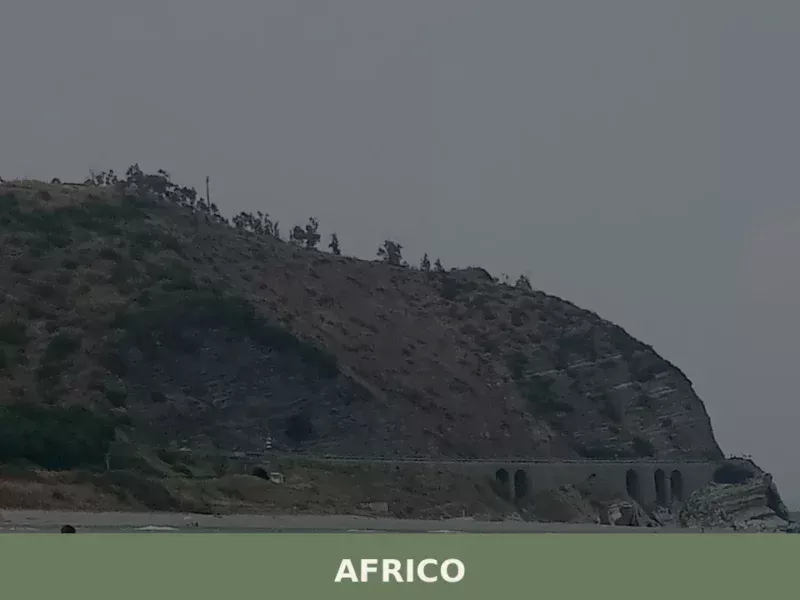
Discover what to see in Africo, Calabria: the abandoned mountain village, Ionian coast, Aspromonte landscapes, local food and practical travel tips.


🏡 Know Belcastro better than we do?
If you’re a local or have been there, your knowledge matters: add what’s missing or fix a detail on this page.