


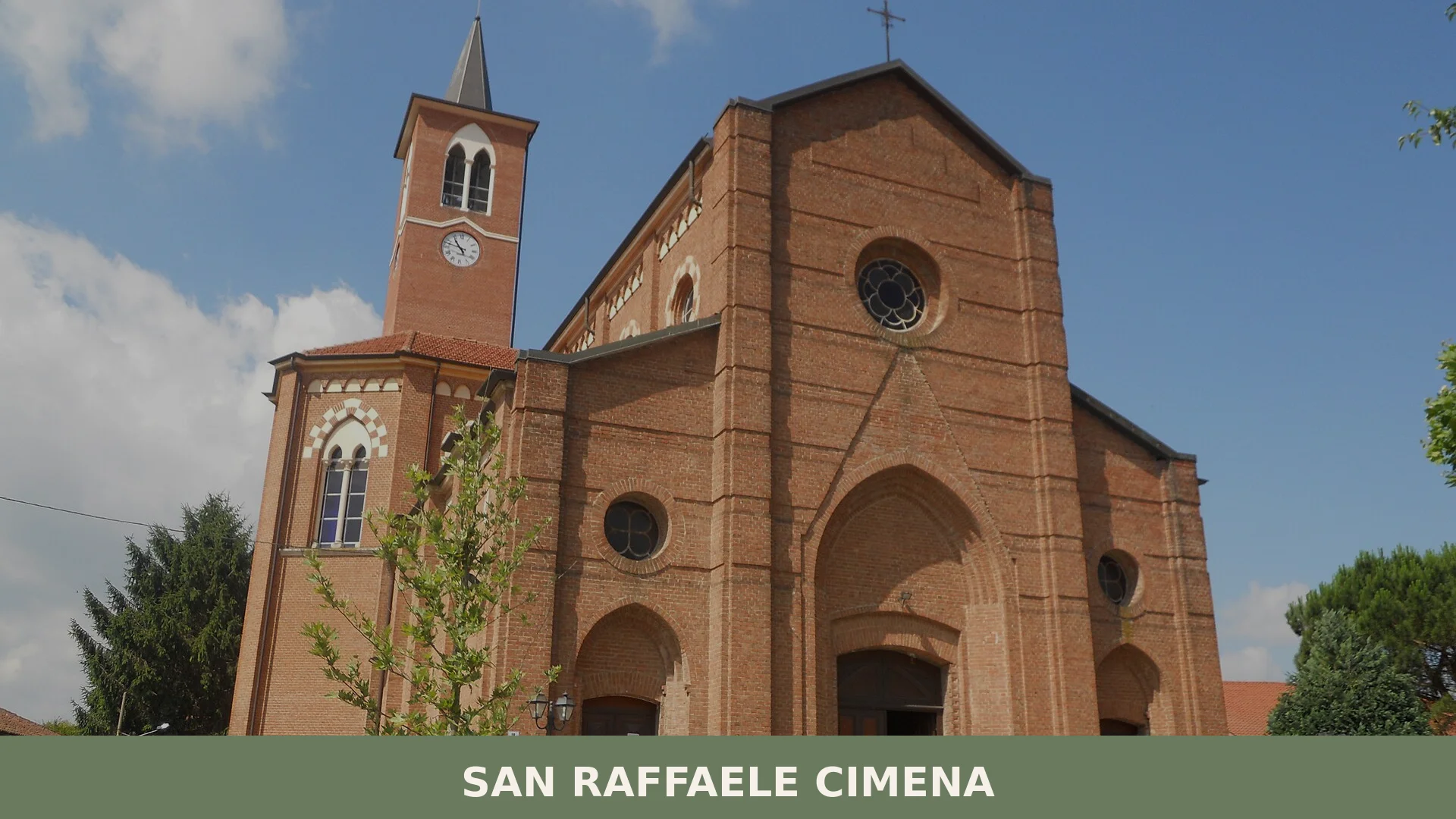
San Raffaele Cimena
 Hills
Hills
3,159 residents. Medieval settlement with Byzantine foundations, now a suburban village anchored by agricultural heritage and an extraordinary microclimate where tropical plants thrive.
San Raffaele Cimena: Between Byzantine Roots and Renaissance Agriculture in the Turin Lowlands
San Raffaele Cimena rises on a hill at 195 metres above sea level, where the Po River valley flattens before the first Alpine foothills. Stone farmhouses and narrow lanes speak of centuries spent managing water, trade and defence. The light here is diffuse, neither mountain-sharp nor truly plains-soft—a landscape of practical beauty, where every corner reflects centuries of slow settlement and deliberate agriculture.
San Raffaele Cimena village in Piedmont belongs to Turin’s metropolitan area, hosting 3,117 residents spread across distinct fractions: the original San Raffaele, the frazione Cimena with pre-Roman roots, and La Piana, now the administrative centre. Two distinctive draws shape its identity: a rare microclimate that allows tropical species to flourish in one valley, and a direct link to the historic Via Francigena pilgrimage route.
From Byzantine Chapel to Renaissance Crossroads
The earliest inhabited core probably formed in the fourth century as a Byzantine military outpost overlooking the plains below. Soldiers under Justinian are said to have built a simple chapel dedicated to the archangel Raphael—protector of travellers—in what is now the cemetery, and dwellings gradually clustered around it. The name itself carries linguistic weight: Cimena likely derives from ancient Ligurian speech, where cem or cim meant mountain or height, reflecting its origins as a fortified hilltop settlement.
Saracen raids in the tenth century forced inhabitants uphill toward a castle for protection. That fortress once stood where the Parco della Rimembranza (Park of Remembrance) now lies. For centuries, noble families—Provana, Roero, Calori, Socio, Gervasio, Crova, de Rege, Scaglia, Tornielli, Robbio and Curbis among them—held the fief in succession, their names scattered across legal documents and local memory.
Cimena became an independent commune in 1596, prized for both its strategic position and agricultural advantage. In 1818, it merged with San Raffaele under a combined name that lasted until 1928. The real transformation came during the seventeenth century, when small farming hamlets developed in the zone between the hillside road and the rising ground—the area now called the old town of La Piana. By 1831, completion of the provincial road from Gassino toward Casale Monferrato (today the SS590) made this middle location ideal for commerce. La Piana’s centralised position and access to mechanised farming gradually drew administrative importance away from the upper settlements. Only in 1949 did the comune formally move its capital to La Piana, cementing a shift that had taken two centuries to unfold.
The comune received its official heraldic arms and banner by presidential decree on 10 January 1985—a formal recognition that the village had secured its place within the modern state, though its identity remained rooted in much older ground.
Geography and the Exceptional Fraction
Three distinct settlements define the territorial character. San Raffaele proper occupies higher ground where the old castle stood; Cimena sits along the modern provincial road, its origins reaching back before the Roman period; and La Piana dominates the middle valley, positioned roughly between the neighbouring towns of Gassino Torinese and Chivasso. From any point, the metropolitan sprawl of Turin feels close but not overwhelming—the village remains a distinct working community rather than a bedroom suburb.
Valle Baudana, a side valley within the comune, possesses a microclimate of exceptional character. Winter temperatures remain mild, summer temperatures refreshingly cool—a phenomenon studied by the National Research Council (CNR) and attributed to the convergence of unusual terrain morphology and distinctive valley-floor vegetation. Within this pocket, tropical plant varieties flourish: citrus trees, prickly pears, banana plants, palms, rare herbaceous species and papaya (Carica papaya), a fruit native to Central America that in Italia può essere coltivata esclusivamente in Sicilia e sotto serra.
Places of Living Memory
Parco della Rimembranza
This park occupies the exact site where the medieval castle once stood as a refuge during Saracen incursions. The fortress no longer survives in stone, but the park’s location carries the weight of that old defensive function. Visitors find quiet paths and open space on ground that once held lookout towers and garrison walls—a tangible transition from military necessity to contemporary leisure.
Chiesetta Madonna degli Angeli (Cimena)
Sited along the state road that passes through the frazione Cimena, this small chapel dates to 1840 but stands on much older sacred ground. A dedication to Saint Mary Magdalene occupied the same location around the year 1000. The chapel entered the FAI’s Luoghi del Cuore (Places of the Heart) registry, recognition of its spiritual and architectural significance. The building preserves continuity across nearly a thousand years of devotion.
Historic Library in the Old Comune Seat
The municipal library occupies a palazzo storico—a historic building that served as the administrative centre before the move to La Piana in 1949. Since 2006, it has been part of SBAM (Sistema Bibliotecario Area Metropolitana), the metropolitan library network, anchoring the village within broader cultural infrastructure while maintaining local identity. The setting itself links governance, memory and public service across generations.
Via Francigena Routes
Two historical pilgrimage paths of the Via Francigena—the Moncenisio and Monginevro branches—pass through the village, directing traffic toward Chivasso and onward toward Rome. These routes carry centuries of traveller footfall and remain open to modern pilgrims. Walking them connects San Raffaele Cimena to one of Europe’s oldest spiritual networks, invisible yet present in every footstep.
Agricultural Identity and Local Flavour
The village’s core economic identity rests on agriculture and modest commerce. The Po valley soil supports market gardening, and the pastoral economy that once sustained noble families has evolved into small-scale cultivation and preservation of regional products. Piedmont’s protected agricultural heritage includes numerous recognised products—Bra cheese (DOP), hazelnuts (IGP), various cured meats and the region’s famous white truffle—though San Raffaele Cimena itself has gained recognition for the Patata di San Raffaele Cimena (San Raffaele Cimena potato), a product connected to local soil and growing tradition.
In Valle Baudana, cultivation of tropical species represents an unusual agricultural experiment born from microclimate advantage. Residents who work these plots operate at the edge of what is normally possible in northern Italy, a blend of botanical curiosity and practical farming that mirrors the broader regional commitment to quality and specificity in food production.
A Note on Local Custom
The residents of San Raffaele Cimena carry the affectionate nickname pelacurdin—roughly, “cord-pluckers”—born from old market habits. Farmers would transport their produce to Gassino market in burlap sacks tied with twine, discarding the cord after sale. San Raffaele residents, thrifty by nature or circumstance, collected these discarded cords and brought them home. The nickname, though tinged with mockery from outsiders, reflects a practical economy and reuse that shaped rural life for centuries.
Visiting San Raffaele Cimena
San Raffaele Cimena functions as a working village rather than a reconstructed heritage site. The comune is accessible year-round, though autumn and late spring offer the most pleasant conditions for walking the fractions and exploring the surrounding lowlands. The village has basic services—a library, local shops, restaurants—but thrives primarily as a residential community. Visitors seeking solitude or serious pilgrimage find more authentic engagement than those expecting museum-like presentation or curated attractions.
The nearby towns of Brandizzo, Baldissero Torinese and others in the Turin metropolitan area offer complementary experience, connected by road and local transit. The Via Francigena routes can be walked as day journeys or linked into longer pilgrimage itineraries, drawing people through the village as part of a spiritual or historical passage rather than as a destination in itself—a role the village has played for over a thousand years.
| Departure Point | Distance | Travel Time |
|---|---|---|
| Turin (city centre) | ~25 km | 30–40 minutes by car |
| Chivasso | ~8 km | 12 minutes by car |
| Gassino Torinese | ~6 km | 10 minutes by car |
The festa patronale (patron feast) honouring San Bernardo falls on 20 August, a traditional date that anchors the village calendar. Public transport from Turin reaches the area; parking is readily available within the frazioni. No grand monuments demand hours of visit; instead, the place rewards slow walking, conversation with residents, and attention to how a small agricultural settlement adapts to life within a metropolitan region while preserving its own territorial and spiritual rhythms.
Frequently asked questions about San Raffaele Cimena
When is the best time to visit San Raffaele Cimena?
August is ideal, particularly around August 20th when the Feast of San Bernardo (the village's patron saint) takes place. This celebration brings local traditions to life. The plain's diffuse light and temperate microclimate make spring and early autumn pleasant too. Summer offers warm weather perfect for exploring the Po River valley landscape, while winters are mild but often grey due to the plains' characteristic weather patterns.
How do I reach San Raffaele Cimena from Turin?
San Raffaele Cimena lies within Turin's metropolitan area, making it easily accessible by car—approximately 30 kilometres north. Use the Turin ring road towards Novara or Vercelli. Public transport options include regional buses serving the Po valley towns. The nearest railway station is in Castagneto Po or Turin itself. For exact current schedules and routes, check Trenitalia or local Piedmont transport providers.
What makes San Raffaele Cimena's microclimate special?
One valley within the village enjoys a rare microclimate warm enough to support tropical plant species—an exceptional phenomenon for Piedmont's plains. This natural oddity creates a unique botanical pocket where Mediterranean vegetation thrives despite the northern location. Local agronomists and naturalists recognize it as a distinctive ecological feature, though it remains relatively unknown to mass tourism, making it a genuine discovery for curious visitors.
Does San Raffaele Cimena connect to pilgrimage routes?
Yes, the village maintains a direct historical link to the Via Francigena, the famous medieval pilgrimage route to Rome. This connection reflects its strategic position in the Po valley, where the fourth-century Byzantine chapel dedicated to the Archangel Raphael—protector of travellers—once served pilgrims. Modern walkers exploring historical pilgrimage paths can still trace these ancient connections through the village's fractions and surrounding landscape.
What is there to do in San Raffaele Cimena?
Explore the three historic fractions: the original San Raffaele with its Byzantine-era chapel, Cimena with pre-Roman roots, and La Piana administrative centre. Walk narrow lanes lined with stone farmhouses reflecting centuries of water management and agriculture. Visit during the August 20th patron saint feast for local traditions. The microclimate valley and proximity to the Po River valley offer nature walks. Plan 3–4 hours for a thorough village visit.
In Piedmont More villages to discover
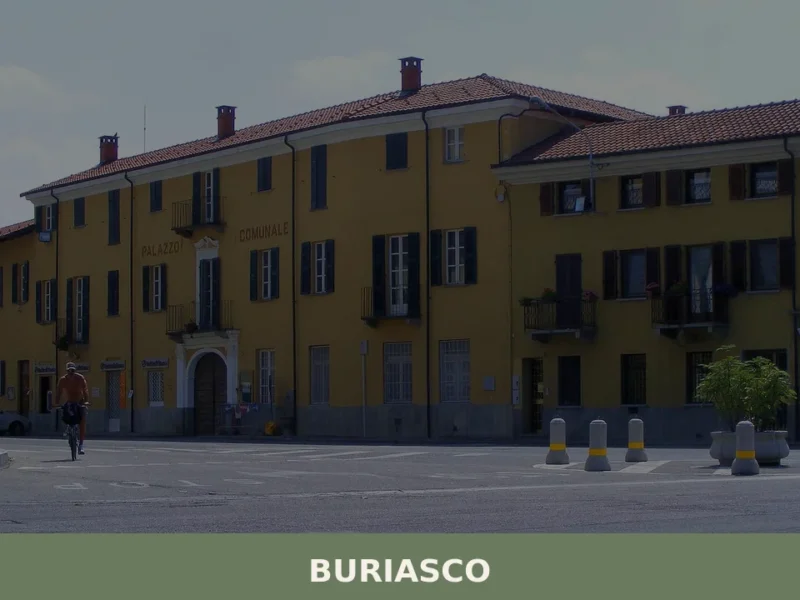
Buriasco
Hills
What to see in Buriasco, Italy: 5 top attractions, local food, festivals and how to get to this 301 m village near Turin. Discover Buriasco, Piemonte.
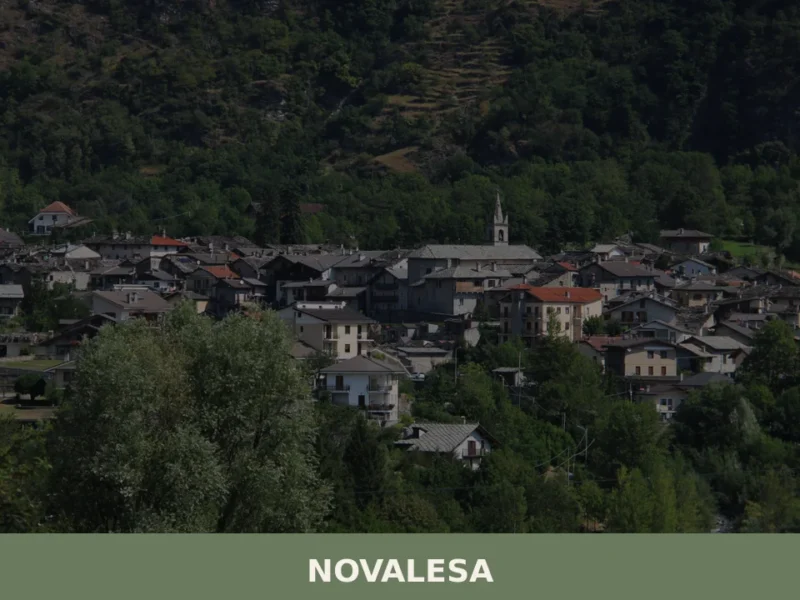
Novalesa
 Mountain
Scopri Novalesa, affascinante borgo medievale del Piemonte: storia, abbazia e paesaggi mozzafiato in Valle di Susa. Visita questo gioiello nascosto!
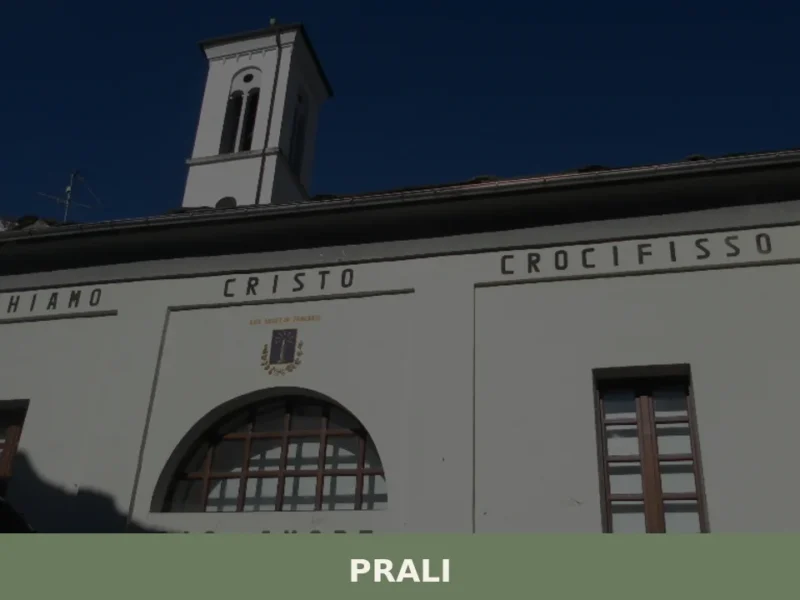
Prali
Mountain
Prali sits at roughly 1,400 metres above sea level in the Germanasca Valley, one of the Waldensian Valleys of the Piedmontese Alps, about 72 kilometres south-west of Turin. With a registered population of 252 inhabitants, it is one of the smaller comuni in the Metropolitan City of Turin — and until 1937 it was officially […]
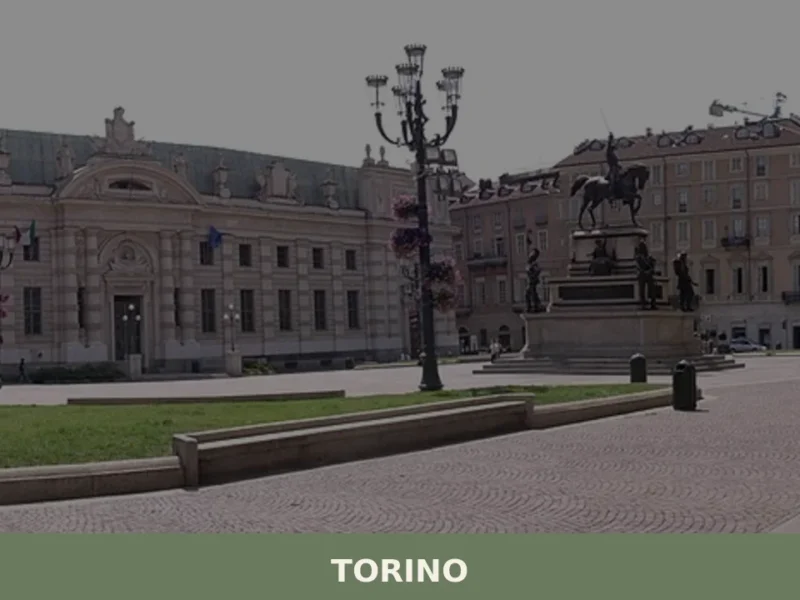
Torino
Hills
What to see in Torino: the city at 239m altitude with 841,600 residents. Explore 5 key attractions and Piedmontese cuisine. Read the full guide now.
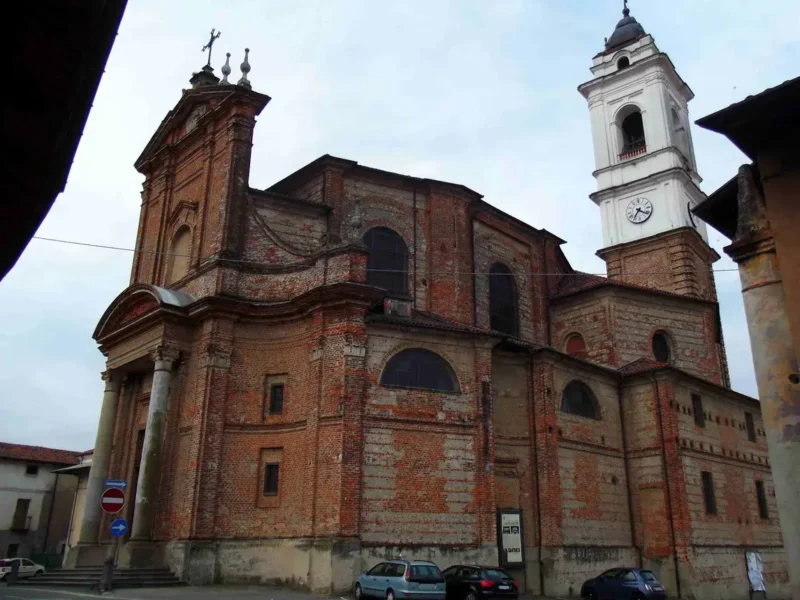
Foglizzo
 Plains
Scopri Foglizzo, affascinante borgo del Piemonte ricco di storia, tradizioni e paesaggi mozzafiato. Una meta imperdibile per chi ama l'Italia autentica.
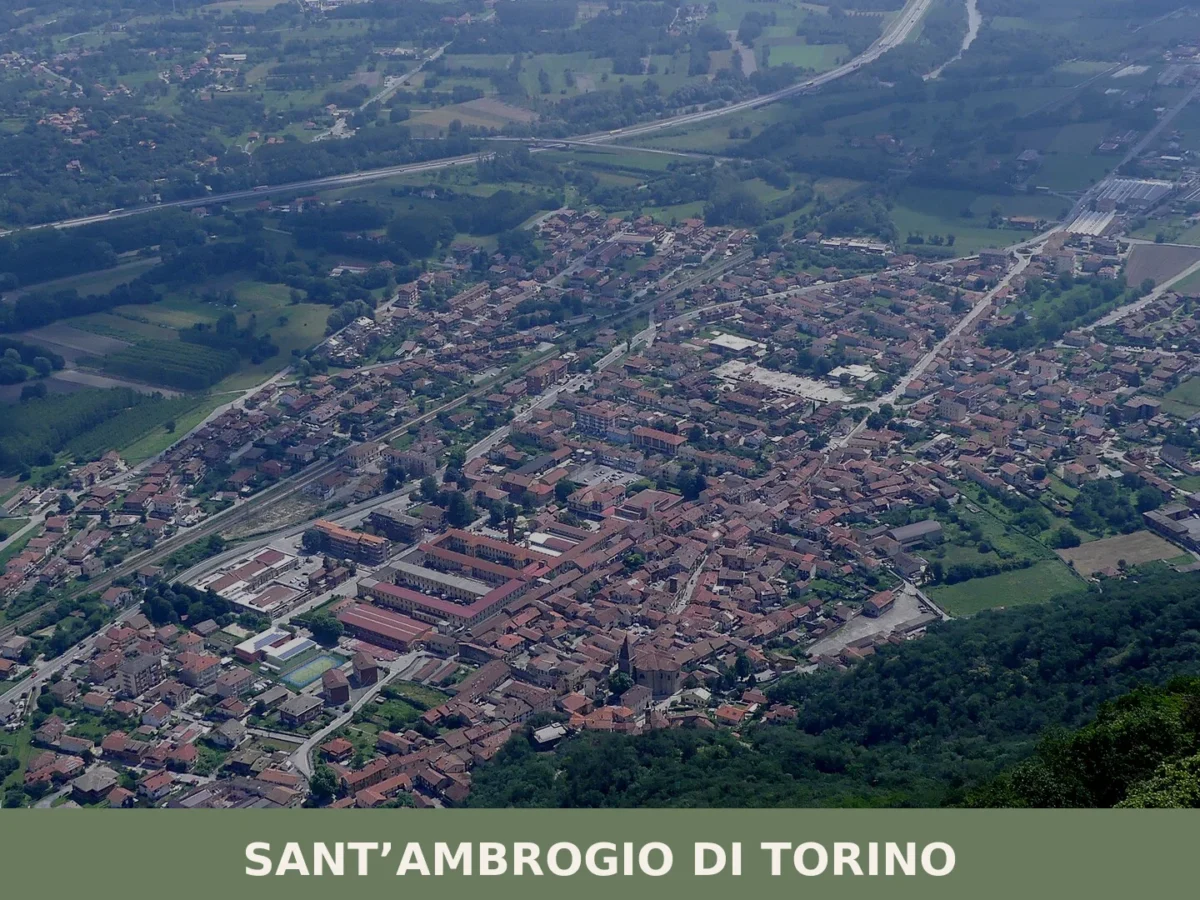
Sant’Ambrogio di Torino
Mountain
A village of 4,518 inhabitants at the threshold of the Turin foothills. Sant'Ambrogio di Torino stands on two major pilgrimage routes: the Via Francigena and the Cammino di San Michele.
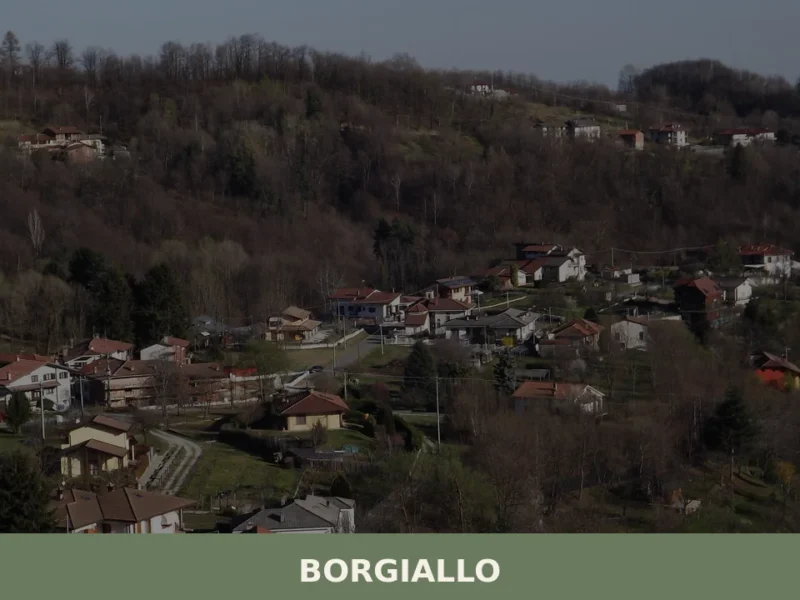
Borgiallo
Hills
Borgiallo has 579 inhabitants and sits at 540 metres above sea level on the hills of the Valle Sacra, in the province of Turin. Travellers who take the road climbing from Castellamonte towards the Canavese uplands find a compact settlement of stone and brick houses that follow the line of the ridge. Understanding what to […]
Pecco
Mountain
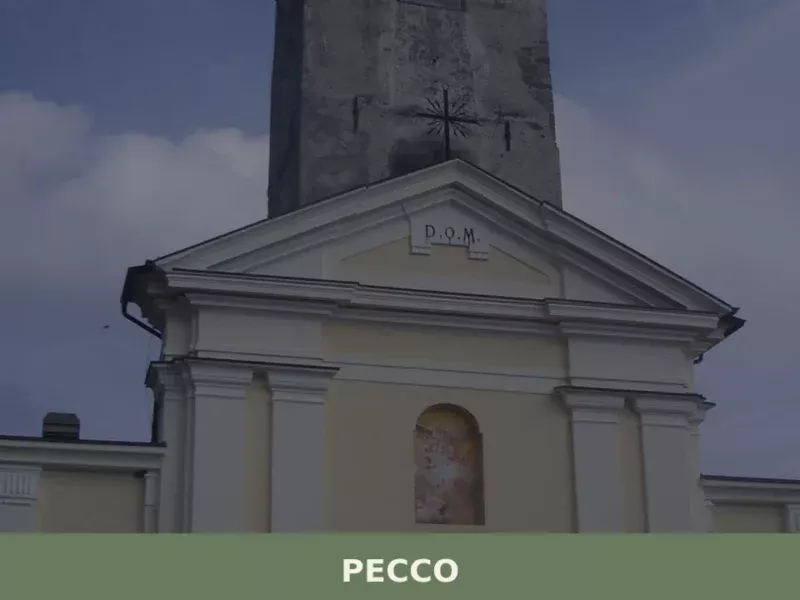
On 1 January 2019, Pecco ceased to exist as an independent municipality when it merged with Alice Superiore and Lugnacco to form the new comune of Val di Chy, in the metropolitan city of Torino. Before that administrative change, Pecco — known in Piedmontese dialect as Pech — held its own civic identity, governing a […]
Caselette
Hills
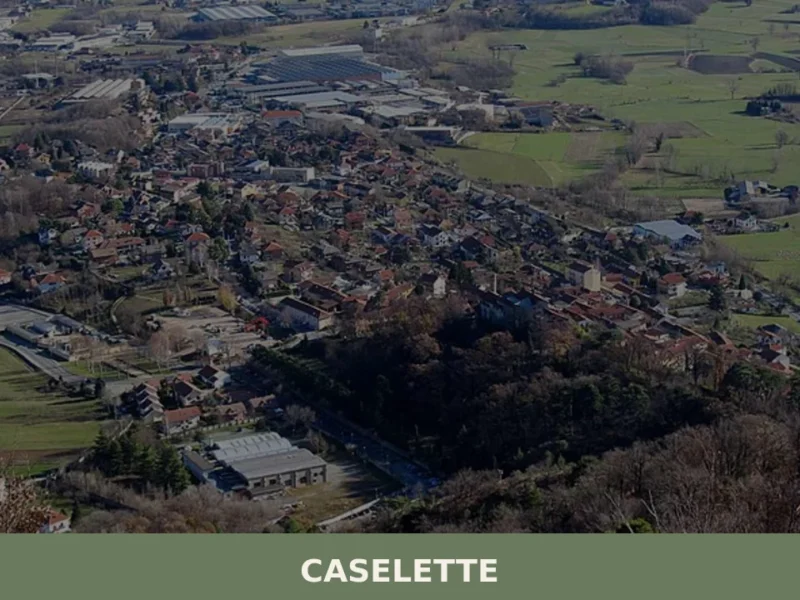
At the foot of Monte Musinè, where the plain of Turin gives way to the first folds of the Val di Susa, a mass of rock the size of a house sits in open ground. The Pietra Alta, one of the largest glacial erratics in the whole of Piedmont, was deposited here by glacial movement […]
Ronco Canavese
Mountain
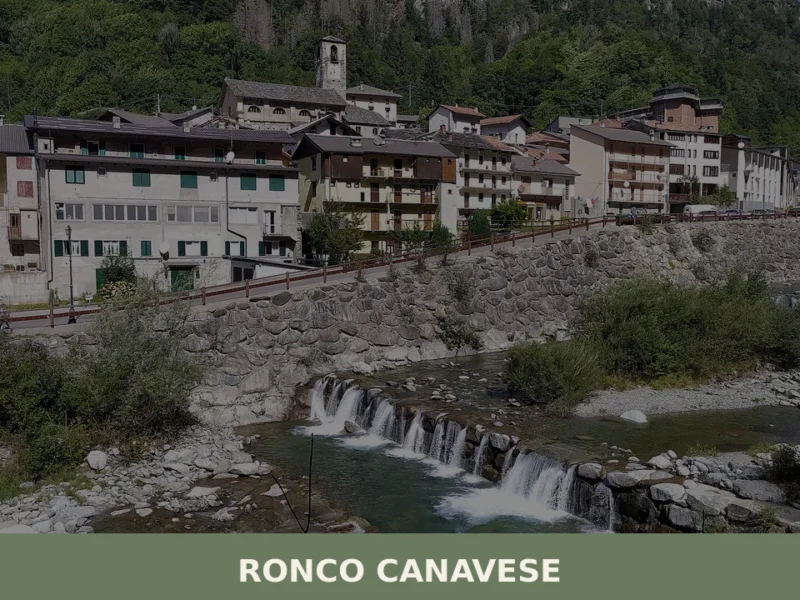
Ronco Canavese is home to approximately 380 inhabitants and serves as the principal reference point for the Valle Soana, a lateral valley that extends northward from the Gran Paradiso massif within the metropolitan area of Turin. Knowing what to see in Ronco Canavese requires understanding its role not as a transit point but as the […]

🏡 Know San Raffaele Cimena better than we do?
If you’re a local or have been there, your knowledge matters: add what’s missing or fix a detail on this page.