


Broccostella
 Hills
Hills
What to see in Broccostella, Lazio, Italy: 100 km from Rome, Lady Gaga connections, Apennine landscapes. Discover top attractions, food and travel tips.
Discover Broccostella
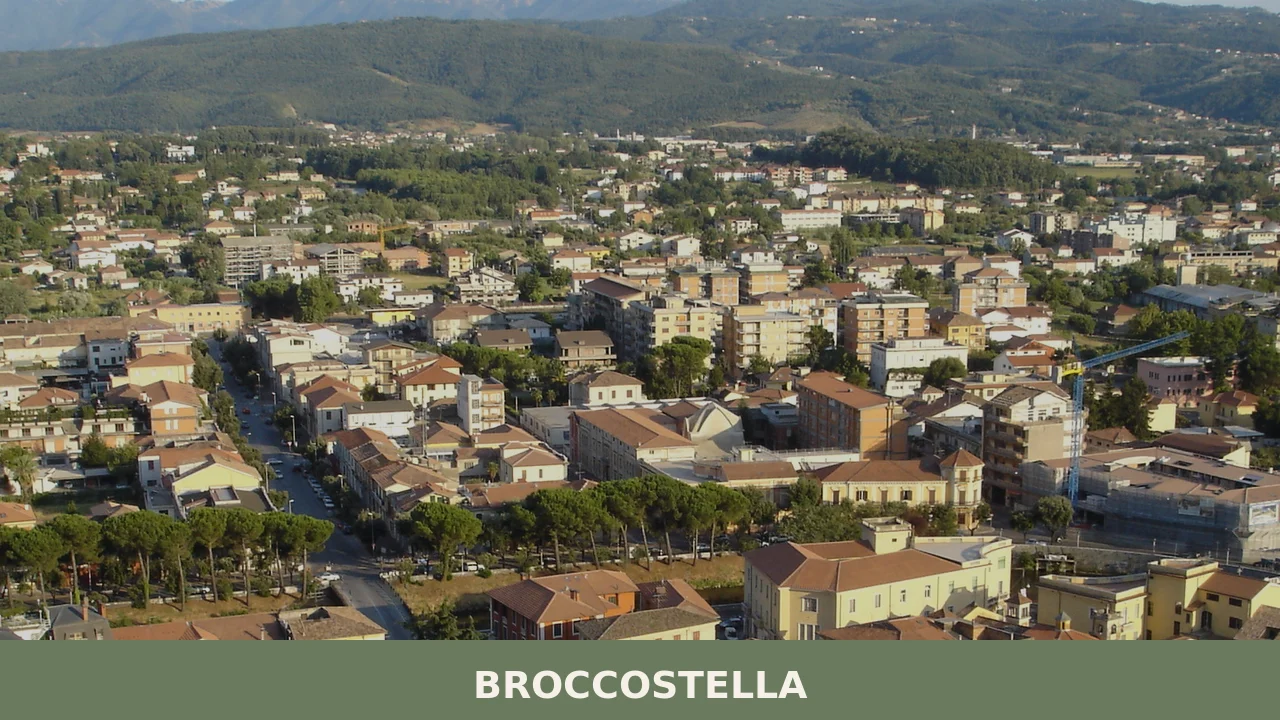
The valley floor between Sora and Posta Fibreno holds a particular stillness in the early morning, when the Apennine ridges to the east cast long shadows across the slopes of the Province of Frosinone. Broccostella occupies one of those slopes, about 100 kilometres (62 mi) east of Rome and 25 kilometres (16 mi) northeast of Frosinone, bordered by five municipalities — Arpino, Campoli Appennino, Fontechiari, Posta Fibreno, and Sora — each one marking a distinct edge of this compact comune.
For anyone planning a visit, knowing what to see in Broccostella means understanding a place shaped by its Apennine geography and a documented connection to one of the most recognisable names in contemporary music.
Visitors to Broccostella find a village of modest scale with access to river landscapes, medieval ecclesiastical heritage, and the rural food culture of inland Lazio, Italy. The area sits within comfortable day-trip distance of Rome, making it a workable addition to any itinerary through the Ciociaria.
History of Broccostella
The village’s earlier name — recorded simply as Brocco, an Italian term that can refer to a sprout or a projecting point — predates the extended form used today. The shift to Broccostella reflects the common Lazio pattern of adding a diminutive suffix to older settlement names as communities formalised their administrative identities in the modern Italian state. The municipality sits within the Province of Frosinone, a territory whose boundaries were drawn and redrawn across the nineteenth and twentieth centuries as the unified Italian state reorganised its southern and central regions.
The area around what is now Broccostella falls within the historical Ciociaria, the inland Lazio zone that stretches through the Liri and Sacco river valleys.
This territory was for centuries a corridor between the Kingdom of Naples to the south and the Papal States to the north, and the villages along these Apennine approaches changed hands, allegiances, and administrative designations accordingly. Neighbouring Arpino, one of Broccostella’s five bordering municipalities, was already a documented Roman settlement and the birthplace of the orator Cicero, which gives some measure of the depth of human occupation in this immediate landscape.
The most internationally documented fact connected to Broccostella is the birth of Vincenzo Ferri and Filomena Campagna in this comune, at a time when the settlement was still recorded under the name Brocco. Vincenzo Ferri and Filomena Campagna were the maternal great-grandparents of the American singer Lady Gaga — specifically, they were the parents of Veronica Rose Bissett.
That connection places Broccostella within the broader story of southern and central Italian emigration to the United States in the late nineteenth and early twentieth centuries, a demographic movement that reshaped both the villages that lost population and the American cities that received it. The village today holds the distinction of a twin-town relationship with Navan, Ireland, a formal twinning that reflects the parallel emigration patterns that sent Italians and Irish alike across the Atlantic during the same historical period.
What to see in Broccostella, Lazio: top attractions
The Historic Village Centre
The compact urban fabric of Broccostella’s centre preserves the tight street layout characteristic of Apennine comuni in the Province of Frosinone, where building plots were constrained by slope and the need for defensible proximity. Walking through the older streets, the visitor reads the geological logic of the site in the construction materials — local stone cut in courses that follow the natural stratification of the hillside. The centre is small enough to cover on foot in under an hour, which makes it suited to visitors arriving as part of a broader circuit through inland Lazio. Pay attention to the doorways and lintels on the older residential buildings, where stonecutting details often mark the transition between different construction periods.
The Parish Church
Religious architecture forms the structural core of most municipalities in the Province of Frosinone, and Broccostella is no exception.
The parish church serves as the primary built landmark within the village, its facade visible against the slope from the approach roads. Churches in this part of Lazio typically accumulated fabric across several centuries, with Romanesque foundations sometimes overlaid with Baroque decorative campaigns funded by local families or religious confraternities. The interior layout follows the standard single-nave model common in smaller Ciociaria settlements. Visiting in the morning, when natural light enters from the east-facing windows, gives the clearest view of any surviving fresco cycles or decorative stonework.
The Liri Valley Landscape
Broccostella’s position between Sora and Posta Fibreno places it within direct reach of the Liri river system, which cuts through the Province of Frosinone and defines the drainage geography of this part of Lazio. The valley floor visible from the village’s upper streets lies at roughly 300 metres (984 ft) above sea level, with the surrounding ridges rising considerably higher. The view from the village edge takes in a landscape of cultivated terraces, riparian woodland along the watercourses, and the bare limestone profiles of the Apennine watershed to the east. This visual and ecological corridor connects Broccostella directly to the nature reserves and lake habitats around Posta Fibreno, which holds one of Lazio’s documented freshwater lake reserves.
Connections to Arpino and the Roman Ciociaria
One of Broccostella’s five bordering municipalities, Arpino lies within a short drive and carries documented Roman-era significance as the birthplace of Marcus Tullius Cicero (106–43 BCE).
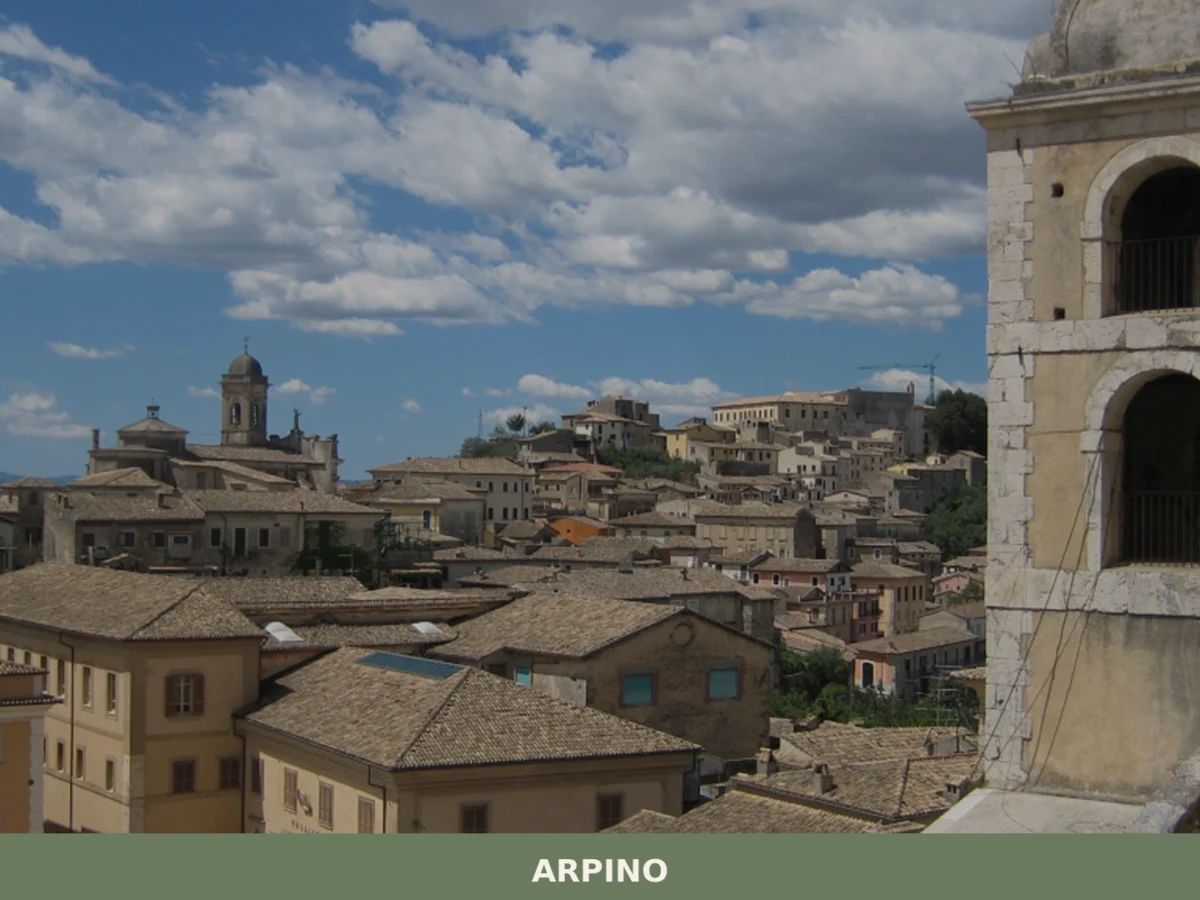
The proximity means that visitors exploring what to see in Broccostella can logically extend their itinerary to Arpino’s medieval upper town, the acropoli, which preserves polygonal Cyclopean walls dating to pre-Roman construction. The distance between the two centres is approximately 10 kilometres (6.2 mi) by road. For those already travelling through the Ciociaria, the combination of Broccostella’s village scale with Arpino’s documented archaeological heritage makes for a coherent half-day circuit. Similarly, visitors interested in smaller Lazio villages might also consider the village of Marcetelli, another compact Lazio comune that rewards a measured, unhurried visit.
The Lady Gaga Ancestral Connection
The documented birth of Vincenzo Ferri and Filomena Campagna in Broccostella — when the settlement was still recorded as Brocco — gives the village a traceable link to one of the highest-profile artists of the early twenty-first century. For visitors interested in Italian-American heritage and the emigration history of this region, the village represents a concrete point of origin within a broader story that unfolded across the Atlantic.
The local civil registry records from that period, held in municipal and provincial archives, would in principle contain the relevant birth documentation. This kind of genealogical tourism is an increasingly structured activity across inland Lazio, where many villages sent significant numbers of residents to the United States, Argentina, and northern Europe between the 1880s and the 1930s.
Local food and typical products of Broccostella
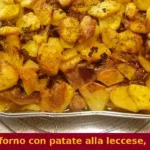
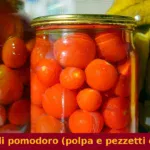
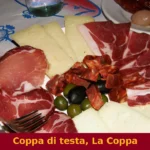
The food culture of Broccostella belongs to the broader culinary tradition of the Ciociaria, the inland Lazio zone defined by the Liri and Sacco river valleys. This is a pastoral and agricultural territory, and the food reflects that directly: sheep and goat husbandry, cereal cultivation on terraced hillsides, legume growing in the valley bottoms, and the use of preserved pork fat as the primary cooking medium. The cuisine shares its structural logic with that of neighbouring provinces — Frosinone, Latina, and the southern edges of the old Papal States — but maintains the particular ingredient emphases of the Apennine villages rather than those of the coastal towns.
Among the dishes that a visitor is likely to encounter in the trattorias and family kitchens of this area, pasta e fagioli — a slow-cooked broth of dried borlotti or cannellini beans with short pasta, finished with raw olive oil — is the most direct expression of the local larder.
Polenta con le spuntature, a soft maize porridge served with slow-braised pork spare ribs in tomato sauce, is the cold-season standard across the Province of Frosinone. Agnello alla cacciatora, lamb jointed and cooked with white wine, rosemary, and local hot pepper, appears consistently in spring when young animals from the Apennine flocks are slaughtered. The bread used throughout this region is an unsalted, dense-crumbed loaf suited to absorbing the cooking liquids of braised dishes rather than being eaten alone.
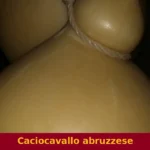
Pecorino cheese produced from the milk of grazing flocks in this part of Lazio is the standard table cheese, firm-pressed and aged for periods ranging from a few weeks to several months depending on the intended use. Fresh ricotta, a by-product of the same sheep-milk production cycle, appears in desserts and as a filling for ravioli di ricotta, typically dressed with a simple tomato sauce or with melted butter and sage.
While no certified DOP or IGP designation has been specifically documented for products originating exclusively within Broccostella’s municipal boundaries in the available sources, the general Lazio extra-virgin olive oil and sheep-milk cheese production of the Province of Frosinone forms the baseline of the local diet.
The best period to find local products at their freshest is spring (April to June) and early autumn (September to October), when seasonal produce from the surrounding cultivated land reaches the village. The sagra, a traditional local food festival centred on one specific product or dish, is the primary public occasion across Ciociaria municipalities for tasting and purchasing locally produced food. Any sagra events specific to Broccostella would be confirmed through the municipal office or local parish notice boards, as the scheduling of smaller village festivals can shift from year to year.
Festivals, events and traditions of Broccostella
Broccostella, like the great majority of Italian comuni, organises its main civic and religious calendar around the feast of its patron saint. The specific date of the patron saint’s feast for Broccostella is not detailed in the available documentary sources, but the pattern across the Province of Frosinone is consistent: a solemn mass in the morning, a procession through the main streets of the village carrying the statue of the patron, and public celebrations in the evening that typically include outdoor music and communal eating.
These events draw residents who have moved to larger urban centres back to the village, making them the most populated moments in the local calendar.
The twinning with Navan, Ireland, opens a secondary layer of community exchange that occasionally takes the form of reciprocal visits and cultural events between the two municipalities. This relationship has its historical background in the shared emigration experience of both Irish and Italian communities across the late nineteenth and early twentieth centuries. Beyond the formal civic calendar, the autumn harvest period brings informal food-related gatherings across the Ciociaria, consistent with the agricultural rhythm of a territory that still maintains active olive cultivation and small-scale livestock farming in the surrounding countryside.
When to visit Broccostella, Italy and how to get there
The best time to visit Broccostella, Italy, and the wider Province of Frosinone is from late April to mid-June and again from mid-September to early November. Summer temperatures in inland Lazio regularly exceed 30°C (86°F) in July and August, and the village, at its Apennine elevation, is cooler than Rome but still warm enough to make midday walking uncomfortable. Spring brings the countryside into full agricultural activity, and the light in the Liri valley at this season makes the landscape distinctly readable. Autumn brings the olive harvest and the post-summer return of residents to village life. Winter is quiet and cold, with occasional snow on the higher ridges, but the village remains accessible.
Reaching Broccostella from Rome involves travelling approximately 100 kilometres (62 mi) east, primarily along the A1 motorway (Autostrada del Sole) towards Cassino, then connecting to the SS82 or SS630 toward Sora and the Liri valley.
The nearest significant rail hub is Sora, approximately 10 kilometres (6.2 mi) from Broccostella by road, though Sora is itself served by regional connections from Frosinone on the main Rome–Naples rail axis. Travellers using Trenitalia should plan for a connection at Frosinone and then a local bus or taxi service to reach the village itself, as direct rail service to Broccostella does not exist. The nearest international airport is Rome Fiumicino (Leonardo da Vinci), approximately 130 kilometres (81 mi) by road, with a realistic transfer time of one hour and forty-five minutes to two hours depending on traffic on the A1. For international visitors, cash in Euros is advisable for smaller purchases in the village, as card payment terminals may not be available in all local shops, and English is unlikely to be spoken fluently outside the main service points.
Broccostella sits within a productive day-trip circuit from Rome. A visitor based in the capital can reach the village, include Arpino and the Posta Fibreno lake area in the itinerary, and return to Rome within a single day without particular time pressure. Those with more flexibility might consider basing themselves in Sora for one night to explore the surrounding Comino valley at a slower pace.
Travellers exploring the broader Lazio region who have already visited the village of Calcata in northern Lazio or Cantalupo in Sabina in the Sabina hills will find that Broccostella completes a picture of inland Lazio that the better-documented towns along the coast and the main consular roads rarely provide.
What to see in Broccostella rewards those who approach the Province of Frosinone with a degree of geographical curiosity rather than a fixed itinerary of major monuments. The village of Borbona, further north in the Rieti province of Lazio, shares a similar profile of Apennine village scale and agricultural setting, and the two together illustrate the internal diversity of inland Lazio beyond the regions most covered in standard travel guides.
Frequently asked questions about Broccostella
How far is Broccostella from Rome and how do I get there by car?
Broccostella is approximately 100 kilometres (62 miles) east of Rome. From Rome, drive towards Frosinone via the A1 motorway, then follow regional roads towards the Sora valley. The village lies 25 kilometres northeast of Frosinone town. Journey time is roughly 90 minutes to 2 hours depending on traffic and exact departure point. The route passes through the Ciociaria region of Lazio.
When is the best time to visit Broccostella?
Visit during late September to experience the Feast of San Michele (29 September), the village's patron saint celebration. The early autumn period offers pleasant weather ideal for exploring the Apennine slopes and rural landscapes. Spring and early summer are also suitable for outdoor activities and experiencing the valley's natural beauty without the intensity of peak summer heat.
What is the patron saint of Broccostella and when is the feast celebrated?
San Michele (Saint Michael) is the patron saint of Broccostella. The annual feast day is celebrated on 29 September. This traditional festival is a significant event in the village calendar and marks an ideal time for visitors to experience local customs, religious processions, and community festivities rooted in the area's cultural heritage.
What are the nearby municipalities bordering Broccostella?
Broccostella is bordered by five municipalities: Arpino, Campoli Appennino, Fontechiari, Posta Fibreno, and Sora. Each marks a distinct edge of this compact village. These neighbouring towns offer additional exploration opportunities within the Frosinone Province and the broader Ciociaria region, making multi-village itineraries easily accessible.
How long should I plan to spend visiting Broccostella?
A half-day visit is suitable for exploring Broccostella's medieval ecclesiastical heritage and village centre. For a more thorough experience including surrounding river landscapes, local food experiences, and nearby rural areas, plan a full day. Given its proximity to Rome (100 km), it works well as a day-trip destination integrated into a broader Ciociaria itinerary.
📷 Photo Gallery — Broccostella
In Lazio More villages to discover
Lubriano
Hills
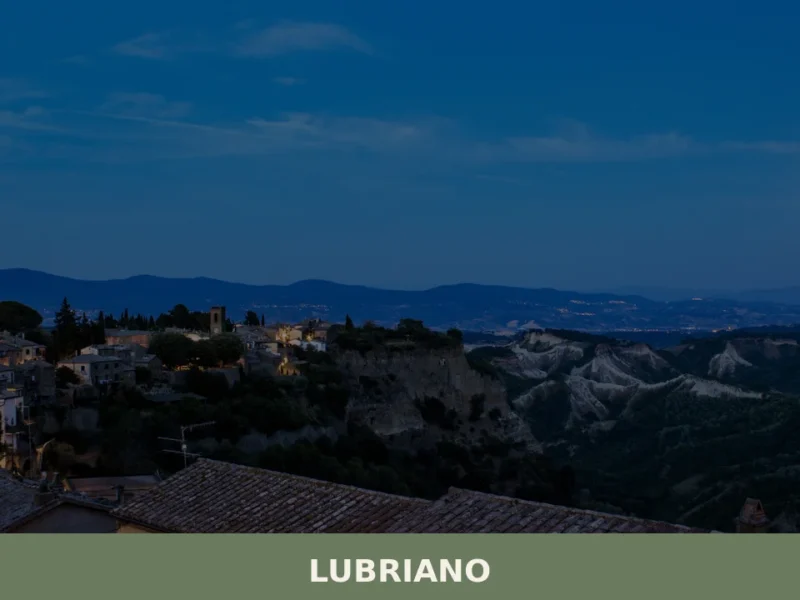
Lubriano has 864 inhabitants and occupies a tuff plateau at 441 metres above sea level, separated from the more famous Civita di Bagnoregio by a calanchi valley nearly two hundred metres deep. The municipal boundary runs along the edge of a gorge that geologists classify as one of the most active in Tuscia for erosion. […]
Amaseno
Hills
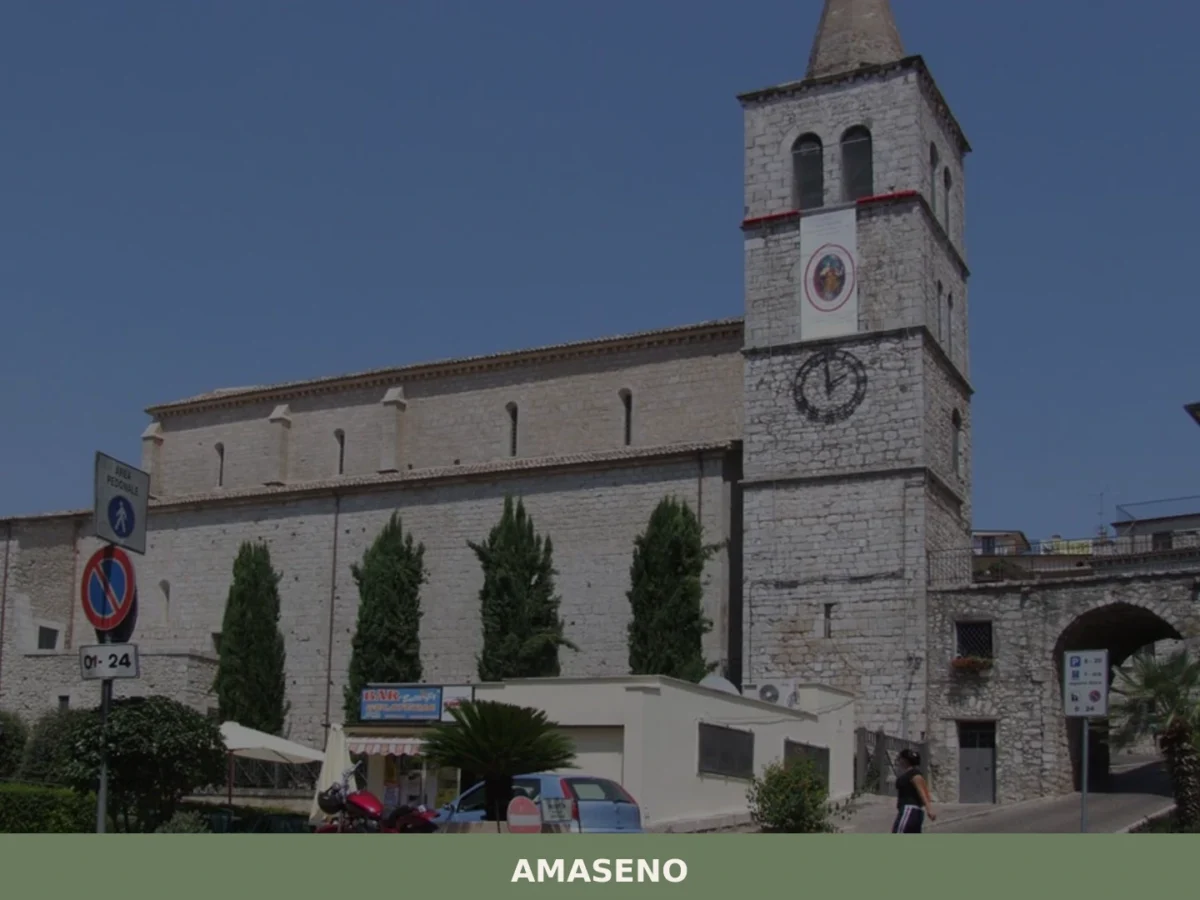
What to see in Amaseno: visit the 5 top attractions in this Lazio village, from the Madonna Sanctuary to Palazzo Caetani. Discover the complete guide.

Terracina
 Sea
Sea
44,000 residents, one ancient temple on a cliff, and centuries of Roman, medieval and papal history waiting along the Tyrrhenian coast.
Ascrea
 Lake
Lake
 Mountain
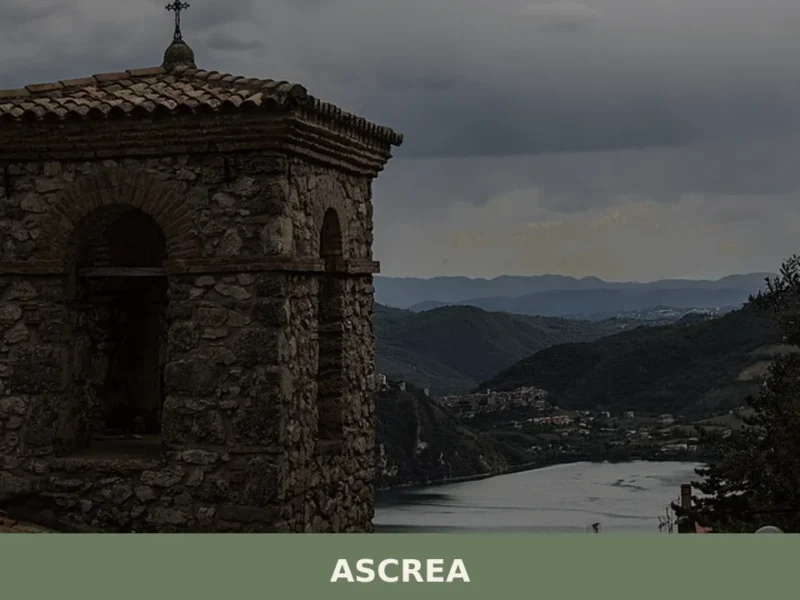
What to see in Ascrea: a mountain village at 757 m in the province of Rieti with 261 residents. Discover the church of San Nicola, PAT-certified products and how to get there.
Campoli Appennino
Mountain
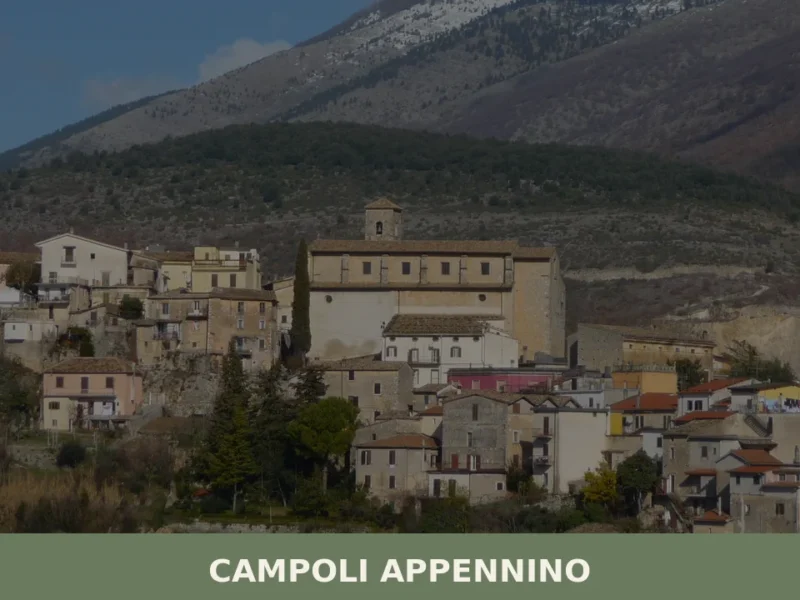
What to see in Campoli Appennino, Italy: a medieval tower 25 m tall, Roman aqueduct, and patron feast on 12 May. Discover this Frosinone village at 650 m altitude.
Arpino
Hills
What to see in Arpino, Lazio, Italy: polygonal walls, Cicero's birthplace, and Roman history 100 km from Rome. Discover the top attractions and how to get there.
Anzio
Sea
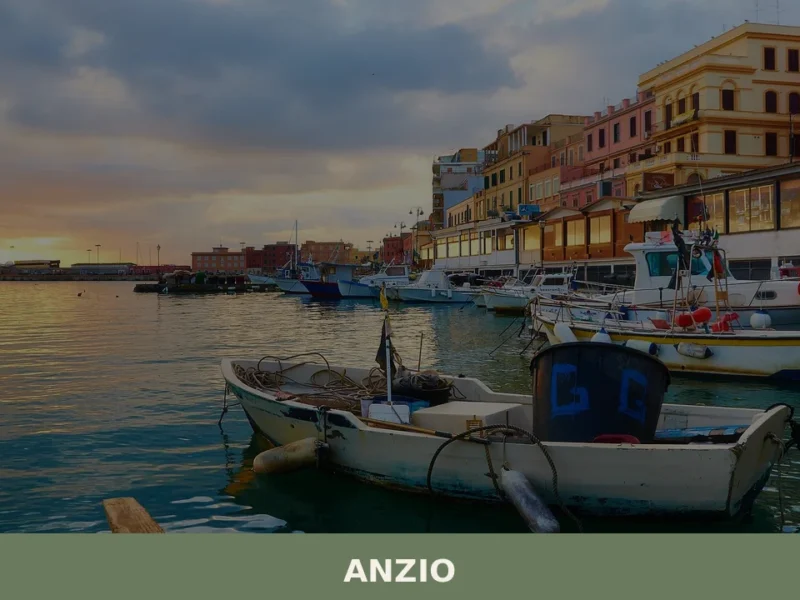
What to see in Anzio, Lazio, Italy: from WWII cemeteries to Roman ruins 51 km from Rome. Discover top attractions, local seafood, and how to get there.
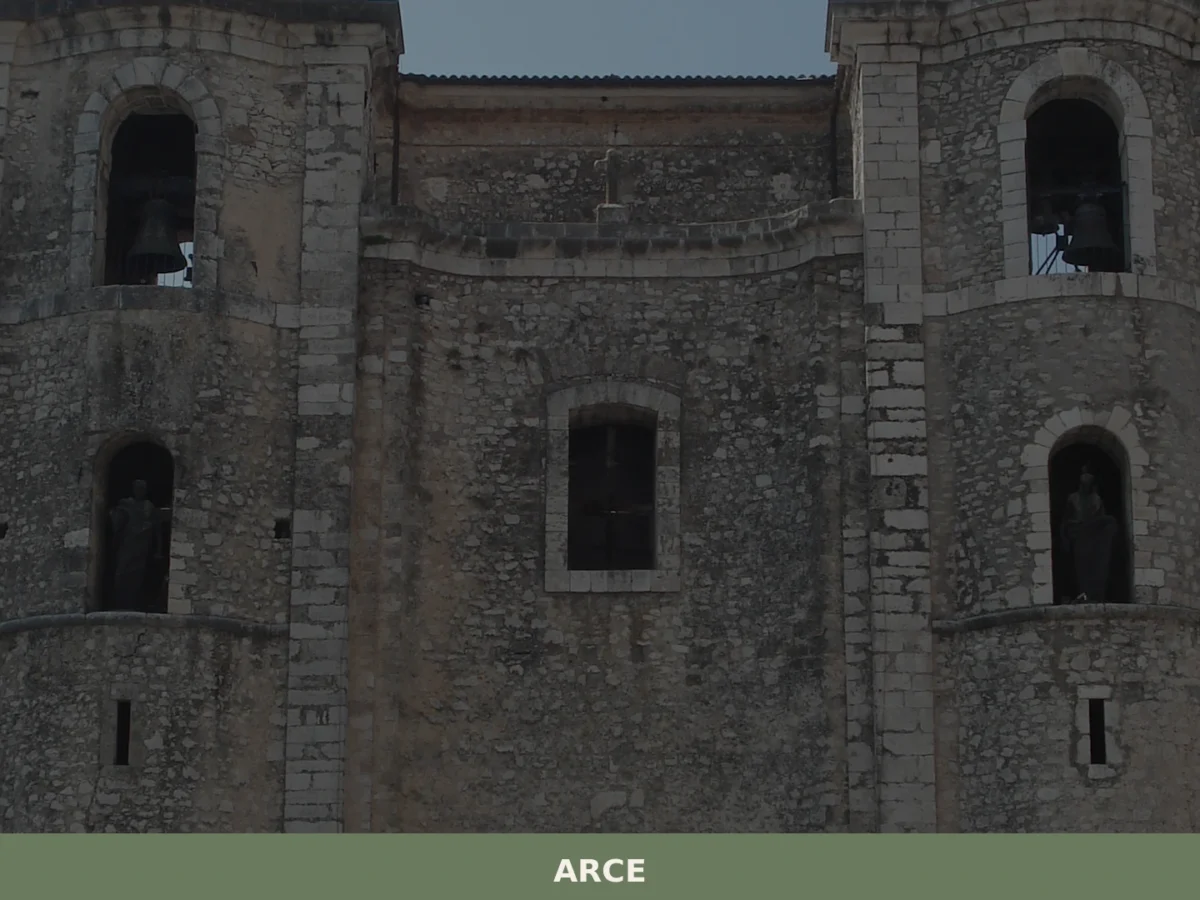
Arce
 Plains
What to see in Arce: discover the 5 unmissable aspects of this Lazio village. From medieval fortresses to scenic views, your complete guide. Plan your visit!
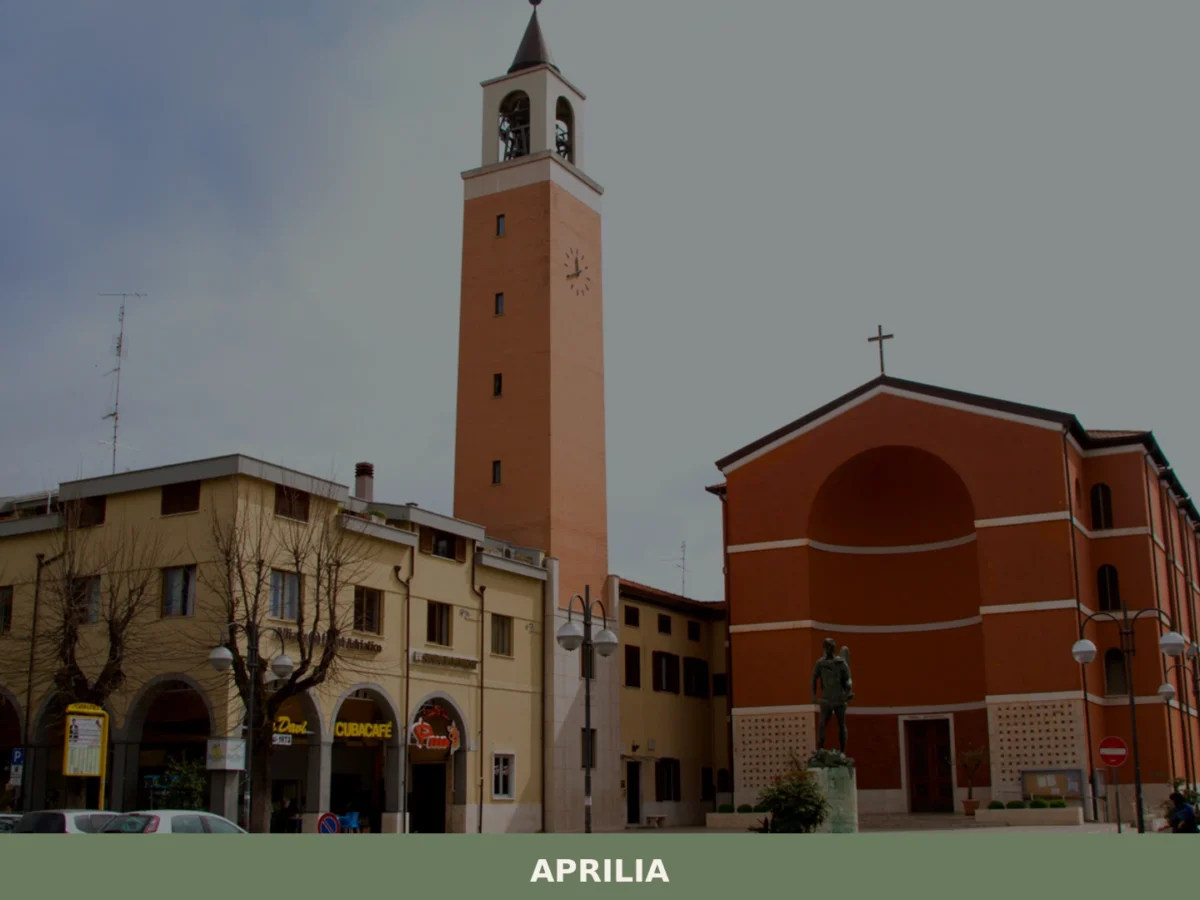
Aprilia
Plains
What to see in Aprilia? Explore 5 unique attractions in this Lazio village. Discover its historic origins and hidden gems. Plan your visit now!
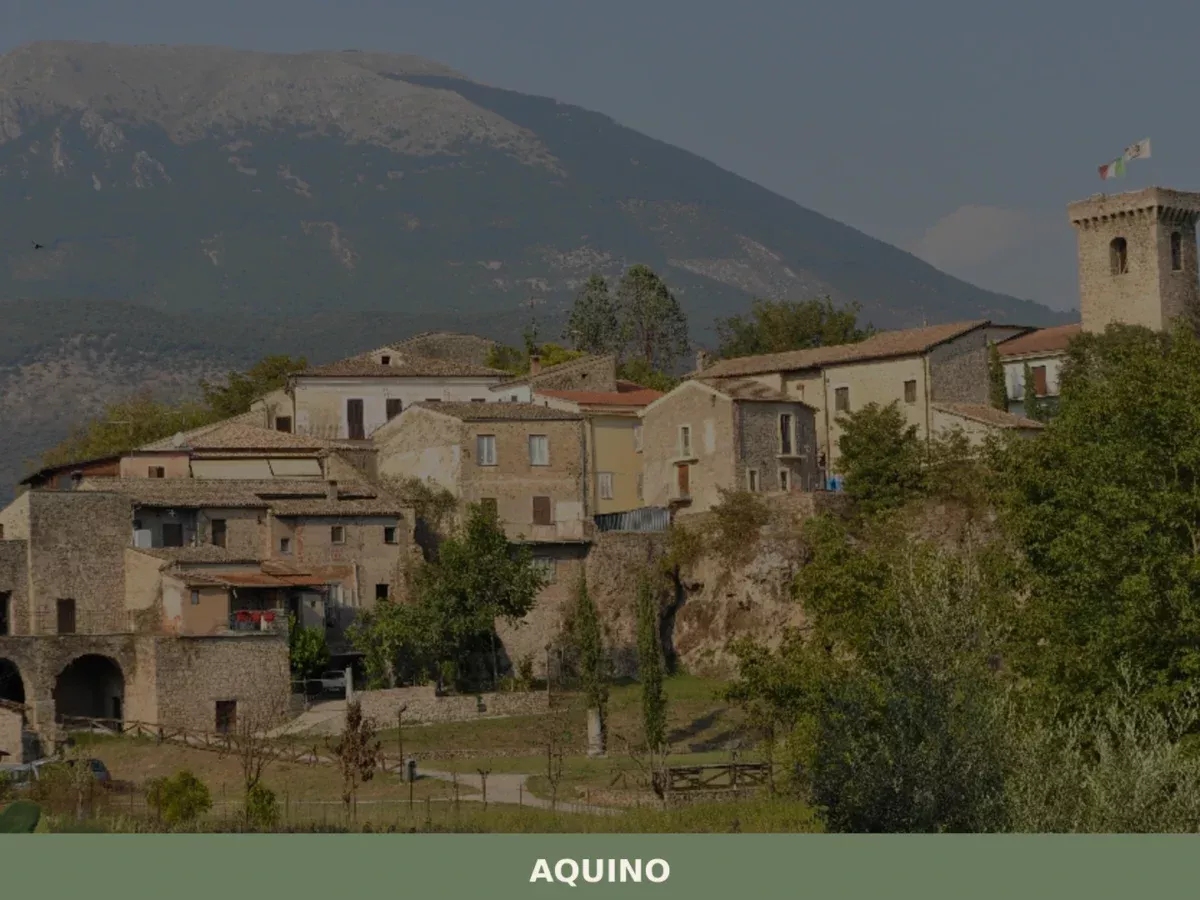
Aquino
Plains
What to see in Aquino? Discover 5 must-see historic attractions in this definitive guide to the Lazio village. Plan your visit now!
🧀 Italian traditional products
🏡 Know Broccostella better than we do?
If you’re a local or have been there, your knowledge matters: add what’s missing or fix a detail on this page.