


Gallicchio
 Mountain
Discover Gallicchio, a hilltop village in Potenza province with a medieval castle, historic streets, and stunning views over the Val d’Agri valley.
Discover Gallicchio
The municipal coat of arms depicts a rooster holding an arrow in its right claw, in the act of hurling it. This is not a common symbol among Lucanian municipalities, and one need only stop to look at it to understand that this village in the province of Potenza has built its own identity around a precise image — one that was deliberate and debated over the centuries.
Seven hundred and forty-two inhabitants, a territory that rises beyond the hills of the Val d’Agri, narrow streets where the paving stones still hold the shape of past centuries.
Those looking for what to see in Gallicchio will find a compact village with a historic centre that can be explored in less than a morning, yet rich enough to justify a longer stop.
The main attractions include the mother church, the medieval castle, the belvedere overlooking the Val d’Agri, the streets of the historic centre with their noble palaces, and the municipal coat of arms that tells three different theories about the origin of the name. The municipality sits at around 700 metres above sea level, in a position that allows for a commanding visual overview of a significant stretch of the valley below.
History and Origins of Gallicchio
The origin of the name continues to divide scholars. The most widely held theory traces it back to the Latin Gallus ictus, meaning “rooster that hurls”: an interpretation that finds direct confirmation in the municipal coat of arms, where the bird grasps an arrow in its right claw in the act of throwing it.
This is not a generic heraldic symbol, but a narrative image built around a specific action, which suggests that the medieval community that adopted the coat of arms already had a strong awareness of its own name and the meaning it intended to convey.
The other etymological hypotheses look to Greek: Calloi ai coi, meaning “beautiful houses”, or Allòi oicoi, meaning “other houses”.
Both forms point to a settlement of Greek origin or to a phase of Hellenisation in southern Lucania, consistent with the broader history of this part of the Lucanian Apennines, which was influenced by Magna Graecia long before coming within the Roman sphere. Which of the three hypotheses is correct has not been definitively established: all three readings coexist in local scholarship without any one of them conclusively prevailing over the others.
During the Middle Ages, Gallicchio followed the political and feudal fortunes common to many villages in the Potenza area: changes of lordship, dependence on the great Norman fiefdoms first and Angevin ones later, and the gradual construction of an urban fabric concentrated around the church and the defensive system.
The village developed on a hillside that afforded visual control over the valley below — a settlement choice documented throughout the Lucanian Apennine belt.
In subsequent centuries, the community maintained a predominantly agricultural structure, tied to the crops and livestock farming characteristic of the Val d’Agri area. A geographical and historical context shared with nearby centres such as Armento, also positioned on the heights overlooking the valley and shaped by the same medieval feudal dynamics.
What to See in Gallicchio: Main Attractions
The Municipal Coat of Arms and the Town Hall
The starting point for any visit to the village is the town hall, where the coat of arms featuring a rooster armed with an arrow is displayed in its official version. The walls of the building convey the proportional scale of the village: we are in a settlement of 742 inhabitants, and the dimensions of its civic architecture reflect that proportion.
Yet the heraldic symbol carries a historical density that far exceeds the size of the municipality.
The three theories about the etymology of the name — the Latin one of Gallus ictus and the two Greek ones referring to “beautiful houses” and “other houses” — are all represented in local literature and make this coat of arms a linguistic as well as a visual document. Anyone who comes to Gallicchio and stops in front of the town hall immediately understands they are in a village that has reflected on its own origins with a certain persistence. The building is located in the central core of the town, reachable on foot from the main car park in just a few minutes.
The Mother Church
The mother church of Gallicchio occupies a central position within the urban fabric of the village, as is the case in almost all medieval settlements of the Lucanian Apennines, where the main religious building served as a physical and symbolic point of reference for the entire community. The current structure preserves architectural elements that document the phases of construction and renovation that took place between the medieval period and subsequent centuries.
The interior walls house sacred artworks of local interest, part of the devotional heritage that has accumulated over the centuries through commissions by local families and the interventions of parish priests.
The interior is sober, with volumes that reflect the scale of the village and a decorative scheme that favours the essential over the ornamental. The façade opens onto a small square that still serves today as the main gathering space of the town. Visiting the church is possible during worship opening hours; to confirm up-to-date times, it is best to contact the parish directly or the Municipality of Gallicchio.
The Medieval Castle
The medieval defensive structure of Gallicchio forms part of that system of castles and watchtowers that punctuates the Lucanian Apennine ridge between the Val d’Agri and the Pollino. The position of the fortification responds to a precise military logic: from this elevation, estimated at around 700 metres above sea level, the visual control over the valley below covers a considerable arc, making the castle a key node in the territorial defensive system that medieval feudal lords built across these highlands.
The preserved masonry displays the construction technique typical of Norman and Swabian military architecture, with the use of locally quarried stone worked in regular courses.
Over the centuries following its original military function, the structure underwent transformations linked to the shifting political balance of the feudal territory. Those who visit Gallicchio and reach the castle ruins find a privileged panoramic vantage point from which to read the morphology of the valley and understand the geographical reasons that motivated the very founding of the village in this location.
The Belvedere over the Val d’Agri
From the eastern edge of the historic centre, a direct view opens onto the Val d’Agri, the valley of the River Agri that crosses southern Basilicata from northwest to southeast before flowing into the Gulf of Taranto. The view from the belvedere of Gallicchio encompasses a significant stretch of the valley, with the ridges of the Appennino Lucano Val d’Agri Lagonegrese National Park closing the horizon to the south and west.
The Appennino Lucano Val d’Agri Lagonegrese National Park protects an area of great natural value that includes part of the municipal territory of Gallicchio.
From the belvedere, reading the landscape is immediate: the cultivated slopes in the valley floor, the forests climbing the sides of the ridges, the villages dotting the crests just like Gallicchio itself. The best period to enjoy this view is spring, when the vegetation has reached its full lushness without the summer haze reducing the depth of the panorama. Access to the belvedere is free and the walk from the centre of the village takes less than ten minutes.
The Historic Centre and the Village Alleyways
The built fabric of the historic centre of Gallicchio is composed of local stone houses arranged along a road layout that follows the contour lines of the hill, according to a settlement pattern common to the hilltop villages of this part of Basilicata. The façades preserve carved doorways, stone corbels, and windows with moulded frames that document the work of local craftsmen between the seventeenth and nineteenth centuries. Some dwellings show the consolidation and renovation interventions of the twentieth century
Walking through the streets of the historic center takes about an hour at a leisurely pace, enough time to take in the architectural details and reach the various natural panoramic viewpoints that open up between the houses. Those who study rural Lucanian architecture will find here concrete documentation of the construction techniques and stone materials used in past centuries in this area of the province of Potenza. A similar route, in the same Apennine geographical context, is also offered by Anzi, another hill town in the province of Potenza with a historic center of similar configuration.
Traditional cuisine and products of Gallicchio
The cuisine of Gallicchio is rooted in the gastronomic tradition of inland Basilicata, characterised by humble ingredients worked with preservation and cooking techniques developed over centuries of agricultural and pastoral economy. The geographical isolation of this part of the province of Potenza has long preserved food practices that elsewhere disappeared more rapidly, maintaining a repertoire of recipes tied to the seasonality of produce and local resources.
The municipal territory, situated on the heights of the Val d’Agri, produces cereals, legumes and vegetables that form the foundation of the traditional peasant cuisine.
Among the documented dishes of the Lucanian tradition also found in the cuisine of Gallicchio, lagane con i ceci hold a place of prime importance: this is a fresh pasta in the shape of wide, irregular strips, cooked with boiled chickpeas in a broth enriched with garlic, extra virgin olive oil and dried chilli pepper.
The dish has ancient roots in the peasant cuisine of Basilicata and recurs with minor variations throughout the province of Potenza. Crapiata and mixed legume soup are another staple of the local table, prepared with beans, lentils, grass peas and other legumes that grow in the fields of the Apennine area.
Soppressata lucana, a cured pork sausage seasoned with ground sweet and hot chilli pepper, is present on the tables of the village as throughout the regional territory, with production in family households still following the traditional timings of the winter pig slaughter.
No products with DOP, IGP or PAT certification specifically associated with the municipality of Gallicchio appear in the official database. The products of the local tradition are part of the broader Lucanian cuisine circuit, without any geographical certification processes having been initiated referring exclusively to this territory.
Those visiting Gallicchio who wish to purchase local artisan products can look to the small food shops in the town centre and to the markets of neighbouring municipalities, where the family production of cured meats, cheeses and preserves is still carried out with continuity.
The gastronomy of the village is also tied to the seasonal calendar of agricultural production: autumn is the period when produce from the garden and the woodland is most present on local tables, with mushrooms, chestnuts and fresh legumes appearing in traditional preparations.
The Val d’Agri area also hosts olive cultivation that provides the extra virgin olive oil used as the basic condiment in the cuisine of the entire zone, including that of Gallicchio.
Festivals, events and traditions of Gallicchio
The religious life of Gallicchio follows the Catholic liturgical calendar with the patron saint celebrations that mark the year of the community. The festivities linked to the patron saint represent the moment of greatest gathering for the inhabitants of the village and for the Lucanian emigrants who return to the town during the summer months. As in many centres of inland Basilicata, the patron saint festival combines the religious procession with the presence of traditional music and with the animation of the squares of the historic centre.
Local devotional traditions have been maintained over the decades, even in the presence of a progressive demographic decline that has reduced the stable resident population.
The summer calendar of the villages of the Val d’Agri includes local festivals and events which, while not having the scale of the major regional events, represent concrete opportunities to come into contact with the local cuisine and culture.
Gallicchio takes part in this circuit of smaller events that characterises the months of July and August throughout inland Basilicata. For up-to-date information on the precise dates of festivals and events for the current year, the official reference is the municipal website. Those who plan their visit to coincide with a local festival will find the village animated in a different way compared to ordinary days, with the squares occupied and businesses open until late in the evening.
When to Visit Gallicchio and How to Get There
The recommended period to visit Gallicchio runs from late spring, from April onwards, through to the beginning of autumn. During these months the climate is mild, the vegetation is in full bloom and the long days allow you to explore both the historic centre and the surrounding natural landscape without the difficulties of winter cold, which at this altitude can be intense. The months of July and August coincide with the return of emigrants and with the patron saint festivals, making the village livelier but also busier.
Those who prefer peace and quiet will find May, June and September offer the best balance between accessibility and the absence of crowds.
Winter is manageable but requires attention to road conditions, which on days of frost or snow can become difficult on the secondary roads leading to the village. A natural complementary stop for those travelling this route is Castelsaraceno, a municipality in the same provincial area whose territory extends towards the Pollino.
If you arrive by car from the A3 Salerno–Reggio Calabria motorway, the most convenient exit is either Lauria Nord or Atena Lucana, depending on your direction of travel, with the subsequent route running along state and provincial roads that cross the Val d’Agri. From Potenza, the provincial capital, the distance is approximately 70 km and the journey takes around an hour and a half of mountain driving.
The nearest railway station is Marsico Nuovo, on the line serving the Val d’Agri, but reaching Gallicchio from there still requires road transport.
The main reference airport is Bari Karol Wojtyla International Airport, approximately 170 km away and reachable in around two and a half hours by car. For timetables and availability of local public transport, check the updated information on the official portals of regional transport companies, as services may vary seasonally.
| Starting point | Distance | Estimated time |
|---|---|---|
| Potenza (provincial capital) | approximately 70 km | approximately 1 hour 30 minutes |
| Bari Airport | approximately 170 km | approximately 2 hours 30 minutes |
| Naples | approximately 220 km | approximately 3 hours |
| A3 Motorway — Atena Lucana exit | approximately 50 km | approximately 1 hour |
Those planning a wider itinerary across the area can include San Paolo Albanese, a municipality in the province of Potenza that preserves a distinct Arbëreshë cultural identity and lies within the same area of southern Basilicata, offering a significant contrast to the historical profile of what to see in Gallicchio.
In Basilicata More villages to discover
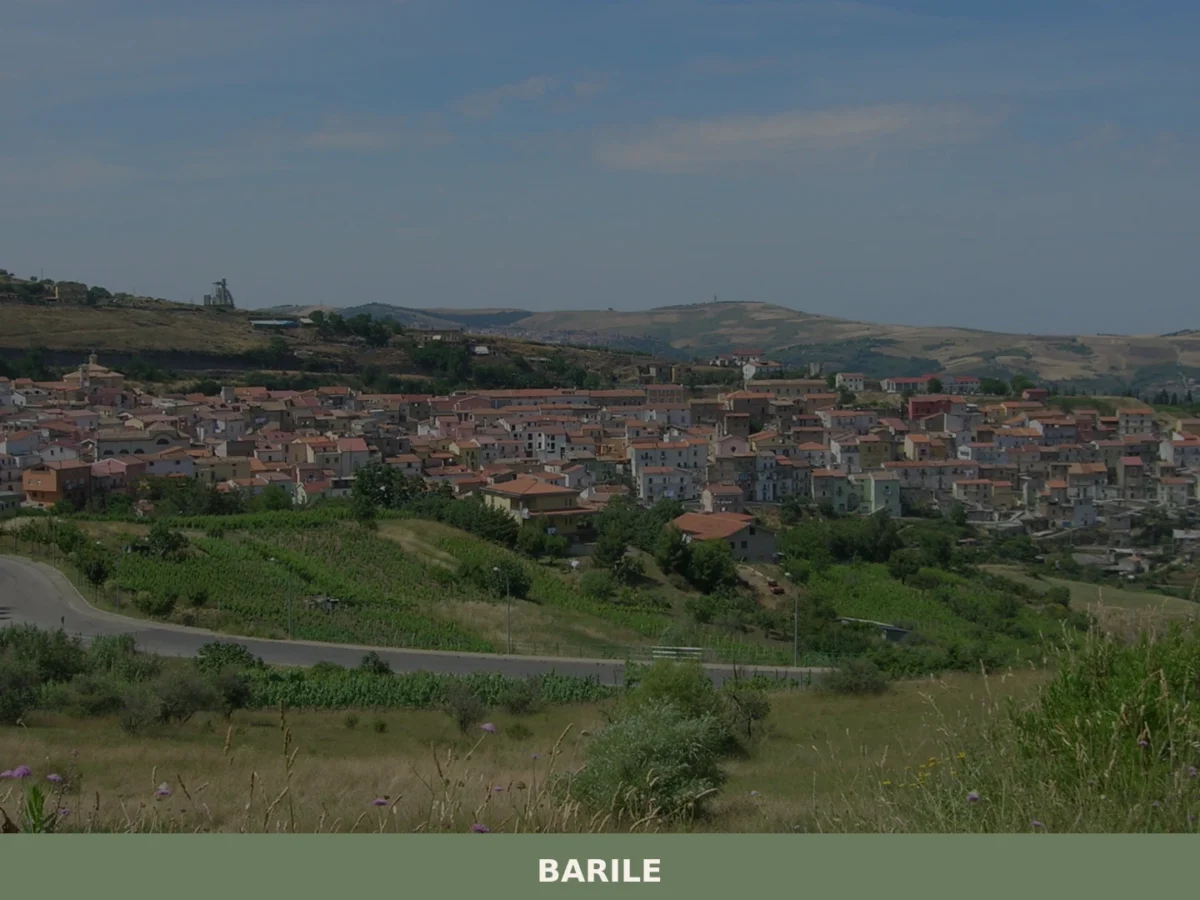
Barile
Mountain
What to see in Barile? Discover 5 must-see attractions in this Basilicata village. The complete guide to visiting Barile awaits you. Plan your trip!
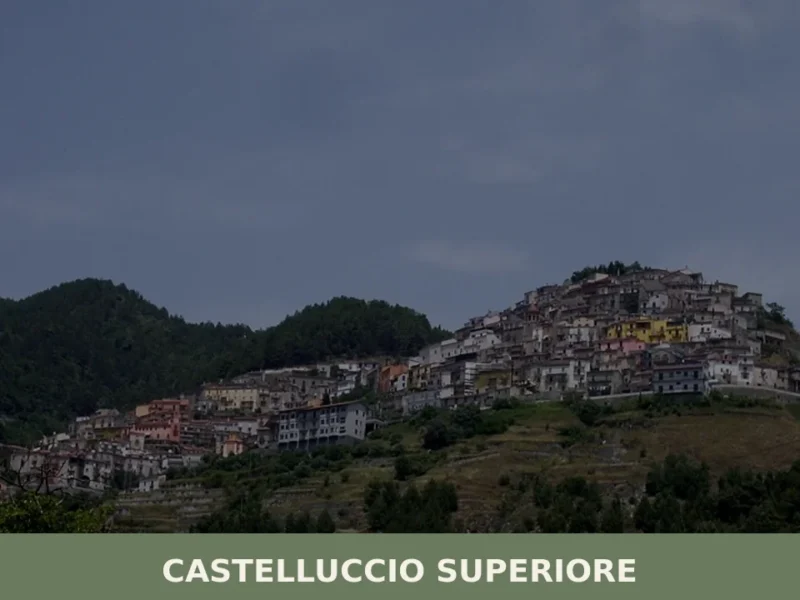
Castelluccio Superiore
Mountain
what to see in castelluccio superiore, Italy. Discover this mountain village at 680 m, explore its historic core, and experience the feast of Santa Margherita di Antiochia.
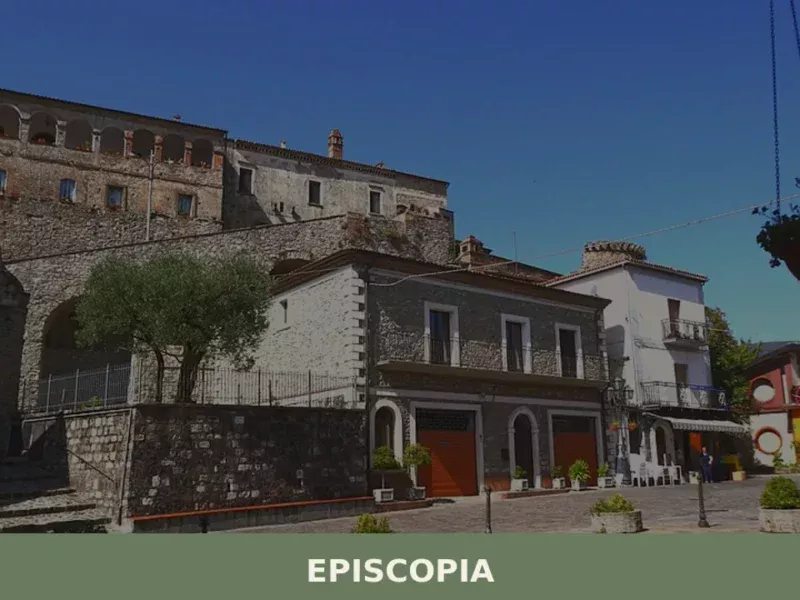
Episcopia
 Hills
Hills
Episcopia, in Basilicata, stands at 530 meters above sea level, an altitude that influences its climate and its relationship with the surrounding landscape. Its name, of Greek origin, means “episcopal see,” suggesting an ecclesiastical importance established since the Byzantine era, a fact that traces its initial historical identity. For those wondering **what to see in […]
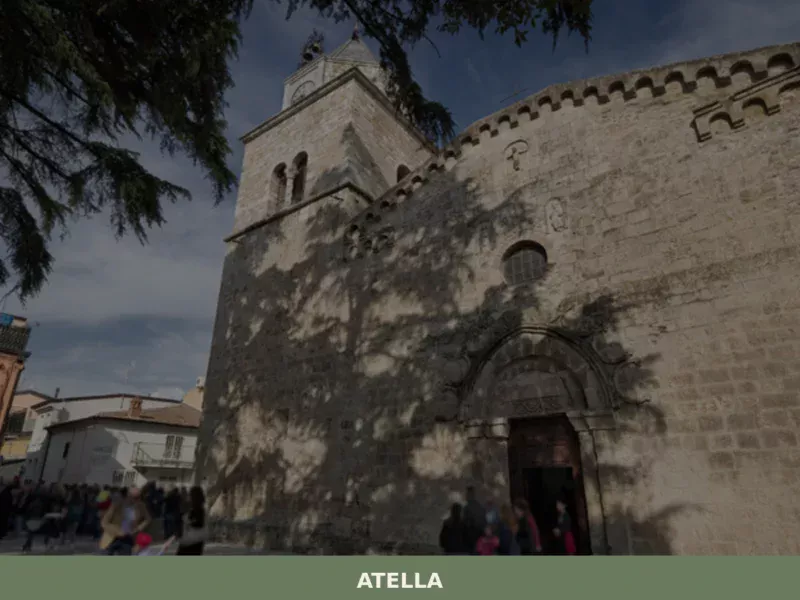
Atella
Hills
Discover what to see in Atella, a 3,574-inhabitant comune in Potenza province. History, food, travel tips and the best of the Vulture-Melfese area.
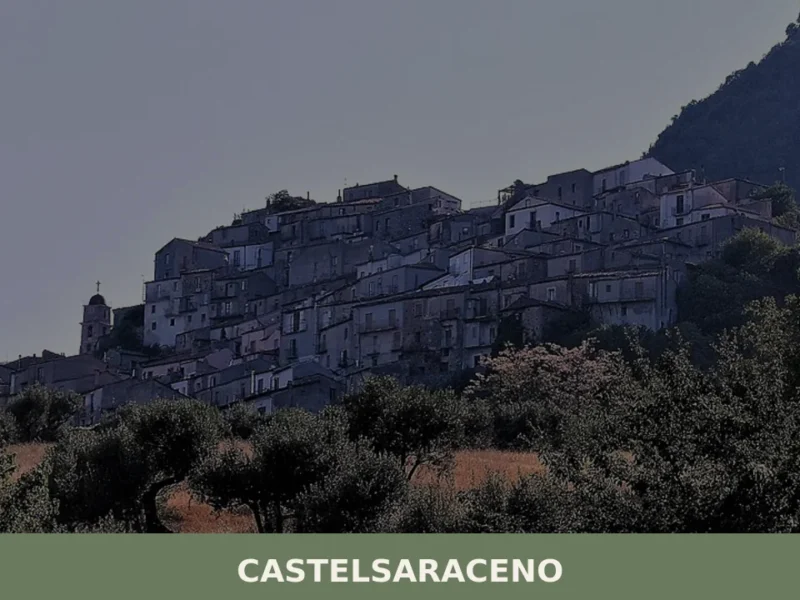
Castelsaraceno
Mountain
What to see in Castelsaraceno, Italy? Explore this mountain village at 916 m (3,005 ft) altitude. Discover the 586 m (1,923 ft) Tibetan Bridge and its historic core. Read our guide.

Castronuovo di Sant’Andrea
Mountain
Discover Castronuovo di Sant'Andrea, a hidden Basilicata gem with medieval roots, ancient churches, stunning Apennine landscapes, and rich local traditions.
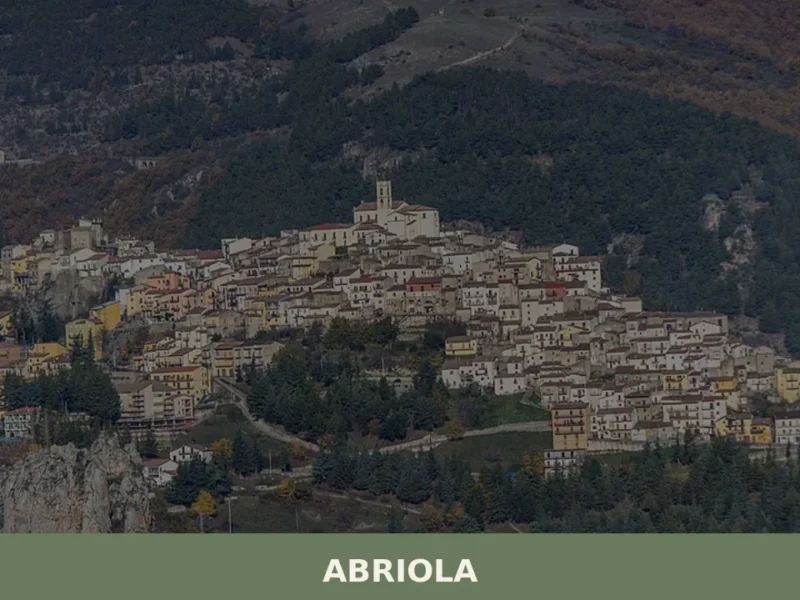
Abriola
Mountain
Discover what to see in Abriola, a mountain village in Basilicata at 957m. Sanctuary, historic centre, local food, trails, and practical travel tips.
Banzi
Hills
In 1956, during archaeological excavations in the area of ancient Bantia, the “Bantine Table” was discovered, a bronze tablet inscribed in the Oscan language, providing direct evidence of the legislation of this Italic community from the 4th-3rd century BC. For those wondering **what to see in banzi** today, the village, located at 571 meters above […]
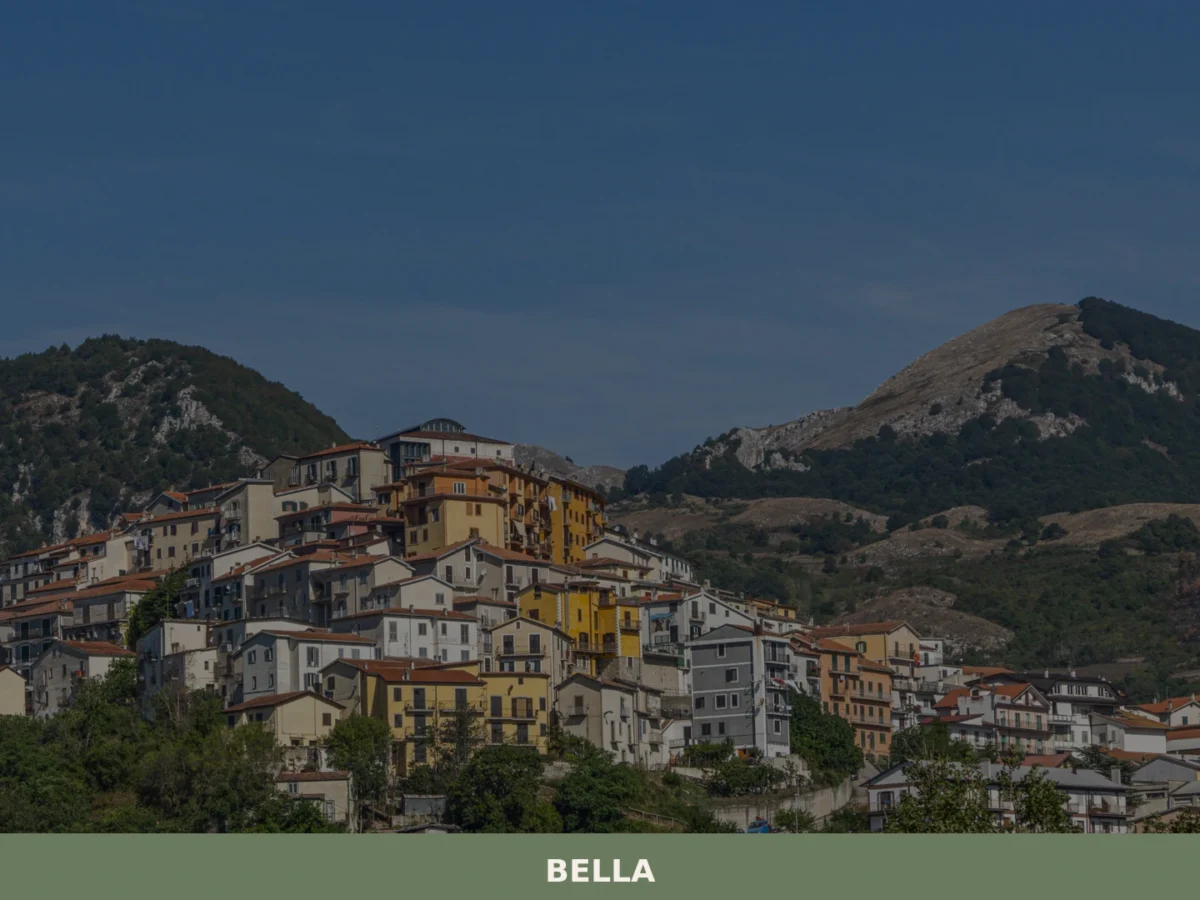
Bella
Mountain
What to see in Bella, the Lucanian village of 4,516 inhabitants? Discover its must-see places and history. Plan your visit!
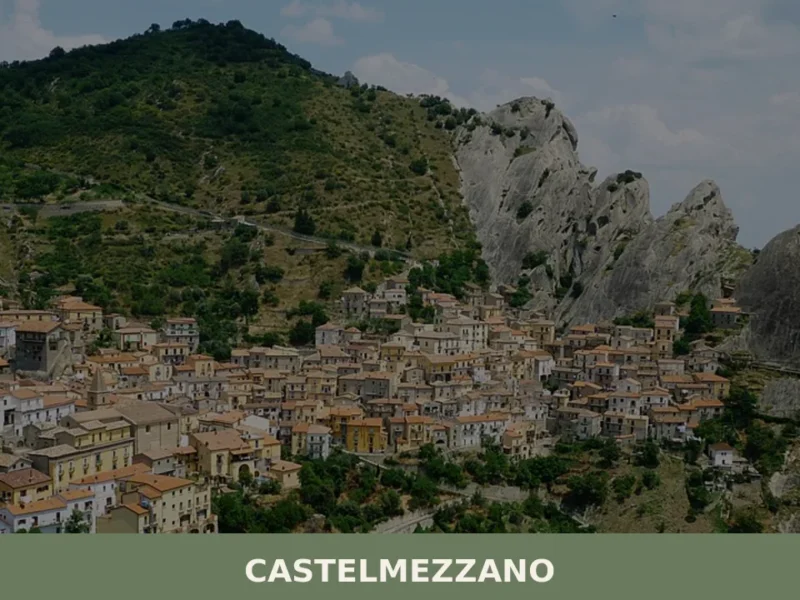
Castelmezzano
Mountain
what to see in castelmezzano, Italy: Discover its 710 inhabitants, ancient castle ruins, and thrilling Angel Flight. Explore Basilicata's stunning Dolomites.



🏡 Know Gallicchio better than we do?
If you’re a local or have been there, your knowledge matters: add what’s missing or fix a detail on this page.