


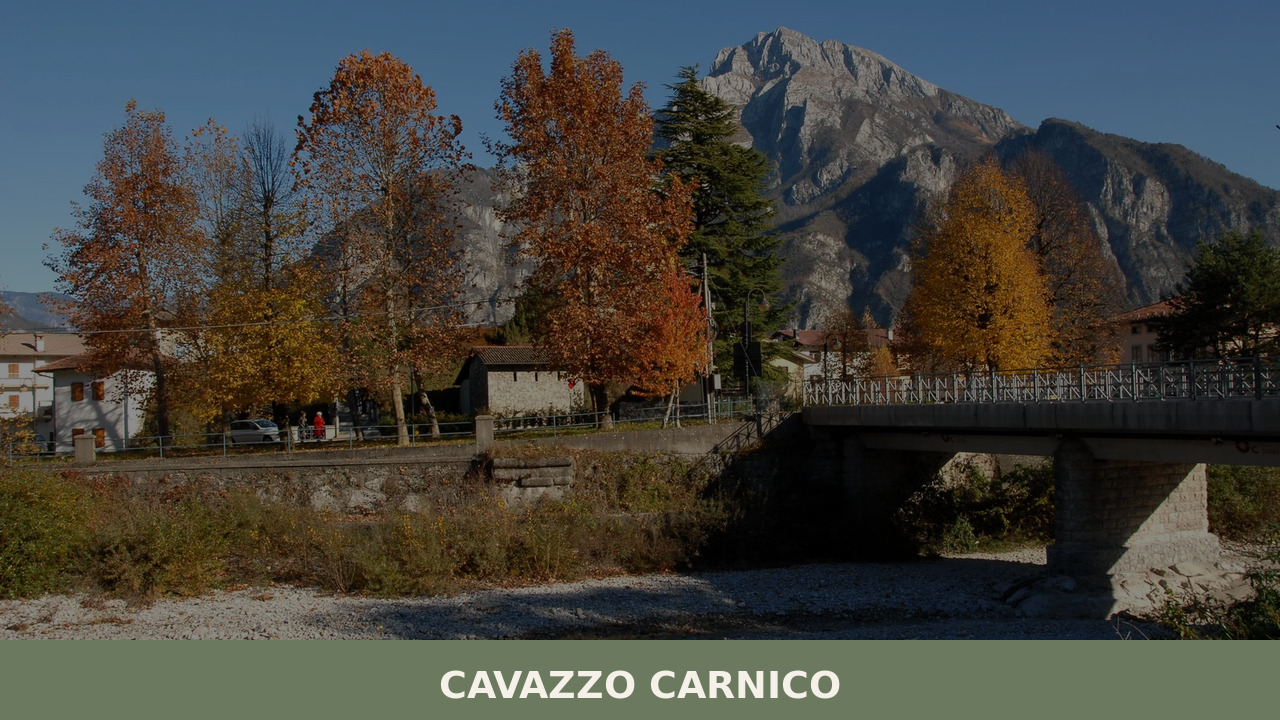

Cavazzo Carnico sits beside Friuli Venezia Giulia’s largest natural lake, where Romanesque parish churches and Alpine trails converge in Carnia’s quiet middle valleys.
Discover Cavazzo Carnico
Morning mist lifts off the surface of Lago di Cavazzo, the largest natural lake in Friuli Venezia Giulia, and the stone houses along the main street hold the night’s coolness well into the day. Bells from the Church of San Daniele mark the hour across a village of 942 inhabitants at 290 metres above sea level in the province of Udine. Anyone asking what to see in Cavazzo Carnico will find the answer not in a single monument but in the slow accumulation of detail — Romanesque apses, Alpine ridgelines, cold lake water, and a silence particular to Carnia’s middle valleys.
History of Cavazzo Carnico
The name “Cavazzo” likely derives from the Latin cavum, referring to a hollow or basin — an apt description of the broad depression between the Tagliamento River valley and the mountain slopes where the settlement sits. Documentary records place Cavazzo within the Patriarchate of Aquileia during the medieval period, when the surrounding Carnia region served as a strategic corridor between the Adriatic lowlands and the Alpine passes leading north into Austria. The parish of Cesclans, one of the oldest ecclesiastical centres in the area, already functioned as a pieve — a baptismal parish with jurisdiction over smaller chapels — by the early Middle Ages.
The 1976 Friuli earthquake struck the region with devastating force, causing extensive damage across Carnia and the surrounding provinces. Cavazzo Carnico was not spared. Reconstruction reshaped parts of the village, but many historic structures were carefully restored rather than replaced, preserving the layered character of a community whose built fabric spans several centuries.
Throughout its history, the village’s fortunes have been tied to the lake and the surrounding mountain pastures. Seasonal transhumance, timber harvesting, and small-scale agriculture defined daily life here long before tourism arrived. Even today, with fewer than a thousand residents, Cavazzo Carnico retains the rhythms of an agrarian settlement more than a resort town.
What to see in Cavazzo Carnico: 5 must-visit attractions
1. Lago di Cavazzo (Lago dei Tre Comuni)
The largest natural lake in Friuli Venezia Giulia stretches for roughly 1.5 kilometres between forested slopes. Its waters, fed by underground springs and the creek Faeit, hold a distinctive blue-green clarity. In summer, the lake draws swimmers and kayakers; in autumn, its surface mirrors Monte Amariana with geometric precision. A footpath follows much of the shoreline, passing through reed beds where grey herons stand motionless.
2. Pieve di Santo Stefano at Cesclans
This Romanesque parish church in the hamlet of Cesclans is among the oldest ecclesiastical buildings in Carnia. Its austere stone walls and simple bell tower speak to a period when religious architecture served function over display. Inside, fragments of medieval fresco work survive — evidence of the church’s long role as a baptismal centre for the surrounding valley communities.
3. Chiesa di San Daniele
Standing within the village centre, the Church of San Daniele anchors the daily soundscape with its bell tower. The building was restored following the 1976 earthquake, and its interior preserves religious art typical of Carnia’s parish churches. The dedication to Saint Daniel connects Cavazzo to the broader devotional traditions of the Friulian plain and its historic capital, the nearby city of Udine.
4. Monte Amariana
Rising to 1,905 metres south-east of the village, Monte Amariana dominates the horizon from almost every vantage point in Cavazzo Carnico. Marked hiking trails ascend from the valley floor through beech and conifer forests to open ridge lines with unobstructed views across the Julian Prealps. The mountain’s profile — a long, tilted plateau ending in steep northern cliffs — is recognisable throughout the Tagliamento valley.
5. The village centre and its stone architecture
Walking through Cavazzo Carnico’s main streets reveals a compact settlement where buildings of cut stone and plastered walls press close together. Archways connect interior courtyards. Wooden balconies, used historically for drying maize and herbs, project from upper storeys. The post-earthquake reconstruction maintained traditional proportions and materials, giving the centre a coherence that many similarly damaged villages lost.
Local food and typical products
Carnia’s culinary traditions reflect mountain self-sufficiency. In Cavazzo Carnico, the local table draws on polenta — prepared with coarsely ground maize flour and often served alongside smoked ricotta or the semi-hard cheese formadi frant, a Carnic speciality made by combining aged and fresh cheese curds with cream and pepper. Cjarsòns, stuffed pasta parcels filled with a sweet-savoury mixture of herbs, raisins, chocolate, and smoked ricotta, are the signature first course of the entire Carnia region and appear on menus in and around the village. Game, mushrooms, and wild herbs from the surrounding forests appear seasonally.
The broader Friuli Venezia Giulia region contributes products with protected designations, including Montasio DOP cheese and San Daniele prosciutto, both of which are commonly served in local osterie and agriturismi. The lake historically provided freshwater fish, though today this is a minor element of the local diet. Small restaurants and family-run establishments in the village offer straightforward, ingredient-driven meals that reflect the altitude and season.
Best time to visit Cavazzo Carnico
Summer — June through September — offers the warmest conditions for swimming in Lago di Cavazzo and hiking the trails on Monte Amariana. Water temperatures in the lake remain cool even in August, a consequence of its spring-fed source, but the surrounding shore areas warm sufficiently for comfortable bathing. Autumn brings intense foliage colour to the beech forests and clearer mountain views as summer haze recedes; this is the preferred season for photographers and walkers who favour solitude.
Winter is quiet, with occasional snowfall at the village’s 290-metre elevation and heavier accumulation on the peaks above. The valley can experience temperature inversions that trap fog for days. Spring arrives late in Carnia — expect reliable warmth only from mid-May onward. Village festivals and religious processions, tied to the liturgical calendar and agricultural cycle, punctuate the year, though none draws large outside crowds. This is a place calibrated for unhurried visits at any time of year.
How to get to Cavazzo Carnico
Cavazzo Carnico sits along the SS512 road in the Tagliamento valley, accessible by car from the A23 motorway (Alpe-Adria) via the Carnia exit near Tolmezzo. From the motorway exit, the village is approximately 10 kilometres south-west. Key distances by road:
- Udine: approximately 55 km (about 50 minutes)
- Trieste: approximately 130 km (about 1 hour 40 minutes)
- Venice: approximately 180 km (about 2 hours)
The nearest railway station is Carnia (at Tolmezzo-Amaro), served by regional trains on the Udine–Tarvisio line. From the station, local bus services or a short taxi ride connect to Cavazzo Carnico. The closest international airport is Trieste–Friuli Venezia Giulia Airport (Ronchi dei Legionari), roughly 110 km to the south-east. Venice Marco Polo Airport is a viable alternative for visitors arriving by air from further afield.
More villages to discover in Friuli Venezia Giulia
The mountains and valleys surrounding Cavazzo Carnico hold a concentration of small communities, each with its own character. A short drive east leads to Bordano, known throughout Italy as the “village of butterflies” for the vivid murals that cover its building facades and for the butterfly conservation work carried out there. Bordano sits at the edge of the same lake system, offering a strikingly different visual experience despite its proximity.
Further north into the Carnia heartland, the village of Ampezzo occupies a position deeper in the Tagliamento valley, surrounded by dense forests and connected to a network of trails that penetrate some of the region’s least visited terrain. Together, these villages form a loose constellation across the Friuli Venezia Giulia interior — places where the Alps begin their descent toward the Adriatic, and where daily life still moves at a pace shaped by geography rather than tourism calendars.
Frequently asked questions about Cavazzo Carnico
What is the best time to visit Cavazzo Carnico?
Visit between late spring and early autumn for mild Alpine weather and clear lake views. August is particularly festive, as the patron saint feast of San Rocco is celebrated on August 16th with local traditions and community gatherings. Winter brings snow to surrounding peaks, creating dramatic landscapes, though mountain roads may require winter tires. Spring offers wildflowers across valley slopes.
How do I reach Cavazzo Carnico by car?
From Udine, take the SS52 state road northward toward Tolmezzo, approximately 40 kilometres. Follow signs for Cavazzo Carnico near Zuglio. The village sits at 280 metres elevation in the Carnia valley. Nearest motorway access is the A23 Autostrada dei Friuli; exit at Gemona del Friuli and continue north via provincial roads. Parking is available near the village centre and lake.
What makes Lago di Cavazzo special?
Lago di Cavazzo is the largest natural lake in Friuli Venezia Giulia, formed in a broad basin created by glacial activity. Its cold, clear waters reflect Alpine ridgelines and offer peaceful views, especially at dawn when morning mist rises from the surface. The lake is ideal for nature walks and photography, embodying the quiet character of Carnia's middle valleys.
What is the historical significance of Cavazzo Carnico?
The name derives from the Latin 'cavum,' meaning hollow or basin, describing the geological setting. During the medieval period, Cavazzo belonged to the Patriarchate of Aquileia and served as part of a strategic corridor connecting Adriatic lowlands to Alpine passes into Austria. The nearby parish of Cesclans functioned as a pieve—a baptismal parish with jurisdiction over smaller chapels—by the early Middle Ages.
How long should I plan to spend in Cavazzo Carnico?
Plan a half-day to full-day visit. Explore the village's stone architecture, visit the Church of San Daniele, and walk around Lago di Cavazzo. The experience here values slow discovery—Romanesque details, mountain views, and atmospheric silence—rather than crowded attractions. Longer stays allow hiking into surrounding Carnia valleys and neighbouring villages.
Nearby Villages near Cavazzo Carnico
In Friuli-Venezia Giulia More villages to discover
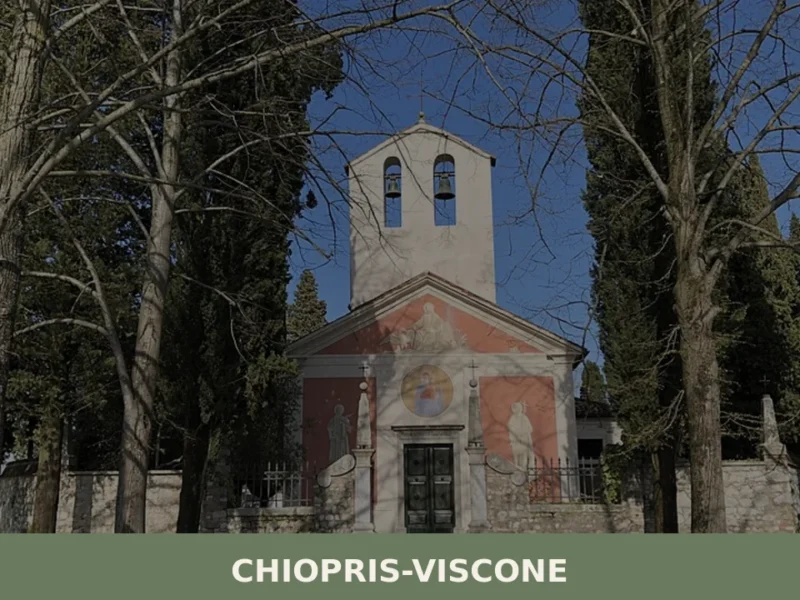
Chiopris-Viscone
 Plains
Two hamlets, two bell towers, two patron saints — and a single road running through both, the provincial route from Palmanova towards the Slovenian border. Anyone arriving in Chiopris-Viscone for the first time immediately notices this duality: the municipality, created in 1928 through the administrative merger of two distinct settlements, still retains a twin-centre layout, […]
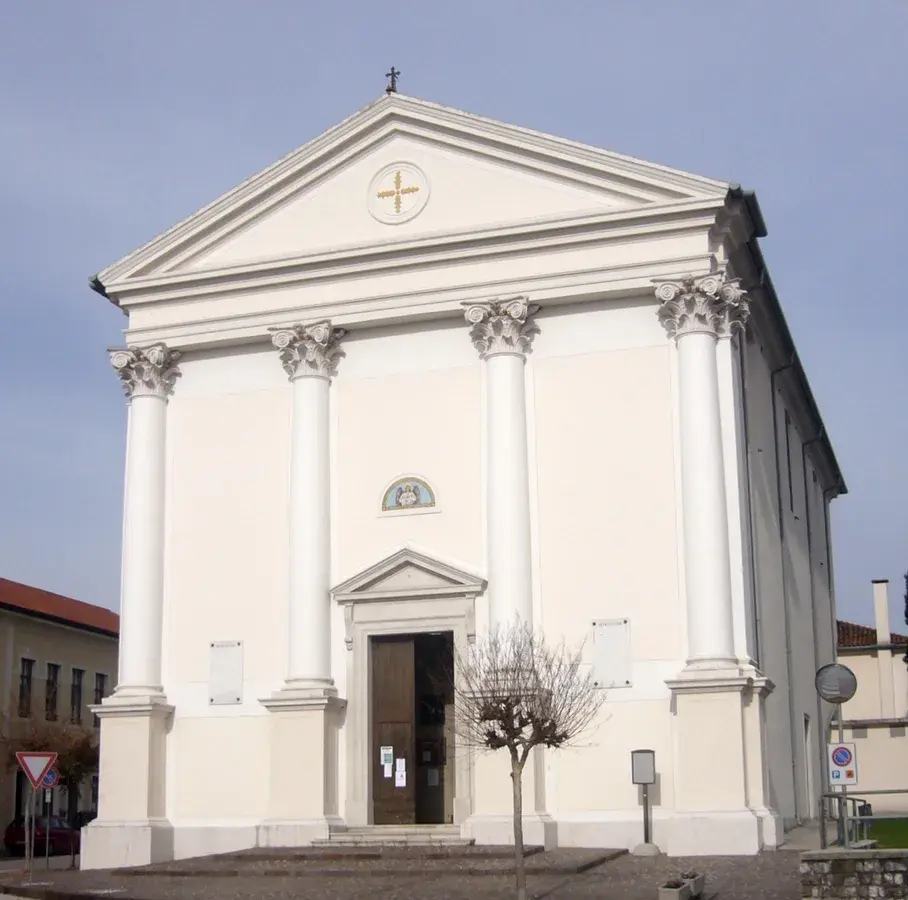
Arba
Plains
What to see in Arba: Explore Italy's Arba, a village at 210 meters altitude. Discover its historic church and vibrant patron saint festival on September 29. Read more.
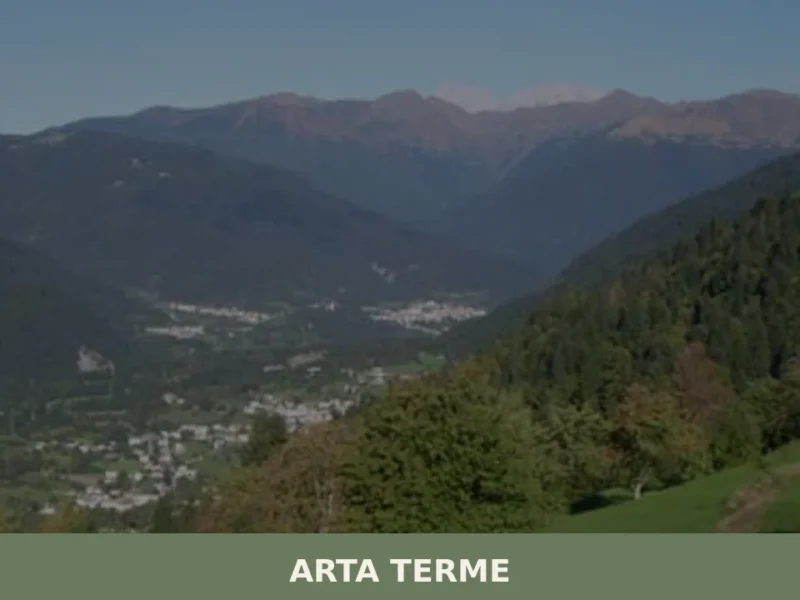
Arta Terme
 Hills
Hills
In 1687, the physician and naturalist Giovanni Battista De Candido published the first treatise on the healing properties of the sulphurous waters flowing from the Fonte Pudia spring in the territory of Arta. That document marked the beginning of a thermal spa tradition that would define the economic identity of this Carnic centre for the […]
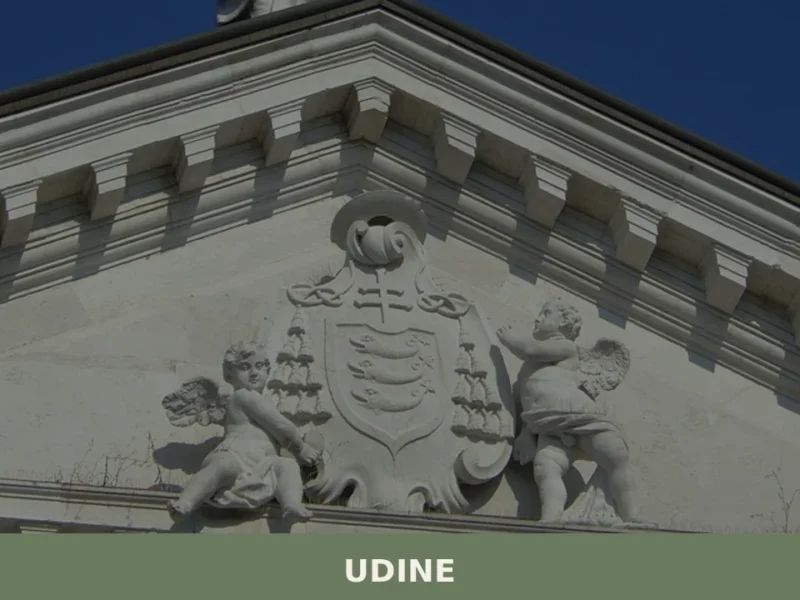
Udine
Plains
what to see in udine, home to 98,780 residents. Discover the historic Castle, Piazza della Libertu00e0, and Tiepolo Galleries. Explore its rich heritage.
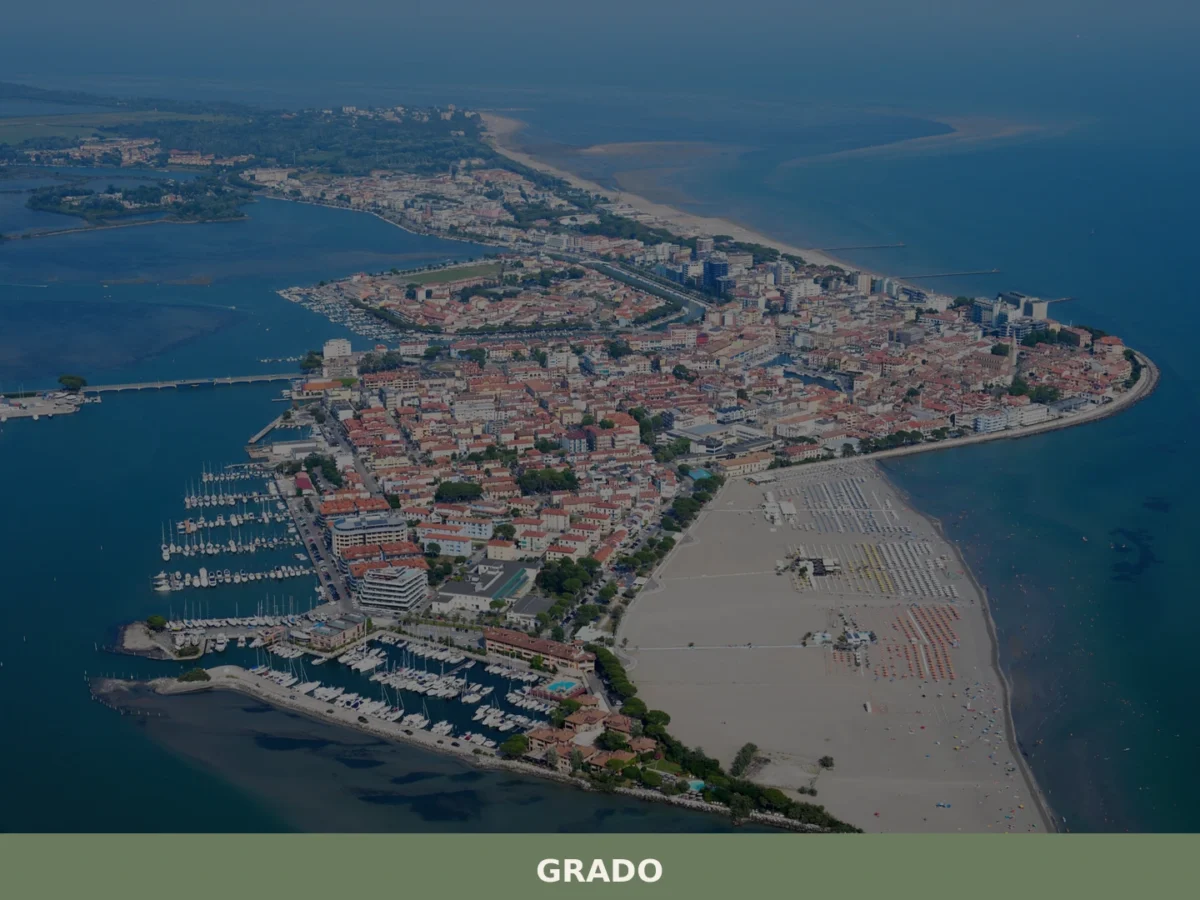
Grado
 Sea
Sea
What to see in Grado, Italy? Explore its 2 m altitude, discover over 7,658 residents, and visit the impressive Basilica di Sant'Eufemia. Discover Italy's unique offerings today.
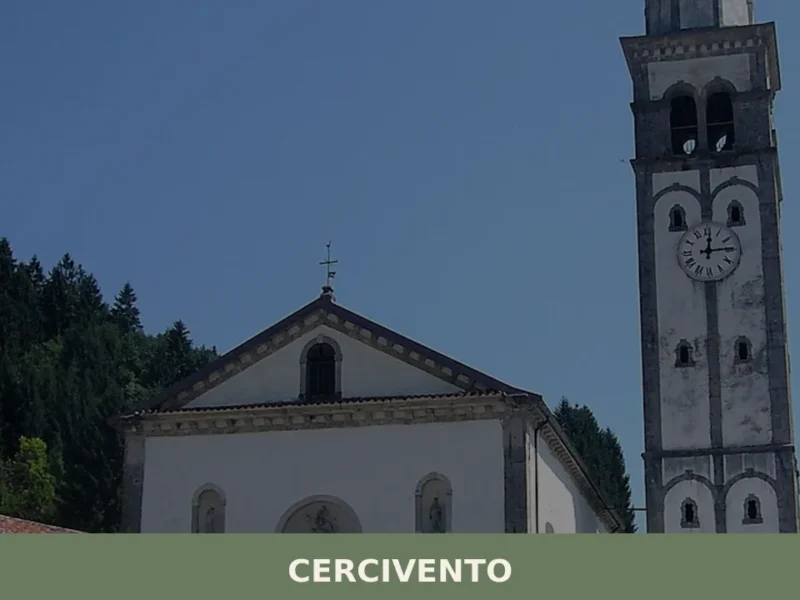
Cercivento
 Mountain
Discover what to see in Cercivento: a 635-soul village in the Carnic Alps of Friuli Venezia Giulia, with historic churches, mosaics, and alpine trails.
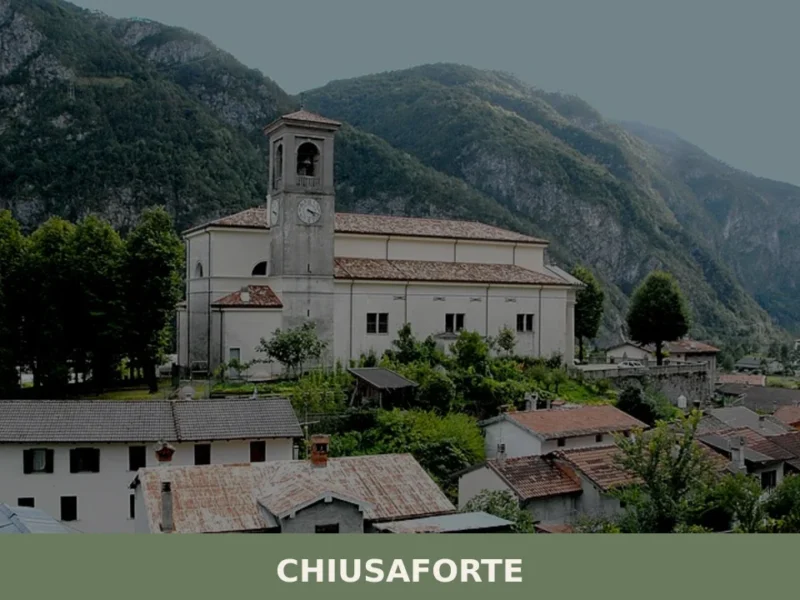
Chiusaforte
Hills
Anyone travelling along the A23 motorway towards the Austrian border will notice, quite suddenly, the Fella valley narrowing between sheer rock walls. Right at that point stands Chiusaforte, a settlement of 684 inhabitants at 391 metres above sea level, whose name — from “chiusa forte,” meaning “strong barrier” — declares without ambiguity the military and […]
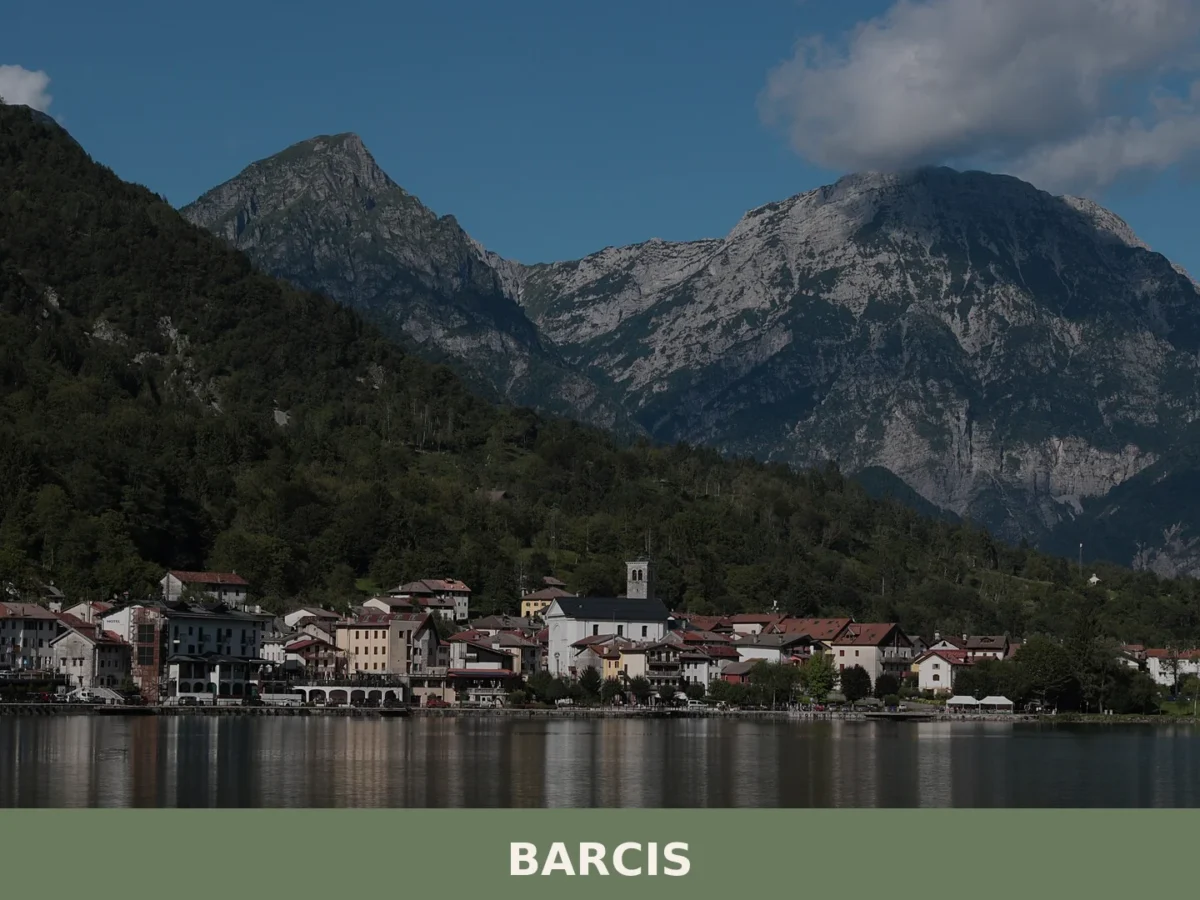
Barcis
Mountain
231 inhabitants. A small mountain comune where medieval stone meets a luminous artificial lake, ringed by limestone summits and ancient mountain paths.
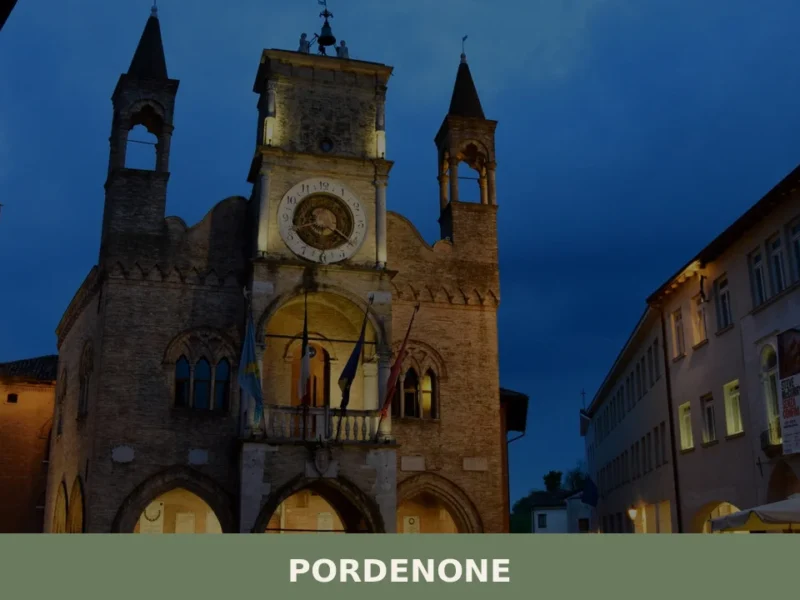
Pordenone
Plains
Pordenone is a river city of 52,314 residents in Friuli-Venezia Giulia, where a navigable stretch of the Noncello shaped two millennia of trade, art, and urban life.
Drenchia
Mountain
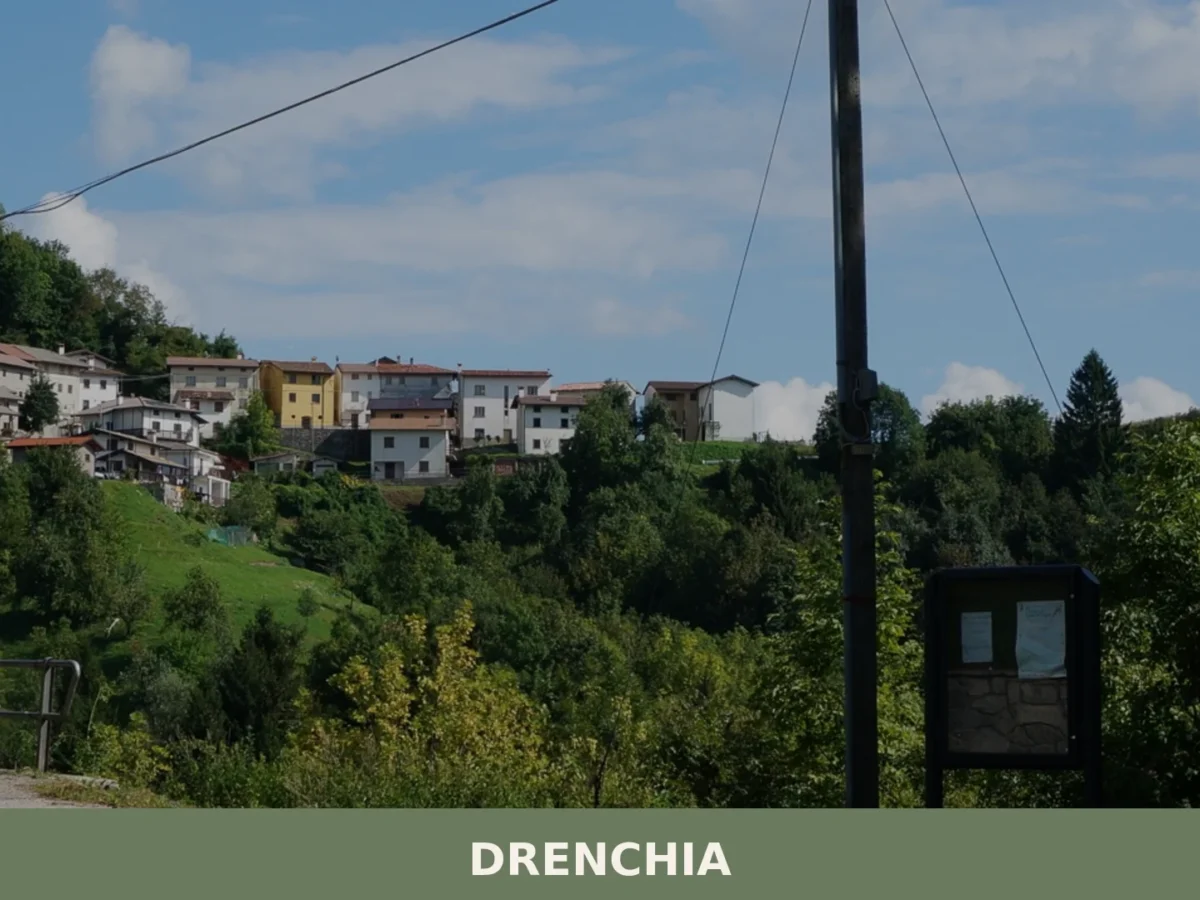
Drenchia is a small mountain commune of 89 inhabitants in the province of Udine, perched at 696 metres on the slopes of the Colovrat ridge at the eastern edge of Friuli-Venezia Giulia.




🏡 Know Cavazzo Carnico better than we do?
If you’re a local or have been there, your knowledge matters: add what’s missing or fix a detail on this page.