


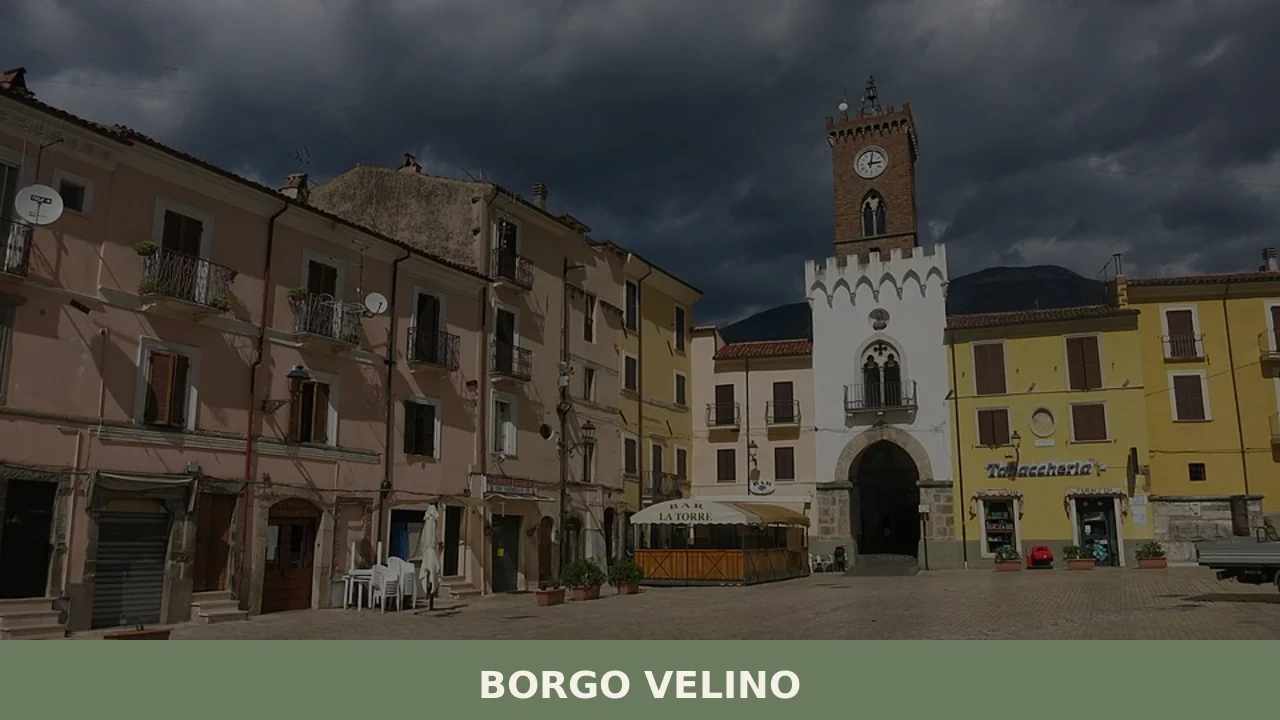
Borgo Velino
 Hills
Hills
What to see in Borgo Velino: discover 5 key attractions in this village of 996 inhabitants at 460m. Explore Palazzo Brancaleoni and taste Cacio fiore. Plan your visit now.
Discover Borgo Velino
Borgo Velino – English Editorial Translation Cacio fiore, a cheese with a distinctive flavour, and Guanciale, a key ingredient in Lazio cooking, are just two of the specialities that define the food and wine tradition of Borgo Velino, a small village in the province of Rieti. This hilltop settlement, with its 996 inhabitants and an altitude of 460 metres above sea level, offers visitors a genuine experience away from the busier tourist circuits. For those wondering what to see in Borgo Velino, the route begins along its historic streets, where every corner reveals traces of a layered past, inviting exploration not only of its architecture but also of the deep cultural roots that define the Sabina region.History and Origins of Borgo Velino
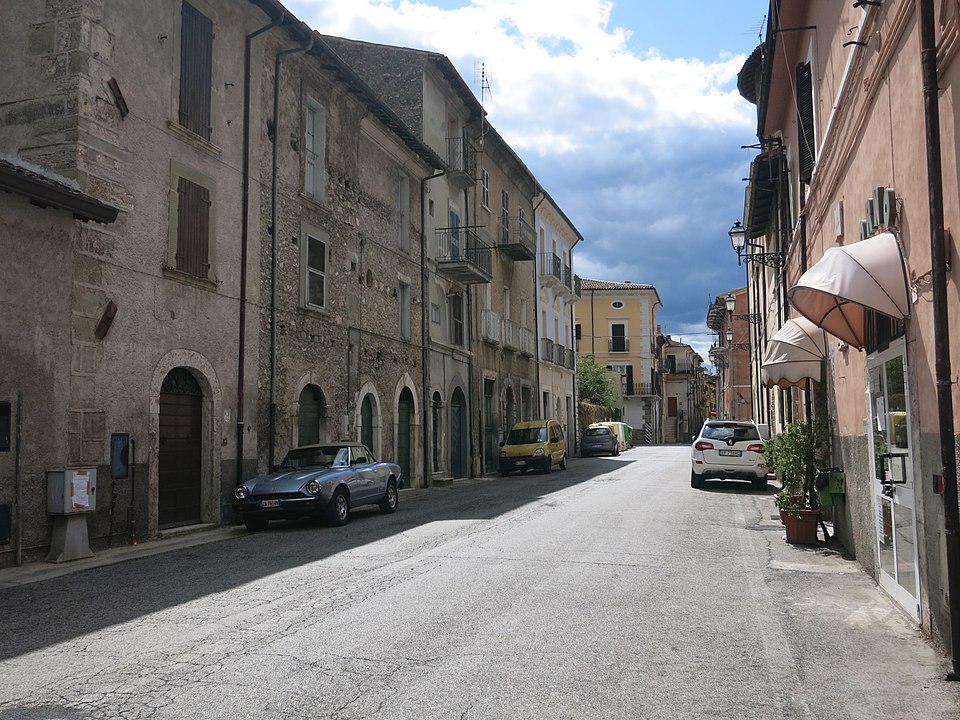
The history of Borgo Velino reaches back to a distant past, bound closely to the Sabina region and the Velino river, which gave the village its name. The earliest evidence of human settlement in the area dates to Roman times, when the territory held strategic importance for controlling the communication routes between Rome and the Adriatic coast. Although no specific documents record the exact founding of the current settlement, the area was very likely already frequented and exploited for its natural resources and elevated position, which offered a privileged viewpoint over the valley below. The medieval period marks the true birth of the fortified village, a feature common to many central Italian settlements that needed to defend themselves against raids and feudal conflicts. During these centuries, Borgo Velino passed under the control of several noble families, including the Brancaleoni and the Savelli, who contributed to the construction and strengthening of its defensive structures. The fourteenth and fifteenth centuries saw the village consolidate its role as an agricultural and territorial control centre — small in scale, but strategically important given its proximity to Rieti and the Cicolano area. In the modern era, Borgo Velino followed the broader fortunes of the Papal States, of which it formed part for centuries, maintaining a rural identity closely tied to the land. Over time, the village managed to preserve its original urban layout, with its narrow streets and stone houses that speak to centuries of history. Although it was never the scene of nationally significant events, its development stands as an example of the resilience and adaptability of small communities in inland Italy, which have managed to preserve their cultural and architectural heritage to the present day.What to See in Borgo Velino: Main Attractions
Borgo Velino, though modest in size, offers several opportunities for those who want to explore its historical and cultural heritage. Its architecture and street scenes reflect a past marked by significant events, inviting visitors to take a careful walk through its lanes. Exploring the village means immersing yourself in a setting where history makes itself visible through the stones and structures that compose it — a concrete answer to the question of what to see in Borgo Velino.Church of San Dionigi
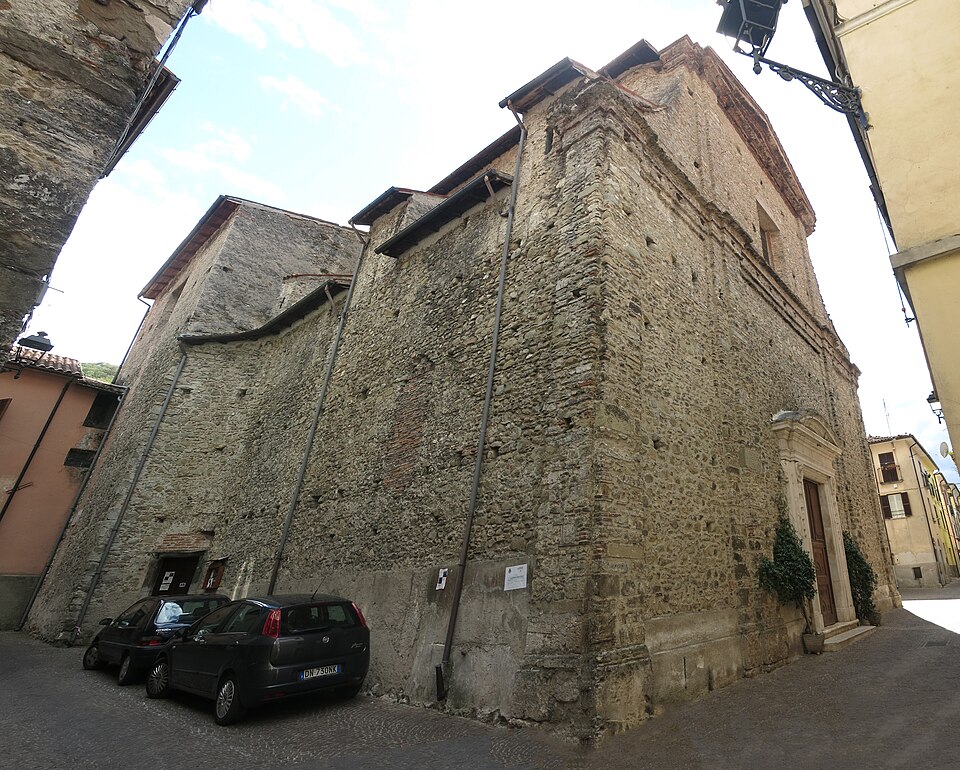
The main church in the village is dedicated to Saint Dionysius of Paris, the patron saint of the municipality, whose feast day falls on 9 October. The current structure of the church, although its origins may be older, displays architectural characteristics associated mainly with later interventions, possibly from the Baroque period or beyond.
Inside, visitors can admire works of sacred art, including frescoes and canvases depicting episodes from the life of the saint or other religious figures, offering a window onto local sacred art and the devotion of the community.
Palazzo Brancaleoni
Palazzo Brancaleoni is one of the most significant civic buildings in Borgo Velino, a reminder of the influence that noble families held over the territory.
This palace, probably built in the medieval period and later modified over the following centuries, stands out for its imposing mass and for certain architectural details that reveal its historical importance.
While it is not always open to the public, its façade and position within the historic centre are well worth a pause to take in its structure and elegance, and to imagine the life that once unfolded within its walls.
Porta da Capo
The ancient Porta da Capo is one of the historic entrances to the village, an element that underlines Borgo Velino’s original defensive function.
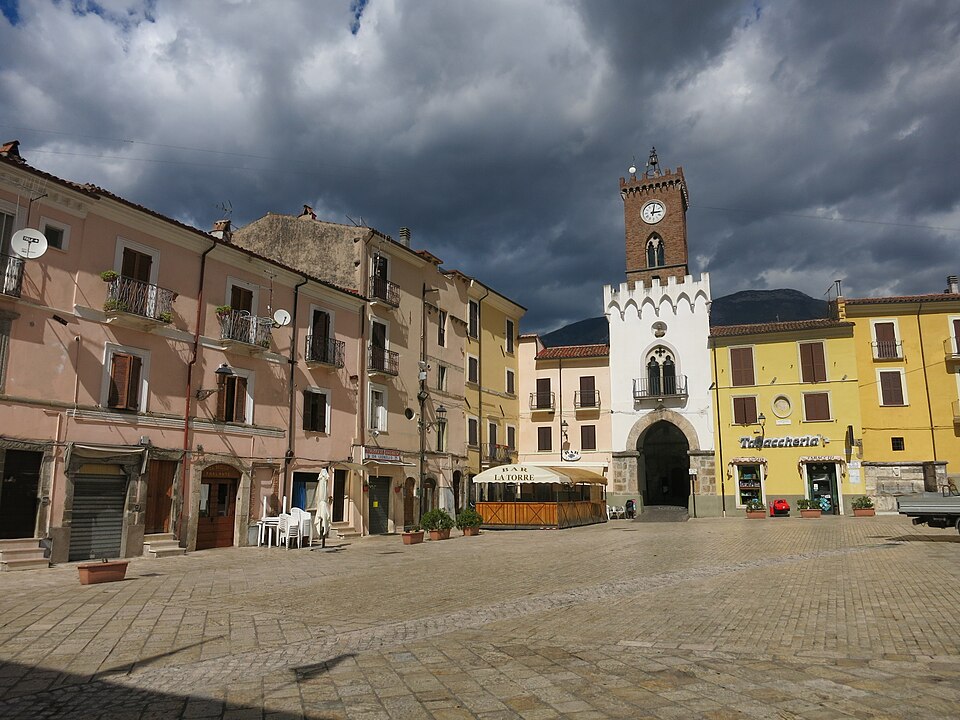
This gateway, an integral part of the perimeter walls, still retains its original structure — or at least a substantial portion of it — with stone arches that draw the visitor into the heart of the historic centre.
Passing through it means taking a small step into another era, leaving the modern world behind and entering an environment where the traces of the past are still tangible and well preserved — a genuine entrance point into what to see in Borgo Velino.
Remains of the Castle Walls
Like many medieval villages, Borgo Velino was once protected by a system of walls and fortifications, of which several significant remains survive today.
These fragments of the castle walls, visible at various points around the historic centre, give a clear sense of the imposing defences that once surrounded the village. Walking along these sections allows visitors to appreciate the construction techniques of the period and to understand the strategic value of the village’s position, which offered a clear sightline over the entire Velino valley — a crucial factor in its survival through past centuries.
Viewpoint over the Velino River
Beyond its historic architecture, Borgo Velino also offers fine panoramic views of the surrounding landscape.
The viewpoint over the Velino river is one such spot, where the eye travels across the valley below, shaped by the course of the river and the vegetation typical of the area.
From here, it is possible to take in the natural beauty of the Rieti territory, with its hills and cultivated fields, providing a moment of calm and contemplation. This vantage point is ideal for photography and for enjoying the quiet of the place, rounding off the experience of what to see in Borgo Velino.
Local Food and Products of Borgo Velino
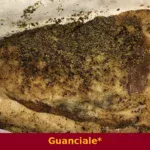
The gastronomic tradition of Borgo Velino is deeply rooted in the farming and pastoral culture of the Sabina, a territory that yields genuine, high-quality raw ingredients. The local cuisine is the product of centuries of adaptation to the resources of the land, defined by robust and flavourful dishes that reflect the simplicity of mountain and hill life. Culinary influences come from the surrounding regions, with strong ties to the Lazio and Abruzzo traditions, while retaining a specificity that sets them apart. Among the typical dishes available in Borgo Velino, preparations based on meat and traditional first courses stand out in particular. Guanciale, a certified product of excellence, is the key ingredient in numerous recipes — most notably the celebrated Amatriciana (whose origin centre is Amatrice, though its influence is strongly felt here too) — as well as in simpler but flavoursome pasta sauces. Legume soups are equally prominent, such as lentil soup or bean and pork rind soup, prepared with locally grown produce and seasoned with aromatic herbs from the area. Another dish worth trying is polenta with pork spare ribs, a classic of winter tables that reflects a preference for substantial, nourishing food. The territory of Borgo Velino is particularly well suited to the production of high-quality cheeses and cured meats, many of which have received national recognition. These include Cacio fiore (PAT) — produced in the municipalities of Borgo Velino, Rieti and Fara in Sabina — and Guanciale (PAT) — produced across Borgo Velino, Amatrice, Accumoli and Cittareale — both genuine products of excellence. Alongside these stands Guanciale amatriciano (PAT) — from the municipalities of Amatrice, Accumoli, Cittareale and Borgo Velino — an iconic product that has brought the gastronomy of the province of Rieti to international attention. These products can be purchased directly from local farms or in the village’s small shops, guaranteeing freshness and quality. For those who want to engage more closely with local culinary traditions, visiting Borgo Velino during one of its periodic food and wine festivals is a good option. While precise details on specific recurring events are not available, it is common practice in villages across this area to organise celebrations dedicated to local products, particularly in autumn or spring. These events offer the chance to sample local specialities, take part in tastings and buy products directly from producers, for a well-rounded experience of the area’s food culture.Festivals, Events and Traditions of Borgo Velino
The traditions and events of Borgo Velino are closely tied to its history and religious devotion, elements that help keep the community’s identity alive. The most deeply felt celebration is the feast of the patron saint, San Dionigi of Paris, held annually on 9 October. On this occasion, the village comes to life with religious ceremonies that include a solemn procession through the streets of the historic centre, during which the statue of the saint is carried on the shoulders of the faithful. Alongside the religious aspects, the patron saint’s feast is often accompanied by communal civic gatherings, which may include brass band concerts, folk performances and, at times, fireworks that light up the evening sky. These events give the people of Borgo Velino an opportunity to come together and celebrate their shared roots, while visitors get to experience the village’s genuine atmosphere. While no specific annual food festivals are formally documented, it is common practice in these territories for themed gastronomic events — such as those dedicated to local products like cheese and cured meats — to be organised at other times of year, often in spring or summer, to promote the area’s food heritage.When to Visit Borgo Velino and How to Get There
Planning a visit to Borgo Velino means choosing the best time of year to make the most of its character and the surrounding landscape. Spring and autumn are generally the most recommended seasons, thanks to mild weather that makes walks through the village streets and excursions in the surrounding area more enjoyable. In spring, the countryside comes into colour with pleasant temperatures, while autumn brings evocative scenery through the changing foliage and the possibility of attending food and wine events dedicated to seasonal produce. Summer can be warm, but the altitude of 460 metres above sea level brings cooler evenings, making it a worthwhile option for those seeking a quieter pace and the chance to explore the area during a period of greater availability. Those looking into what to see in Borgo Velino will find these months offer the right conditions. Several transport options are available for reaching Borgo Velino. By car, the village is readily accessible via the provincial road network, which connects to the main arteries. From Rome, you can take the A24 motorway (Rome–L’Aquila), exiting at Valle del Salto and continuing towards Rieti, or follow the Via Salaria (SS4) as far as Rieti and then follow signs for Borgo Velino. The distance from Rome is approximately 100–110 km, covering roughly one and a half to two hours depending on traffic. For detailed information on roads and local routes, you can consult the Borgo Velino municipal website. The nearest railway station to Borgo Velino is Rieti, approximately 15–20 km away. From Rieti, the village can be reached by local bus services or taxi. For those travelling by air, the most convenient airports are Rome Fiumicino International Airport (FCO) and Rome Ciampino Airport (CIA), both around 120–130 km away. From either airport, you can hire a car or use public transport to reach Roma Termini station, and from there continue by train or coach towards Rieti. For public transport timetables and connections, it is advisable to consult the regional transport portals for Lazio, such as the website of Cotral SpA, which operates the bus network across the region.Other Villages to Explore in Lazio
The province of Rieti and the wider Lazio region are home to numerous villages that reward a visit, each with its own distinct historical and landscape character. After exploring what to see in Borgo Velino, visitors can extend their itinerary to discover other parts of the region, which offer equally rich and varied experiences. These smaller centres are often connected by routes that pass through areas of considerable natural beauty, well suited to those who prefer a slower style of travel and enjoy seeking out less-visited places. Continuing through Lazio, a visit to Bassano in Teverina is well worth considering — a village in the province of Viterbo that, like Borgo Velino, retains a medieval layout and offers fine views over the Tiber Valley. Another interesting village to explore is Arlena di Castro, also in the Viterbo area, known for its Rocca fortress and the local traditions that animate its historic centre. Both places share with Borgo Velino an atmosphere of calm and a depth of history that characterises the smaller settlements of Lazio. For those in search of a more distinctive experience, Calcata — with its houses clinging to a tufa rock spur — draws artists and visitors for its bohemian spirit and singular architecture, different in character but aligned in spirit with the search for originality that one finds in Borgo Velino. A further recommended stop is Villa San Giovanni in Tuscia, which offers a fine example of a typical village in the Viterbo Tuscia area, with its churches and historic palaces recounting stories of earlier centuries. These villages, for all their differences, share the understated appeal of places that have managed to preserve their own identity over time.Frequently asked questions about Borgo Velino
What is the best time to visit Borgo Velino?
Spring (April–June) and early autumn (September–October) are the ideal seasons to visit Borgo Velino. Temperatures are mild, the Velino valley landscape is at its most scenic, and the village is at its most lively. October is particularly significant: on the 9th, the village celebrates its patron saint San Dionigi di Parigi with a solemn procession through the historic centre. Autumn also coincides with local food and wine events dedicated to traditional products such as Cacio fiore and Guanciale, making it the best moment for a complete cultural and gastronomic experience.
What are the historical origins of Borgo Velino?
Borgo Velino's roots trace back to Roman times, when the area held strategic value along routes connecting Rome to the Adriatic coast. The fortified village as it exists today took shape during the medieval period, when it passed under the control of noble families including the Brancaleoni and the Savelli, who built and reinforced its defensive structures. Between the 14th and 15th centuries it consolidated its role as an agricultural and territorial centre. For several centuries it formed part of the Papal States, maintaining a rural identity closely tied to the Sabina region.
What to see in Borgo Velino? Main monuments and landmarks
The key sites in Borgo Velino include: the Church of San Dionigi, dedicated to the patron saint and containing frescoes and sacred art canvases; Palazzo Brancaleoni, an imposing noble residence from the medieval period worth seeing from the outside; Porta da Capo, the ancient stone gateway into the historic centre; and the remains of the castle walls, still visible at several points around the village. All sites are accessible on foot during a walk through the historic centre. No specific admission fees or opening hours are officially published for these sites.
What are the main natural or scenic attractions of Borgo Velino?
Borgo Velino sits at 460 metres above sea level in the Sabina hills, overlooking the Velino river valley. The surrounding landscape features hills, cultivated fields and riparian vegetation typical of inland Lazio. A dedicated viewpoint over the Velino river offers sweeping views across the valley below. The natural setting is well suited to leisurely walks in the countryside and exploration of the river corridor. The proximity to Rieti and the Cicolano area also places Borgo Velino within reach of broader natural landscapes characteristic of the province.
Where to take the best photos in Borgo Velino?
The most rewarding spots for photography in Borgo Velino are the viewpoint overlooking the Velino river valley, which captures the hills and cultivated landscape of the Rieti territory in a single frame, and Porta da Capo, whose stone arch framed against the historic centre makes a strong architectural image. The walls of Palazzo Brancaleoni and the surviving sections of the castle walls also offer textured, atmospheric subjects. Early morning or late afternoon light is best for capturing the warm tones of the stone buildings along the narrow lanes of the historic centre.
Are there museums, churches or historic buildings to visit in Borgo Velino?
Borgo Velino's main historic buildings include the Church of San Dionigi, the village's principal place of worship dedicated to its patron saint, which houses frescoes and sacred art. Palazzo Brancaleoni, a medieval noble residence, is visible from the street even when not open to the public. The ancient gateway Porta da Capo and the surviving castle wall sections complete the architectural heritage of the historic centre. No permanent museum is currently documented for the village. For up-to-date access and opening information, it is advisable to contact the local municipality or pro loco directly.
What can you do in Borgo Velino? Activities and experiences
Visitors to Borgo Velino can enjoy a walking tour of the historic centre taking in Porta da Capo, the castle wall remains and Palazzo Brancaleoni. The viewpoint over the Velino river valley is ideal for photography and quiet contemplation. Food and wine experiences are central: local farms and small shops sell certified products including Cacio fiore and Guanciale directly to visitors. The patron saint feast on 9 October offers a genuine local tradition with processions through the village streets. The surrounding Sabina hills provide pleasant countryside for informal walking in the area.
Who is Borgo Velino suitable for? Families, couples, hikers, solo travellers?
Borgo Velino is particularly well suited to couples and solo travellers seeking an authentic, unhurried experience away from mass tourism. Food enthusiasts will appreciate the direct access to certified local products such as Cacio fiore and Guanciale. History and architecture lovers will enjoy the medieval streetscape, Porta da Capo and the castle walls. The village is also a good choice for visitors who want to combine a cultural stop with exploration of the wider Sabina and Rieti area. Families with young children will find it a quiet, safe environment, though dedicated children's attractions are limited.
What to eat in Borgo Velino? Local products and specialities
Borgo Velino is one of the production municipalities for two officially recognised Italian traditional food products (PAT): Cacio fiore, a distinctive sheep's milk cheese produced with Borgo Velino, Rieti and Fara in Sabina, and Guanciale, the cured pork jowl essential to Lazio cuisine, produced across Borgo Velino, Amatrice, Accumoli and Cittareale. Guanciale amatriciano (PAT) is also linked to this territory. Local dishes worth trying include pasta all'Amatriciana, lentil and bean soups, and polenta with pork spare ribs. Products can be purchased from local farms and village shops.
📷 Photo Gallery — Borgo Velino

Nearby Villages near Borgo Velino
Nearby villages we are mapping:
- Capitignano Abruzzo 📍 23.6 km Coming soon
In Lazio More villages to discover
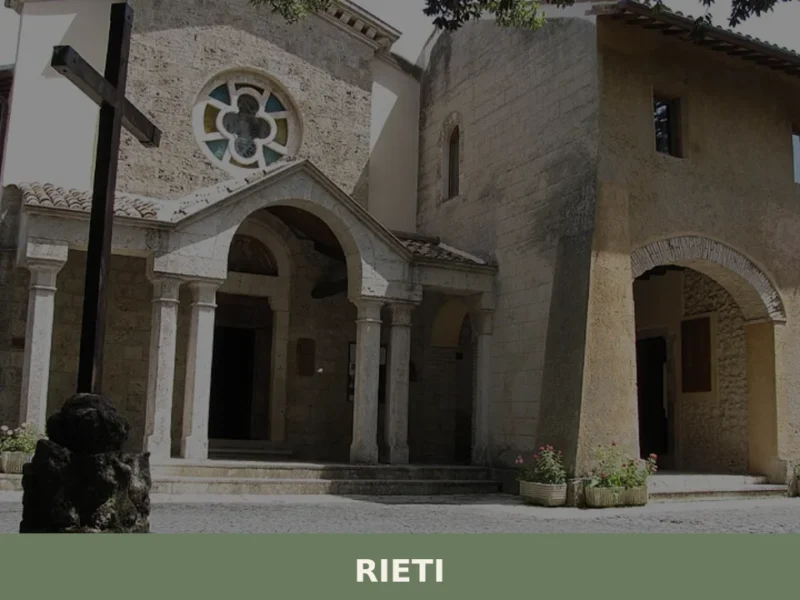
Rieti
Hills
What to see in Rieti: from the medieval walls to the Cathedral, discover the top 5 attractions. Complete guide to visiting Rieti in one day.
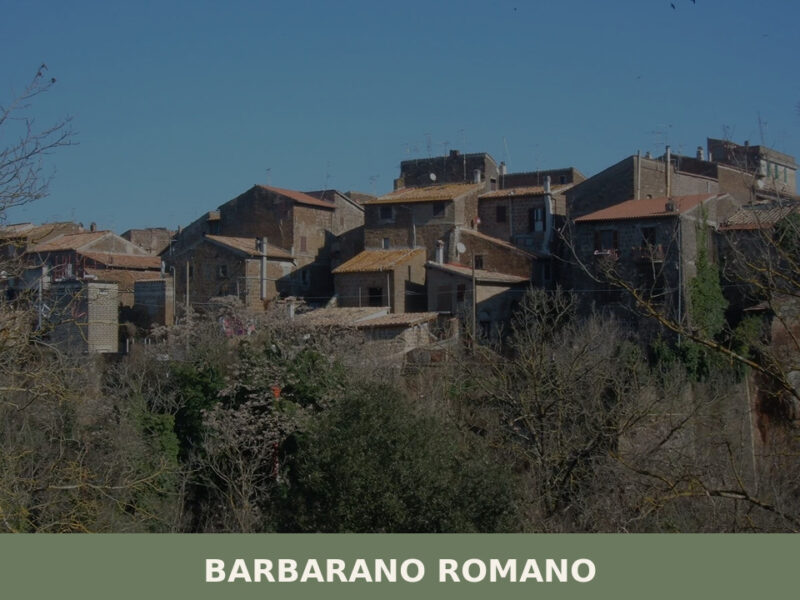
Barbarano Romano
Hills
Morning light catches the volcanic tufa in shades of ochre and rust, and the only sound rising from the gorge below is the intermittent call of a jay echoing off ancient rock. Barbarano Romano sits on a plateau in the province of Viterbo, a settlement of barely a thousand souls whose streets still follow the […]
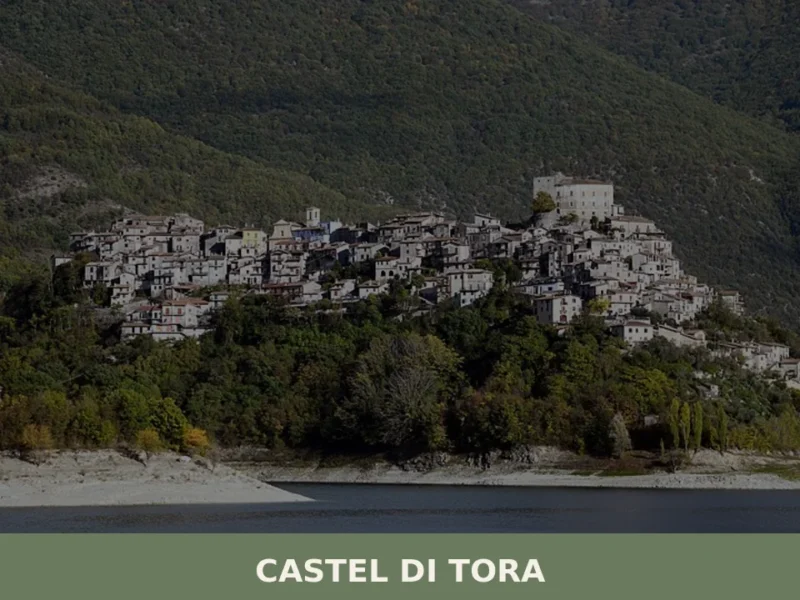
Castel di Tora
 Lake
Lake
 Mountain
What to see in Castel di Tora: medieval village at 607 m above Lago del Salto, 292 residents, 3 PAT-certified products. Plan your visit with our complete guide.
Tessennano
Hills
In the heart of Viterbo’s Tuscia region, 302 meters above sea level, lies Tessennano, a settlement with 284 residents. Its hillside location, distant from major thoroughfares, has defined its profile through the centuries. For those wondering what to see in Tessennano, the village presents a historical layering perceptible in its architecture. The settlement develops around […]
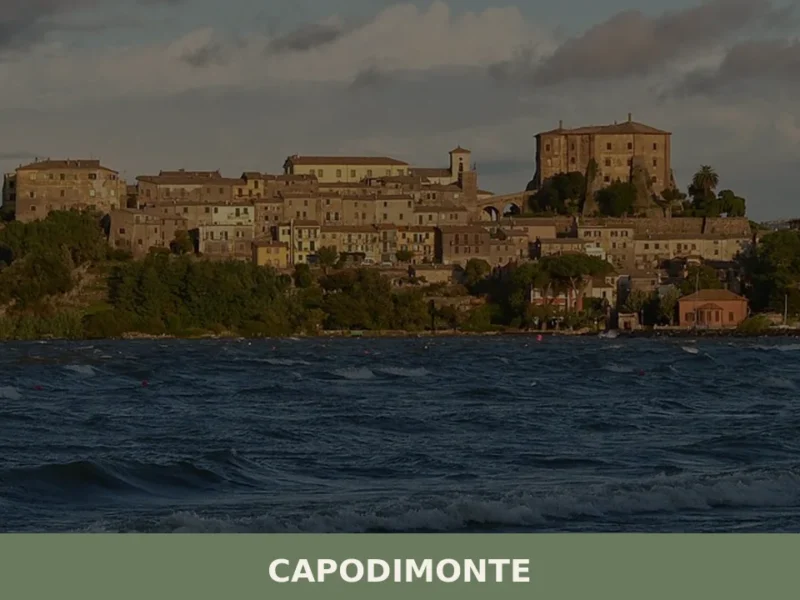
Capodimonte
Hills
Lake
What to see in Capodimonte, Italy: Discover this village of 1,667 inhabitants on Lake Bolsena's shore. Explore its unique headland and historic core. Read our guide!

Artena
Hills
What to see in Artena, Lazio, Italy: cyclopean walls from the 5th century BC, Palazzo Borghese, and 4 historic churches. Discover how to get there from Rome.
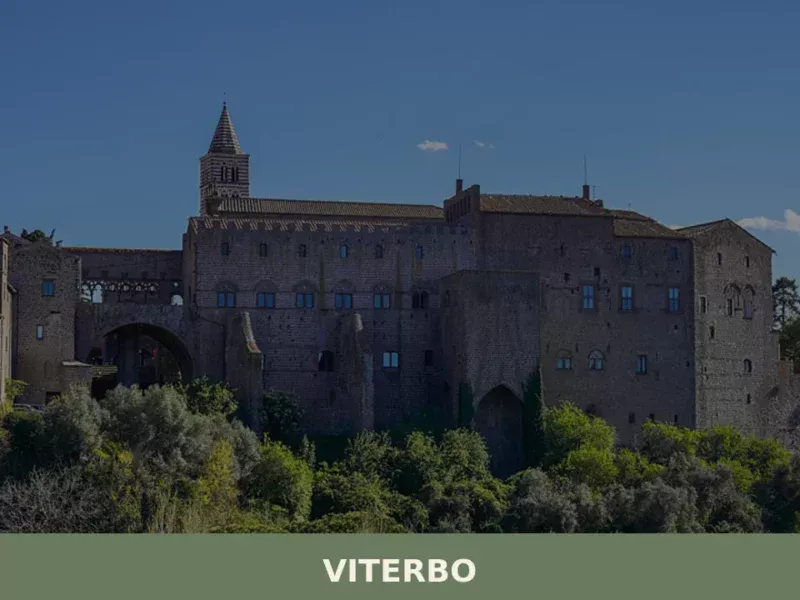
Viterbo
Hills
What to see in Viterbo: Palazzo dei Papi, San Pellegrino, Terme del Bullicame and the UNESCO festival of Santa Rosa. Practical guide with info on how to get there and when to visit.

Boville Ernica
Hills
What to see in Boville Ernica, Lazio, Italy: 18 intact medieval towers, a mosaic attributed to Giotto, and pre-Roman walls. Discover the complete travel guide.
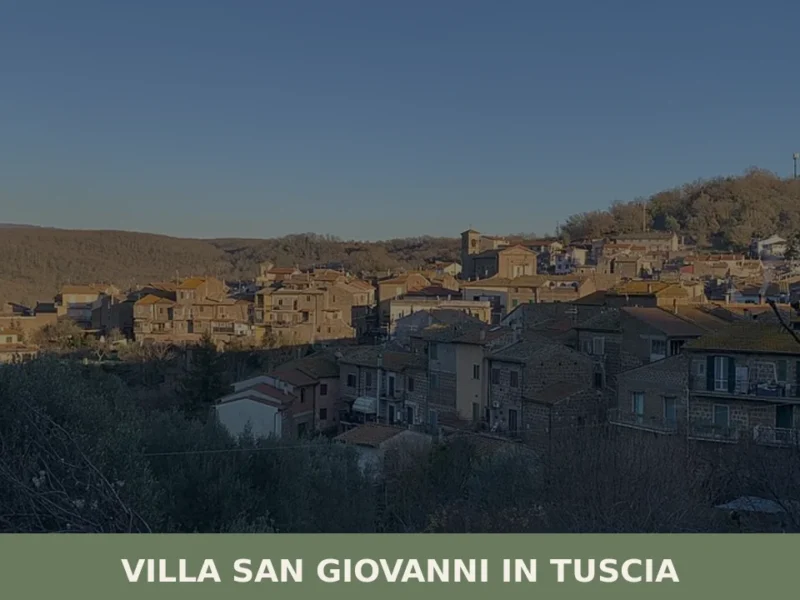
Villa San Giovanni in Tuscia
Hills
Villa San Giovanni in Tuscia has 1,196 inhabitants spread across a hilly territory at 329 metres above sea level, in the province of Viterbo. The settlement preserves a compact layout dating back to the feudal reorganisation of the late Middle Ages, when the village was under the control of baronial families that ruled upper Lazio. […]
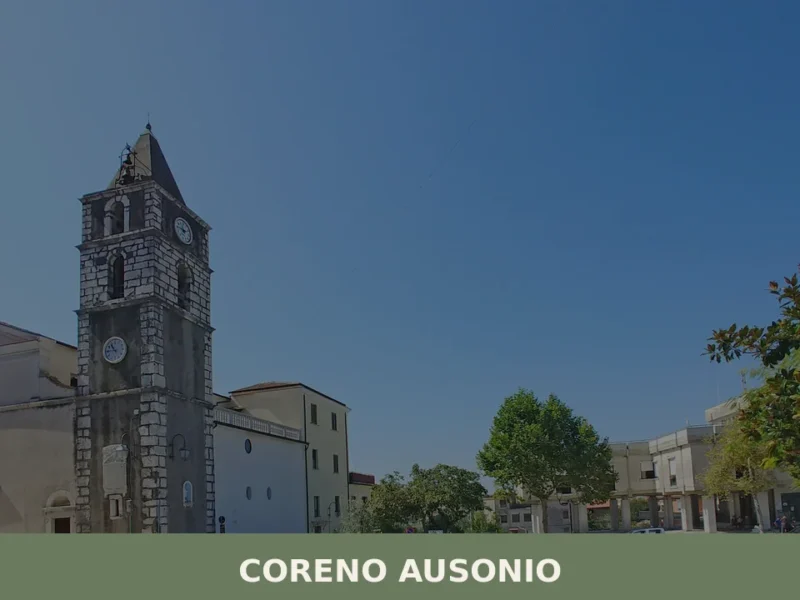
Coreno Ausonio
Hills
What to see in Coreno Ausonio, Italy: explore a village at 318 m with an 8th-century BC grotto, local festivals and hill scenery. Discover the complete guide.


🏡 Know Borgo Velino better than we do?
If you’re a local or have been there, your knowledge matters: add what’s missing or fix a detail on this page.