


Rivara
 Hills
Hills
A comune of 2,456 inhabitants north of Turin, Rivara preserves two castle complexes and Villa Ogliani, birthplace of the Scuola di Rivara artistic movement.
Rivara: Castles, Art and the Canavese Landscape
Stone towers rise above a modest hilltop settlement where two rivers—the Viana and the Levone—trace the valley floor. The air is mild, the landscape gently descending from northwest to southeast in the precollinare zone. This is where the castle complex stands, anchoring centuries of local memory.
Rivara village in Piedmont sits 36 kilometers northwest of Turin, a comune of 2,456 inhabitants in the Canavese region. The village draws visitors to its dual castle structures—medieval relics of the Valperga dynasty—and to Villa Ogliani, a neoclassical estate that became the cradle of a 19th-century artistic movement. The surrounding hamlets, numbering more than fifteen distinct borgatas, scatter across the collinare terrain, each preserving fragments of rural tradition.
A Landscape Shaped by Noble Lineages and Inquisitorial Memory
The earliest written mention of Rivara appears in a diploma from the year 1014, where Emperor Henry lists the settlement among the possessions of the Fruttuaria Abbey. The Valperga counts held dominion here for centuries, their authority extending across a network of castles and fiefs throughout the Canavese. Medieval life was not always peaceful: during the Tuchinaggio—the social upheavals of the late 1300s—Rivara negotiated its conflicts with the Marchese Teodoro di Monferrato acting as arbitrator.
The transformation of the castle into an Inquisitorial tribunal in 1474 marked a darker chapter. Women from the neighboring comune of Levone were brought to trial on charges of witchcraft and condemned to death by fire—a tragic episode emblematic of broader persecution in the region.
By the late 18th century, the Valperga line had exhausted itself. Ignazio Domenico, the last count, fell in October 1793 during the French invasion led by Napoleon. The estates—both castles—passed to the Regio Patrimonio, the royal holdings. This transfer marked the end of feudal rule and the beginning of a new phase in which the village would reinvent itself through art and culture.
The Castle Complex and Villa Ogliani
Castello Vecchio and Castello Nuovo
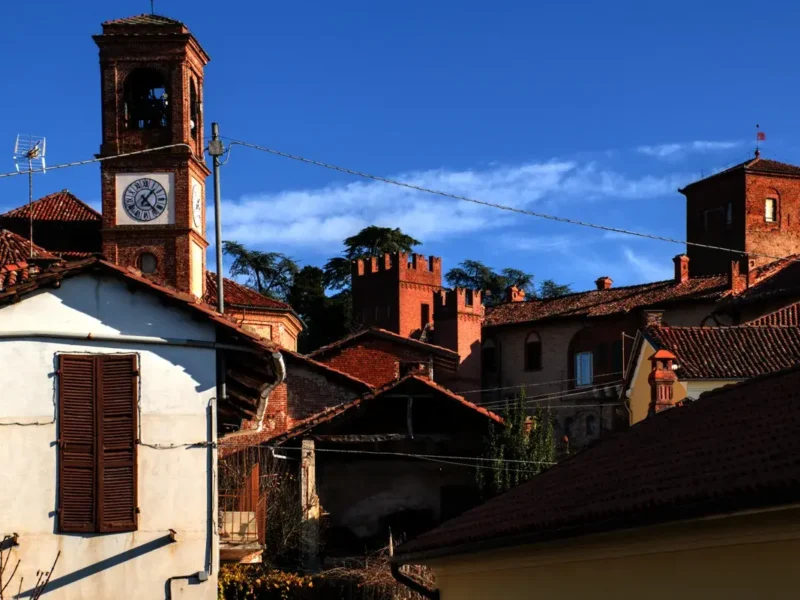
The castle complex comprises two distinct structures, each bearing witness to different historical eras. The Castello Vecchio, built by the Valperga counts, retains much of its medieval character: crenellated walls, corner towers, and Gothic-style windows in terracotta mark its age. One tower stands notably high, its defensive silhouette still commanding the hillside. The Castello Nuovo underwent successive transformations across the centuries. In 1835, a new wing was added, reshaping the building into a rectangular plan with a central tower. Later, the architect Alfredo d’Andrade modified its façade, lending it new aesthetic proportions. Both structures participate in the broader circuito dei castelli del Canavese, a regional route linking the fortified residences of the surrounding territory.
Villa Ogliani and the Scuola di Rivara
The estate that would transform Rivara into a center of artistic ferment took shape in the mid-1800s. Architect Formento designed Villa Ogliani in the neoclassical mode for the banker Carlo Ogliani, who sought a summer retreat in the Canavese. The building later underwent stylistic evolution into liberty decoration. It was Carlo Pittara, Ogliani’s brother-in-law, who established the Scuola di Rivara within the villa’s precincts during the second half of the 19th century—an informal gathering of painters that became recognized as a coherent artistic movement. The comune acquired Villa Ogliani in the early 1990s, renovated it, and installed the municipal seat within its walls. The building now also hosts the Comunità Montana Alto Canavese and the GAL Valli del Canavese, making it an administrative and cultural nexus for the broader Canavese landscape.
The Park of Villa Ogliani
Surrounding the villa extends a three-hectare garden designed by the royal gardener Capello, who merged Italian and English landscape traditions with botanical specimens drawn from distant continents. California redwoods rise to approximately 35 meters, their towering presence a living reminder of 19th-century botanical enthusiasm. The park shelters magnolias from the Americas and Asia, English elms now rare in Europe, maritime pines, and hollies, alongside Japanese ginkgos and cryptomeria. The former greenhouses have been adapted into a library and conference hall, allowing the garden to function as both historical monument and contemporary civic space. As a public park, it remains accessible to visitors seeking respite among exotic and native plantings.
Churches and Devotional Landmarks
Church of San Giovanni Battista
The primary parish church takes its dedication from San Giovanni Battista, the village’s patron saint. Built toward the year 1500 around an earlier chapel dedicated to the Nativity, the church takes its dedication from San Giovanni Battista, its current patronal title. For two and a half centuries it lacked a bell tower; only in 1768 was a campanile constructed. The interior preserves frescoes attributed to the Spanzottian school, recently restored to visibility, and houses a notable organ built by Vegezzi-Bossi in 1871, its voice enriching liturgical moments and cultural gatherings alike.
Church of the Annunziata
Positioned near one of the ancient gates of the medieval ricetto, the Church of the Annunziata rose around 1500 as a confraternal chapel. Baroque decoration was added in 1684, giving the interior ornamental richness. The building displays a triangular campanile—an unusual architectural choice, though not unique within Canavese churches. An image of the Holy Shroud adorns the entrance portal. The confraternity that maintained the church through centuries formally dissolved in 2006, marking the end of a long institutional presence.
Other Religious Structures
The frazione of Camagna possesses the Church of San Bartolomeo, documented from at least 1649. More ancient still is San Giovanni Decollato, cited in a donation of 1277, which once served as the principal pieve for the hamlets of Rivara, Forno, Camagna, and Busano. The threshold bears the inscription “MUNICIPALITA’ 1799”, marking work undertaken in that period. Scattered across the countryside stand smaller chapels—San Grato, San Gaetano, Madonna di Viana, and San Rocco—each marking sites of rural devotion and serving agricultural communities in rituals tied to harvest and seasonal observance. Votive pillars, expressions of popular piety, punctuate the landscape, defining the visual and spiritual character of the territory.
Rhythm of Rural and Urban Life
The comune encompasses far more than its central settlement. The landscape is fragmented into numerous borgatas—Camagna being the only official frazione, formerly an autonomous commune until 1927. Belboschetto, Bussi, Case Nuove, Crosaroglio, Mantello, Marietta, Massucco, Montiglio, Palasazzo, Pasquarola, Piano Prime Foglie, Ponte, Quarelli, and San Grato each represent historical hamlets where farming families established homesteads across centuries. Montiglio crowns a hilltop between two river valleys. Palasazzo, now absorbed into the main settlement, may preserve the original core of the medieval borgo; 19th-century observers recorded ruins emerging among the vineyards there. San Grato, gathered around its namesake chapel, hosted a primary school’s satellite classroom through the 1960s, serving rural children before consolidation shifted education to the main center. This dispersed settlement pattern—typical of precollinare Piedmont—reflects ancient processes of land reclamation, water management, and the slow accumulation of family holdings.
The theatrical and commercial life of the commune centers on structures erected in the mid-to-late 1800s. The Municipal Theater, restored in the early 2000s, occupies a site where a communal assembly hall stood in earlier centuries; it preserves a curtain traditionally attributed to Carlo Pittara. The Covered Market, facing the theater, was built on land donated by the noble Gays family at Carlo Ogliani’s initiative. Before the theater, the Tree of Liberty was repeatedly erected during the Revolutionary and Napoleonic periods, marking moments of ideological contestation and celebration.
The Agricultural and Natural Setting
Rivara rises at 392 meters above sea level, where the precollinare zone transitions between lowland and foothill terrain. The Viana and Levone torrents, alongside numerous minor seasonal streams, water the territory, their courses shaping agricultural rhythms and settlement patterns. The soil supports traditional cultivation—vineyards, fruit orchards, and grain fields—practices that have sustained families for centuries. The climate remains mild and the air is recognized locally as particularly salubrious, a quality commemorated in the municipal coat of arms, which bears the Latin motto Salubrior hisce montibus aer (healthier is the air of these hills). The landscape descends gradually from northwest to southeast, creating natural microclimates where microbial and botanical conditions vary subtly across short distances. This terrain, neither mountain nor plain, has long attracted those seeking refuge and renewal.
A Living Artistic Heritage
The Scuola di Rivara emerged not as a formal academy but as a spontaneous gathering of painters drawn to Villa Ogliani during the second half of the 19th century. These artists, working in plein air and studio modes, developed a shared sensibility responsive to the Canavese landscape and rural life. Their collective presence transformed Rivara into a minor but genuine center of artistic production, attracting practitioners from beyond the region and establishing the village as a place where aesthetic innovation occurred. Though the movement eventually dispersed, its legacy remains embedded in the village’s self-conception and in the cultural programming that makes Villa Ogliani a venue for contemporary artistic dialogue.
Visiting Rivara: Season, Access and Planning
Rivara is accessible year-round, though spring and autumn offer the most temperate conditions for walking the countryside and exploring the castle grounds. Winter brings occasional frost and rare snow; summer is warm but seldom oppressive, the precollinare elevation moderating heat. Public transport connects Rivara to Turin and neighboring comuni, though a personal vehicle provides greater flexibility for visiting distant borgatas and rural chapels.
| Departure Point | Distance | Approximate Travel Time |
|---|---|---|
| Turin city center | 36 km northwest | 45–55 minutes by car |
| Turin airport (Caselle) | 50 km | 60–70 minutes by car |
| Busano (neighboring comune) | 5 km | 10 minutes by car |
The municipal website (comune.rivara.to.it) provides information on opening hours for monuments, local services, and current events. Visitors wishing to explore the castle interiors or attend performances at the Municipal Theater should contact the comune in advance. The park of Villa Ogliani is open to the public during daylight hours and offers a peaceful setting for contemplation and informal study of botanical heritage.
Rivara lies within the broader Canavese network, and a multi-day itinerary might incorporate nearby settlements and castles. Busano and Barbania are neighboring comuni offering complementary rural and historical experiences. Those interested in regional castle circuits and medieval architecture will find Rivara a logical waypoint on a broader exploration of the Canavese.
Frequently asked questions about Rivara
How far is Rivara from Turin, and what is the best way to reach it?
Rivara is located 36 kilometers northwest of Turin in the Canavese region. The most convenient route is by car, taking approximately 45 minutes via local roads through the precollinare zone. The nearest train station is in nearby towns along the Turin–Ivrea line. Public buses also connect Rivara to Turin and surrounding municipalities, though schedules should be verified locally.
When is the best time to visit Rivara?
Rivara experiences a mild climate typical of the Piedmont hills. Spring (April–May) and autumn (September–October) offer pleasant weather and clearer views of the valley landscape. The patron saint feast of San Giovanni Battista (John the Baptist) is celebrated on June 24th, making this an ideal time to experience local traditions. Summer visits are comfortable, though winter can be cool and misty.
What is the main historical significance of Rivara?
Rivara's documented history begins in 1014 when Emperor Henry mentioned it in connection with Fruttuaria Abbey. The Valperga counts ruled the territory for centuries, leaving behind the dual castle complex that still dominates the hilltop. The medieval period included challenging times, such as the Tuchinaggio social upheaval. Villa Ogliani later became a cradle of 19th-century artistic movements, enriching the village's cultural legacy.
How long should I plan to spend in Rivara?
A half-day visit (3–4 hours) is sufficient to explore the castle complex, visit Villa Ogliani, and walk through the historic center. A full day allows time to visit the surrounding hamlets (borgatas), attend a local church, and enjoy the gentle landscape. Multi-day stays are recommended for those wishing to experience rural Piedmont traditions and undertake outdoor walks through the collinare terrain.
Are there documented walking or cycling routes around Rivara?
Rivara's location in the Canavese precollinare zone makes it suitable for gentle walking and cycling. The valley floor traced by the Viana and Levone rivers offers scenic pathways. Specific CAI (Italian Alpine Club) routes and documented trails in the region should be verified through local tourism offices or the Canavese tourism board before planning outdoor activities.
📷 Photo Gallery — Rivara


In Piedmont More villages to discover

Ostana
 Mountain
87 residents, three languages and one of the most dramatic alpine backdrops in Piedmont. Ostana rewards visitors who travel slowly and look closely.
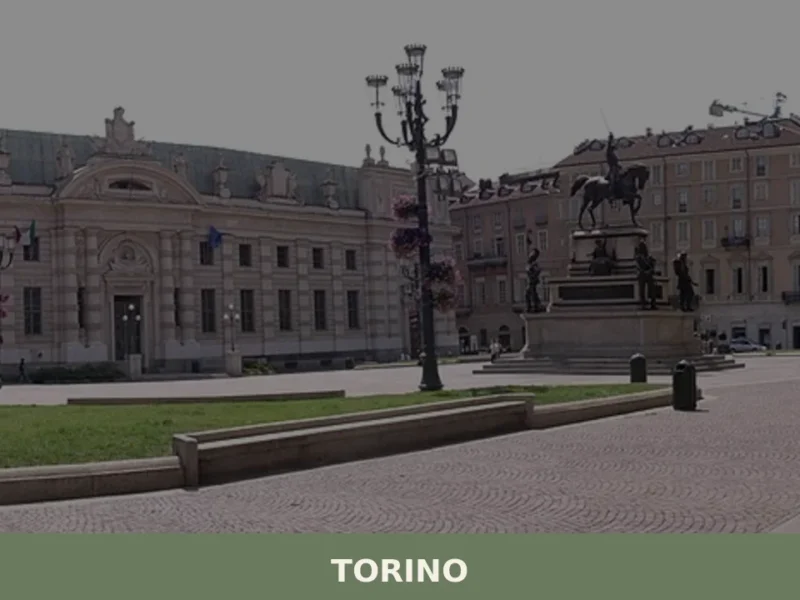
Torino
Hills
What to see in Torino: the city at 239m altitude with 841,600 residents. Explore 5 key attractions and Piedmontese cuisine. Read the full guide now.
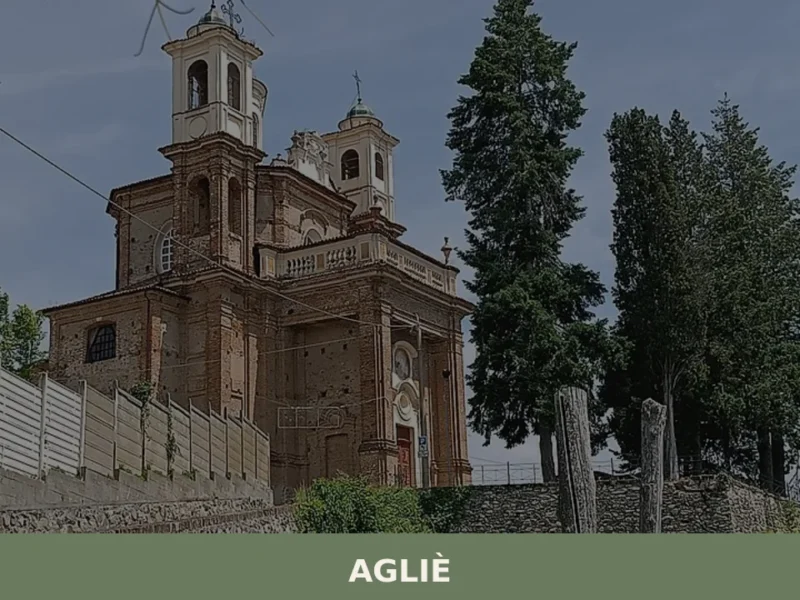
Agliè
Hills
In 1646, Count Filippo San Martino d’Agliè — diplomat, poet, choreographer at the court of Christine of France — danced in the great hall of the castle that bears his name, directing baroque festivities destined to reshape Savoyard court ceremony. That castle still dominates the village’s skyline today with its eighteenth-century façade stretching over one […]
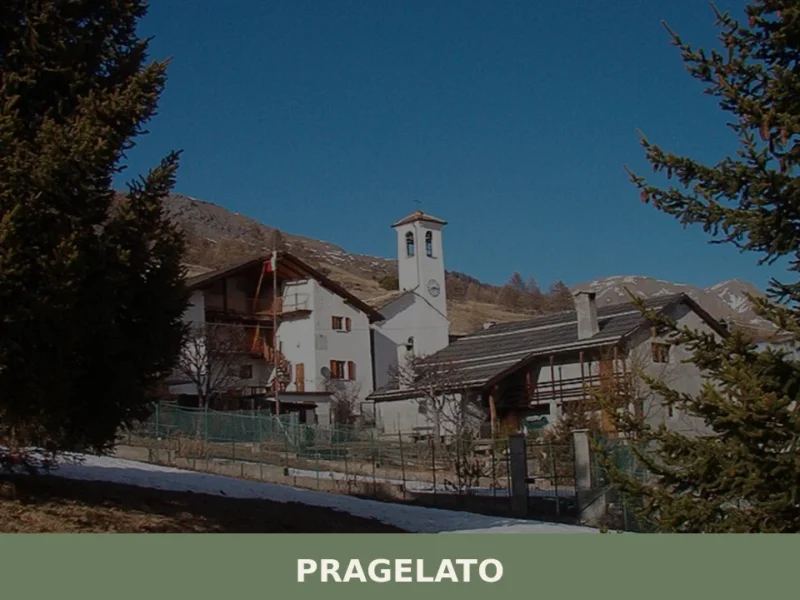
Pragelato
Mountain
Pragelato sits at around 1,524 metres above sea level in Val Chisone, approximately 82 kilometres west of Turin, and its Occitan name — Pradzalà or Prajalats — translates directly as “frozen meadow”, a reference to the high-altitude pastures that define the landscape here. With a resident population of 692, this is a compact Alpine commune […]
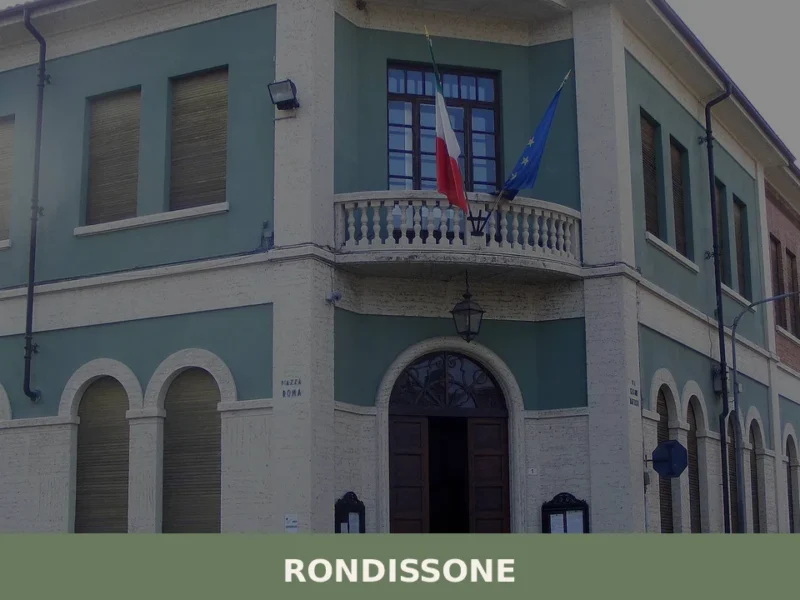
Rondissone
 Plains
Discover what to see in Rondissone, a Po plain comune near Turin inside the Parco Fluviale del Po torinese. History, food, travel tips and more.
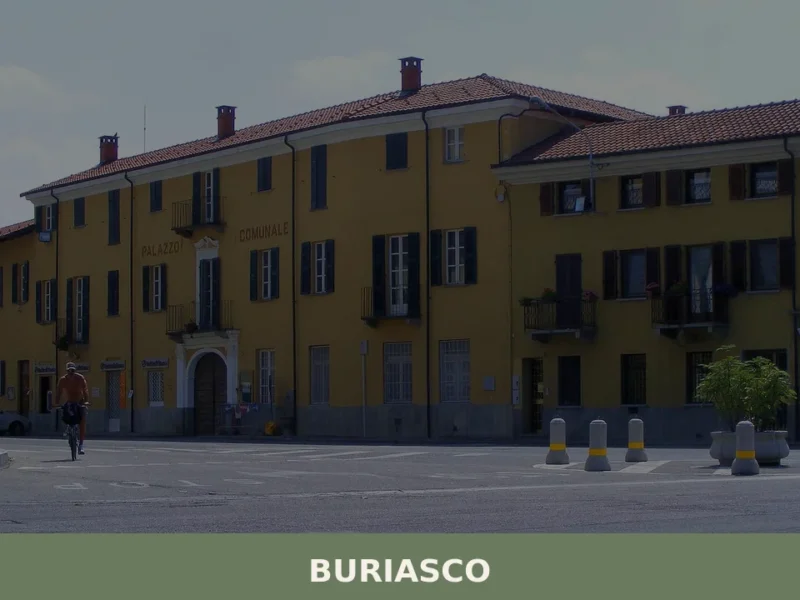
Buriasco
Hills
What to see in Buriasco, Italy: 5 top attractions, local food, festivals and how to get to this 301 m village near Turin. Discover Buriasco, Piemonte.
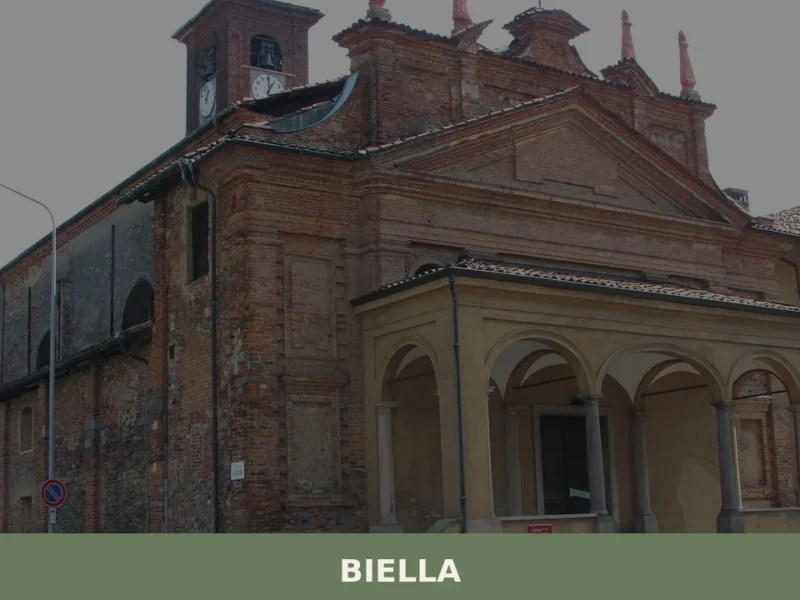
Biella
Hills
what to see in biella, Italy? Explore the UNESCO Sanctuary of Oropa and Biella's historic 420m altitude Piazzo quarter. Read our guide for top attractions.
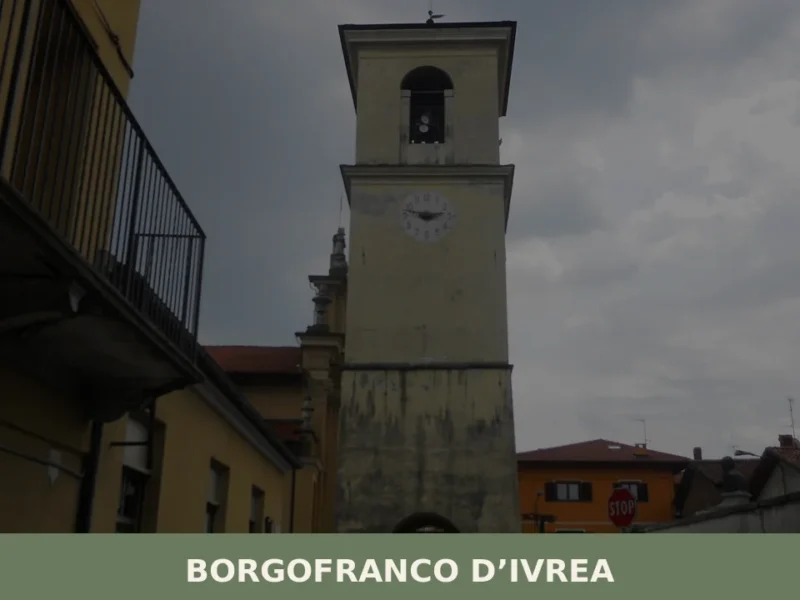
Borgofranco d’Ivrea
Hills
Discover what to see in Borgofranco d'Ivrea: medieval street grid, Serra d'Ivrea moraine, Canavese food and practical travel tips for this Piedmont village.
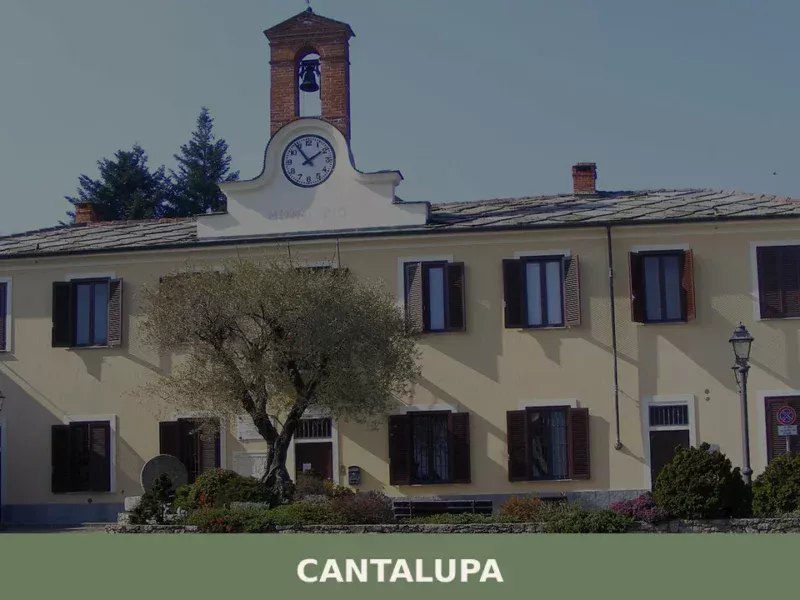
Cantalupa
Hills
Scopri Cantalupa borgo Piemonte: storia, tradizioni e attrazioni di uno dei gioielli nascosti delle colline piemontesi. Visita questo angolo autentico d'Italia!
Moriondo Torinese
Hills
Scopri Moriondo Torinese, un affascinante borgo del Piemonte ricco di storia, natura e tradizioni. Lasciati conquistare dalla sua bellezza autentica!

🏡 Know Rivara better than we do?
If you’re a local or have been there, your knowledge matters: add what’s missing or fix a detail on this page.