


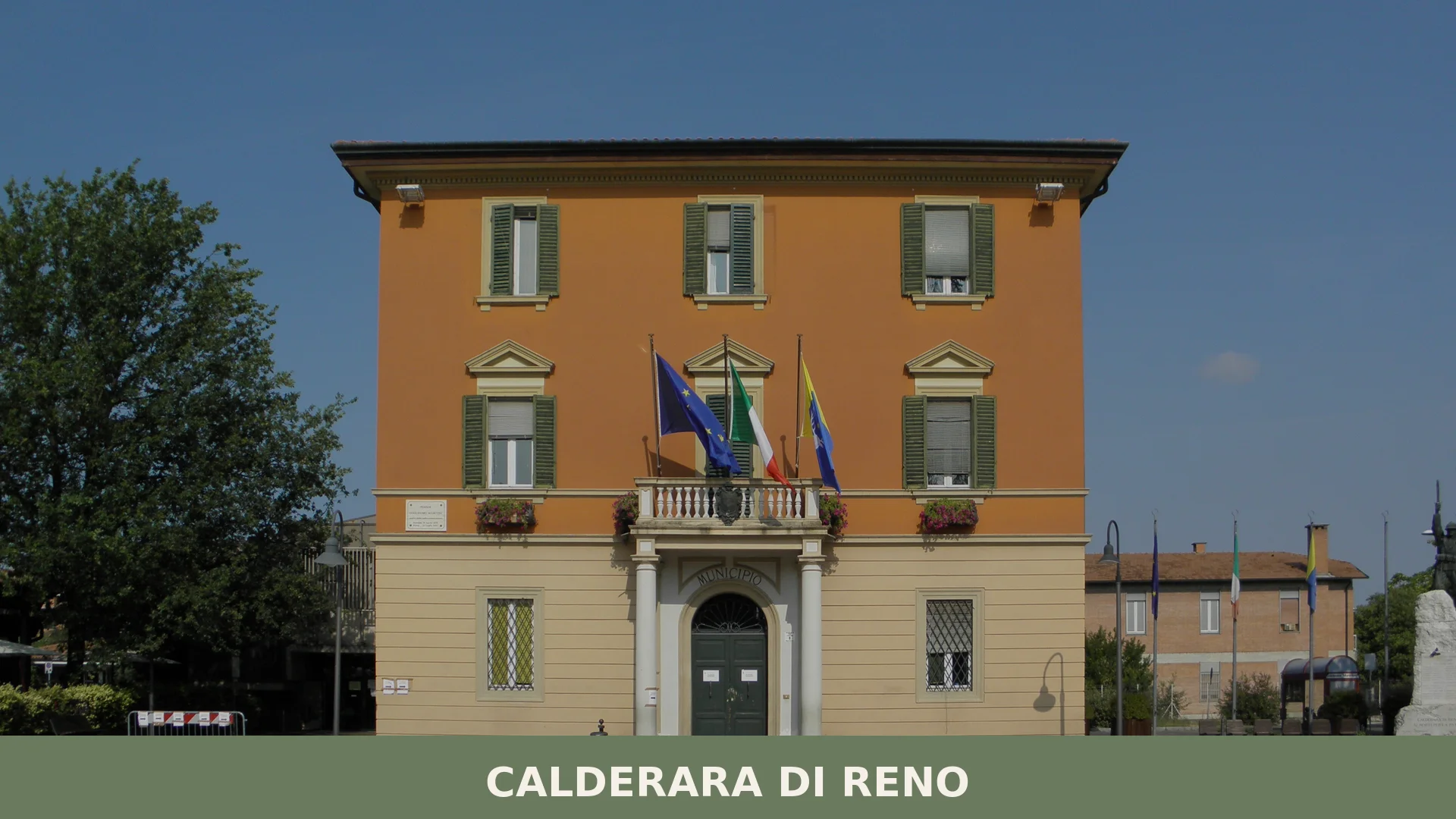
Calderara di Reno
 Plains
Calderara di Reno is a plains municipality of roughly 13,700 inhabitants in the Metropolitan City of Bologna, carrying a historical thread that runs from a first-century BC Roman gathering to a Napole
Discover Calderara di Reno
Calderara di Reno is a municipality of roughly 13724 inhabitants situated on the flat plain of the Bologna metropolitan area in Emilia-Romagna, lying at about 30 metres above sea level along the northwestern bank of the river Reno. Covering some 41.25 square kilometres, it was formally constituted as a commune in 1802 under Napoleonic administration — originally under the name “San Vitale e Calderara” — and has since grown from an agricultural settlement into a predominantly industrial and artisan town, receiving the official title of Città in December 2019.
The Calderara di Reno village in Emilia-Romagna carries historical layers that stretch far beyond its modern founding: the outlying locality of Sacerno, once called Mezzomondo, is traditionally identified as the site where Octavian, Mark Antony, and Marcus Aemilius Lepidus gathered in 43 BC to divide the Roman world, while a Benedictine rotunda built around the ninth century still stands there, absorbed into a later eighteenth-century church. Longara, another fraction of the commune, preserves the memory of early medieval Lombard settlement. Today the town belongs to the Unione dei comuni Terre d’acqua and is recognised among the Italian municipalities decorated for its role in the partisan resistance during the Second World War.
Calderara di Reno village in Emilia-Romagna: history and origins
Calderara di Reno is a settlement in the Bologna plain with roots reaching back to antiquity, formally established as a municipality in 1802 under Napoleonic rule under the name “San Vitale e Calderara,” with Agostino Carpi serving as its first mayor within the Canton of Bologna. Within a few years, the nearby localities of Longara and Sacerno were incorporated into the new commune, giving it the territorial shape it broadly retains today.
The oldest layers of local history are concentrated in two outlying localities. At Sacerno — known in earlier times as Mezzomondo — tradition holds that in 43 BC Octavian, Mark Antony, and Marcus Aemilius Lepidus met to divide the territories of the Roman world between them. The same locality preserves a Rotunda built by Benedictine monks around the ninth century, later incorporated into a church of eighteenth-century design. At Longara, the Lombards established a settlement during the early medieval period.
Churches, a Roman-Age Site and Civil Landmarks across Calderara di Reno
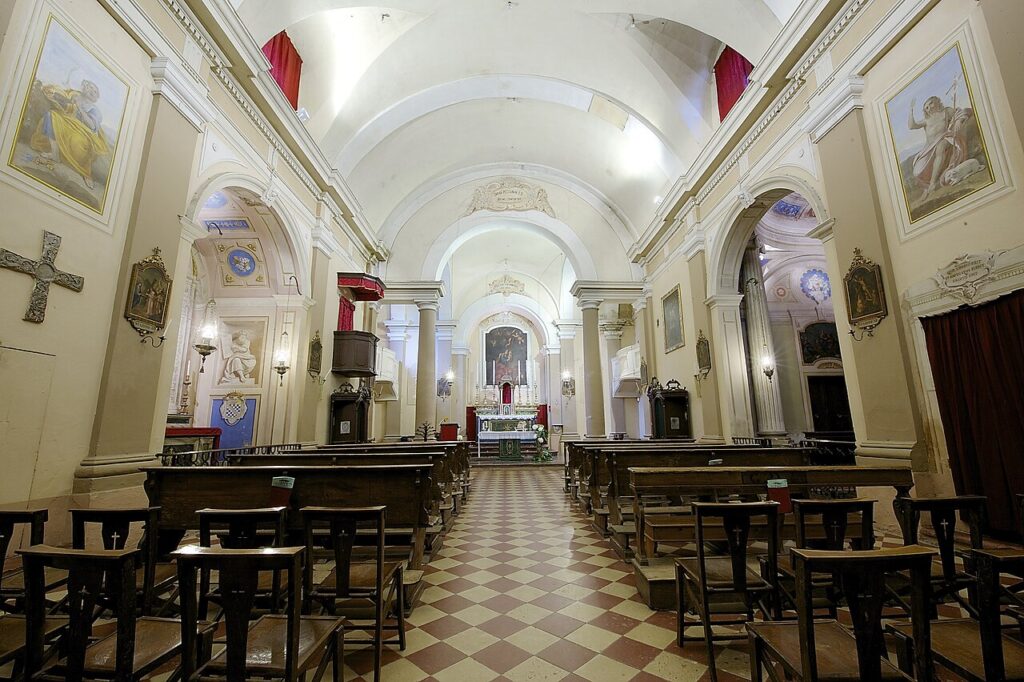
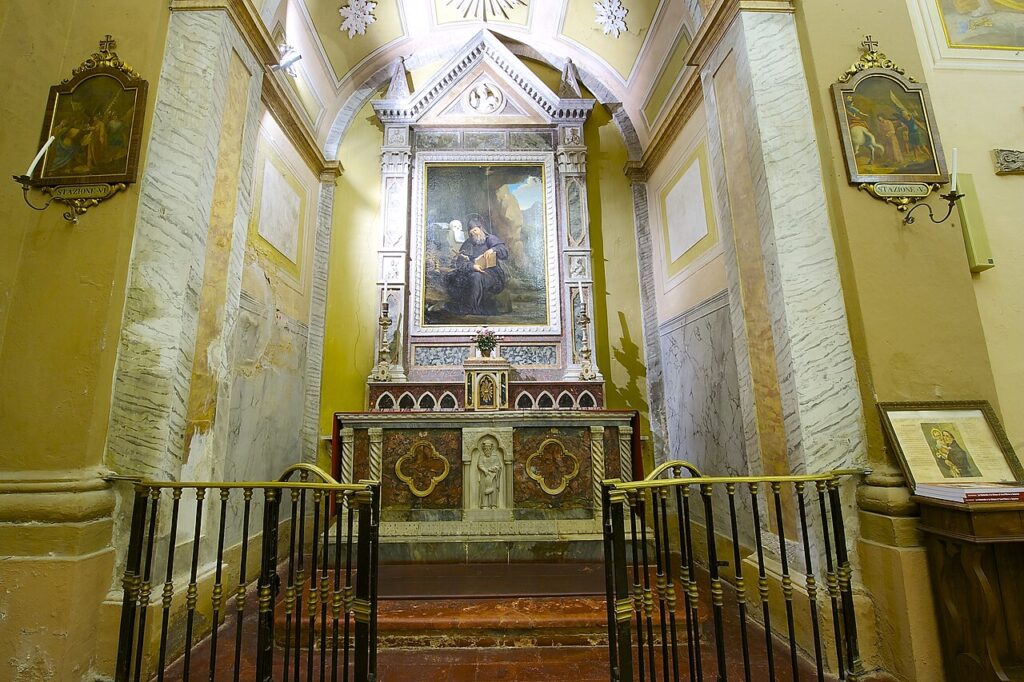
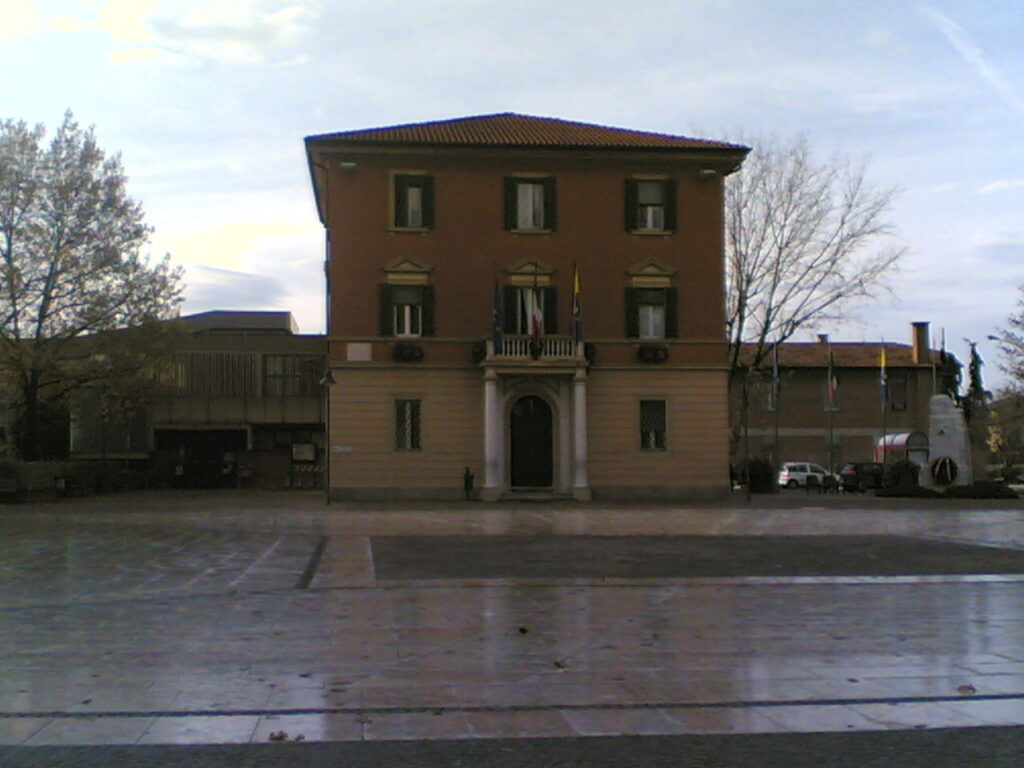
Calderara di Reno offers visitors several religious buildings spread across the town and its fractions, a historically significant site in the locality of Sacerno, and a handful of civil and cultural landmarks, including Villa Bassi and the Casa della Cultura Italo Calvino.
The Rotonda of Sacerno and the Cippo
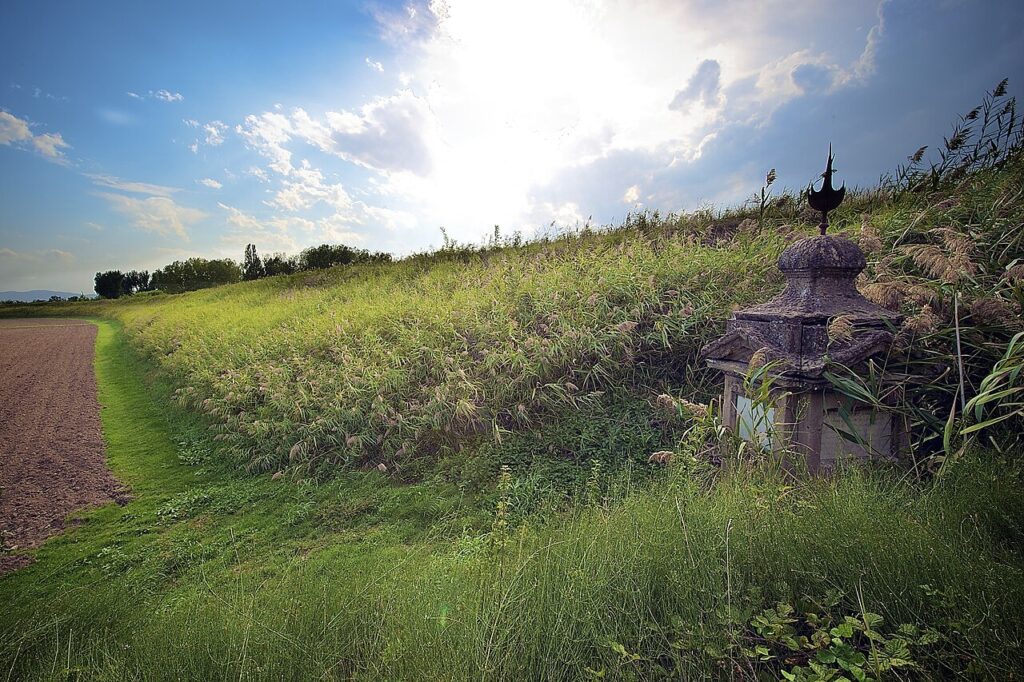
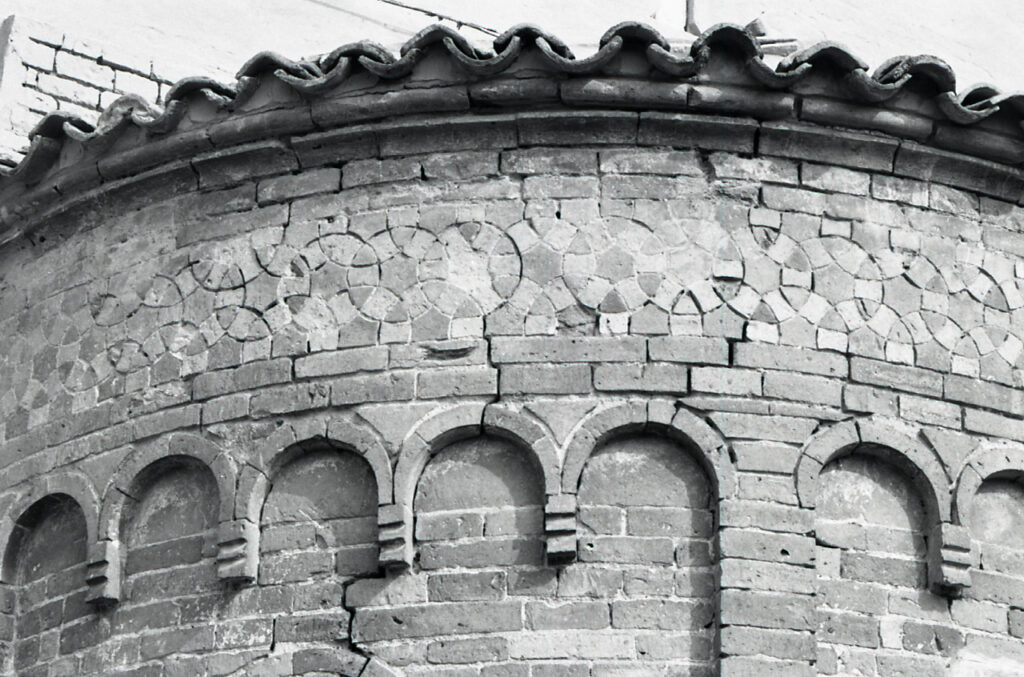
In the locality of Sacerno — once known as Mezzomondo — a circular structure built by Benedictine monks around the ninth century survives, incorporated into a church of eighteenth-century layout. Sacerno is also identified as the place where, in 43 BC, Octavian, Mark Antony and Marcus Aemilius Lepidus met to negotiate the division of Roman territories. A commemorative marker, the Cippo di Sacerno, recalls this event. Villa Bassi, also in Sacerno, completes the points of interest in this fraction.
Church of Sant’Elena (Sacerno)
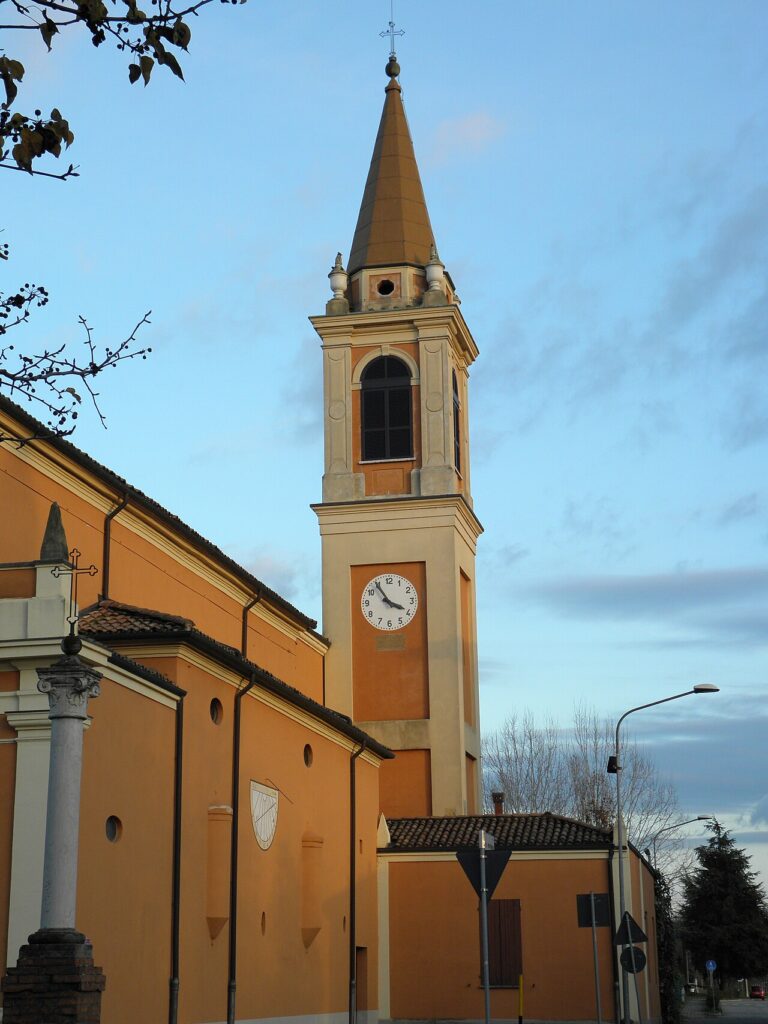
Dating in its origins to the thirteenth century, this church in Sacerno stands on the remains of earlier structures.
Church of San Michele Arcangelo (Longara)
Located in the fraction of Longara, the church has a documented history spanning from the thirteenth to the twentieth century.
Church of San Vitale
Situated outside the main built-up area, between San Vitale Grande and Longara, this church gives its name to the nearby protected natural area, the Golena San Vitale.
Ex Church of Santa Maria di San Vitale
Found in the locality of San Vitale Grande, this former church was once part of the Benedictine monastery of Castellazzo, which has since disappeared.
Church of Santa Maria and Church of San Filippo Neri
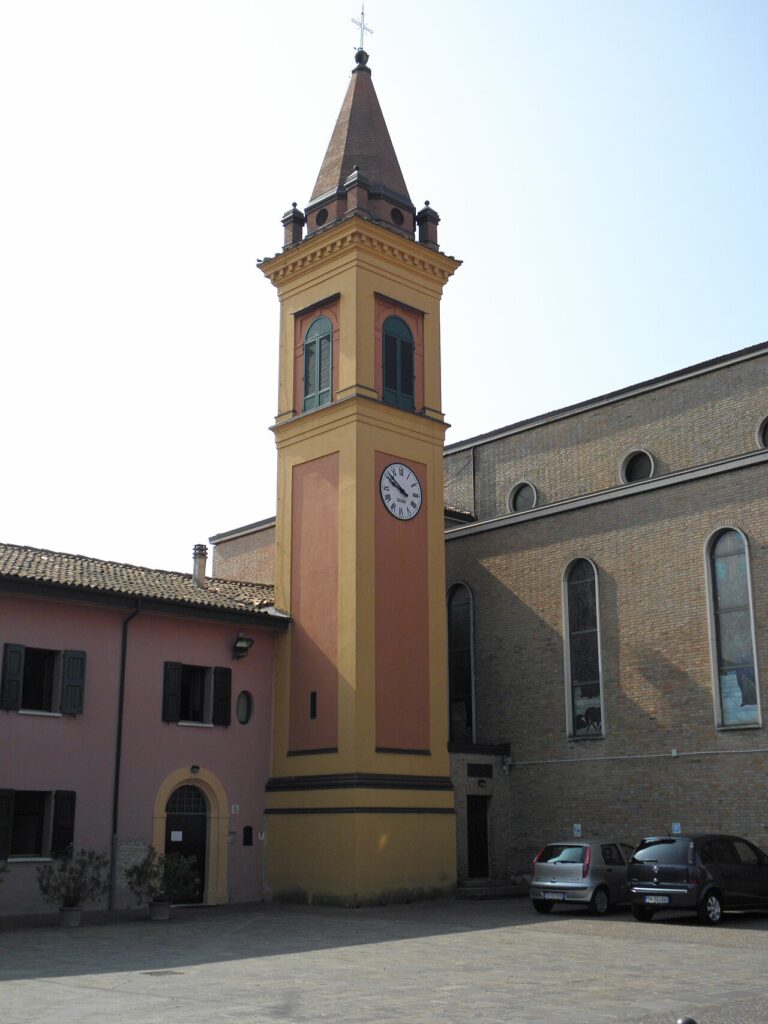
The Church of Santa Maria dates to the nineteenth century. The Church of San Filippo Neri, in the fraction of Lippo, belongs to the twentieth century.
Casa della Cultura Italo Calvino
Opened in 2018, this cultural centre hosts the town’s main public cultural activities. The municipality also houses a branch of the Museo Archeologico Ambientale.
Flavours of Calderara di Reno and the Bologna Plain
Calderara di Reno sits within a rich agricultural belt around Bologna where several certified products from the broader provincial and regional area are worth seeking out, including Asparago verde di Altedo IGP, Ciliegia di Vignola IGP, Amarene Brusche di Modena IGP, and Cotechino Modena IGP, alongside the aged Formaggio di Fossa di Sogliano DOP.
The surrounding territory also falls within recognized wine appellations. The Reno DOC and Sillaro / Bianco del Sillaro IGT are the designations most directly associated with the area, while the Colli Bolognesi DOC covers the hillside zones nearby. Broader regional appellations present in the territory include Romagna Albana DOCG.
Among the traditional liqueur and spirits preparations cited for the wider Emilia-Romagna region, local craft production has historically included herbal and fruit-based preparations such as Bargnolino (a sloe-berry liqueur), Anicione, and Macerato di pere in grappa, though these are regional traditions rather than specialities exclusive to this commune.
Planning your visit and getting there
Calderara di Reno can be reached easily from the lower Val Pellice and the Turin area. The practical distances and journey times below are kept concise on purpose, so the access information stays clear and consistent.
| Departure | Distance | Time |
|---|---|---|
| Bologna (centro) | approx. 14 km | 15-20 min |
| Anzola dell'Emilia | approx. 7 km | 10 min |
| Argelato | approx. 10 km | 12-15 min |
| Aeroporto di Bologna (BLQ) | approx. 8 km | 10-15 min |
These practical reference points are enough to plan the journey without overloading the text with unstable logistics. Once on site, the village is best understood slowly, on foot and in relation to the surrounding landscape.
Frequently asked questions about Calderara di Reno
What is the best time to visit Calderara di Reno?
October is an excellent choice, coinciding with the Patron Saint Festival of San Petronio on October 4th, which celebrates the town's spiritual heritage. The autumn season offers mild weather typical of the Emilia-Romagna plain. Summer can be warm, while winters are cold and sometimes foggy. Spring provides pleasant conditions for exploring the flat landscape and cycling routes through the agricultural countryside surrounding the municipality.
How far is Calderara di Reno from Bologna, and how do I get there?
Calderara di Reno lies approximately 15 kilometres northwest of Bologna city centre. By car, take the A13 motorway toward Padua and exit toward Calderara. Regional trains and buses connect Bologna to the municipality. The flat terrain and proximity to Bologna make it accessible by bicycle. The nearest major railway station is Bologna Centrale, with onward connections by local transport.
What historical significance does Sacerno hold within Calderara di Reno?
Sacerno, formerly called Mezzomondo, is traditionally identified as the site where Octavian, Mark Antony, and Marcus Aemilius Lepidus met in 43 BC to divide the Roman world. A ninth-century Benedictine rotunda still stands there, later incorporated into an eighteenth-century church. This locality represents a remarkable intersection of Classical Roman history and medieval religious architecture within the commune.
What outdoor activities are available in the surrounding area?
The flat Emilia-Romagna plain around Calderara di Reno is ideal for cycling. The municipality's membership in the Unione dei comuni Terre d'acqua (Union of Water Lands municipalities) indicates waterway-related features and scenic routes through agricultural landscapes. The proximity to the Reno River offers opportunities for nature walks. Local cycling routes connect to the broader regional network throughout the Bologna plain.
When did Calderara di Reno receive city status, and what is its significance?
Calderara di Reno was officially granted the title of Città (City) in December 2019, recognizing its evolution from a small agricultural settlement founded in 1802 under Napoleonic rule into a significant industrial and artisan centre. This designation reflects the municipality's growth and importance within the Bologna metropolitan area and Emilia-Romagna region.
📷 Photo Gallery — Calderara di Reno

In Emilia-Romagna More villages to discover
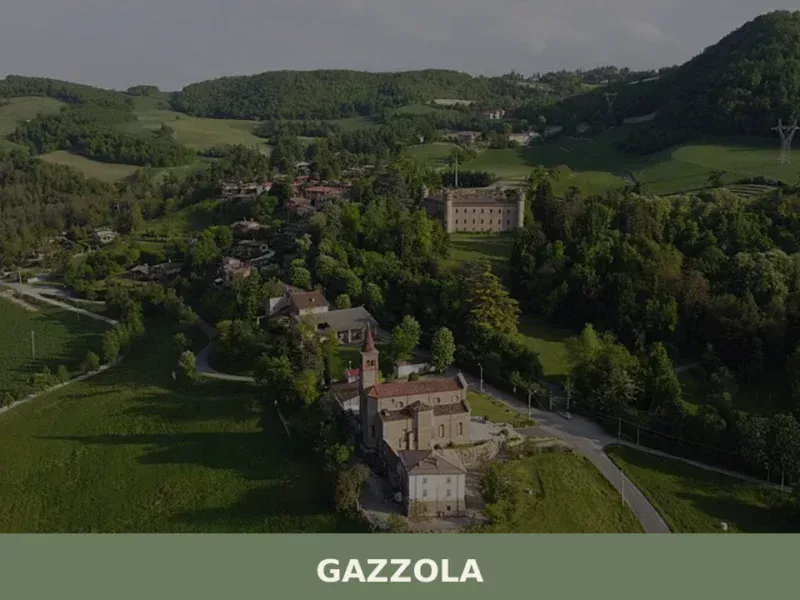
Gazzola
Plains
What to see in Gazzola, a Piacenza hill village at 146 m with 2,050 residents. Explore Rivalta Castle, the Luretta valley and Colli Piacentini DOC wines. Plan your visit.
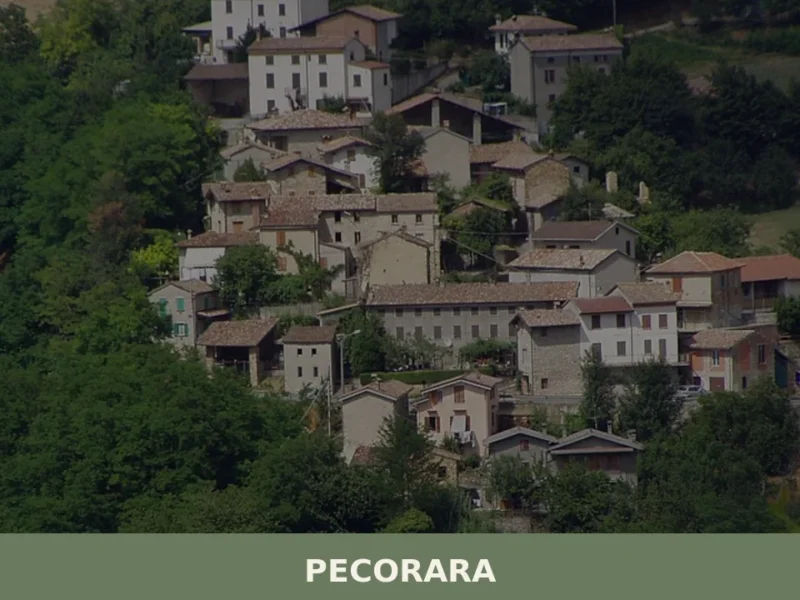
Pecorara
 Hills
Hills
What to see in Pecorara? Discover 5 must-see attractions in this Emilia-Romagna village. Read the full guide and plan your visit!

Sorbolo
Plains
Sorbolo offers 3,000 years of history from Bronze Age terramare to Farnese noble palaces. Visit for Roman centuriation, a Serassi organ and authentic Po Valley cuisine.
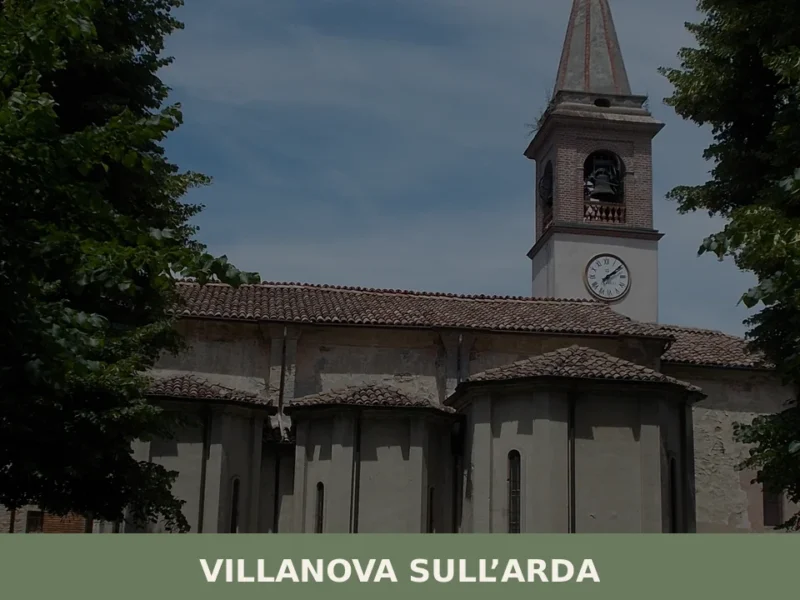
Villanova sull’Arda
Plains
In 1813, in the hamlet of Sant’Agata, Giuseppe Verdi was born — the composer who would rewrite the history of European melodrama. Villanova sull’Arda, home to 1,894 inhabitants in the Bassa Piacentina lowlands, still bears the marks of that bond: the villa where Verdi lived for over half a century with soprano Giuseppina Strepponi stands […]
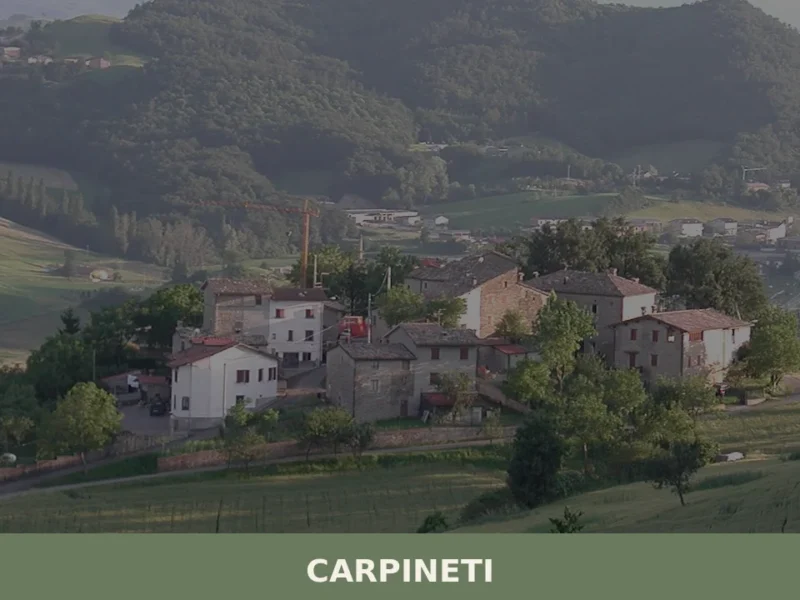
Carpineti
Hills
What to see in Carpineti: from the Rocca dei Canossa to the traditional flavors of the Apennines. Find out how to get there and plan your visit.
Campagnola Emilia
Plains
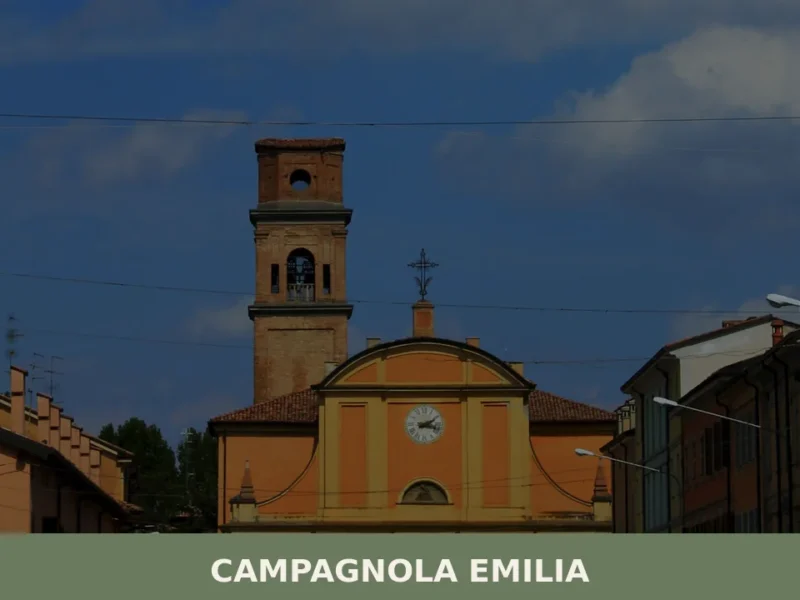
What to see in Campagnola Emilia, Italy: explore a Po Plain comune at 22 m altitude, 25 km from Reggio Emilia. Discover local festivals and food. Read the guide.
Ferrara
Plains
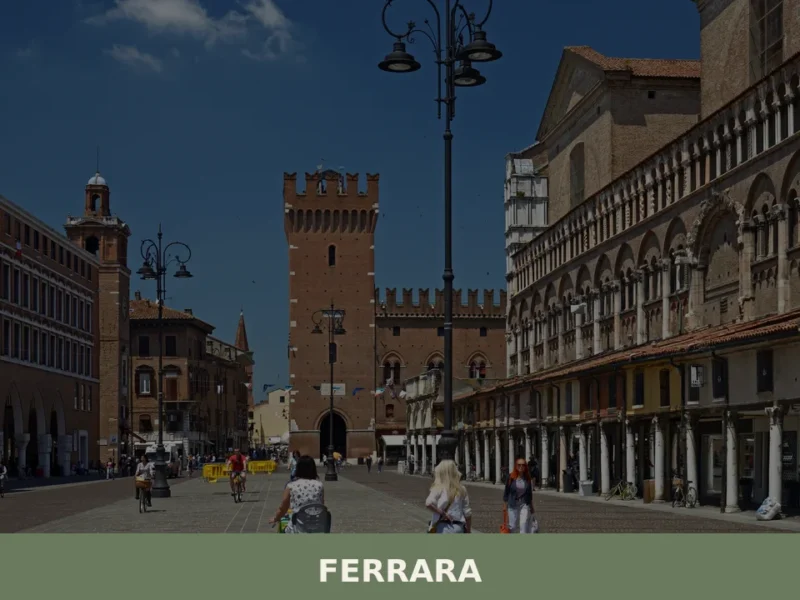
What to see in Ferrara? Explore 6 attractions, from the Estense Castle to the Palio at this city of 135,000. Discover Ferrara’s unique architecture today!
Grizzana Morandi
Hills
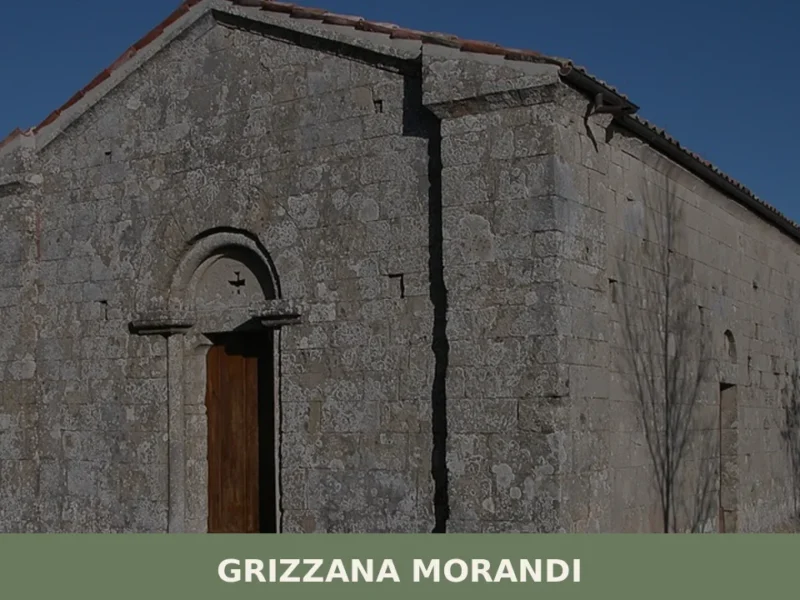
In 1929, the Bolognese painter Giorgio Morandi travelled to Grizzana for the first time — a scattered municipality in the Emilian Apennines that he would return to every summer for over thirty years. From the barns and tower-houses of this valley, he painted hundreds of landscapes, transforming the clay badlands and mountain ridgelines into universal […]
Modena
Plains
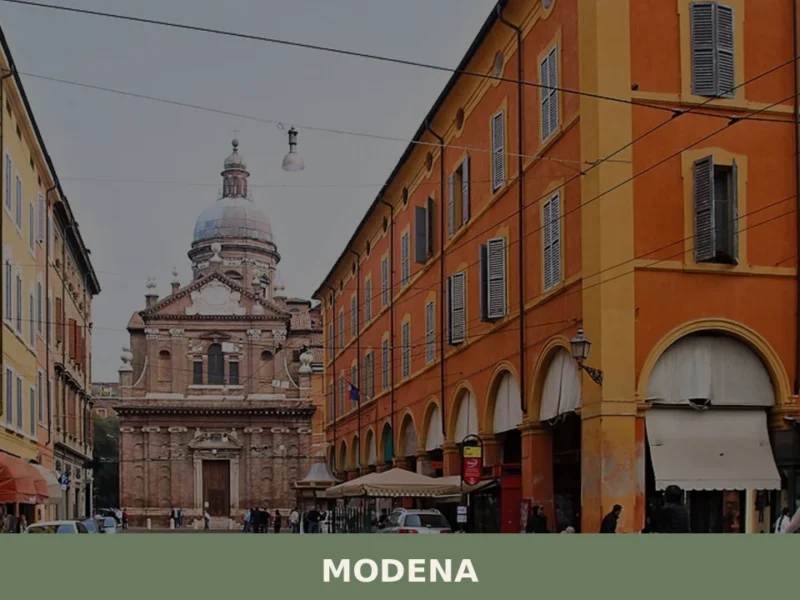
what to see in modena. Discover the UNESCO Duomo and Ducal Palace. Explore this city of 179,000+ residents and taste typical Modenese products.
Ravenna
 Sea
Sea
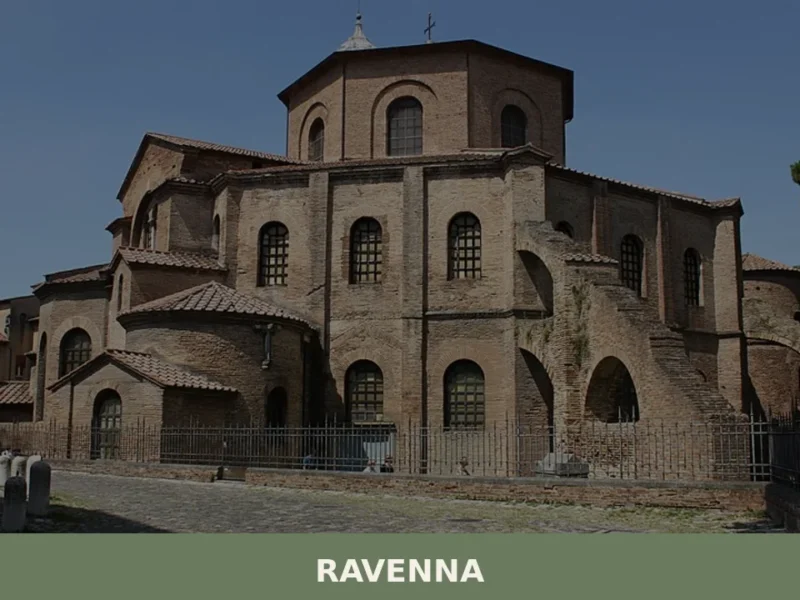
With a population of 155,751 inhabitants and located just 4 m above sea level, Ravenna stands out as one of Emilia-Romagna’s most significant centers, a historical crossroads that has shaped the region’s identity. In this article History and origins of Ravenna What to see in Ravenna: main attractions Typical cuisine and products of Ravenna Festivals, […]

🏡 Know Calderara di Reno better than we do?
If you’re a local or have been there, your knowledge matters: add what’s missing or fix a detail on this page.