


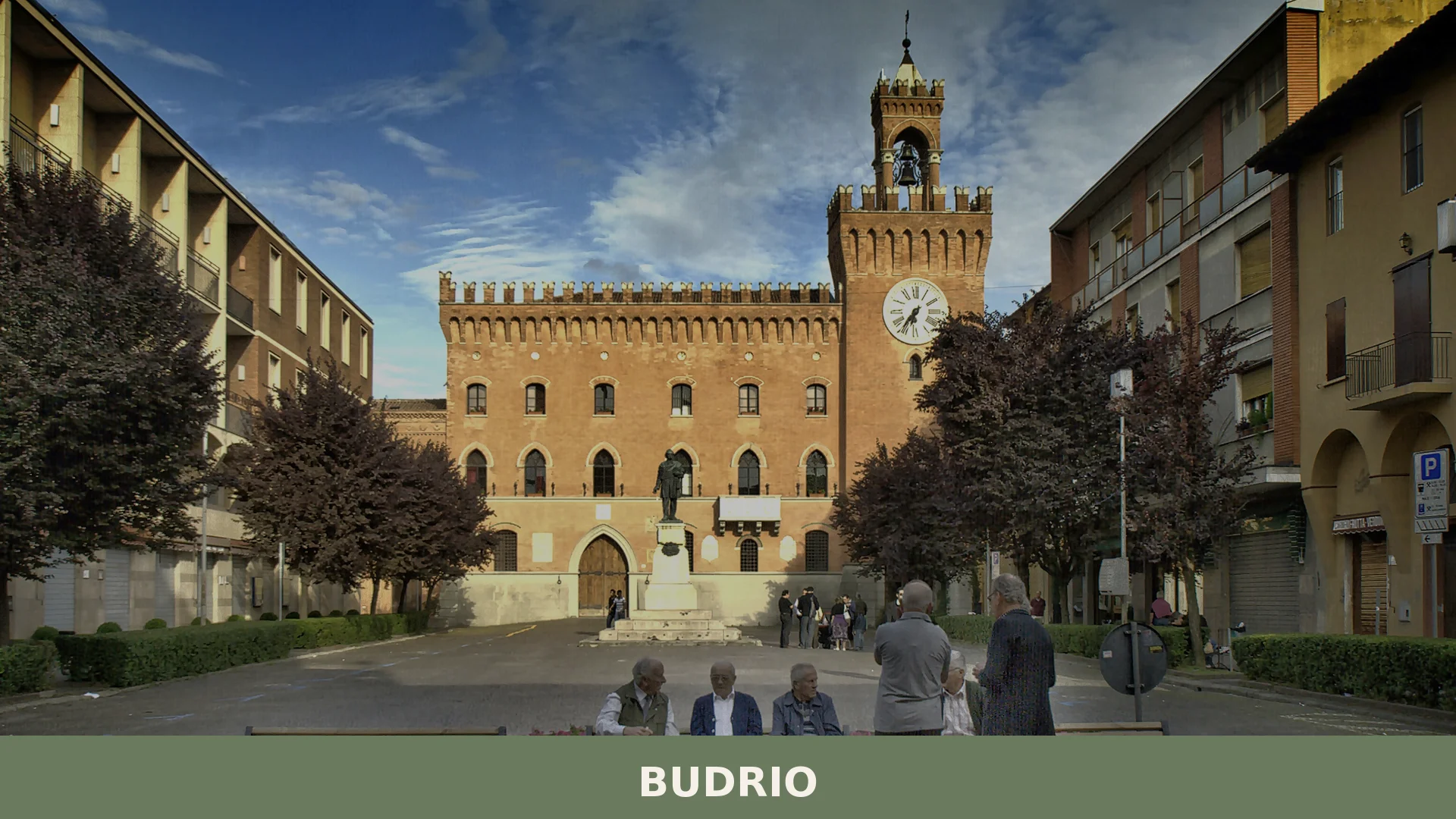
Budrio
 Plains
Budrio is a historic town of around 18,400 inhabitants near Bologna, known worldwide as the birthplace of the ocarina and home to an exceptional cluster of museums within its fourteenth-century fortif
Discover Budrio
Budrio is a town of around 18421 inhabitants in the Metropolitan City of Bologna, Emilia-Romagna, sitting on the Po Plain at an altitude of 25 metres and covering roughly 120.14 square kilometres. Positioned approximately 20 kilometres from Bologna — a drive of around 20 to 25 minutes — it is a compact historic centre whose streets preserve traces of Roman centuriation in the surrounding countryside, medieval fortification walls, five towers from the fourteenth and fifteenth centuries, and a remarkable concentration of museums dedicated to subjects ranging from prehistoric archaeology to the ocarina, a wind instrument invented here by local craftsman Giuseppe Donati in the mid-nineteenth century.
Budrio village in Emilia-Romagna carries a cultural record that consistently exceeds what its modest size might suggest: a pinacoteca founded on a donation made in 1821, a puppet museum housing thousands of pieces from marionette families across Italy, a nursing history museum that is the first of its kind in the country, and a rehabilitation centre in the frazione of Vigorso that in 1965 produced the world’s first fully functional myoelectric hand. Patriots, surgeons, explorers and musicians all figure in the town’s story, and the physical evidence of their era — towers, palaces, churches and arcaded streets — remains woven into daily life in the centre.
Budrio village in Emilia-Romagna: history from Roman centuriation to the modern era
Budrio’s recorded history stretches from Roman colonisation, when the territory was divided into land parcels granted to legionaries in the process known as centuriation, through a medieval refounding around the tenth or eleventh century, a fourteenth-century fortification campaign ordered by Cardinal Egidio Albornoz, and a series of nationally significant events in medicine, exploration and politics that continued into the twentieth century. The regular grid of boundaries and irrigation channels laid out by Roman surveyors remains partly legible in the surrounding countryside to this day. From finds made in the area, scholars place the establishment of the nucleus that became the modern town in the tenth or eleventh century; the church of San Lorenzo was already in use by 1146.
The physical form of the present historic centre owes much to Cardinal Albornoz, who in the fourteenth century ordered Budrio rebuilt as a fortified castle. The two towers to the north-west and south-west, with their distinctive trapezoidal plan, were raised in 1376; those to the north-east and south-east, circular in plan, followed in the century after. The enlargement of the defensive circuit, which incorporated the surrounding borgo within the castle perimeter, was completed around the early sixteenth century. The sole surviving stretch of the fourteenth-century walls is still visible near Piazza Matteotti.
The nineteenth century brought Budrio into wider national prominence through several remarkable figures. Giuseppe Barilli, born here in 1812 and known under the pen name Quirico Filopanti, served as Secretary of the Roman Republic in 1849, was appointed Professor of Mechanics and Hydraulics at the University of Bologna in 1860, and sat repeatedly in the national parliament before his death in 1894. At his funeral, among the speakers was Andrea Costa, recognised as the first socialist deputy in Italian parliamentary history. The main square of Budrio was subsequently named after Filopanti and adorned with a bronze statue by the sculptor Tullo Golfarelli. On 16 January 1881, Ettore Guizzardi was born in Budrio; he would later take part in the celebrated Peking–Paris raid alongside Prince Scipione Borghese and journalist Luigi Barzini, serving as mechanic and driver of the Itala. On 27 December 1899, the surgeon Benedetto Schiassi performed the first subarachnoid anaesthesia carried out in Italy at the local hospital.
The twentieth century added further chapters of international significance. From 1965, under director Johannes Schmidel, the INAIL Prosthetics Centre in the Vigorso fraction of Budrio achieved a world first with the development of the earliest fully functional myoelectric hand. The centre has remained a global reference in prosthetics ever since, and among those who received prostheses there are athletes Alex Zanardi and Bebe Vio.
Towers, Museums and Sacred Architecture in Budrio
Budrio offers visitors a compact historic centre with medieval fortifications, five museums covering topics from archaeology to puppet theatre, several churches spanning different centuries, and a notable body of civic art — all within a flat town of around 18421 inhabitants at 25 metres above sea level.
The Medieval Towers and Town Walls
The defensive perimeter of Budrio was begun in the fourteenth century at the behest of Cardinal Egidio Albornoz, who ordered the town rebuilt as a fortified settlement. The two towers to the north-west and south-west, both of trapezoidal plan, were raised in 1376. Their counterparts to the north-east and south-east, which have a circular plan, followed in the fifteenth century, during an enlargement of the walls that enclosed the surrounding borough within the castle perimeter; the work was completed at the beginning of the sixteenth century. Of the original fourteenth-century circuit, only a single surviving stretch remains visible near Piazza Matteotti.
Palazzo Comunale and Civic Tower
The current town hall was built in the fifteenth century and thoroughly reworked in the neo-Gothic style during the eighteen-eighties by the local engineer Luigi Menarini, who declined any payment for the project. The civic tower with its large clock stands directly adjacent; it too was rebuilt in neo-Gothic form by Menarini. The council chamber was furnished to designs by Alfonso Rubbiani, who was serving as a town councillor in Budrio at the time.
Church of Santi Gervasio e Protasio
The principal parish church of Budrio, also known as the pieve di Budrio, traces its foundation to 401. Its present appearance is neoclassical, while the bell tower preserves its Romanesque form. In the sacristy hangs a painting, Madonna e santi, by Gaetano Gandolfi.
Church of San Lorenzo Martire
Already documented as functioning in 1146, this church was rebuilt in the seventeenth century and completed to a design by Alfonso Torreggiani.
Other Churches
The town and its fractions contain several further places of worship that can be visited: the church of Sant’Agata, the church of Santa Margherita, and the church of San Michele Arcangelo in the fraction of Mezzolara.
Pinacoteca Civica Domenico Inzaghi
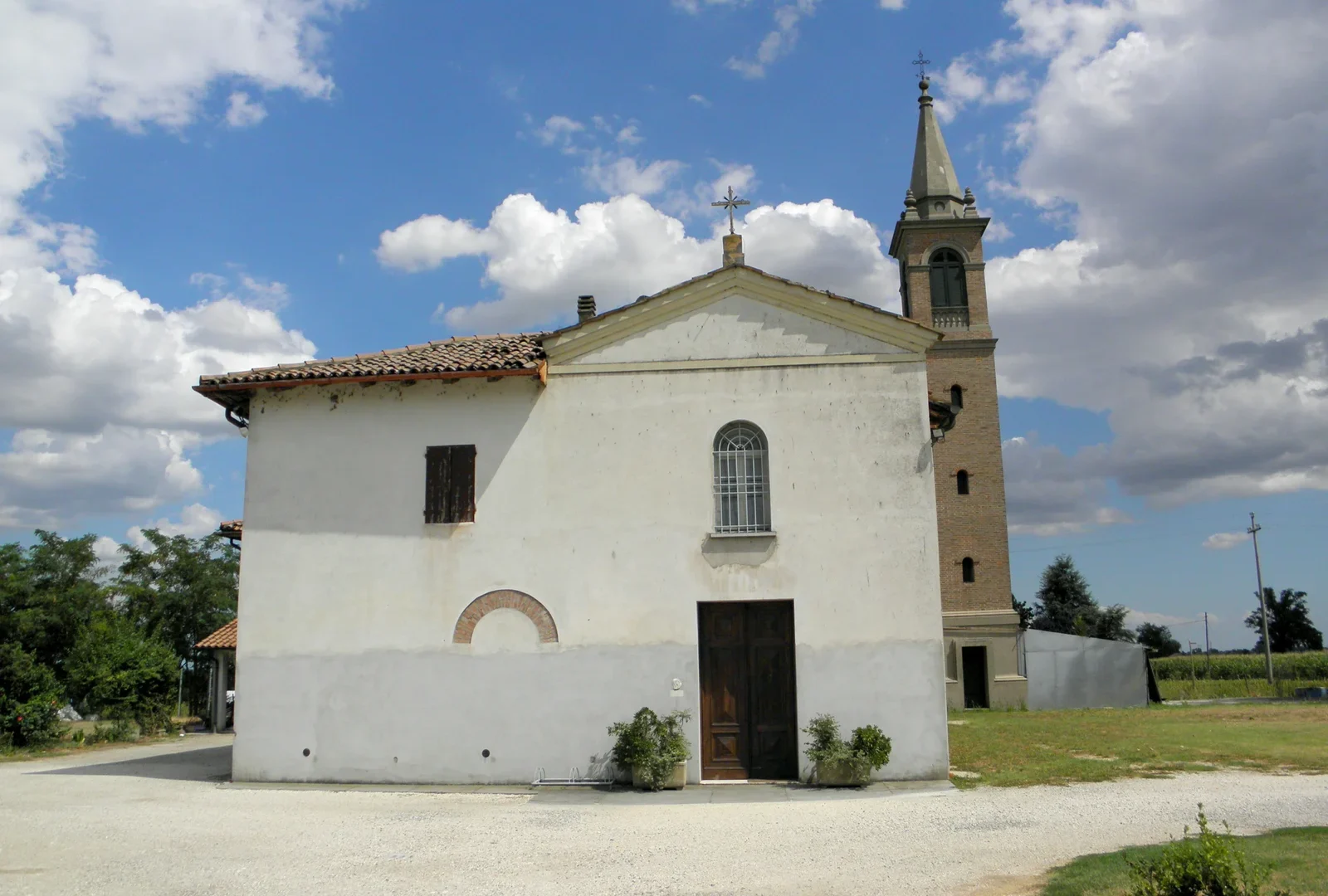
The civic picture gallery was established in its first form in 1821, when Domenico Inzaghi donated his private collection of paintings, drawings and prints to the Partecipanza, an ancient agrarian institution of medieval origin. On the death of the collector’s widow in 1839 the bequest passed formally to the Partecipanza. When that body was dissolved in 1931, everything transferred to the municipality, which that same year founded the pinacoteca in Palazzo Boriani — the former seat of the Partecipanza — a building that had been acquired in the early nineteenth century by the Dalla Noce family, who had it restored and frescoed.
Museo Civico Archeologico e Paleoambientale “E. Silvestri”
Founded in 1968 and opened to the public in 1982, this museum displays materials arranged in chronological order: Bronze Age and Iron Age finds alongside Roman-period objects, all recovered through excavations and surface surveys conducted from the nineteen-seventies onward in the lower Idice valley and in the administrative districts of Castenaso and Budrio. A multimedia tool and a scale model allow visitors to follow the development of the landscape and its settlements across the centuries.
Museo dell’Ocarina e degli Strumenti Musicali in Terracotta
Opened in December 1994, the museum holds models, photographic documentation and other material relating to the ocarina — a wind instrument in fired clay whose origins at Budrio go back to the middle of the nineteenth century, when it was created by local craftsman Giuseppe Donati. Alongside the Budrio ocarina the collection includes globular flutes and small terracotta instruments from many different countries.
Museo dei Burattini
Housed across two separate premises, including the historic building known as the Casina del Quattrocento in the town centre, the puppet museum documents the history of animated theatre through thousands of puppets and marionettes assembled by Vittorio Zanella and Rita Pasqualini of the company “Teatrino dell’Es.” The pieces are grouped by family or company of origin, drawing from marionette, puppet and pupara traditions across Italy.
Mostra Storica dell’Assistenza Infermieristica – MOSAI
MOSAI, now located in Via Zenzalino Sud 2, is described as the first museum in Italy dedicated to the social and environmental changes in nursing care from the period after the Second World War through to the nineteen-eighties. It was inaugurated in 2000 and later transferred to its current Budrio address.
Centro Protesi INAIL, Vigorso di Budrio
In the fraction of Vigorso stands the INAIL Prosthetics Centre, which gained international recognition from 1965 onward under director Johannes Schmidel, when it produced the first fully functional myoelectric hand in the world. The centre has remained at the forefront of prosthetics ever since; among those who received prostheses here are the racing driver and Paralympic athlete Alex Zanardi and the fencer Bebe Vio.
Villa Floriano and the Casino di Malvezzi
Aurelio Malvezzi had a casino built in 1623 on an earlier structure that had belonged to the Cospi family. In 1737 Alfonso Torreggiani transformed the main complex into what is now known as the Villa Floriano.
Castello dei Bentivoglio, Bagnarola
A few kilometres north of the town centre, in the fraction of Bagnarola, stands the castle of the Bentivoglio family. It was built between 1475 and 1481, enlarging an earlier fortified structure dating from 1390.
Tastes of Budrio and the Bologna Plain
The territory around Budrio, in the broad agricultural plain of the Bologna province, is associated with several certified products: the Asparago verde di Altedo IGP, grown in this part of the Po valley, is among the most recognisable, while Ciliegia di Vignola IGP and Amarene Brusche di Modena IGP represent the fruit-growing tradition of the wider Emilian lowland. Cured meats are present in the form of Cotechino Modena IGP, and the aged Formaggio di Fossa di Sogliano DOP — ripened in tufa pits — rounds out the regional cheese offering accessible from Budrio.
For wine, the area falls within several denominations. The Romagna Albana DOCG is the only guaranteed-designation white of the zone, produced from the Albana grape in a range of styles from dry to passito. Alongside it, the Colli Bolognesi DOC and Reno DOC cover the hills and plains closest to Budrio, while the Sillaro / Bianco del Sillaro IGT takes its name from the watercourse that runs not far from the comune. Among traditional spirits listed as PAT products for the region, Bargnolino (a liqueur made from blackthorn berries) and Anicione (an anise-based distillate) have roots in the Emilian countryside.
None of these products is exclusive to the municipality of Budrio itself; they belong to the broader provincial and regional food landscape that visitors to the area will encounter at local markets and restaurants.
Reaching Budrio and Planning Your Stay
Budrio sits approximately 20 km east of Bologna and can be reached by car in roughly 20–25 minutes via the provincial road network, making it a straightforward day trip from the regional capital. The comune lies at 25 metres above sea level on the flat Po plain, covering an area of about 120 sq km, and its compact historic centre is easy to explore on foot once you have parked near one of the main piazzas.
The climate is continental, with cold winters (the average January temperature recorded at the nearby San Pietro Capofiume station is around 2.4 °C, with some 77 frost days per year) and warm summers peaking at roughly 23.8 °C in August. Late spring and early autumn offer the most comfortable conditions for walking between the medieval towers, the pinacoteca and the cluster of museums that distinguish Budrio among the smaller comuni of the Bologna plain. Nearby Castel Guelfo di Bologna and Argelato can be combined into a longer itinerary through the metropolitan territory, while Bologna itself — with its international airport and high-speed rail connections — is the natural gateway for visitors arriving from outside Italy.
| Departure | Distance | Time |
|---|---|---|
| Bologna | approx. 20 km | approx. 25-30 min |
| Ferrara | approx. 45 km | approx. 40-50 min |
| Imola | approx. 25 km | approx. 30 min |
These practical references help organise the journey clearly, while the village itself is best understood slowly and on foot once you arrive.
Frequently asked questions about Budrio
How do I reach Budrio from Bologna by car?
Budrio is located approximately 20 kilometres northeast of Bologna, about 20 to 25 minutes by car. From Bologna city centre, take the SS16 state road heading towards Ferrara, or use the A13 motorway (Bologna–Padua) exiting at Bologna Nord, then follow signs to Budrio. The town is well-connected to the metropolitan road network and accessible via several provincial roads.
What is the best time to visit Budrio?
Visit during late spring through early autumn for pleasant weather on the Po Plain. The patron saint feast of San Lorenzo is celebrated on August 10th with traditional festivities. Summer months offer ideal conditions for exploring the historic centre and outdoor cycling routes. Spring and early autumn provide comfortable temperatures for walking and museum visits without summer crowds.
What are the opening hours for Budrio's museums?
The town hosts several museums including a pinacoteca, puppet museum, and nursing history museum. Specific opening hours vary by institution and season. Contact the Budrio town tourism office or visit official municipal websites for current schedules. It is recommended to call ahead during winter months or before holiday periods to confirm availability and guided tour options.
Are there cycling routes around Budrio?
Budrio sits on the flat Po Plain, ideal for cycling. The surrounding countryside preserves Roman centuriation patterns visible from cycling paths. The region offers multiple documented cycling routes connecting small towns and rural landscapes. Local tourism resources and regional Emilia-Romagna cycling guides provide detailed maps. The flat terrain makes it accessible for cyclists of all levels exploring the agricultural landscape.
What is the ocarina and why is it connected to Budrio?
The ocarina is a small wind instrument that was invented in Budrio by local craftsman Giuseppe Donati in the mid-nineteenth century. The town features a dedicated museum celebrating this invention and its cultural significance. The ocarina became popular worldwide and remains an important part of Budrio's musical heritage and identity as a centre of musical instrument craftsmanship.
In Emilia-Romagna More villages to discover
Bagnara di Romagna
Plains
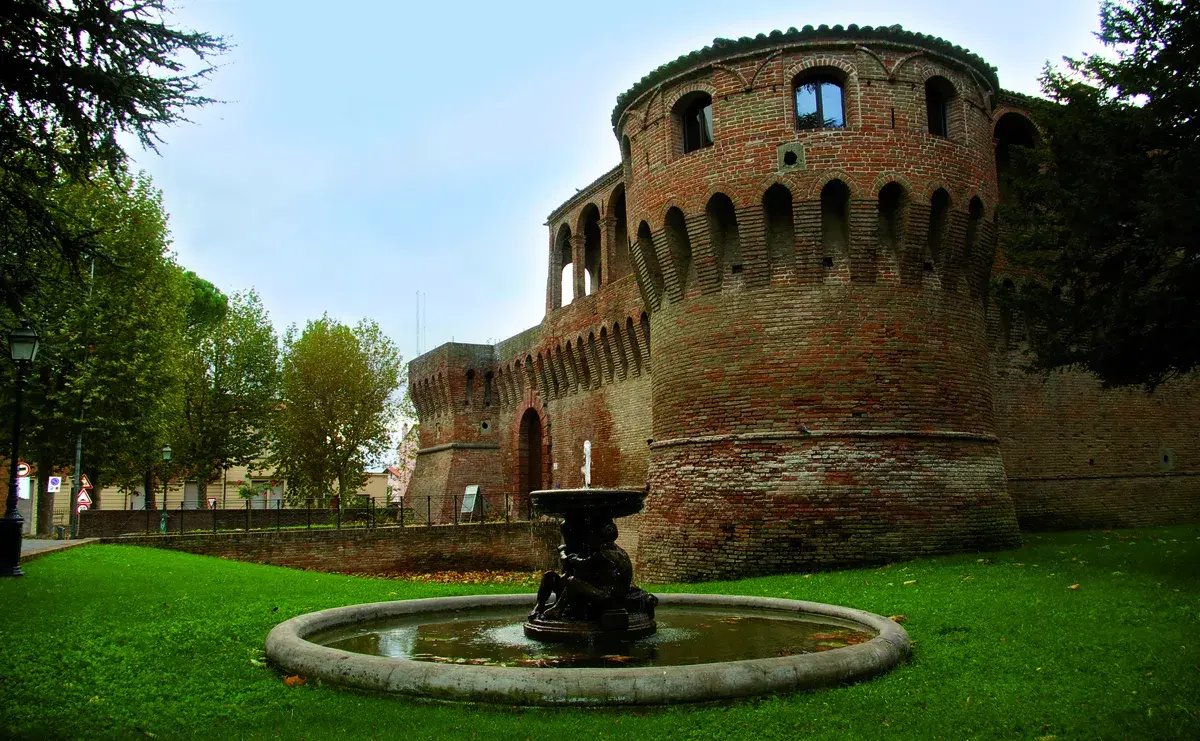
What to see in Bagnara di Romagna, Italy? Explore this 'Borgo più bello' at 22 m (72 ft) altitude. Discover its historical charm and annual Patron Saint's Feast.
Campogalliano
Plains
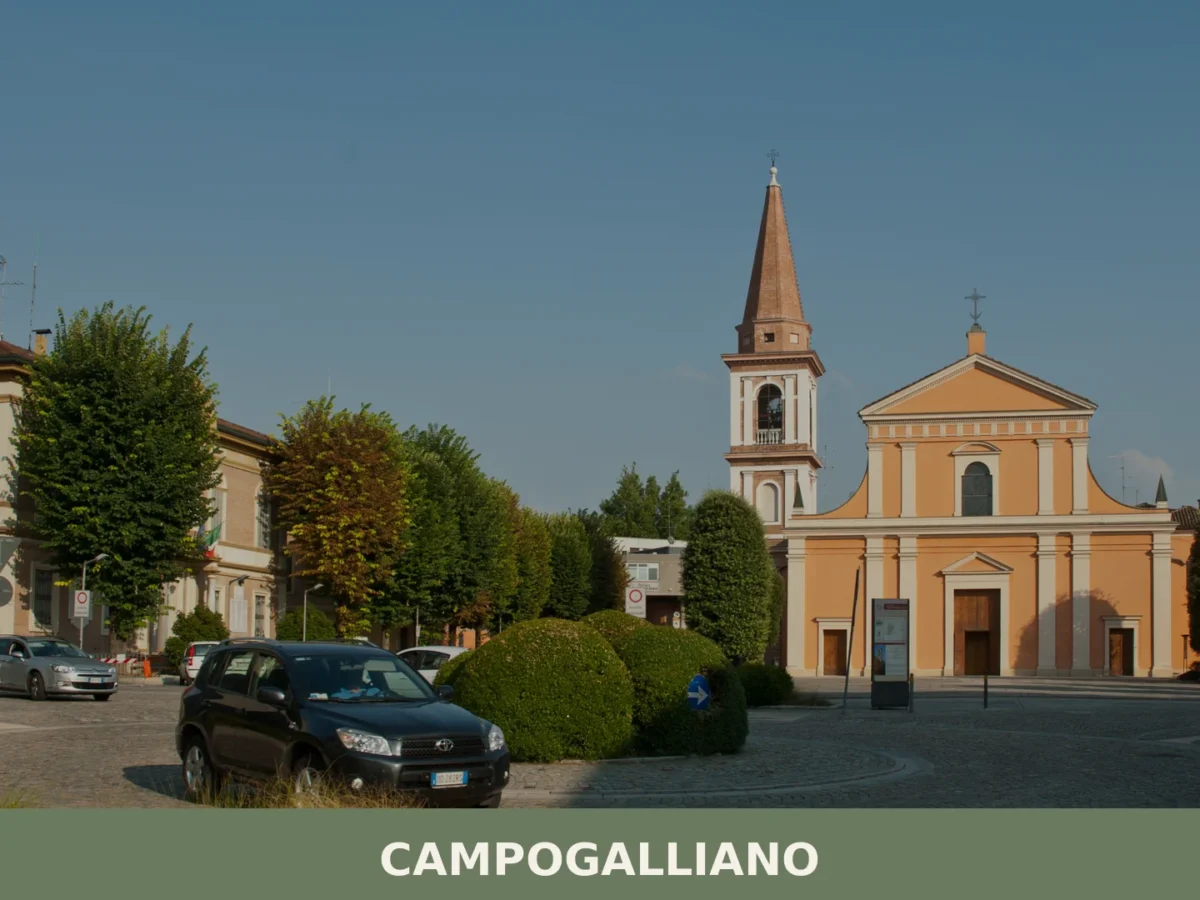
Campogalliano is a comune of roughly 8,500 people in the Province of Modena, renowned across Italy as the city of the weighing scale and home to a museum documenting two thousand years of measurement
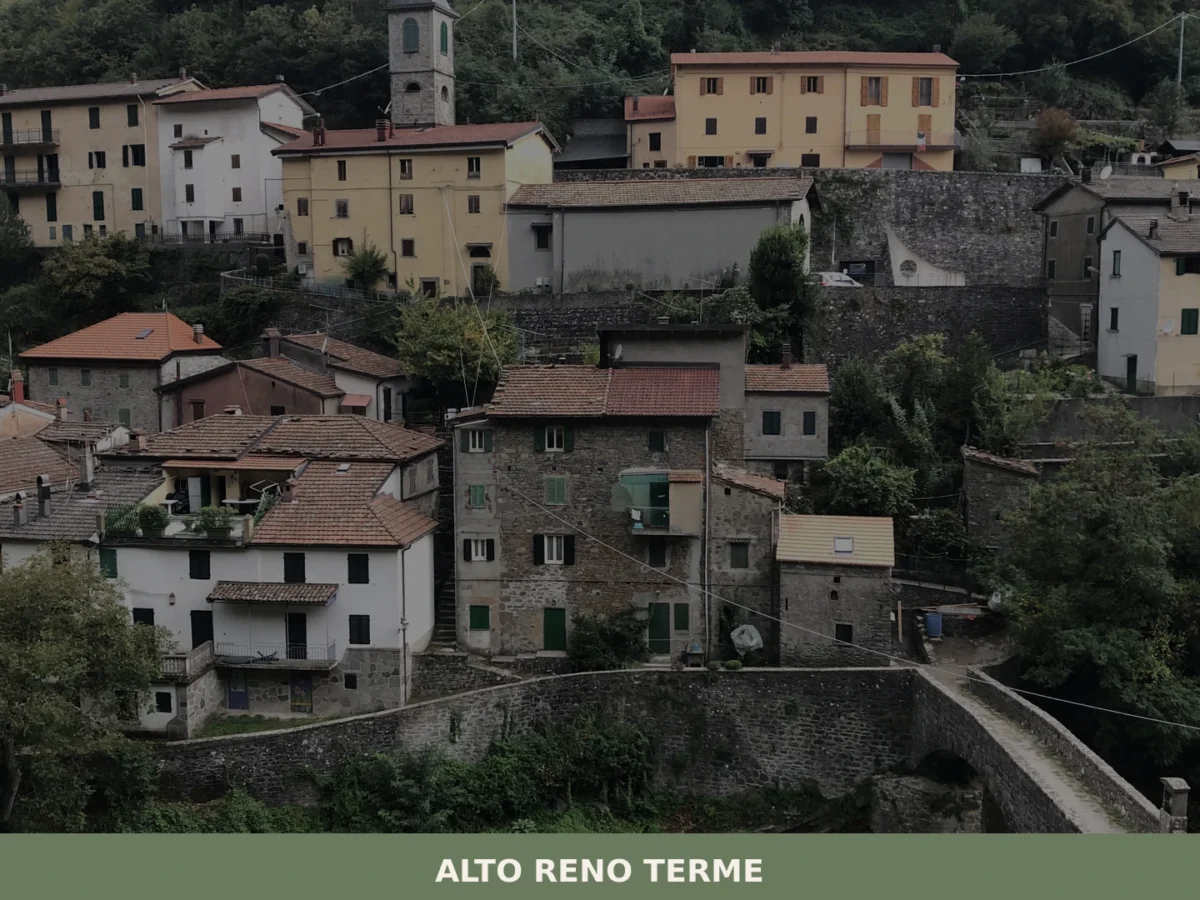
Alto Reno Terme
 Mountain
What to see in Alto Reno Terme: 5 unmissable attractions, from thermal baths and historic villages to Apennine nature. Discover the complete guide to plan your visit.
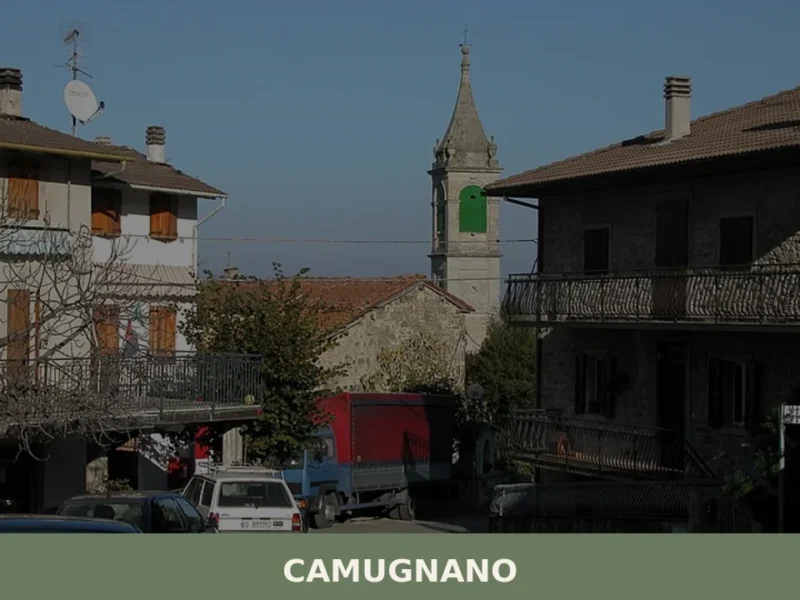
Camugnano
Mountain
In 1911, when the construction of the Suviana Dam transformed the course of the Limentra torrent, Camugnano changed its appearance forever. The water submerged farmland and footpaths, creating an artificial reservoir that now defines the landscape of the upper Bolognese Apennines at an altitude of 692 metres. This municipality of 1,948 inhabitants, spread across scattered […]
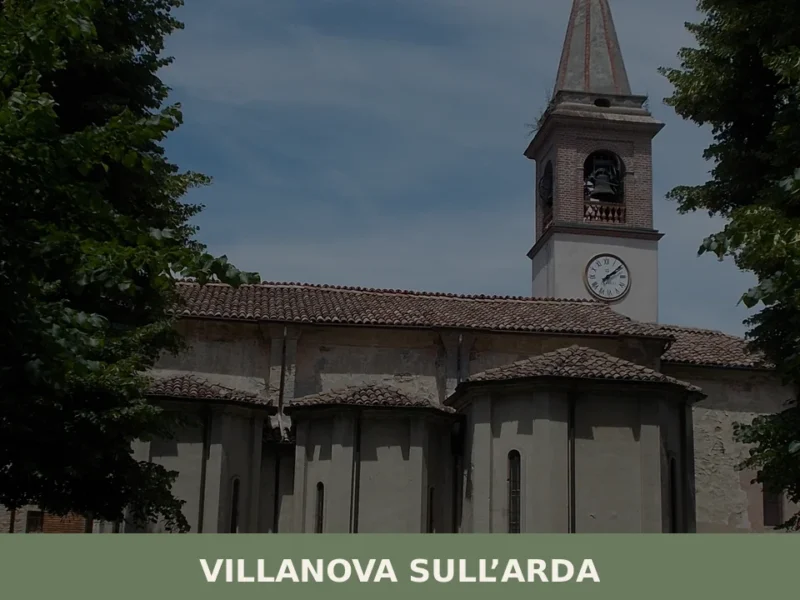
Villanova sull’Arda
Plains
In 1813, in the hamlet of Sant’Agata, Giuseppe Verdi was born — the composer who would rewrite the history of European melodrama. Villanova sull’Arda, home to 1,894 inhabitants in the Bassa Piacentina lowlands, still bears the marks of that bond: the villa where Verdi lived for over half a century with soprano Giuseppina Strepponi stands […]
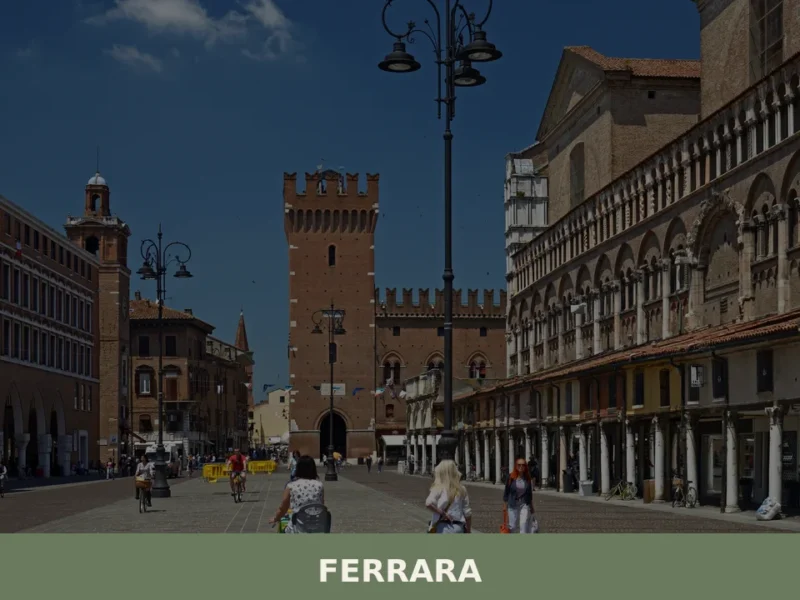
Ferrara
Plains
What to see in Ferrara? Explore 6 attractions, from the Estense Castle to the Palio at this city of 135,000. Discover Ferrara’s unique architecture today!
Argenta
Plains
What to see in Argenta, Italy: Explore the 7m altitude of Argenta. Discover top attractions like San Nicola di Bari and enjoy local foods.
Campagnola Emilia
Plains
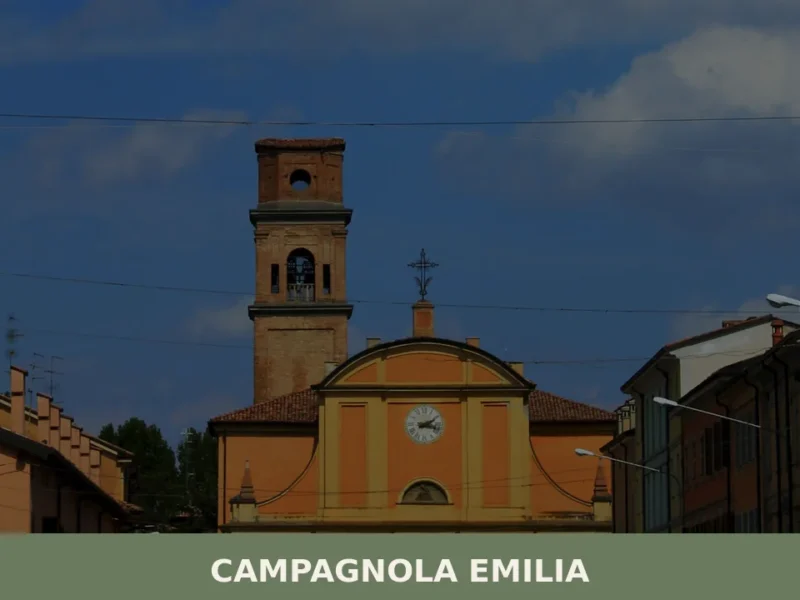
What to see in Campagnola Emilia, Italy: explore a Po Plain comune at 22 m altitude, 25 km from Reggio Emilia. Discover local festivals and food. Read the guide.
Rimini
 Sea
Sea
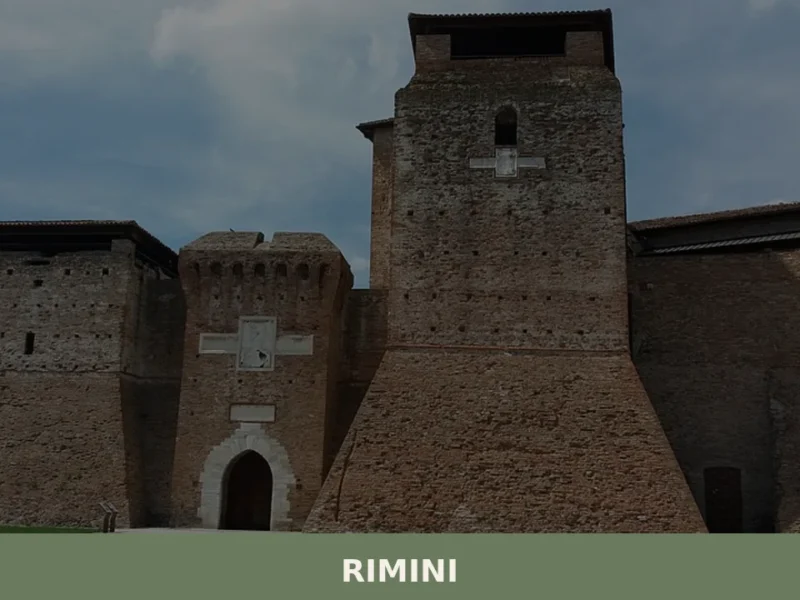
What to see in Rimini: 149,211 residents, Arch of Augustus, Tempio Malatestiano, Fellini Museum. Plan your visit with our complete guide to Roman history and local food.
Albinea
Plains
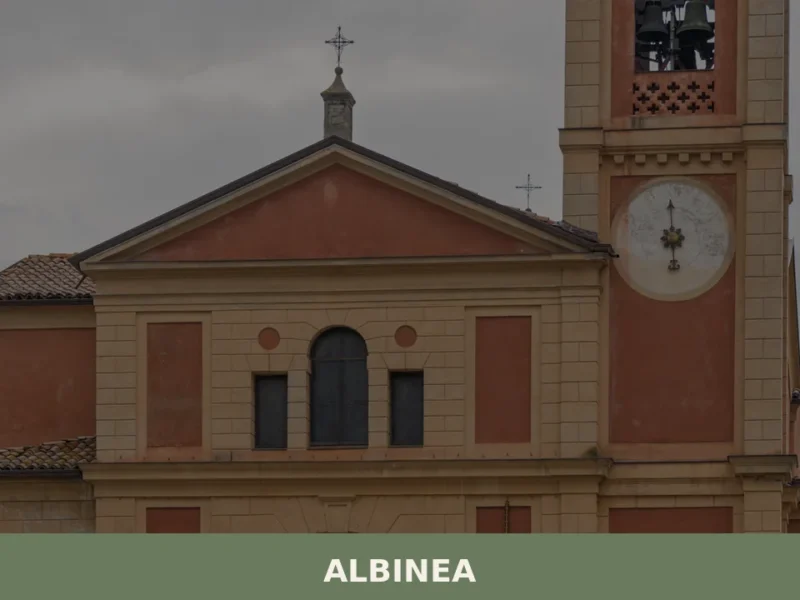
What to see in Albinea, Italy: explore 8,882 inhabitants, medieval history since 980 AD, Apennine foothills landscape and local food. Discover the full guide.

🏡 Know Budrio better than we do?
If you’re a local or have been there, your knowledge matters: add what’s missing or fix a detail on this page.