


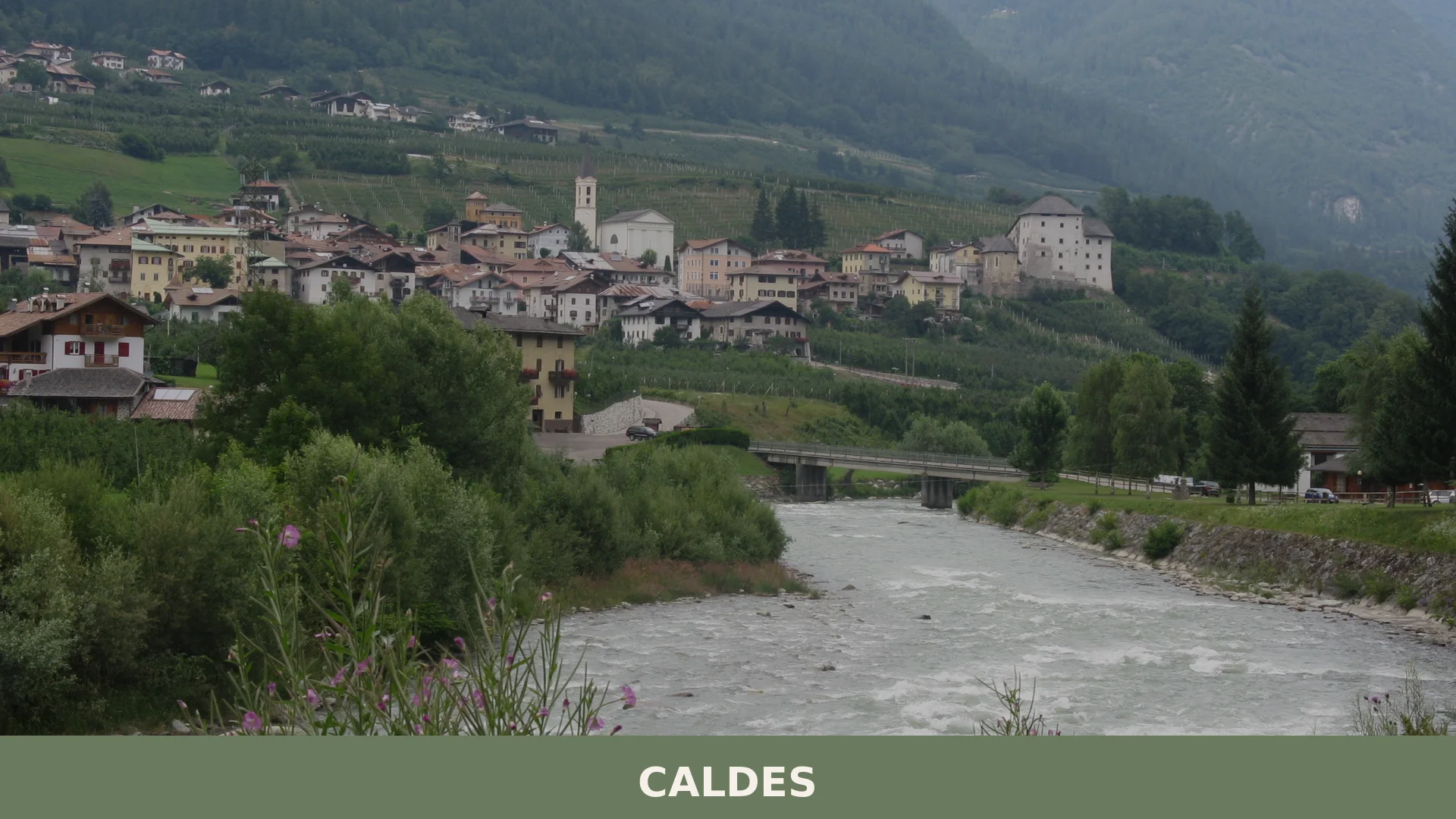

Caldes is a mountain village of around 1,100 inhabitants in the Val di Sole, Province of Trento, shaped by two medieval fortifications and a rich layered heritage stretching from the twelfth century t
Discover Caldes
Caldes is a mountain village of around 1111 inhabitants in the Val di Sole, province of Trento, Trentino-Alto Adige, sitting at approximately 697 metres above sea level across a municipal area of just under 20.89 square kilometres. Its skyline has been defined for centuries by two fortified landmarks — the Rocca di Samoclevo, whose origins reach back to the twelfth century, and Castel Caldes, first built in the thirteenth century — and the surrounding landscape along the torrente Noce has more recently gained recognition as a competitive venue for whitewater sport.
Caldes village in Trentino-South Tyrol: history and identity
The built landscape reflects several centuries of overlapping authority. The Rocca di Samoclevo, traceable to the twelfth century, and Castel Caldes, whose origins belong to the thirteenth century, together shaped the valley’s feudal geography. Around 1571 a chapel dedicated to the Nativity of Mary was added within the castle complex; its interior was later enriched by frescoes executed in 1629 by Elia Naurizio. The territorial boundaries of modern Caldes were redrawn in 1928, when the formerly independent communes of Bozzana, Cavizzana, Samoclevo and San Giacomo were merged into it; in 1956 a portion of that territory was separated to reconstitute the commune of Cavizzana.
In more recent decades Caldes gained a degree of sporting recognition through the centro sportivo delle Contre, situated along the Noce torrent, which in 1993 hosted the downriver events of the world canoe and kayak championships, and in 1998 welcomed a stage of the Canoe Descent World Cup.
Castles, Churches and Trenches Along the Noce Valley
Caldes holds two medieval fortifications, a cluster of churches spread across its main centre and fractions, a set of First World War trenches, and a riverside sports facility that has hosted international canoe competitions.
Castel Caldes
Standing at the entrance to the Val di Sole and overlooking the Noce torrent, Castel Caldes dates to the thirteenth century. Its current appearance reflects several building phases carried out between the early thirteenth century and the sixteenth. The first core — a five-storey tower serving also as a residence — was built between around 1230 and 1235 at the behest of Rambaldo and Arnoldo da Cagnò. Together with the Rocca di Samoclevo above it, the structure was used to monitor commercial traffic through the valley. In 1464 the complex passed to the Thun family. Within the castle grounds stands the Cappella della Natività di Maria, built around 1571 and decorated with frescoes painted by Elia Naurizio in 1629.
Rocca di Samoclevo
Older than Castel Caldes, the Rocca di Samoclevo goes back to the twelfth century and once worked in tandem with the castle below to control the valley routes.
Churches in Caldes and Its Fractions
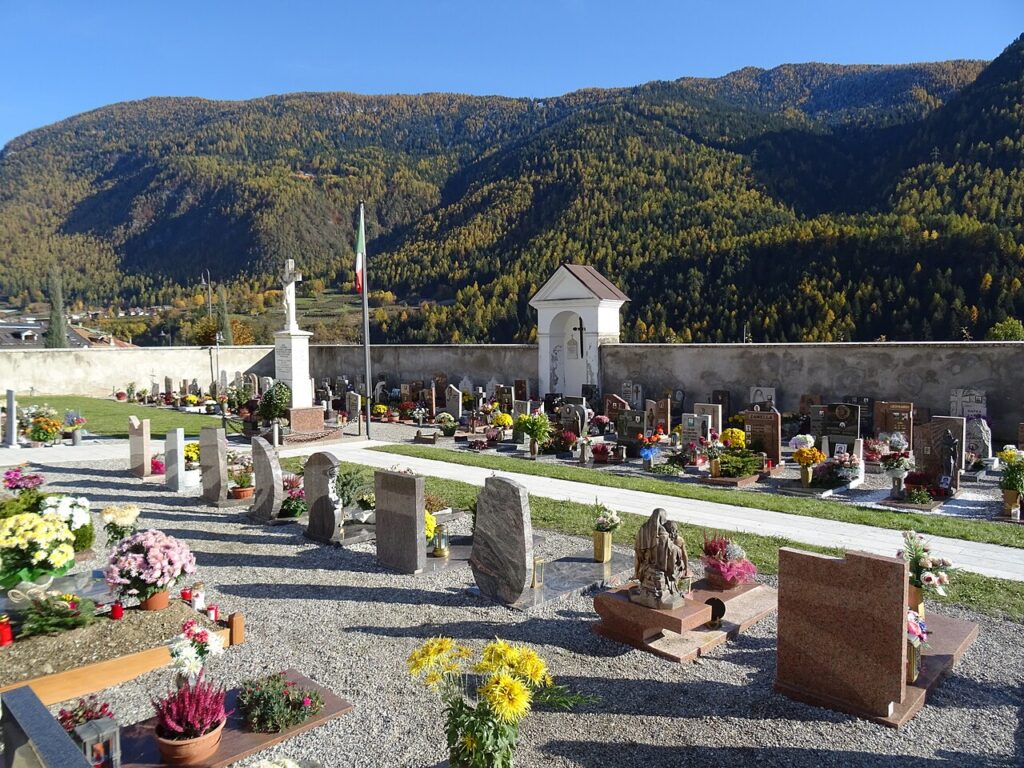
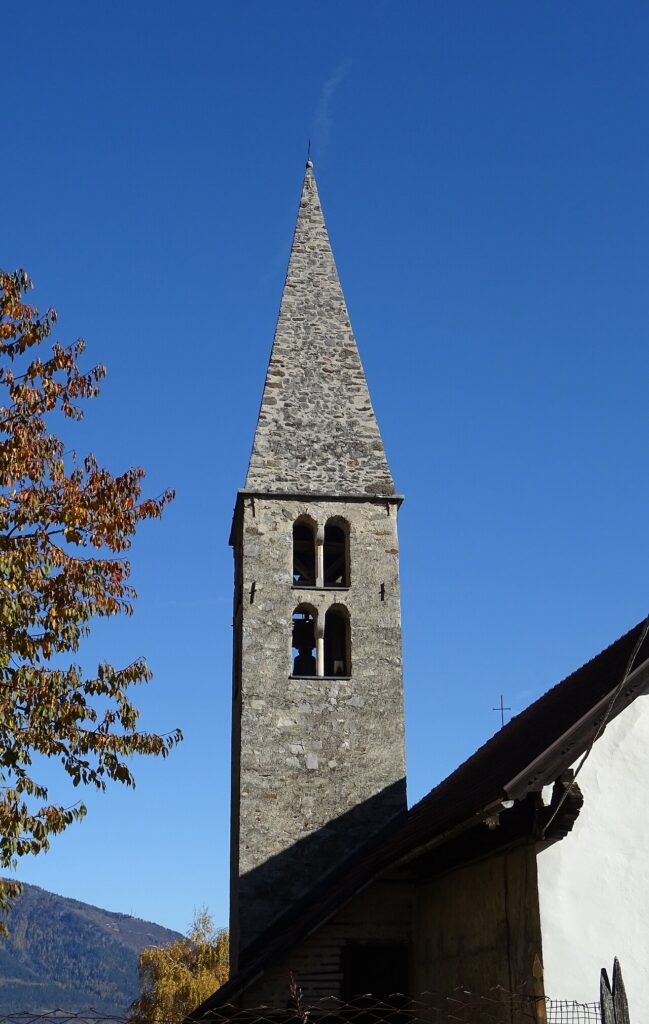
The parish church of San Bartolomeo, built in 1852, is the main place of worship in the village centre; its medieval predecessor is gone, though the romanesque campanile that belonged to it still stands. The cimiterial church of San Rocco is gothic in form and also retains a romanesque bell tower. The Cappella di Sant’Apollonia, also known as the Cappella del Crocifisso, is likewise located in Caldes. The fraction of San Giacomo has the church of San Giacomo Maggiore, Bozzana has the church of Santi Pietro e Paolo, and Samoclevo preserves the church of San Vigilio.
Trincee di Bordiana-Bozzana
The austro-hungarian trenches of Bordiana-Bozzana are a surviving trace of the First World War in the municipal territory.
Centro Sportivo delle Contre
Running alongside the Noce torrent, the Centro Sportivo delle Contre hosted the descent events of the world canoe and kayak championships in 1993, and a Coppa del Mondo canoe descent stage in 1998.
Caldes and the Val di Sole: Certified Products and Local Flavours
Caldes sits within a provincial food tradition best represented by certified products such as Mela Val di Non DOP and Mele del Trentino IGP, alongside Carne Salada del Trentino IGP and Grana Padano DOP — none of them exclusive to the village, but all part of the broader culinary landscape visitors encounter across the Trentino valleys.
The territory also shares in a range of regional PAT products worth seeking out: distilled spirits made from local fruit, acquavite of juniper, sciroppo di lampone and sciroppo di sambuco are among the traditional preparations associated with the mountain communities of this part of Trentino. Again, these belong to the wider provincial culture rather than to Caldes alone.
On the craft side, Caldes has a long-standing tradition of woodworking — the production of furniture and furnishings remains an active and well-regarded local trade, and pieces made by artisans in the area can still be found today.
Planning your visit and getting there
Caldes can be reached easily from the lower Val Pellice and the Turin area. The practical distances and journey times below are kept concise on purpose, so the access information stays clear and consistent.
| Departure | Distance | Time |
|---|---|---|
| Trento | approx. 70 km | approx. 60 min |
| Malé (capoluogo Val di Sole) | approx. 10 km | approx. 15 min |
| Bolzano | approx. 100 km | approx. 80 min |
These practical reference points are enough to plan the journey without overloading the text with unstable logistics. Once on site, the village is best understood slowly, on foot and in relation to the surrounding landscape.
Frequently asked questions about Caldes
What is the best time to visit Caldes?
Summer and early autumn are ideal for outdoor activities along the Noce river and exploring mountain trails. The patron saint feast of San Bartolomeo on August 24th offers a cultural celebration. Winter suits those interested in snow sports in the broader Val di Sole region. Spring brings pleasant weather for hiking and sightseeing without summer crowds.
How do I reach Caldes from major cities?
Caldes is located in Val di Sole, province of Trento. The nearest motorway is the A22 (Brenner motorway). The closest train station is in Trento. From there, regional buses or car rental are recommended for the final journey to the village. The drive from Trento to Caldes takes approximately one hour through mountain valleys.
What are the main historical landmarks to visit?
Rocca di Samoclevo, dating to the twelfth century, dominates the skyline. Castel Caldes, built in the thirteenth century, features a chapel dedicated to the Nativity of Mary with frescoes painted by Elia Naurizio in 1629. Both fortified structures reflect centuries of feudal authority in the valley and remain defining features of Caldes' architectural identity.
Is Caldes suitable for whitewater sports enthusiasts?
Yes. The torrente Noce surrounding Caldes has gained recognition as a competitive whitewater sports venue. The river offers opportunities for rafting, kayaking, and other water activities. The landscape along the torrent provides both recreational and professional-level challenges, making it popular with adventure sports enthusiasts year-round.
How long should I plan to stay in Caldes?
A full day visit allows exploration of both castles, the village center, and a short valley walk. For outdoor activities like hiking or whitewater sports, plan two to three days. Staying overnight enables leisurely sightseeing, visits to local restaurants featuring Val di Sole certified products, and evening relaxation in this quiet mountain setting.
📷 Photo Gallery — Caldes
In Trentino-South Tyrol More villages to discover
Bressanone
 Hills
Hills
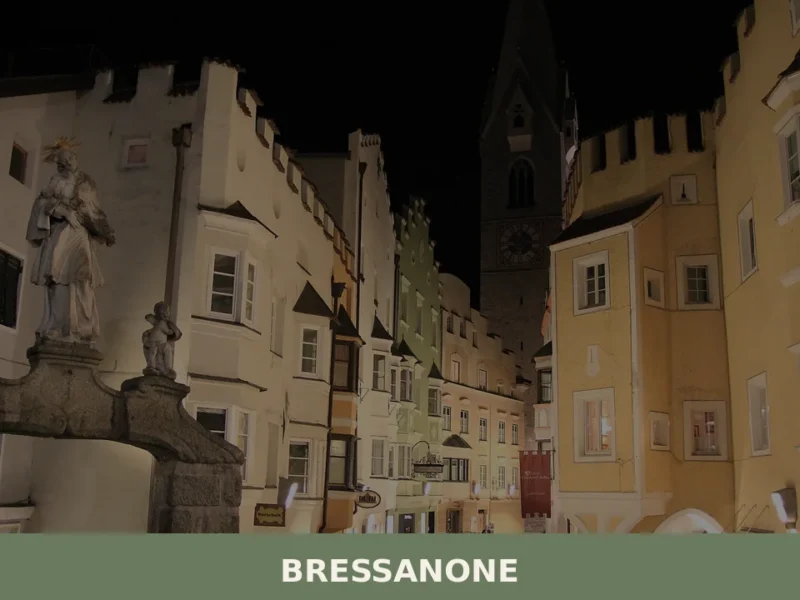
Bressanone is the oldest city in Tyrol, with a bishopric founded around 990 AD that shaped the urban, economic and cultural structure of the entire valley for centuries. Situated at 559 metres above sea level, at the point where the Rienza river flows into the Isarco, the city has a current population of 22,816 and […]

Castelrotto
 Mountain
7,000 residents, three languages and one of the Alps' highest-altitude market towns. Castelrotto offers medieval architecture, Ladin heritage and alpine pastures.
Castelbello-Ciardes
Hills
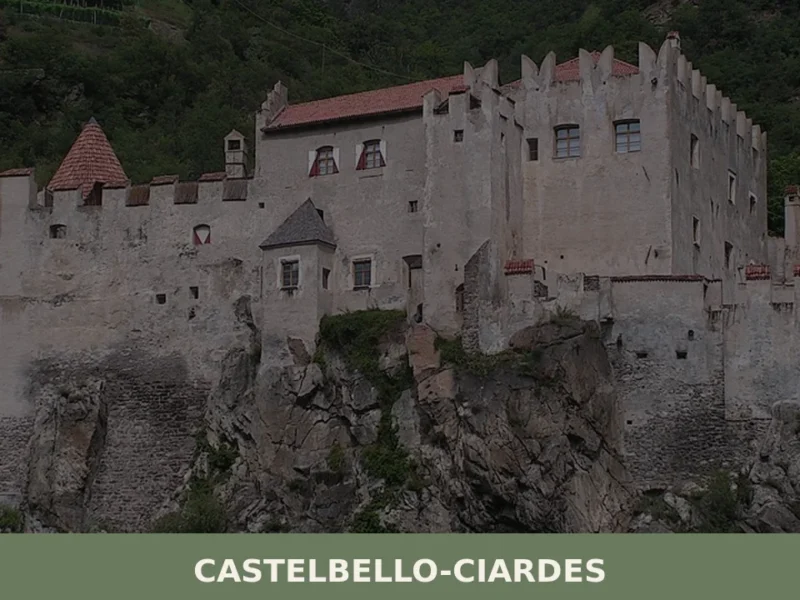
The municipality of Castelbello-Ciardes, home to 2,379 inhabitants at 587 metres above sea level in the Venosta Valley, owes its existence to a dual administrative identity: in 1928 the two separate villages of Castelbello (Kastelbell) and Ciardes (Tschars) were merged into a single municipality. Anyone looking into what to see in Castelbello-Ciardes will find an […]
Calliano
Hills
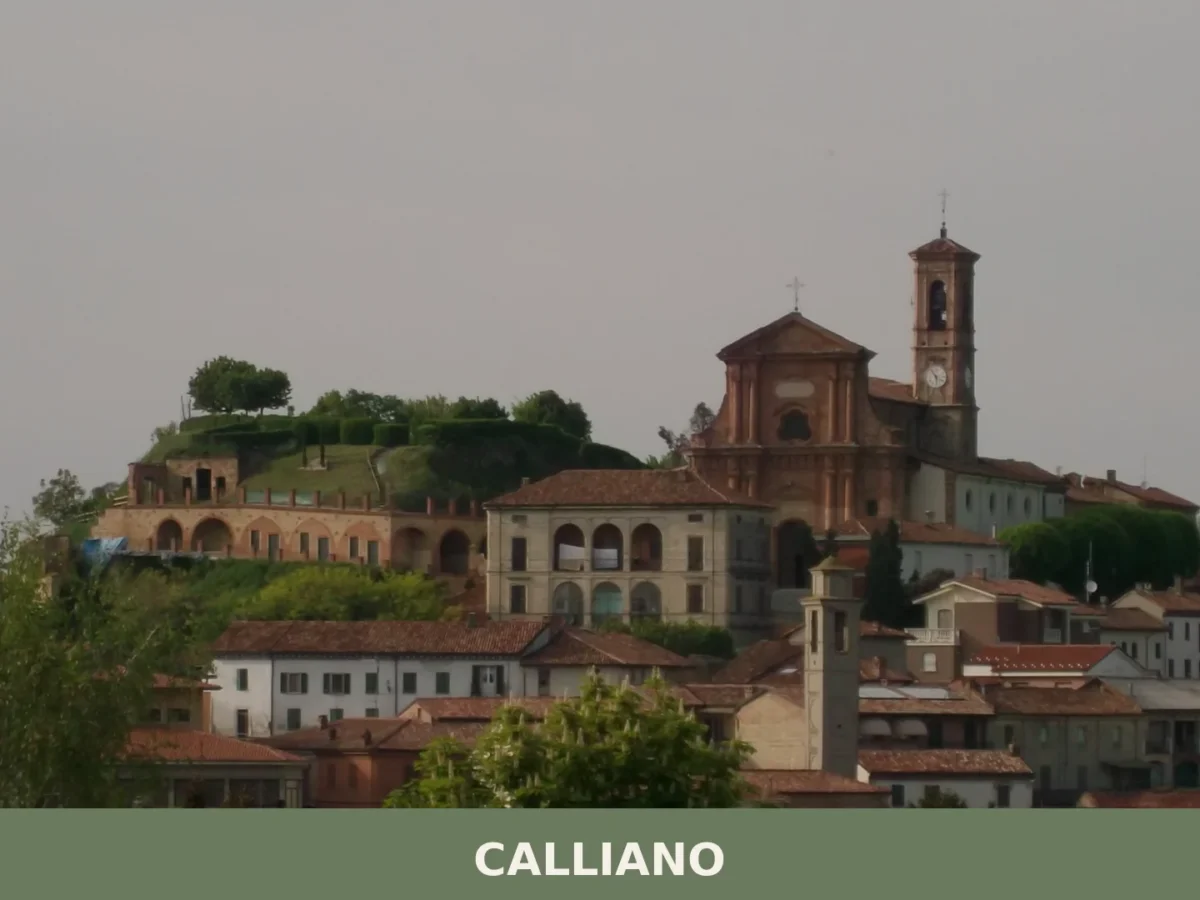
Calliano Monferrato is a hillside commune of around 1,200 people in the province of Asti, Piedmont, known for its donkey race, barbera vineyards, and medieval churches on the ridge between the Valle V
Aldeno
Mountain
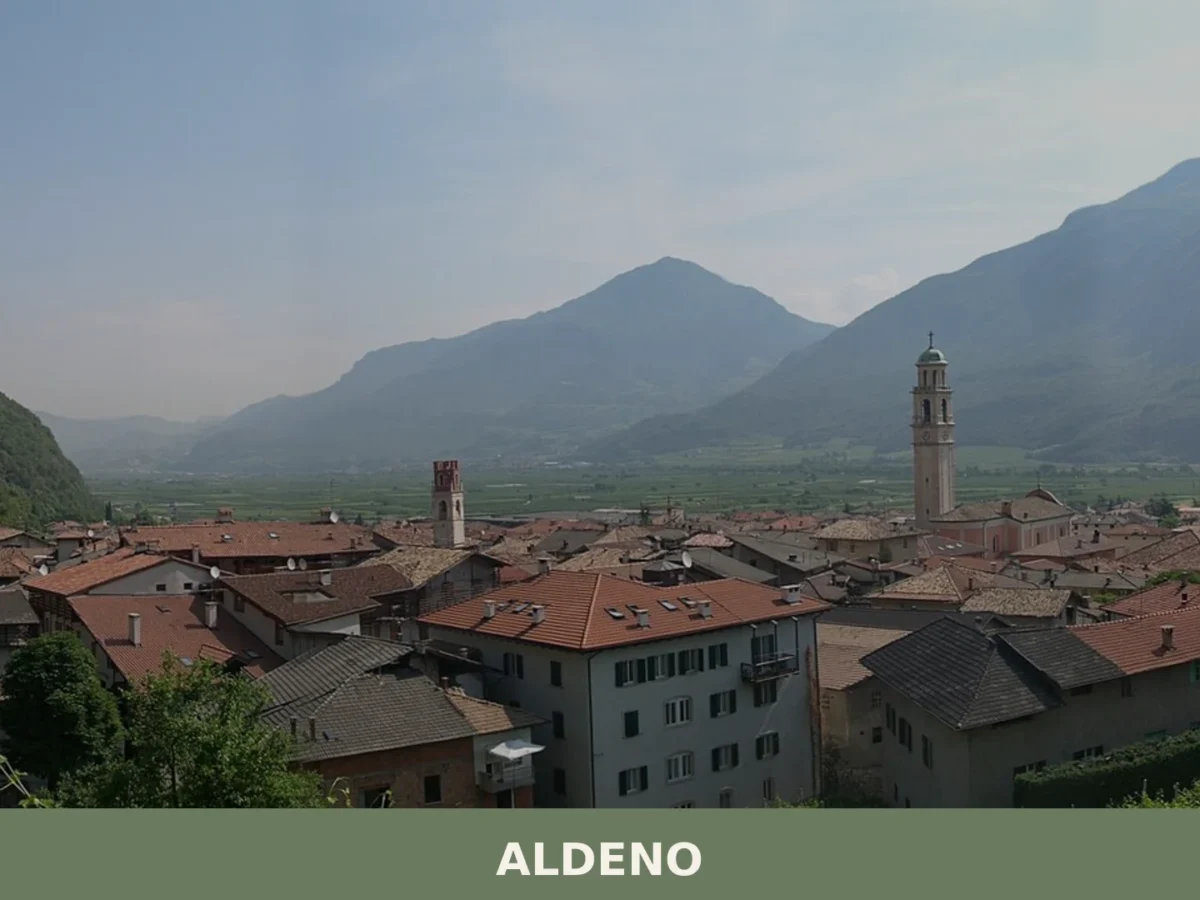
A 3,374-inhabitant comune on the Adige's bank, Aldeno blends prehistoric trade crossings with baroque churches and the memory of the Austro-Hungarian Great War command.
Carisolo
Mountain
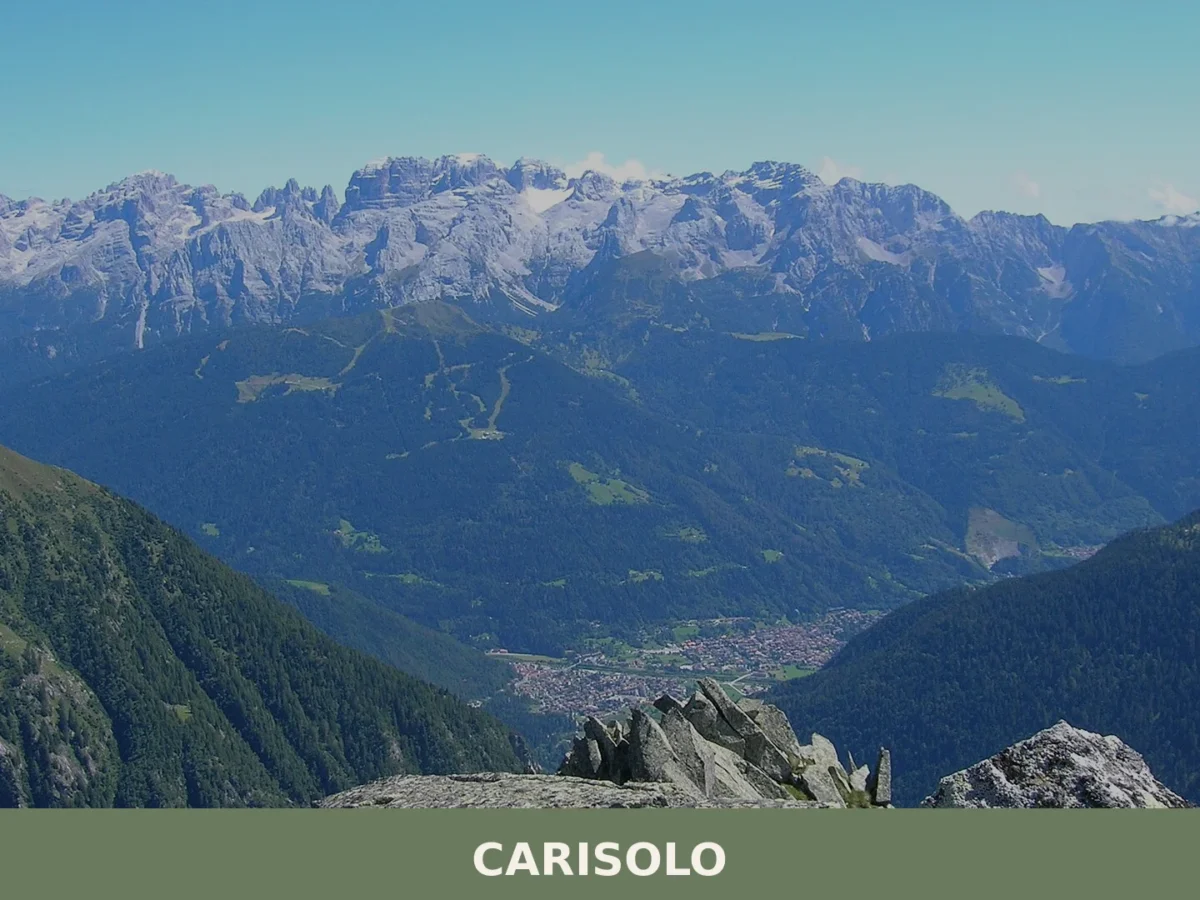
Carisolo is a mountain village of around 910 inhabitants in Val Rendena, province of Trento, standing at 813 metres and offering medieval religious heritage, a historic glassworks and direct access to
Caldaro sulla strada del vino
Hills
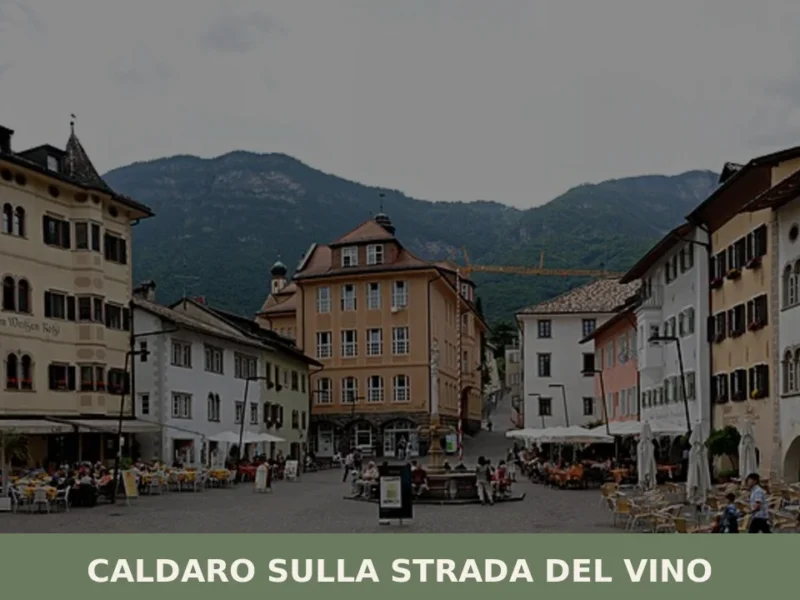
Caldaro sulla strada del vino — Kaltern an der Weinstraße in German — has 7,735 inhabitants and over 600 hectares of vineyards, the largest cultivated wine-growing area in South Tyrol. The place name itself declares the vocation of this centre in the province of Bolzano, which grew along the trade route linking the Bassa Atesina […]

Trento
 Plains
What to see in Trento, a city of 119,359. Discover its Duomo, Castello del Buonconsiglio, and typical cuisine. Explore its rich Council history.
Caldonazzo
 Lake
Mountain
Lake
Mountain
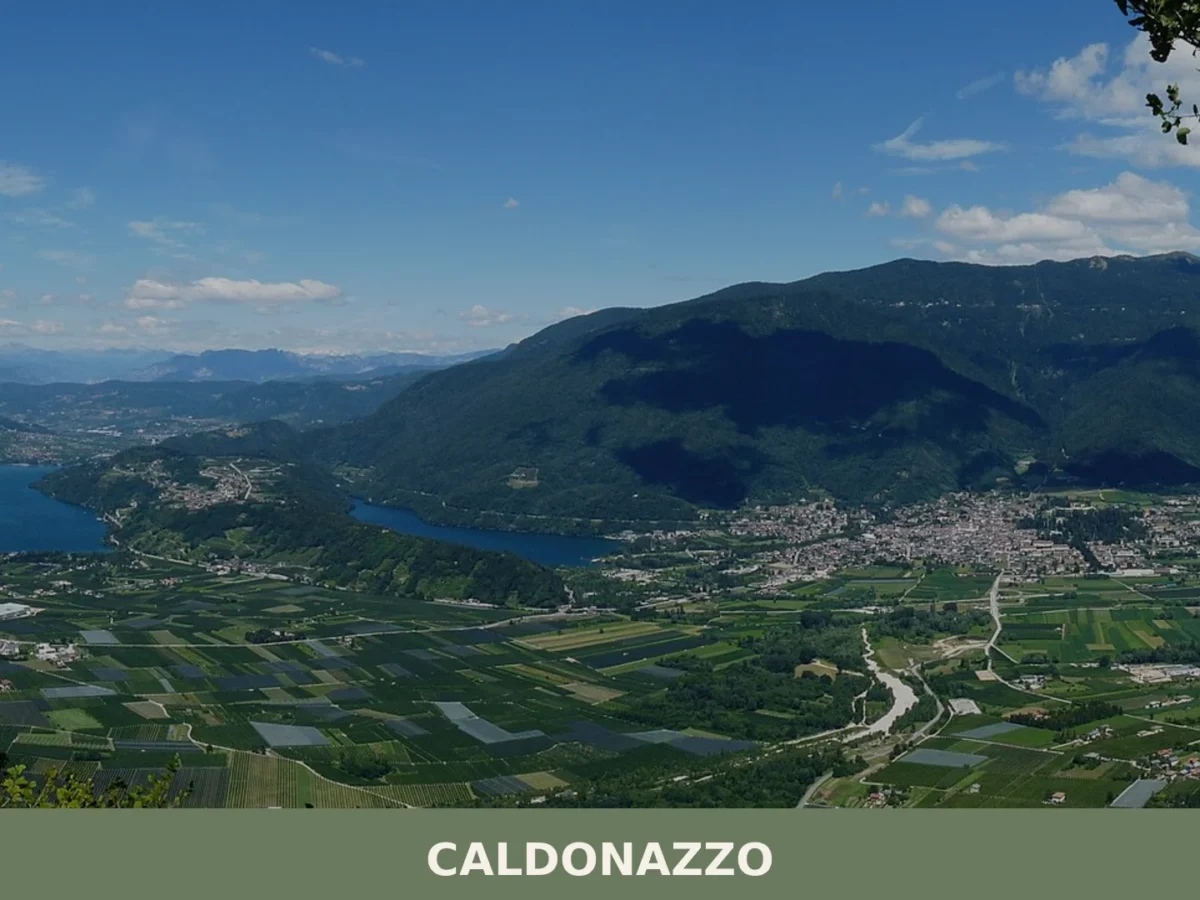
Caldonazzo is a municipality of around 4,000 inhabitants in the Province of Trento, set at 486 metres above sea level at the gateway to the Valsugana valley, where the river Brenta rises from its glac
Altopiano della Vigolana
Mountain
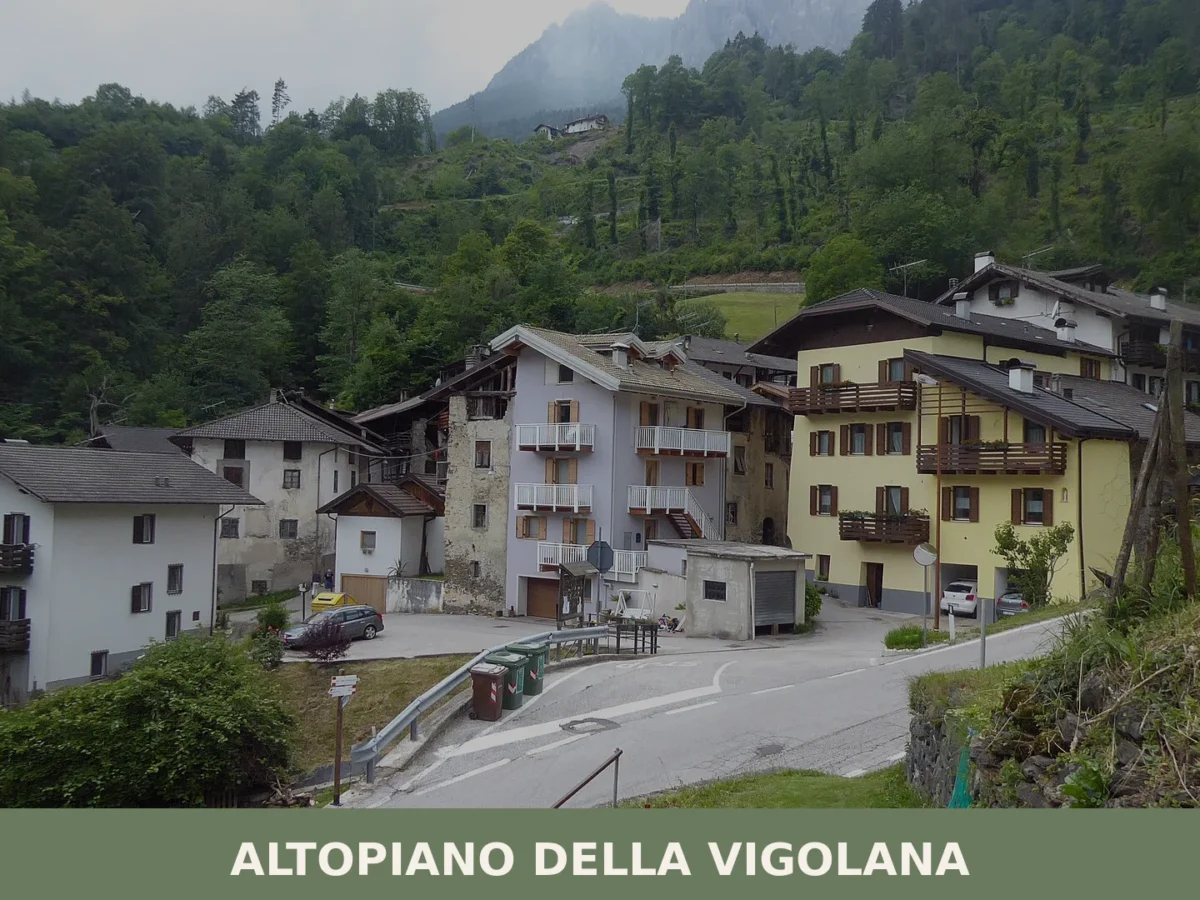
Five thousand inhabitants spread across four frazioni at 725 metres altitude. Roman roads, medieval churches and a 2015 municipal reunification anchor this mountain village in the Upper Valsugana.
🏡 Know Caldes better than we do?
If you’re a local or have been there, your knowledge matters: add what’s missing or fix a detail on this page.